Under the theme “Autism and Humanity... Every Life Matters” Arabian Gulf University is a strategic partner in training and preparing specialized professionals to support people with autism in the GCC countries
Arabian Gulf University
02 Apr, 2026
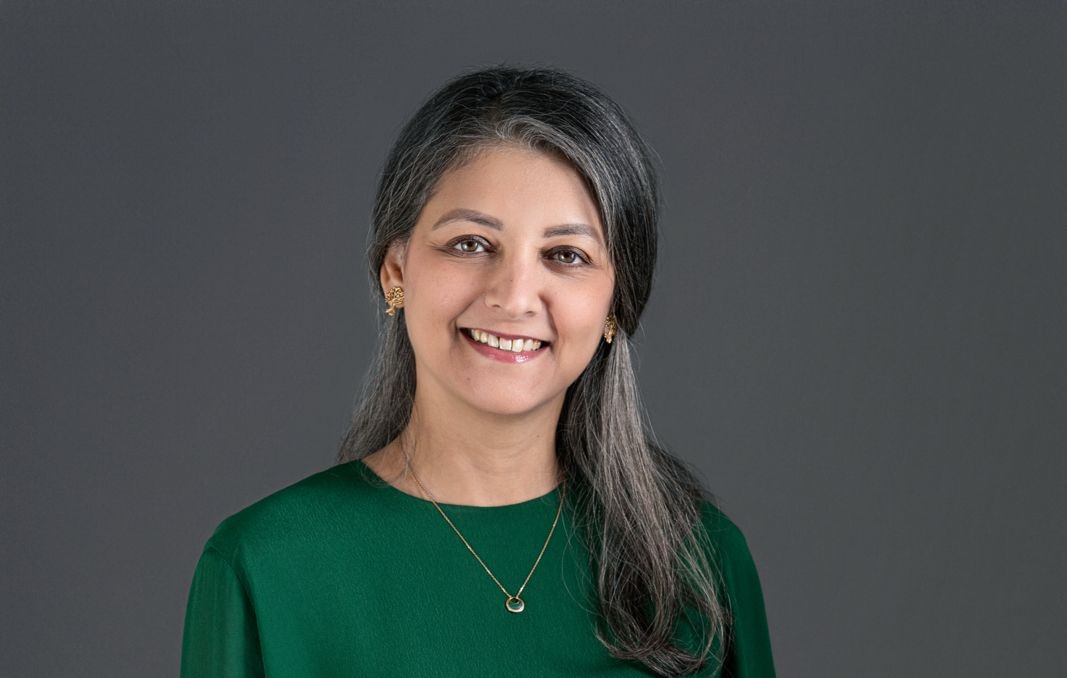
Dr. Wod Hussein Dagistani, Associate Professor of Special Education and Coordinator of the Learning and Developmental Disabilities Program at Arabian Gulf University, affirmed that observing World Autism Awareness Day represents an important milestone in promoting community awareness of the rights of people with autism, reinforcing the values of acceptance and inclusion in all aspects of life, and that investing in people in all their diversity is the path toward a sustainable future.
She explained that designating April 2 of each year as World Autism Awareness Day, since its adoption by the United Nations General Assembly, has contributed significantly to a qualitative shift in the perception of autism as the focus has shifted from mere awareness to adopting an approach based on respect for human dignity and equal rights. She called for the development of inclusive environments for people with autism using a dynamic approach that leads to genuine adaptation of environments to suit the individual needs of each person with autism.
She added that this year’s theme for 2026, “Autism and Humanity: Every Life Matters,” reflects a global trend that emphasizes that people with autism are an integral part of the social fabric, and that empowering them goes beyond simply providing services; it also involves ensuring their active participation in education, employment, and public life.
she highlighted the leading role played by the Arabian Gulf University in training and qualifying Gulf professionals specializing in autism, noting that the university’s high-quality academic programs help meet the Gulf Cooperation Council countries’ need for qualified specialists, in accordance with the latest scientific standards and professional practices.
She noted that the university has graduated more than 431 master’s and doctoral degree holders, explaining that this initiative strengthens national capacity-building to provide high-quality educational and rehabilitation services, and supports the process of comprehensive integration and sustainable development in the region.
She noted that challenges remain, particularly given the spread of certain misconceptions and stereotypical narratives, which calls for intensified efforts to disseminate accurate scientific knowledge and promote policies that support neurodiversity.
She said that integrating neurodiversity is a cornerstone of achieving the Sustainable Development Goals, given its role in fostering innovation and creativity and building more inclusive and equitable societies, emphasizing the importance of developing educational programs that take individual differences into account and support the abilities of all learners.
She also emphasized the need for educational, health, and community institutions to join forces, work to empower families, and provide inclusive and safe learning environments that offer people with autism equal opportunities to grow and thrive.
She emphasized that investing in people in all their diversity is the path to a more equitable and sustainable future, calling for continued efforts to build societies that respect and celebrate diversity.