

The Conference on Artificial Intelligence in Medicine, organized by Arabian Gulf University in the capital city of Manama from November 5 to 7, will kick off in the presence of His Excellency Lieutenant General Dr. Shaikh Mohammed bin Abdullah Al Khalifa, Chairman of the Supreme Council of Health, and with the participation of 37 experts and specialists in the fields of medicine, artificial intelligence, and health technologies from the Kingdom of Bahrain, other countries in the region, and around the world, to discuss the latest applications of artificial intelligence in diagnosis, treatment, and healthcare, and to exchange expertise and experiences in this field.
The conference will be held at the Gulf Hotel, providing a platform for multidisciplinary scientific dialogue, exploring opportunities for cooperation and research partnerships, and discussing the scientific, ethical, and regulatory challenges associated with the use of artificial intelligence in health systems. This will contribute to the development of practical solutions that enhance the efficiency of health services while preserving the central role of medical expertise and the human element in the delivery of care.
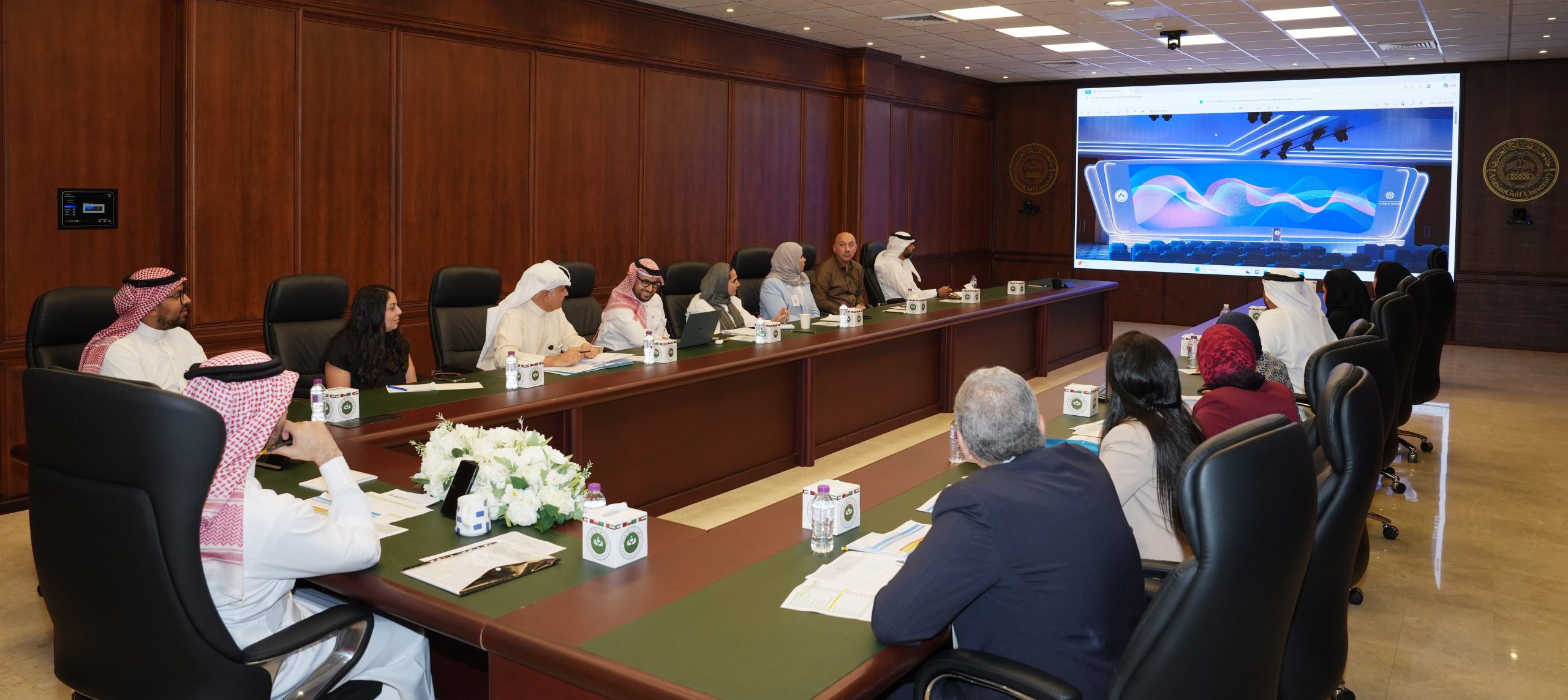
The conference organizing committee, chaired by the University Vice President for Academic Affairs and Scientific Research, Dr. Ghazi bin Abdulrahman Al-Otaibi, continues to meet weekly to finalize scientific, organizational, and logistical preparations and ensure that all aspects of the conference are ready.
The scientific program will discuss the latest innovations and practical applications of artificial intelligence in the field of medicine, including the use of smart technologies in the prevention of heart disease and the prediction of related risks, as well as supporting the care of patients with diabetes and obesity through continuous monitoring systems and personalized treatment, in addition to the development of medical imaging technologies and enhancing their diagnostic accuracy.
The conference sessions will also address AI applications in emergency and intensive care units, including smart patient triage, early detection of critical conditions, support for clinical decision-making, and the personalization of treatment plans—all of which contribute to accelerating medical response times and improving the quality of healthcare.
The sessions will also explore the ethical and regulatory aspects of using artificial intelligence in the healthcare sector, with a focus on protecting patient privacy and ensuring the safe and responsible use of modern technologies. They also review the role of these technologies in advancing nursing practices, medical education, and precision medicine, as well as applications for remote monitoring and the training of healthcare professionals to keep pace with the digital transformation.
The program also addresses AI applications in genomics and bioinformatics, including the discovery of biomarkers, accelerating drug development, and predicting treatment response, as well as enhancing primary and virtual care services and improving the management of chronic diseases outside traditional healthcare facilities.
The conference will feature a session for medical students from several Gulf medical schools to discuss the current state and future of AI applications in medical education and to explore the potential of smart technologies in supporting learning, clinical practice, and scientific research.
The conference will conclude with three hands-on workshops addressing the uses of artificial intelligence in ECG interpretation, clinical research design, and health data analysis, thereby promoting the adoption of these technologies in medical and research practices.
The conference is being organized as part of Arabian Gulf University’s efforts to strengthen its scientific and research presence in the fields of medicine and health technologies, and to keep pace with the rapid transformations in artificial intelligence and its applications, thereby supporting the development of medical education and scientific research and advancing the future of healthcare.