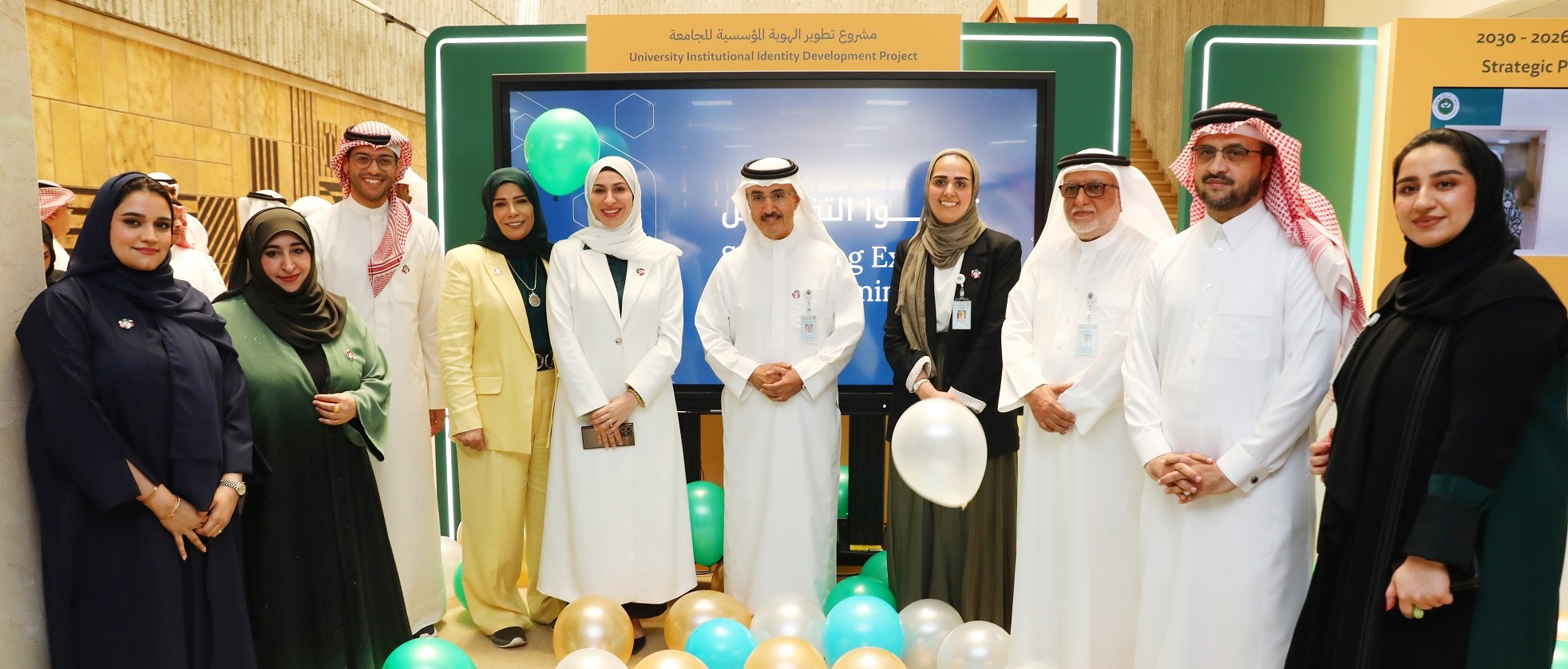
Arabian Gulf University Launches Strategic Transformation Projects Marking a New Institutional Milestone Towards the Future, Innovation, and Excellence
Arabian Gulf University
13 May, 2026
His Excellency Dr. Saad bin Saud Al-Fahaid, President of the Arabian Gulf University, affirmed that the university is steadily moving toward a new phase of institutional excellence through the launch of a package of high-quality strategic projects that embody the university’s vision for a more competitive, sustainable, and innovative future, and cementing its position as a leading Gulf academic institution in education, research, and innovation.
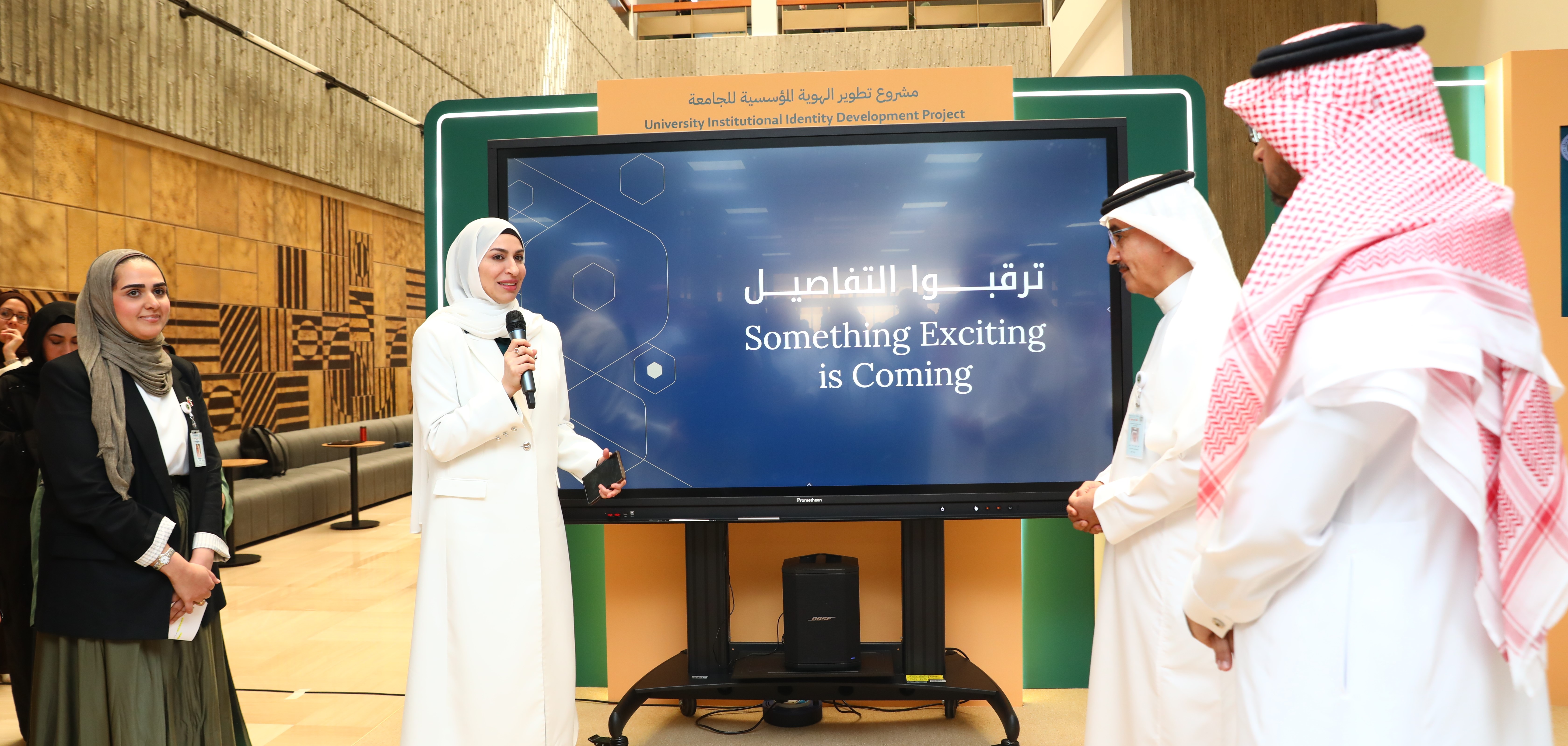
This announcement came during a ceremony to launch four strategic institutional projects, including the Strategic Plan for the years (2026–2030), the new institutional identity, the digital transformation project, and the human resources development and governance project, as part of an integrated approach aimed at reshaping the university’s operational framework and enhancing the university’s readiness for future demands and rapid transformations.
\
Dr. Al-Fahaid said: "The university believes that true investment begins with people, knowledge, and technology. The coming phase will witness a qualitative transformation in the academic, administrative, and research environments, thereby strengthening the university’s position as a long-standing Gulf institution capable of competing globally, and a key partner in creating a sustainable impact in the fields of education, research, and innovation within the Gulf Cooperation Council.”
He explained that the new projects are designed to foster a culture of continuous development, stating: “The universities that lead the future are those that have the courage to change and the vision to transform challenges into opportunities for growth and excellence.”
For his part, Dr. Ghazi bin Abdulrahman Al-Otaibi, Vice President for Academic Affairs and Scientific Research, emphasized that these projects represent a comprehensive institutional transformation aimed at enhancing the quality of academic and research outputs, as well as improving performance efficiency and future readiness, noting that the university views institutional transformation as an ongoing journey toward excellence, while emphasizing that investment in technical infrastructure, human resources, and modern governance will contribute to building a more flexible university model that is responsive to global changes.
He noted that the four projects form an interconnected system that promotes the modernization of strategic frameworks and establishes a contemporary institutional identity, in addition to developing services and enhancing the efficiency of human capital, thereby supporting the achievement of the university’s objectives, and strengthening its academic and research presence at the regional and international levels.
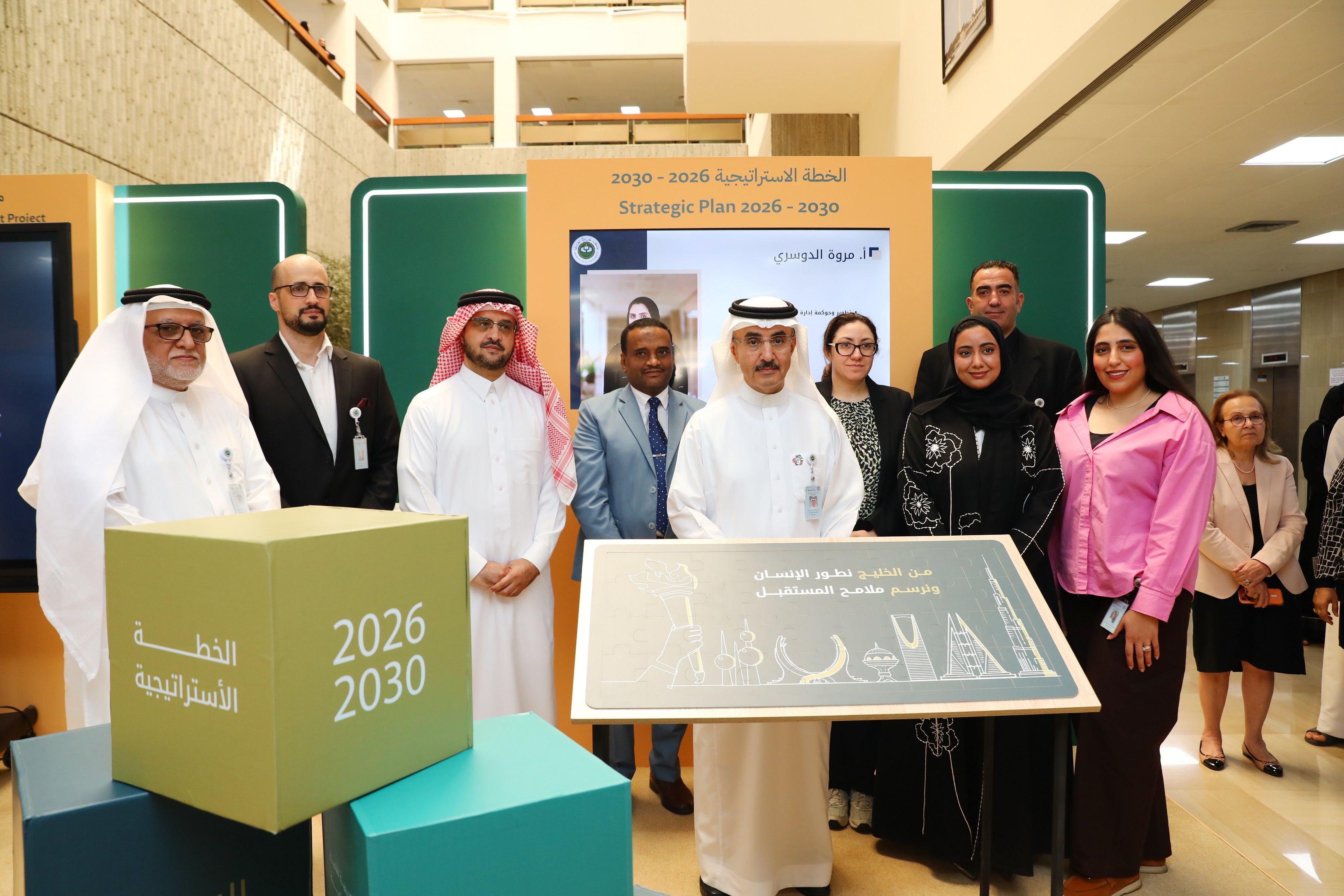
During the launch, the Quality Assurance and Strategic Planning Center team presented the highlights of the new strategic plan and the stages of its development, including its strategic objectives and a detailed breakdown of 34 initiatives, in addition to the approval of 103 projects that represent the roadmap for the next phase of the university’s journey.
Furthermore, the elements of the new identity, prepared by the university’s Institutional Communication Center team, were inspired by features that express the depth of the Gulf heritage and its cultural diversity—from the colors of the desert sands and the waters of the Gulf to symbols carrying special significance for each Gulf nation, such as the Bahraini pearl, the Saudi palm tree, the Emirati falcon, the Kuwaiti ships, the Qatari banoush, and the Omani dagger, in a visual representation that reflects the unity of the Gulf identity within its rich diversity.
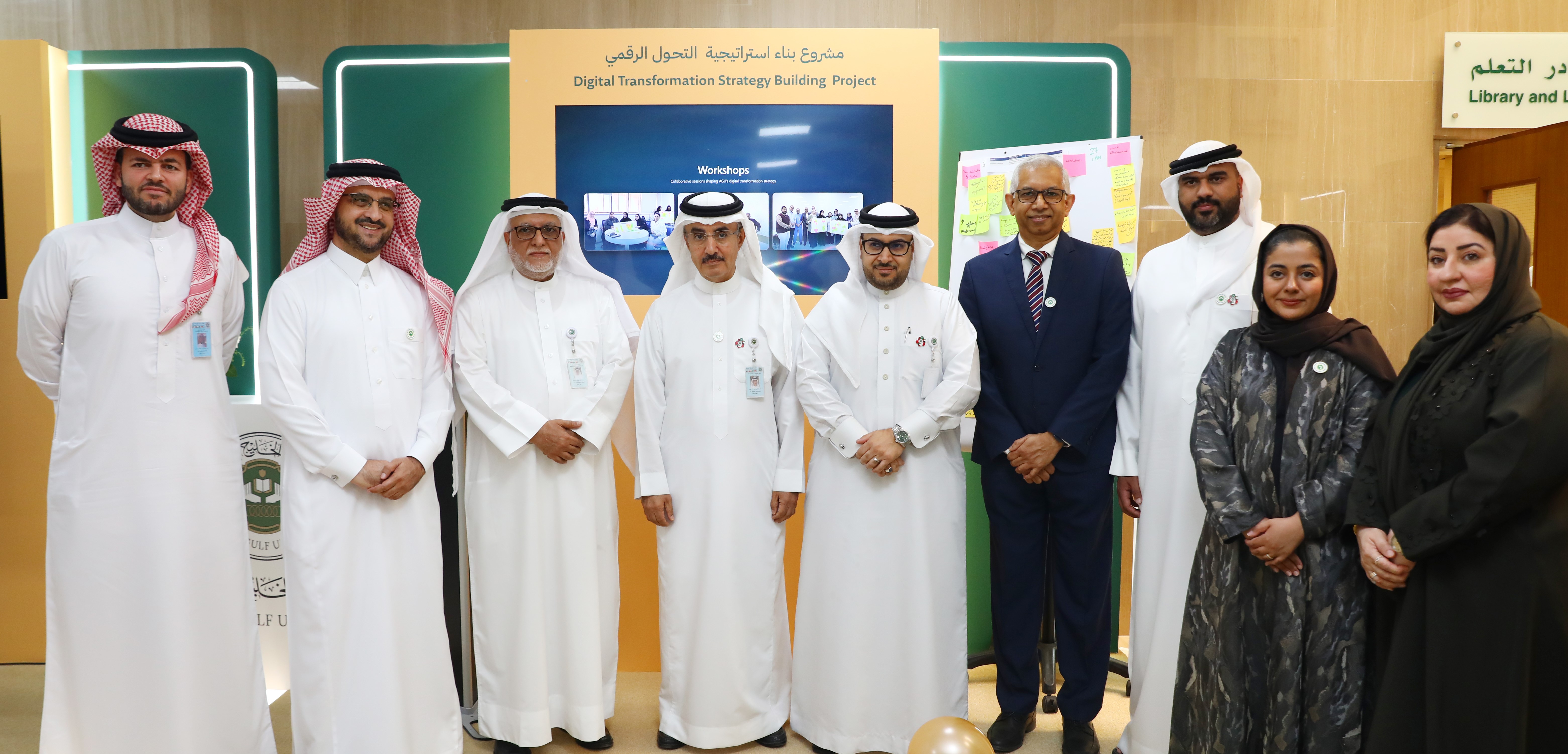
The Digital Transformation Strategy project also represents a pivotal step toward institutional development by transforming disparate digital initiatives into an integrated strategic framework that supports the university’s future. The project’s significance lies in aligning digital initiatives with the priorities of education, research, and university services, thereby contributing to enhanced performance efficiency, an improved user experience, and strengthened integration between systems and data quality, while also supporting decision-making based on accurate indicators, which in turn enhances the university’s readiness, efficiency, and preparedness for future demands.
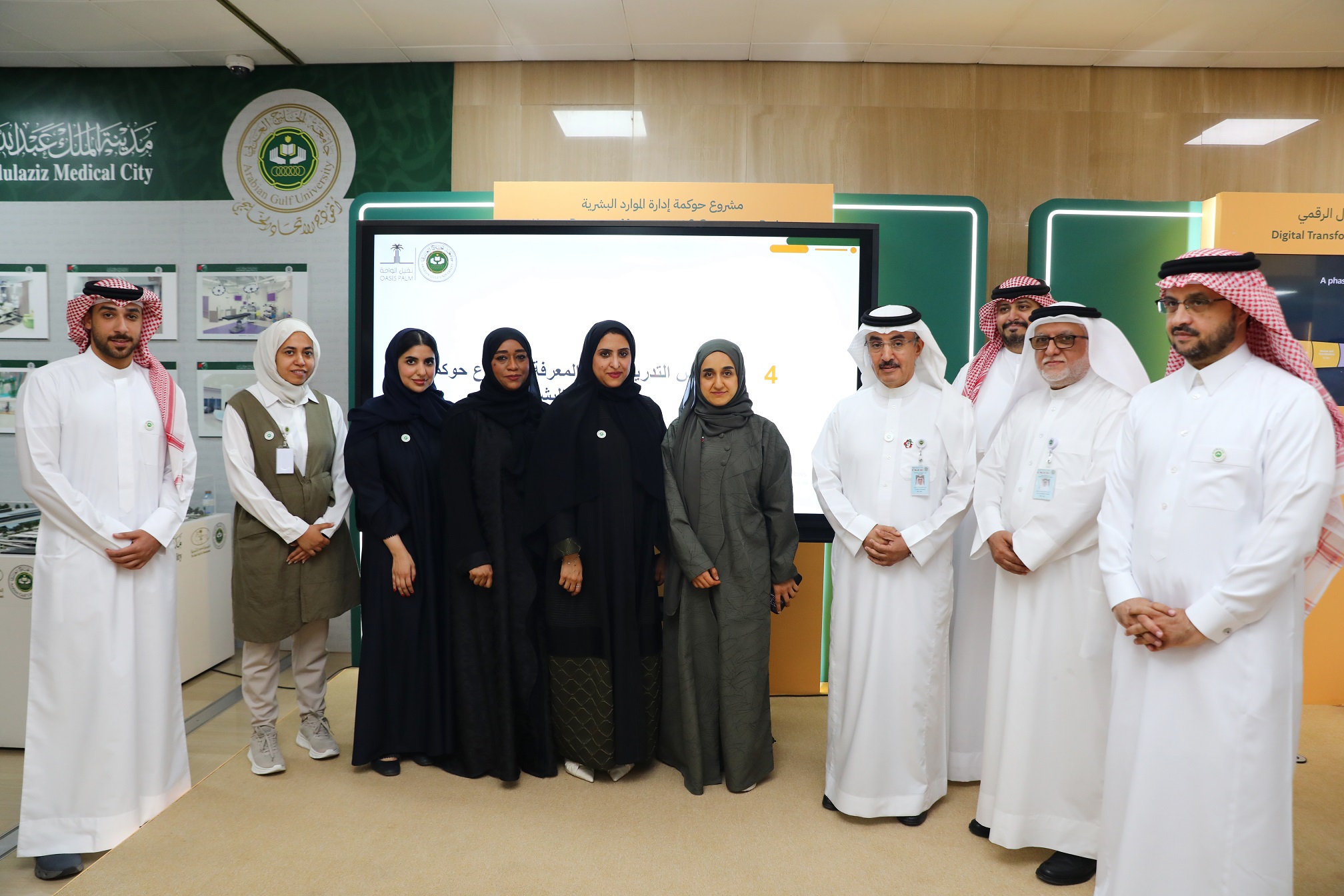
In the same context, the Human Resources Governance Project aims to enhance institutional performance efficiency and align human resources practices with the university’s new strategic plan. It involved developing policies, procedures, and job descriptions, working to improve job quality at the university, and updating strategic and operational planning mechanisms in line with the latest management methodologies, including performance indicators, objectives, and key results, thereby contributing to the creation of a more efficient, distinguished, and sustainable work environment.