Arabian Gulf University Organizes Virtual Medical Simulation Workshop Attended by 97 Medical Students
Arabian Gulf University
15 Apr, 2026
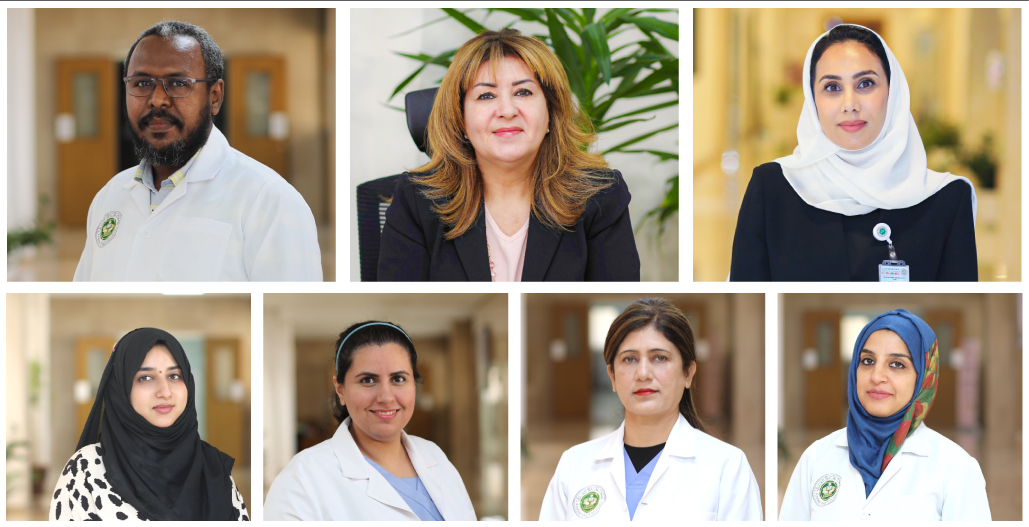
The Department of Physiology at the College of Medicine and Health Sciences at Arabian Gulf University, in collaboration with the Medical Skills and Simulation Center, a virtual workshop attended by 97 fourth-year medical students, with the aim of enhancing experiential learning among students amid the challenges of distance learning, by incorporating educational simulation into a well-thought-out educational plan that prioritizes learning objectives over technology.
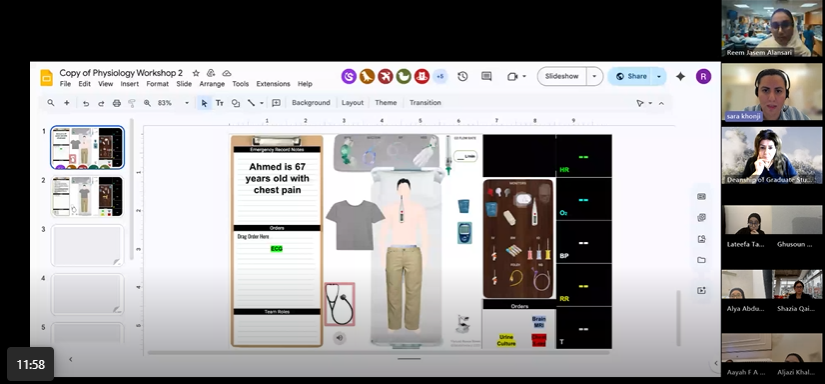
The workshop featured an interactive clinical scenario involving a patient with pulmonary hypertension, in which students assessed the case, ordered necessary tests, and managed its progression step-by-step within a structured educational sequence. Time was also allocated for discussion, reflection, and feedback in a supportive learning environment that encourages critical thinking and analysis.
Dr. Rima Lutfi Abdulrazzaq, Dean of Graduate Studies and Scientific Research, said that the training utilized a virtual environment simulating a fully equipped resuscitation room, which was developed to be interactive and adaptable to students’ responses. She noted that the simulation included live audio effects, such as heart and lung sounds, which helped enhance the realism of the experience. She explained that the simulation was managed directly by the operations team, with students’ responses immediately reflected in the course of the scenario, thereby enhancing their interaction and engagement in the educational process.
Dr. Rima emphasized that this initiative embodies the integration of efforts between the Department of Physiology and the Simulation Center, through clear collaboration, meticulous planning, and the adoption of a well-established educational methodology that reflects a commitment to providing high-quality medical education. She added that the quality of education can be sustained and enhanced through virtual platforms when grounded in effective planning and purposeful educational experience, noting that simulation in the preclinical phase successfully achieves the optimal use of modern technologies and enhances students’ skills without exposing patients to any risks.
It is worth noting that medical education at Arabian Gulf University is undergoing significant development with the expanding use of simulation technologies, which have become an effective tool in the context of remote training, as they allow students to engage with realistic clinical scenarios using advanced digital platforms, thereby contributing to the development of decision-making and critical thinking skills in a safe learning environment and enhancing the quality of educational outcomes in the healthcare sector.