Gulf Workshop Launched at Arabian Gulf University to Explore Options for Water Interconnections Among GCC Countries
Arabian Gulf University
15 Jul, 2026
A workshop examining options and projects for water interconnection among the Gulf Cooperation Council (GCC) member states has begun at Arabian Gulf University, as part of the implementation of the directives issued by the GCC leaders at the 19th Consultative Meeting of the Supreme Council, held in Jeddah last April, which aim to strengthen water security in the Gulf region and establish an integrated and sustainable system for water resource management.
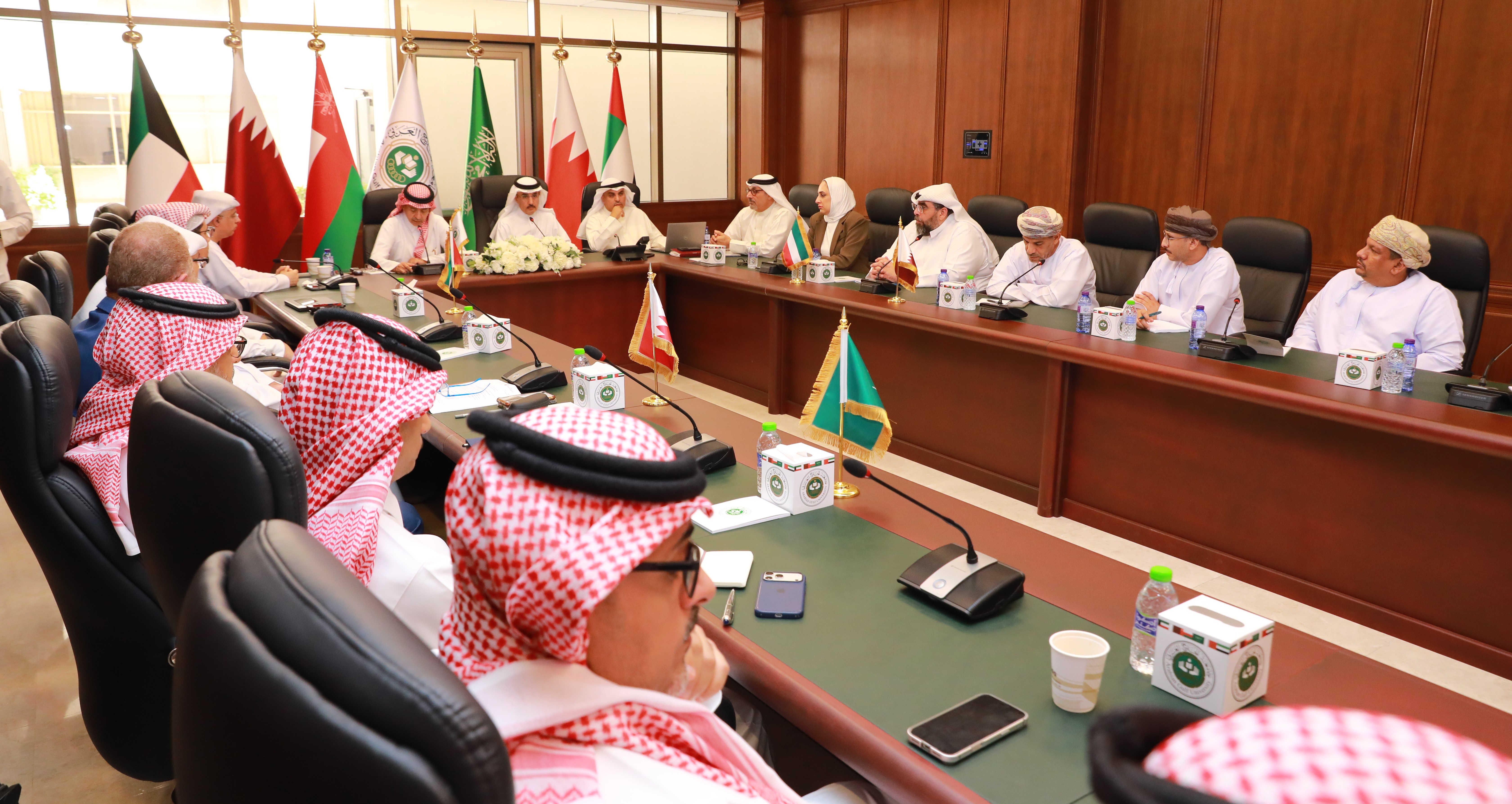
The workshop, titled “Study on the Feasibility of Constructing Water Interconnection Projects Among GCC Member States,” was attended by representatives from the Gulf Cooperation Council (GCC) member states, as well as experts and specialists in the water sector, to discuss the prospects for developing water interconnection projects and their role in enhancing water security in the Gulf region.
His Excellency Dr. Saad bin Saud Al-Fahaid, President of the Arabian Gulf University, opened the workshop, welcoming the participants and congratulating them on the convening of the workshop, which brings together a select group of experts and specialists working in the water sector across GCC countries to discuss one of the strategic issues related to water security in the region. He emphasized that water interconnection projects represent a key pillar of joint GCC efforts.
Al-Fahaid noted that, over the past decades, the GCC countries have devoted significant attention to developing their water infrastructure and enhancing the reliability of water supplies, which has resulted in significant achievements that have placed the GCC countries among the world’s most advanced nations in providing drinking water services in terms of quantity, quality, and reliability. He explained that the accelerating challenges facing the region—and the accompanying potential risks that could affect water sources and critical water infrastructure—require continued joint GCC efforts and strengthened regional cooperation in the field of water security, in line with the directives of Their Majesties and Highnesses, the leaders of the GCC countries.
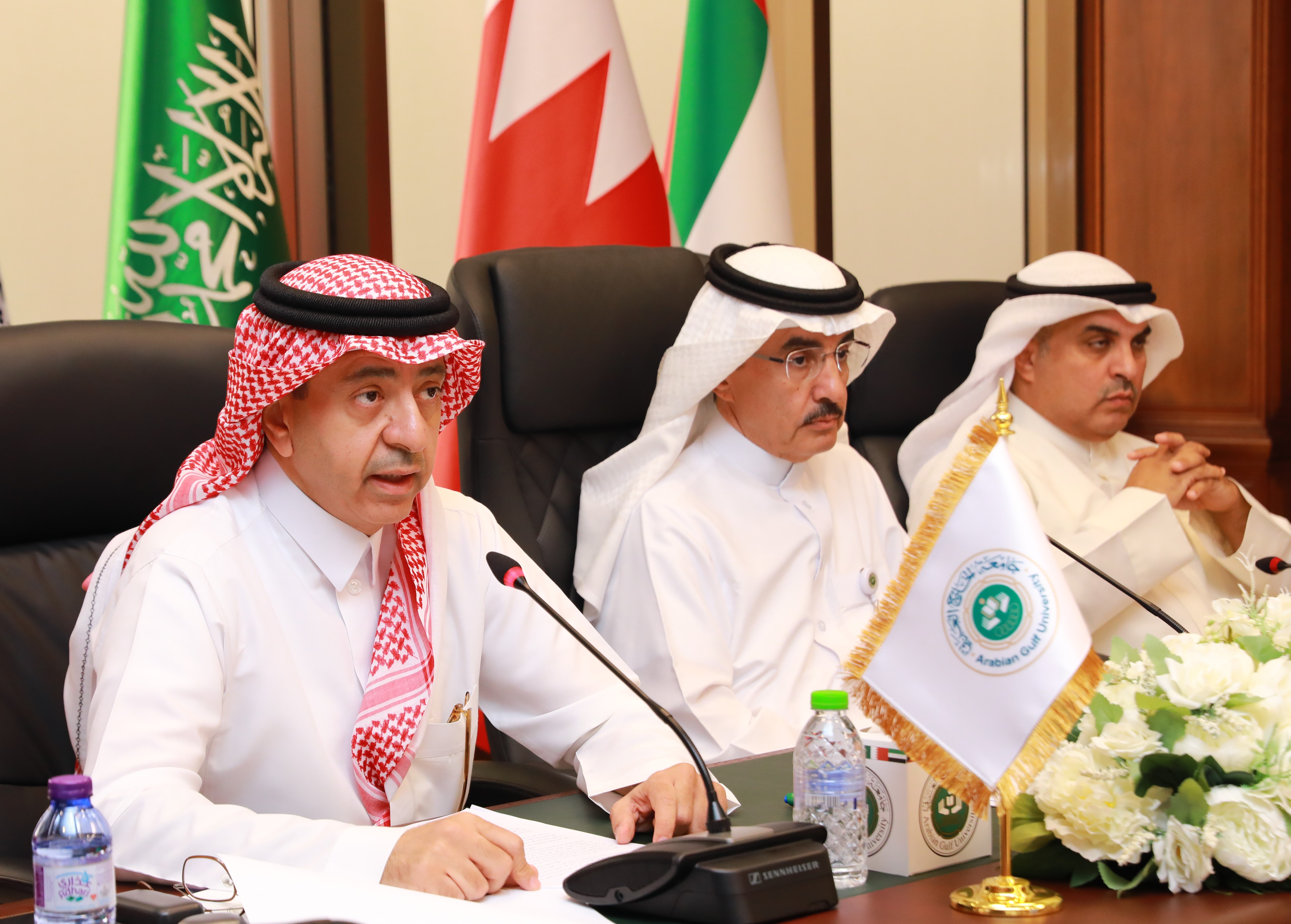
At the same time, he emphasized that discussions on water interconnection projects represent one of the strategic options that can contribute to enhancing resilience and preparedness to address emergency situations, in addition to their role in exchanging expertise and building a shared Gulf vision for future cooperation in this vital field.
He added: “The Arabian Gulf University, as an academic institution established by the GCC member states to serve common development issues, is proud to serve as a platform for scientific and technical dialogue on strategic issues of concern to the region, and to contribute its academic and research expertise in support of integration and cooperation efforts among GCC member states”. He expressed his hope that the discussions and practical expertise of the participants would deepen understanding of the topic of water interconnection and help develop a clear framework for future studies and possible options to strengthen the Gulf’s water security system, and he hoped that the workshop would produce outcomes and recommendations that support the process of Gulf cooperation in this vital sector.
For his part, Mr. Khalid Al Al-Sheikh, Director General of the Office of Economic and Development Affairs and Deputy Chairman of the Supreme Committee for Following Up on the Implementation of the Decisions of the 19th Consultative Meeting of the Supreme Council, began his remarks by offering his sincere condolences and sympathies to His Highness Sheikh Tamim bin Hamad Al Thani, the Amir of the State of Qatar, on the passing of His Highness the Amir, Sheikh Hamad bin Khalifa Al Thani, may he rest in peace. He also conveyed the greetings of His Excellency the Secretary-General of the Gulf Cooperation Council and his wishes for the success of the workshop and for it to produce a practical vision that contributes to enhancing water security and sustainability in the GCC states.
In his opening remarks, he emphasized that the workshop represents a pivotal milestone in the process of enhancing water security in the Gulf, as it aims to move from the stage of theoretical studies and general concepts to the stage of developing practical options and clear implementation pathways for water interconnection projects, taking into account the capabilities and infrastructure available in member states, and capitalizing on their accumulated technical and operational expertise.
He explained that the study is based on a number of key areas, including an assessment of current production, transportation, and storage capacities as well as infrastructure in GCC member states, and the proposal of flexible implementation scenarios starting with feasible bilateral projects, then gradually expanding toward a comprehensive Gulf water interconnection system, as well as identifying the optimal routes for water transmission networks and the locations of pumping and storage stations to meet future needs and ensure the sustainability of supplies. He emphasized that the Gulf Water Interconnection Project represents an integrated strategic system for cooperation and solidarity among GCC member states, not merely a water transmission network, as it enhances joint preparedness and response capabilities in the face of emergencies and crises, including the failure of desalination plants, marine pollution, energy shortages, natural disasters, or cyberattacks, as well as addressing the expected increase in water demand resulting from population growth and development.
The workshop included a first panel discussion with representatives of member states to assess the current status of water interconnection projects, review possible scenarios and options, discuss governance and the institutional framework, and develop an implementation roadmap, while the second session featured a technical presentation by the consulting firm, followed by an interactive discussion on the data required from member states, in preparation for the project study.
Participants from GCC countries emphasized the importance of drawing on specialized Gulf expertise, exchanging technical and operational experiences, and comprehensively discussing the scope and methodology of the study. This will contribute to the preparation of a comprehensive study that includes practical recommendations and implementation options to support decision-making and pave the way for the establishment of a more flexible and sustainable Gulf water interconnection system, thereby enhancing water security and preserving the stability and prosperity of the GCC member states. At the same time, they expressed their appreciation for the efforts of the Arabian Gulf University in hosting and organizing this meeting, which reflects the leading role the university plays as a Gulf academic and research institution that contributes to supporting joint Gulf initiatives and providing scientific solutions to developmental and strategic issues.