AGU Celebrates International Day of the Arabian Leopard
Arabian Gulf University
11 Feb, 2026
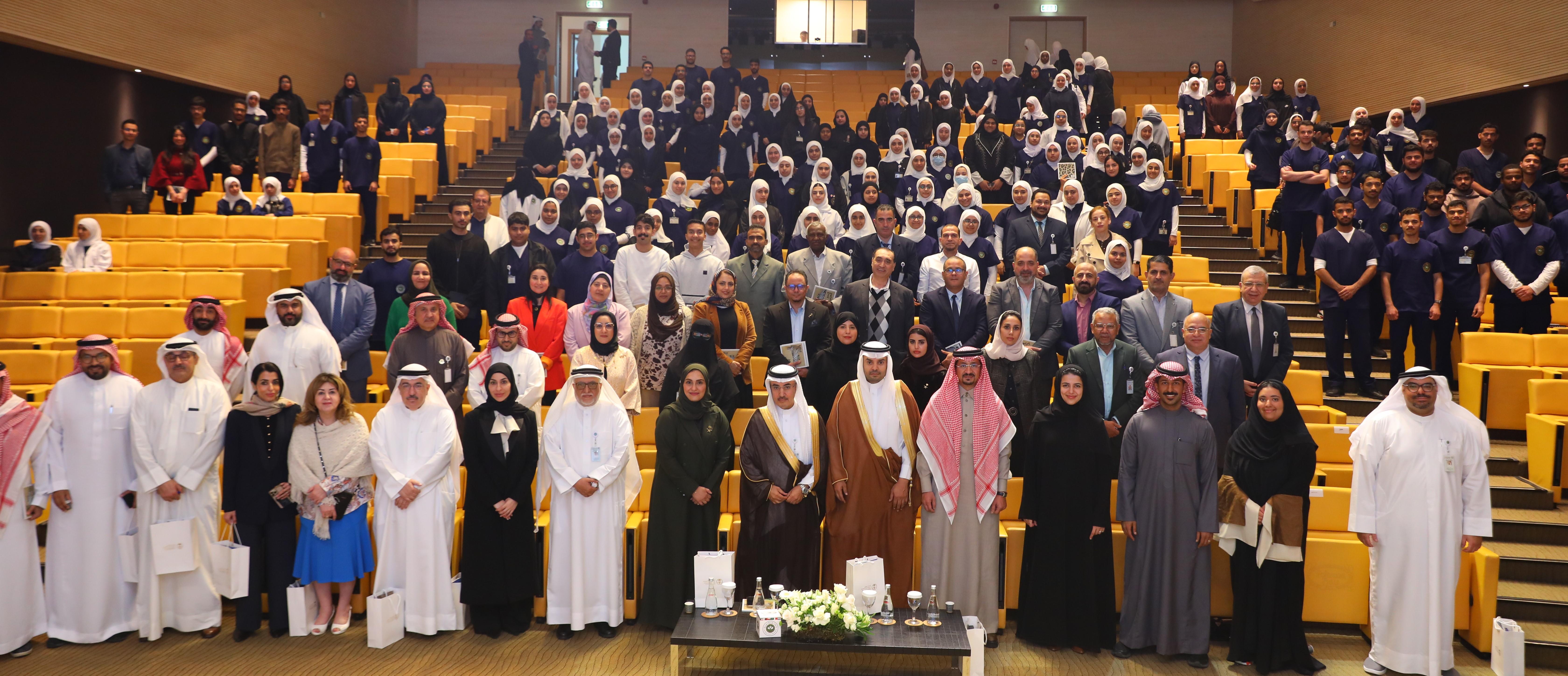
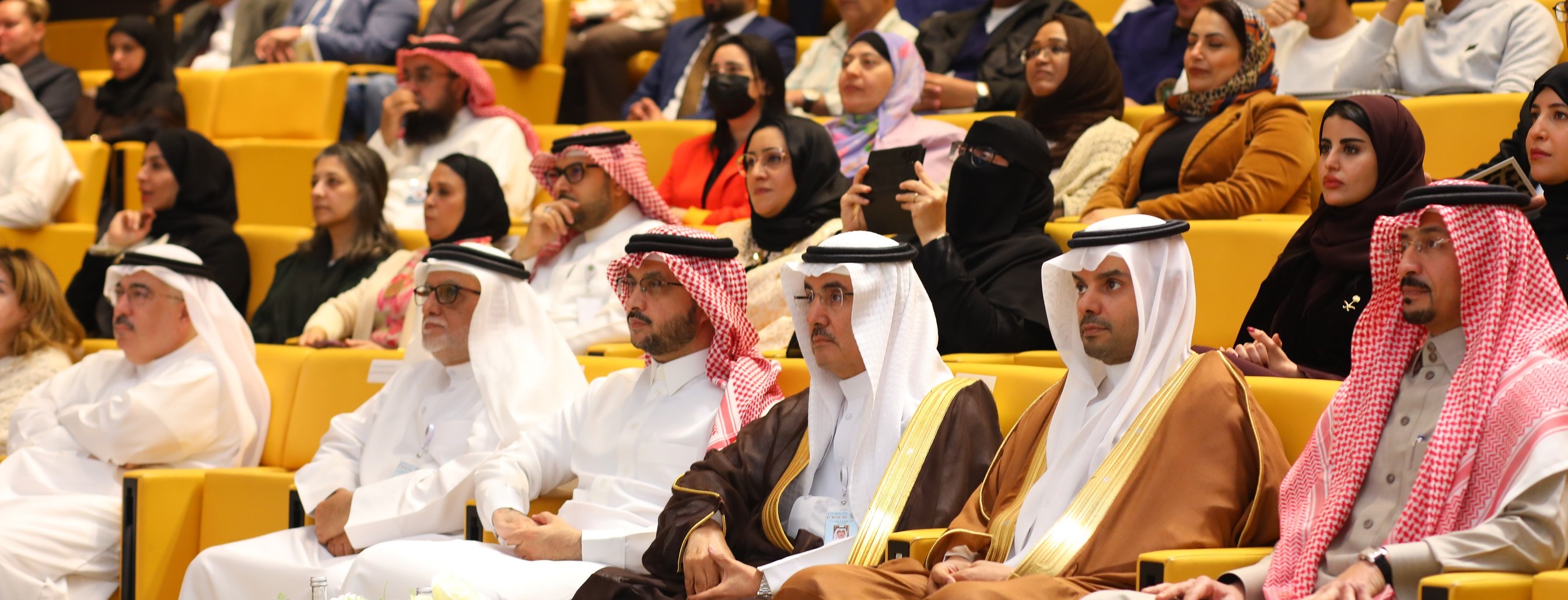
The Arabian Gulf University (AGU) hosted a dialogue session titled "Entertainment as a Tool for Environmental Awareness and Community Impact" in honour of the International Day of the Arabian Leopard. The event was held under the patronage of the Ambassador of the Custodian of the Two Holy Mosques to the Kingdom of Bahrain, Mr Nayef bin Bandar Al Sudairi, represented by His Excellency Mr Bader bin Ibrahim Al-Otaibi. Attendees included His Excellency the President of the University, Dr Saad bin Saud Al Fuhaid, along with representatives from the Arabian Leopard Fund and the National Centre for Wildlife in Saudi Arabia.
During an awareness event at the Princess Al-Jawhara Centre for Molecular Medicine, Genetics, and Inherited Disorders in Manama, Mr Waleed Al Dayel, Managing Director of the Arabian Leopard Fund, stressed that the Arabian leopard is among the world's most critically endangered species. He attributed this decline to various challenges such as urbanisation, agricultural expansion, overgrazing, poaching, and illegal wildlife trade. He explained that the International Arabian Leopard Day has gained global significance, having been adopted by the United Nations, reflecting international recognition of the importance of protecting this species and conserving the region's natural heritage.
Mr Al Dayel underscored the Arabian leopard's deep cultural and historical ties to the mountainous regions of the Arabian Peninsula. He outlined the efforts of the Arabian Leopard Fund in raising awareness and building capacity among conservationists working to protect the species in its natural habitat. He also emphasised the importance of restoring ecological balance to ensure the survival of this rare species.
During a dialogue session moderated by Dr Abdulaziz Al-Shubrami, Ms Al-Bandari Al-Wetaid, Head of the Awareness Department at the National Centre for Wildlife, and Ms Salma Al-Ghafees, Director of Programmes and Partnerships at the Arabian Leopard Fund, stressed that Arabian Leopard Day celebrates a species that embodies a rich cultural identity and natural heritage that must be preserved for future generations. The Arabian leopard has been a part of the region's history and culture, featuring prominently in ancient rock carvings and Arabic poetry.
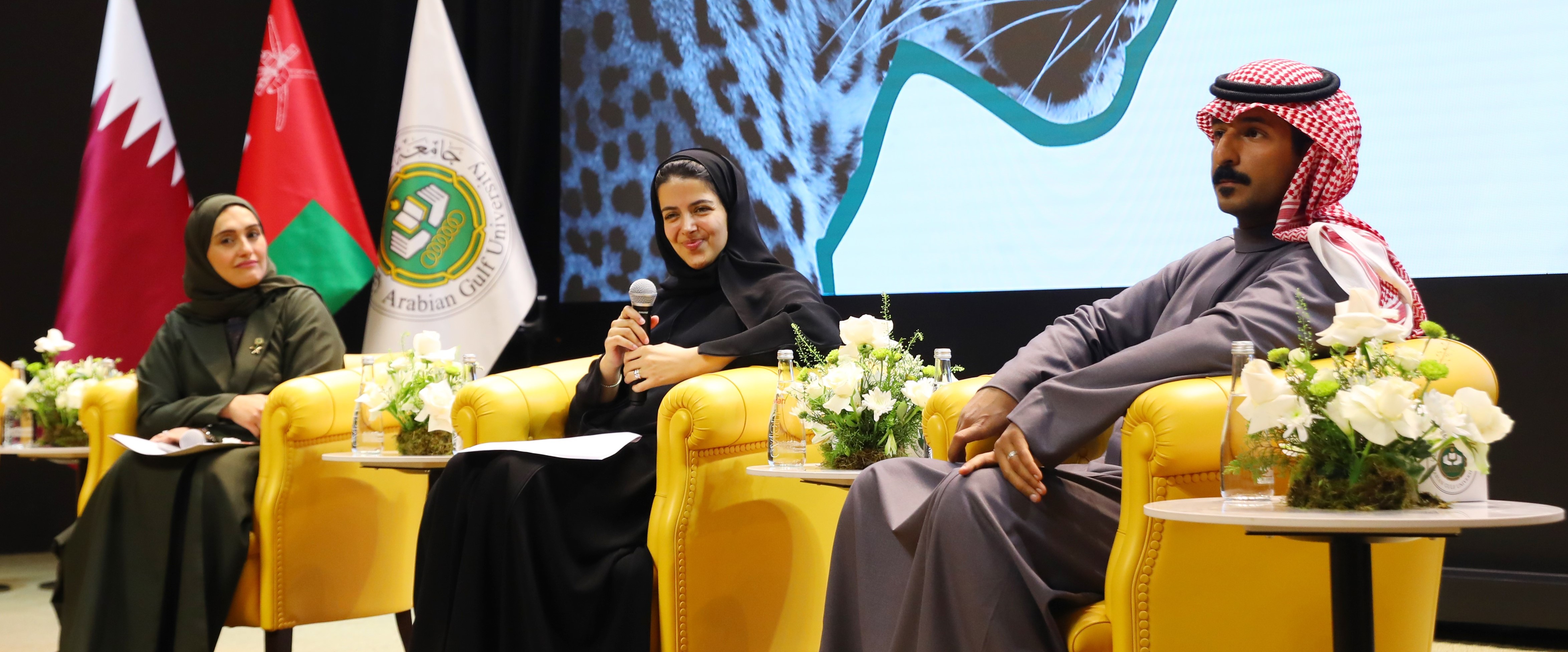
The speakers discussed the shared responsibility of restoring the Arabian leopard to its natural habitat, especially amid contemporary environmental challenges. They highlighted the vital role of wildlife in maintaining ecological balance and public health, affirming that each species contributes uniquely to the ecosystem. The presence of species such as the Arabian leopard, oryx, and native birds reflects the richness and integrity of the environment.
The Arabian leopard is a cultural symbol deeply embedded in collective memory. Preserving it entails the safeguarding of a story spanning thousands of years. Raising awareness is the first step toward successful environmental conservation, achieved through simplifying messages, connecting them to everyday life, and engaging the community through impactful educational campaigns, events, and initiatives.
The session also explored how entertainment—including films, games, manga, and sports—can serve as an effective medium to reach young audiences. The speakers explained that storytelling resonates emotionally before conveying information, fostering a lasting connection to environmental issues. Creative narratives can revive the Arabian leopard in the imagination of the new generation, transforming it from a mere environmental fact into a living symbol within stories and artwork.
Regarding youth involvement, the speakers encouraged students to utilise their skills in art, photography, writing, content creation, and gaming to disseminate innovative environmental messages. They affirmed that even small contributions can make a meaningful difference, affirming that the new generation holds a powerful voice to drive change.
The session also reviewed the roles of relevant entities. The National Centre for Wildlife focuses on strategies, reserves, and species protection broadly, while the Arabian Leopard Fund concentrates on research, training programmes, and innovative partnerships related to the Arabian leopard, thereby enhancing impact and extending influence.
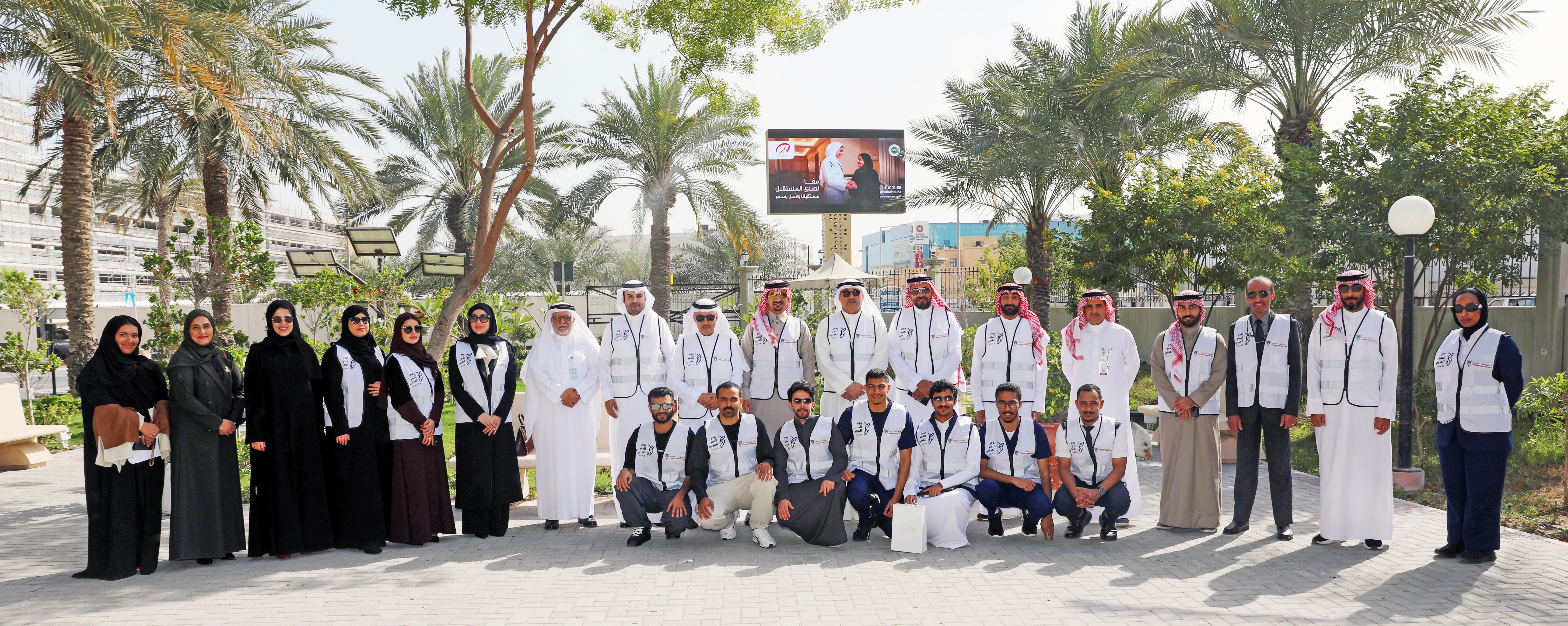
The event concluded with inspiring messages to students, asserting that wildlife protection is a collective responsibility. The Arabian leopard's story is not a thing of the past but is actively being written by the creativity and efforts of today’s youth. The event wrapped up with a walk in the university park, coinciding with the celebration of the International Day of the Arabian Leopard.