

Master of Science in
Molecular Medicine
MSc in molecular medicine, diagnostics, omics, immunology, nanomedicine, and translational research.
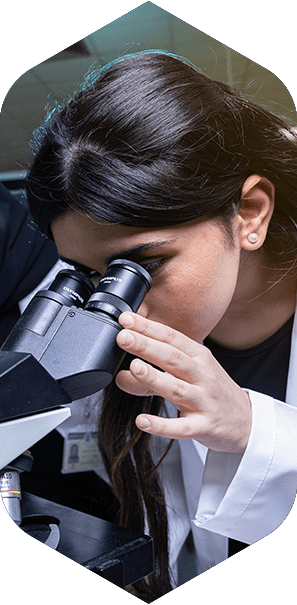
The Master of Molecular Medicine is a 36-credit graduate program combining coursework and thesis. It trains health professionals and biomedical graduates to understand molecular and cellular disease mechanisms, apply advanced molecular techniques, interpret omics data, and conduct high-quality research supporting diagnosis, treatment, prevention, and translational medicine.

Research-based doctoral program combining advanced coursework and a 24-credit thesis.
Research areas include medical genetics, biochemical genetics, immunology, nanomedicine, and cytogenetics.

Prepares graduates for careers in academia, research institutions, healthcare diagnostics, biotechnology, public health, and science policy.
Strong focus on molecular genetics, omics technologies, disease mechanisms, and translational research.

Training in ethics, bioinformatics, good laboratory practice, research methodology, statistics, and scientific communication.
Curriculum
Structure

First Year - Semester 1
13 Credits

First Year - Semester 2
15 Credits

Second year - thesis
8 Credits
Credit Requirement

Complete a total of 36 credit hours

15 Credit-Hours first semester

8 credit-hours master’s thesis

13 Credit-Hours first semester
Target
Audience

Graduates
Graduates in biomedical sciences, life sciences, biology, biochemistry, biotechnology, genetics, or related fields
Medical Doctors
Medical doctors and healthcare professionals interested in molecular diagnosis and translational biomedical research.
Researchers
Researchers and academics aiming to develop advanced expertise in molecular medicine and disease mechanisms.
laboratory professionals
Dentists, pharmacists, and medical laboratory professionals interested in molecular diagnostics and precision medicine.
Bioinformatics Graduates
Bioinformatics and omics-oriented graduates seeking biomedical applications of data analysis
Research
Areas
Molecular and Cellular Mechanisms of Disease
Immunology, Inflammation, and Allergy
Omics Technologies and Nanomedicine
Molecular Genetics & Genomic Diagnostics

Study Plan
Explore the complete list of courses
LEarning
& Research facilities
Advanced simulation laboratories
Digital learning platforms
Healthcare technology resources
Research support facilities
Clinical training opportunities in hospitals
LEarning
Outcomes
Explain molecular and cellular mechanisms underlying human physiology and the pathogenesis of major diseases.

Interpret complex biomedical data from genomic, proteomic, transcriptomic, and metabolomic studies.
Apply advanced molecular techniques in diagnostics, therapeutics, research, and biomedical investigation.

Demonstrate ethical research practice, scientific integrity, teamwork, and professional responsibility in molecular medicine.