

Master of Science in
Natural Resources and Environment
An interdisciplinary program focusing on environmental management, water, and agriculture across the GCC region through scientific integration.
A member of CEDHE, the higher education community of the Institution of Environmental Sciences (IES).

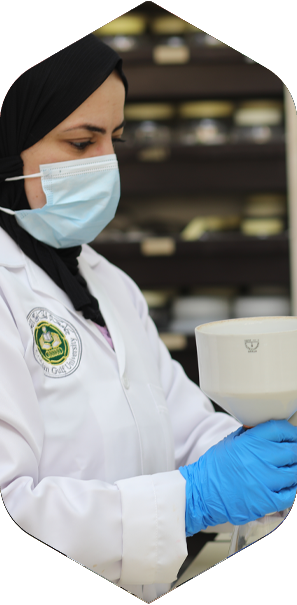
The Master of Science in Natural Resources and Environment is offered by the Center for Environmental and Biological Studies, which focuses on the sciences and the management of natural resources at the local, regional, and international levels.
The program has three specializations:
- Environmental Management
- Water Resources Management
- Desert Farming Techniques and Soilless Agriculture
The key research areas include water management, agriculture, climate change, waste management, and environmental biotechnology. It also includes multidisciplinary studies such as the water-energy-climate change-food-waste nexus and nature-based solutions.
Knowledge Integration: A unique blend of science, management, and technology within our environmental specializations.
Supporting Research Environment: A central focus on innovative research to create sustainable solutions.

Specialized Expertise: A faculty of distinguished experts and specialists in their fields.
Curriculum
Structure

Environmental Management
52 Credit Hours

Water Resources Management
52 Credit Hours

Desert Farming Techniques and Soilless Agriculture
52 Credit Hours
Credit Requirement

Master thesis - 8 credits
Target
Audience

Environmental Specialists

Sustainable Development Specialists

Environmental Policy
and Economics Experts

Environmental Consultants
and Decision-Makers

Researchers
and Academics
Research
Areas
Water Resources Management
Agriculture
Climate Change
Waste Management
Multidisciplinary Studies

Study Plan
Explore the complete list of courses
LEarning
& Research facilities
Environmental Biotechnology Laboratories
Geographic Information Systems and Remote Sensing Labs
Water, Soil, and Plant Analysis Laboratories
Specialized Carbon Analysis Laboratory
LEarning
Outcomes
Environmental Management Objectives The Environmental Management specialization is aimed to achieve the following objectives:
- Meet the needs of the GCC countries for qualified human resources in the areas of environmental management and sustainable development.
- Improve environmental management systems in the GCC countries at the national and corporate level.
- Improve the competitiveness of the GCC economies through mainstreaming environmental management practices into development policies and programs.
- Enhance the environmental quality of the GCC countries, thus improving levels of human development.
Desert Farming Techniques and Soilless Agriculture Learning Outcomes
- Develop technical and Knowledge-based skills in the area of agriculture and related fields of study.
- Apply knowledge and technical skills to identify, analyze, and solve problems and articulate conclusions.
- Develop communication skills to effectively communicate with suitable target audiences.
- Appreciate regional and local agricultural cultures and traditions.
- Enhance the availability of qualified researchers and leaders for the agricultural business and entrepreneurship.
Water Resources Management Objectives
- Advancement of specialists in the field of "Water Resources Management and Planning" through the Master’s Degree program.
- Capacity building and enhancement of skills of those interested in the field of sustainable development and conservation of arid zones, conventional and non-conventional water resources through specialized training courses, as well as making its regular courses available to GCC professionals under continuing education.
- Conducting research and collaborating with national, regional, and international institutes and organizations to solve the problems and constraints facing conservation and development of arid zones water resources.