
Doctor of Medicine
OUR MD PROGRAM HOLDS INTERNATIONAL ACCREDITATION MEETING THE HIGHEST GLOBAL STANDARDS FOR MEDICAL EDUCATION.



Programs
HighLights
The Doctor of Medicine (MD) program at Arabian Gulf University is a premier, student-centered initiative dedicated to preparing the next generation of physicians and healthcare leaders for the GCC region.

International ACCM Accreditation:
Fully accredited by the international Accreditation Commission on Colleges of Medicine (ACCM), ensuring the curriculum meets the highest global standards recognized by the World Federation for Medical Education (WFME).

Pioneering Problem-Based Learning (PBL)
A regional leader in student-centered medical education, utilizing an innovative PBL approach that builds critical thinking, clinical reasoning, and lifelong learning habits from day one.

State-of-the-Art Simulation & Technology
Features the advanced Medical Skills & Simulation Center (MSSC), bridging the gap between theoretical knowledge and safe clinical practice.

Deep-Rooted GCC Community Focus
A unique curriculum explicitly tailored to address the specific epidemiological, cultural, and healthcare challenges of the Arabian Gulf, emphasizing community service and direct public health impact.

Strong Research & Translational Support
Backed by world-class research hubs like the Al Jawhara Center for Molecular Medicine, empowering students to contribute directly to global medical advancements and regional clinical innovation.
Curriculum
Strategy
Our curriculum is organized to ensure progressive mastery and strong integration between sciences, skills, and real-world practice.
Horizontal
Organization
Integration is built across disiplines at every stage of the program for coherent, connected learning
- In Phase II, Horizontal integration between basic and clinical sciences in the context of medical problems
- Horizontal integration of professional clinical skills and community health activities
- in Ohase III, different clinical rotations are organized through horizontal correlation
Vertical
Organization
Sequential progression ensures mastery of foundations before advancing to complex clinical practices.
- In Phase II, Horizontal integration between basic and clinical sciences in the context of medical problems
- Horizontal integration of professional clinical skills and community health activities
- in Ohase III, different clinical rotations are organized through horizontal correlation
What you
Will Study

Students who enter CMMS must complete one year of studying basic sciences before they can be promoted to the Pre-Clerkship phase. During this period, they study English, Social Sciences, Islam & Medical Ethics, Psychology, Computer Sciences, Human Biology, Medical Physics, Biochemistry and Biostatistics.
The program is of one-year duration divided into two semesters (31 credit hours)
The goals of this program are:
- To prepare students for an innovative medical program, by focusing on the knowledge, skills and attitudes, as well as skills of self-directed learning,
- To enhance students abilities in reading, writing and understanding scientific English,
- To improve the students’ understanding of the principles of communication skills, medical ethics and scientific evaluation.
- To prepare the students for self-directed learning and problem solving methods.
Program Level (Years 2, 3 & 4)
In this phase, the curriculum is structured around nine integrated organs/system units. Ninety-three health problems are covered during the three years. Problem-Based Learning (PBL) is the main educational strategy, is conducted through small group tutorials and self-directed learning. Content and process of PBL are emphasized.
Unit I: Man & His Environment (12 weeks)
Unit II: Respiratory System (8 weeks)
Unit III: Cardiovascular (10 weeks)
Unit III: Cardiovascular (10 weeks)
Unit IV: Gastrointestinal and Renal (11 weeks)
Unit IV: Gastrointestinal and Renal (11 weeks)
Unit V: Metabolism, Endocrine & Reproductive (12 weeks)
Unit VI: Haematopietic and Immune System (9 weeks)
Unit VII: Integumentary & Musculo-Skeletal (9 weeks)
Unit VIII: CNS, Special Senses and Behaviour (12 weeks)
Unit IX: Multisystem Integration (10 weeks)
Students who successfully complete the requirements of this phase are awarded a B.Sc. degree.
The curriculum is organized around three strands:
- Integrated medical knowledge of the following disciplines: Anatomy, Physiology, Biochemistry, Epidemiology, Biostatistics, Community Medicine, Pathology, Microbiology, Immunology, Pharmacology and Clinical Sciences.
- Professional Skills (Professional Laboratory Skills, Communication Skills, History Taking, Physical Examination Skills and Critical Appraisal of Literature)
- Community Health Activities (Maternal and Child Health, Family Studies and Community-Oriented Research Projects, Clinical Skills Training Program).
Program Level (Years 5 & 6)
In this final phase of the undergraduate curriculum, students undergo supervised clinical training in affiliated hospitals and primary health care centers. The goal is to prepare students to acquire knowledge, skills and attitudes that will enable them to identify, analyze and manage common health problems at the primary, secondary and tertiary care settings. The activities include bedside teaching, clinical problem solving, outpatient clinics, teaching rounds, workshops, computer-based case simulations and departmental seminars. Students rotate for two academic years as follows:
Year 5: Pediatrics (10 weeks), Obstetrics/Gynecology (10 weeks), Internal Medicine (20 weeks), and Summer Electives (6 weeks). The Internal Medicine Clerkship also includes rotations in Radiology (1 week), Dermatology (2 weeks), Cardiology (2 weeks), Pulmonary (2 weeks), Neurology (2 weeks), GIT (2 weeks), Rheumatology (1 Week), Nephrology (1 week), Hematology (1 week), Endocrinology (2 weeks), ICU (1 week), Infectious diseases (1 week). Students must take an Elective (6 Weeks) in the summer after they completed year 5.
Year 6: General Surgery (17 weeks), Family Medicine (8 weeks) Psychiatry (4 weeks), Ophthalmology (2 weeks), Ear, Nose & Throat (2 weeks). The Surgery rotation also includes training in General Surgery (11 weeks), Urology (1 week), Orthopedics (1 week), Anesthesia (1 week), Emergency Medicine (1 week).
Methods of Curriculum Delivery in Phase III
- Bedside teaching
- Clinical problem solving sessions
- Teaching in outpatient clinics
- Clinical teaching in the theatre
- Teaching rounds and departmental seminars
Each student is also assigned (twice a week) duties in the admission rooms and wards between 5 to 10 p.m.
On weekends and holidays, students are expected to be in the hospital if they are attached to an “On Call" team.
Phase 1
Foundation Phase
Year 1. Focus on basic medical sciences, early clinical exposure, and funcational professional skills
Phase 2
Clinical Phase
Years 2-4. Core clinical rotations and integrated learning in major disiplines.
Phase 3
Advanced Clinical Phase
Years 5-6. Advanced Clinical rotations and integrated learning in majore medical disiplines.

Study Plan
Explore the complete list of courses
Supporting
Programs & Initiatives
A program built on the intersection of clinical excellence, compassionate care, and forward-thinking healthcare leadership.

Professional Skills Program
Professional skills training is an essential component of the program. It equips students with the knowledge and abilities they need to interact effectively with patients, their families, and other healthcare professionals.

Community Health Program
Community health components are integral part of the academic activities in Phase II of the program. This component consists of four parts: public health, maternal and child health, family studies...

Assessment Methods
The program employs a variety of assessment methods to ensure comprehensive and effective evaluation of students' learning. These methods are carefully designed to...

Academic Mentorship
The college has launched a comprehensive academic mentoring to support students' academic success and overall well-being. This program is designed to provide students with personalized guidance, mentorship, and resources to help them achieve their full potential.

Gifted Student Program
The medical college has launched a Gifted Students Initiative to identify, nurture, and empower exceptional students with a passion for research and innovation...

Leadership, Ethics, and Professionalism (LEAP)
The Leadership and Professionalism is an integral component of medical education, designed to instill in students the ethical principles, leadership skills, and professional conduct essential...
Target
Audience

High school graduates (Science major)
High school graduates (Science major) with an exceptional cumulative GPA or top-tier scores in A-Levels, IB, AP, or American High School Diplomas
Why Study
At AGU?
Four compelling reasons why AGU's Doctor of Medicine (MD) program prepares you for a lasting career in healthcare.
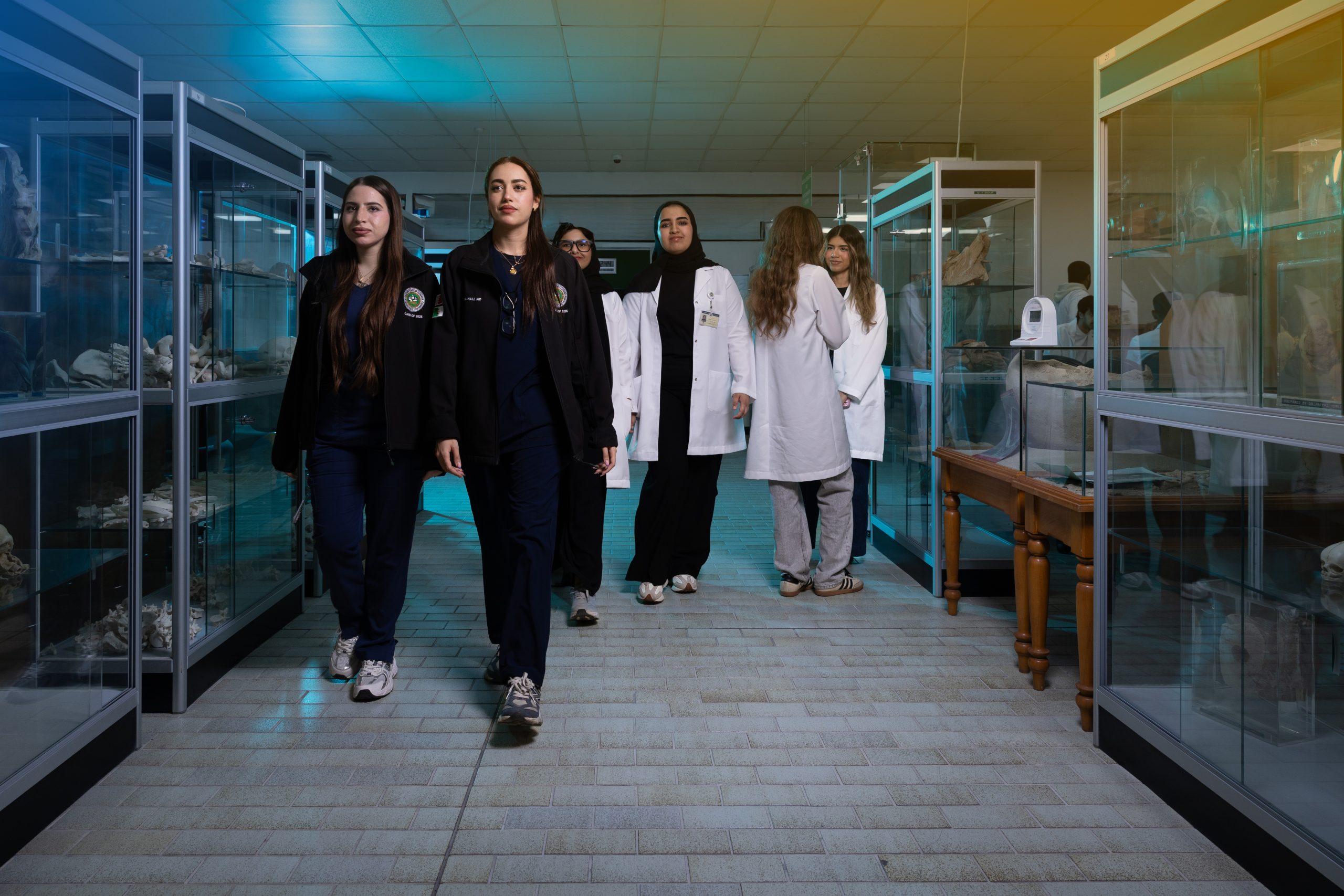
Regional and International Recognition
Earn a respected medical degree from a leading Gulf university with graduates serving across the GCC and beyond
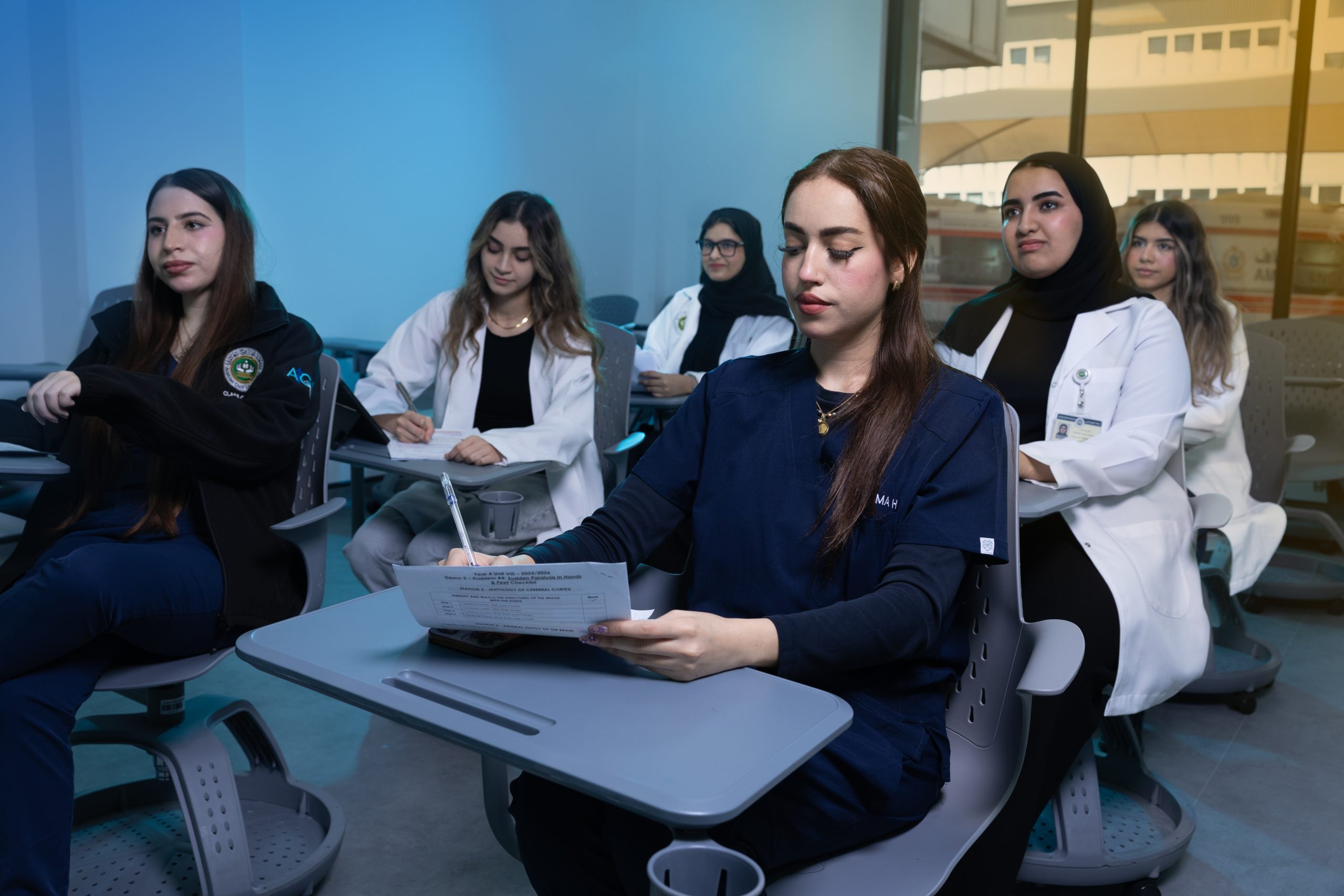
Integrated, Innovation-Driven Curriculum
The programme utilizes modern medical education methodologies, including Problem-Based Learning (PBL) and community-oriented health strategies, ensuring students develop critical clinical reasoning and a holistic understanding of patient care early in their training
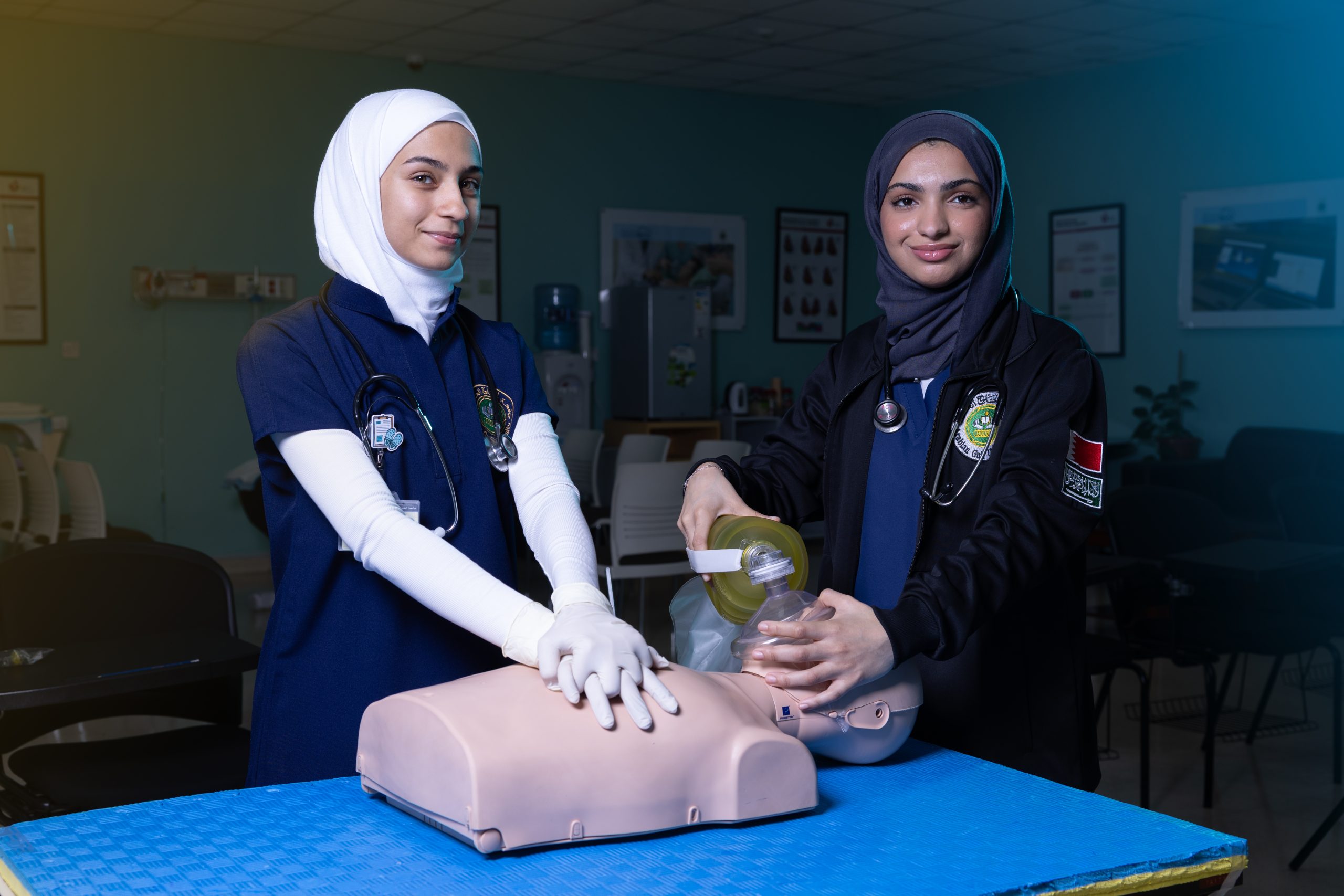
Advanced Simulation-Based Training
Develop clinical competencies using modern simulation technologies and specialized training facilities
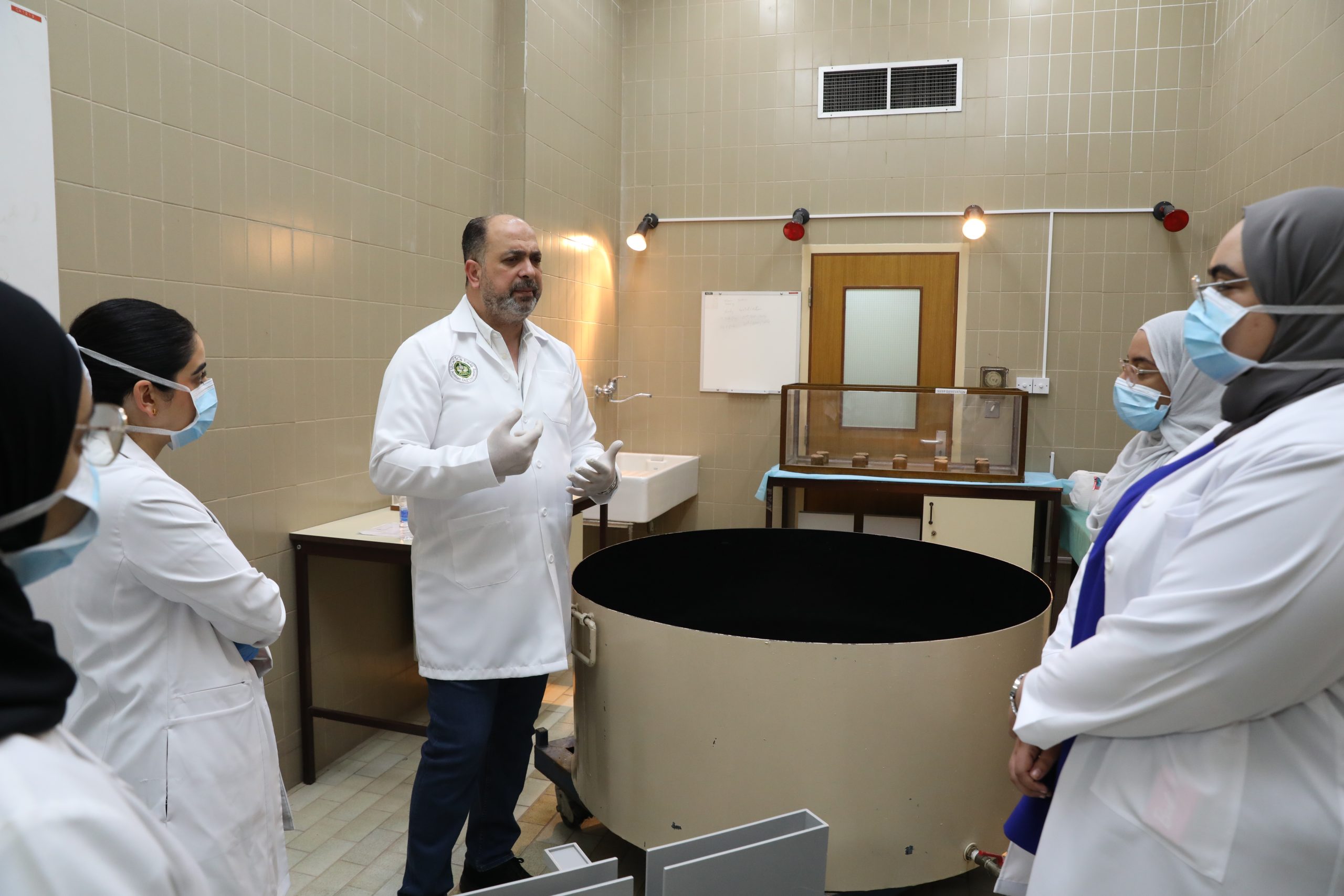
Experienced Faculty and Medical Experts
Learn from distinguished academics, clinicians, and healthcare professionals with regional and international expertise
Ready To Start Your Journey?
Join A community of future healthcare leaders. Gain the knowledge, skills, and values to make a lasting difference in people's lives -- across Bahrain and beyond.