

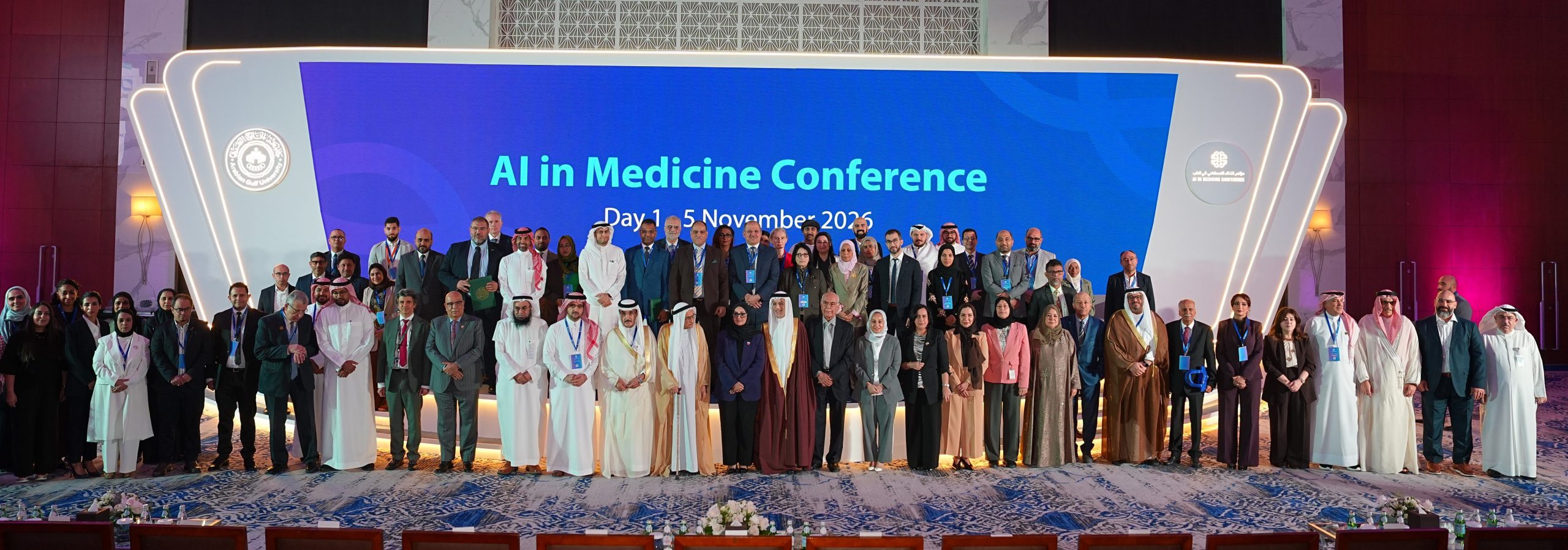
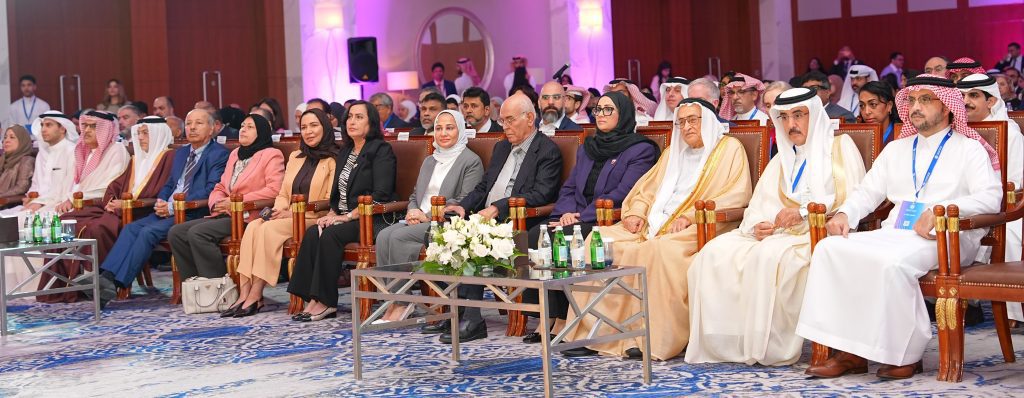
The Artificial Intelligence in Medicine 2026 Conference, organized by Arabian Gulf University was kicked off in the capital city of Manama under the theme “Smarter Systems, Better Care: Integrating Artificial Intelligence into Daily Medical Practice,” under the patronage of His Excellency Lieutenant General Dr. Shaikh Mohammed bin Abdullah Al Khalifa, Chairman of the Supreme Council of Health, and with the participation of a distinguished group of experts, academics, and specialists in the fields of medicine, artificial intelligence, and health technologies from the Kingdom of Bahrain, the region, and the world.
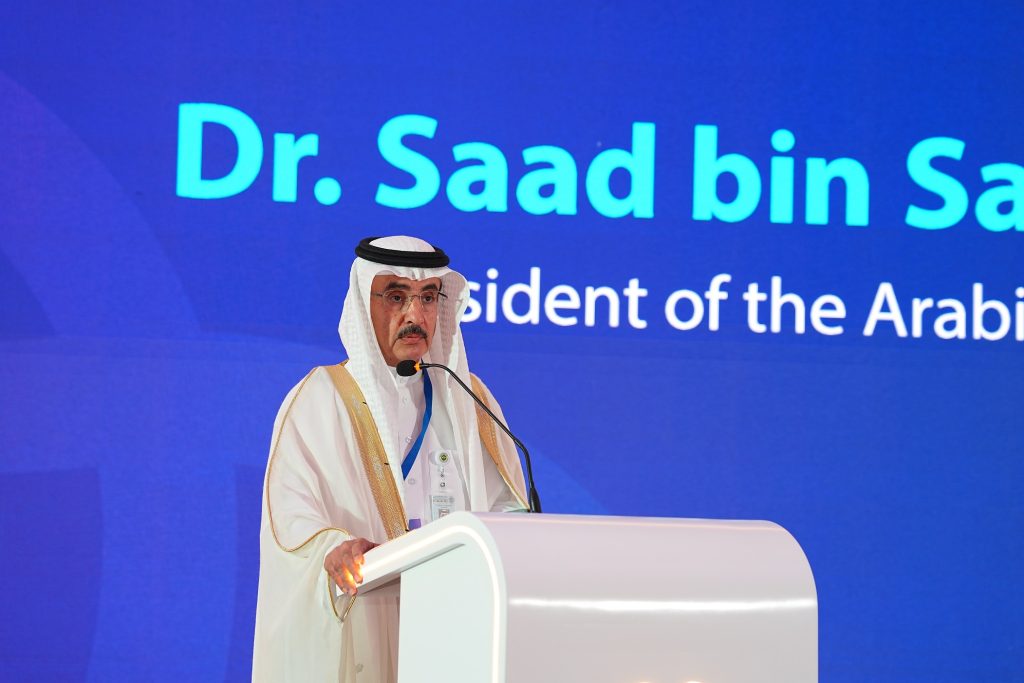
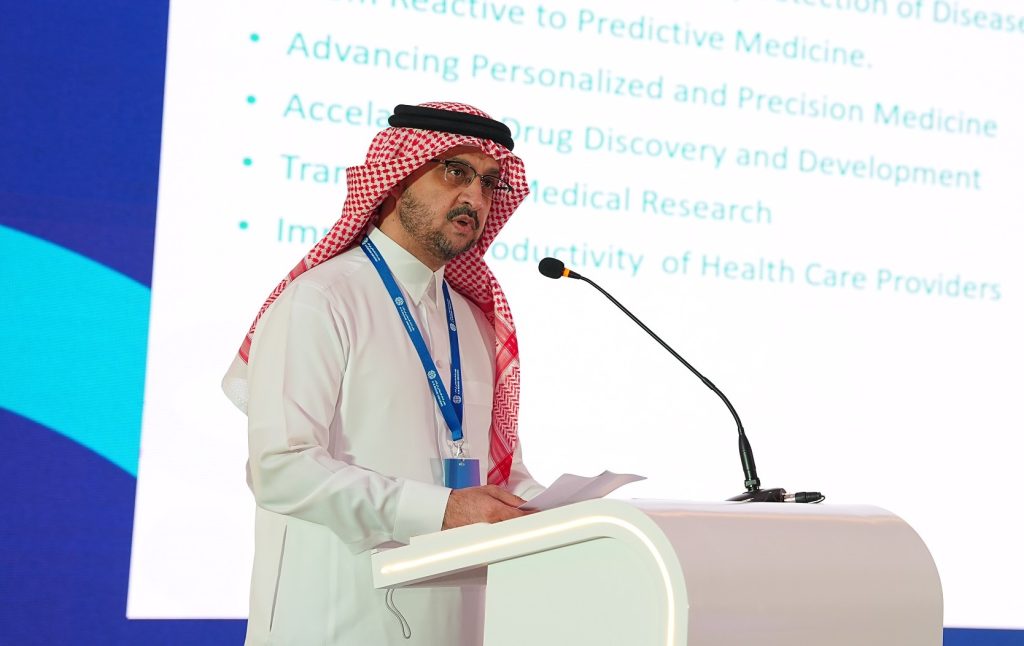
In a speech during the opening ceremony, His Excellency the University President, Dr. Saad bin Saud Al-Fahaid, extended his deepest gratitude and appreciation to His Majesty King Hamad bin Isa Al Khalifa, and to His Royal Highness Prince Salman bin Hamad Al Khalifa, Crown Prince and Prime Minister, for the generous patronage and continuous support extended to Arabian Gulf University and the institutions of the health and education sectors in the Kingdom of Bahrain. He also expressed his deep appreciation to Their Majesties and Highnesses, the leaders of the Gulf Cooperation Council (GCC) countries, for their support of the University and its Gulf-focused mission, as well as their belief in the role of education and scientific research in developing human potential and shaping the future.
His Excellency the University President outlined the university’s strategies for supporting innovation and scientific research and promoting the use of modern technologies in the medical and health fields, stating: “The future of medicine is not shaped by technology alone, but by our ability to use artificial intelligence responsibly and harness its potential to enhance diagnostic accuracy and the quality of treatment, without losing sight of the human-centered essence of medicine. True innovation lies in putting technology at the service of humanity and using it to shape a healthcare system that is smarter, more humane, and more sustainable.”
For his part, Dr. Ghazi bin Abdulrahman Al-Otaibi, Head of the Conference’s Higher Committee and Vice President for Academic Affairs and Scientific Research, emphasized the importance of the conference’s theme, its key topics, and its scientific objectives, as well as its role in bringing together specialized expertise and experiences to discuss the rapid transformations in the future of medical practice.
He said: “Artificial intelligence is a key future option in the healthcare sector, especially now that it has become a reality that is reshaping medical practices and opening up broad horizons for the development of the healthcare system by enhancing diagnostic accuracy, supporting clinical decisions, personalizing treatments, and improving the quality of services provided to patients.”
He added: “This highlights the importance of this conference, which brings together more than 46 experts and specialists to explore the true potential of artificial intelligence technologies, exchange expertise on their practical applications, and discuss the challenges associated with their safe and responsible deployment—thereby striking a balance between technological innovation and medical expertise, and placing people at the center of future healthcare development.”
The opening ceremony featured a visual presentation introducing the Arabian Gulf University and the Artificial Intelligence in Medicine Conference, highlighting their scientific and research missions, as well as the importance of utilizing artificial intelligence in developing health services and enhancing the quality of medical care.
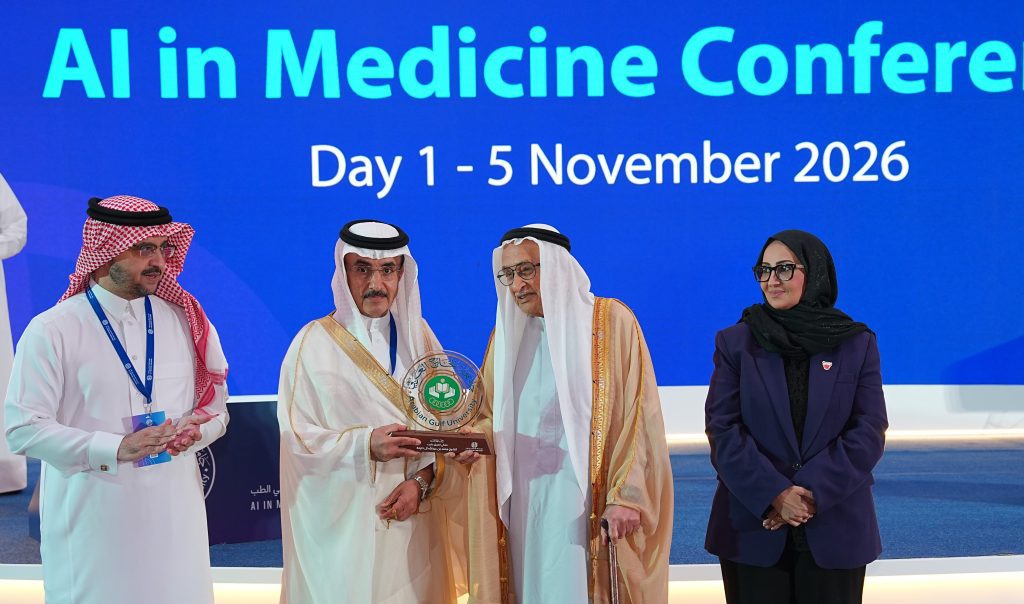
The opening program also included a tribute to His Excellency Lieutenant General Dr. Shaikh Mohammed bin Abdullah Al Khalifa, in recognition of his generous patronage of the conference and his support for scientific and research efforts at Arabian Gulf University. This was followed by a tribute to the conference’s sponsors—including platinum, gold, silver, and bronze sponsors—in recognition of their contributions and role in supporting the organization of this scientific event.
Afterward, His Excellency Lieutenant General Dr. Shaikh Mohammed bin Abdullah Al Khalifa inaugurated the exhibition accompanying the conference, which showcases the latest technologies, solutions, and innovations in the field of medical artificial intelligence, as well as applications offered by institutions, companies, and specialized entities that contribute to the development of healthcare practices and the improvement of medical services.
The conference discusses the latest innovations and practical applications of artificial intelligence in various fields of medicine, with a focus on utilizing smart technologies to prevent heart disease and predict its risks, supporting the care of patients with diabetes and obesity through continuous monitoring systems and personalized treatment, as well as developing medical imaging technologies and enhancing their diagnostic accuracy.
The sessions will explore AI applications in emergency and intensive care units, including smart patient triage, early detection of critical conditions, and support for clinical decision-making and the customization of treatment plans—all of which contribute to faster medical response times and improved quality of healthcare.
The sessions will also address the ethical and regulatory aspects associated with the use of artificial intelligence in the healthcare sector, the protection of patient privacy, and ensuring the safe and responsible use of modern technologies, as well as reviewing the role of artificial intelligence in advancing nursing practices, medical education, and precision medicine; remote monitoring applications; and the training of healthcare professionals to keep pace with the digital transformation.
The sessions will also address AI applications in genomics and bioinformatics, the discovery of biomarkers, the acceleration of drug development, and the prediction of therapeutic response, as well as the enhancement of primary and virtual care services and the improvement of chronic disease management. The conference will also feature a session for medical students that explores the applications of artificial intelligence in medical education, thereby raising awareness among new generations of physicians about the tools and technologies of digital transformation and opening up new horizons for them to explore the potential of artificial intelligence in supporting learning, clinical practice, and scientific research.
On the third day of the conference, hands-on workshops will be held addressing the uses of artificial intelligence in interpreting electrocardiograms, designing clinical research, and analyzing health data, reflecting a shift from reviewing the theoretical potential of smart technologies to applying them in practical ways that benefit patients, practitioners, and the healthcare system.
Arabian Gulf University’s organization of this conference demonstrates its commitment to strengthening its scientific and research presence in issues related to the future of medicine and healthcare, and to providing an international scientific platform that brings together experts, academics, and specialists to exchange knowledge and experiences, and to explore modern applications and trends that contribute to the development of healthcare and enhance its efficiency, quality, and sustainability.