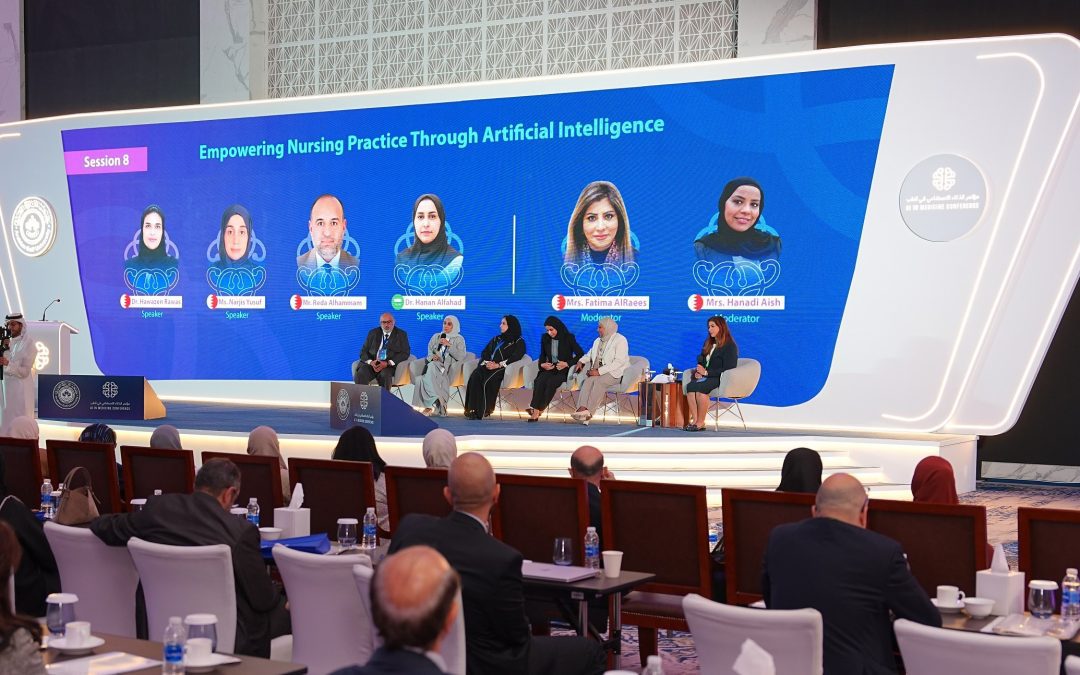
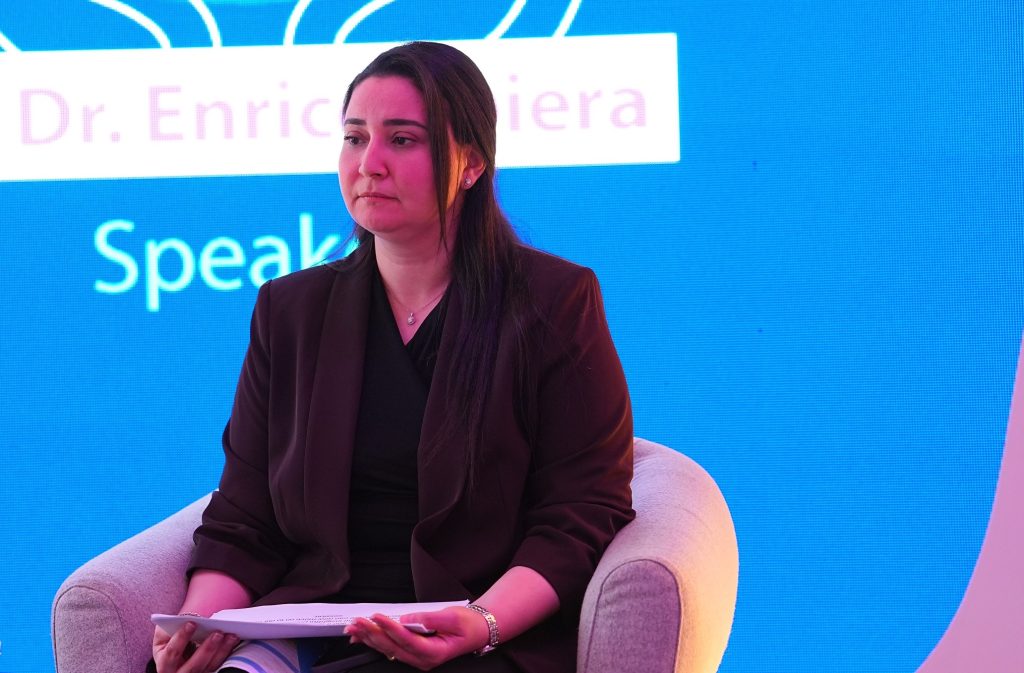
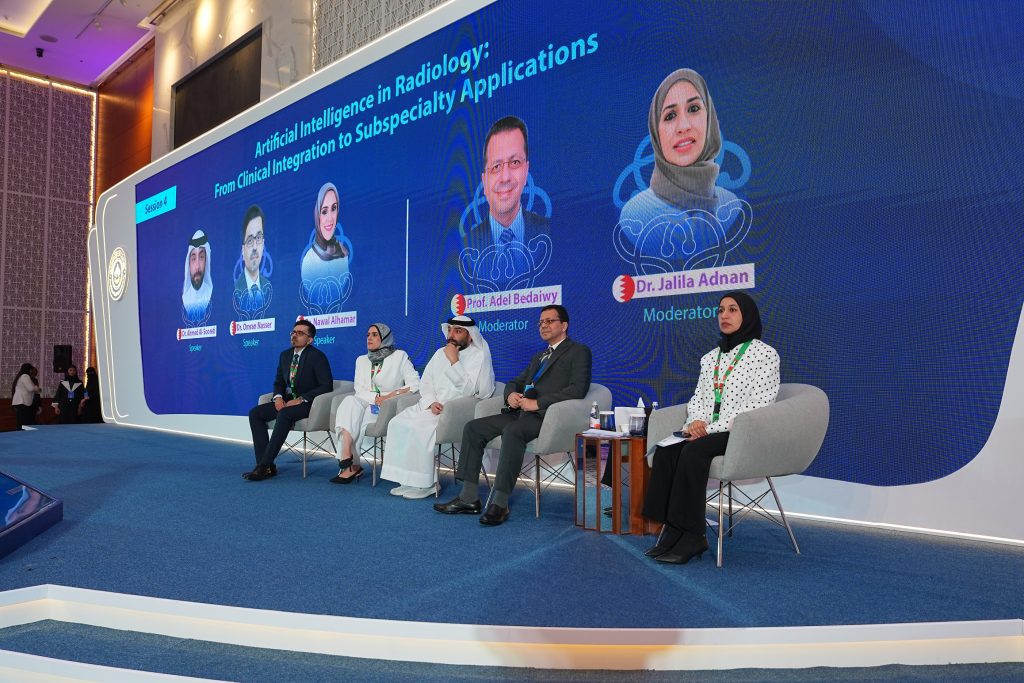
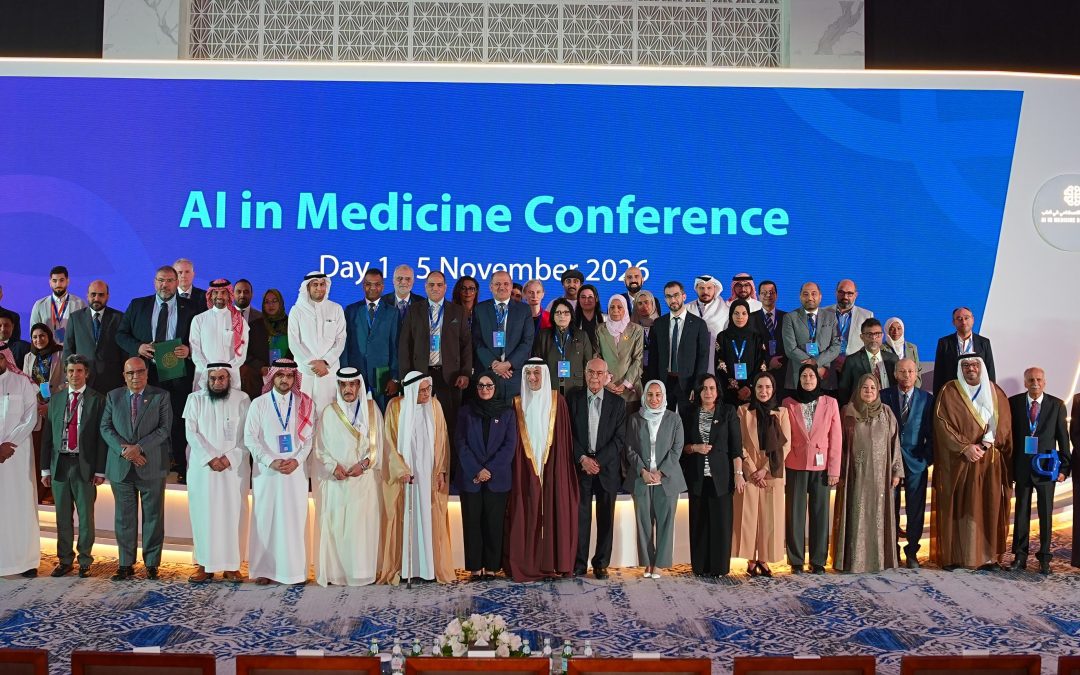
Participants at the 2026 Artificial Intelligence in Medicine Conference, organized by the Arabian Gulf University under the theme “Smarter Systems, Better Care: Integrating Artificial Intelligence into Daily Medical Practice,” called for accelerating the adoption of AI applications in medical education and practice and enhancing the readiness of healthcare institutions to harness their potential. They recommended establishing guidelines for safe and responsible use to ensure the quality of healthcare services and safeguard patient safety.
Foremost among the recommendations was the importance of integrating AI applications into medical education programs and continuing professional development, through the development of specialized training tracks and the organization of hands-on workshops targeting physicians, medical students, and various categories of healthcare practitioners, to enable them to learn about the clinical uses of these technologies, understand their capabilities and limitations, and to acquire the skills necessary to employ them efficiently and responsibly in medical work environments.
In the context of moving from theoretical knowledge to practical application, the proposals called for encouraging healthcare institutions to test AI applications in the areas of medical diagnosis, analysis of medical imaging, and test results, as well as supporting clinical decision-making and health information management, within institutional trials subject to scientific evaluation and professional oversight, to verify their accuracy, reliability, safety, and alignment with patient needs, prior to their wider adoption in hospitals and health centers.
The recommendations emphasized the need to establish clear guidelines for the responsible use of artificial intelligence in medical practice, addressing the protection of patient privacy and data confidentiality, verifying the accuracy of information and outputs generated by intelligent systems, and avoiding the entry of sensitive health data into unapproved applications. They also affirmed that medical decisions must remain the responsibility of the treating physician, as AI applications are tools that support clinical expertise rather than replace it.
Participants called for raising health and community awareness about the nature of these technologies and the limits of their use by educating patients on the potential benefits of AI applications in accessing and understanding health information, while also warning of the risks of relying on them for self-diagnosis, interpreting test results, or determining treatment options without consulting specialists.
In terms of scientific research, the recommendations emphasized the importance of expanding the use of AI tools to support researchers and graduate students, particularly in reviewing scientific literature, analyzing data, and organizing research information, while strictly adhering to standards of scientific integrity and honesty,
and verifying the accuracy of results, references, and the information produced, thereby enhancing the reliability of medical studies and improving the quality of scientific research outputs.
The conference outcomes emphasized the importance of building working partnerships and direct collaboration between physicians, researchers, and specialists in computer science and digital technologies, thereby ensuring the development of smart solutions rooted in the actual needs of healthcare institutions and the challenges faced by medical staff, and contributing to the alignment of technological innovations with the requirements of clinical practice.
In terms of feasibility assessment, the importance of establishing clear mechanisms to monitor the impact of artificial intelligence applications within healthcare institutions was highlighted, through performance indicators that measure their contribution to improving diagnostic accuracy, accelerating medical procedures, increasing the efficiency of operational processes, and reducing the administrative burden on healthcare staff—thereby providing a scientific basis for identifying the most effective applications and directing investments toward solutions with tangible impact.
As part of efforts to promote the exchange of knowledge and expertise, the recommendations called for dedicating more space to practical case studies at upcoming medical conferences and forums, by presenting real-world examples of AI implementation in hospitals and healthcare institutions, and discussing the results of their implementation as well as the associated regulatory, technical, and professional challenges, thereby enabling the leveraging of advanced experiences, the exchange of expertise, and the development of best practices.
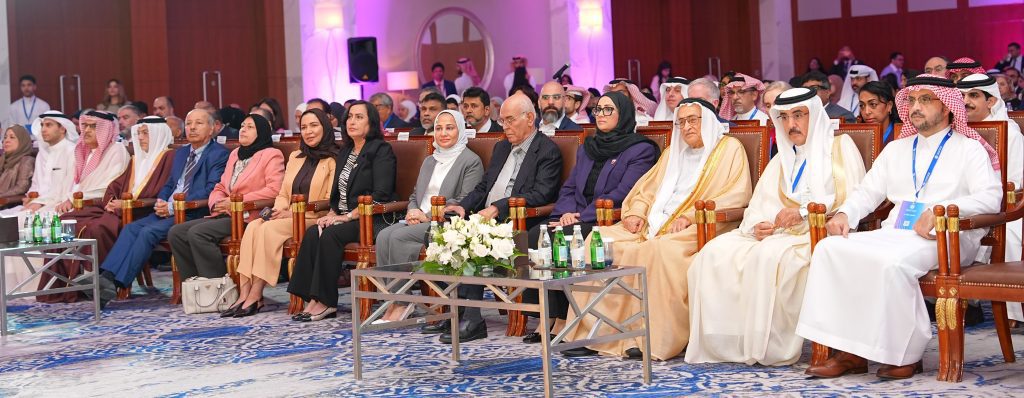
The conference brought together a distinguished group of physicians, experts, researchers, and specialists to discuss the latest developments and applications in the fields of diagnosis, treatment, medical education, and scientific research, and to review the opportunities that smart technologies offer for developing the healthcare system, as well as the challenges associated with integrating them into clinical practice.
The recommendations and outcomes that emerged at the conclusion of the conference highlight the importance of moving beyond a review of the technical capabilities of artificial intelligence to the adoption of well-considered implementation steps, based on training, scientific evaluation, sound governance, and multidisciplinary collaboration, thereby enhancing the ability of healthcare institutions to keep pace with digital transformations, and supports the advancement of medical education, research, and practice, while reinforcing the central role of the physician and placing patient safety and the quality of healthcare at the forefront of priorities.
The Artificial Intelligence in Medicine 2026 Conference, organized by Arabian Gulf University was kicked off in the capital city of Manama under the theme “Smarter Systems, Better Care: Integrating Artificial Intelligence into Daily Medical Practice,” under the patronage of His Excellency Lieutenant General Dr. Shaikh Mohammed bin Abdullah Al Khalifa, Chairman of the Supreme Council of Health, and with the participation of a distinguished group of experts, academics, and specialists in the fields of medicine, artificial intelligence, and health technologies from the Kingdom of Bahrain, the region, and the world.
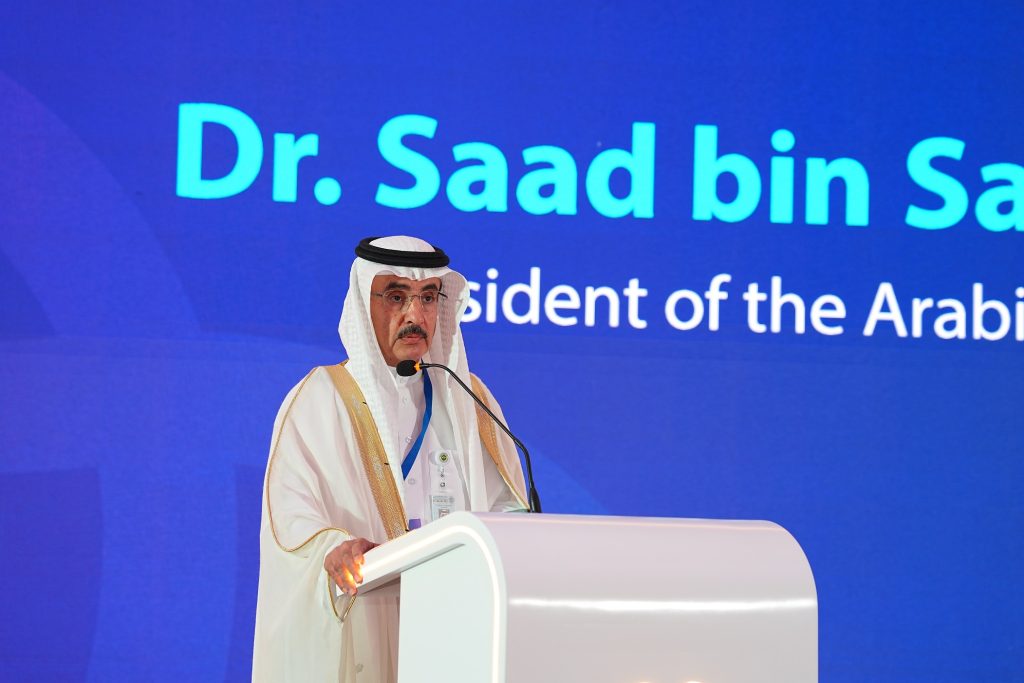
In a speech during the opening ceremony, His Excellency the University President, Dr. Saad bin Saud Al-Fahaid, extended his deepest gratitude and appreciation to His Majesty King Hamad bin Isa Al Khalifa, and to His Royal Highness Prince Salman bin Hamad Al Khalifa, Crown Prince and Prime Minister, for the generous patronage and continuous support extended to Arabian Gulf University and the institutions of the health and education sectors in the Kingdom of Bahrain. He also expressed his deep appreciation to Their Majesties and Highnesses, the leaders of the Gulf Cooperation Council (GCC) countries, for their support of the University and its Gulf-focused mission, as well as their belief in the role of education and scientific research in developing human potential and shaping the future.
His Excellency the University President outlined the university’s strategies for supporting innovation and scientific research and promoting the use of modern technologies in the medical and health fields, stating: “The future of medicine is not shaped by technology alone, but by our ability to use artificial intelligence responsibly and harness its potential to enhance diagnostic accuracy and the quality of treatment, without losing sight of the human-centered essence of medicine. True innovation lies in putting technology at the service of humanity and using it to shape a healthcare system that is smarter, more humane, and more sustainable.”
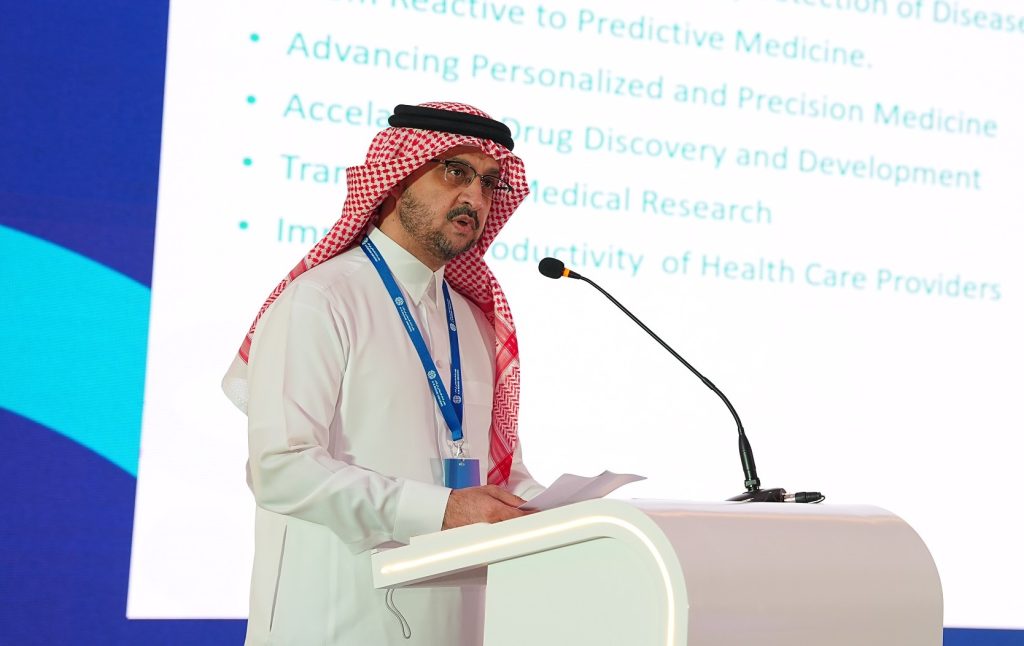
For his part, Dr. Ghazi bin Abdulrahman Al-Otaibi, Head of the Conference’s Higher Committee and Vice President for Academic Affairs and Scientific Research, emphasized the importance of the conference’s theme, its key topics, and its scientific objectives, as well as its role in bringing together specialized expertise and experiences to discuss the rapid transformations in the future of medical practice.
He said: “Artificial intelligence is a key future option in the healthcare sector, especially now that it has become a reality that is reshaping medical practices and opening up broad horizons for the development of the healthcare system by enhancing diagnostic accuracy, supporting clinical decisions, personalizing treatments, and improving the quality of services provided to patients.”
He added: “This highlights the importance of this conference, which brings together more than 46 experts and specialists to explore the true potential of artificial intelligence technologies, exchange expertise on their practical applications, and discuss the challenges associated with their safe and responsible deployment—thereby striking a balance between technological innovation and medical expertise, and placing people at the center of future healthcare development.”
The opening ceremony featured a visual presentation introducing the Arabian Gulf University and the Artificial Intelligence in Medicine Conference, highlighting their scientific and research missions, as well as the importance of utilizing artificial intelligence in developing health services and enhancing the quality of medical care.
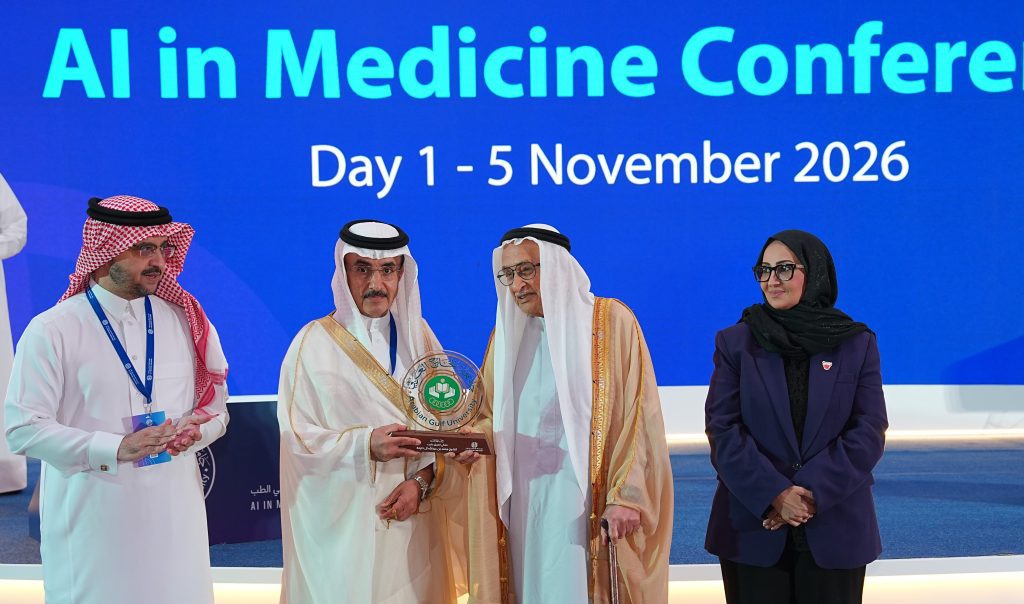
The opening program also included a tribute to His Excellency Lieutenant General Dr. Shaikh Mohammed bin Abdullah Al Khalifa, in recognition of his generous patronage of the conference and his support for scientific and research efforts at Arabian Gulf University. This was followed by a tribute to the conference’s sponsors—including platinum, gold, silver, and bronze sponsors—in recognition of their contributions and role in supporting the organization of this scientific event.
Afterward, His Excellency Lieutenant General Dr. Shaikh Mohammed bin Abdullah Al Khalifa inaugurated the exhibition accompanying the conference, which showcases the latest technologies, solutions, and innovations in the field of medical artificial intelligence, as well as applications offered by institutions, companies, and specialized entities that contribute to the development of healthcare practices and the improvement of medical services.
The conference discusses the latest innovations and practical applications of artificial intelligence in various fields of medicine, with a focus on utilizing smart technologies to prevent heart disease and predict its risks, supporting the care of patients with diabetes and obesity through continuous monitoring systems and personalized treatment, as well as developing medical imaging technologies and enhancing their diagnostic accuracy.
The sessions will explore AI applications in emergency and intensive care units, including smart patient triage, early detection of critical conditions, and support for clinical decision-making and the customization of treatment plans—all of which contribute to faster medical response times and improved quality of healthcare.
The sessions will also address the ethical and regulatory aspects associated with the use of artificial intelligence in the healthcare sector, the protection of patient privacy, and ensuring the safe and responsible use of modern technologies, as well as reviewing the role of artificial intelligence in advancing nursing practices, medical education, and precision medicine; remote monitoring applications; and the training of healthcare professionals to keep pace with the digital transformation.
The sessions will also address AI applications in genomics and bioinformatics, the discovery of biomarkers, the acceleration of drug development, and the prediction of therapeutic response, as well as the enhancement of primary and virtual care services and the improvement of chronic disease management. The conference will also feature a session for medical students that explores the applications of artificial intelligence in medical education, thereby raising awareness among new generations of physicians about the tools and technologies of digital transformation and opening up new horizons for them to explore the potential of artificial intelligence in supporting learning, clinical practice, and scientific research.
On the third day of the conference, hands-on workshops will be held addressing the uses of artificial intelligence in interpreting electrocardiograms, designing clinical research, and analyzing health data, reflecting a shift from reviewing the theoretical potential of smart technologies to applying them in practical ways that benefit patients, practitioners, and the healthcare system.
Arabian Gulf University’s organization of this conference demonstrates its commitment to strengthening its scientific and research presence in issues related to the future of medicine and healthcare, and to providing an international scientific platform that brings together experts, academics, and specialists to exchange knowledge and experiences, and to explore modern applications and trends that contribute to the development of healthcare and enhance its efficiency, quality, and sustainability.
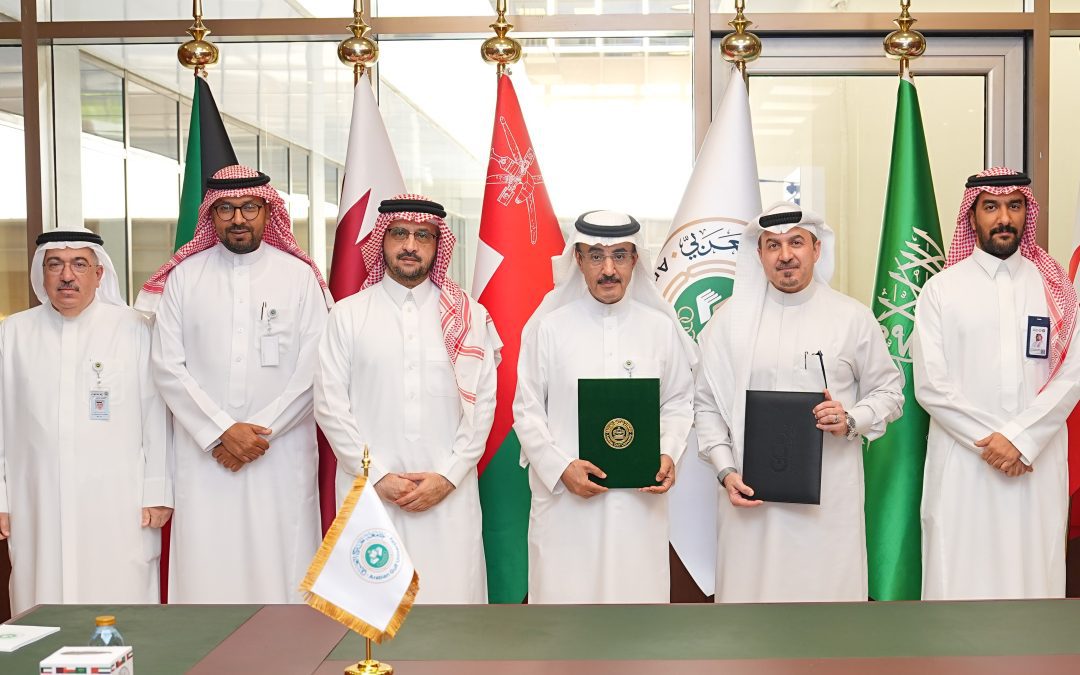
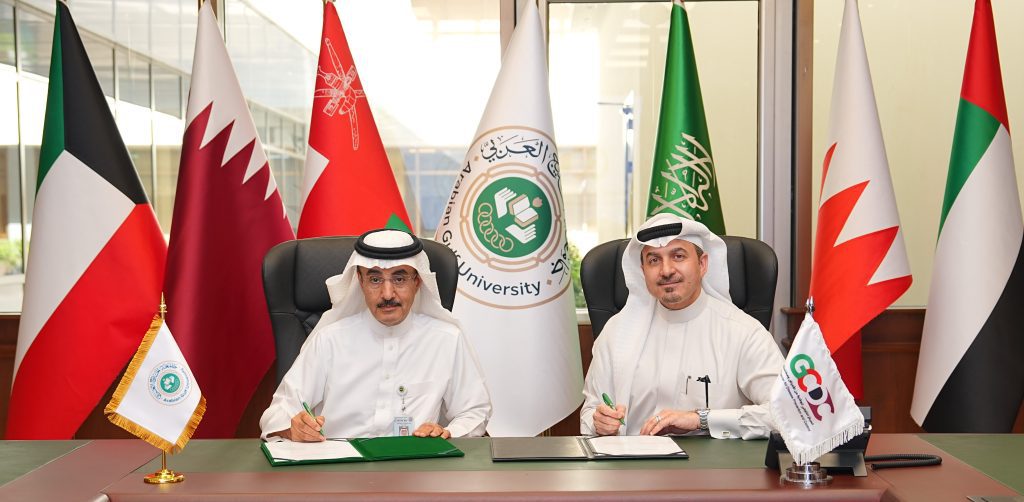
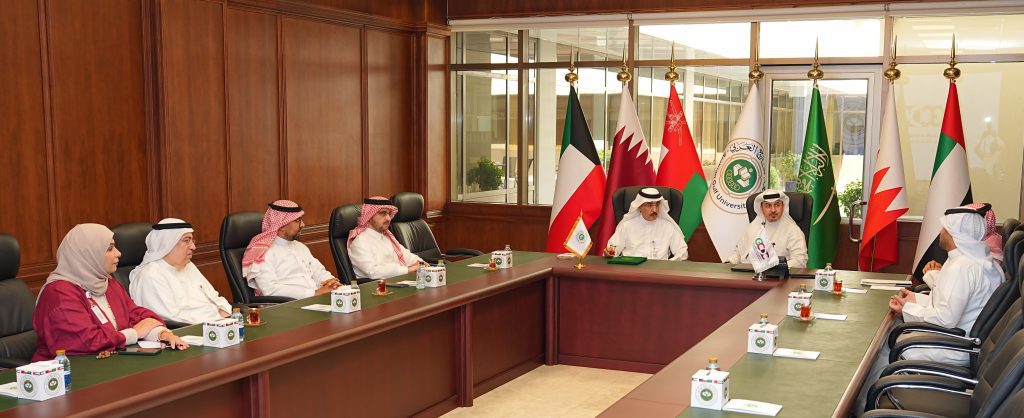
The Gulf Center for Disease Prevention and Control and Arabian Gulf University signed a memorandum of understanding to strengthen scientific and technical cooperation in the fields of public health, and to translate the outcomes of scientific research, training, and innovation into practical programs, initiatives, and tools that support health policies and contribute to enhancing the readiness of public health systems and strengthening health security in the Gulf. The signing took place at the university’s headquarters in the Kingdom of Bahrain on Wednesday, November 4, 2026.
His Excellency Dr. Saad bin Saud Al-Fahaid, President of Arabian Gulf University, affirmed the university’s commitment to contributing to the enhancement of Gulf health security and to consolidating integration and cooperation within the framework of joint Gulf action. He noted the university’s readiness to harness its accumulated academic and research expertise, share it with the Center, and participate in developing training and capacity-building programs in the field of public health.
His Excellency emphasized the importance of involving students in joint research and training initiatives and preparing them to be future leaders in supporting public health and serving their communities, thereby setting an example of cooperation among Gulf institutions that combines knowledge and practice and strengthens the GCC countries’ ability to address health challenges.
For his part, His Excellency Prof. Dr. Manaf Al-Qahtani, CEO of the Gulf Center for Disease Prevention and Control, affirmed that cooperation with academic and research institutions constitutes a fundamental pillar for building sustainable Gulf capacities in public health, noting that the memorandum opens up opportunities to leverage shared expertise in transforming scientific knowledge into practical solutions that support health decision-making, empower national talent, and strengthen prevention and preparedness to address health challenges, thereby benefiting the health and well-being of Gulf communities.
The memorandum establishes a framework for integrating regional public health efforts with academic and research capabilities, thereby enabling the pooling of shared expertise to address health priorities in the GCC countries and aligns with the Center’s strategic directions for 2026–2030, particularly in the areas of capacity building, research, innovation, and preparedness and response to public health emergencies.
Areas of cooperation include implementing joint research projects and studies related to Gulf health priorities; supporting joint scientific publications; and leveraging scientific and technical expertise to develop health policies, guidelines, evaluation frameworks, health surveillance, and data analysis—thereby contributing to the transformation of data and research findings into reliable knowledge that supports evidence-based decision-making, and developing more effective responses to the needs of Gulf communities.
The memorandum also facilitates cooperation in the design and implementation of vocational training programs, fellowships, executive education, and leadership development in public health, thereby enhancing the competencies of workers in the sector, improving their ability to apply scientific knowledge in professional practice, and supporting the sustainability of public health systems.
This collaboration embodies a Gulf-wide approach that links scientific research to public health needs and combines capacity building with practice development, leading to tangible health outcomes that promote prevention, protect the health of Gulf communities, and establish more resilient and sustainable health systems.
The Dean of the College of Medicine and Health Sciences at Arabian Gulf University, Prof. Dr. Mohamed Madadin, affirmed his pride in the humanitarian and professional role that doctors play in protecting the health of society and preserving the lives of its members, coinciding with the celebration of Bahraini Doctors’ Day. He noted that this occasion represents an appreciation for the noble mission of medicine and what it requires in terms of evolving knowledge, ethical responsibility, and dedication to serving humanity.
He said: “The physician has a humanitarian mission based on science, compassion, and responsibility, beginning with an understanding of the patient’s needs and culminating in the provision of health care that preserves their dignity, alleviates their pain, and enhances their quality of life. Bahraini Doctors’ Day is an occasion on which we reflect on the value of this mission and recognize the efforts of doctors in the Kingdom of Bahrain and the Gulf Cooperation Council (GCC) countries as a whole, who have made knowledge, generosity, and dedication the cornerstones of their professional practice.”
He explained that the College of Medicine and Health Sciences places the training of competent, qualified, and well-trained physicians at the forefront of its academic priorities and is committed to graduating physicians who possess a solid scientific and medical foundation, advanced clinical skills, and the ability to think critically and make sound medical decisions, along with a commitment to professional ethics and a sense of humanitarian responsibility toward patients and society.
He noted that preparing the doctors of the future is not limited to equipping them with theoretical knowledge but requires comprehensive clinical training, practical exposure to healthcare settings, and the development of their ability to handle various medical cases and keep pace with rapid scientific and technological advancements—including applications of artificial intelligence and precision medicine—while preserving the essence of the human relationship between doctors and patients.
He concluded his statement by saying: “We believe that true investment in the future of healthcare begins with the training of doctors, and that every qualified and trained doctor we graduate is a valuable addition to the healthcare system and a new hope for patients seeking safe and exceptional care. Our goal is to graduate doctors who do not merely keep pace with medical advancements, but who have the ability to contribute to shaping its future through their knowledge, competence, and humanity. May Bahrain’s doctors continue to thrive as they carry out their noble mission with dedication and competence.”
أكد عميد كلية الطب والعلوم الصحية بجامعة الخليج العربي، الأستاذ الدكتور محمد مددين، اعتزازه بالدور الإنساني والمهني الذي يضطلع به الأطباء في حماية صحة المجتمع وصون حياة أفراده بالتزامن مع الاحتفاء بيوم الطبيب البحريني، مشيراً إلى أن هذه المناسبة تمثل تقديراً لرسالة الطب النبيلة، وما تتطلبه من علم متجدد، ومسؤولية أخلاقية، وتفانٍ في خدمة الإنسان.
وقال: «إن الطبيب صاحب رسالة إنسانية تقوم على العلم والرحمة والمسؤولية، وتبدأ من فهم احتياجات المريض وتنتهي بتقديم رعاية صحية تحفظ كرامته وتخفف آلامه وتعزز جودة حياته، ويوم الطبيب البحريني مناسبة نستحضر فيها قيمة هذه الرسالة، ونقدر جهود الأطباء في مملكة البحرين ودول مجلي التعاون ككل الذين جعلوا من المعرفة والعطاء والإخلاص ركائز لممارستهم المهنية».
واوضح أن كلية الطب والعلوم الصحية تضع إعداد الطبيب الكفء والمؤهل والمدرّب في صدارة أولوياتها الأكاديمية، وتحرص على تخريج أطباء يمتلكون قاعدة علمية وطبية راسخة، ومهارات سريرية متقدمة، وقدرة على التفكير النقدي واتخاذ القرارات الطبية السليمة، إلى جانب الالتزام بأخلاقيات المهنة واستشعار المسؤولية الإنسانية تجاه المرضى والمجتمع.
ولفت إلى أن إعداد طبيب المستقبل لا يقتصر على تزويده بالمعارف النظرية، بل يتطلب تدريباً سريرياً متكاملاً، واحتكاكاً عملياً بالبيئات الصحية، وتعزيز قدرته على التعامل مع الحالات الطبية المختلفة، ومواكبة المستجدات العلمية والتكنولوجية المتسارعة، بما فيها تطبيقات الذكاء الاصطناعي والطب الدقيق، مع الحفاظ على جوهر العلاقة الإنسانية بين الطبيب والمريض.
واختتم تصريحه بالقول: «نؤمن بأن الاستثمار الحقيقي في مستقبل الرعاية الصحية يبدأ من إعداد الطبيب، وأن كل طبيب مؤهل ومدرّب نخرّجه هو إضافة نوعية للمنظومة الصحية، وأمل جديد لمريض يبحث عن رعاية آمنة ومتميزة، وغايتنا أن نخرّج أطباء لا يكتفون بمواكبة تطورات الطب، بل يمتلكون القدرة على الإسهام في صنع مستقبله، بعلمهم وكفاءتهم وإنسانيتهم. وكل عام وأطباء البحرين بخير، وهم يواصلون أداء رسالتهم السامية بكل إخلاص واقتدار».