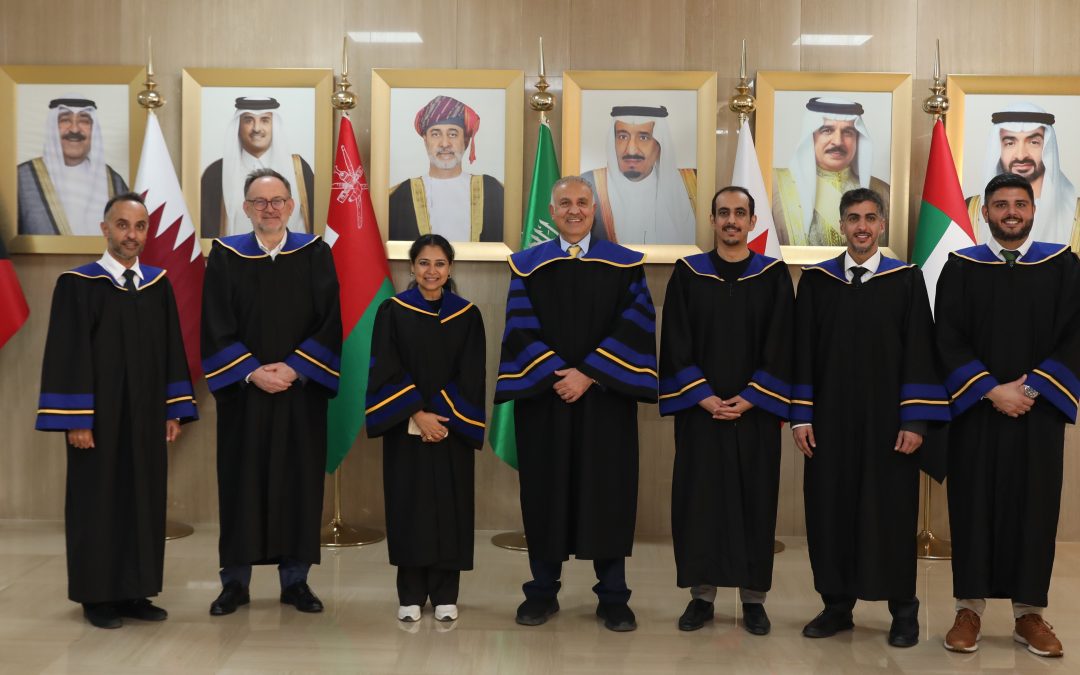
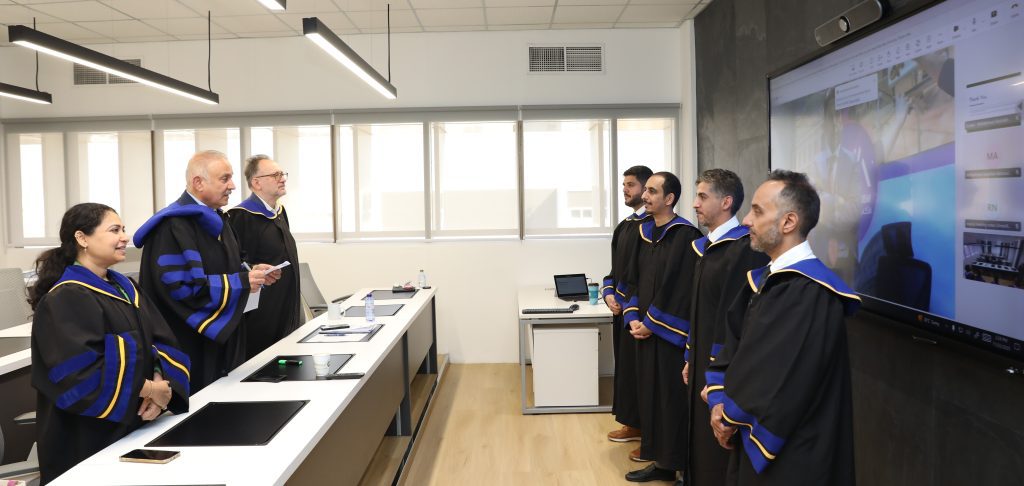
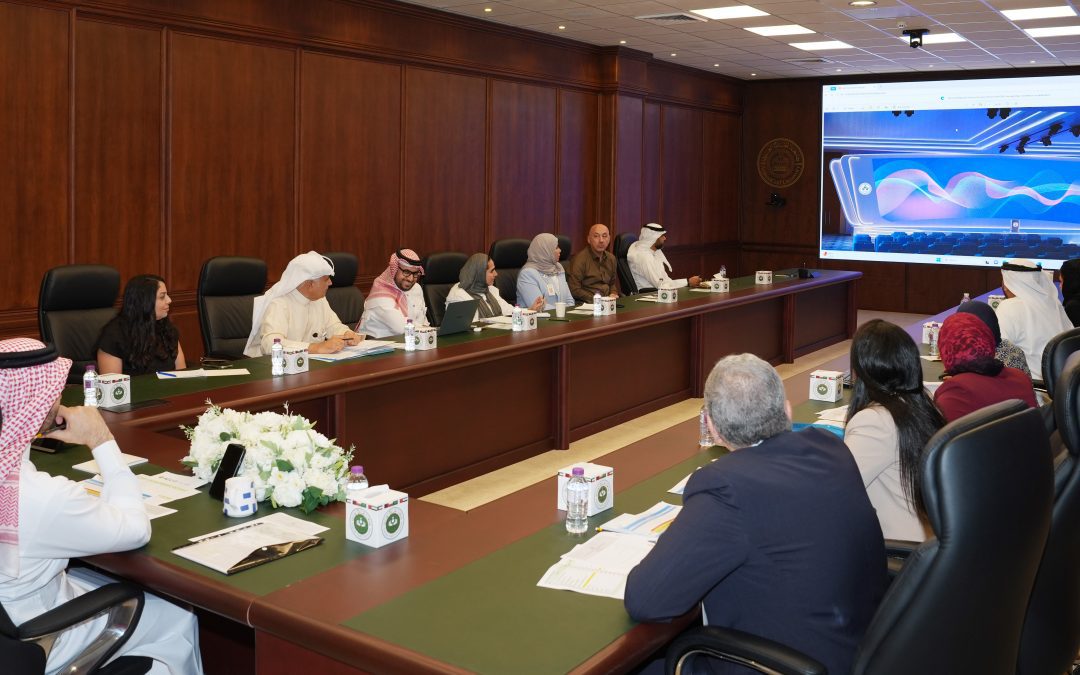
Researchers in the MBA program at Arabian Gulf University examined the challenges affecting the growth and sustainability of startups in the Gulf Cooperation Council (GCC) region through case studies covering Saudi Arabia, Kuwait, and Bahrain, as part of a research project titled “Entrepreneurship in Saudi Arabia, Kuwait, and Bahrain: Challenges in Legislation, Financing, and Talent Retention.” The researchers—Mohammed Al-Dakhil, Mashari Budi, Jassim Al-Sheiba, and Khalid Al-Shahil—recently presented their findings.
The study, supervised by Prof. Dr. Adel Ismail Al-Alawi, Professor of Business Administration and Information Systems in the Department of Business Administration at Arabian Gulf University, addresses the operational and institutional factors associated with three main themes: regulatory frameworks, access to capital, and talent management. The researchers analyzed how these pillars collectively shape the entrepreneurial ecosystem in the Gulf Cooperation Council (GCC) region, using a qualitative exploratory approach.
The researchers conducted 40 semi-structured interviews with startup founders, and the data collected was subjected to systematic analysis. The results revealed that the three countries have made tangible progress toward digitizing business registration procedures and providing support programs for early-stage companies; however, structural challenges continue to pose a fundamental obstacle.
Among the most prominent challenges are inconsistent policy implementation, regulatory ambiguity, and limited access to financing during growth stages, as well as ongoing difficulties in attracting and retaining specialized talent. The researchers emphasized that government initiatives, such as “Mansha’at,” “Bader,” and “Tamkeen,” along with national funds, have helped address some of these challenges and strengthen the support provided during the early stages.
The study revealed that these mechanisms remain insufficient to meet the requirements for expansion and growth, while the shortage of talent and overreliance on expatriate staff constitute a fundamental constraint on the sustainability of high-growth ventures.
The findings offer valuable insights for policymakers, most notably the need to enhance regulatory clarity, adopt specialized sector-specific support programs, formulate coordinated investment strategies, and strengthen ties between universities and startups to foster talent development and capacity building.
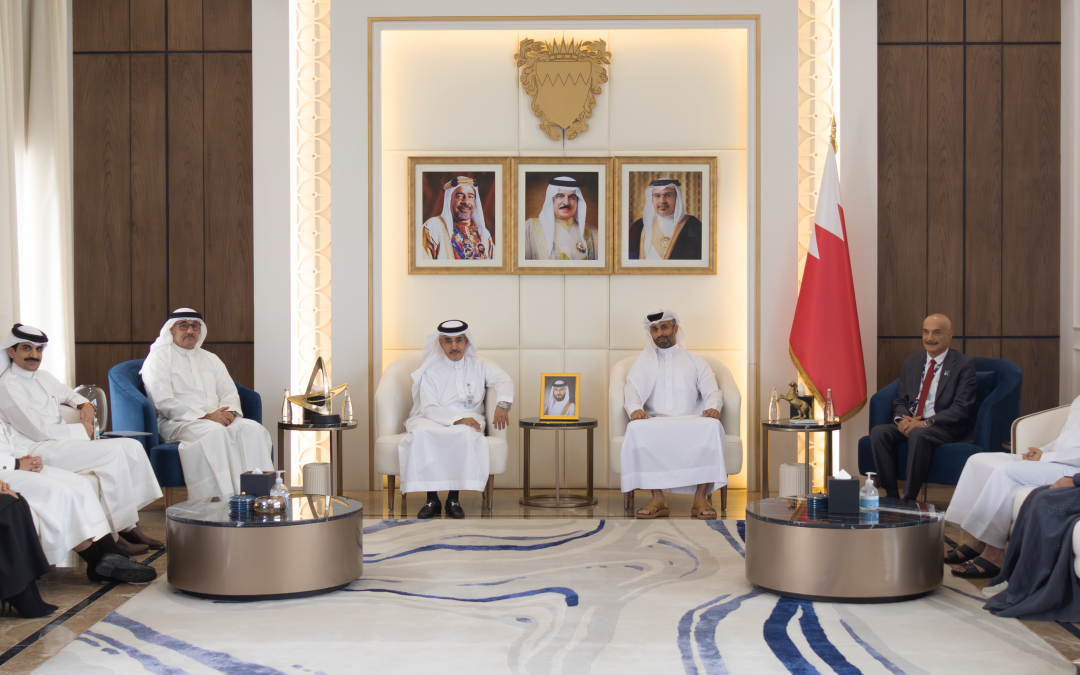
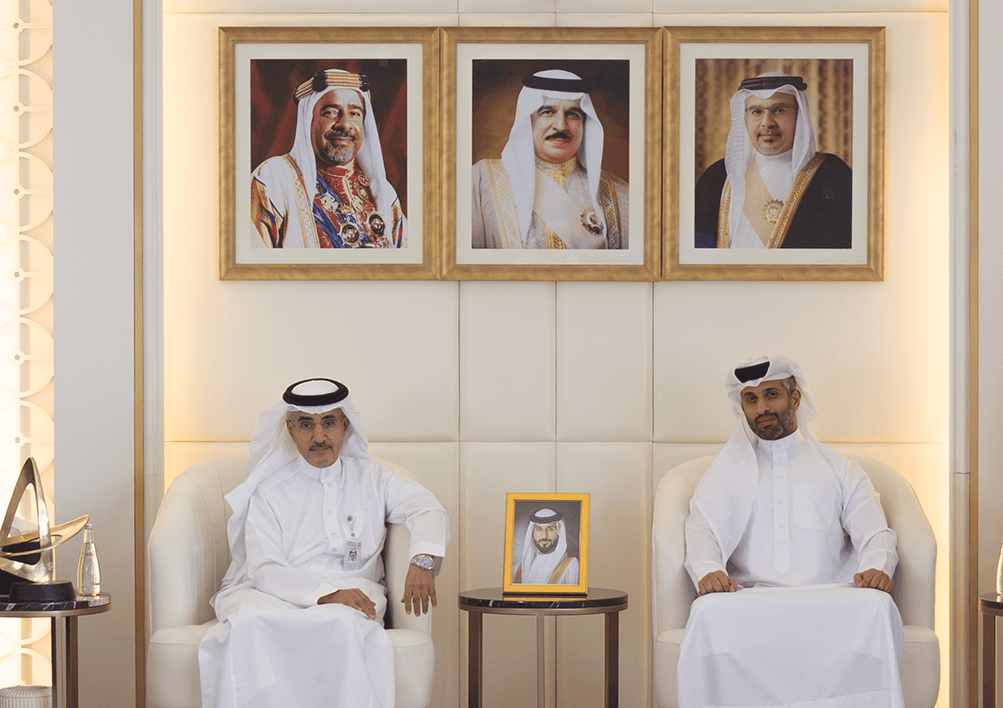
Dr. Abdullah bin Nasser Al-Nuaimi, CEO of the Nasser Center for Science and Technology, received His Excellency Dr. Saad bin Saud Al-Fahaid, President of Arabian Gulf University, and his accompanying delegation to discuss prospects for joint cooperation and expand areas of integration between the two institutions in education, training, scientific research, and technological development.
This collaboration aims to contribute to the exchange of expertise and knowledge, develop human capital, and strengthen the role of academic and scientific institutions in keeping pace with technological transformations and supporting development paths based on knowledge and innovation.
The delegation accompanying His Excellency the President of Arabian Gulf University included Prof. Dr. Walid Zubari, Dean of the College of Education, Administrative and Technical Sciences; Prof. Dr. Ahmed Al-Abbasi, Associate Dean of the College; Dr. Afaf Bogaui, Director of the Center for Community Service, Consultancy, Training, and Continuing Education; Mr. Nawaf Abdulrahman, Director of the Center for Information Technology and Cybersecurity; and Dr. Yousif Al-Nawakhda, Assistant Professor of Quantum Computing and Cryptography in the Department of Computer Science.
During the meeting, the two sides discussed exchanging expertise and experiences in the fields of education and training in artificial intelligence and cybersecurity, as well as opportunities for cooperation in the fields of artificial intelligence solutions and data centers. This opens up prospects for developing joint scientific and applied initiatives that leverage the capabilities and specialized expertise of both parties and contribute to linking academic outputs with the evolving technological needs of the job market.
The meeting also addressed opportunities for cooperation in launching community initiatives aimed at nurturing and developing the talents of gifted students, particularly in scientific and technological fields, by leveraging the academic, research, and training capabilities of both institutions, thereby enhancing opportunities to empower promising young talent and channel their potential toward creativity and innovation.
During a tour of the Center’s facilities, His Excellency the University President and the accompanying delegation were briefed on the Center’s operations in academic education and specialized vocational training, as well as the most prominent artificial intelligence projects and smart solutions being developed by the Center at the local and regional levels.At the conclusion of the visit, both sides emphasized the importance of continuing coordination and building collaborative initiatives with sustainable scientific, educational, and societal impact, thereby enhancing integration between academic and technological institutions, and supporting the development of human capital qualified to meet future demands.
تنطلق أعمال مؤتمر الذكاء الاصطناعي في الطب، الذي تنظمه جامعة الخليج العربي في العاصمة المنامة خلال الفترة من 5 إلى 7 نوفمبر المقبل، بحضور معالي الفريق طبيب الشيخ محمد بن عبدالله آل خليفة، رئيس المجلس الأعلى للصحة، وبمشاركة 37 خبيرًا ومتخصصًا في مجالات الطب والذكاء الاصطناعي والتقنيات الصحية من مملكة البحرين ودول المنطقة والعالم، لمناقشة أحدث تطبيقات الذكاء الاصطناعي في التشخيص والعلاج والرعاية الصحية، وتبادل الخبرات والتجارب في هذا المجال.
ويُعقد المؤتمر في فندق الخليج، موفرًا منصة للحوار العلمي متعدد التخصصات واستكشاف فرص التعاون والشراكات البحثية، ومناقشة التحديات العلمية والأخلاقية والتنظيمية المرتبطة بتوظيف الذكاء الاصطناعي في النظم الصحية، بما يسهم في تطوير حلول عملية تعزز كفاءة الخدمات الصحية، مع الحفاظ على الدور المحوري للخبرة الطبية والعنصر الإنساني في تقديم الرعاية.
وتتواصل اجتماعات اللجنة المنظمة للمؤتمر، التي يترأسها نائب رئيس الجامعة للشؤون الأكاديمية والبحث العلمي، الدكتور غازي بن عبدالرحمن العتيبي، أسبوعيًا لاستكمال الاستعدادات العلمية والتنظيمية واللوجستية، وضمان جاهزية مختلف جوانب المؤتمر.
ويناقش البرنامج العلمي أحدث الابتكارات والتطبيقات العملية للذكاء الاصطناعي في مجالات الطب، بما في ذلك توظيف التقنيات الذكية في الوقاية من أمراض القلب والتنبؤ بمخاطرها، ودعم رعاية مرضى السكري والسمنة من خلال أنظمة المراقبة المستمرة والعلاج المخصص، إلى جانب تطوير تقنيات التصوير الطبي وتعزيز دقتها في التشخيص.
كما تتناول جلسات المؤتمر تطبيقات الذكاء الاصطناعي في أقسام الطوارئ والعناية المركزة، بما يشمل الفرز الذكي للمرضى، والرصد المبكر للحالات الحرجة، ودعم اتخاذ القرار السريري، وتخصيص الخطط العلاجية، بما يسهم في تسريع الاستجابة الطبية وتحسين جودة الرعاية الصحية.
وتبحث الجلسات الجوانب الأخلاقية والتنظيمية لاستخدام الذكاء الاصطناعي في القطاع الصحي، مع التركيز على حماية خصوصية المرضى وضمان الاستخدام الآمن والمسؤول للتقنيات الحديثة. كما تستعرض دور هذه التقنيات في تطوير ممارسات التمريض والتعليم الطبي والطب الدقيق، وتطبيقات المراقبة عن بُعد، وتأهيل الكوادر الصحية لمواكبة التحول الرقمي.
ويتناول البرنامج أيضًا تطبيقات الذكاء الاصطناعي في الجينوم والمعلوماتية الحيوية، بما في ذلك اكتشاف المؤشرات الحيوية، وتسريع تطوير الأدوية، والتنبؤ بالاستجابة العلاجية، إلى جانب تعزيز خدمات الرعاية الأولية والافتراضية وتحسين إدارة الأمراض المزمنة خارج المنشآت الصحية التقليدية.
ويخصص المؤتمر جلسة لطلبة الطب من عدد من كليات الطب الخليجية لمناقشة واقع تطبيقات الذكاء الاصطناعي في التعليم الطبي ومستقبلها، والتعرف إلى إمكانات التقنيات الذكية في دعم التعلم والممارسة السريرية والبحث العلمي.
ويُختتم المؤتمر بثلاث ورش عمل تطبيقية تتناول استخدامات الذكاء الاصطناعي في تفسير تخطيط القلب، وتصميم البحوث السريرية، وتحليل البيانات الصحية، بما يعزز توظيف هذه التقنيات في الممارسات الطبية والبحثية.
ويأتي تنظيم المؤتمر في إطار توجه جامعة الخليج العربي نحو تعزيز حضورها العلمي والبحثي في مجالات الطب والتقنيات الصحية، ومواكبة التحولات المتسارعة في الذكاء الاصطناعي وتطبيقاته، بما يدعم تطوير التعليم الطبي والبحث العلمي والارتقاء بمستقبل الرعاية الصحية.
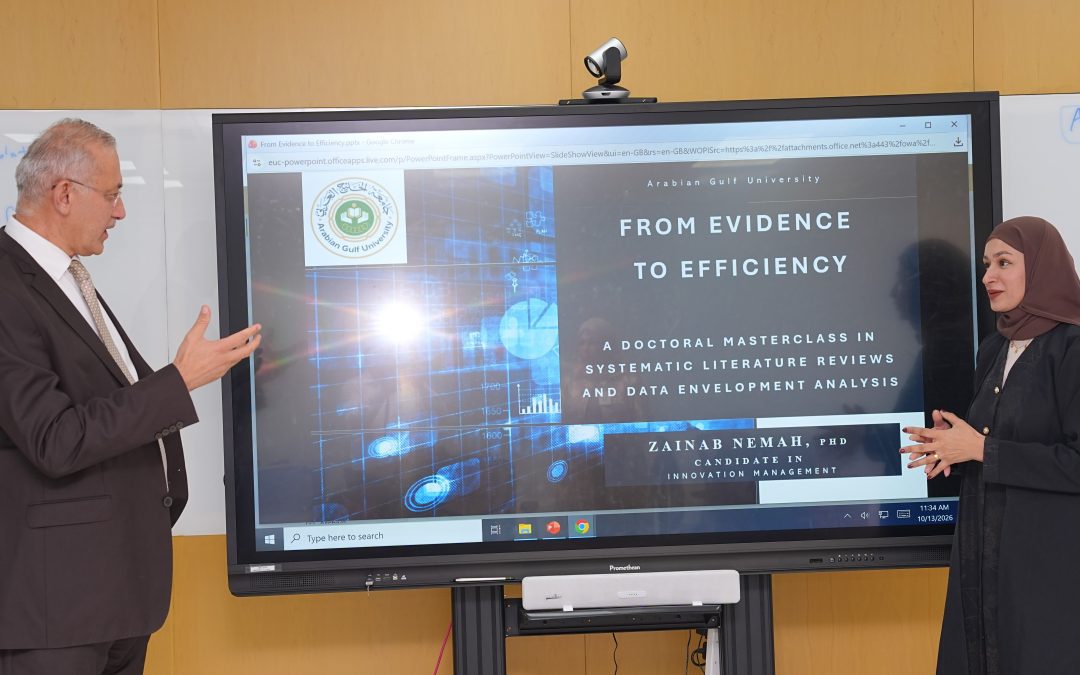
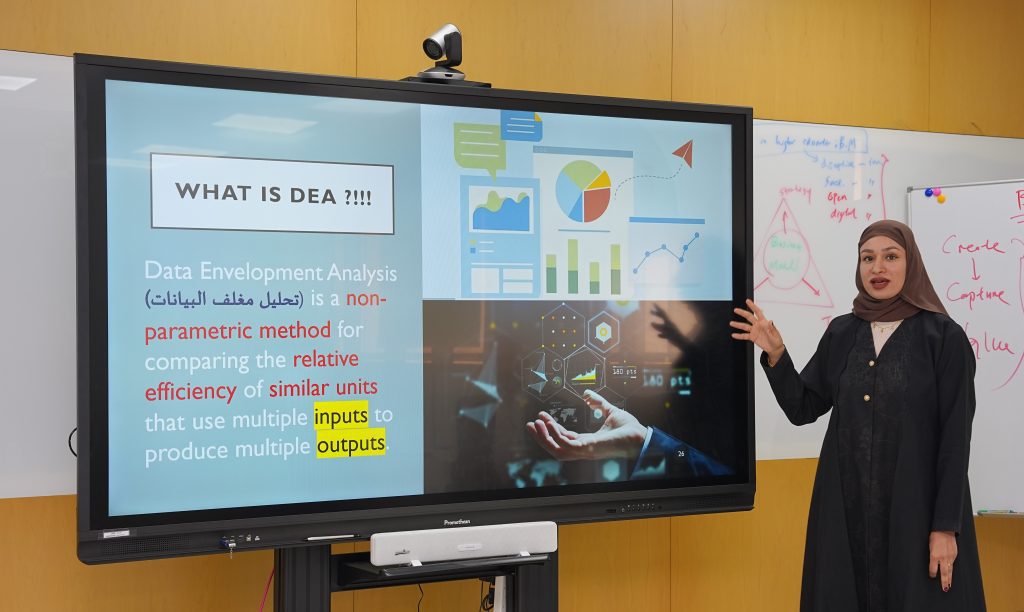
Zainab Hussain Nima, a doctoral student and researcher in the field of innovation management at the College of Education, Administrative and Technical Sciences at Arabian Gulf University, delivered a lecture titled “From Evidence to Efficiency: A Systematic Literature Review and Data Envelopment Analysis,” in which she reviewed scientific research methodologies and ways to apply them in developing innovative frameworks for evaluating university performance and measuring their efficiency. This lecture was part of the Department of Innovation and Technology Management’s efforts to foster a culture of innovation and advance research practices in higher education.
During the lecture, the researcher reviewed a methodology for measuring innovation efficiency in higher education institutions in the Gulf Cooperation Council (GCC) countries using data envelopment analysis. She explained how this methodology was applied in a case study to measure university efficiency and analyze their performance according to a set of dimensions and indicators, including sustainability, leading to the development of an innovative framework that contributes to evaluating university performance and understanding their levels of efficiency more comprehensively.
She provided a detailed explanation of the systematic review of the scientific literature, addressing the steps of structured research in previous studies, as well as the mechanisms for collecting, analyzing, and classifying the literature, leading to the identification of knowledge gaps that serve as a starting point for developing new research questions and building studies based on scientific evidence.
At the same time, she presented advanced research concepts and methodologies, thereby facilitating an understanding of quantitative tools and scientific review methods, and highlighting their importance in supporting scientific research and developing performance measurement and innovation practices in higher education institutions.
This lecture is part of an effort to strengthen research capabilities, disseminate methodological knowledge, and encourage the use of scientific evidence in developing the higher education system—thereby supporting innovation and sustainability and contributing to the creation of more effective and comprehensive evaluation frameworks for universities in the Gulf Cooperation Council (GCC) countries.
The current cohort of innovation students at Arabian Gulf University includes a group of leaders and professionals from various GCC countries, representing a number of vital sectors, foremost among them the education sector. This diversity of professional expertise and experience fosters the exchange of knowledge and insights among participants and supports the application of innovation concepts and practices in institutional development and performance improvement.
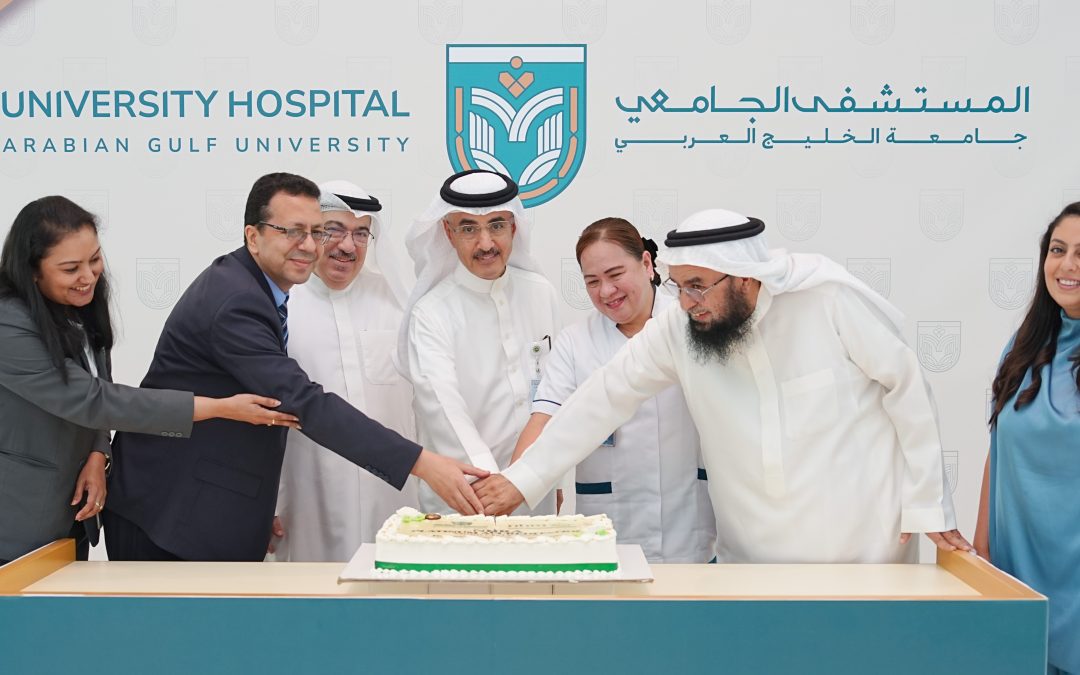
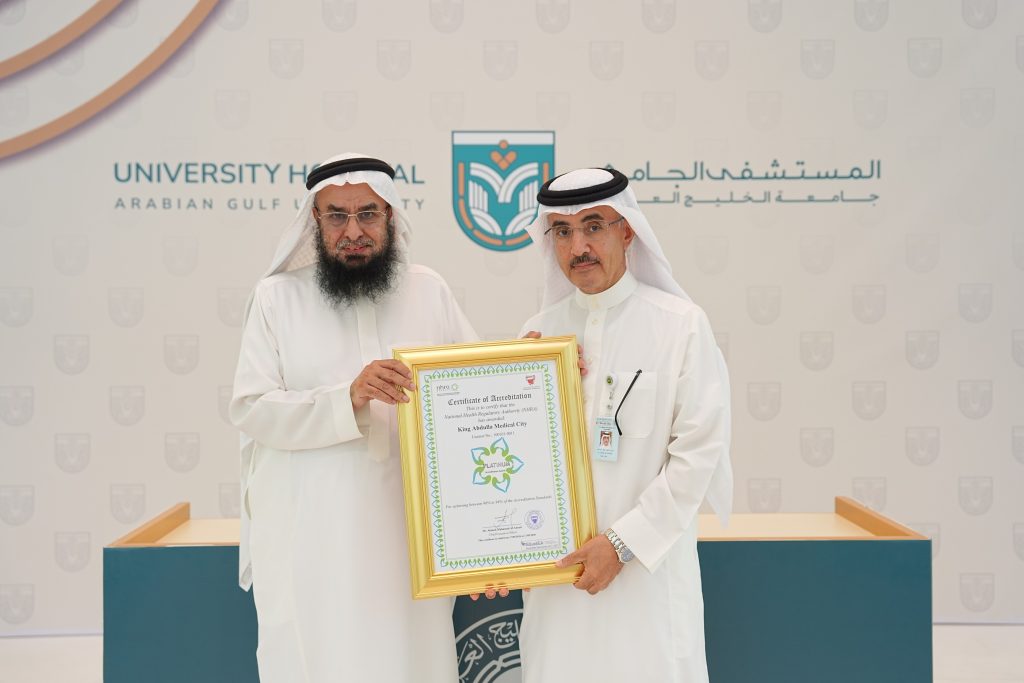
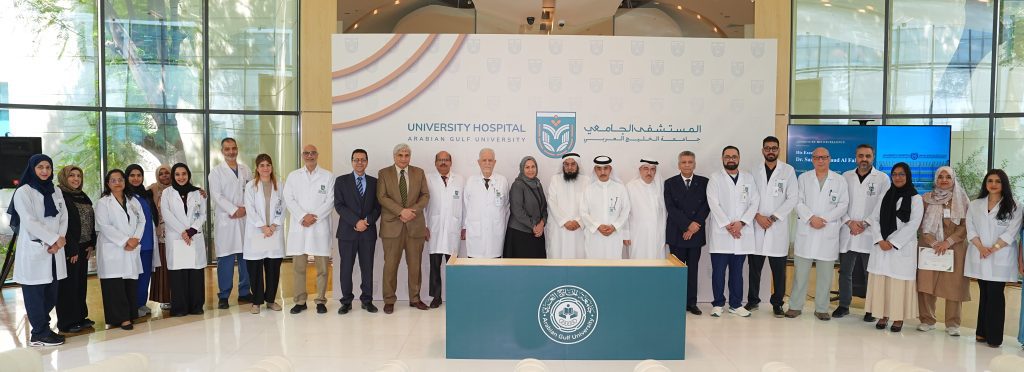
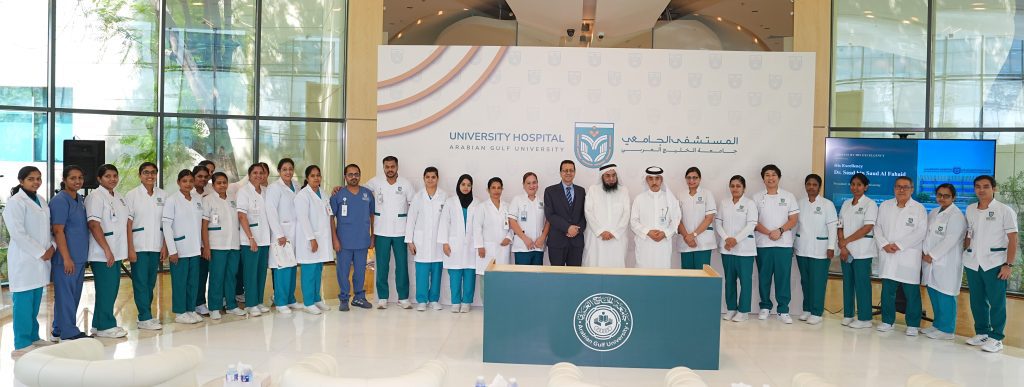
احتفت جامعة الخليج العربي بحصول المستشفى الجامعي على الاعتماد البلاتيني من الهيئة الوطنية لتنظيم المهن والخدمات الصحية "نهرا"، وذلك خلال حفل أقامته الجامعة بهذه المناسبة، بحضور مسؤولي الجامعة والمستشفى، تقديرًا للجهود التي بذلها منسوبو المستشفى في تحقيق هذا الإنجاز والارتقاء بجودة الخدمات الصحية.
وخلال الحفل، أكد معالي رئيس جامعة الخليج العربي، الدكتور سعد بن سعود آل فهيد، أن حصول المستشفى الجامعي على الاعتماد البلاتيني يأتي تتويجًا للجهود المتواصلة التي بذلها منسوبو المستشفى بمختلف تخصصاتهم، وما أبدوه من التزام بتطوير الأداء والارتقاء بمستوى الخدمات المقدمة للمرضى، مشيدًا بدور الكوادر الطبية والتمريضية والفنية والإدارية في تحقيق هذا الإنجاز المؤسسي.
وأشار معاليه إلى حرص الجامعة على مواصلة دعم المستشفى وتمكينه من تطوير قدراته الطبية والأكاديمية والبحثية، بما يعزز تكامل أدواره في تقديم الرعاية الصحية والتعليم الطبي والبحث العلمي، ويرسخ إسهامه في إعداد الكفاءات الطبية والصحية المؤهلة، ودعم مسيرة تطوير القطاع الصحي في مملكة البحرين ودول مجلس التعاون لدول الخليج العربية.
وأضاف أن تطوير المستشفى الجامعي يمثل جزءًا من توجه الجامعة نحو تعزيز جودة مخرجاتها الصحية والأكاديمية، وتوفير بيئة متكاملة تجمع بين الممارسة الطبية والتعليم والتدريب والبحث العلمي، بما يواكب التطورات المتسارعة في القطاع الصحي ويلبي احتياجات المجتمع.
من جانبه، أكد الدكتور شاهر بن ظافر الشهري، الرئيس التنفيذي للمستشفى الجامعي، خلال الاحتفال أن الحصول على الاعتماد البلاتيني يمثل ثمرة العمل الجماعي والجهود التي بذلتها مختلف الفرق العاملة في المستشفى لترسيخ معايير الجودة وسلامة المرضى في الممارسات الطبية والتشغيلية، مشيرًا إلى أن هذا الإنجاز يعكس حرص المستشفى على مراجعة أدائه وتطوير خدماته وفق المعايير المعتمدة.
وأوضح أن المستشفى يواصل العمل على تحسين الخدمات الطبية وتطوير المرافق والتجهيزات، ورفع كفاءة الكوادر المهنية، وتوظيف التقنيات الطبية الحديثة، بما يسهم في تعزيز كفاءة الإجراءات الصحية والارتقاء بتجربة المرضى، مؤكدًا أهمية مواصلة التطوير لضمان استدامة جودة الخدمات والاستجابة للاحتياجات المتجددة في مجال الرعاية الصحية.
ويأتي الاعتماد البلاتيني في ظل مسيرة التطوير التي يشهدها المستشفى الجامعي، والتي شملت تحديث عدد من الأقسام والمرافق الطبية وتقنيات التصوير والتشخيص والعلاج، إلى جانب توظيف تقنيات مدعومة بالذكاء الاصطناعي لتعزيز كفاءة الخدمات ودقة التشخيص. كما دشنت الجامعة في فبراير 2026 الهوية المؤسسية الجديدة للمستشفى، بالتزامن مع إطلاق مشاريع ومبادرات تطويرية تستهدف تحديث خدماته وتعزيز قدراته الطبية والتشغيلية، بما يدعم تكامل أدواره في الرعاية الصحية والتعليم الطبي والبحث العلمي.
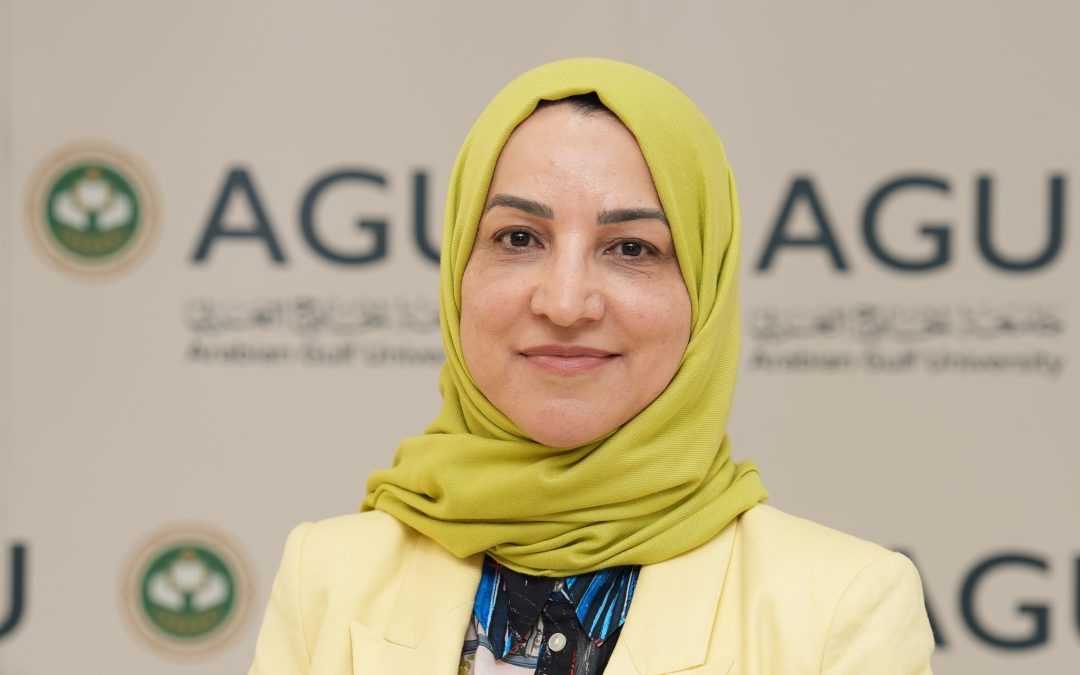
Dr. Naira Sarhan, a family medicine consultant and assistant professor in the Clinical Master’s Program in Family Medicine at the College of Medicine and Health Sciences at Arabian Gulf University, emphasized the importance of training family physicians and developing their clinical competencies, given the role this plays in enhancing the effectiveness of primary health care and improving the quality of services provided to individuals, families, and communities.
She explained that family physicians play a pivotal role in providing comprehensive health care, preventing and detecting diseases early, managing chronic conditions and minimizing their complications, as well as identifying cases that require referral to other specialties. This role helps ensure continuity of care, meet patients’ needs, and alleviate pressure on hospitals and specialty services.
She added that the rapid changes in the health sector, rising rates of chronic diseases, and increasing life expectancy create a need for qualified medical personnel capable of addressing the diverse health needs of different age groups. She emphasized that investing in primary health care promotes prevention, improves patients’ quality of life, and helps reduce complications and long-term treatment costs.
Dr. Sarhan explained that the Clinical Master’s Program in Family Medicine at Arabian Gulf University aims to prepare physicians qualified to provide integrated healthcare that takes into account the patient’s health, family, and social aspects, and combines diagnosis, treatment, prevention, and continuous follow-up. The program also focuses on developing communication and active listening skills, early disease detection, and the management of chronic conditions and the reduction of their complications.
She explained that the program spans two years and combines academic study with intensive clinical training, with practical training accounting for approximately 95% of the program through placements in hospitals and health centers under the supervision of qualified instructors. This practical component enables students to develop their clinical skills, manage a variety of health conditions, and apply scientific knowledge in real-world medical practice settings.
She noted that the program helps enhance physicians’ ability to assess health conditions and make evidence-based medical decisions, while also fostering a culture of continuous learning and keeping pace with developments in medical practice. This is reflected in the quality of care provided to patients, improved management of chronic diseases, and the optimal use of health resources.
The Clinical Master’s Program in Family Medicine is part of Arabian Gulf University’s efforts to develop medical education and train national and regional medical professionals, thereby supporting the improvement of primary health care, promoting a patient-centered approach to care, and contributing to meeting the health needs of the community.