

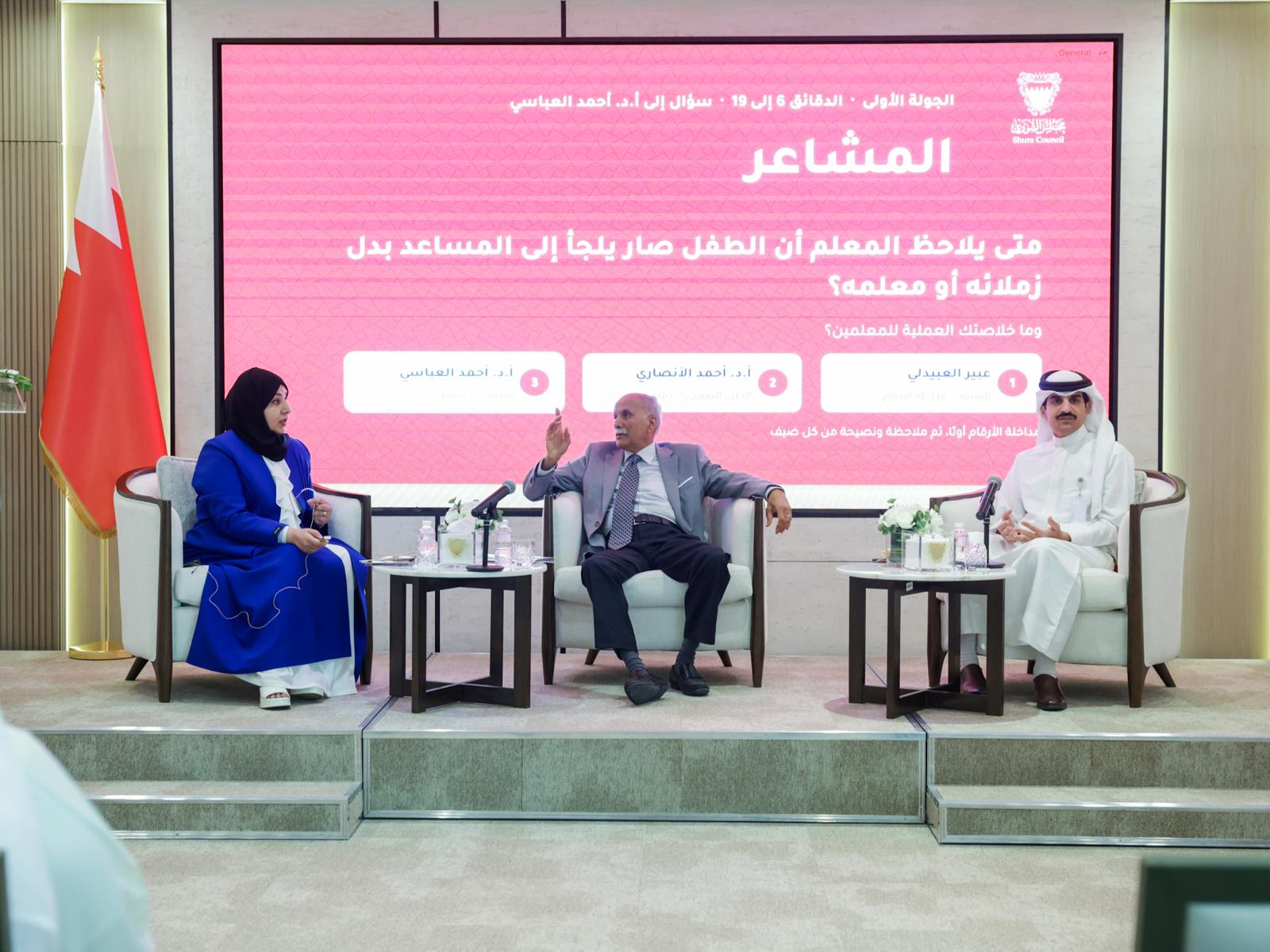
Arabian Gulf University (AGU) participated in a dialogue session organized by the Secretariat-General of the Shura Council, titled “Childhood in the Age of Artificial Intelligence: How Is Our Children’s Development Affected?”, as part of the initiatives of the Council’s Equal Opportunities Committee. The University was represented by Prof. Ahmed Mohammed Alabbasi, Professor of Gifted and Creative Education and Vice Dean of the College of Education, Administrative and Technological Sciences, and Prof. Ahmed Malalla Al-Ansari, Professor of Psychiatry and Consultant in Child and Adolescent Psychiatry. The session explored mechanisms for the safe and responsible use of artificial intelligence (AI) technologies and their potential effects on children’s emotions, behavior and learning, with a focus on children up to the age of 12, including children with special needs and gifted children.
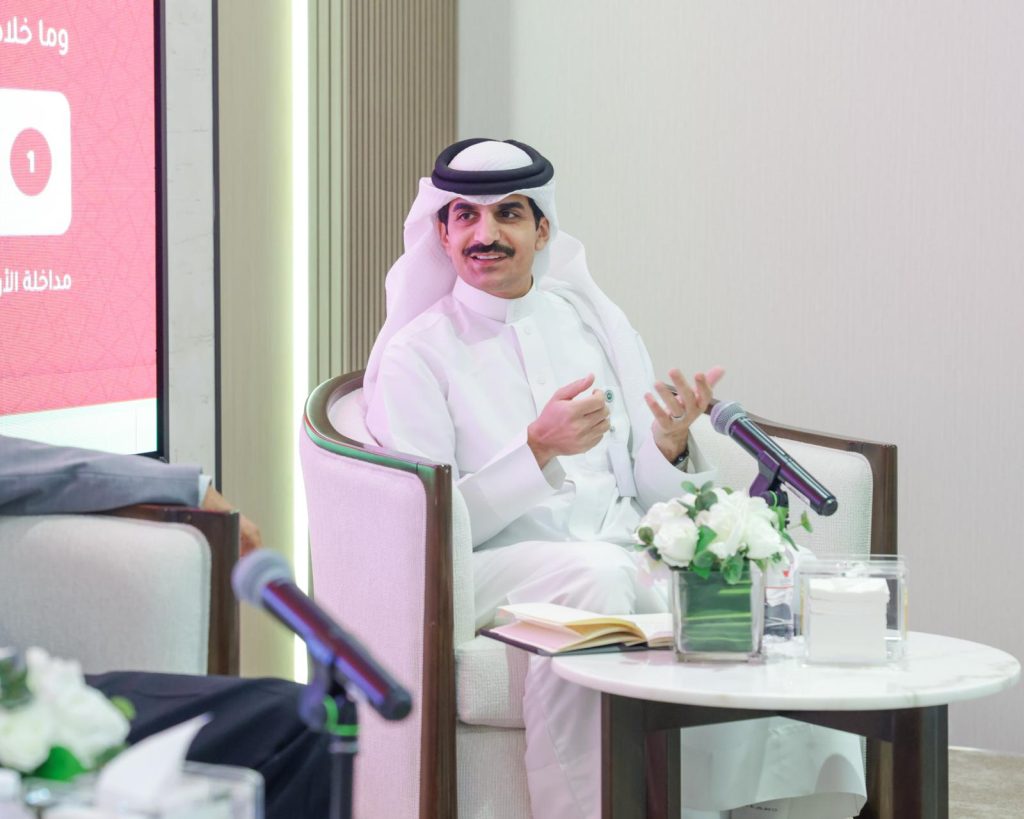
Speaking from an educational perspective, Prof. Alabbasi outlined several indicators that a child may be relying on AI rather than on their teacher or peers, as well as ways to verify a child’s understanding of the subject matter. He stressed the importance of harnessing AI to support learning and exploration, while nurturing children’s ability to question, analyze and express their ideas, and safeguarding their independent thinking. He also reviewed the experiences of countries that do not permit the use of AI tools and digital technologies in early childhood, underscoring the family’s role in guiding children toward positive and responsible use of AI tools.
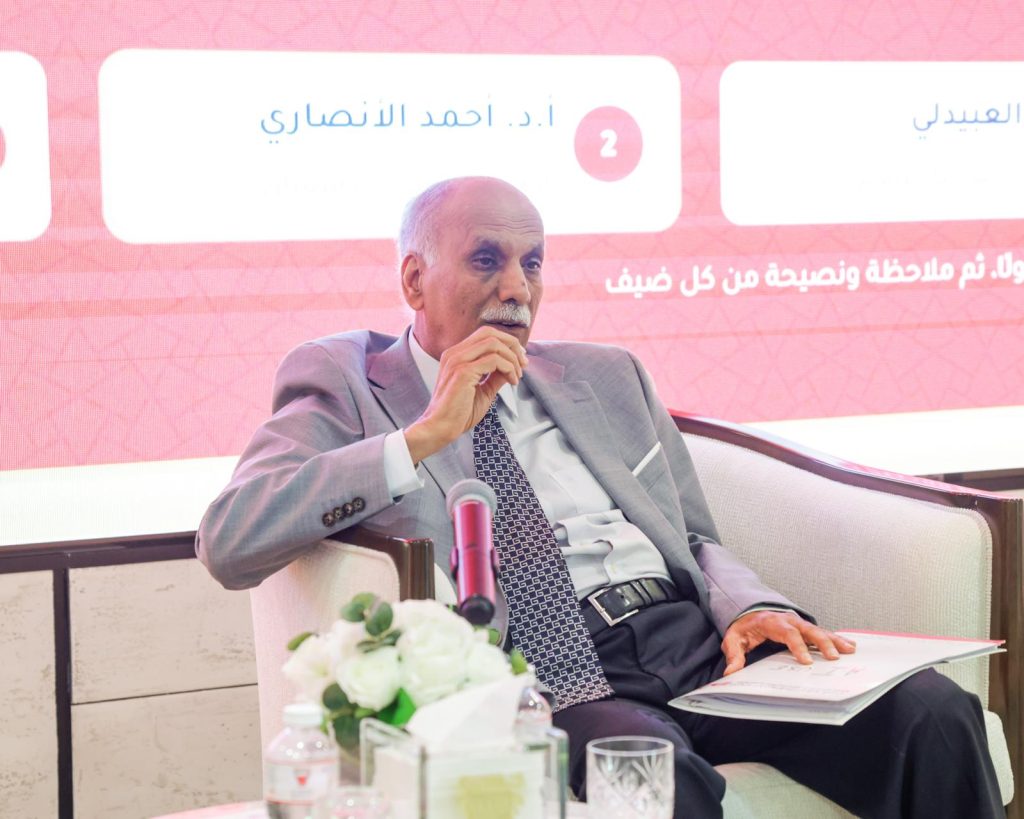
From a psychological and behavioral perspective, Prof. Al-Ansari discussed the impact of children’s interactions with smart assistants, highlighting the importance of attending to their feelings and needs, and of recognizing situations in which they require direct human support from their families or specialists. The session also emphasized keeping the lines of communication open with children, encouraging them to share any upsetting experiences or responses they encounter while using AI technologies.
The session further addressed ways to protect children’s safety and privacy, including choosing age-appropriate tools and avoiding sharing personal information, photos or sensitive data with them. It also examined the responsibility of educational institutions to adopt clear policies on the safe use of AI tools, oversee their use, and raise students’ awareness of how to engage with them responsibly.
The session concluded by underlining the importance of coordination between families and schools to establish clear guidelines for the use of AI tools, to talk with children about the purpose and limits of such use, and to encourage them to explain what they have understood and how they reached their answers. Participants affirmed that integrating these technologies into learning must be accompanied by the active involvement of parents and teachers in guiding and supporting children. Finally, the panelists called for national policies and regulations governing the use of AI tools by children and adolescents, as well as by teachers and parents.