

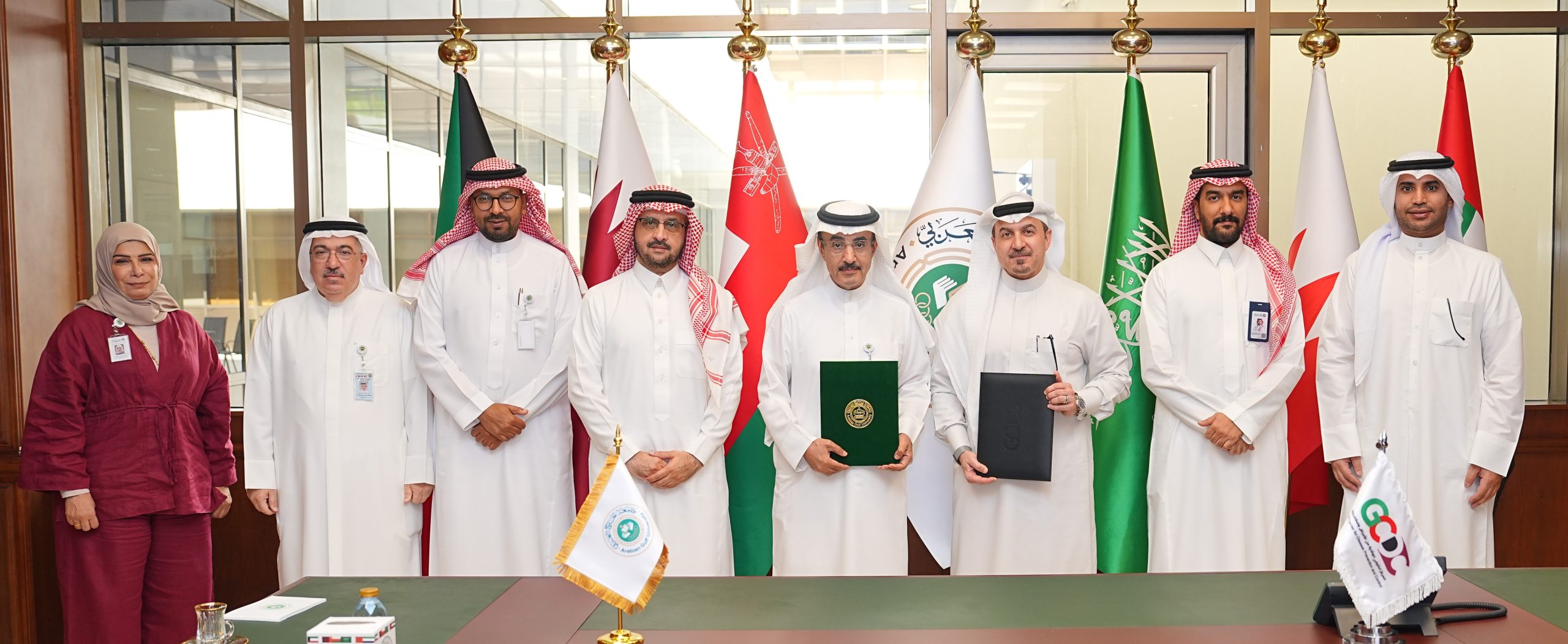
The Gulf Center for Disease Prevention and Control and Arabian Gulf University signed a memorandum of understanding to strengthen scientific and technical cooperation in the fields of public health, and to translate the outcomes of scientific research, training, and innovation into practical programs, initiatives, and tools that support health policies and contribute to enhancing the readiness of public health systems and strengthening health security in the Gulf. The signing took place at the university’s headquarters in the Kingdom of Bahrain on Wednesday, November 4, 2026.
His Excellency Dr. Saad bin Saud Al-Fahaid, President of Arabian Gulf University, affirmed the university’s commitment to contributing to the enhancement of Gulf health security and to consolidating integration and cooperation within the framework of joint Gulf action. He noted the university’s readiness to harness its accumulated academic and research expertise, share it with the Center, and participate in developing training and capacity-building programs in the field of public health.
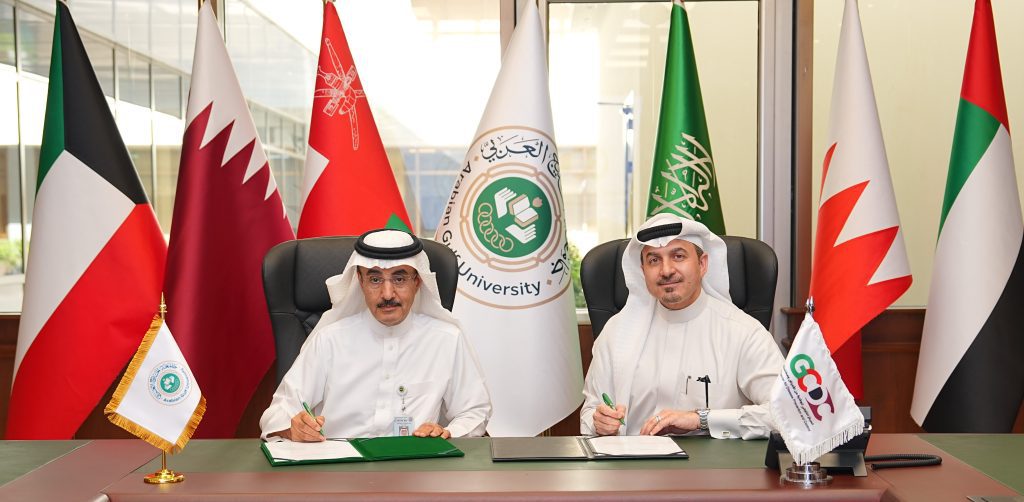
His Excellency emphasized the importance of involving students in joint research and training initiatives and preparing them to be future leaders in supporting public health and serving their communities, thereby setting an example of cooperation among Gulf institutions that combines knowledge and practice and strengthens the GCC countries’ ability to address health challenges.
For his part, His Excellency Prof. Dr. Manaf Al-Qahtani, CEO of the Gulf Center for Disease Prevention and Control, affirmed that cooperation with academic and research institutions constitutes a fundamental pillar for building sustainable Gulf capacities in public health, noting that the memorandum opens up opportunities to leverage shared expertise in transforming scientific knowledge into practical solutions that support health decision-making, empower national talent, and strengthen prevention and preparedness to address health challenges, thereby benefiting the health and well-being of Gulf communities.
The memorandum establishes a framework for integrating regional public health efforts with academic and research capabilities, thereby enabling the pooling of shared expertise to address health priorities in the GCC countries and aligns with the Center’s strategic directions for 2026–2030, particularly in the areas of capacity building, research, innovation, and preparedness and response to public health emergencies.
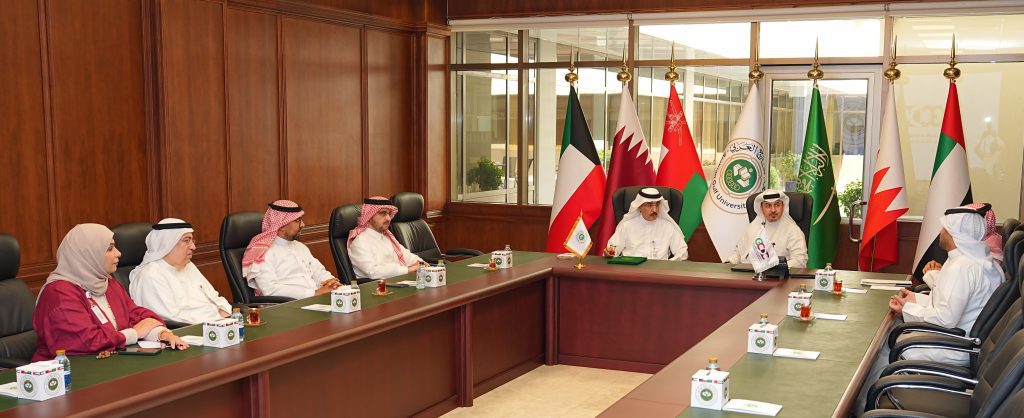
Areas of cooperation include implementing joint research projects and studies related to Gulf health priorities; supporting joint scientific publications; and leveraging scientific and technical expertise to develop health policies, guidelines, evaluation frameworks, health surveillance, and data analysis—thereby contributing to the transformation of data and research findings into reliable knowledge that supports evidence-based decision-making, and developing more effective responses to the needs of Gulf communities.
The memorandum also facilitates cooperation in the design and implementation of vocational training programs, fellowships, executive education, and leadership development in public health, thereby enhancing the competencies of workers in the sector, improving their ability to apply scientific knowledge in professional practice, and supporting the sustainability of public health systems.
This collaboration embodies a Gulf-wide approach that links scientific research to public health needs and combines capacity building with practice development, leading to tangible health outcomes that promote prevention, protect the health of Gulf communities, and establish more resilient and sustainable health systems.