

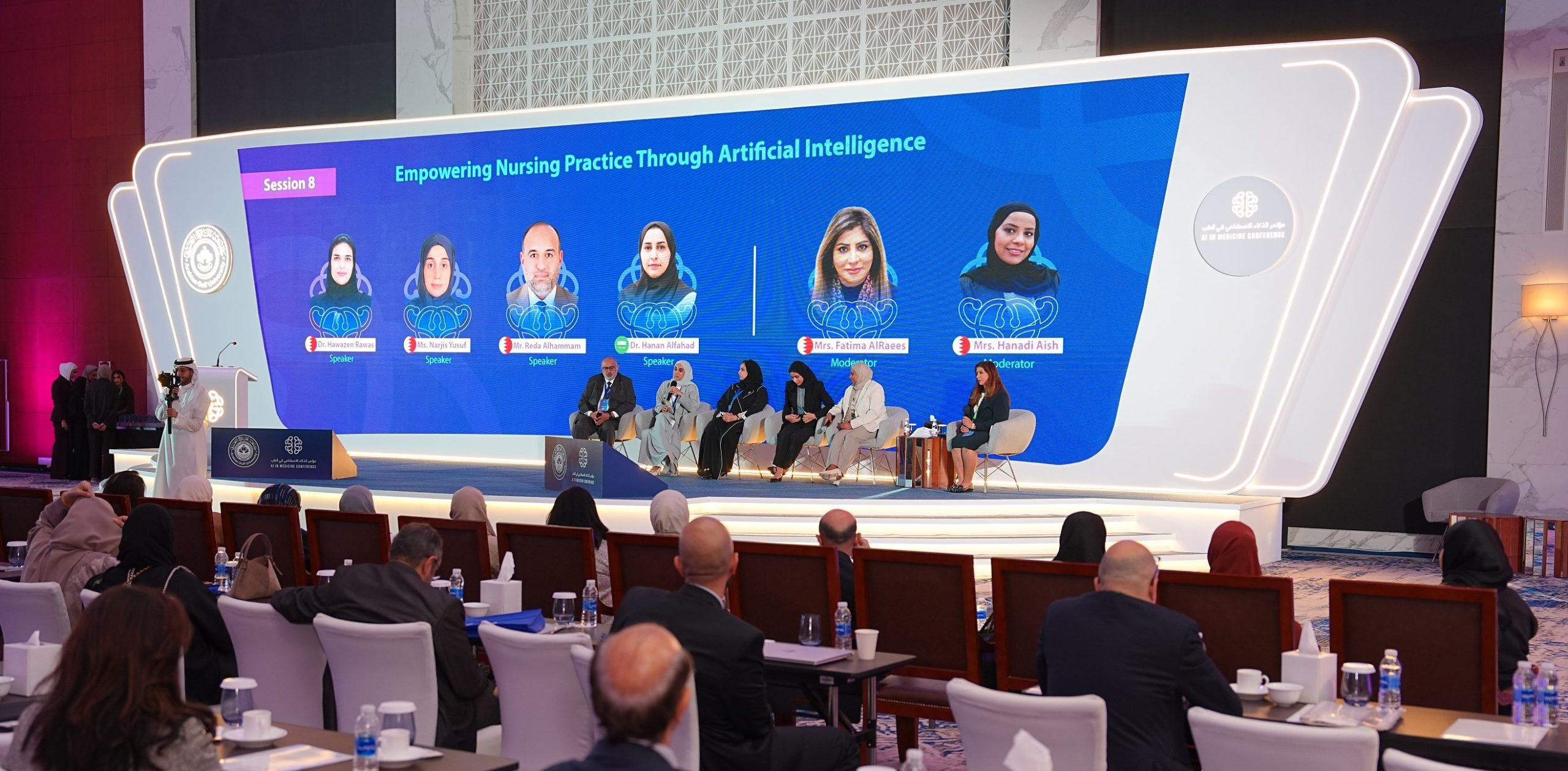
Participants at the 2026 Artificial Intelligence in Medicine Conference, organized by the Arabian Gulf University under the theme “Smarter Systems, Better Care: Integrating Artificial Intelligence into Daily Medical Practice,” called for accelerating the adoption of AI applications in medical education and practice and enhancing the readiness of healthcare institutions to harness their potential. They recommended establishing guidelines for safe and responsible use to ensure the quality of healthcare services and safeguard patient safety.
Foremost among the recommendations was the importance of integrating AI applications into medical education programs and continuing professional development, through the development of specialized training tracks and the organization of hands-on workshops targeting physicians, medical students, and various categories of healthcare practitioners, to enable them to learn about the clinical uses of these technologies, understand their capabilities and limitations, and to acquire the skills necessary to employ them efficiently and responsibly in medical work environments.
In the context of moving from theoretical knowledge to practical application, the proposals called for encouraging healthcare institutions to test AI applications in the areas of medical diagnosis, analysis of medical imaging, and test results, as well as supporting clinical decision-making and health information management, within institutional trials subject to scientific evaluation and professional oversight, to verify their accuracy, reliability, safety, and alignment with patient needs, prior to their wider adoption in hospitals and health centers.
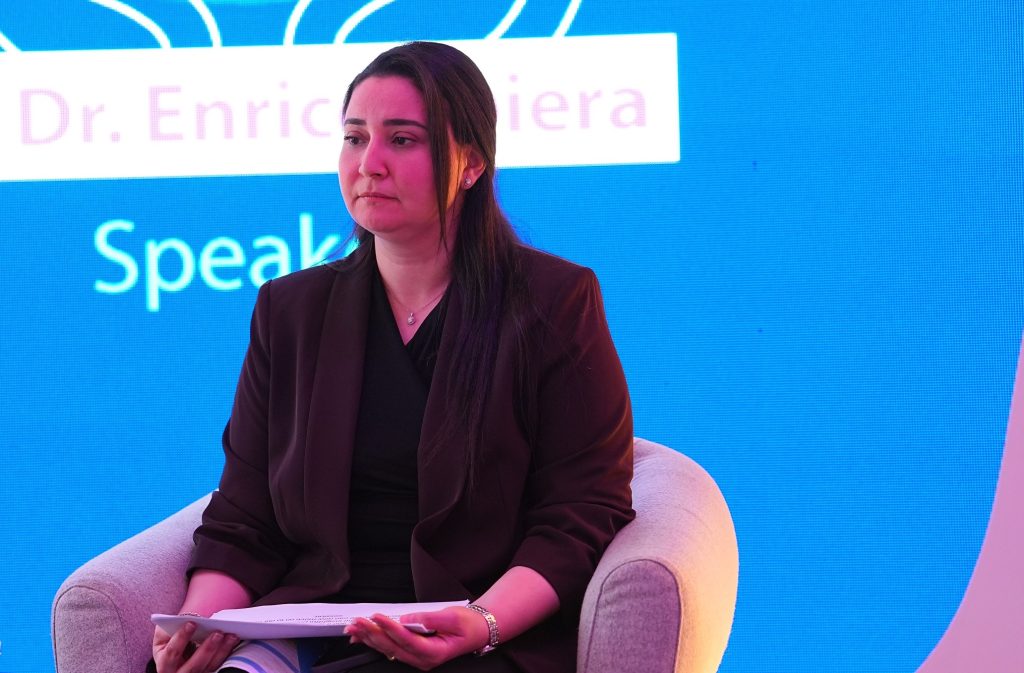
The recommendations emphasized the need to establish clear guidelines for the responsible use of artificial intelligence in medical practice, addressing the protection of patient privacy and data confidentiality, verifying the accuracy of information and outputs generated by intelligent systems, and avoiding the entry of sensitive health data into unapproved applications. They also affirmed that medical decisions must remain the responsibility of the treating physician, as AI applications are tools that support clinical expertise rather than replace it.
Participants called for raising health and community awareness about the nature of these technologies and the limits of their use by educating patients on the potential benefits of AI applications in accessing and understanding health information, while also warning of the risks of relying on them for self-diagnosis, interpreting test results, or determining treatment options without consulting specialists.
In terms of scientific research, the recommendations emphasized the importance of expanding the use of AI tools to support researchers and graduate students, particularly in reviewing scientific literature, analyzing data, and organizing research information, while strictly adhering to standards of scientific integrity and honesty,
and verifying the accuracy of results, references, and the information produced, thereby enhancing the reliability of medical studies and improving the quality of scientific research outputs.
The conference outcomes emphasized the importance of building working partnerships and direct collaboration between physicians, researchers, and specialists in computer science and digital technologies, thereby ensuring the development of smart solutions rooted in the actual needs of healthcare institutions and the challenges faced by medical staff, and contributing to the alignment of technological innovations with the requirements of clinical practice.
In terms of feasibility assessment, the importance of establishing clear mechanisms to monitor the impact of artificial intelligence applications within healthcare institutions was highlighted, through performance indicators that measure their contribution to improving diagnostic accuracy, accelerating medical procedures, increasing the efficiency of operational processes, and reducing the administrative burden on healthcare staff—thereby providing a scientific basis for identifying the most effective applications and directing investments toward solutions with tangible impact.
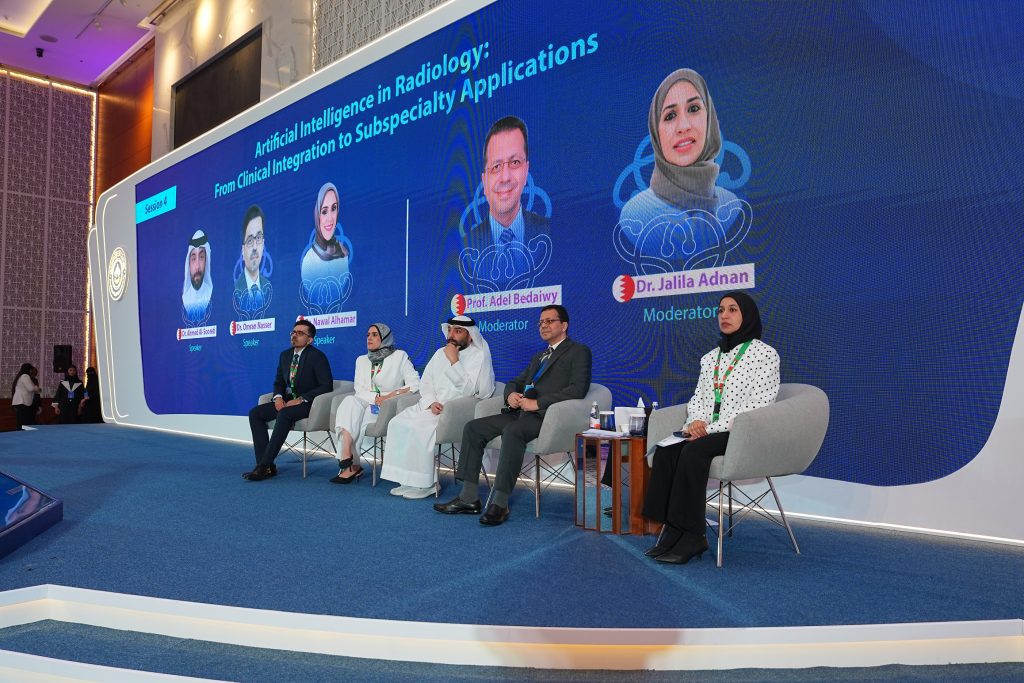
As part of efforts to promote the exchange of knowledge and expertise, the recommendations called for dedicating more space to practical case studies at upcoming medical conferences and forums, by presenting real-world examples of AI implementation in hospitals and healthcare institutions, and discussing the results of their implementation as well as the associated regulatory, technical, and professional challenges, thereby enabling the leveraging of advanced experiences, the exchange of expertise, and the development of best practices.
The conference brought together a distinguished group of physicians, experts, researchers, and specialists to discuss the latest developments and applications in the fields of diagnosis, treatment, medical education, and scientific research, and to review the opportunities that smart technologies offer for developing the healthcare system, as well as the challenges associated with integrating them into clinical practice.
The recommendations and outcomes that emerged at the conclusion of the conference highlight the importance of moving beyond a review of the technical capabilities of artificial intelligence to the adoption of well-considered implementation steps, based on training, scientific evaluation, sound governance, and multidisciplinary collaboration, thereby enhancing the ability of healthcare institutions to keep pace with digital transformations, and supports the advancement of medical education, research, and practice, while reinforcing the central role of the physician and placing patient safety and the quality of healthcare at the forefront of priorities.