

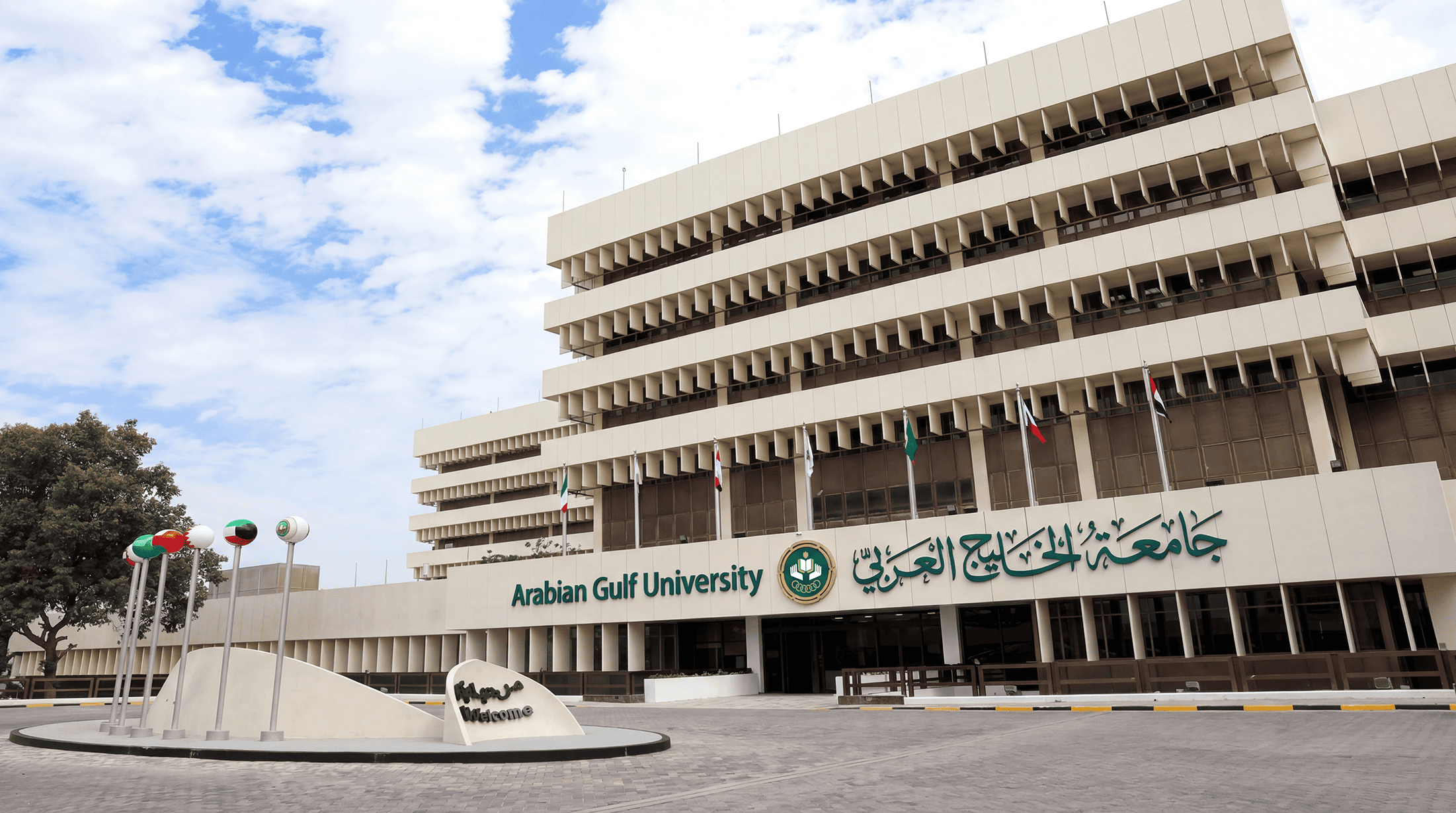
Arabian Gulf University’s Center for Consultancy and Training announced that registration is now open for the sixth cohort of the Professional Diploma in Waste Management program, which it offers in collaboration with the Center for Environmental and Biological Studies at the university’s College of Education, Administrative and Technical Sciences. The program is internationally accredited by the British Chartered Institute of Waste Management (CIWM) since 2021.
The new cohort is scheduled to begin in November 2026, following the program’s continued success since its launch in October 2021. The program has received support from the United Nations Environment Program and has earned international accreditation from the Chartered Institute of Waste Management in the United Kingdom. It has also contributed to the graduation of five cohorts comprising participants from major public and private sector institutions in the Kingdom of Bahrain, the Gulf Cooperation Council (GCC) countries, and a number of Arab nations.
The Professional Diploma in Waste Management includes specialized course modules covering the latest practices in the sustainable and integrated management of various types of waste, including municipal, medical, industrial, commercial, and agricultural waste—whether hazardous or non-hazardous—and is taught by a select group of international experts and lecturers specializing in this field.
The program also focuses on highlighting the role of environmental innovation and the circular economy in the development of waste management systems, and their relationship to the water-energy-food nexus, in addition to reviewing sustainable alternatives and modern technologies that support environmental sustainability. The program is aimed at managerial leaders, professionals, technicians, recent graduates, and anyone interested in developing their professional knowledge and skills and enhancing their specialized capabilities in related fields.
Earning this diploma enhances participants’ competitiveness in the job market, particularly in light of the accelerating global trends toward sustainability, the circular economy, resource efficiency, and the transition to renewable energy sources. The program also provides specialized knowledge and advanced skills that positively impact professional performance and productivity. This diploma is the first of its kind in the West Asia region; it aims to build professional and leadership capacities in the field of sustainable and innovative waste management. It is accredited by the Chartered Institute of Waste Management (CIWM) and supported by the United Nations Environment Program (UNEP), West Asia Office.
The program is delivered through a blended learning model that combines in-person and virtual learning. Since its launch, it has successfully attracted participants from various municipal, industrial, health, economic, commercial, and academic sectors across the Gulf Cooperation Council (GCC) countries and a number of Arab nations, thereby contributing to the region’s sustainable development goals and national visions.
The program’s importance stems from the growing environmental challenges associated with waste management and resource sustainability, and the resulting need to develop national talent capable of adopting sustainable practices and applying the principles of the circular economy. The diploma program was designed in response to the growing need to raise awareness and disseminate specialized knowledge in the field of sustainable waste management, as well as to promote the concepts of sustainable production and consumption.
This approach is based on a vision that views waste as a resource that can be utilized and transformed into added value—environmentally, economically, and socially. It also embodies the role of the Arabian Gulf University, as a regional university for the Gulf Cooperation Council (GCC) countries, in building specialized expertise, disseminating knowledge, and raising environmental awareness—thereby contributing to sustainable development efforts and the achievement of environmental and economic priorities in the region.