by ashokaib | Nov 18, 2024 | Uncategorized
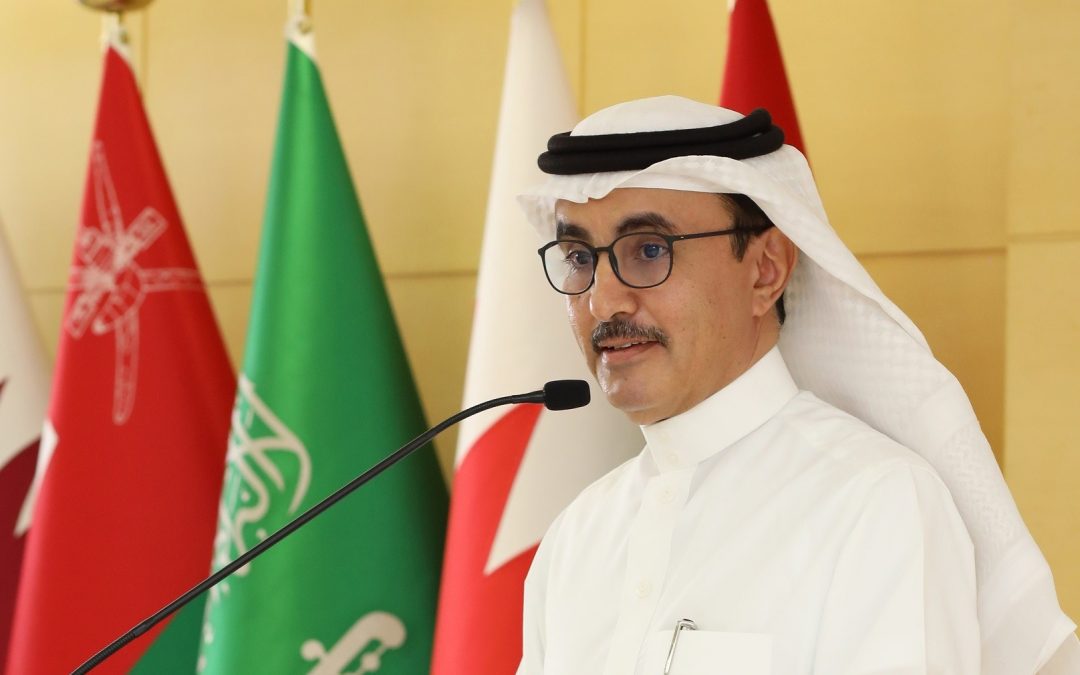
His Excellency the President of the Arabian Gulf University (AGU), Dr Saad bin Saud Al Fuhaid, extended his warmest congratulations to His Majesty Sultan Haitham bin Tariq on occasion of the 54th National Day of Oman, as well as the generous Omani people and AGU’s students and alumni.
His Excellency Dr Al Fuhaid praised the support that AGU receives from His Majesty Sultan Haitham bin Tariq, commending the growth, prosperity and development that the Sultanate has achieved in all areas and wishing the government and people of the Sultanate good health, happiness and further progress in accordance with the ambitious Oman Vision 2040.
The President expressed his pride in university graduates who were the best ambassadors of their country, and went on to represent AGU in various medical, educational and leadership positions. At the same time, he praised the achievements of the Sultan Qaboos Chair for Desert Farming, which was patronised by His Majesty the late Sultan Qaboos bin Said, who ordered the establishment of a scientific research centre at AGU specialised in the field of agricultural technologies, especially soilless agriculture. This stemmed from recognising the importance of preserving natural resources of water and arable land on a scientific basis and their integrated management to ensure sustainability for future generations.
AGU is proud to host the Sultan Qaboos Centre for Soilless Agriculture, which was established in 2001 with the aim of developing agriculture to be a sustainable sector that supports the national economy and contributes to food security. The centre works to activate the vision of His Majesty Sultan Qaboos of sustainable agricultural development in light of limited natural resources, and works to transform the threat of scarcity to continuous growth that boosts the Gulf economy through research, studies and continuous training, employing modern technologies.
by ashokaib | Nov 18, 2024 | Uncategorized
The Arabian Gulf University (AGU) has launched the 10th edition of the United Nations University Diploma Programme in Integrated Water Resources Management, facilitated by the United Nations Water Learning Centre (UN WLC) for the Arab Region, which has been hosted by the university since 2008 under an agreement with its strategic partner, the United Nations University Institute for Water, Environment and Health (UNU-INWEH) in Canada. This initiative is supported by the Arab Fund for Economic and Social Development (AFESD) in the State of Kuwait, as part of the institute’s project to establish regional water centres across various parts of the world, aiming to enhance capacity and training in the field of integrated water resources management.
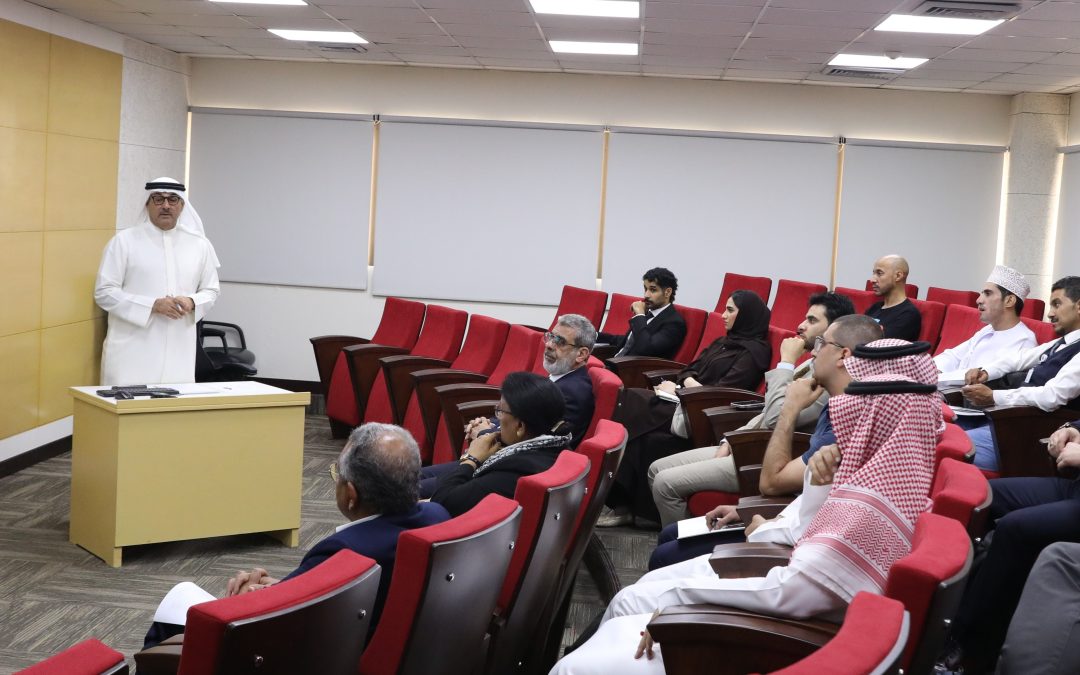
The inauguration ceremony featured remote attendance by Mr. Mansour Qadeer, Deputy Director of the UNU-INWEH, Dr Imam Bashar, Regional Hydrologist at the UNESCO Office in Cairo, alongside several university faculty members and professors from the Centre for Environmental and Biological Studies.
During the opening ceremony, Prof. Waleed Zubari, Dean of the College of Education, Administration and Technology, and Coordinator of the Diploma Programme, welcomed the participants of the programme’s 10th cohort, comprising 21 young men and women from various Arab countries, including the Kingdom of Bahrain, the Kingdom of Saudi Arabia, the State of Kuwait, Yemen, Sudan, Egypt, Palestine, Jordan and Syria.
During the ceremony, Prof. Zubari stated: “Water management is among the most critical issues facing the world today. In our Arab region, it poses an even greater challenge as most Arab countries are located in arid zones, leading to a scarcity of renewable water resources on one hand, and rapid population growth, which drives increasing water development demands on the other. To achieve a balance between these mounting water demands and the limited available resources, the scientific community in the water sector has agreed that water management must be approached holistically, considering not only the technical aspects but also the economic, social, and environmental dimensions. This underscores the importance of this programme for the Arab region.”
Prof. Zubari acknowledged the supporters of the 10th cohort of the programme, noting the AFESD’s provision of five generous scholarships for participants from the region's lower-income countries, the UNESCO Office in Cairo’s two scholarships for participants from the least developed nations, and the Supreme Council for the Environment’s five scholarships for specialists from the Kingdom of Bahrain. Additionally, the Kuwait Foundation for the Advancement of Sciences provided one scholarship to a specialist from Kuwait, as well as three participants from the General Authority for Irrigation in Saudi Arabia and three scholars from the Electricity and Water Authority in Bahrain.
“The United Nations University selected the Arabian Gulf University from among many institutions in the region to host this regional water education centre for the Arab region to offer a professional diploma in integrated water resources management, primarily due to its regional expertise and its strong educational and research background in water resource management. This is evident in its master’s programme related to resource management, completed master’s theses, and various research activities conducted by the university in different water and environmental fields, along with the university’s capabilities in information technology and its experience in distance learning. Since its establishment in 2008, the centre has graduated 9 cohorts, totalling 122 graduates.”
In the same context, he added: “The diploma programme is distinguished by its comprehensiveness, covering many aspects of technical, economic, social, environmental and political water management. It aims to build the capacity of professionals in the water sector and contribute to developing integrated administrative thinking on how to address various aspects of water resources and related issues in the Arab region. Participants are required to present graduation projects that reflect practical applications of integrated water resources management principles, addressing water challenges in their countries. Many of these projects serve as foundational or springboard references for outstanding reports submitted to employers.”
The programme features lectures by a selected group of experts specialising in various fields related to water management. Over the 10-month duration of the programme, these topics will be explored in depth, providing participants with the opportunity to enhance their knowledge and skills through interactions and learning from the expertise of the instructors, which include: Prof. Thamer Al Dawood, Prof. Mohammed Obeido, Prof. Ahmed Al Khouli, Dr Sabah Al Junaid, Dr Abdulhadi Abdulwahab, Prof. Ali Karnib, Dr Muhad Shamas, and Researcher Fadia Mohammed, the programme’s administrative assistant.
This training programme is designed to accommodate water professionals and specialists who cannot fully dedicate their time to studies due to work commitments. The study system is formulated as a dual system, which includes in-person attendance for short periods totalling four weeks and distance learning. The teaching methodology leverages self-study, assignment completion, and online discussions with instructors. Participants are required to submit a practical project and undertake a final examination, after which a diploma will be awarded.
by ashokaib | Nov 17, 2024 | Uncategorized
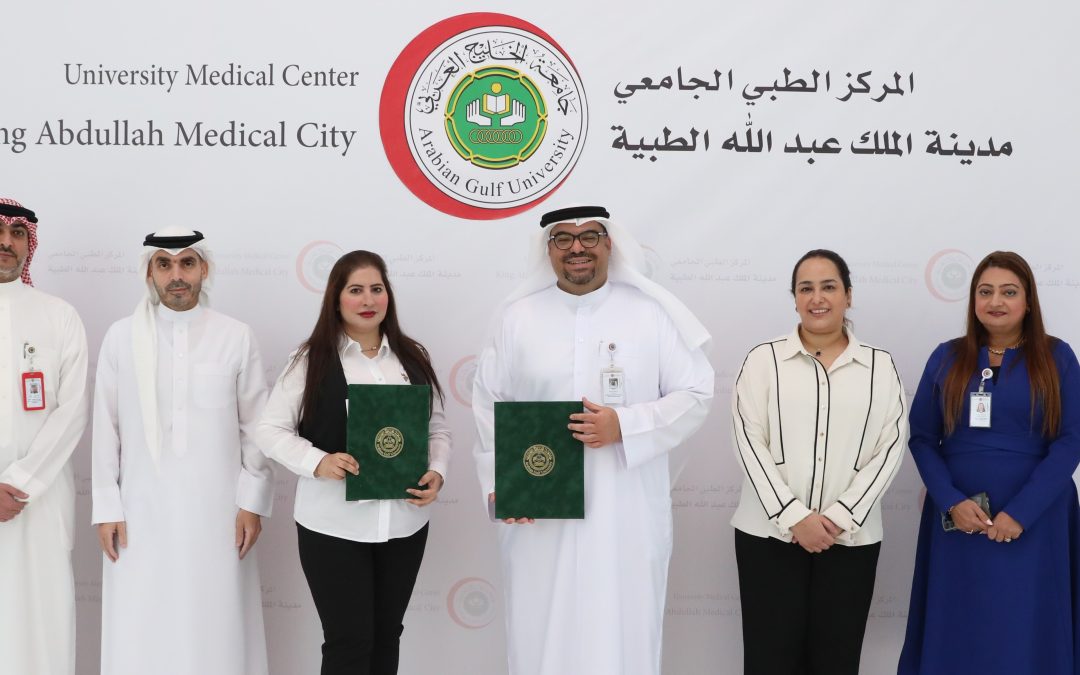
Dr Salman Hamad Al Zayani, Chief Executive Officer of the University Medical Centre at King Abdullah Medical City, has signed a cooperation agreement with Ms. Areej Al Khan, Chief Executive Officer of Sama Bahrain Card. The objective of this agreement is to enhance health cooperation in providing comprehensive healthcare services to cardholders.
The agreement aims to offer innovative health facilities for Sama card users in Bahrain, leveraging the advanced medical services provided by the University Medical Centre at King Abdullah Medical City. Through this partnership, beneficiaries of the Sama card will have access to sophisticated and advanced healthcare services, including diagnostics and treatment across various medical specialties, while ensuring the highest standards of quality and safety at the University Medical Centre.
During the signing ceremony, Dr Al Zayani expressed his satisfaction with the agreement, stating: “We are proud to strengthen our collaboration with Sama Bahrain Card through this agreement, which will contribute to the enhancement and expansion of medical services provided to cardholders.” He affirmed that the University Medical Centre is committed to delivering the highest level of healthcare in accordance with the latest global standards.
For her part, Ms Al Khan expressed her happiness with the partnership, stating that this agreement allows Sama card users to access high-quality healthcare services at one of the most prominent medical centres in Bahrain. She added: “We consider this agreement an important step towards enhancing mutual cooperation, reflecting the spirit of collaboration and integration between the centre and Sama Card.”
It is noteworthy that the University Medical Centre at King Abdullah Medical City is considered one of the leading hospitals in the Kingdom of Bahrain, distinguished by its provision of advanced medical services across various specialties, making it a preferred destination for patients both within the Kingdom and from abroad.
by ashokaib | Nov 17, 2024 | Uncategorized
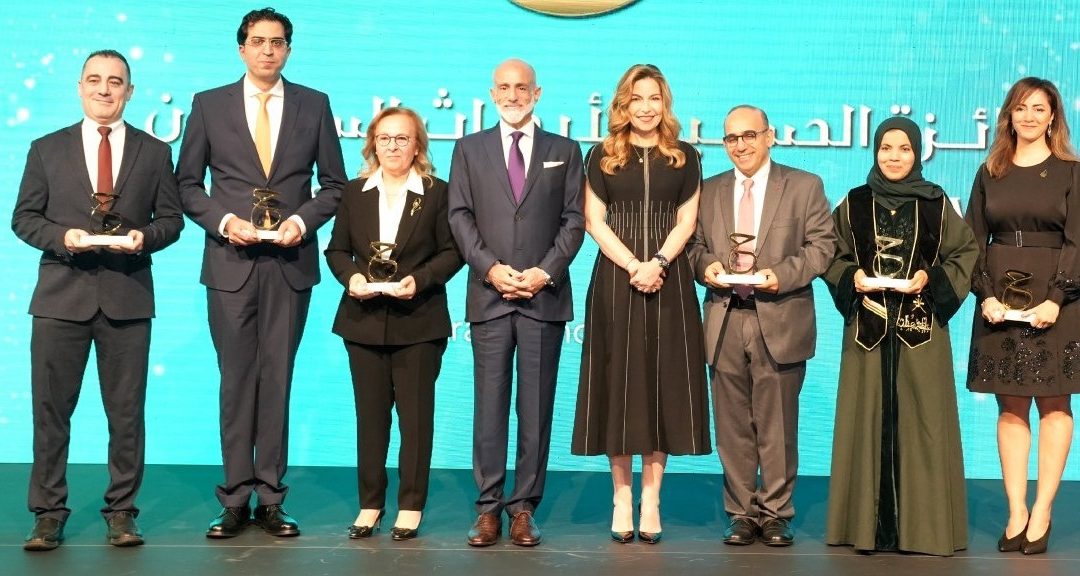
Dr Randa Ribhi Hamadeh, Consultant in the College of Medicine and Health Sciences at Arabian Gulf University (AGU), has been awarded the King Hussein Cancer Research Award in the Lifetime Achievement category for the Regional Track for the year 2024.
The award was presented yesterday by Prince Talal bin Mohammed on behalf of His Majesty King Abdullah II of Jordan, during a ceremony honouring 13 Arab scientists and researchers residing around the world, who were recognised for their contributions to cancer research in the years 2023 and 2024. These researchers emerged from a competitive field of 472 applicants from over 20 countries.
On the occasion, His Excellency Dr Saad bin Saud Al Fuhaid, President of AGU, expressed his delight at this significant scientific achievement by Dr Hamadeh in the field of cancer research. He extended his best wishes for her continued success and further scientific accomplishments.
“Dr Hamadeh’s receipt of this award is an esteemed achievement, adding to the series of accomplishments of the academic staff in medical education at the Arabian Gulf University,” Dr Al Fuhaid said while he also expressed pride and appreciation for Dr Hamadeh’s ongoing research contributions to enhance and sustain the health sector in the Kingdom of Bahrain and the Arabian Gulf region.
The presentation of awards in the King Hussein Cancer Research Award aims to initiate Arab scientific initiatives that will serve as the foundation for scientific advancement in the Arab world. The award was established to honour Arab scientists and researchers who have distinguished themselves in cancer research, recognising their perseverance, creativity and innovation.
It is noteworthy that the recognition of Dr Hamadeh comes in appreciation of her significant contributions to cancer prevention. She holds a PhD in Community Medicine from the University of Oxford, a Bachelor’s degree in Environmental Health, and a Master’s degree in Epidemiology from the American University of Beirut.
Since 1991, she has served as a professor of Community Medicine and consultant at the College of Medicine and Health Sciences at AGU. Dr Hamadeh has played a pivotal role in incorporating public health issues into the college’s curriculum and in developing and implementing graduate programmes in health. She is also a founding member of the Anti-Smoking Society in the Kingdom of Bahrain.
Furthermore, Dr Hamadeh’s extensive research output includes 195 studies, with over 106,561 citations to date, resulting in an h-index of 57. She has worked as an expert, consultant and coordination officer with various organisations, including the World Health Organisation and the Bahraini Ministry of Health, as well as several academic institutions.
Notably, Stanford University ranked her among the top 2 percent of scientists globally in 2024, 2021, and 2022, and she also received the title of Best Scientist at the Arabian Gulf University in 2021, along with recognition as the top female scientist in Bahrain for that same year, according to the Alper-Doger Scientific Index.
by ashokaib | Nov 14, 2024 | Uncategorized
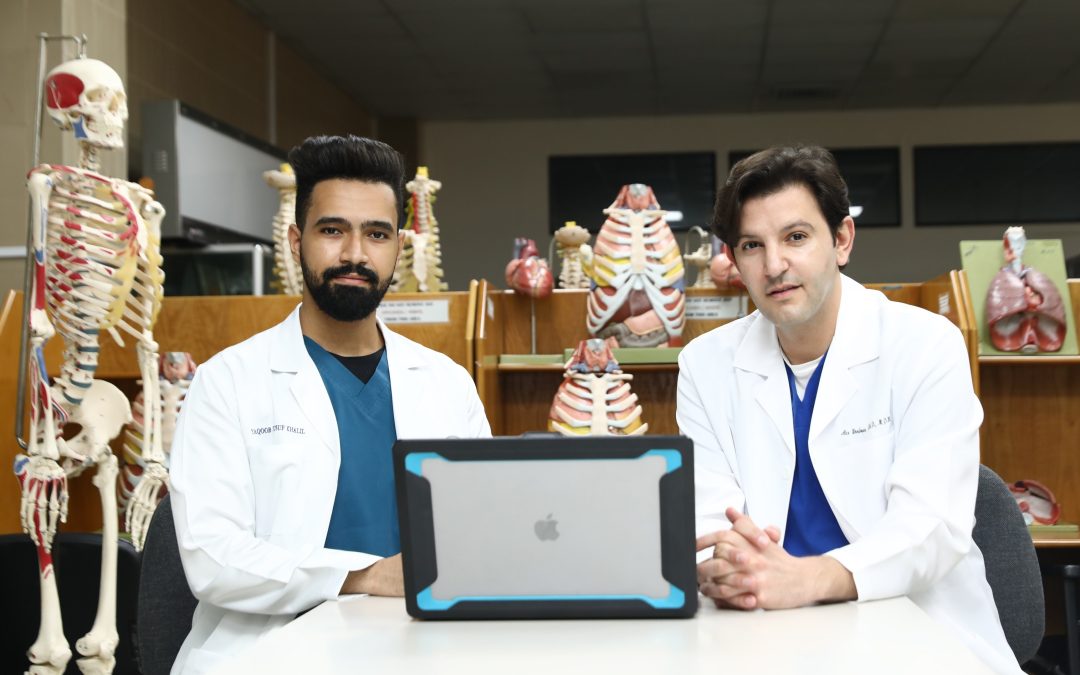
The Fulbright Programme, renowned for over 75 years for fostering academic and cultural exchange, continues to serve as a catalyst for innovative ideas and positive societal impacts. A notable instance of this is the collaboration between Dr Yaqoob Mohamed, a recent graduate of the Arabian Gulf University (AGU), and Dr Alexander Woodman, a visiting scholar from the United States.
AGU is committed to addressing human development needs in the Gulf region and aligns seamlessly with the Fulbright Programme's goals of promoting intercultural dialogue and advancing research. Through their joint efforts and the invaluable support from their university, Dr Yaqoob and Dr Woodman have made significant contributions to public health in Bahrain.
Dr Yaqoob, who has dedicated his studies to improving healthcare delivery in Bahrain, took a pivotal step by enrolling in the Fulbright Foreign Student Programme. His exemplary journey allowed him to pursue a Master of Health Administration at the University of Kentucky’s College of Public Health. Recently, he has accepted an internship at the Performance Analytics Centre of Excellence at University of Kentucky Healthcare and joined the Kentucky Chapter of the American College of Healthcare Executives. These roles are expected to deepen his understanding of healthcare management, facilitating the sharing of insights between Bahrain and the United States.
Dr Woodman, whose research in the Gulf focuses on rising diet-related diseases, particularly obesity among youth, has collaborated with AGU to investigate important genetic factors influencing health. His ongoing research includes a study of leptin gene mutations and their correlation with obesity and related health markers within Gulf student populations.
During his Fulbright scholarship at AGU, Dr Woodman expanded his research on medical students’ nutritional behaviours, culminating in the publication of a landmark paper in the Journal of Food Sciences and Nutrition. This pioneering study is anticipated to inform future research, policy, and practice for promoting healthy dietary choices in the region.
The partnership between Dr Yaqoob and Dr Woodman exemplifies the transformative potential of the Fulbright Programme, demonstrating how collaborative research can build bridges between cultures. Their progress serves as an inspiration for both American and Bahraini scholars to engage in similar exchanges that foster closer international ties.
As Dr Yaqoob embarks on his Fulbright journey, Dr Woodman continues his academic pursuits, having shared his experiences at Yale University. Their interconnected stories underscore the invaluable opportunities provided by the Fulbright Programme and the commitment of institutions like the Arabian Gulf University to create meaningful global connections.