by ashokaib | Mar 11, 2025 | Uncategorized
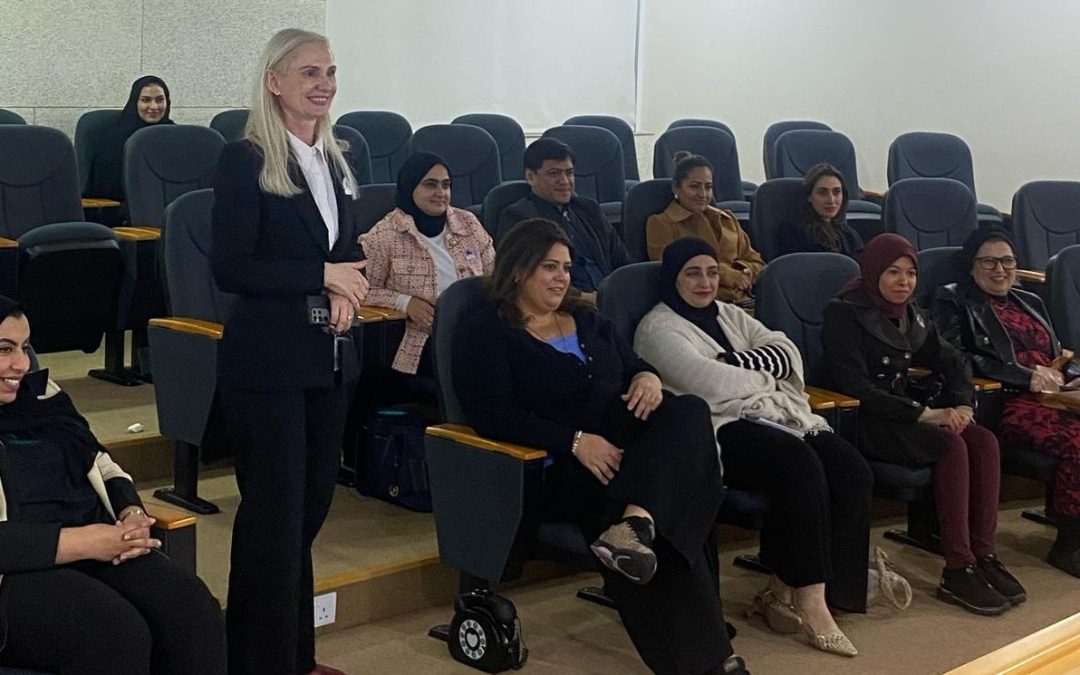
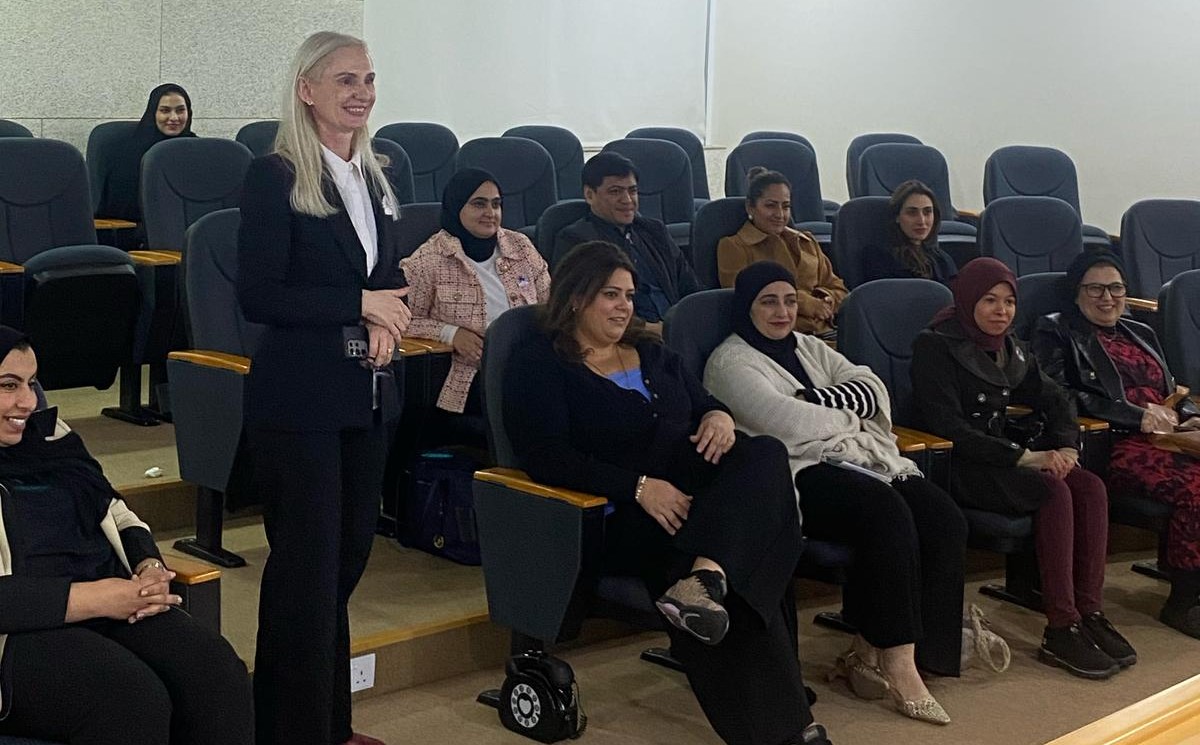
Arabian Gulf University (AGU) recently organised a meeting for the CAREFORRARE support group, bringing together patients with rare diseases and their families alongside specialists from Bahrain and around the world. The event aimed to provide emotional and psychological support while raising awareness about the unique challenges faced by this community. Held at the Princess Al Jawhara Centre, the gathering featured international experts who offered valuable insights on improving the lives of those affected and promoting their integration into society.
Ms. Dorica Dan, Vice President of Rare Diseases Europe (Eurordis), shared the Romanian experience in advocating for the rights of patients with rare diseases, discussing how these approaches could be adapted to support families in Bahrain. Clinical psychologist Dr Anne-Marie Brash delivered a lecture on the significance of effective communication between patients and caregivers, emphasising the necessity of comprehensive psychological support to navigate daily challenges.
Speech therapist Rabia Al Shafie presented strategies to assist patients with speech difficulties, highlighting the critical role of early intervention in enhancing their quality of life. Several patients and their families shared personal stories of diagnosis and the hurdles they encountered, illustrating how proper guidance and support can significantly impact their lives.
Dr Cristina Skrypnyk, Head of the Bahrain Rare Diseases Campaign and Associate Professor at the College of Medicine at AGU, highlighted the importance of these meetings in raising awareness and empowering patients and their families. She stated:
“Through the support group meetings, we aim not only to spread awareness but also to establish a genuine support network for patients and their families, letting them know they are not alone on this journey. The participation of experts and patients in these discussions enhances our collective understanding of rare diseases and drives us toward improving the quality of healthcare provided to them.”
The meeting sparked lively interactions among attendees, with discussions highlighting the importance of acceptance and social support for patients with rare diseases. A central message resonated throughout the event: “Everyone is rare in their own way, and everyone needs support and encouragement in difficult times.”
It is noteworthy that AGU has been committed to raising awareness about rare diseases since 2013. Over the past 13 years, it has conducted numerous scientific forums and awareness campaigns in various settings, including schools and health centres, along with support group meetings that connect patients and their families with the broader social network around them.
by ashokaib | Mar 11, 2025 | Uncategorized
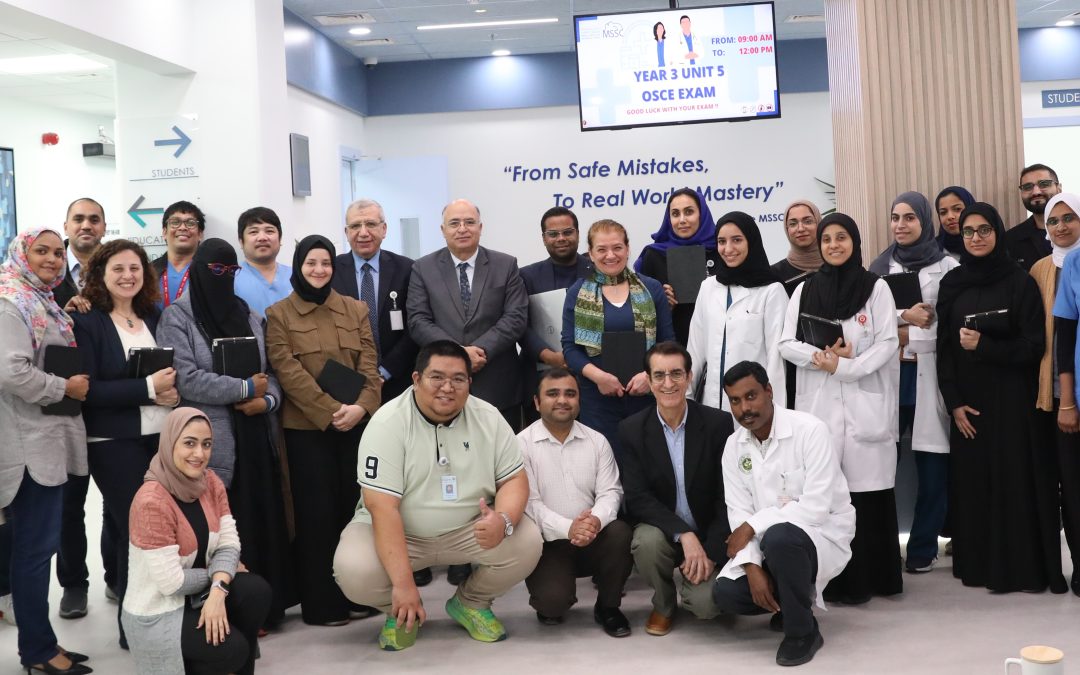
The Medical Skills and Simulation Centre at the Arabian Gulf University’s (AGU) College of Medicine and Health Sciences has successfully carried out its first fully digital examination of professional skills in collaboration with the e-Learning Unit. This marks a significant step towards modernising medical education evaluation methods through the use of the latest digital technologies.
For the first time, candidates utilised tablets to complete evaluations digitally across three groups, three courses and five stations per course. Digital checklists were seamlessly integrated into the system, ensuring accurate distribution of examiners and students within each group. Simultaneously, examiners received comprehensive training to familiarise themselves with the new platform, which enhanced the efficiency and accuracy of the assessment process. Examiners praised the new system, noting its high effectiveness, time-saving capabilities, cost reduction and the complete elimination of paper use.
This shift to a digitally managed Objective Structured Clinical Examination (OSCE) system eliminates manual errors, streamlines the assessment process, and provides real-time data analytics through an analytical dashboard. This innovative approach facilitates a more precise tracking of student and examiner performance as well as the efficiency of the stations.
In this regard, Prof. Abdelhalim Deifalla, Dean of the College of Medicine and Health Sciences at AGU, explained that the adoption of electronic examination technology for the clinical skills assessment of third-year students aims to enhance the educational process and improve the quality of student evaluations. He emphasised that it automates the processes of exam creation and grading, saving time and effort for faculty and administrative staff, while providing immediate exam results and performance analysis for students, thereby ensuring a more objective and fair assessment. It is noteworthy that this system has proven successful in clinical examinations for the Doctor of Medicine programme.
Additionally, Dr Reem Al Ansari, Head of the Medical Skills and Simulation Centre and Assistant Professor of Medical Education at the College, said: “The move to a fully digital examination of professional skills represents a major advancement in the evaluation methodology at the Medical Skills and Simulation Centre. By integrating technology, we enhance accuracy, efficiency and real-time data analysis, thereby eliminating the errors and logistical challenges associated with paper assessments. This innovation also ensures a more objective and standardised evaluation of clinical competencies, while providing valuable insights for the continuous improvement of medical education and health professions.”
On his part, Mr Nawaf Abdulrahman, Director of the University’s Information Technology Centre, affirmed that the completion of the first digital unit-end assessment for professional skills constitutes a significant achievement in the university’s comprehensive digital transformation journey. He noted that the adoption of digital examination enhances innovation and harnesses modern technology to improve the quality of education and academic assessment.
Commenting further, Mr Abdulrahman added: “This initiative aims to achieve the highest levels of accuracy and transparency, providing a more efficient educational experience for students, in line with the university’s vision for digital transformation, aligning with contemporary advancements and addressing future needs.”
On his part Mr. Arpan Stephen, E-Learning Expert at the E-Learning Unit, highlighted that this move aligns with the university's strategic vision to digitize and innovate assessment processes for improved learning outcomes, evaluation, and reporting.
by ashokaib | Mar 10, 2025 | Uncategorized
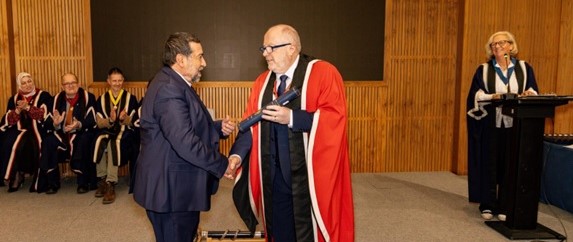
Prof. Khalid Mubarak Bin Dayna, a Professor of Microbiology and Immunology at the College of Medicine and Health Sciences at Arabian Gulf University (AGU), has been awarded the Fellowship of the Royal College of Pathologists (FRCPath) in recognition of his outstanding academic and research contributions. The award ceremony took place at the Royal College of Pathologists in London, where new fellows were celebrated for their significant achievements.
Expressing his gratitude for this honor, Prof. Bin Dayna stated, "Receiving the FRCPath marks a significant milestone in my professional career. This recognition motivates me to intensify my efforts to enhance the science and practice of pathology for the benefit of patients worldwide."
During the ceremony, Prof. Bin Dayna engaged in discussions with Dr Bernie Croal, President of the Royal College of Pathologists, regarding future research and academic collaborations. They emphasised their mutual commitment to advancing the field of pathology through innovation, education, and scientific inquiry.
The FRCPath is a prestigious academic accolade that signifies a high level of achievement in scientific research, bolstering the academic and professional stature of its recipients. It offers fellows the opportunity to connect with a global network of professionals, facilitating the exchange of ideas and experiences. Furthermore, the fellowship enhances professional skills and provides access to training opportunities, workshops, conferences, and specialised seminars worldwide, keeping fellows abreast of the latest developments in their field.
Prof. Khalid Bin Dayna has a distinguished academic and research background, establishing himself as a leading expert in immunology and microbiology. He has made significant contributions to research in these areas and has published numerous scientific papers that have garnered international recognition. Prof. Bin Dayna is dedicated to fostering scientific research and medical education through creativity and innovation, and he has played a vital role in training the next generation of doctors and researchers. He is also an active member of several specialised scientific societies.
It is noteworthy that the Royal College of Pathologists is a professional organisation with over 13,000 members globally. It is dedicated to establishing and maintaining standards in pathology and advancing the science and practice of the field. The college's mission includes promoting public education, fostering research and innovation, and overseeing the training of pathologists and scientists across 17 specialties, all aimed at improving patient care and safety.
by ashokaib | Mar 10, 2025 | Uncategorized
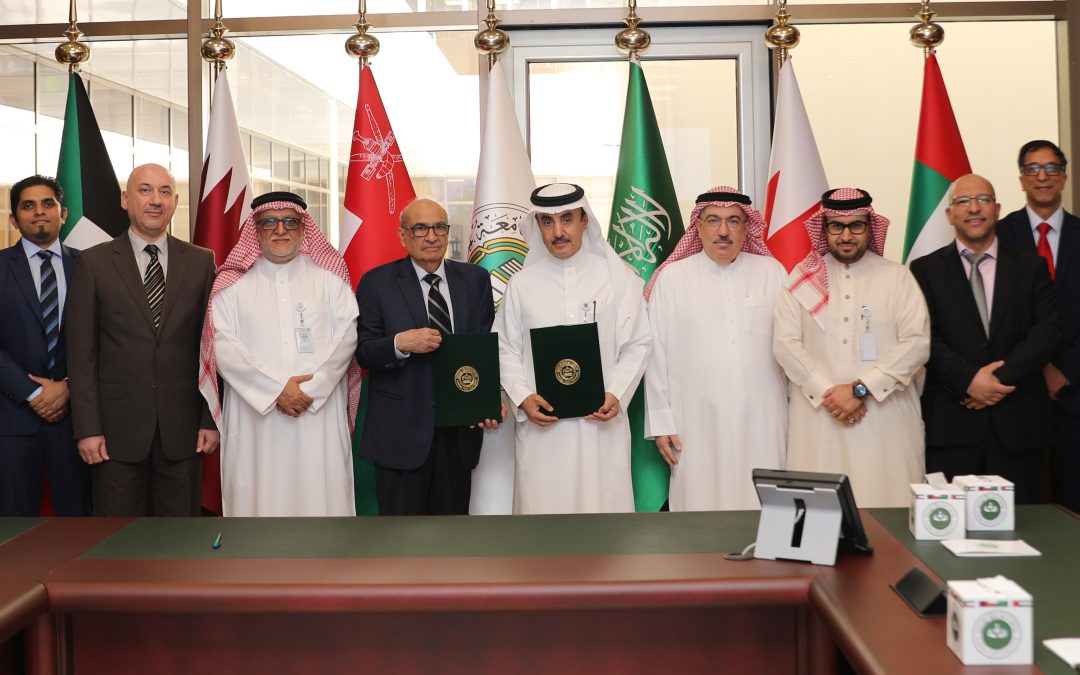
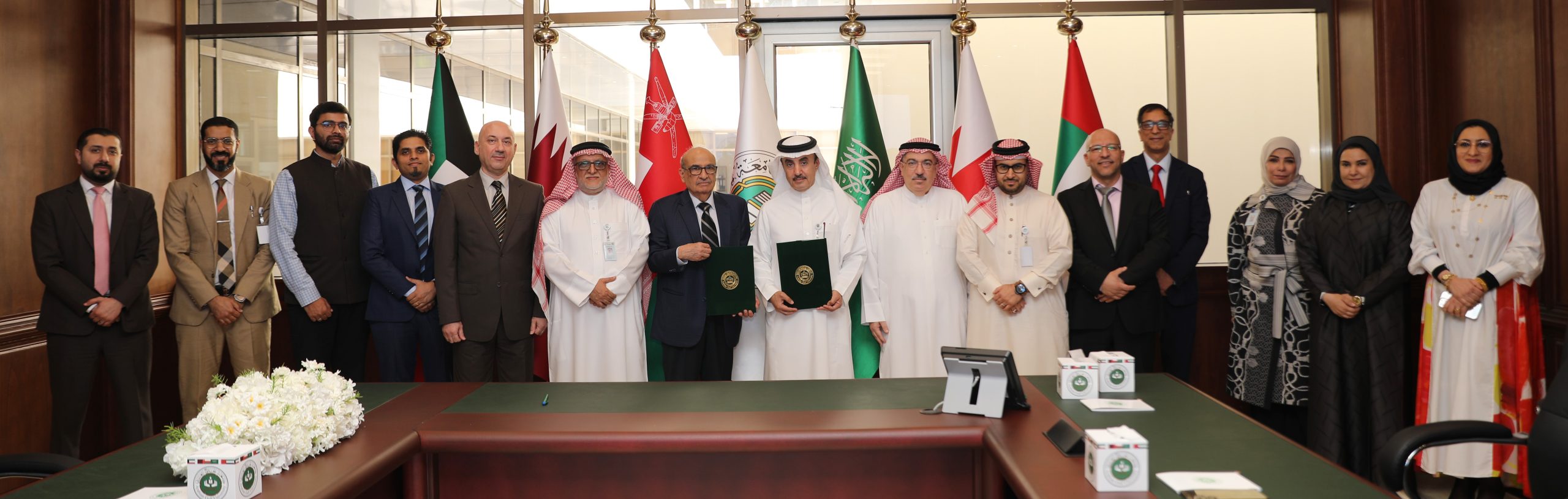
His Excellency Dr Saad bin Saud Al Fuhaid, President of Arabian Gulf University (AGU), signed a strategic partnership agreement with Mr Ubaydli Al Ubaydli, Chairman of the Board of Directors of Atyaf eSolutions Company. This collaboration aims to implement a new Enterprise Resource Planning (ERP) system across all departments and supporting divisions, as part of the university's initiative to automate processes that enhance the educational experience and develop its technological infrastructure comprehensively.
During the signing ceremony, His Excellency Dr Al Fuhaid emphasised the university's commitment to advancing education through the adoption of cutting-edge technological systems and innovative digital programs. He stated, "This enhancement of resource management and digital transformation will improve the services provided to both students and academic and administrative staff. The agreement with Atyaf eSolutions aligns with our vision to advance education by leveraging modern technologies that enrich the educational process."
He further highlighted that this partnership marks a significant step toward enhancing administrative functions in line with the university's overarching strategy, which aims to create a smart educational environment that supports students throughout their academic journeys.
His Excellency Dr Al Fuhaid noted that this collaboration represents a new initiative that will foster partnership and integration in operating a comprehensive ERP system for the university's support departments, meeting the needs and aspirations of students from the Gulf. He affirmed that the university will continue to enhance the efficiency and effectiveness of its electronic services through various digital channels to achieve its objectives.
On his part, Mr Ubaydli Al Ubaydli expressed pride in collaborating with a distinguished institution like AGU, emphasising that this partnership, which places the responsibility of leading digital innovation on the company’s shoulders, inspires a team-oriented approach to ensure the project's success.
He added, "Working with universities that shape the future of nations carries the responsibility of enhancing education quality by transforming users' mindsets into digital-savvy thinkers who can keep pace with the latest developments in programming, project management, services, and electronic applications."
The agreement outlines that Atyaf eSolutions will implement the ERP system, provide ongoing technical support and necessary updates to ensure optimal performance, and train university staff on using the new system to deliver integrated, high-quality educational services.
by ashokaib | Mar 9, 2025 | Uncategorized
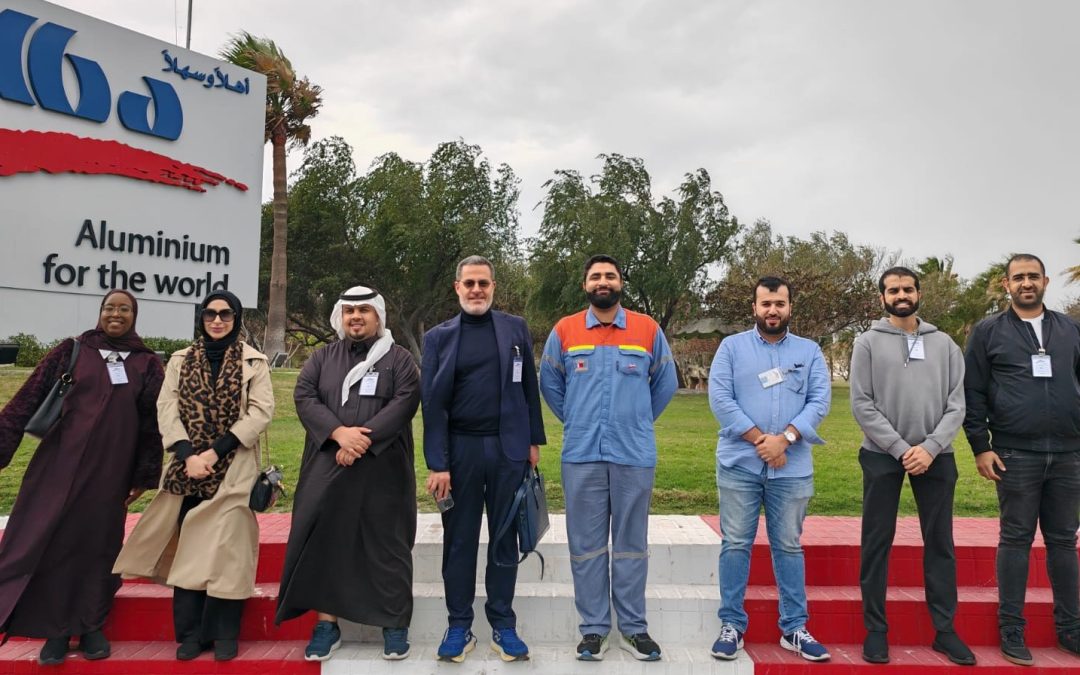
The Professional Diploma in Waste Management Programme at the College of Education, Administrative and Technical Sciences at the Arabian Gulf University (AGU) recently organised a field visit to Aluminium Bahrain (Alba). This visit aimed to enhance practical application of theoretical concepts learned in the programme and to familiarise students with leading sustainable environmental practices and strategies for managing industrial and hazardous waste at one of the world's largest aluminium smelters. The visit also provided an opportunity to explore potential collaborations in sustainable technology development and investment at the Gulf level.
During the visit, students from the programme's fourth batch learned about Alba's key sustainable practices as part of its environmental policy, which contribute to improving health, the economy, and society. Representatives from Alba's training and ESG departments welcomed the student delegation, which was also accompanied by the CEO of the German company GI Aqua Tech, specialising in waste management and water and sanitation technologies.
The Alba team presented an overview of the company's safety procedures through an awareness video, as well as a presentation on Alba’s impact on the national economy. The students were briefed on Alba's environmental, social, and governance initiatives. The visit included a tour of the Princess Sabeeka bint Ibrahim Oasis, a vital indicator of environmental quality. Students then toured the smelter facilities, where they learned about the manufacturing and waste treatment processes, methods for converting waste into reusable raw materials, and sustainable disposal practices.
Dr Sumaya Yusuf, Assistant Professor of Environmental Engineering and Coordinator of the Professional Diploma in Waste Management Programme, emphasised the importance of the visit in enriching students' knowledge about sustainable waste management. It also fosters investment and collaboration across various sectors in the region, enhancing the sustainability of Gulf societies.
Dr Sumaiya noted that waste management poses significant environmental challenges in urban areas, necessitating a shift toward sustainable approaches that prioritise waste reduction, reuse, recycling, and minimising landfill use, which is the least sustainable option in the integrated waste management hierarchy. She explained that the visit aimed to promote the circular economy concept, which views waste as a resource to be utilised rather than discarded, thereby protecting the environment and fostering economic, social, and environmental sustainability.
The Professional Diploma in Waste Management Programme, now in its fourth cohort, is the first of its kind in the Arabian Gulf and is accredited by the Chartered Institution of Wastes Management (CIWM) (CIWM). The programme offers a flexible educational model that combines online and in-person attendance, attracting participants from various GCC countries and sectors such as municipalities, industry, trade, and health.
Since its inception, the programme has graduated 56 specialists who have played a key role in promoting sustainable practices in the Gulf. Supported by the United Nations Environment Programme - West Asia Office, the programme aims to build capacity and raise awareness about sustainable waste management while fostering an innovative investment environment that contributes to achieving sustainable development in the region.