by ashokaib | Mar 3, 2025 | Uncategorized
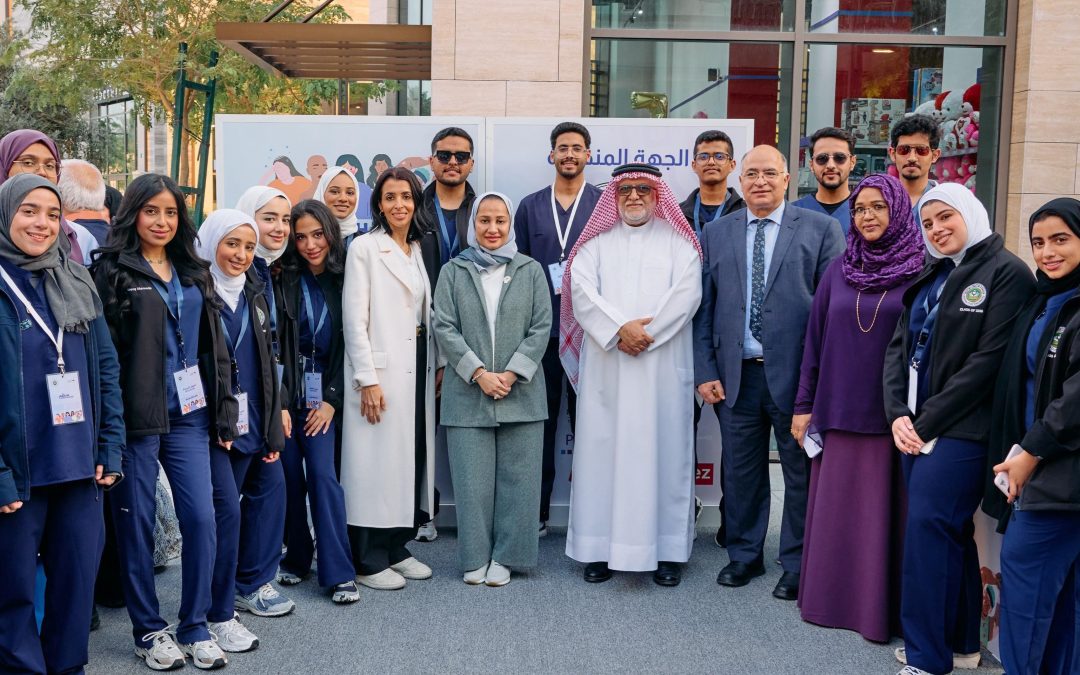
Students from the College of Medicine and Health Sciences at the Arabian Gulf University (AGU) have launched an awareness campaign on autoimmune diseases at the Al Liwan under the theme "Fight Autoimmune Diseases with Us." This initiative is part of the college's ongoing efforts to enhance community health awareness, aiming to increase understanding of these types of diseases and their impacts on public health.
The campaign, attended by Dr Lulwa Rashid Showaiter, Undersecretary of the Ministry of Health, included a series of informational stations about the nature of autoimmune diseases, managed by students in collaboration with several specialised doctors in the field. The stations covered the causes of these diseases, their symptoms, and prevention methods, while also highlighting the latest treatments available for autoimmune diseases.
Dr Aseel Al Saleh, Dean of Student Affairs at AGU, stressed the importance of such campaigns in enhancing health knowledge among community members. She pointed out that autoimmune diseases pose significant health challenges in the region, necessitating collective efforts for awareness and prevention. She confirmed that AGU students are working through this campaign to increase public awareness of these diseases, particularly in the Gulf region, where there is a rising incidence of certain autoimmune conditions. The campaign also aims to provide valuable information on how to diagnose these diseases at early stages, significantly improving treatment outcomes.
“Autoimmune diseases occur when the body's immune system mistakenly attacks its own healthy cells and tissues, leading to inflammation and damage to various organs. Some prominent autoimmune diseases include lupus, multiple sclerosis, type 1 diabetes, Crohn's disease, and many others classified as autoimmune disorders,” she stated.
Studies indicate that the exact causes of these diseases remain largely unclear, but a combination of genetic and environmental factors is believed to contribute to their onset. Treatment often involves the use of immunosuppressive medications, along with supportive therapies to alleviate symptoms.
Noora Al Hadi, chair of the student committee organising the campaign and a medical student at AGU, stated, "As medical students at AGU, we believe in the importance of our role in raising community awareness about autoimmune diseases, which may initially be invisible but can have serious consequences if not diagnosed and treated in a timely manner. Through this campaign, we strive to shed light on these diseases and emphasise the importance of early prevention and treatment to enhance health awareness in the community."
The campaign witnessed significant participation from students, faculty members, and visitors to the Al Liwan, who expressed their appreciation for the university's initiative in promoting health awareness. They underscored the importance of continuing to organise such health events that effectively and engagingly contribute to enhancing community health.
by ashokaib | Mar 2, 2025 | Uncategorized
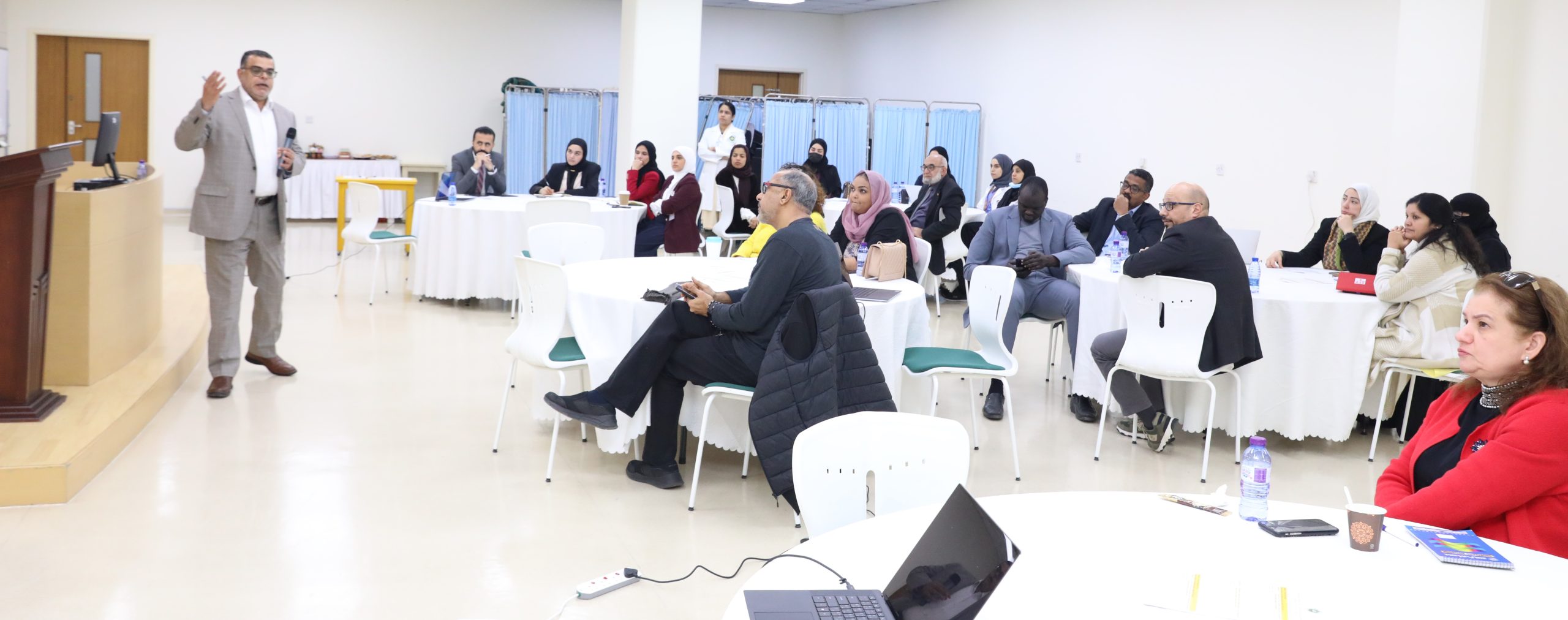
The Medical Education Department at the Arabian Gulf University (AGU) recently organised a workshop titled “Writing Specific Learning Outcomes” as part of the Educational Skills Development Programme for academic staff. Prof. Hany Atwa, Head of the Department, emphasised the importance of learning outcomes in enhancing the quality of medical education, viewing them as a fundamental tool to ensure curriculum alignment with labour market needs and ongoing developments in the medical field.
During the opening of the workshop, Dr Atwa stated: “At the Arabian Gulf University, we believe that enhancing the skills of faculty members in this area will have a direct positive impact on the quality of education we provide.” He added that precisely formulated learning outcomes significantly affect students’ ability to apply their knowledge and skills in real-world contexts, hence better preparing them for their professional futures. Subsequently, he conducted an interactive lecture on competency frameworks, covering various domains, competencies and learning outcomes at different levels.
As part of the training, Dr Archana Kumar, Associate Professor in the Medical Education Department, delivered a lecture on the principles of formulating specific learning outcomes. She remarked: “The formulation of learning outcomes is an essential part of the academic development process. Through these workshops, we help faculty understand how to construct effective learning outcomes that contribute to enhancing the educational experience for students.”
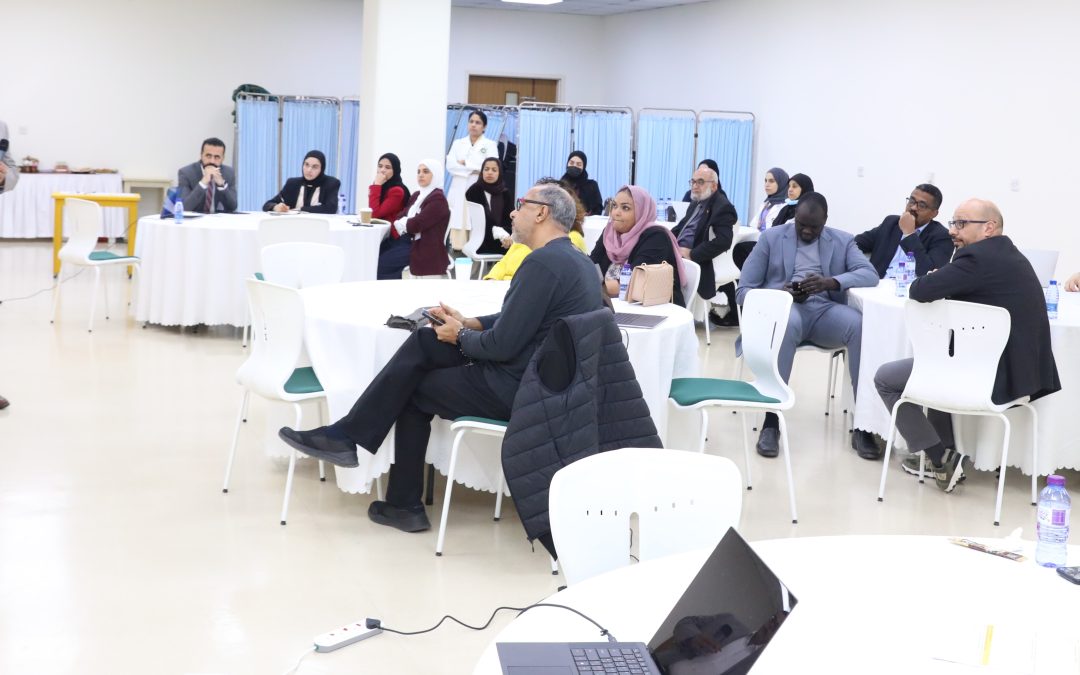
The training incorporated lectures and practical applications, where academic staff engaged in interactive activities and training papers under the guidance of the facilitating professors. Participants in the workshop regarded this initiative as a beneficial opportunity to develop their skills in formulating learning outcomes. They were able to exchange ideas with colleagues and receive valuable feedback, which assisted them in improving their skills in this area and applying what they learned practically, thereby enhancing their ability to design educational programmes in line with global standards.
The workshop concluded with a review and feedback session, during which participants discussed the learning outcomes they had formulated, reinforcing their understanding of the importance of aligning learning outcomes with the goals of academic programmes. The workshop received commendations from faculty participants, who highlighted its significance in curriculum development and enriching the learning experience for students. They also recognised the need for continued initiatives of this nature to strengthen competency-based educational practices.
by ashokaib | Mar 2, 2025 | Uncategorized
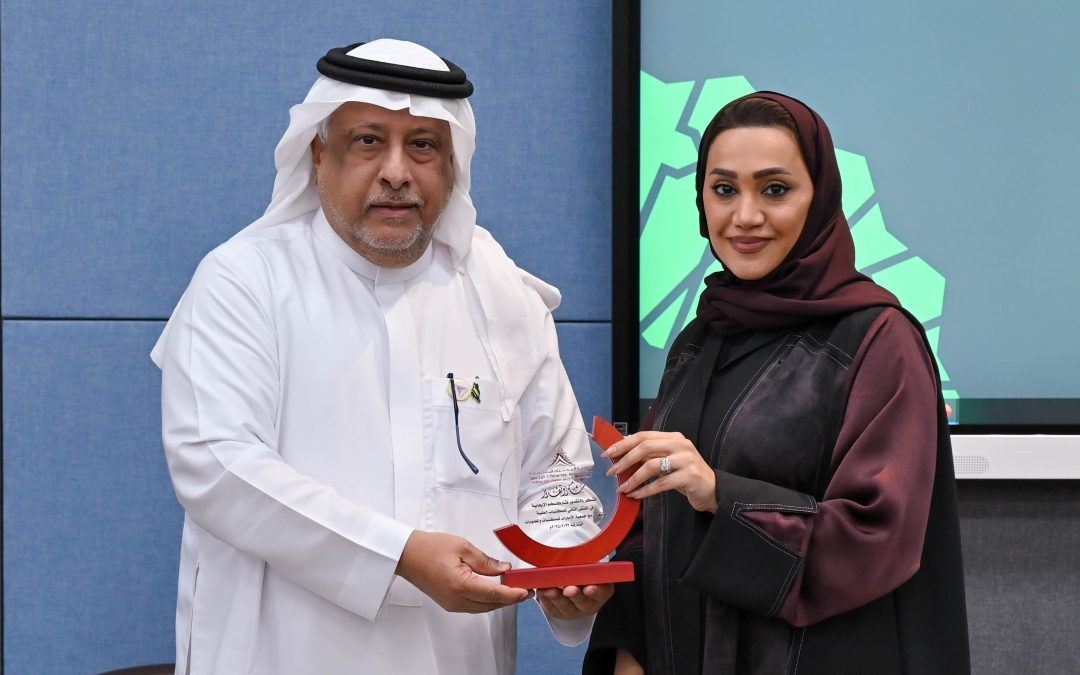
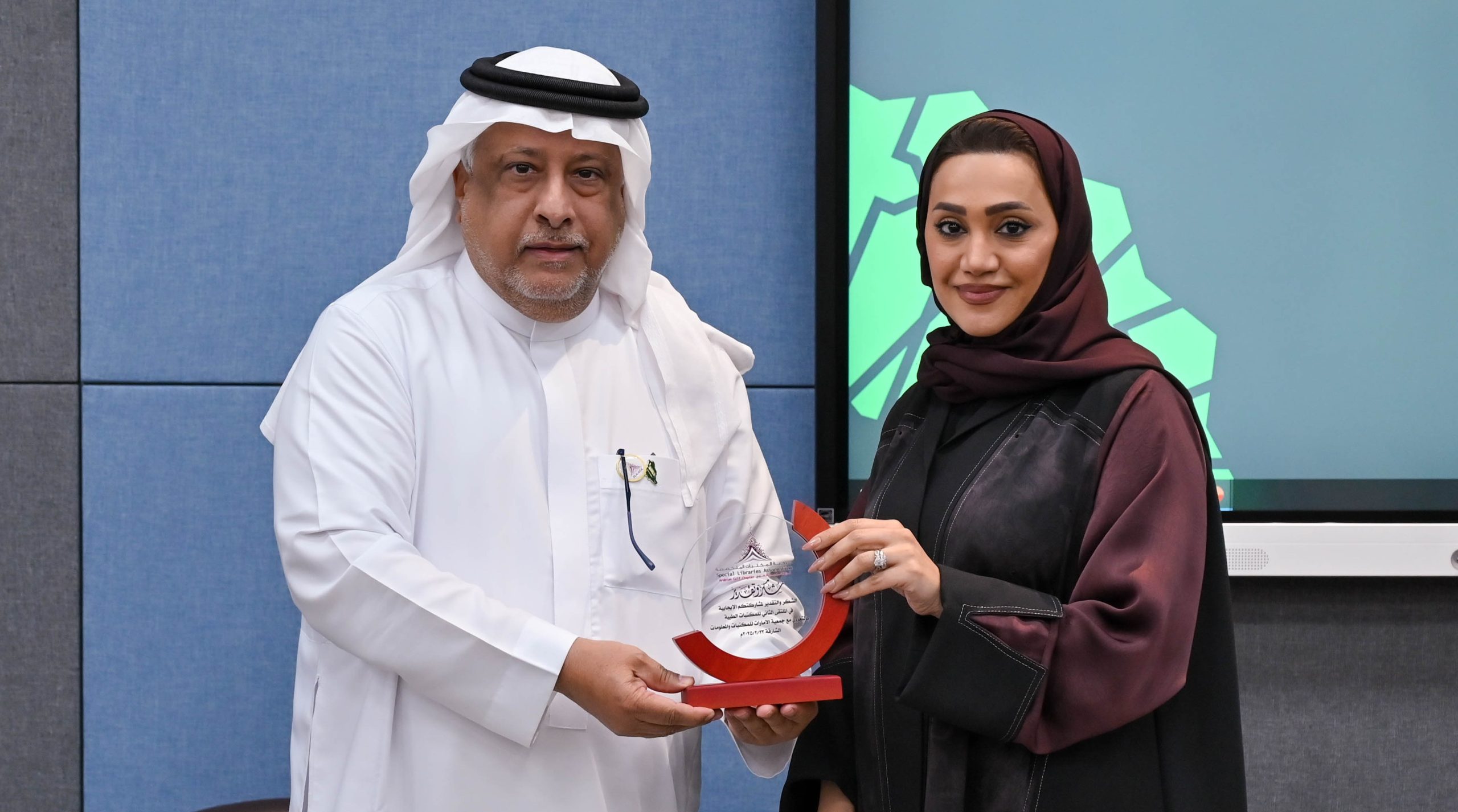
Ms. Athra Al Alawi, Director of the Arabian Gulf University (AGU) Library, has recently participated in the Second Medical Libraries Forum, organised by the Special Libraries Association – Arabian Gulf Chapter, in collaboration with the Emirates Association for Libraries and Information, hosted by the University of Sharjah in the United Arab Emirates.
The forum carried the theme: “Innovations in Medical Libraries: Integrating Artificial Intelligence, Digital Resources and User-Centred Services”. It witnessed the attendance of numerous medical library specialists from across the GCC, along with academics in the health sector. Participants exchanged knowledge and experiences regarding the latest innovations in the field, discussing methods of integrating artificial intelligence in medical libraries and how to utilise digital resources to enhance user services.
In her presentation, Ms. Al Alawi highlighted the role of medical libraries in promoting the use of artificial intelligence and digital resources in line with modern technological advancements. She emphasised the importance of improving the quality of services provided to users and facilitating access to accurate medical information.
Additionally, the forum addressed other topics, including the importance of training personnel in medical libraries to effectively use modern technology and developing a robust digital infrastructure that supports all activities and services provided by libraries. There was also a strong emphasis on the necessity of ongoing collaboration between libraries and academic and research institutions to ensure the flow of information and knowledge among all stakeholders.
The forum concluded with several recommendations, notably the need to establish regular workshops and training courses to prepare human resources for engaging with modern technology, along with the importance of enhancing investment in digital technologies and artificial intelligence to improve services offered in medical libraries. Participants expressed their eagerness to enhance regional and international collaboration in this field to achieve sustainable development goals in the health sector.
by ashokaib | Feb 27, 2025 | Uncategorized
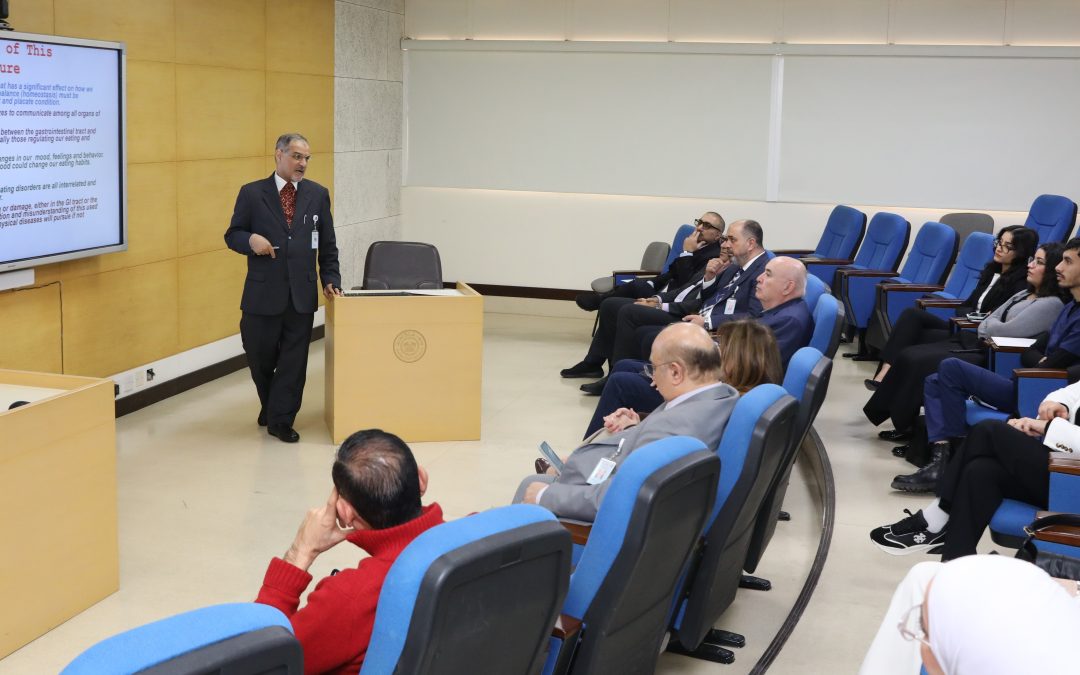
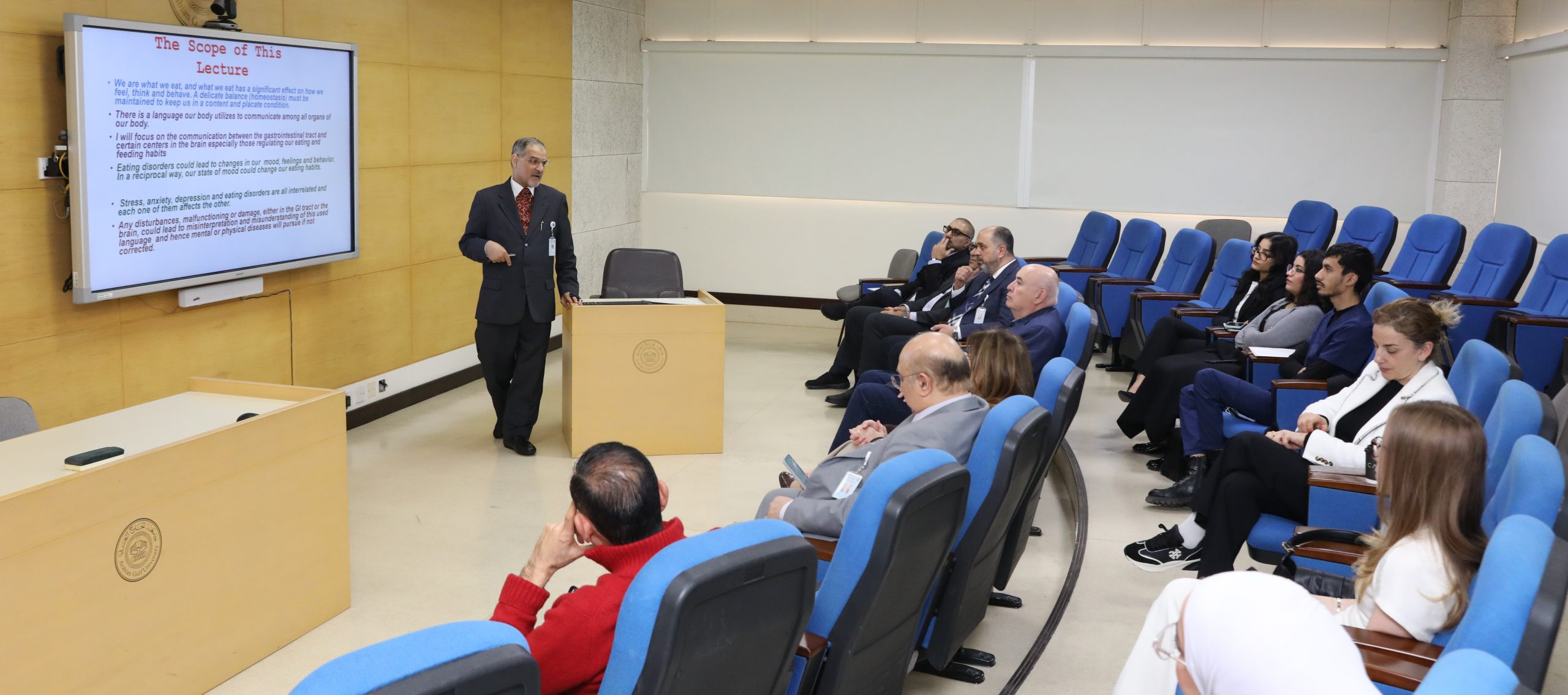
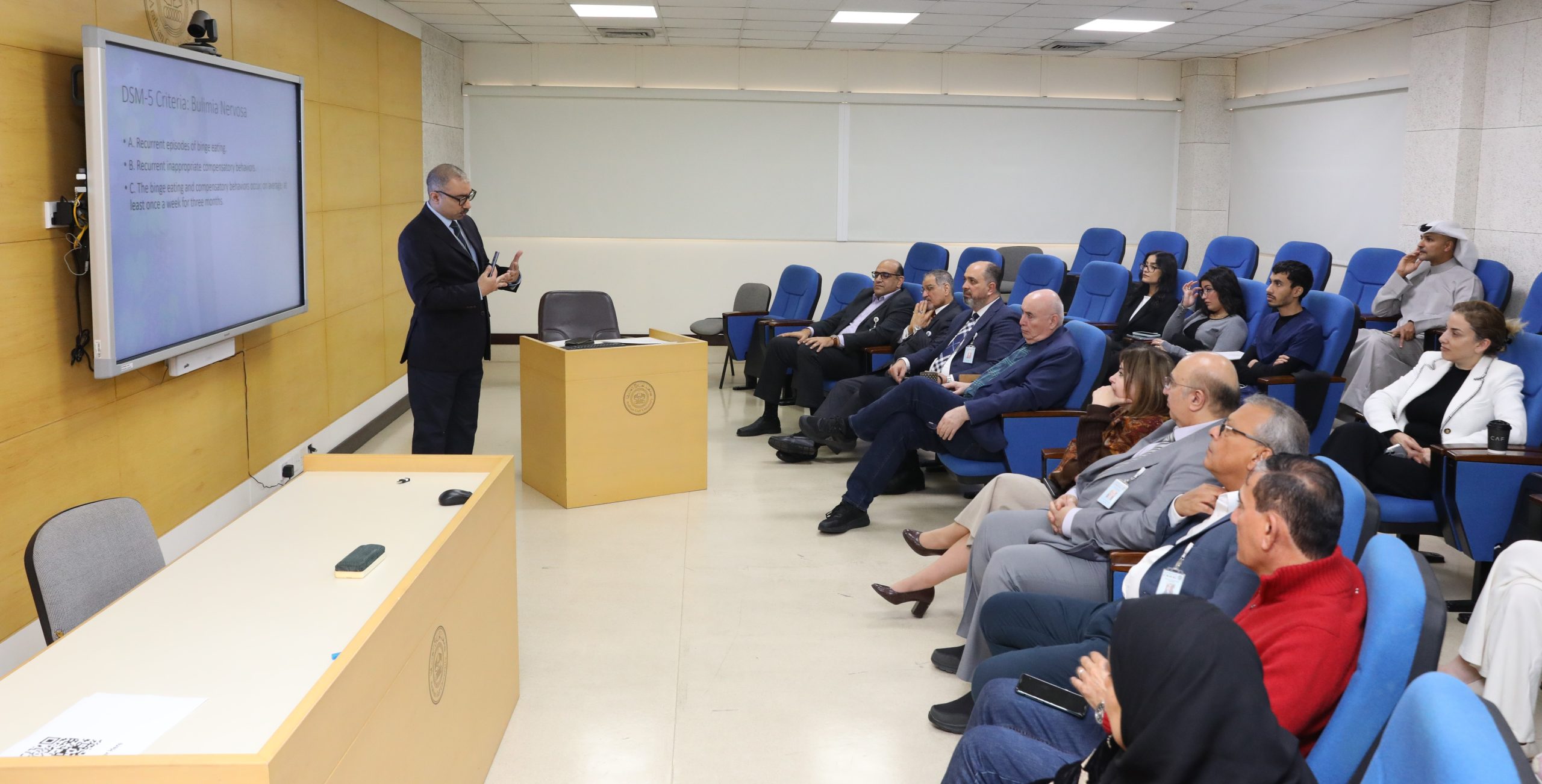
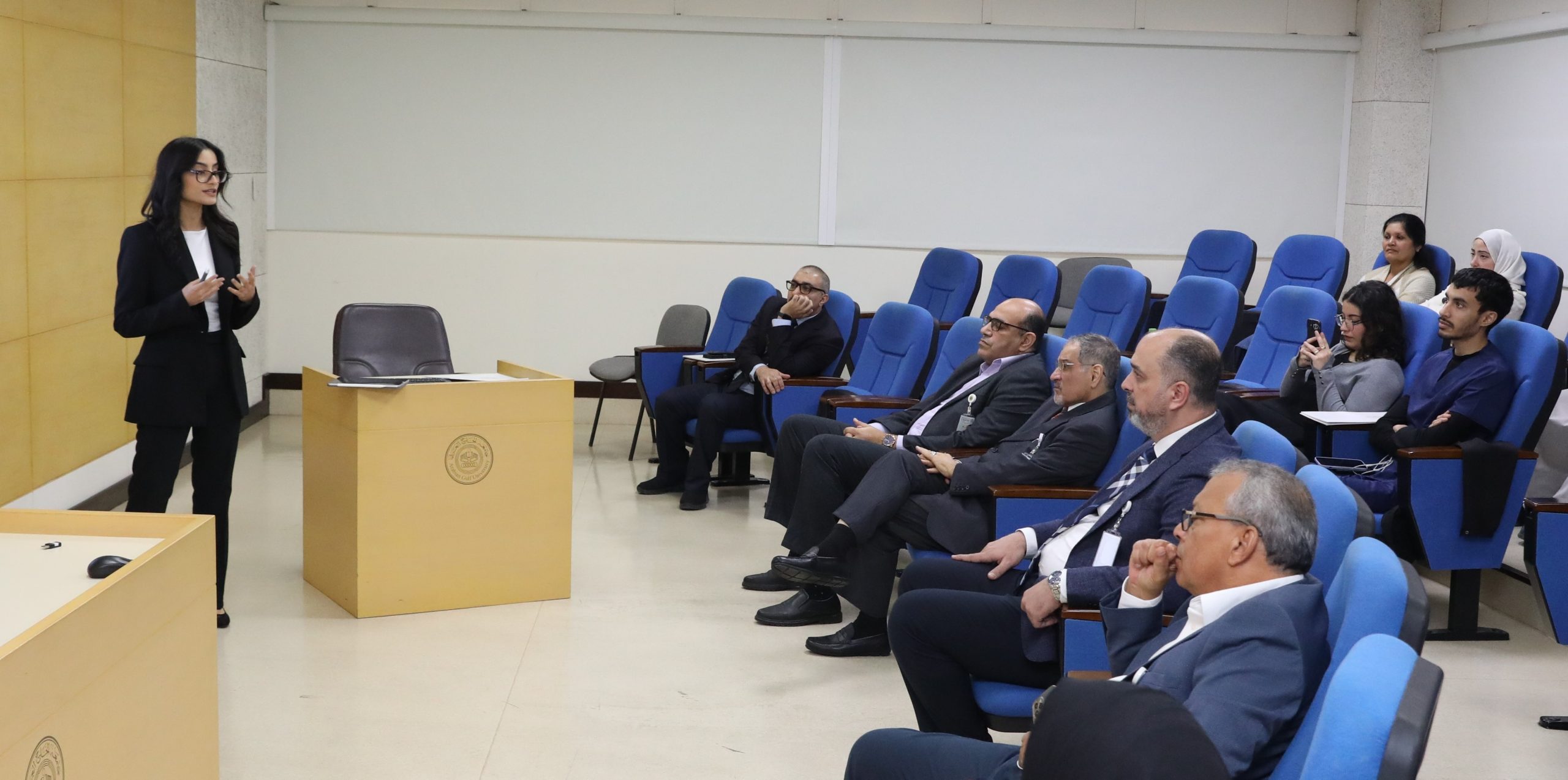
The College of Medicine and Health Sciences at the Arabian Gulf University (AGU) organised a workshop in alignment with the Awareness Week for Eating Disorders, which runs from February 24 to March 2. The workshop featured several specialists from the college and included participation from 30 attendees, including faculty members and students from the Medicine and Nursing programmes.
Attending the workshop were Dr Abdelhalim Abdelfattah Deifallah, Dean of College of Medicine and Medical Studies, Dr Rima Lutfi Abdulrazzaq, Dean of Graduate Studies and Scientific Research, and Dr Asil Al Saleh, Dean of Student Affairs; along with a representative from the World Health Organisation (WHO) in Bahrain.
During the workshop, Dr Tarik Al Shaibani, an associate professor in the AGU’s Department of Physiology, explained that studies related to eating disorders have shown a strong link between these disorders and psychological stress, emotions, and mood. He noted that psychological tensions and daily pressures can affect an individual's eating behaviour in two contradictory ways: either by causing them to refrain from eating or by leading them to eat excessively without control.
He added, “The gut-brain axis may play a pivotal role in eating disorders, operating in two directions: upward from the digestive system, particularly the intestines and colon, which influence neural pathways in the brain, potentially leading to changes in neurotransmitter release. The other direction is downward from the brain, especially from the centres of hunger and satiety, and their complex connections with other centres such as those related to pleasure and memory, which can impact the digestive system.”
In turn, Dr Haitham Jahrami, an assistant professor in the AGU’s Department of Psychiatry and a consultant psychiatrist, highlighted that the Eating Disorders Awareness Week stresses the urgent need to address eating and nutrition disorders as serious mental health conditions with profound physical, emotional, and social consequences. He pointed to the complexity of these disorders, including anorexia nervosa, bulimia nervosa, binge eating disorder, and less well-known conditions such as pica and rumination disorder.
Dr Jahrami warned of the widespread impact of eating and nutrition disorders, citing alarming statistics indicating that nearly 9% of the global population is affected, with anorexia nervosa alone leading to a mortality rate of up to 10%. He reviewed the multifaceted implications of eating disorders, including malnutrition, cardiovascular complications, anxiety, depression, and social isolation.
He affirmed that these disorders are not choices, but rather diseases influenced by biological and environmental factors, affecting people of all ages, genders, and backgrounds, with up to 35% of cases occurring in males. He underscored the importance of early detection through approved screening tools that help identify symptoms and guide intervention, stressing that recovery can be achieved with appropriate support through increased awareness.
In this context, Muneera Al Mahmeed, a student in the College of Medicine and Health Sciences of AGU, presented the results of a study aimed at assessing the prevalence of eating and nutrition disorders among students at the AGU, potential contributing factors, and the impact of the COVID-19 pandemic as an independent global stressor.
She explained that the study found that 32.1% of the tested students are at risk of developing eating and nutrition disorders, with those living in university or communal housing being less likely to experience these disorders, while preclinical students were more susceptible. One of the key findings of the study was that interaction with global stress factors was significantly associated with an increased risk of developing eating and nutrition disorders, deterioration in the condition of those at risk, and the emergence of complications.
by ashokaib | Feb 27, 2025 | Uncategorized
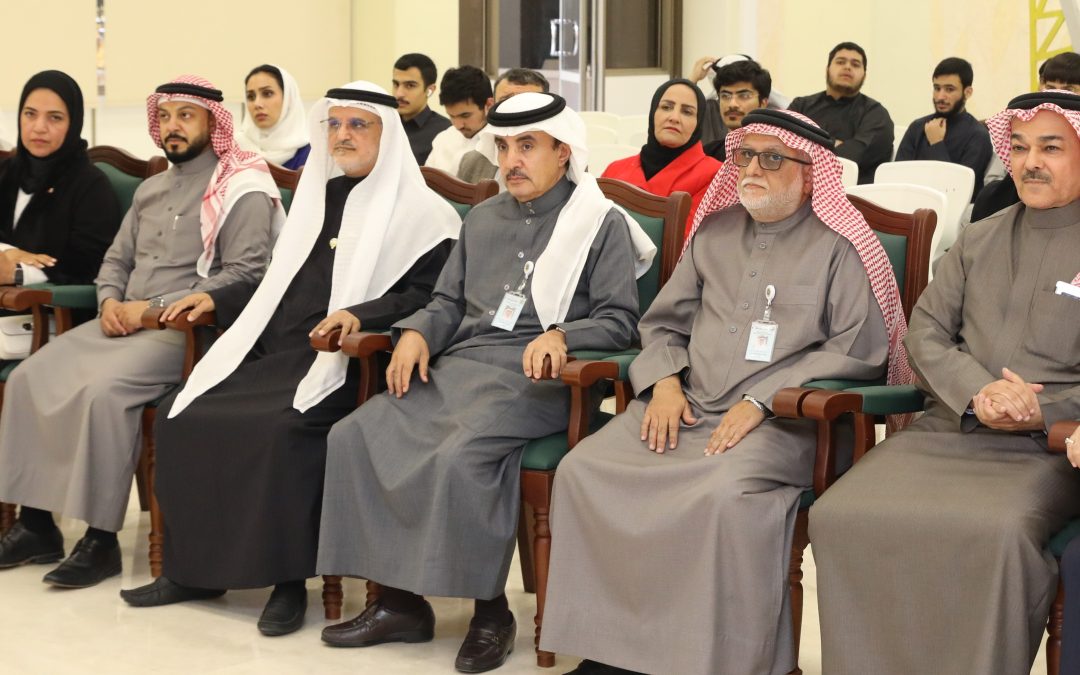
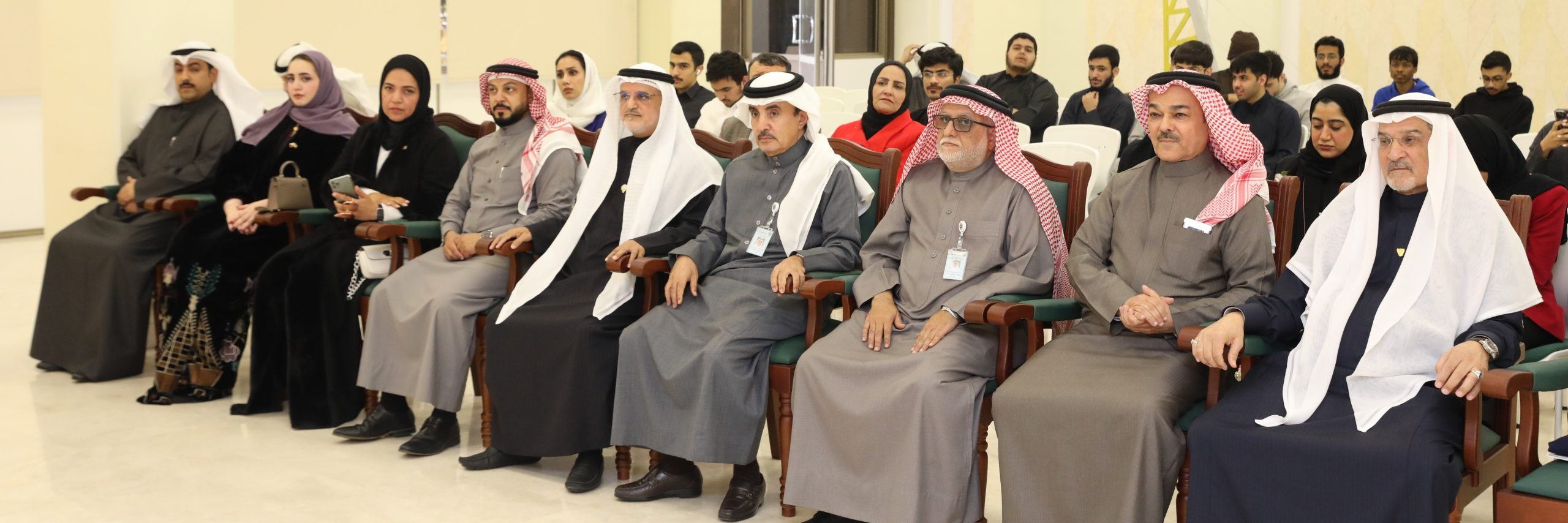
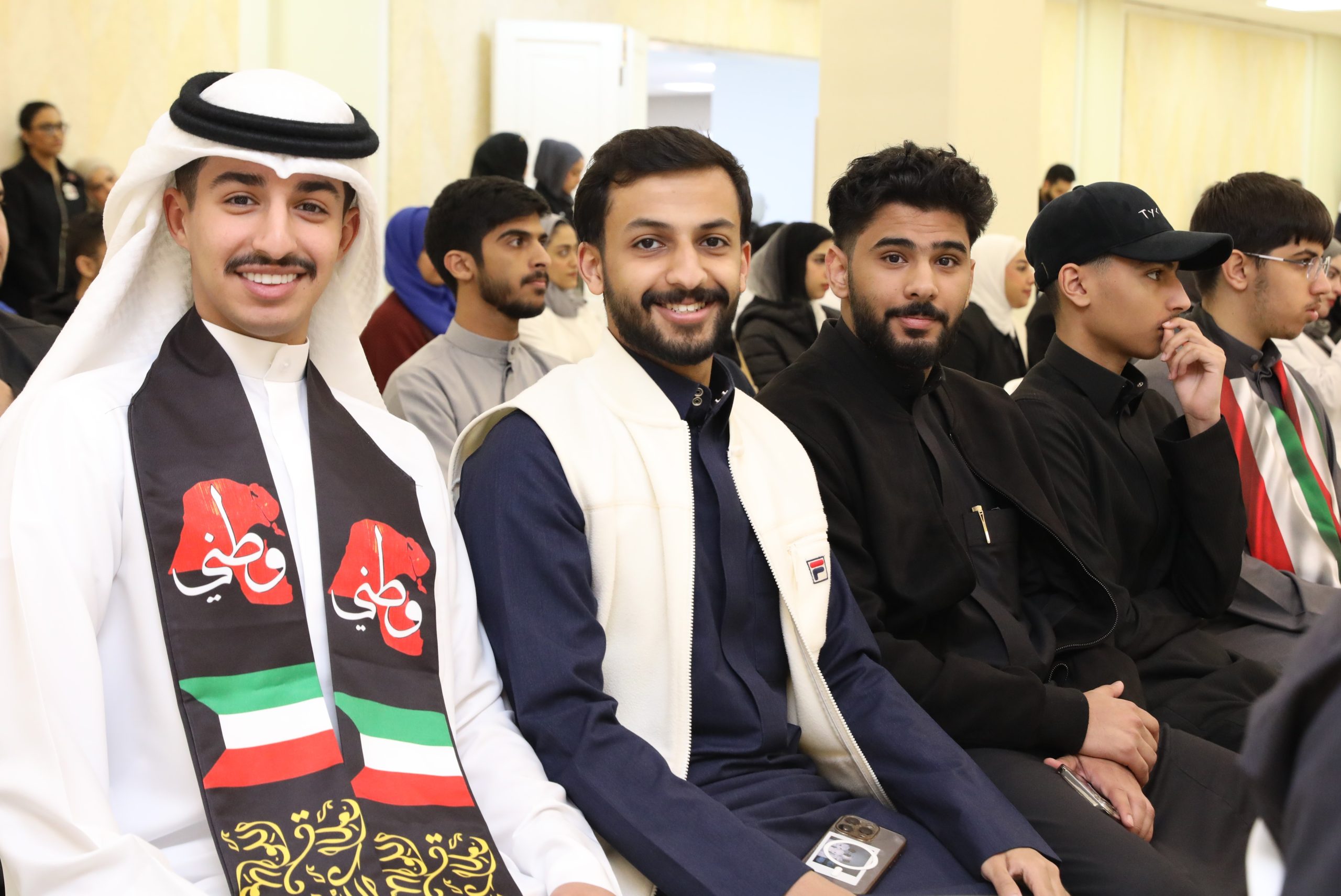
His Excellency Dr Saad bin Saud Al Fuhaid, President of the Arabian Gulf University (AGU), conveyed his warmest congratulations to His Highness Shaikh Mishal Al Ahmad Al Jaber Al Sabah, the Amir of the State of Kuwait, and to all members of the dear Kuwaiti people during the university’s celebration of Kuwait’s National Day, which took place yesterday.
The President expressed the pride of the AGU family in its graduates and students from the State of Kuwait, who represent the university as ambassadors everywhere, showcasing distinguished examples of excellence and success in their professional lives.
He further noted that AGU has been a prominent academic institution since its inception and will continue to play a leading role in serving education and knowledge in the GCC countries, driven by the substantial support it receives from the wise leaders of the member states. He emphasised that nations can only rise and flourish through knowledge, dedication and commitment to achieving their goals.
Furthermore, Dr Al Fuhaid praised the dedication and hard work of Kuwaiti students in their studies, following in the footsteps of knowledge, and deserving of our pride and admiration for their promising young talents, striving for knowledge as a noble aim and education as a worthy goal.
He stated: “Today, we celebrate Kuwait’s rich history of giving and its present filled with achievements, thanks to its wise leadership and the efforts of its devoted citizens. I pray that Allah the Almighty sustains security and stability for Kuwait and the other Gulf countries.”
Additionally, the President expressed his appreciation on this occasion for Kuwait’s pivotal role in establishing AGU and providing the necessary elements for its success since it embraced the idea of its creation over 45 years ago, embodying the essence of brotherly relations among the GCC countries and reinforcing the interconnectedness of its history, present and future, while achieving its common goals through collaboration and integrated efforts.
Dr Al Fuhaid added: “Kuwait continues to support the university and works, in partnership with the other Gulf nations, to provide all the elements necessary for the success of its academic programmes and to achieve its strategic goals through which we aspire to graduate generations that value knowledge, are equipped with expertise, cherish their Gulf identity and possess all the attributes for success in their professional and personal lives after graduation.”
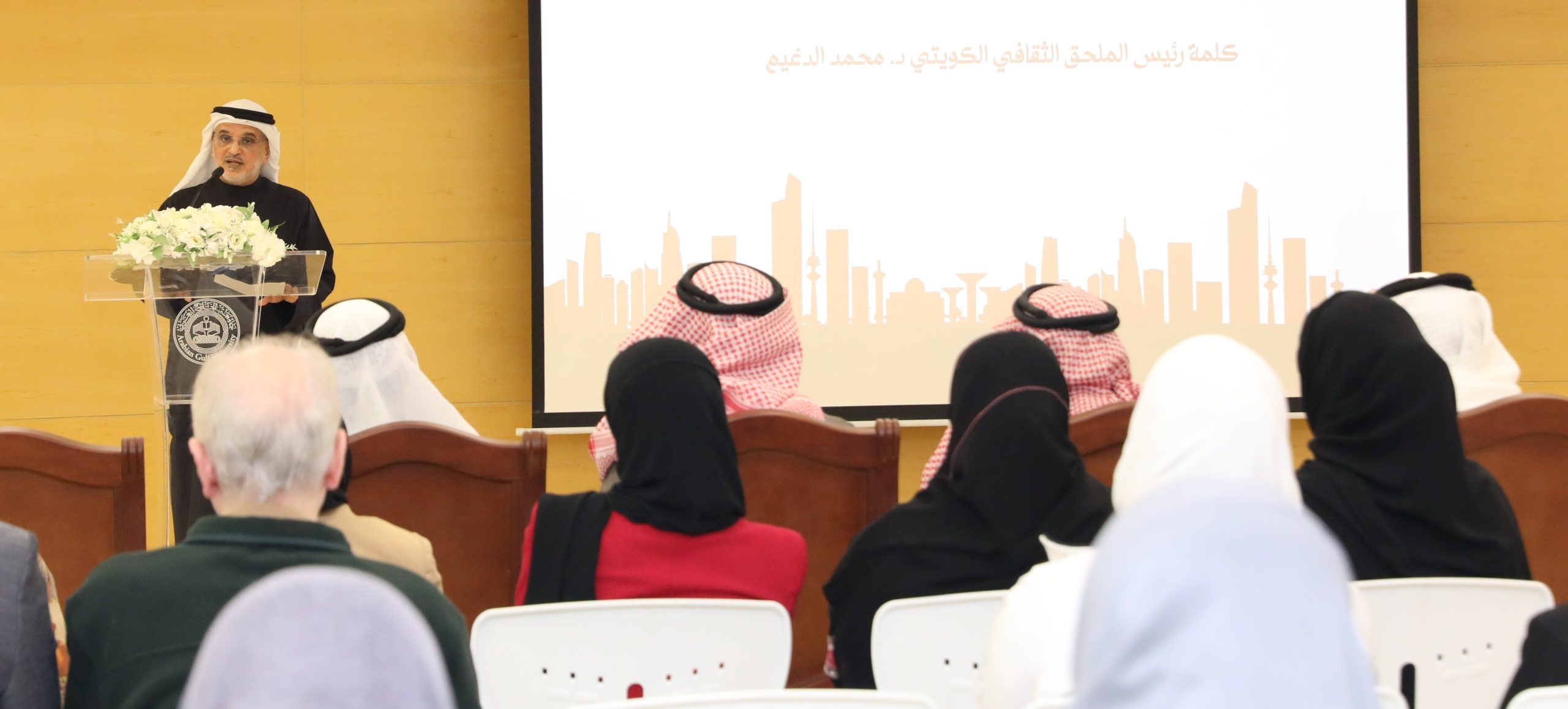
Meanwhile, Prof. Mohammed Al Dughaim, Head of the Cultural Office at the Embassy of the State of Kuwait, expressed feelings of loyalty, dedication, generosity and belonging under the leadership of His Highness Shaikh Mishal Al Ahmad Al Jaber Al Sabah, and his trustworthy Crown Prince. He expressed his pride in Kuwaiti students studying at various universities in the Kingdom of Bahrain, who are achieving success and excellence in all disciplines, reaffirming that the sense of loyalty to the homeland and longing for it is the highest sentiment embodied in this celebration.
“There is a close bond of love between the Kuwaiti and Bahraini peoples, and the same spirit of this relationship connects the Arabian Gulf University with its graduates and current students, providing them with an outstanding educational environment that enhances their skills and boosts their academic and professional capabilities. We, in the Cultural Office, always strive to support Kuwaiti students in the Kingdom of Bahrain, offering all means that contribute to their excellence and success,” he said, while also expressing gratitude for the significant efforts of AGU in preparing a generation capable of achieving excellence and innovation in various fields.
Additionally, student Hadeel Al Kandari delivered a speech on behalf of the Kuwaiti students, and Dr Tareq Al Shaibani, Associate Professor at the Department of Physiology at the College of Medicine and Health Sciences, recited a poem expressing his love for Kuwait, while student Bandar Al Wuqait served as the master of ceremonies.
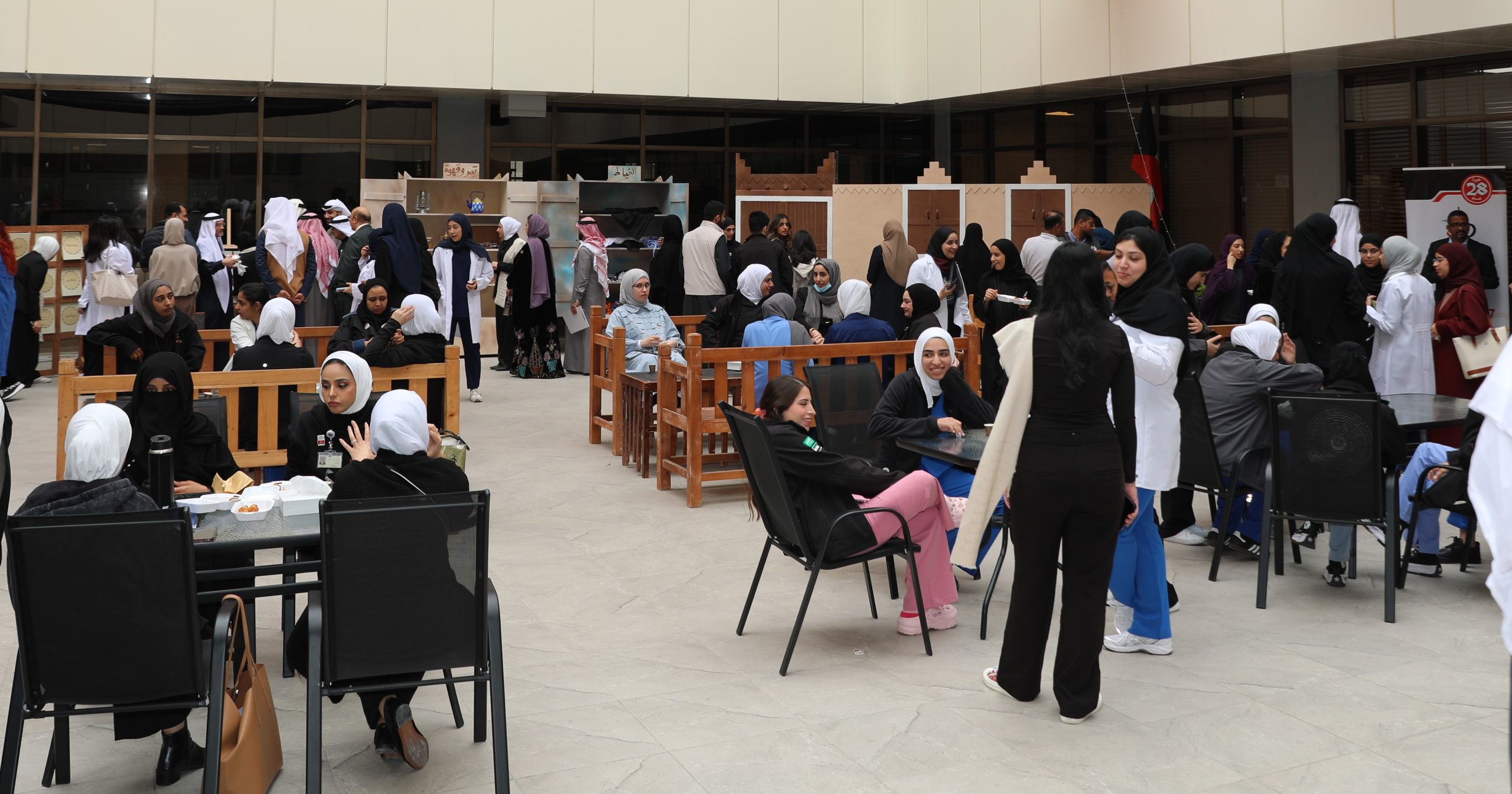
The celebration also included an art exhibition organised by the students, showcasing glimpses of Kuwait’s history, images of its present, its products, customs, traditions, cuisine, stories and traditional games, along with narratives about the period of the brutal invasion of Kuwait.