by ashokaib | Dec 29, 2024 | Uncategorized
Asthma is a chronic disease that affects the respiratory system, causing inflammation and tightening of airways, obstructing the natural flow of air. The symptoms of asthma vary from one person to another, so the Bahraini newspaper Akhbar Al-Khaleej spotlighted everything related to asthma in the following interview with Dr Wafaa Abd Ali, Family Medicine Consultant at the University Medical Center, King Abdullah City.
- What is asthma?
Asthma is a chronic inflammation and sensitivity in the bronchi, i.e. the respiratory tract, which leads to their constriction and difficulty in passing air through them. Asthma symptoms include coughing, breathing difficulty, and wheezing, which is a sharp sound accompanying inhalation.
- What are the most prominent symptoms of asthma and its triggers?
The severity of symptoms varies from time to time, and they occur in the form of attacks that often take place at night or early morning. Sometimes chronic coughing is the only symptom of asthma, especially in children.
Asthma may be accompanied by other types of allergies, whether in the patient himself or in his family, such as skin allergies, nasal allergies and food allergies.
Asthma attacks may occur as a result of exposure to asthma triggers, such as smoking, exercise, cold air, dust, viral colds and some medications. The patient should avoid exposure to triggers to prevent severe asthma attacks. He should stop smoking and the use of chemical cleaners, hairspray and pesticides. Medication should not be taken without a doctor's supervision, for example, anti-inflammatory drugs such as aspirin and ibuprofen, certain blood pressure medications and eye drops may trigger asthma.
Care should be taken to ventilate the house and expose it to sunlight to prevent moisture. Dust should also be correctly removed. Do not raise pets, stay at home and close the windows during dust and pollen seasons and cold weather. Avoid contact with flu patients, and use appropriate asthma medications before starting to exercise.
- What are the latest methods for treating asthma?
There are several medications to treat asthma, including:
Firstly: Asthma inhalers, which are small portable devices with specific doses. Preventer inhalers are used daily to reduce inflammation, thus asthma attacks, while therapeutic inhalers are used to treat symptoms when an asthma attack occurs.
Secondly: Nebulizers.
Thirdly: Orally or intravenously administered corticosteroids.
Fourthly: Biological therapy, for severe cases of the disease.
Through treatment and follow-up, the doctor seeks to control asthma so that the frequency and severity of attacks decrease. The occurrence of asthma symptoms more than twice a week, waking up at night due to coughing or breathing difficulty, the frequent need for asthma inhalers, or the inability to exercise are all signs that asthma is not under control. At that point, the doctor reiterates avoiding asthma triggers while reviewing the method of using the inhaler, and may need to increase its dosage according to a treatment plan aimed at controlling asthma and reducing its attacks
by ashokaib | Dec 29, 2024 | Uncategorized
The President of Arabian Gulf University (AGU), His Excellency Dr Saad bin Saud Al Fuhaid, mourned the loss of Advisor of Cultural and Scientific Affairs to His Majesty King Hamad bin Isa Al Khalifa and one of the founders of AGU, the thinker Professor Dr Mohammed Jaber Al Ansari.
The President of the University stated, “With great sorrow, AGU, represented by all its members, students and graduates, mourns the great Bahraini thinker, Professor of Islamic Civilisation Studies and Contemporary Thought, and former Dean of the College of Graduate Studies at AGU, Professor Dr Mohammed Jaber Al Ansari, who passed away after a career of intellectual and scientific contribution.”
He stressed that Dr Al Ansari was a unique model of the Arab thinker who devoted his life to serving national causes. He enriched Arab libraries with intellectual contributions that expressed a penetrative vision of Arab and Islamic civilisation, and made qualitative contributions in the fields of thought, literature and culture.
It is worth mentioning that Dr Al Ansari is one of the founders of AGU. The university is proud of his scientific and intellectual legacy that strengthened the university's mission as a beacon of science and knowledge in the region, and which will remain a source of inspiration for future generations.
On this painful occasion, the AGU family extends its sincere condolences and sympathy to the family of the deceased, the Bahraini people, and the Arab world, asking Allah the Almighty to grant the soul of the deceased in eternal peace, and bless his relatives with patience and fortitude.
To Allah we belong and to Him we shall return.
by ashokaib | Dec 23, 2024 | Uncategorized
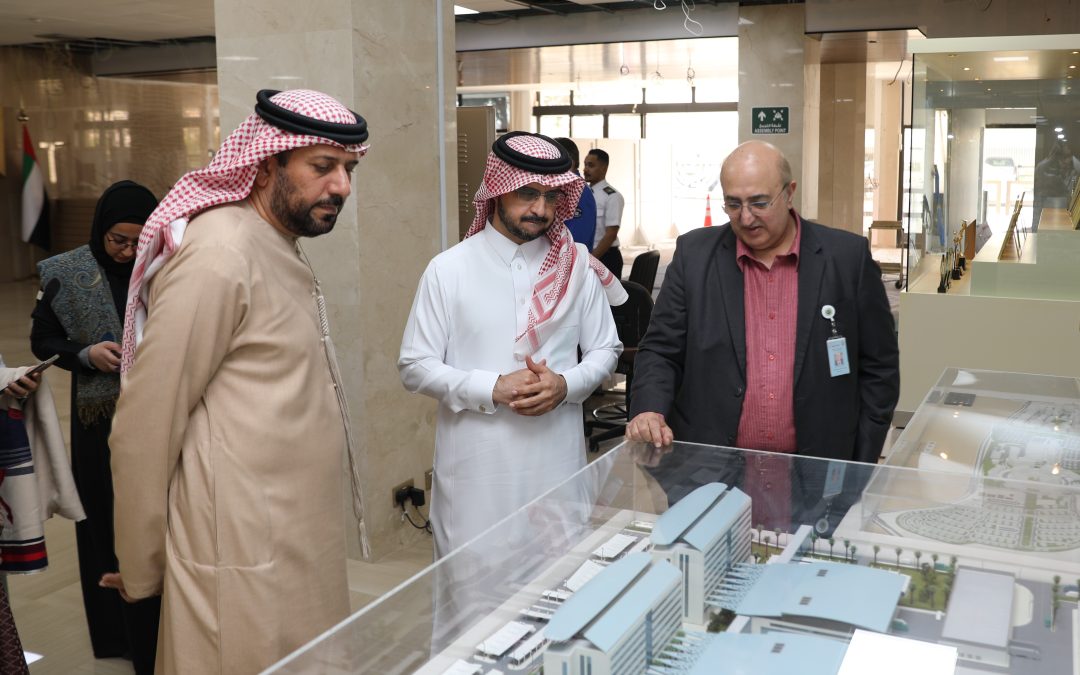
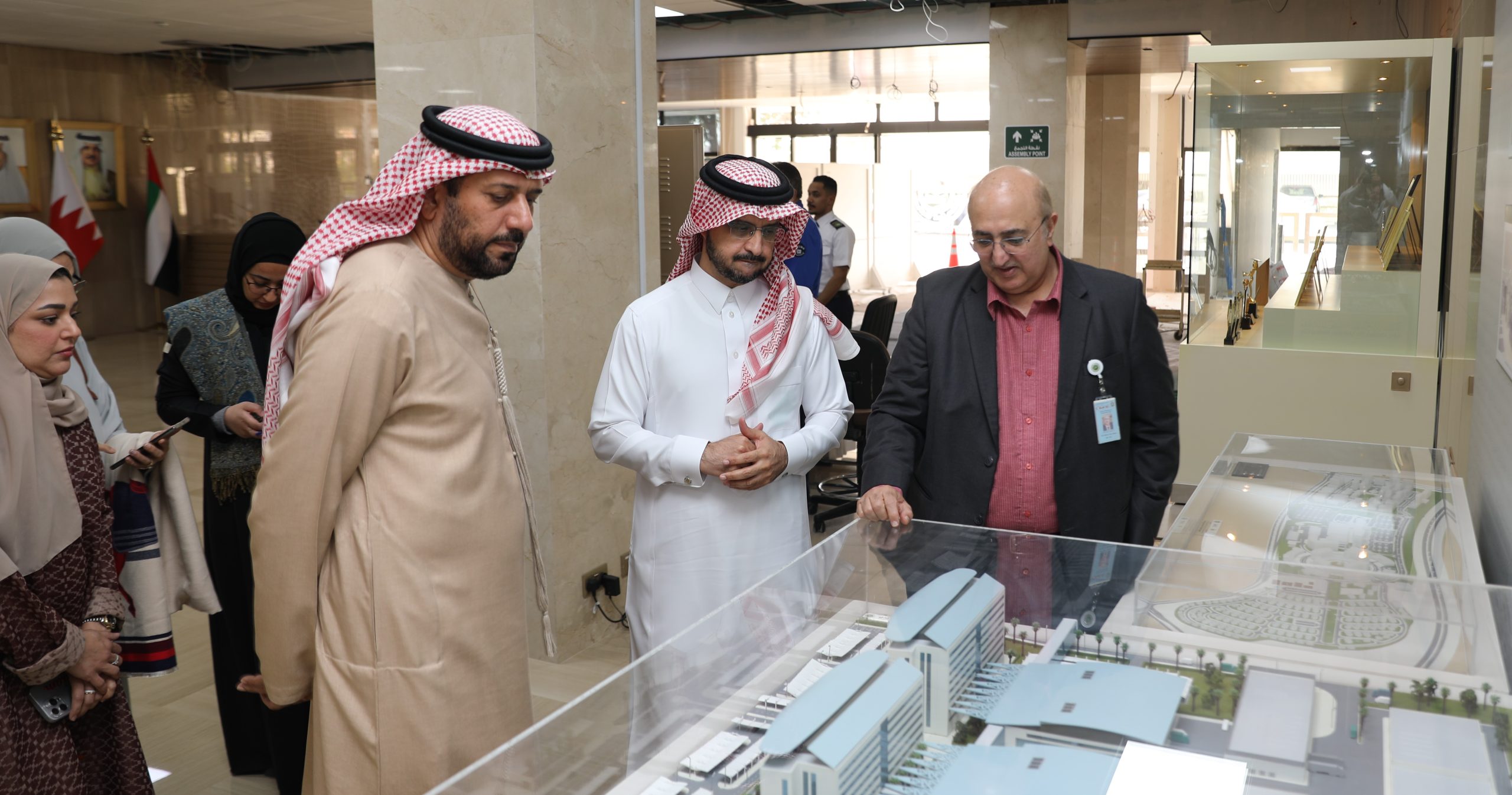
The Arabian Gulf University (AGU) hosted a delegation from the University of Sharjah (UoS) in the United Arab Emirates to explore avenues for enhancing academic and research collaboration between the two universities and discuss future cooperation prospects.
At the start of the meeting, Prof. Waheeb Isa Alnaser, expressed his appreciation for the bilateral relations with UoS. He highlighted AGU as a leading regional model established through the initiative of the leaders of the Gulf Cooperation Council (GCC) countries. He emphasised the university's focus on offering unique and rare specialisations aimed at addressing the strategic issues of the region.
Prof. Alnaser noted that AGU holds the top position in the Kingdom of Bahrain according to the Times Higher Education World University Rankings and is distinguished by its innovative educational programmes in vital fields such as medicine and health sciences, environmental sciences, artificial intelligence, and health innovations in the fields of genetics and molecular medicine. It also offers distinguished programmes in special education and innovation and technology management.
He further added: "The university is a leading centre for scientific research, collaborating with international and local institutions to support innovation and develop sustainable solutions for regional challenges,"
Dr Salah Taher Al Haj, UoS's Vice Chancellor for community Affairs, discussed UoS's programmes, activities, and history, noting that it was founded in 1997 at the initiative of His Highness Shaikh Dr Sultan bin Muhammad Al Qasimi, Supreme Council Member and Ruler of Sharjah.
He explained that the university comprises 15 colleges and offers 133 programmes at the bachelor's, master's, doctoral, and diploma levels. He emphasised that the university pays special attention to adopting modern specialisations in the fields of software and artificial intelligence, in addition to integrating these technologies into various academic curricula to enhance students' readiness for the future job market.
Dr Al Haj added that UoS holds the top position in the UAE in the field of scientific research and currently has more than 20,000 students, including 3,000 postgraduate students. He also noted that since its inception, the university has graduated more than 45,000 graduates from over 100 nationalities, including prominent figures holding leadership positions in the UAE federal government.
During the discussions, both parties agreed to strengthen academic and research cooperation, exchange experiences in the field of alumni relations, and develop modern specialisations in line with the aspirations of the GCC countries towards building a sustainable future that enhances the region's leadership in various fields.
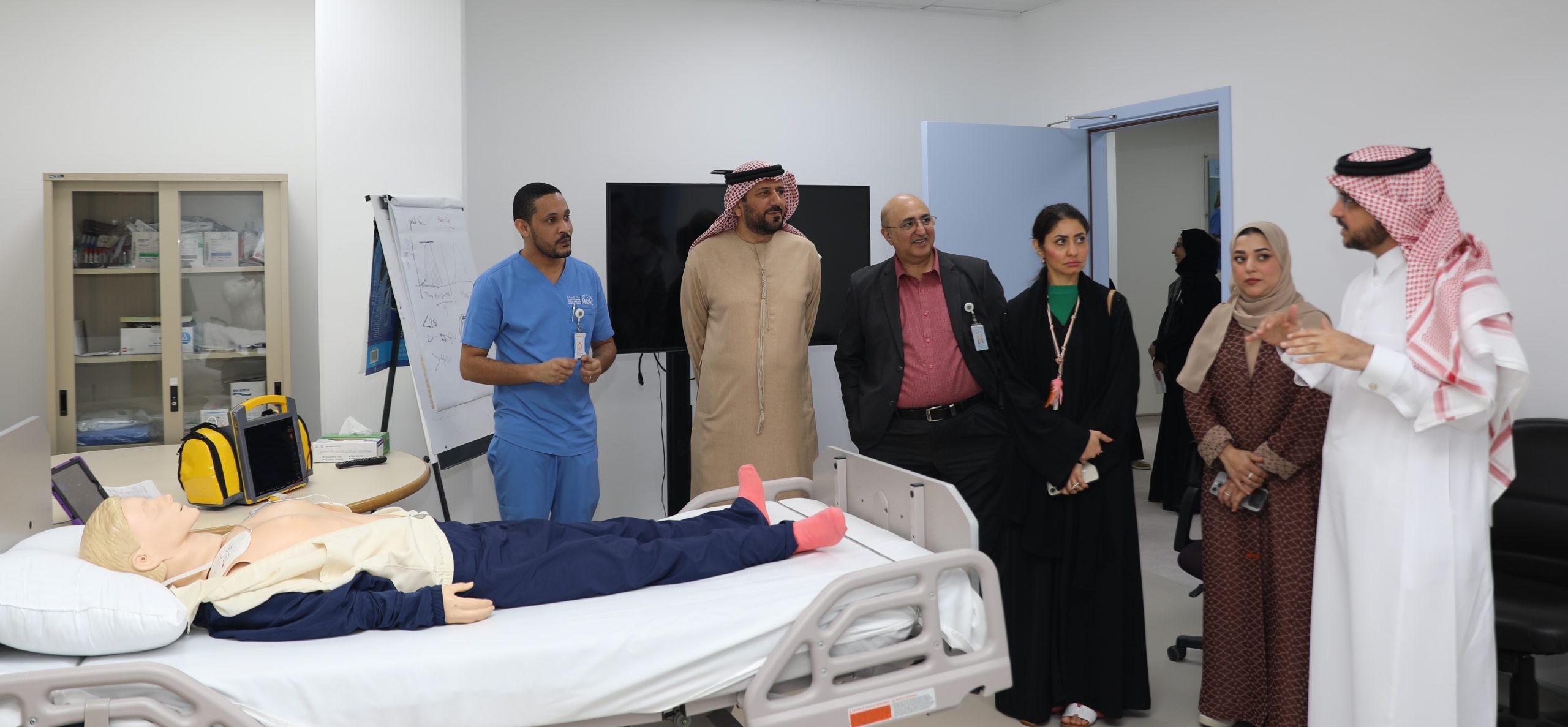
The visit concluded with a tour of AGU's facilities, where the delegation viewed the university's facilities, including research laboratories, the medical simulation centre, and the central library. At the end of the visit, the UoS Vice President and Dr Ghazi Al Otaibi, AGU President's Advisor, exchanged commemorative gifts, reaffirming the strong relationship between the two universities.
by ashokaib | Dec 23, 2024 | Uncategorized
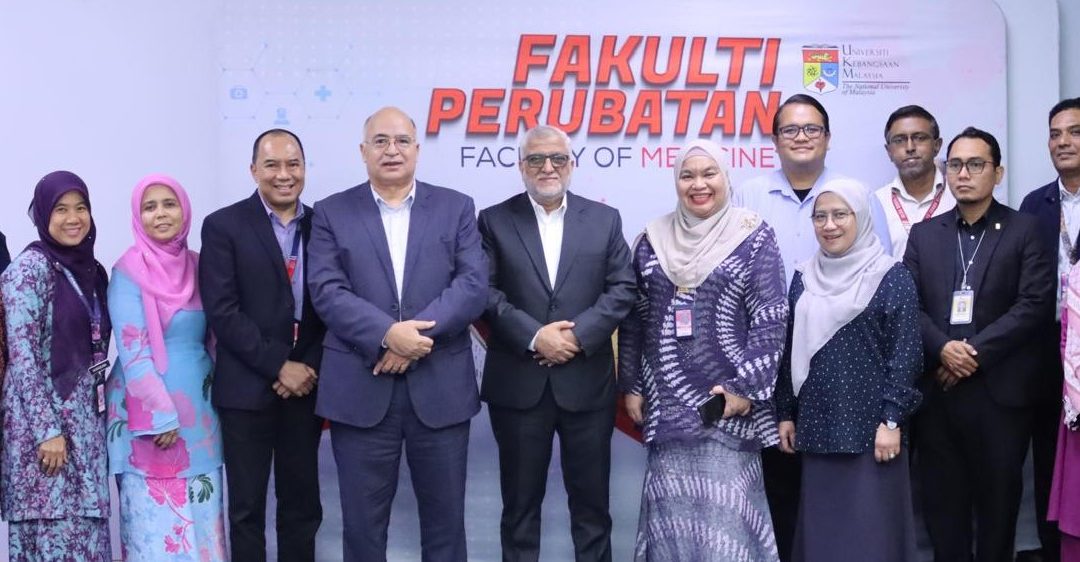
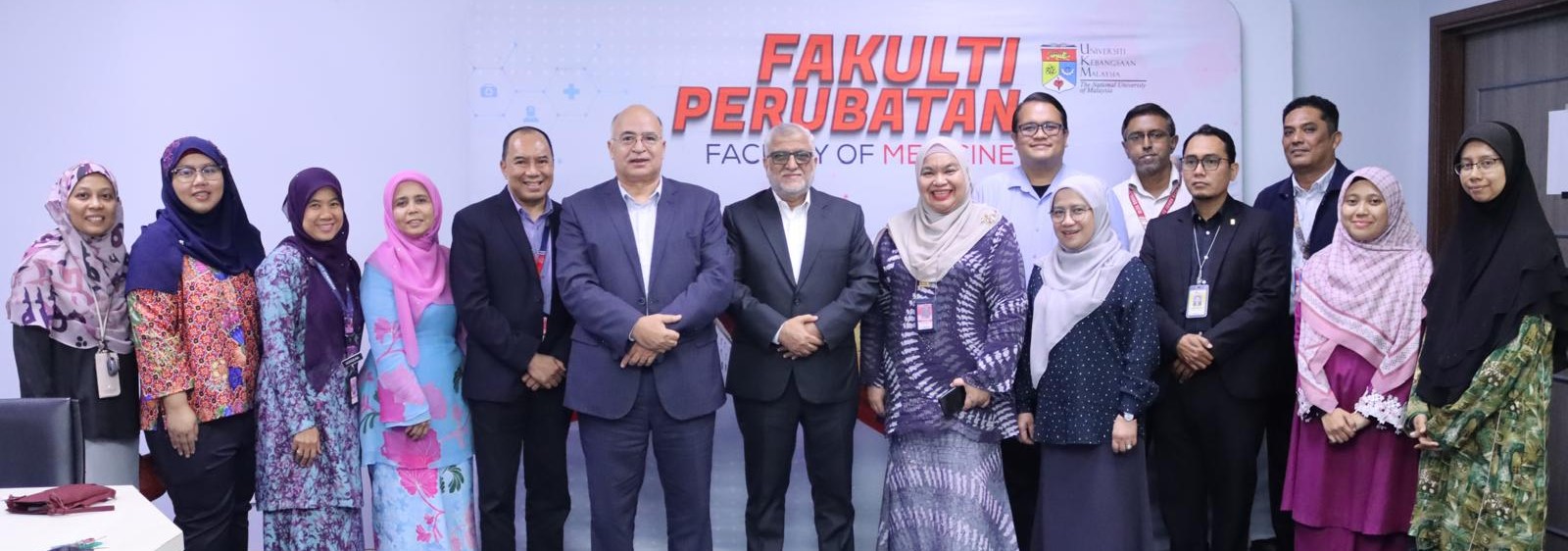
The Arabian Gulf University (AGU) and Universiti Kebangsaan Malaysia (UKM) have signed a memorandum of understanding (MoU) to enhance academic and research cooperation in several scientific and technological fields.
The agreement was signed during a ceremony at UKM's Kuala Lumpur campus. Dr Abdulrahman Yousif, Vice President for Administrative Affairs, represented AGU, while Prof. Roslee Rajikan, UKM's Vice President for Strategic Affairs, represented UKM.
The signing was witnessed by Prof. Dr Marina Mat Baki, Dean of the Faculty of Medicine at UKM, and Prof. Dr Abdelhalim Abdelfattah Deifallah, Dean of College of Medicine and Medical Studies at AGU as well as other senior officials from both universities.
The MoU encompasses several key areas of collaboration, including higher education, medical education, faculty and student exchange programmes, and the organisation of joint workshops and scientific and medical conferences. It also aims to develop joint curricula and research projects in various medical and health fields, fostering the exchange of expertise and knowledge between the two institutions.
Following the signing, Dr Yousif highlighted the importance of this partnership, emphasising its alignment with AGU's strategy to strengthen international cooperation and expand its academic network with leading educational institutions worldwide.
He specifically praised UKM, noting its ranking among the top five universities in Malaysia and among the top 200 globally, consistently appearing in leading university rankings, most recently placing 138th globally and 5th in Southeast Asia in the QS World University Rankings for 2024-2025.
He further explained that the MoU will support scientific research and innovation, curriculum development, student and faculty exchange, postgraduate supervision, postdoctoral academic exchange, and the joint organisation of international medical conferences and training workshops.
From his side, Prof. Dr Rajikan underscored that the collaboration with AGU represents a significant step towards strengthening ties between educational institutions in the Gulf region, the Middle East, and Asia. He expressed his delight at the fruitful cooperation with AGU, highlighting its esteemed academic reputation regionally.
He stated that the MoU reflects both universities' commitment to developing and deepening academic and research cooperation to improve the quality of education and develop scientific solutions to address contemporary challenges.
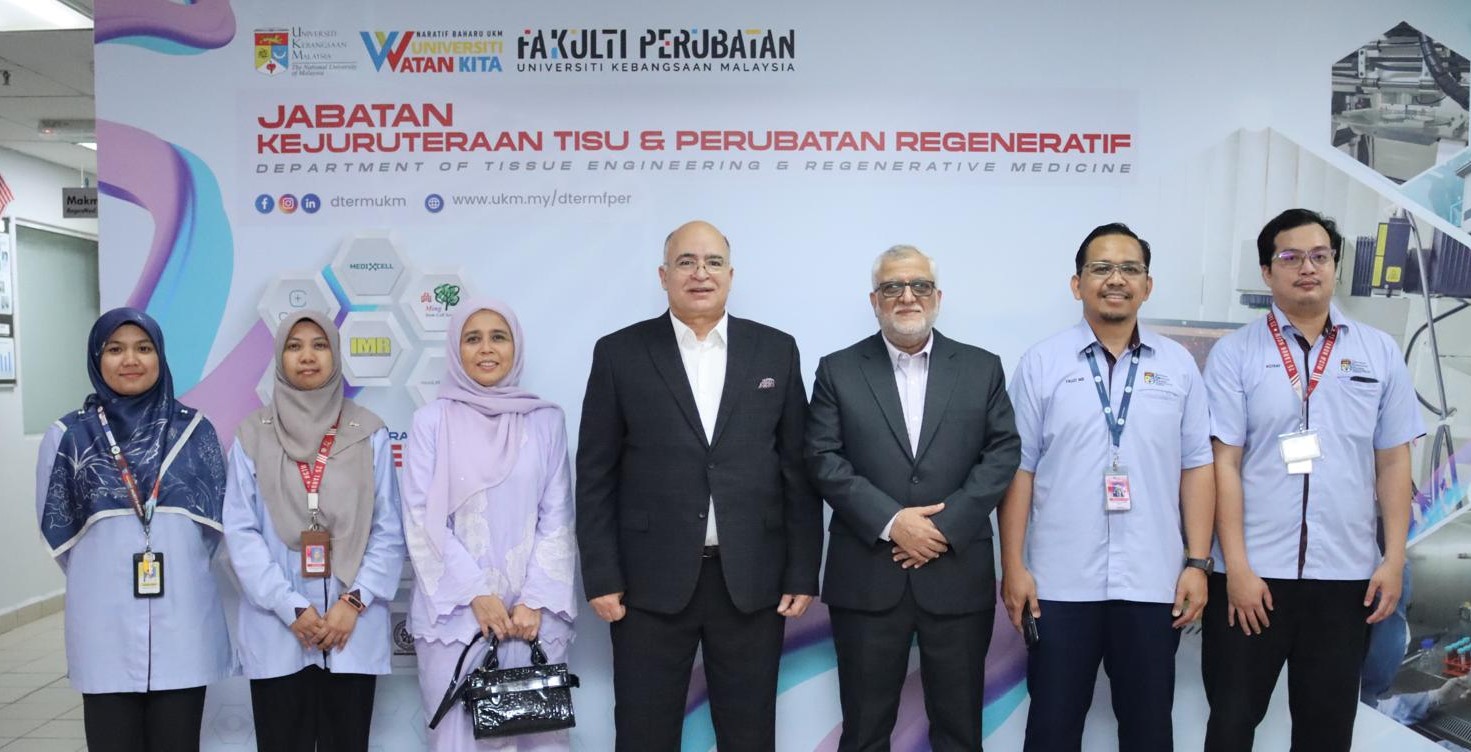
As part of the MoU signing, a promotional film showcasing AGU's development and its innovative educational programmes were presented. Following the ceremony, the AGU's representatives toured UKM's Faculty of Medicine and Faculty of Pharmacy, observing the university hospital and educational facilities.
They also visited various medical departments, including regenerative medicine, medical tissue engineering, gamma-ray oncology, and learned about rapid interventions for strokes and non-surgical brain tumor treatment.
by ashokaib | Dec 22, 2024 | Uncategorized
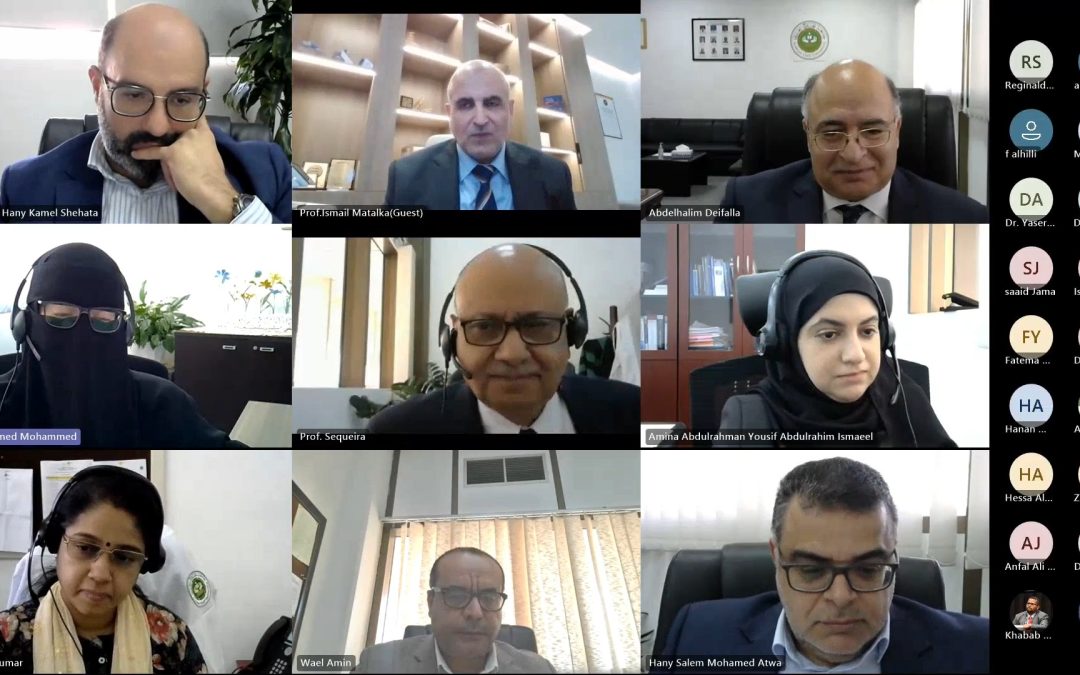
A virtual symposium organised by the College of Medicine and Health Sciences at Arabian Gulf University (AGU) addressed the issue of enhancing quality in health professions education to achieve compliance to performance. This event was held as part of the World Quality Week 2024 activities, aiming to highlight the significance of quality management and its role in developing medical education and health services, with a focus on transitioning from mere compliance to achieving high performance in line with international standards.
Experts in medical education engaged in discussions about the challenges and opportunities related to moving from compliance to high performance in health professions education, aligning with established international standards.
The symposium featured several experts and academics who emphasised the need to improve quality practices in medical education in order to keep pace with rapid developments in the health sector. They affirmed that quality is not merely about commitment to laws and standards, but is fundamental to achieving effective and sustainable performance in educational and health institutions.
In his opening remarks, Professor Abdelhalim Abdelfattah Salem Deifalla, Dean of College of Medicine and Medical Sciences at AGU, stated, "This symposium represents an important step towards fostering a culture of quality in medical education. the College of Medicine and Health Sciences at AGU is committed to equipping students and faculty with the latest tools and knowledge to enable them to achieve the highest performance levels, thereby enhancing the quality of health services in the region and globally". He added, "We are dedicated to developing an educational system that aligns with international standards and enhances the capacity of health professions to provide high-quality care to communities".
Professor Ismail Matalka, President of Ras Al Khaimah University of Medicine and Health Sciences, participated as a keynote speaker, emphasising the importance of academic accreditation and quality management in medical education. He remarked, "Academic accreditation is a fundamental pillar that ensures the sustainability and quality of medical education and should be a primary focus in developing educational and training curricula. By adopting a culture of quality and effective management, we can improve medical education outcomes and ensure that society is provided with exceptional healthcare professionals capable of addressing current health challenges".
Additionally, Professor Reginald Sequeira offered insights on the accreditation of medical programmes, while Professor Mohamed Hany Shehata discussed the impact of technology on enhancing the quality of medical education.
Associate Professor and Chair of the Quality Assurance Committee, Dr Rabab Ahmed, presented on the role of technology in improving the quality of education for graduate students. Quality specialist, Mr Khabab El Hag, outlined the transition from compliance to high performance in health professions education, highlighting the importance of fostering a culture of quality among students and faculty members.
The symposium concluded with a review of AGU’s achievements in meeting international accreditation standards such as ISO, ACCM, and WONCA, enhancing its status as a leading institution in medical education and healthcare at Gulf, regional, and international levels.
Participants also provided several recommendations to bolster the role of quality in the evolution of medical education, including enhancing the efficiency and professionalism of future physicians, regularly updating medical curricula to align with the latest developments in the field, focusing on interactive learning, integrating modern technology into medical education, and promoting a culture of comprehensive and continuous assessment.