by ashokaib | Nov 7, 2024 | Uncategorized
His Excellency Dr Saad bin Saud Al Fuhaid, President of the Arabian Gulf University (AGU), expressed his appreciation and gratitude for the significant support received by the medical education and healthcare sectors from His Majesty King Hamad bin Isa Al Khalifa, King of the Kingdom of Bahrain, and the continuous follow-up by His Royal Highness Prince Salman bin Hamad Al Khalifa, Crown Prince and Prime Minister, which contributes to the advancement of the educational, health and service systems in the Kingdom of Bahrain. At the same time, he commended the efforts of His Excellency Lieutenant General Dr Shaikh Mohammed bin Abdullah Al Khalifa, President of the Supreme Health of Council (SCH), for his unwavering support of AGU and his commitment to providing continuous training opportunities for newly graduated physicians.
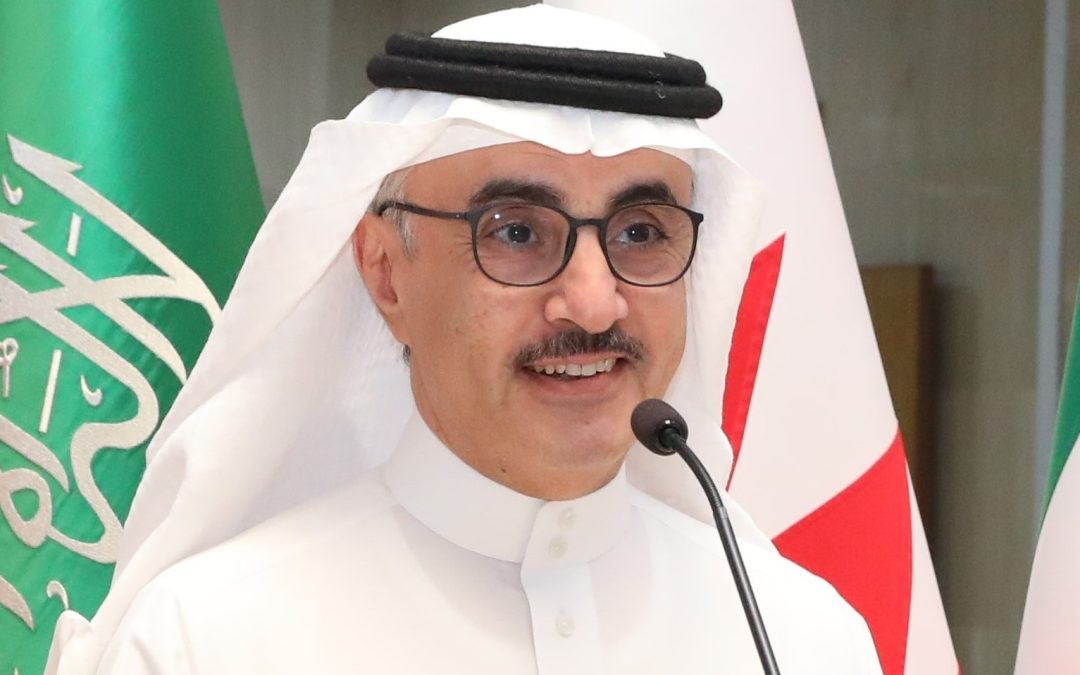
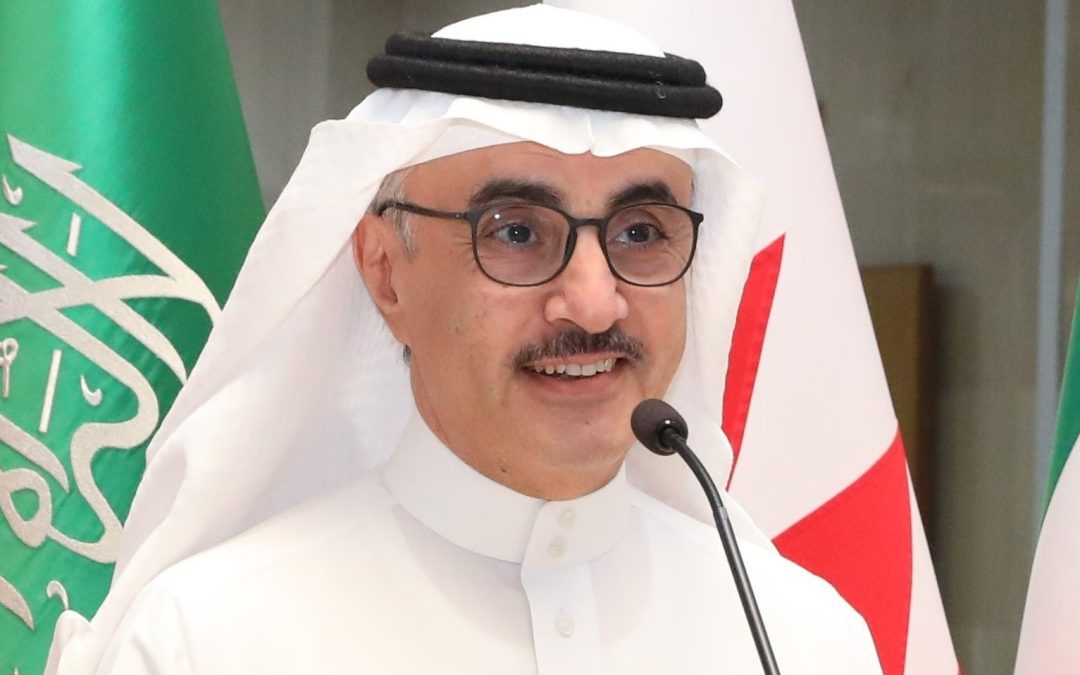
In his remarks on Bahraini Doctor’s Day, celebrated on the first Wednesday of November each year, Dr Al Fuhaid stated that the dedication of Bahraini doctors, academics in medical schools, and all professionals in the healthcare field in both the public and private sectors is both earnest and deserving of recognition and respect, stressing that their efforts significantly contribute to the comprehensive developmental journey of the nation.
Moreover, the President reiteration AGU’s commitment to enriching the Bahraini and GCC medical sectors with qualified personnel who are well-equipped with robust knowledge, medical ethics, profound experience and unwavering enthusiasm, underscoring that the university is also dedicated to offering precise and innovative academic specialisations at the undergraduate, master's, doctoral levels, as well as specialised professional diplomas.
Additionally, Dr Al Fuhaid reaffirmed AGU’s determination to continue achieving significant milestones that bolster its reputation as a distinguished Gulf institution committed to preparing a generation of physicians capable of functioning under all health circumstances in support of sustainable development goals.
The President noted that Bahraini Doctor’s Day is a significant occasion to reflect on the numerous humanitarian services and sacrifices made by doctors to ensure community safety. He highlighted the honourable and highly trusted reputation of doctors in Bahrain, which is a testament to the commitment, dedication and competence of Bahraini and Gulf physicians in general.
by ashokaib | Nov 6, 2024 | Uncategorized
His Excellency Dr Saad bin Saud Al Fuahid, President of the Arabian Gulf University (AGU), has issued a new directive regarding the formation of supervisors for research chairs that hold particular significance as they bear the names of several esteemed leaders of the GCC countries.
The directive encompasses the appointment of a group of expert specialists to oversee the various research chairs in alignment with their respective scientific fields. Prof. Dr Al Ajab Mohammed Al Ajab has been assigned to supervise the King Hamad bin Isa Al Khalifa Chair for Digital Education, while Dr Maha Al Sabbagh will oversee the Shaikh Zayed bin Sultan Al Nahyan Chair for Environmental Sciences. Additionally, Dr Sabah Saleh Al Jenaid has been appointed as supervisor for the Shaikh Hamad bin Khalifa Al Thani Chair for Geographic Information Systems, and Dr Afaf Mubarak Bugawa has been appointed to oversee the Shaikh Isa bin Salman Al Khalifa Chair for Technology Management.
Furthermore, Dr Abdelhadi Abdelwahab Mohamed will supervise the Sultan Qaboos bin Said Chair for Desert Cultivation, whilst Dr Mai Salah Sater has been appointed to oversee the King Fahd bin Abdulaziz Al Saud Chair for Medical Biotechnology. Prof. Mohammed Shahid will supervise the Shaikh Jaber Al Ahmad Al Jaber Al Sabah Chair for Clinical Microbiology and Immunology, and Dr Ahmed Mohammed Al Abbasi will supervise the recently established joint chair between the Arab Bureau of Education for the Gulf States (ABEGS) and AGU focused on Gulf identity and citizenship.
On this occasion Dr Al Fuhaid affirmed that AGU’s commitment to research chairs stems from its recognition of their vital role in advancing scientific research and directing relevant topics towards the most critical areas that meet the developmental, social and educational needs of the GCC countries. The university takes pride in the fact that these chairs are named after individuals who hold a special place in the hearts of the peoples of the GCC, who have graciously provided generous endowments to fund and establish these chairs, thereby enabling the university to fulfil its pioneering roles in scientific research.
Moreover, Prof. Waleed Zubari, Chairman of the Oversight Committee for the University's Research Chairs, and Dean of the College of Education, Administrative and Technical Sciences, highlighted that, under the directives of the university president, meetings will soon be convened with the supervising professors of the research chairs to develop a comprehensive work plan tailored to ensure their objectives are met in the domains of scientific research, education and training, in line with the university’s strategic plan for the next five years.
Commenting further, Prof. Zubairi said: “Through this meeting, we aim to define the necessary initiatives and programmes for the research chairs to contribute effectively to scientific research, education and training, ensuring their outputs are specific and measurable. This will support sustainable economic and social development in the GCC states. We will establish practical and realistic foundations enabling us to achieve a tangible impact that aligns with the university’s vision and its pioneering role in supporting scientific research and enhancing capacities within the GCC countries. Additionally, we will focus on strengthening collaboration with community institutions and industry sectors to enhance research applications and create sustainable communication channels, ensuring maximum benefit from the outcomes of the scientific studies conducted through these chairs.”
Through these research chairs, AGU aims to achieve several objectives aligned with the strategic goals of the GCC states in various areas, such as enhancing education, advancing communication technology, stimulating green economy and promoting investments in non-oil sectors, among others.
by ashokaib | Nov 4, 2024 | Uncategorized
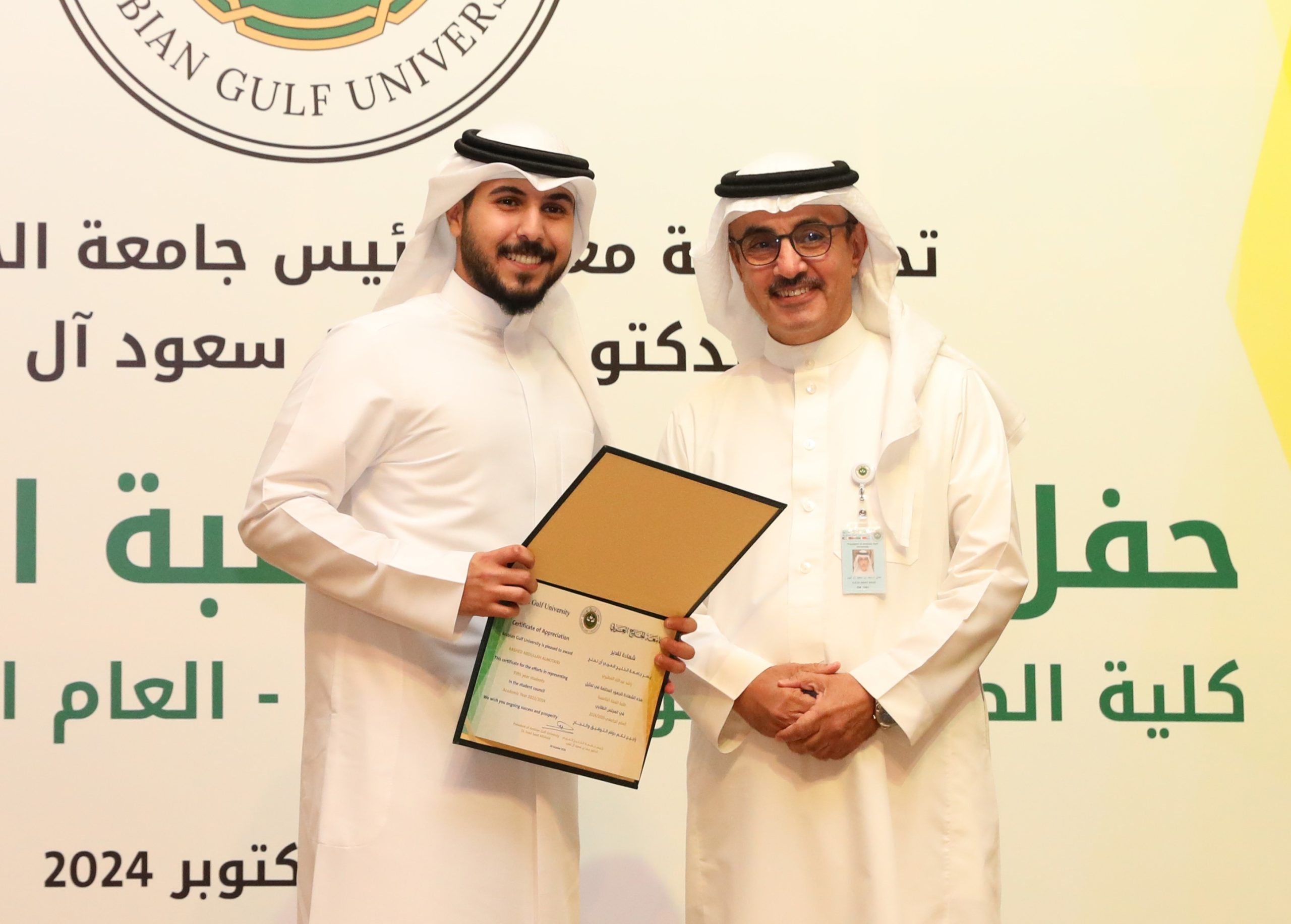
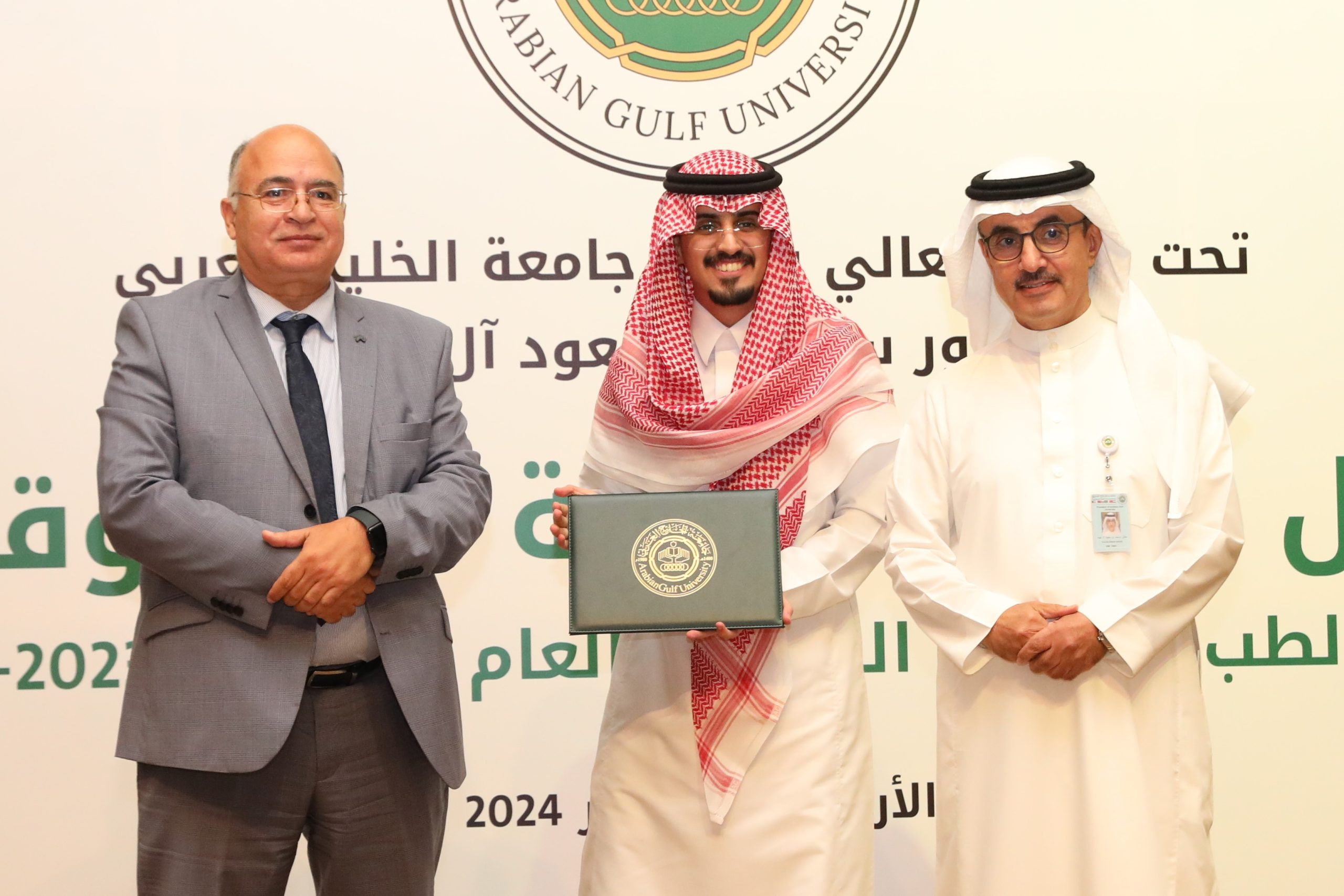
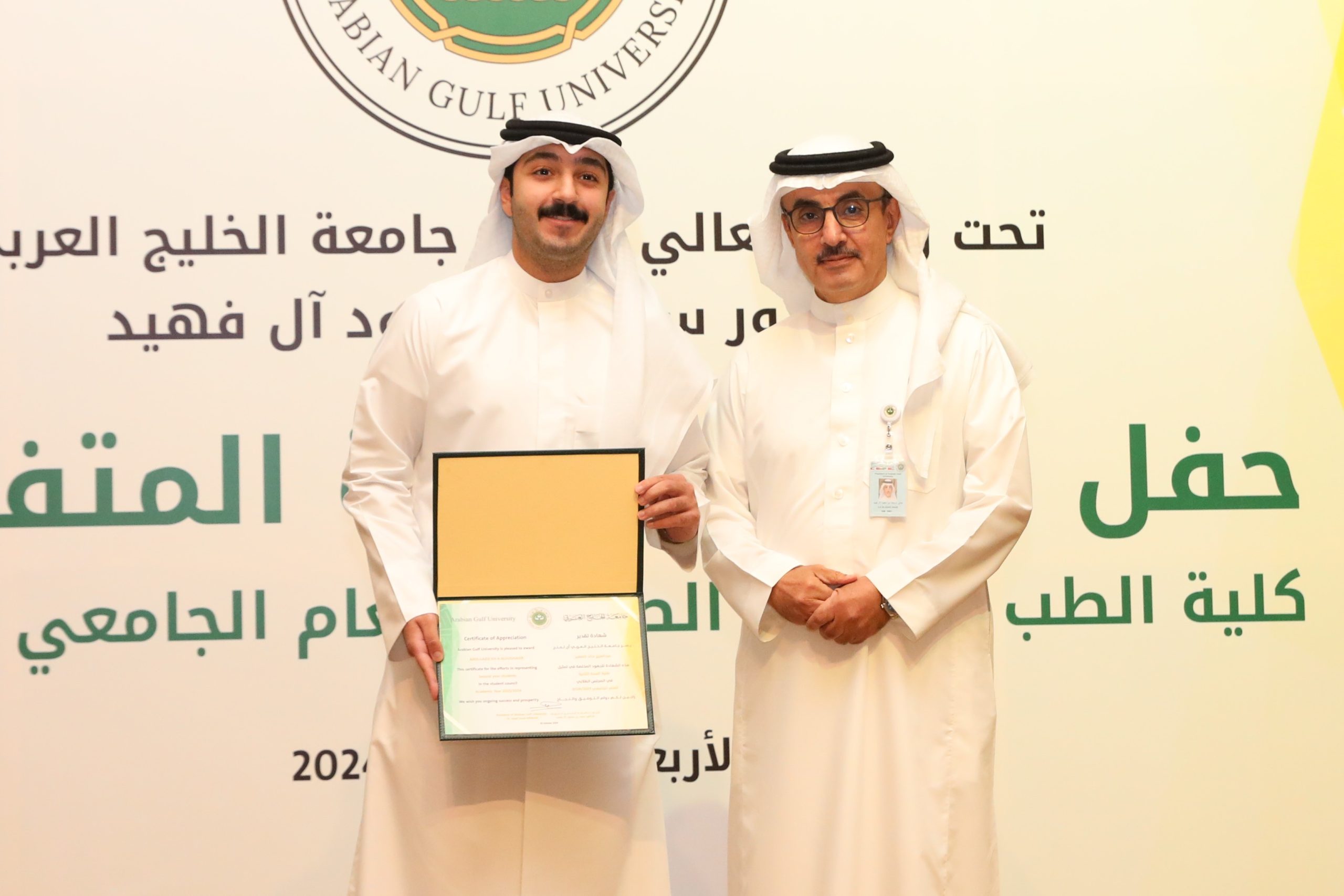
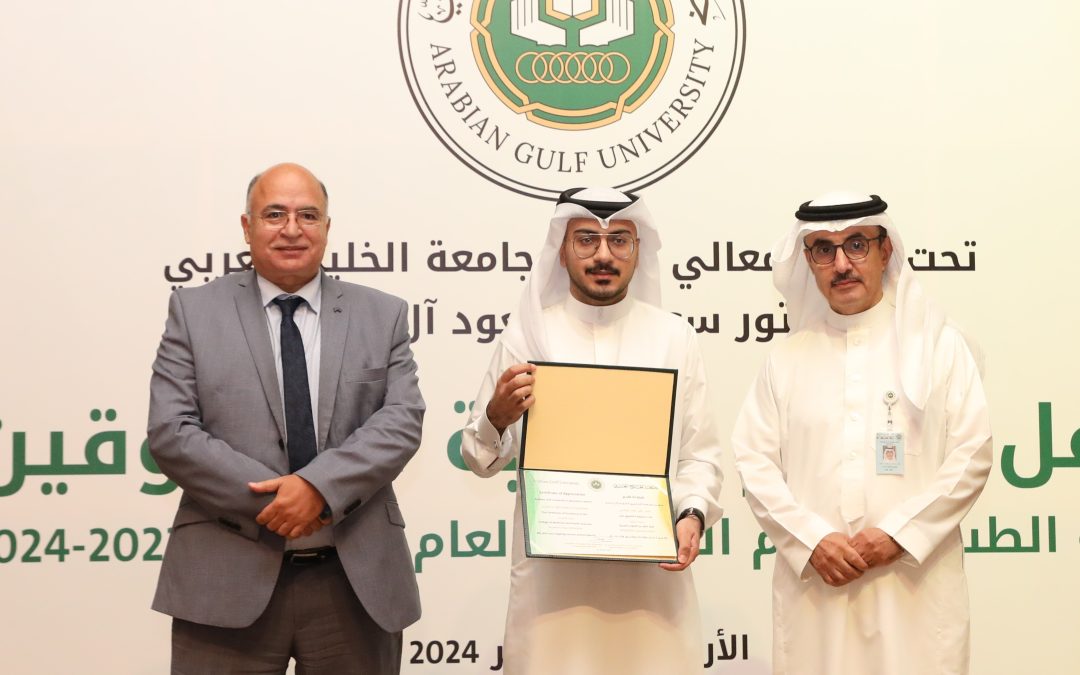
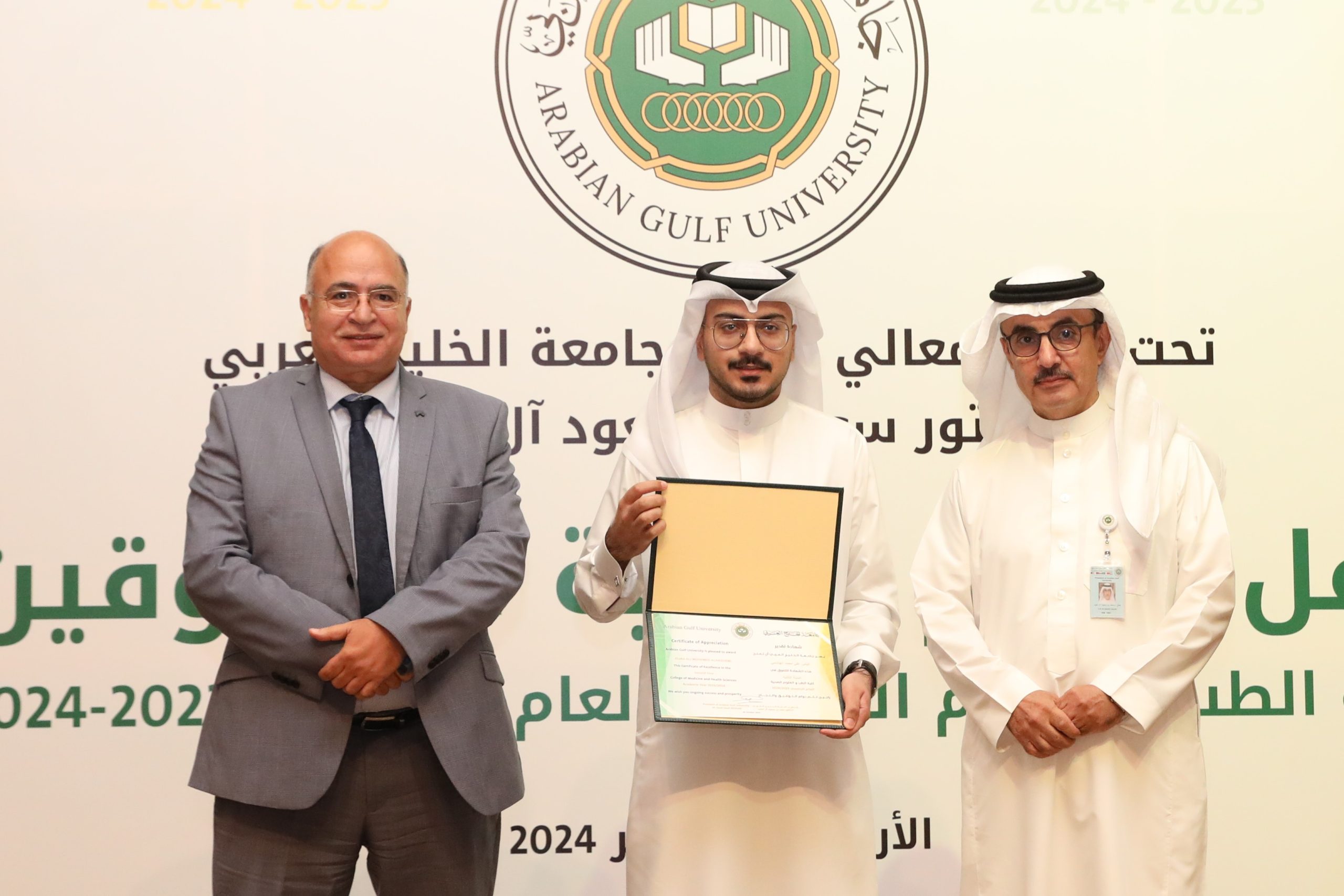
The Deanship of Student Affairs at Arabian Gulf University (AGU) organised a ceremony to honour outstanding students from the College of Medicine and Health Sciences for the academic year 2023/2024, in recognition of
their academic excellence and scientific dedication. The ceremony, which was held at Princess Al Jawhara Al Ibrahim Centre, witnessed the honouring of 250 students, 96 of whom received first-class honours, while 154 received second-class honours.
During his speech, the President of AGU, His Excellency Dr Saad bin Saud Al Fuhaid, expressed joy at honouring the students who were models of diligence and academic excellence. In the same context, he extended his gratitude to leaders of the Gulf States for their continuous support and keenness to provide the elements of success for AGU, in the belief of education’s role in arming generations to participate in the development process.
Dr Al Fuhaid stressed that AGU will support and encourage these ambitious students to continue their professional and academic journeys, noting that AGU has launched many initiatives that support excellence and innovation, and has allocated a special program to develop the capabilities of talented students in the College of Medicine.
For her part, student Aseel Yassir Al Anqoudi delivered a speech on behalf of her peers, during which she expressed their pride and appreciation for this ceremony which honoured their tireless efforts. She added, “This honour is not an individual success, but represents the fruitful culmination of a shared journey, where our esteemed instructors and families played a vital role in supporting and inspiring us.”
She continued, “The study of medicine is not limited to an academic path. It is a profound humanitarian journey that requires excellence in ethics and social dealings.” She stressed the students’ determination to preserve human dignity and comfort, concluding her speech with a promise of the students’ dedication to knowledge the pursuit of ambitions in serving humanity.
Members of the Student Council were also honoured at the ceremony for their distinction in managing various activities and events that enrich the students' knowledge and enhance their contribution to community service, combining theoretical knowledge and practical field experience.
by ashokaib | Nov 3, 2024 | Uncategorized
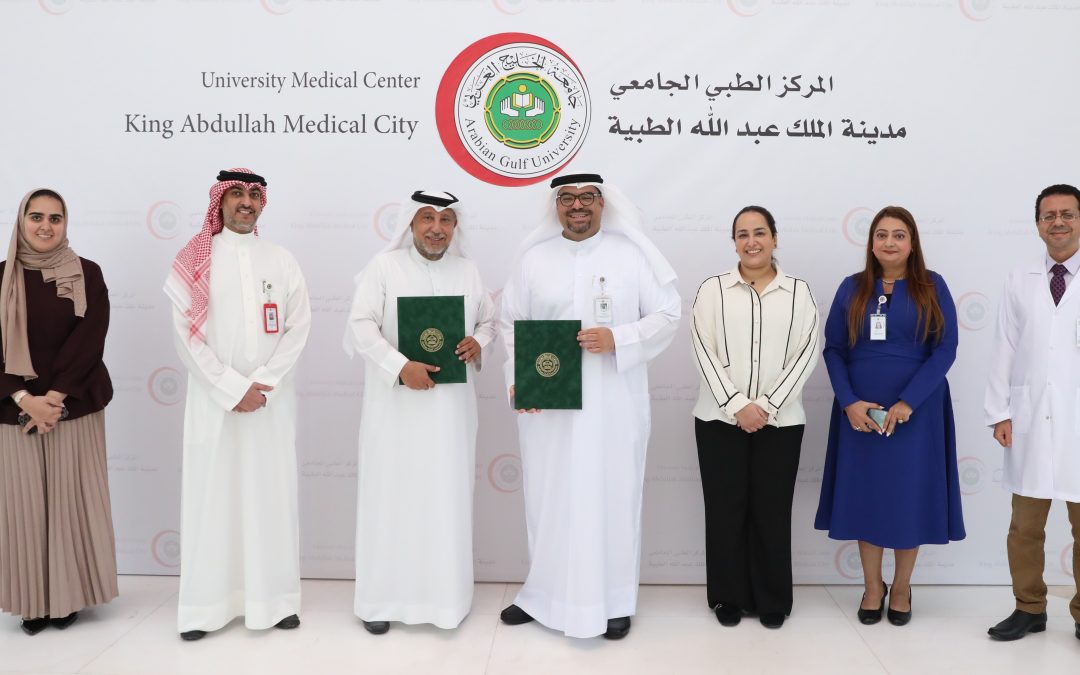
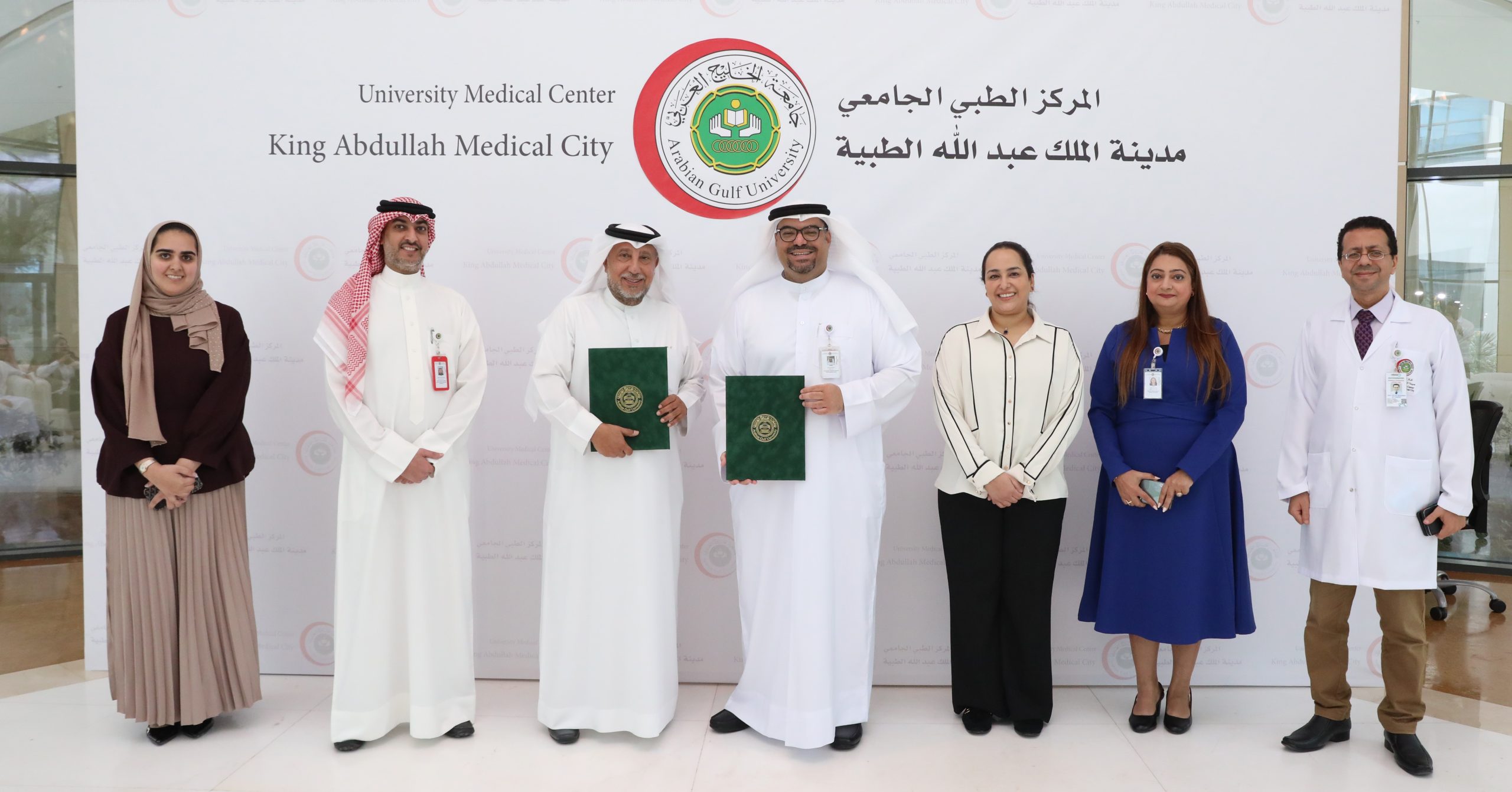
The CEO of the University Medical Centre (UMC) in King Abdullah Medical City, Dr Salman Hamad Al Zayani, signed a memorandum of understanding with the President of the Bahrain Society for Children with Behavioural and Communication Difficulties, Dr Shaikha Rania bint Ali Al Khalifa, signed on her behalf by Board Member, Mr Fathi Abdulrahman Matar. The agreement aims to deepen cooperation in the field of scientific research and training, providing specialised medical services to students with disabilities.
During the signing, Dr Al Zayani stressed that Arabian Gulf University (AGU) and its affiliate UMC pay great attention to people with disabilities through support, research, and academic programs that qualify competent specialists that assist in their integration into society and provide a stimulating environment to facilitate equal living conditions in accordance with humanitarian principles. This with the aim of empowering people with disabilities to achieve comprehensive development while distinguishing the Kingdom of Bahrain in the field of specialised medical research and services.
For her part, Dr Shaikha Rania bint Ali Al Khalifa welcomed this cooperation with UMC that contributes to treating various disorders that people with disabilities suffer from. She explained that building partnerships with medical service institutions activates comprehensive strategies to enhance the quality of life for disabled children and adolescents, in addition to promoting innovative practices in the fields of education and care.
It is noteworthy that UMC, which is at the heart of King Abdullah Medical City, provides high-quality medical services covering all specialties, including genetic diseases, chest diseases, dermatology and plastic surgery, physiotherapy unit, obesity surgery, family medicine and nutrition, urology, neurology, paediatrics, general surgery and endoscopy, cardiology, dentistry, internal medicine and nephrology, obstetrics and gynaecology, in addition to emergency and ambulance services, ENT, radiology, laboratory, pharmacy, and short-stay unit.
by ashokaib | Nov 3, 2024 | Uncategorized
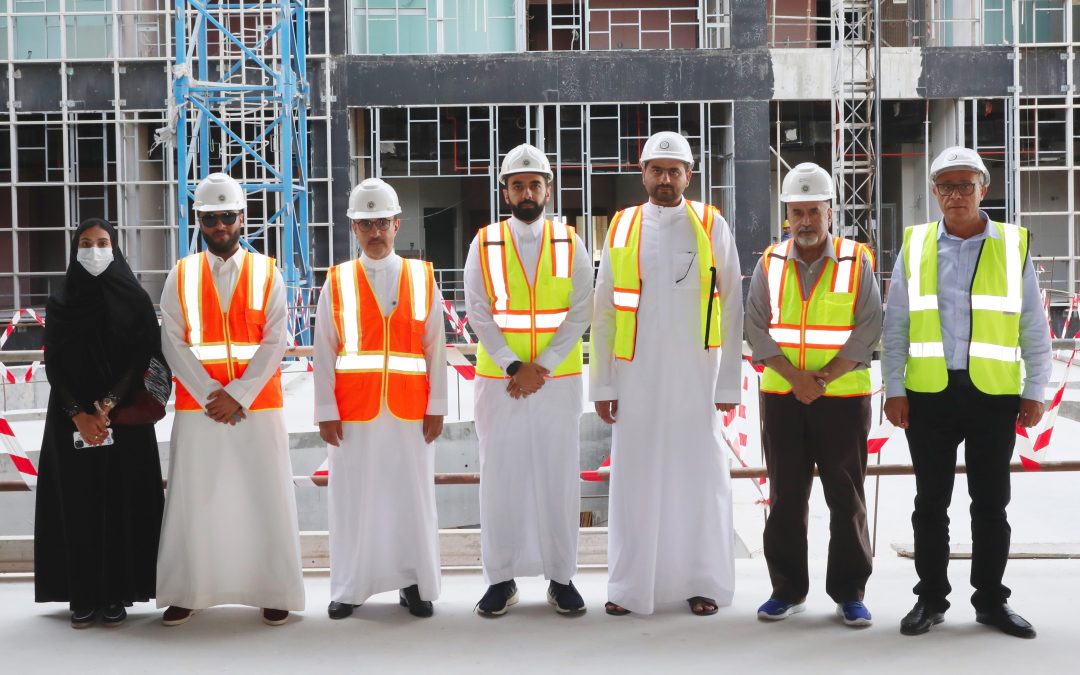
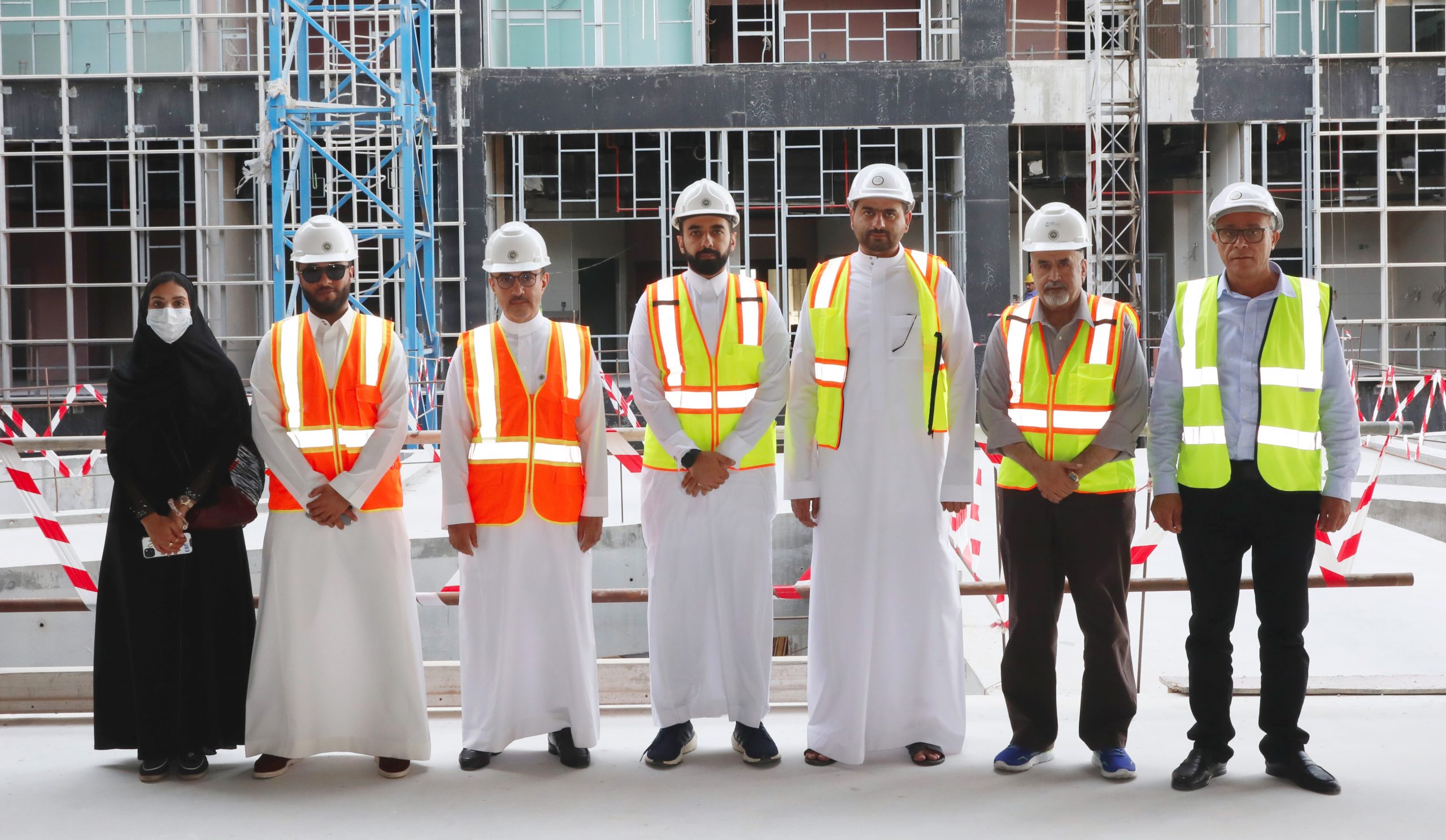
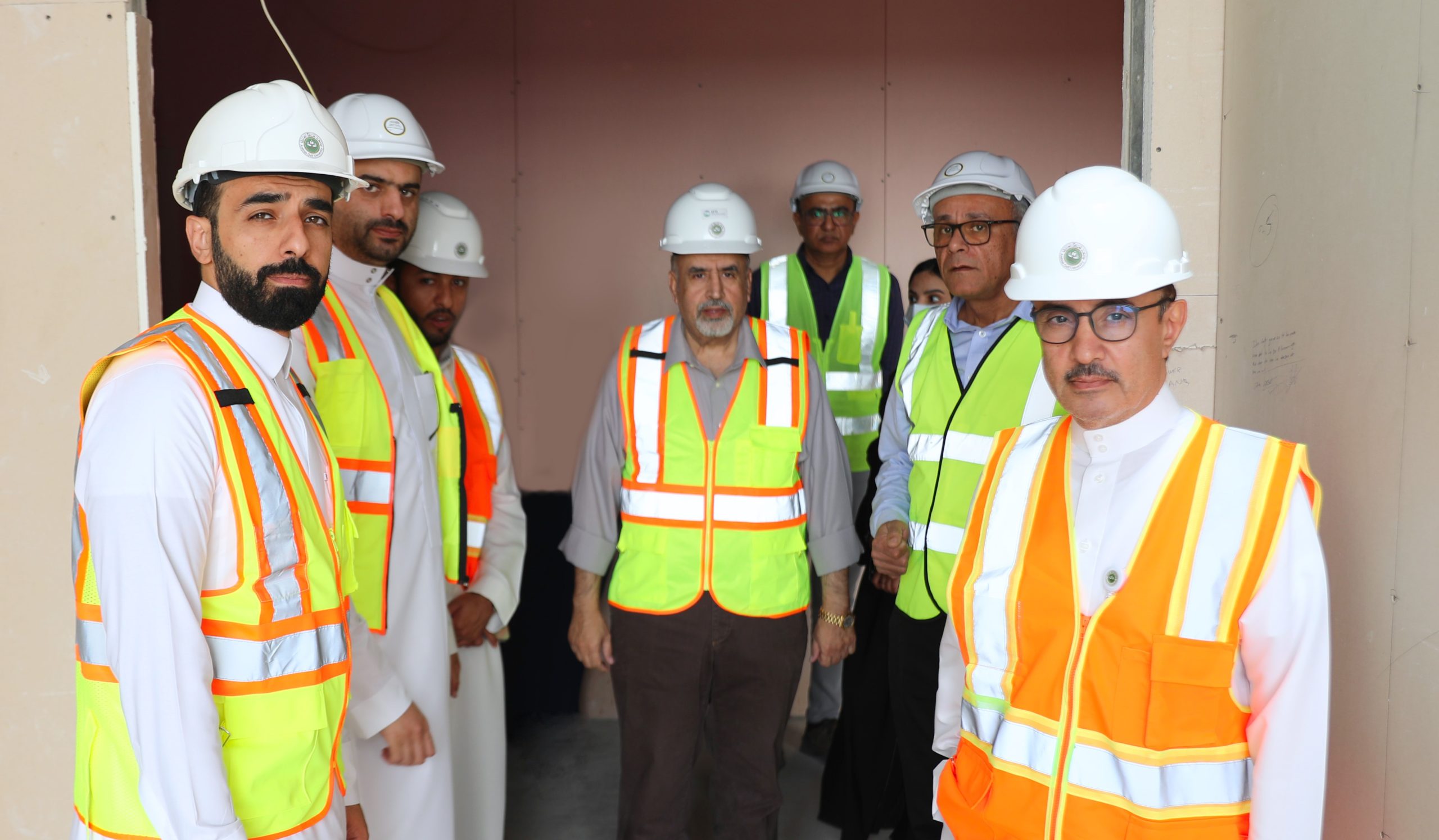
Dr. Saad bin Saud Al Fuhaid, President of the Arabian Gulf University (AGU), met with a delegation from the Saudi Fund for Development (SFD) to review the final stages of the King Abdullah bin Abdulaziz Medical City, one of the largest health and academic projects in the region affiliated with the AGU. Representatives from SaudConsult, the project’s engineering consultancy, and Alfouzan Construction Company attended to ensure coordination for the project’s timely completion in line with the highest quality standards.
Following the meeting, the president and the delegation toured the medical city buildings, inspecting the facilities and advanced technologies that meet international standards, positioning the medical city among the region’s leading health institutions. This project is expected to address the needs of Bahrain and the Gulf’s health and medical education sectors by providing advanced medical services and a hands-on training environment that enhances students’ technical and medical skills.
The King Abdullah bin Abdulaziz Medical City project reflects the stro’g bond between the leadership and the people of Bahrain and Saudi Arabia. The late King Abdullah bin Abdulaziz Al Saud allocated SAR 1 billion to build a medical city for Arabian Gulf University to serve Bahrain and the GCC. In turn, His Majesty King Hamad bin Isa Al Khalifa allocated a one-square-kilometre site in southern Bahrain for the project. The design includes three separate buildings connected by corridors.
The first building houses an emergency and imaging unit on the ground floor, with clinics and doctors’ offices on the three upper floors. The second building includes a storage area, central igitalizedn supplies, a morgue, a central pharmacy, and a main kitchen on the ground floor, while the upper floors contain the academic centre, cafeteria, administrative offices, operating rooms, and clinical laboratories.
The third and largest building is an eight-storey tower with 274 single rooms on separate floors allocated to various specialities. The ground floor features a rehabilitation centre, an information and communications technology centre, security and safety offices, and a maternity wing. The hospital will offer services across four main specialities: internal medicine, paediatrics, surgery, and obstetrics and gynaecology, in addition to all major subspecialties. It includes 37 intensive care beds, 40 isolation rooms, 12 beds for obesity treatment, two royal suites, and 10 VIP suites.
Designed as a teaching hospital, it includes dedicated rooms on each floor for student activities and a conference hall. It will be fully igitalized, with all systems interconnected. King Abdullah University Hospital is more than an ordinary hospital; it integrates clinical care, medical education, and scientific research to meet patients’ evolving healthcare needs in line with best medical practices. AGU views King Abdullah bin Abdulaziz University Hospital (KAAUH) as a model for innovative healthcare, training, and transformative research, hoping it will become a leading academic medical centre in the Middle East.


 their academic excellence and scientific dedication. The ceremony, which was held at Princess Al Jawhara Al Ibrahim Centre, witnessed the honouring of 250 students, 96 of whom received first-class honours, while 154 received second-class honours.