by ashokaib | Oct 31, 2024 | Uncategorized
The College of Education, Administrative and Technical Sciences at the Arabian Gulf University (AGU) has accepted the fourth cohort of its Professional Diploma in Waste Management programme, developed in collaboration with the university’s Community Service, Consultation, Training and Continuing Education Centre. The programme has achieved substantial local and regional success since its inception in 2021, attracting significant interest from various governmental and private sectors in the GCC countries, including municipal, industrial, healthcare, educational and business sectors.
Dr Sumaya Youssef, programme coordinator and Assistant Professor of Environmental Engineering at the Centre for Biological and Environmental Studies within the College, announced that the launch ceremony for the new cohort will take place on November 3, 2024. She highlighted that since its launch, the programme has produced 56 graduates who are seasoned professionals in sustainable waste management, contributing positively to the development and transition of GCC societies towards sustainability in alignment with the Sustainable Development Goals for 2030.
Expressing her pride in the enrolment of 32 participants in the fourth cohort from the Kingdom of Saudi Arabia, the Kingdom of Bahrain and the United Arab Emirates, Dr Youssef noted that most of them are distinguished leaders in the waste management sector, representing various fields concerned with resource sustainability, environmental preservation and the circular economy.
The diploma programme is characterised by its flexibility, offering evening classes through a dual mode of both virtual and in-person learning. It receives direct support from the United Nations Environment Programme (UNEP) Regional Office for West Asia and is accredited by the Chartered Institute of Waste Management (CIWM) in the United Kingdom.
Commenting on the occasion, Dr Youssef said: “The challenges faced by countries worldwide, particularly those related to climate change and the increasing rates of waste generation and its repercussions on community sustainability, necessitate urgent action and effective collaboration among all stakeholders. At a time when waste management and pollution have become global environmental priorities, waste is increasingly seen as a vital resource for numerous industries and a key tool for investment in the circular economy, which can diversify economies, enhance employment opportunities, improve quality of life and contribute to achieving the Sustainable Development Goals.”
In this context, AGU has committed to addressing current and future challenges through the introduction of several distinguished and unique academic and professional programmes aimed at enhancing the capabilities and skills of its students, promoting innovation, green technology and the circular economy. This commitment focuses on environmental protection and community sustainability while transforming unsustainable consumption patterns that exacerbate the waste problem, thereby positively impacting health, the environment, the economy and society.
It is noteworthy that the Professional Diploma in Waste Management programme has received accreditation from the CIWM in the United Kingdom, making it the first of its kind in the Gulf and Arab region to achieve this international recognition.
by ashokaib | Oct 31, 2024 | Uncategorized
His Excellency Dr Saad bin Saud Al Fuhaid, President of the Arabian Gulf University (AGU), has announced the approval of the university’s new organisational structure, designed to streamline its administrative operations within a comprehensive framework that clarifies roles and responsibilities. This structure and its accompanying organisational guide represent a strategic step towards ensuring that the university operates at the highest standards of quality. It provides a reference for decision-makers and staff, outlining the duties of various departments, colleges, councils, centres and units, as well as clarifying administrative jurisdictions according to different organisational levels.
The aim of this structure is to enhance coordination among administrative units and prevent task overlap, thereby improving performance quality and achieving the university’s strategic objectives. It ensures the effective organisation of operations and a clear understanding of roles and responsibilities among employees, supporting the implementation and development of strategic plans.
The adoption of this new organisational structure reflects AGU’s vision to reinforce its position as a leading academic and research institution in the region. It also aligns with the university’s commitment to advancing its organisational framework in accordance with the best global practices in higher education and university management.
In this regard, Dr Al Fuhaid emphasised the significance of the structure as a qualitative addition that contributes to enhanced operational efficiency and reinforces principles of transparency and accountability in administrative performance. He outlined the university’s ambition to create a sustainable and innovation-friendly work environment through strengthened coordination between various departments and units, ensuring clarity in powers and responsibilities.
Furthermore, the structure and organisational guide establish a hierarchical framework for responsibilities at both the academic and administrative levels, detailing the reporting relationships among colleges, departments, and units. According to the new organisational guide, the structure establishes two vice-presidential roles: Vice President for Academic Affairs and Research, tasked with ensuring the university’s academic and research excellence by overseeing and developing academic programmes, fostering a research-friendly environment, and supporting scientific innovation to fulfil the university’s strategic vision. The Vice President for Support Services and Institutional Support is responsible for ensuring effective administrative and operational support across all university units, aimed at enhancing institutional performance and excelling in the delivery of academic and research services.
Under the new organisational structure, several administrative units have been established, including an Internal Audit Unit focused on enhancing transparency and accountability while improving the efficiency of administrative and financial processes through independent audits. In addition, a Legal Affairs Unit has been created to provide comprehensive legal support, ensuring compliance with laws and safeguarding the university’s interests, while promoting sound governance practices.
The efforts of the Media Department and the Public Relations Department have been combined into a Corporate Communications Unit, aimed at enhancing the university’s image and reputation at both the regional and international levels through integrated marketing strategies and public relations that support the achievement of the university’s goals and expand its presence across various sectors.
The Quality Assurance Centre has been updated to become the Quality Assurance and Strategic Planning Centre, with the goal of achieving institutional excellence through the promotion of a culture of quality and excellence, developing effective strategic plans that support the university’s objectives and ensure continuous improvement in academic and administrative performance.
In response to the challenges of communication and digital technologies, the Information Technology Department has expanded to include new offices and units, such as a Cybersecurity Office, a Technical Project Management Office, and a Networks and Infrastructure Unit.
Concluding his statement, Dr Al Fuhaid affirmed that the university will continuously monitor the implementation of the new organisational structure through ongoing oversight mechanisms and will provide the necessary resources and training for staff. He expressed hope that this organisational guide will serve as a cornerstone for the university to fulfil its developmental plans, thereby meeting the aspirations of Their Majesties and Highnesses, the leaders of the GCC states, and contributing to the comprehensive development trajectory of the Arabian Gulf community.
by ashokaib | Oct 30, 2024 | Uncategorized
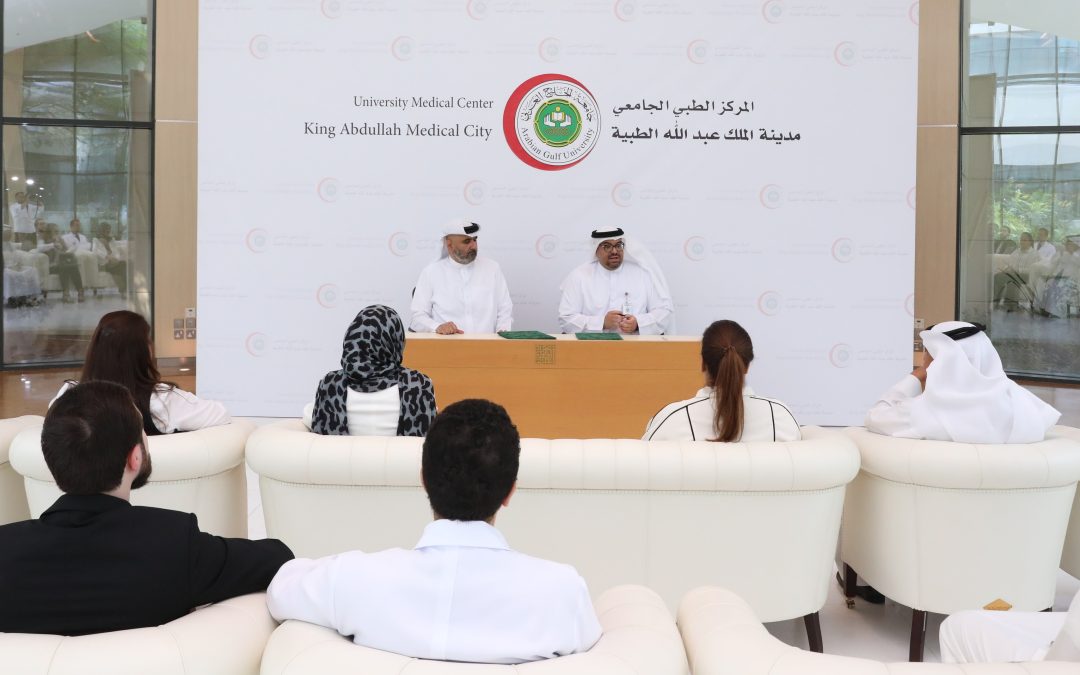
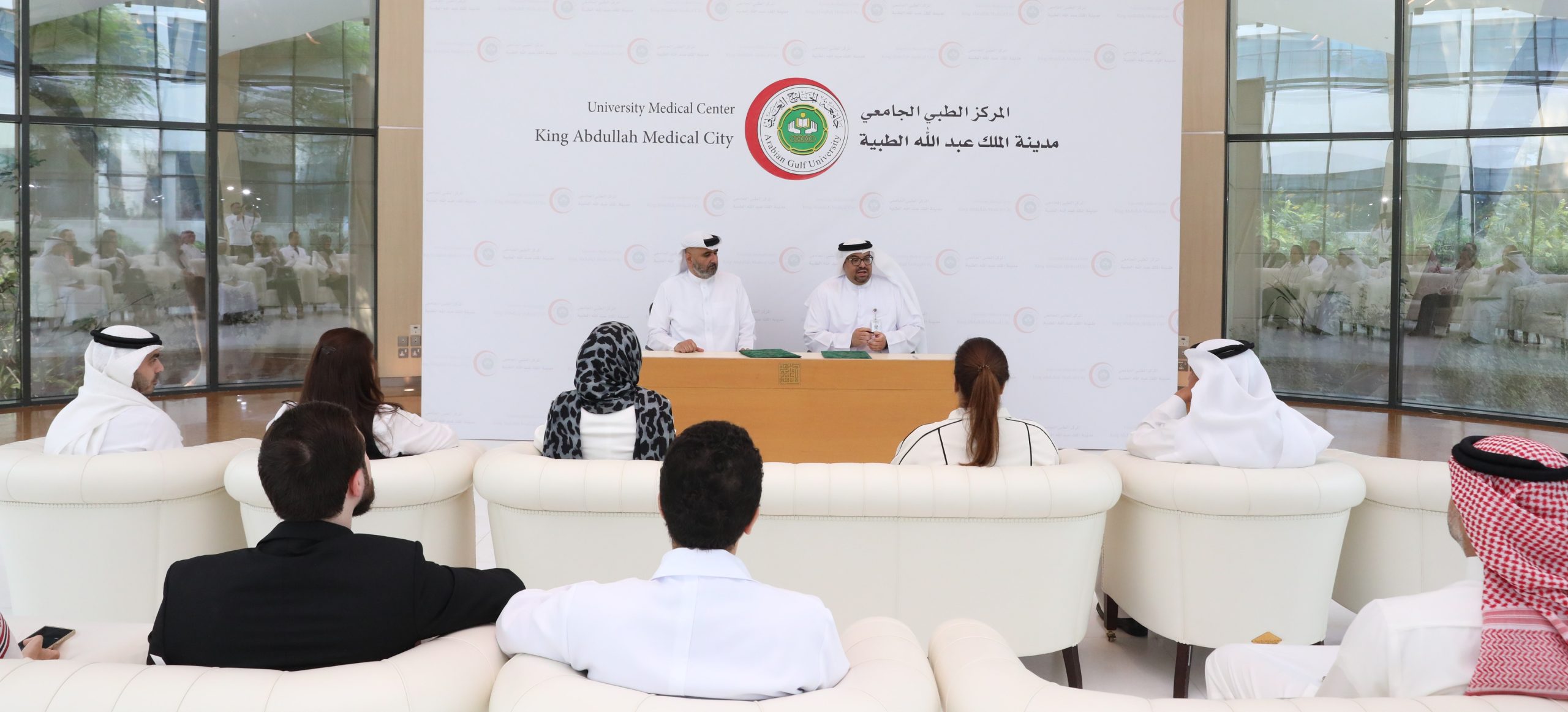
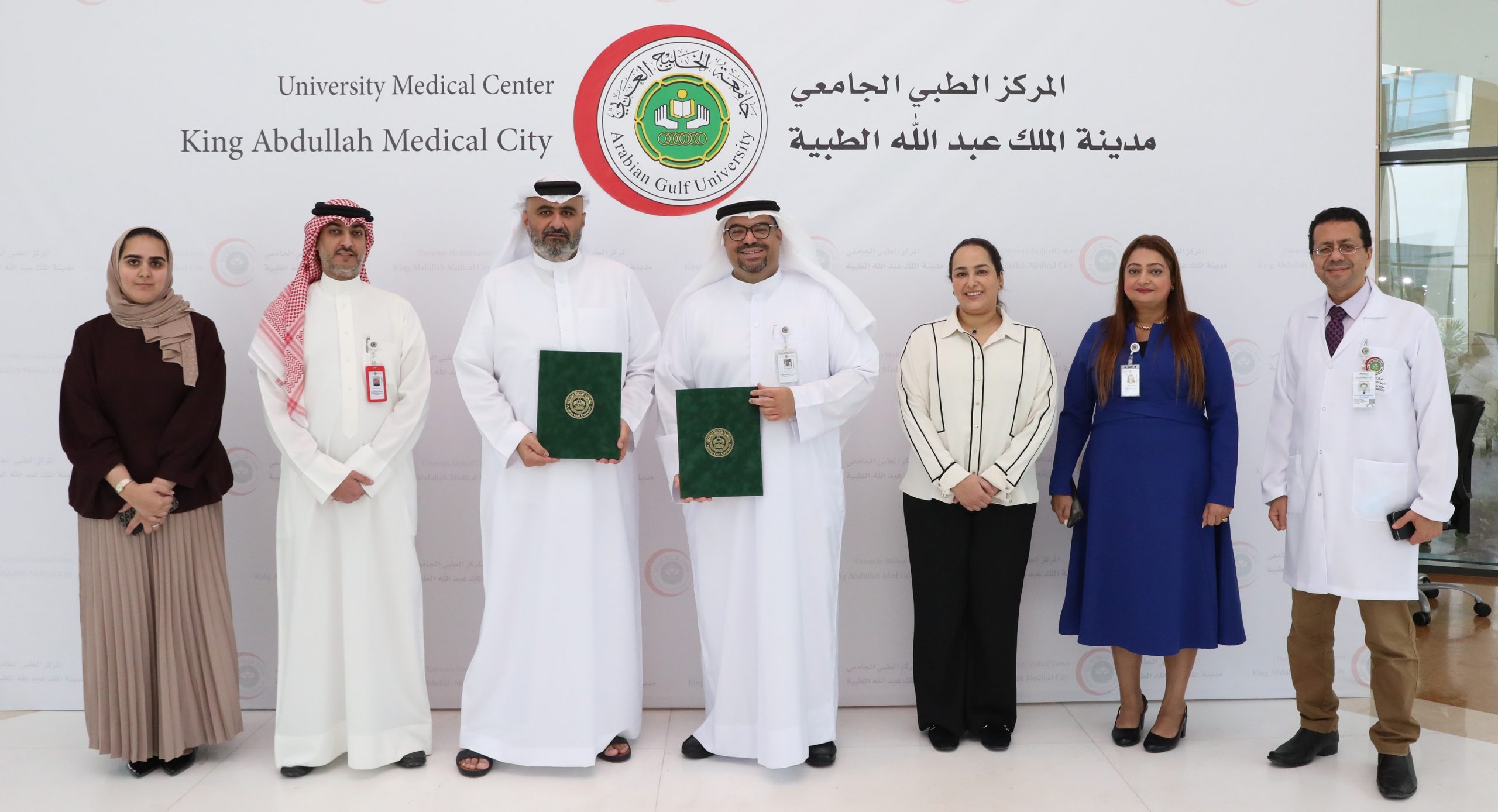
The CEO of the University Medical Centre (UMC) - King Abdullah Medical City, Dr Salman Hamad Al Zayani, signed a cooperation agreement with the Financial Secretary and Board Member of Muharraq Football Club, Mr Abdul Nasser Al-Rayes, to provide medical care for the club's players by an elite group of doctors and consultants specialised in sports injuries at UMC.
During the signing ceremony, Dr Al Zayani, stated that this agreement comes within the framework of enhancing the level of health and medical care for players, providing a safe environment that supports their athletic careers. He expressed his pride in deepening joint cooperation with one of the largest and most prestigious sports clubs in the Kingdom of Bahrain.
This cooperation enhances UMC’s commitment to providing medical services to the sports sector in the Kingdom of Bahrain in a manner that guarantees the highest level of care delivered in the field of sports medicine and treatment of various sports injuries. UMC is preparing to open the latest diagnostic radiology department in the Kingdom of Bahrain, after purchasing the latest magnetic resonance imaging, CT scan and ultrasound imaging devices, alongside the presence of the best medical, nursing and technical staff, which consolidates the position of UMC as a leading destination for sports medicine in the region.
For his part, the Financial Secretary and Member of the Board of Directors of Muharraq Club, Mr Abdul Nasser Al-Rayes, expressed his happiness with this cooperation, which reflects great interest in athletes by providing health and medical care to improve their performance, help them recover from various injuries, and prevent future injuries. He explained that the club's management is working diligently with sports medicine experts to ensure the best recovery plan for athletes affiliated with the club.
It is noteworthy that UMC, which is at the heart of King Abdullah Medical City, provides high-quality medical services covering all specialties, including genetic diseases, chest diseases, dermatology and plastic surgery, physiotherapy unit, obesity surgery, family medicine and nutrition, urology, neurology, paediatrics, general surgery and endoscopy, cardiology, dentistry, internal medicine and nephrology, obstetrics and gynaecology, in addition to emergency and ambulance services, ENT, radiology, laboratory, pharmacy, and short-stay unit.
by ashokaib | Oct 30, 2024 | Uncategorized
The Community Service, Consultation, Training and Continuing Education Centre at the Arabian Gulf University (AGU) has announced the opening of registration for the second cohort of the Professional Diploma in Science, Technology, Engineering and Mathematics (STEM)until December 4, 2024. This initiative aims to prepare educators capable of professional practice and to keep pace with developments in the educational field, particularly within the STEM programme, thereby enabling them to tackle significant challenges faced by the GCC states.
Prof. Waleed Zubari, Dean of the College of Education, Administrative and Technical Sciences at AGU, stated that this professional diploma, launched in collaboration with the University’s Community Service, Consultation, Training and Continuing Education Centre, has garnered significant success and engagement from education professionals. It has been meticulously designed to enhance teachers’ abilities and develop their skills in interactive teaching, addressing global technological challenges through the refinement of their capabilities in applying educational activities, digital applications and conducting investigative research to enrich the educational process.
The STEM education philosophy, as noted by Prof. Zubari, emphasises the importance of learning STEM as essential requirements for the 21st century. This aligns with the objectives and visions of the GCC for 2030, aiming to enhance education that effectively contributes to economic progress and sustainable development. The diploma seeks to empower educators, equipping them with skills rooted in practical experience, research, analytical thinking and active experiential learning based on problem-solving.
Furthermore, the diploma particularly focuses on fostering integration among scientific disciplines, optimal utilisation of technology, and supporting self-assessment skills, all while adhering to contemporary global trends in teacher preparation based on the integrated science approaches of STEM education.
The Community Service, Consultation, Training and Continuing Education Centre aims to present this professional diploma to teachers across the education sector in GCC countries to elevate their competencies and provide suitable training, allowing them to serve the educational sector professionally, in line with ongoing digital and technological advancements. The Centre is firmly committed to the pivotal role of the teacher in enhancing and developing the educational process on various fronts. The response and feedback from the first cohort of this programme have been overwhelmingly positive.
On the occasion, Dr Afaf Bugawa, Director of the Centre for Community Services, Consultancies, Training and Continuing Education, said: “Continuous education and training are among the most important pillars of education reform, and the teacher is the primary active partner in this process. It is their responsibility to promote interactive education and test innovative learning and teaching concepts through practical applications in classrooms, combined with theoretical courses and electronic applications. Therefore, our centre is keen to launch these professional programmes and specialised training workshops to meet the diverse needs of various sectors in educational, medical and administrative fields, aiming to enhance the capabilities of participants from various institutions within Bahrain and beyond.”
She further elaborated: “The introduction of this diploma aligns with the scientific cooperation between the university and the local and Gulf community to elevate the skills of professionals in both the public and private sectors, thereby fostering sustainable development.”
Dr Bugawa affirmed that these efforts would continue as long as the university possesses expertise and skills that can be imparted to both governmental and non-governmental institutions, in accordance with current and future national and Gulf needs, underlining that this is essential due to the effective impact of continuous training in developing analytical and critical thinking skills and improving competencies, ultimately enhancing productivity levels.
In conclusion of her statement, Dr Bugawa expressed hope that teachers enrolling in the programme would gain maximum practical benefit, adding: “Undoubtedly, this certification serves as a launching point for educators to overcome the challenges they face in delivering education that meets the needs of all students, enabling them to compete effectively in STEM, while adapting to the rapid changes of the modern era, and remaining aligned with our Gulf values and principles.”
by ashokaib | Oct 30, 2024 | Uncategorized
بينت ندوة علمية أقيمت في جامعة الخليج العربي أن 15% من البالغين يعانون من اضطرابات نفسية، ما يؤدي إلى فقدان 12 مليار يوم عمل سنويًا نتيجة الاكتئاب والقلق، ويترتب على ذلك خسائر إنتاجية تقدر بحوالي تريليون دولار أمريكي سنويًا. لافتة إلى المخاطر التي قد تهدد الصحة النفسية في بيئات العمل غير الداعمة، مثل التمييز وعدم المساواة، والضغوط الزائدة. موصية بتطوير بيئات عمل تدعم الصحة النفسية من خلال التدخلات التنظيمية التي تركز على تحسين ظروف العمل، وتوفير التدريبات لرفع الوعي بالصحة النفسية، ودعم الموظفين الذين يعانون من مشاكل نفسية لضمان مشاركتهم الكاملة في سوق العمل.
جاء ذلك ضمن الفعالية المشتركة التي أقامتها جامعة الخليج العربي في مقرها بالتعاون مع منظمة الصحة العالمية، وبحضور ممثلة منظمة الصحة العالمية في البحرين الدكتورة تسنيم عطاطرة، احتفالاً باليوم العالمي للصحة النفسية تحت شعار "تعزيز الصحة النفسية في بيئة العمل" ، حيث تم تسليط الضوء على أهمية توفير بيئة عمل داعمة للصحة النفسية.
وأشارت الإحصائيات التي عرضتها السيدة شانين مهيبات من مكتب منظمة الصحة العالمية في البحرين خلال الاحتفال إلى أن 60% من سكان العالم يمارسون العمل، مؤكدة أن العمل اللائق يعزز الصحة النفسية من خلال توفير دخل مستقر، والشعور بالثقة والإنجاز، ويعد فرصة لتكوين علاقات إيجابية داخل المجتمع.
وعرف الطالب في كلية الطب والعلوم الصحية مروان عبيد بحملة متنفس مبيناً أن الحملة التي انطلقت بدعم من وزارة الشباب وجامعة الخليج العربي هدفت لنشر الوعي بأهمية الصحة والرفاهية النفسية لدى الشباب ليتمكنوا من مواجهة الضغوط الحياتية وتحوليها إلى تحديات من خلال التعلم والعمل والمساهمة الفعالة في خدمة المجتمع المحلي.
من جانبه أوضح استشاري الطب النفسي والأستاذ المساعد في كلية الطب والعلوم الصحية الدكتور هيثم الجهرمي أن الاحتراق الوظيفي يعد من أبرز التحديات التي تواجه العاملين في مهنة الطب. وأوضح الدكتور الجهرمي أن المهنة الطبية بطبيعتها تتطلب مواجهة جوانب عاطفية مكثفة، مما يزيد من مستويات الضغط التي يواجه الأطباء يومياً. وأشار إلى أن "الاحتراق الوظيفي" يظهر في ثلاث صور رئيسية، وهي: الإنهاك العاطفي، وتبلد المشاعر تجاه المرضى، وانخفاض الشعور بالإنجاز الشخصي. مؤكداً أن فهم هذه الظاهرة وكيفية تطورها يعد أمراً ضرورياً لتطوير استراتيجيات فعّالة للوقاية منها وتعزيز الصحة النفسية في بيئة العمل الطبية.
بدوره أكد الأستاذ المشارك بكلية الطب والعلوم الصحية في جامعة الخليج العربي الدكتور محمد السنبسي، أن الاحتراق الوظيفي قد يسهم في ظهور أمراض صحية خطيرة مثل ارتفاع ضغط الدم، والصداع النصفي، وأمراض القلب. وعلى الصعيد النفسي، قد يؤدي إلى اضطرابات مثل القلق، الاكتئاب، والأرق. وأضاف أن بعض الأفراد قد يلجؤون إلى سلوكيات غير صحية مثل التدخين أو تعاطي الكحول والمخدرات كرد فعل على الإجهاد.
وتناولت الأستاذ المساعد في كلية الطب والعلوم الصحية واستشارية طب العائلة الدكتورة فاطمة هباش أسلوب الحياة المعزز للسعادة موصية بالانخراط في الأنشطة التي تتيح التركيز وتجاوز وتعزيز العلاقات الاجتماعية التي تساهم في الشعور بالسعادة، والانخراط في الأنشطة التطوعية التي تحمل أهداف للصالح العام "حيث تمنح حياتنا معنى عميقاً وتعزز الشعور بالإنجاز" لافتة في الوقت ذاته لأهمية الغذاء الصحي وممارسة الرياضة في تعزيز الصحة النفسية.
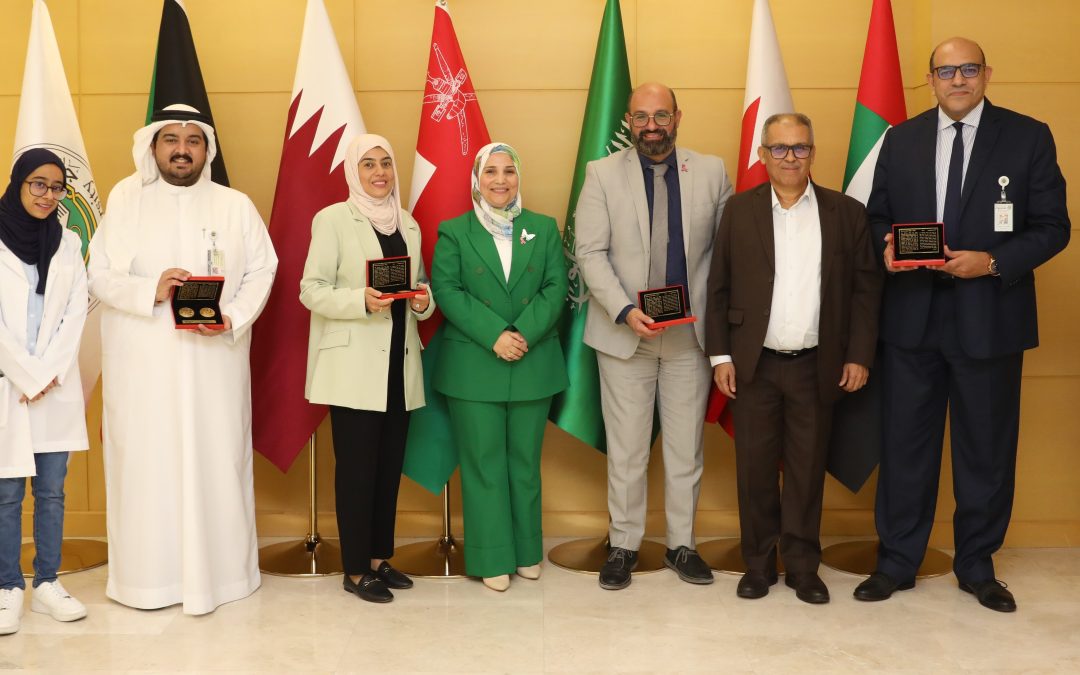
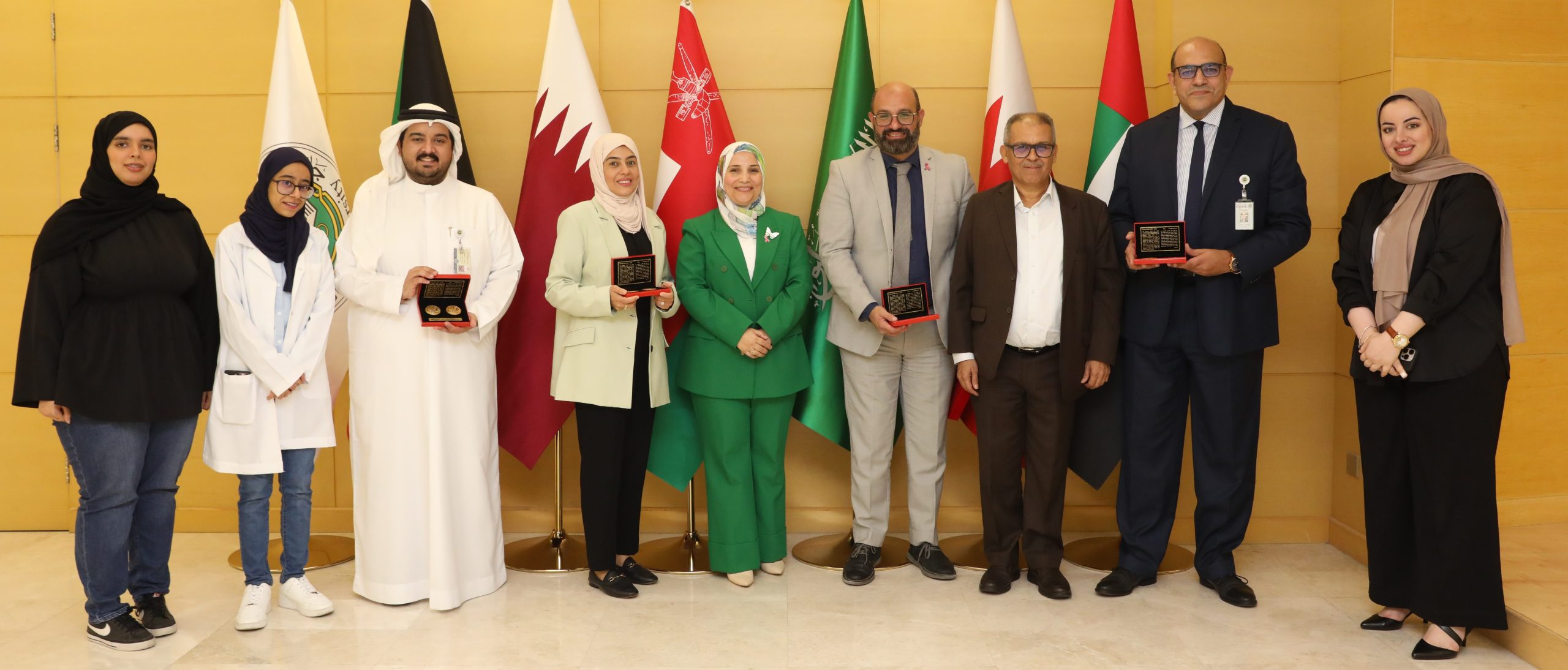
وفي ختام الاحتفال كرمت الدكتورة تسنيم عطاطرة، المتحدثين في ندوة "تعزيز الصحة النفسية في بيئة العمل"