by ashokaib | Oct 17, 2024 | Uncategorized
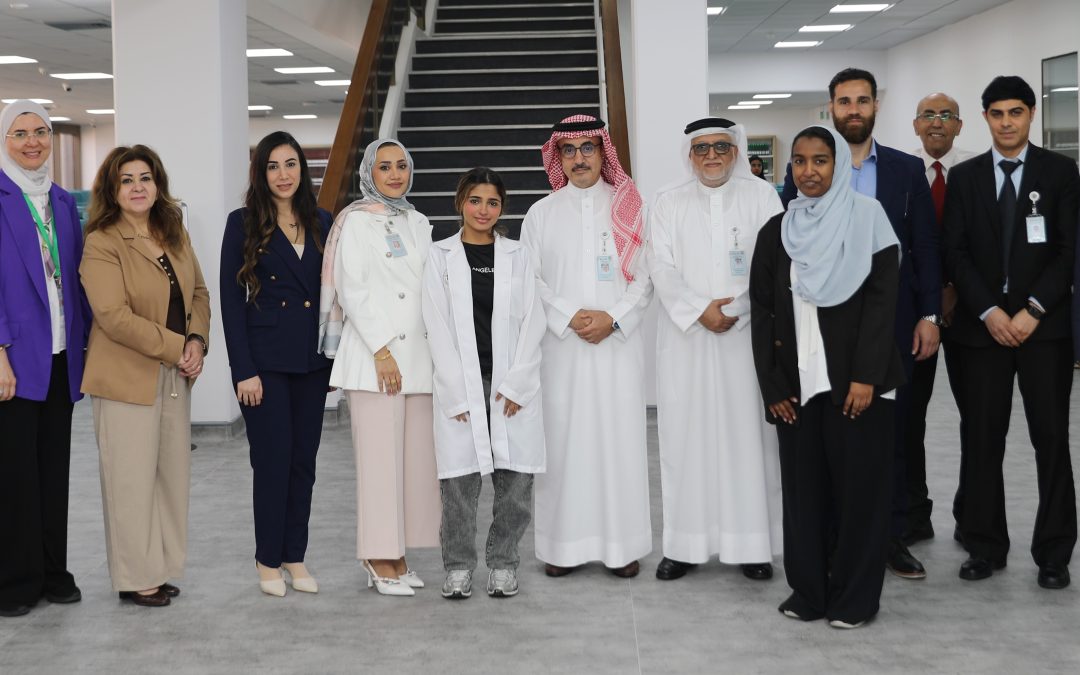
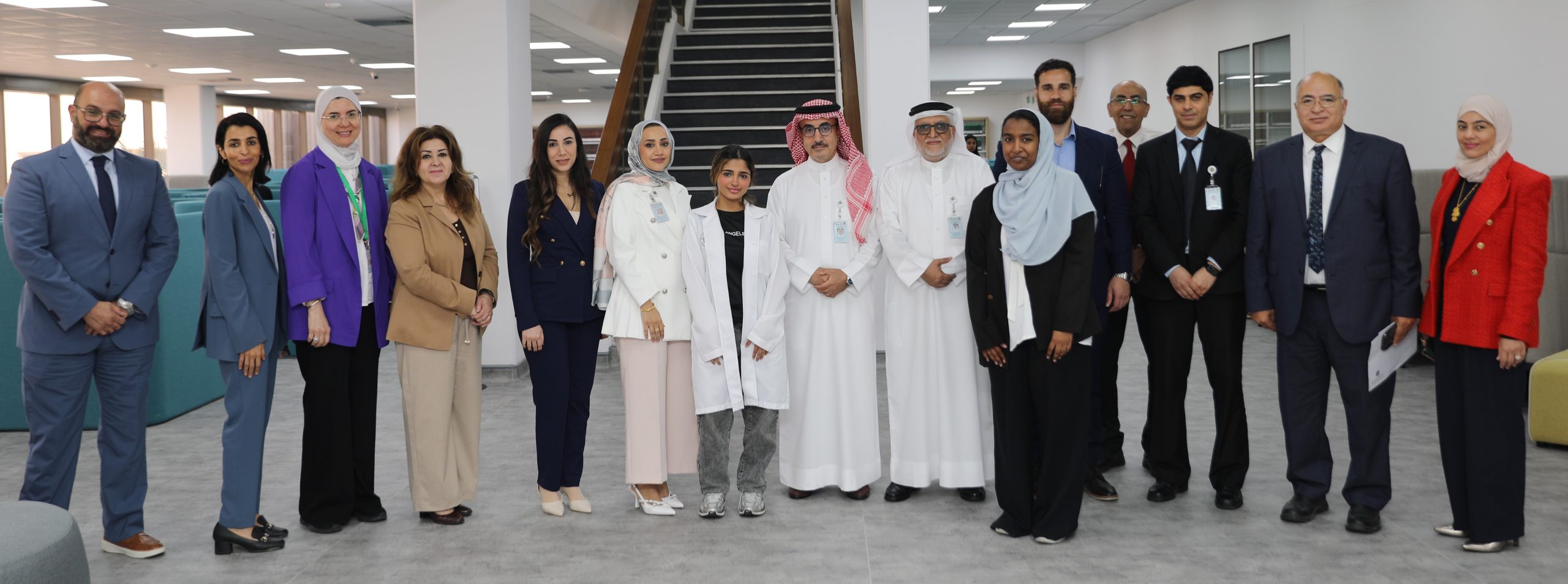
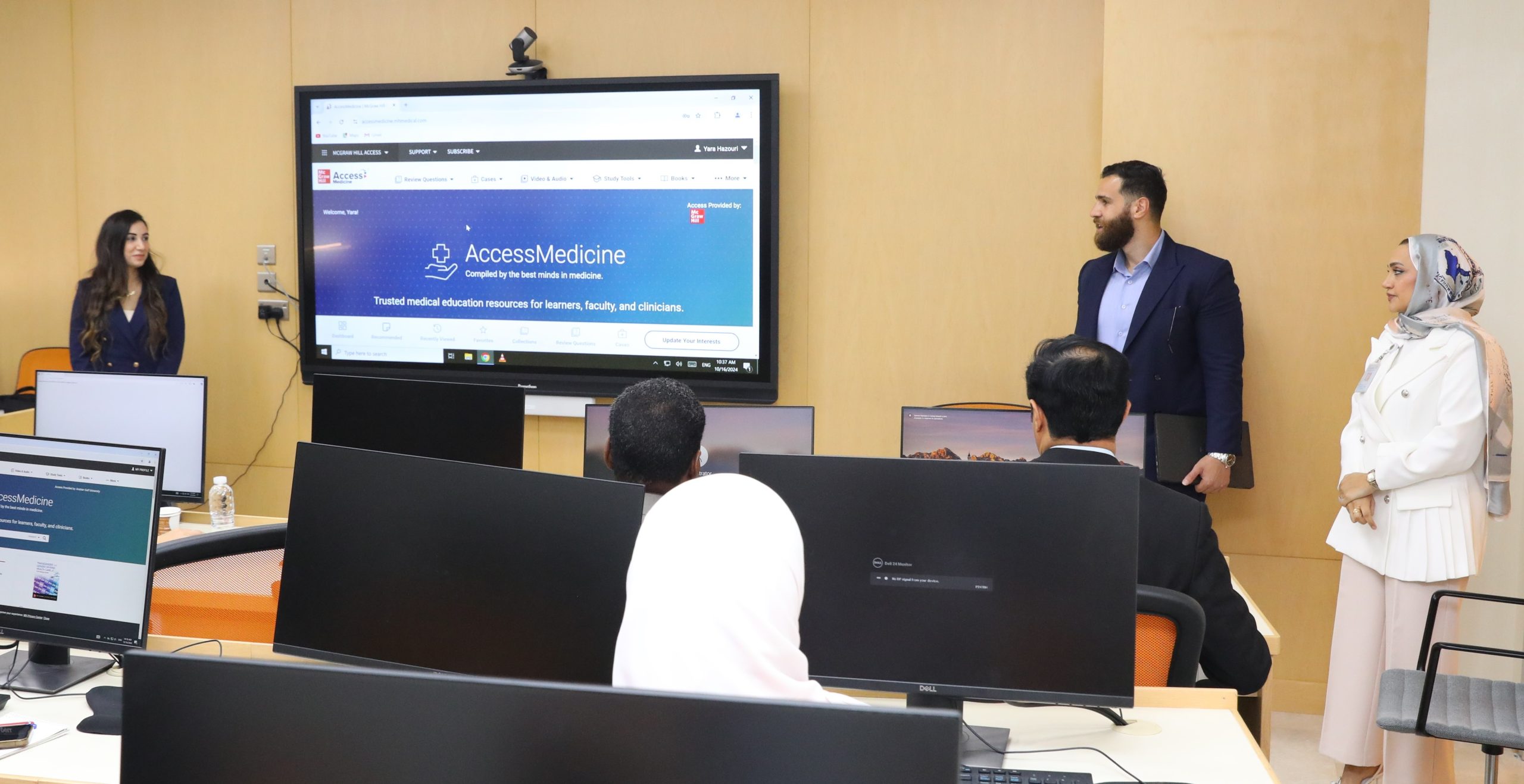
Two workshops organised by the Arabian Gulf University (AGU) Library to train faculty members and students of the College of Medicine and Health Sciences on using the database for optimal access to electronic textbooks and references were concluded, with the participation of about 60 academics, researchers and students.
Library Director, Athra Al Alawi, pointed out that these specialised workshops aim to train deans, department heads and professors on effectively employing the database in teaching various medical curricula and facilitate interaction between students and professors. While the student-focused workshop trained attendees on using the same database in academic study, enhancing the process of self-learning and conducting medical and scientific research. The workshop concluded with a motivational competition for the 36 participants.
During his visit to the training and development lab in the library, His Excellency the President of the University, Dr Saad bin Saud Al Fuhaid, stressed the university's keenness to provide the library with various references and modern e-databases to maximise the benefit of students in various academic programs. This stems from the university's belief in enhancing the role of medical libraries and electronic resources to support academic achievement and scientific research while developing the process of education and self-learning.
The President pointed out that throughout the past months efforts have focused on enhancing e-learning and digital access by renovating and expanding the university library, in line with strategic, sustainable, academic and health goals, stressing the university's keenness to provide students and researchers with the latest scientific references in their specialisations. This reflects the university's mission to be a scientific beacon for the benefits of the Gulf community, noting that its policy works to enhance structures that enable scientific research to support solution-oriented innovation that serves common Gulf interests.
For her part, the Library Director affirmed the university’s strategy to enhance scientific resources, e-databases, and all scientific and research services to meet the needs of students, academics, and all interested parties. This consolidates the role of the library as an advanced facility for information and knowledge, actualising the university’s efforts towards sustainable development, while keeping pace with digital and electronic progress in medical, educational, technical, and business administration sciences.
The training was attended by Head of Training at McGraw Hill, Lecturer Yara Hazouri, and the company's Middle East Regional Director, Lecturer Hugh Beatty. It is noteworthy that McGraw Hill specialises in educational publishing and academic content development in the Middle East region, and provides a wide range of educational resources for students and teachers worldwide. The AccessMedicine and AccessSurgery databases provide a comprehensive set of medical textbooks, interactive tools, and educational videos that help researchers, students, and doctors access the latest medical information and comprehensive educational research.
by ashokaib | Oct 17, 2024 | Uncategorized
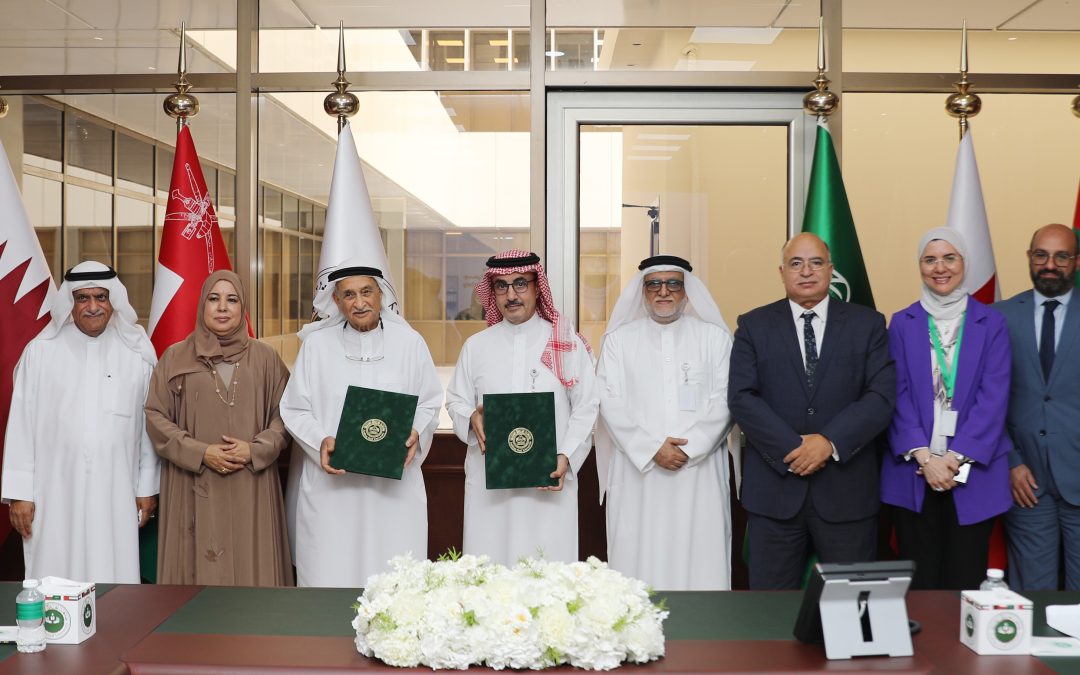
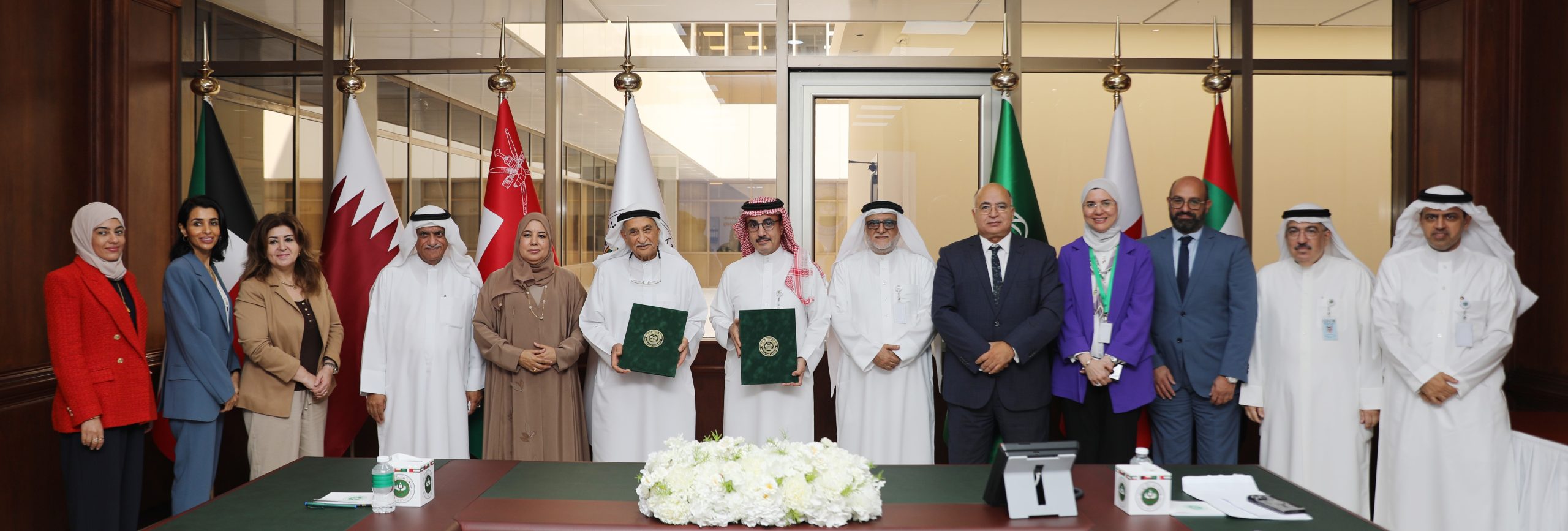
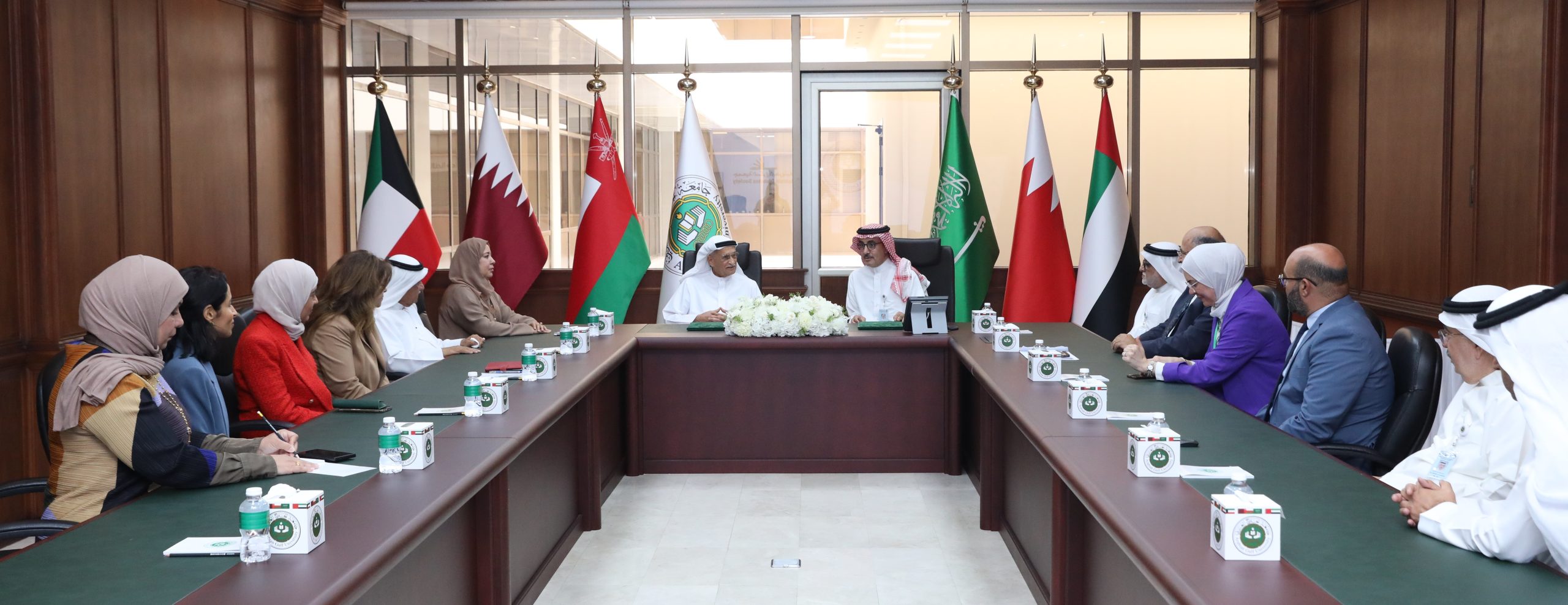
His Excellency Lieutenant General Dr Shaikh Mohammed bin Abdullah Al Khalifa, President of the Supreme Council of Health and President of the Bahrain Diabetes Society, has signed a Memorandum of Understanding with His Excellency Dr Saad bin Saud Al Fuhaid, President of the Arabian Gulf University (AGU). This agreement aims to deepen partnerships and enhance strategic areas of cooperation, as well as to adopt joint community initiatives between the two entities.
During the signing ceremony, Lt. Gen. Dr Shaikh Mohammed congratulated the President of the University on the occasion of its notable achievement in the Times Higher Education ranking for universities for the year 2025, where it attained a prominent position amongst institutions worldwide. He acknowledged the considerable efforts and humanitarian services rendered by the university, including its medical talent and outstanding students, in promoting community awareness that directly contributes to alleviating the health challenges faced by the Bahraini and Gulf communities. He also highlighted the community initiatives targeting individuals with diabetes and their families, expressing pride in these commendable efforts and confidence in their continuation.
The President of the Supreme Council of Health noted that the Bahrain Diabetes Society, in alignment with its shared objectives with AGU, supports national endeavours to bolster community prevention of the disease. The Society seeks to educate those affected on measures and strategies that can alleviate symptoms and enhance their quality of life, while also striving to reduce treatment costs. He affirmed the commitment to continue collaborative efforts aimed at fostering a community characterised by health and safety.
Additionally, Lt. Gen. Dr Shaikh Mohammed also emphasised the importance of joint initiatives to raise awareness about diabetes within the community and to ensure that various segments of society understand the nature of the disease, its symptoms and the risk factors associated with it. He deemed this awareness an essential component of the prevention and treatment framework necessary to combat the disease and mitigate its health, psychological, social and economic impacts.
On his part, AGU President expressed his appreciation for the ongoing efforts of the Bahrain Diabetes Society in enhancing public knowledge about diabetes and preventive methods.
During the signing ceremony, he welcomed the expansion of cooperation between the two parties to consolidate efforts and launch initiatives aimed at promoting awareness and encouraging the community to adopt healthy habits and lifestyles that reduce the risk of diabetes. He also highlighted the importance of educating diabetes patients on essential measures that can help mitigate the disease’s effects.
Dr Al Fuhaid confirmed that the University is committed to leveraging its full range of resources, staff and scientific and research capabilities to address health issues within Bahrain and the GCC region. He stated that AGU is prepared to join forces with the Society to achieve common goals surrounding public awareness of diabetes, elucidating its symptoms and outlining strategies for prevention and treatment to minimise its complications.
It is noteworthy that the memorandum outlines several procedural steps aimed at bolstering cooperation in the fight against diabetes. These include the implementation of awareness campaigns and collaborative programmes concerning the disease, participation in various events organised by both parties, the exchange of expertise and visits to further the objectives of the memorandum, and the development of diverse educational and awareness materials related to diabetes, alongside means of raising awareness and mitigating its health impacts on the community.
by ashokaib | Oct 16, 2024 | Uncategorized
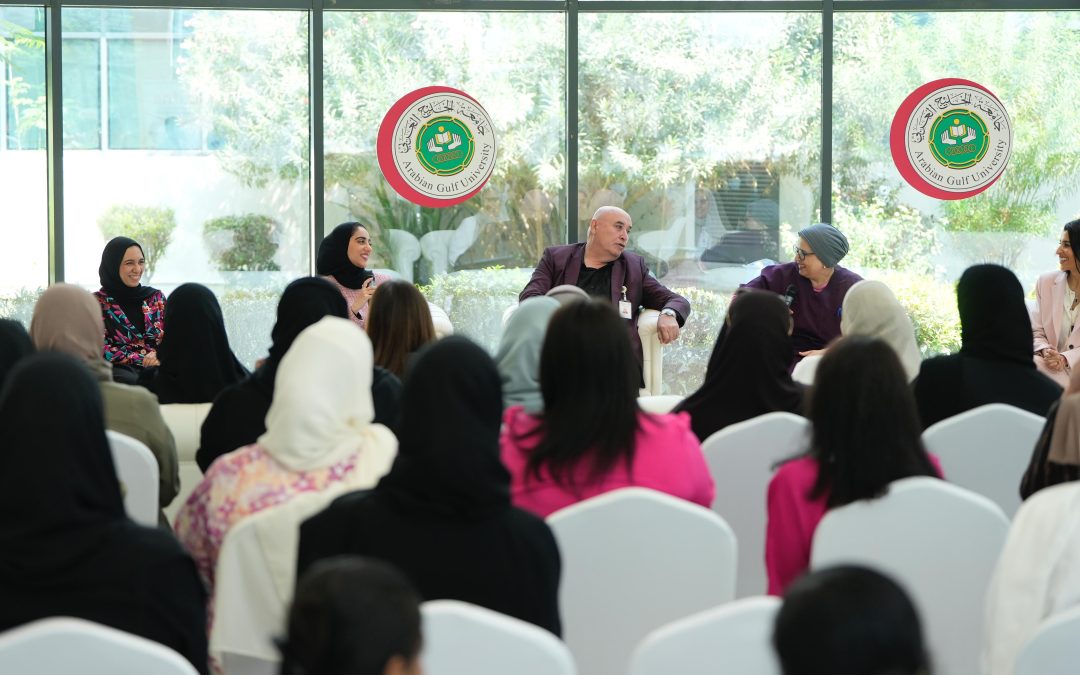
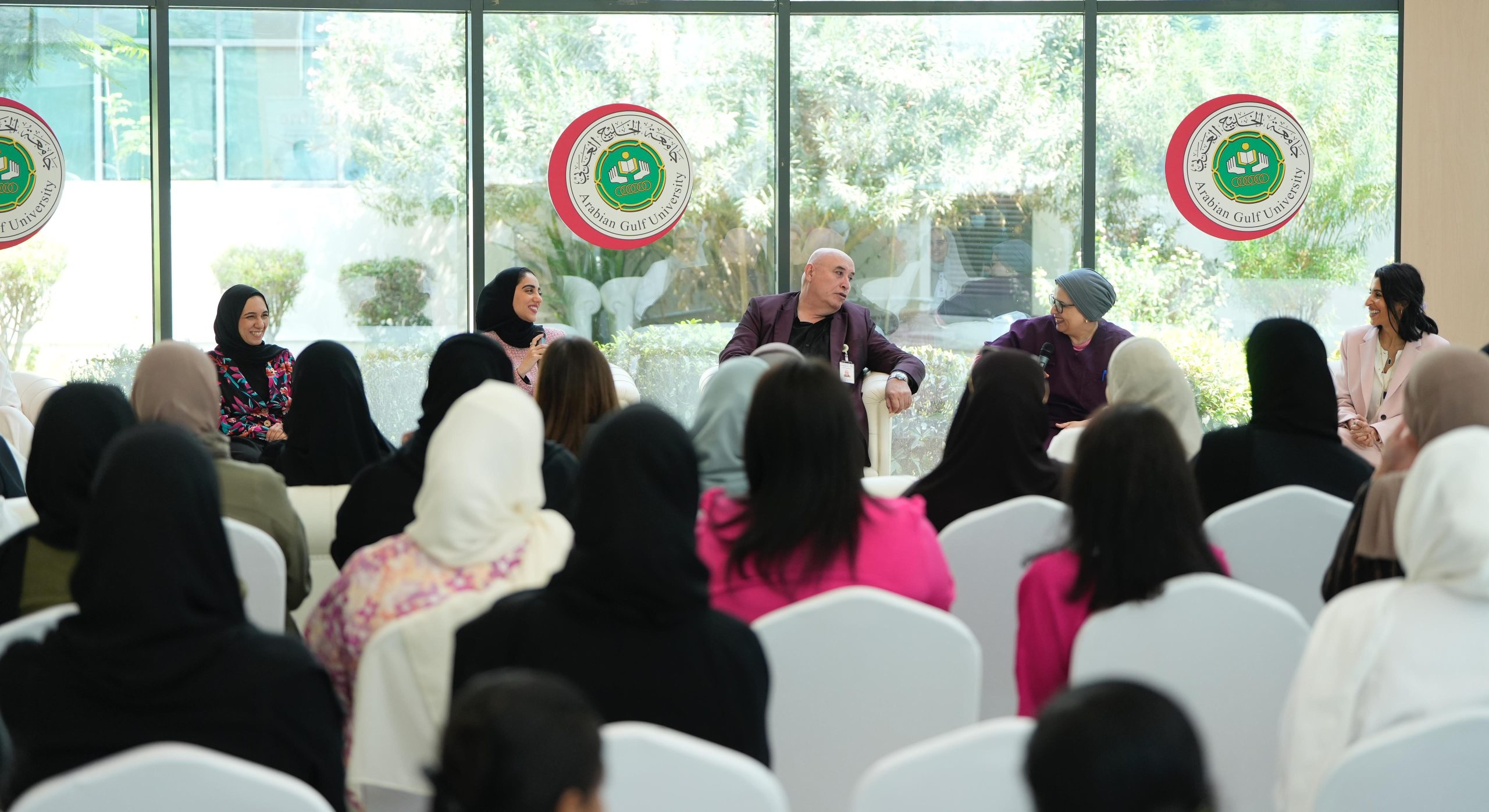
The University Medical Centre (UMC) in King Abdullah Medical City launched a discussion panel aimed at raising community awareness of breast cancer and enhancing the importance of early screening. This came as part of the initiatives launched by the centre in conjunction with Breast Cancer Awareness Month, which is celebrated in October of each year. More than 60 women from private and public sectors participated in the discussion.
CEO of UMC, Dr Salman Hamad Al Zayani, pointed out the importance of early detection of cancer, explaining that although breast cancer is the most common type of cancer among women, early treatment enables those afflicted with this type of cancer to avoid complications, achieve recovery, and practice a healthy life at high rates.
For her part, the Head of the Radiology Department at UMC, Musculoskeletal Radiologist, Dr Mai Ebrahim Mattar, confirmed that UMC pays great attention to spreading health awareness, especially regarding ways to prevent cancer and encourage early detection, which improves the chances of recovery for those afflicted. The panel introduced the participants to means of breast cancer prevention and the factors that cause it. The speakers stressed the importance of conducting periodic examinations and breaking the barrier of fear with knowledge, explaining that early detection helps increase the rate of recovery and survival. The continuation of community campaigns, lectures, awareness workshops and discussion panels about breast cancer contribute effectively to increasing education and understanding about diagnosing the disease and how to deal with it.
In addition, Head of the Surgical Department at Arabian Gulf University, Dr Rami Yaghan, spoke about the early stages of breast cancer and its causes, reviewing the latest methods for tumour removal. He stressed the importance of organising such events, while the Breast Imaging and Gynaecology Consultant, Dr Amina Mohammed Mahdi, spoke about the latest technology in breast imaging to diagnose breast cancer, and discussed with the panel participants whether mammogram rays are harmful and could cause breast cancer.
For her part, Consultant Dermatologist, Dr Aisha Almoosa, reviewed the skin changes that should be noticed that may affect women with breast cancer or other types of cancer, after which Associate Professor and Nutritionist at UMC, Dr Aseel AlSaleh, explained the types of food that strengthen the body and help in healing. She touched on the relationship between Omega 3 and breast cancer and stressed the need to eat foods rich in vitamins and antioxidants, warning against the risks of obesity and not following a healthy diet. Meanwhile, Consultant of Obstetrics and Gynecology, Dr Farah Al-Nuaimy, spoke about the importance of adhering to periodic examinations for women for early detection.
In the same context, Director of Corporate Communications and Public Relations at UMC, Ms Aysha Janahi, indicated that this panel discussion received positive interaction from women in the private and public sectors, who learned everything related to breast cancer, which fulfilled the goal of launching these community initiatives that UMC launches on an on-going basis to spread awareness and health culture.
by ashokaib | Oct 16, 2024 | Uncategorized
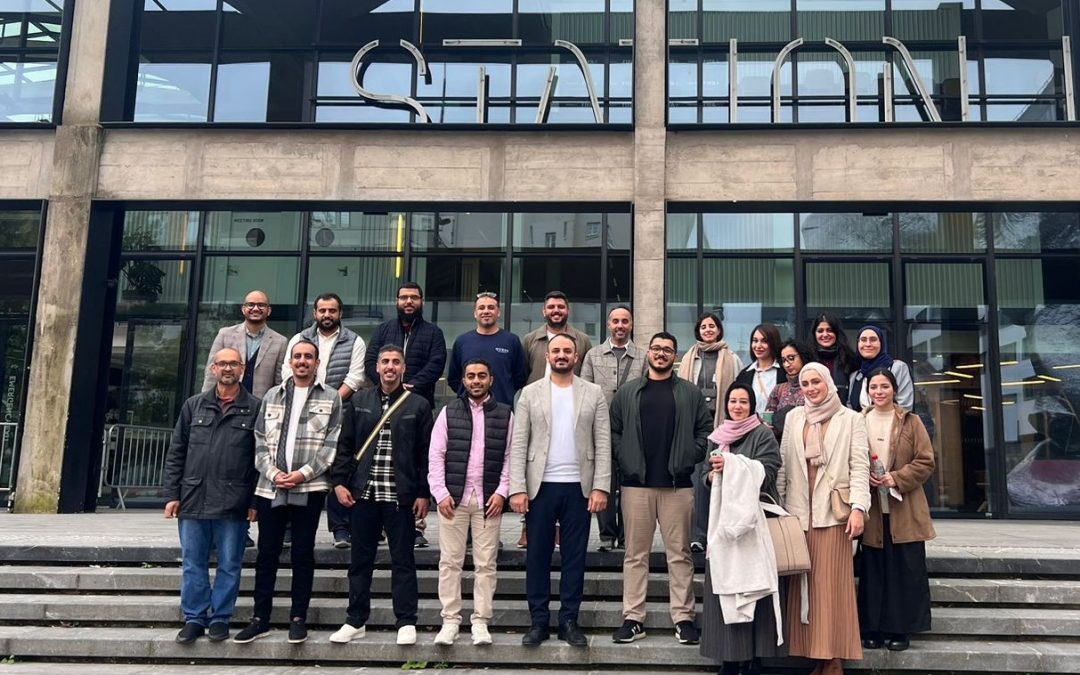
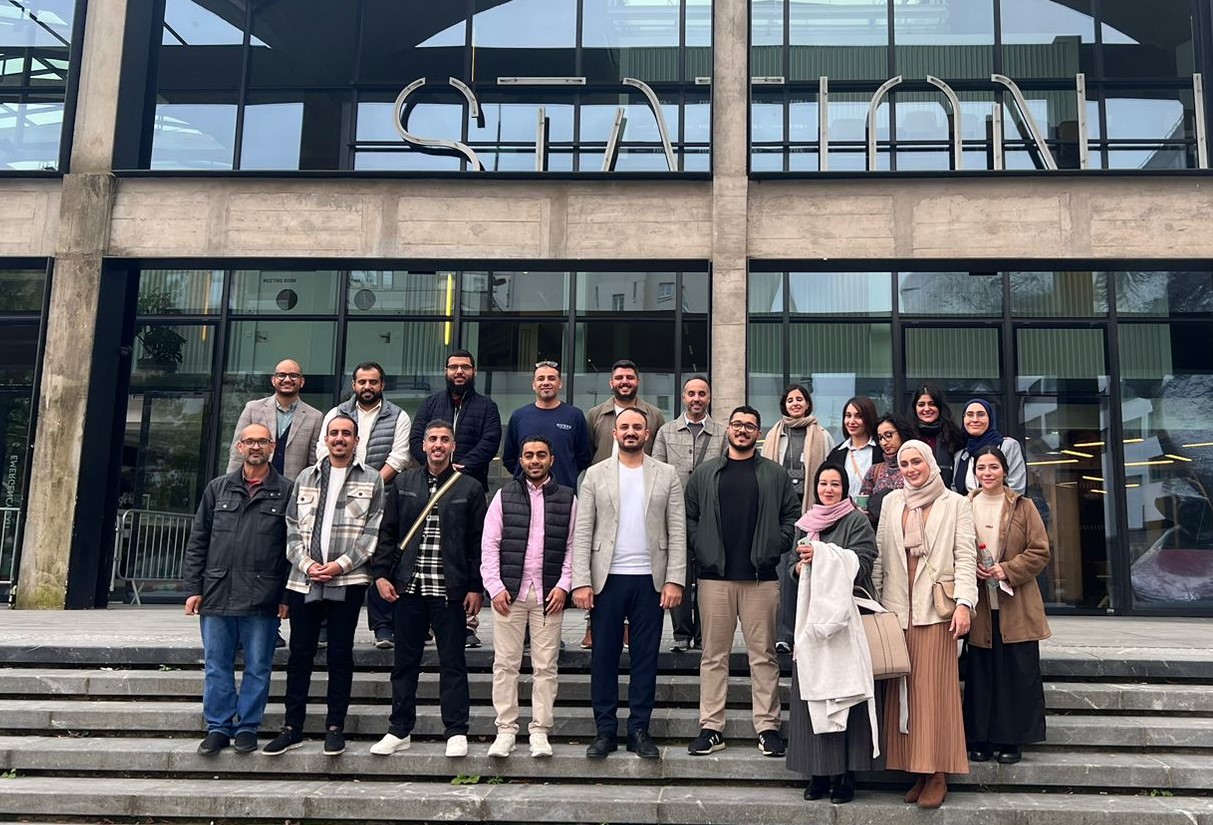
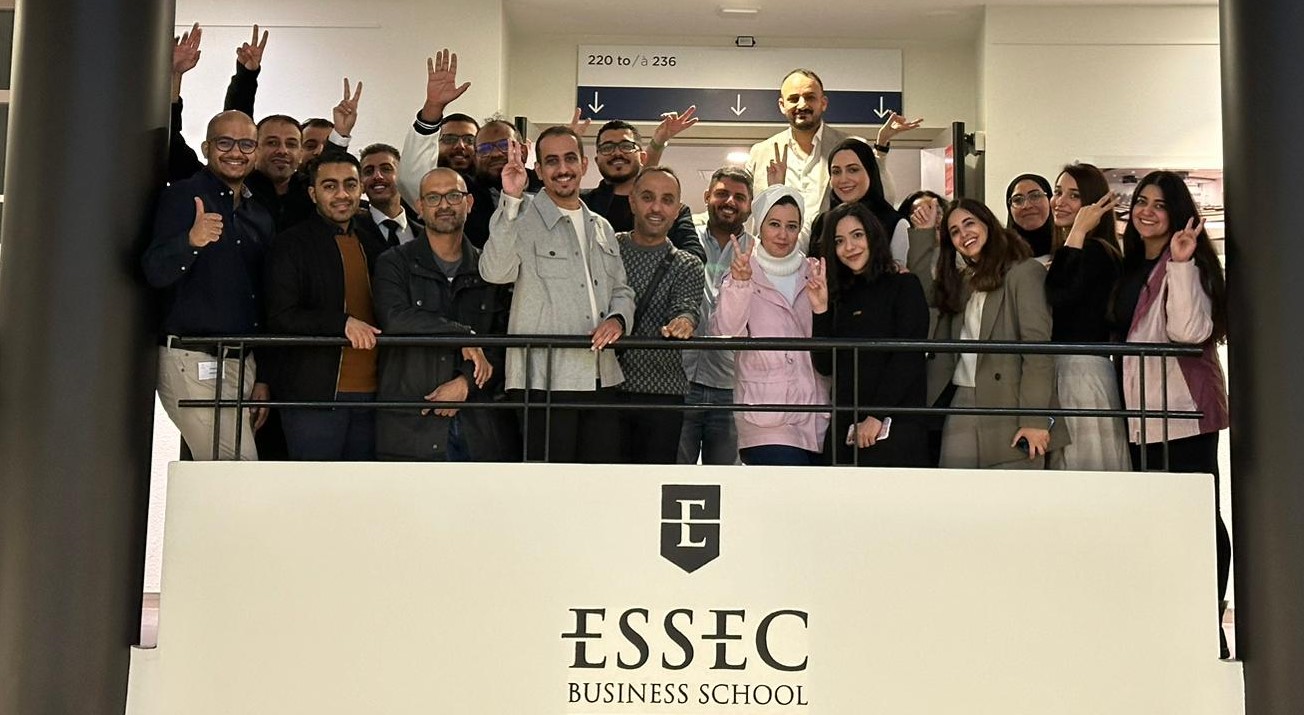
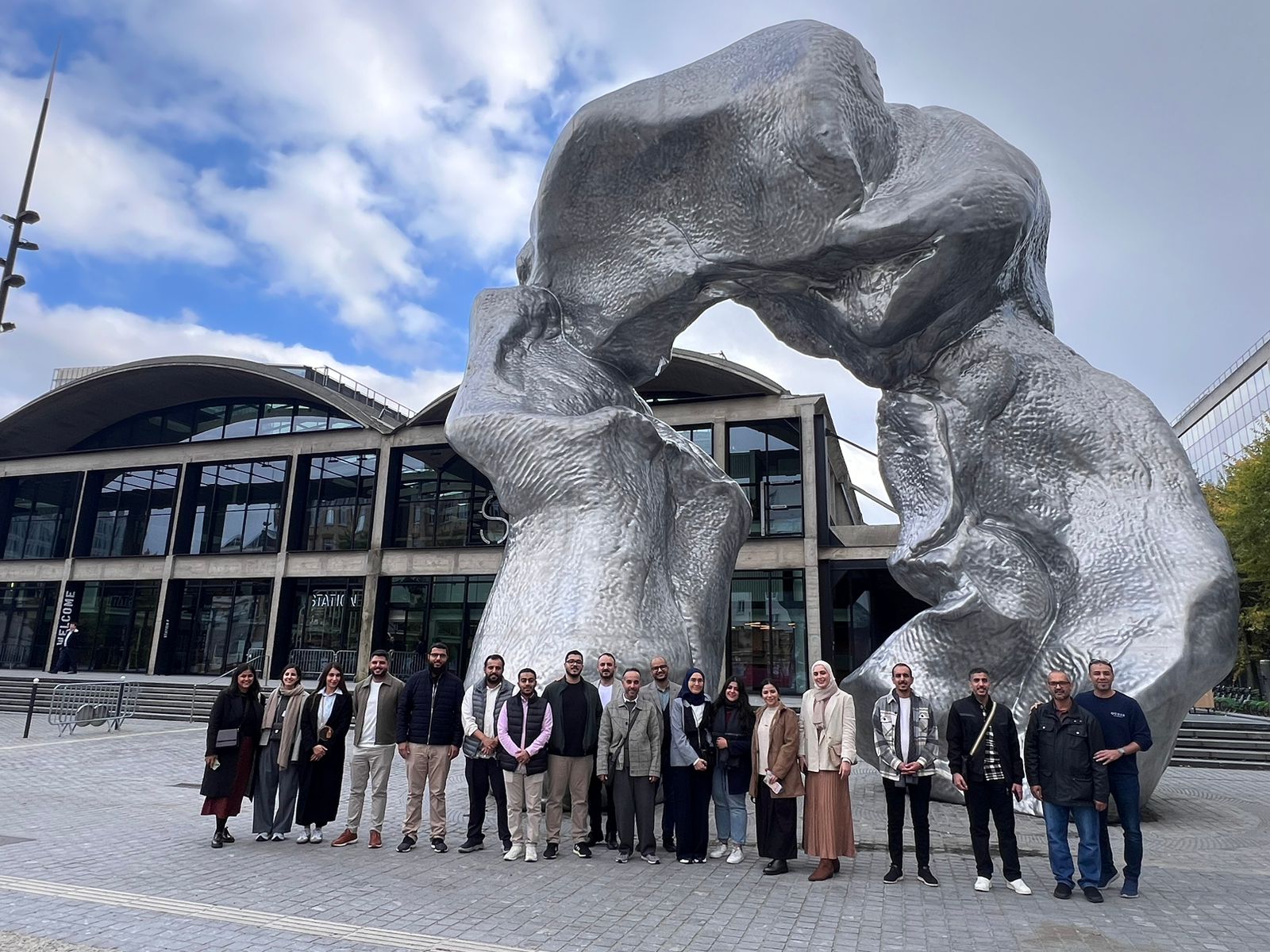
His Excellency Mr Essam Abdulaziz Al Jassim, Ambassador of the Kingdom of Bahrain to France, recently met with students enrolled in the MBA programme at the College of Education, Administrative and Technical Sciences at the Arabian Gulf University (AGU). This engagement occurred during the students’ visit to Paris, where they are undertaking both theoretical and practical courses at ESSEC Business School. The Ambassador extended his best wishes for their success in their higher studies and expressed appreciation for AGU’s commitment to enhancing the knowledge, skills and capabilities of graduate students in the fields of economics and commerce, ensuring that they meet the evolving demands of the job market. He commended the university’s dedication to providing a supportive and encouraging environment that fosters innovation, particularly through partnerships with prestigious international universities.
On his part, Prof. Waleed Zubari, Dean of the College of Education, Administrative and Technical Sciences at AGU, noted that the MBA programme is founded on a strategic partnership between the Arabian Gulf University and ESSEC Business School France, which has been ranked among the top 10 European universities in Business Administration by the Financial Times. The programme has enjoyed considerable success over the years, having graduated hundreds of young leaders who have subsequently assumed leadership roles in government ministries, companies and institutions within both the public and private sectors across the GCC countries, owing to the high regard in which Gulf nations hold the MBA programme and its strong alumni outcomes.
Meanwhile, Dr Adel Al Alawi, the Coordinator of the MBA programme, remarked: “Graduates of this programme possess robust academic qualifications developed over years of study and practical training. A significant portion of this strength is attributable to the solid academic partnership with the French Republic and ESSEC Business School, which is an integral element in the success narrative of the MBA programme at AGU. This collaboration has opened new academic and scientific horizons for the university.”
He further indicated that new opportunities for collaboration with France are currently being explored to bolster joint research and academic cooperation in the near future. Recently, AGU has discussed the potential launch of a new postgraduate programme in health facility management.
The MBA programme provides a dynamic educational environment delivered by faculty members from both AGU and ESSEC Business School over an 18-month period, featuring a well-balanced blend of theoretical and practical sessions. Classes are conducted at AGU in Bahrain, while students spend a fortnight at ESSEC’s campus in Paris, engaging in lectures, workshops, specialised business conferences and site visits to some of the largest commercial enterprises.
by ashokaib | Oct 16, 2024 | Uncategorized
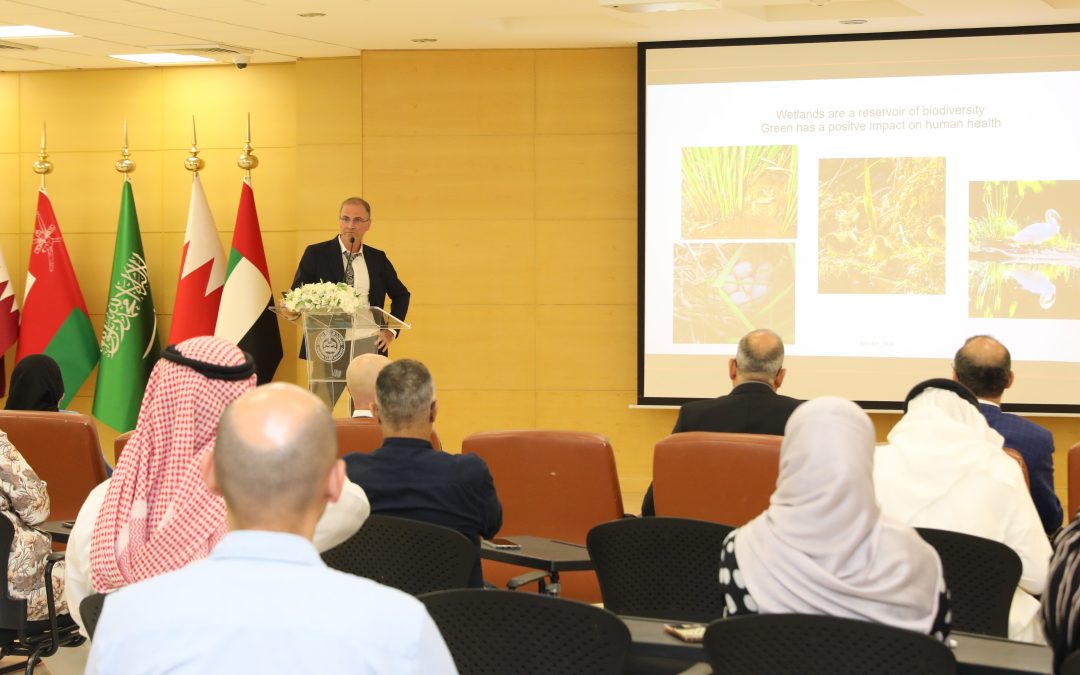
Prof. Waleed Zubari, Dean of the College of Education, Administrative and Technical Sciences at the Arabian Gulf University (AGU), has announced the university’s adoption of a pioneering research project aimed at transferring new technology based on ecological systems for the treatment of wastewater in the GCC countries.
He revealed that this research initiative, overseen by the Environmental and Biological Studies Centre at the university, will span four years and will involve collaboration with experts from both European and Gulf universities. This project is expected to result in the presentation of biological technologies by AGU that contribute to environmental preservation by purifying water pollutants through natural methods derived from ecological techniques, ultimately transforming these impurities into energy sources.
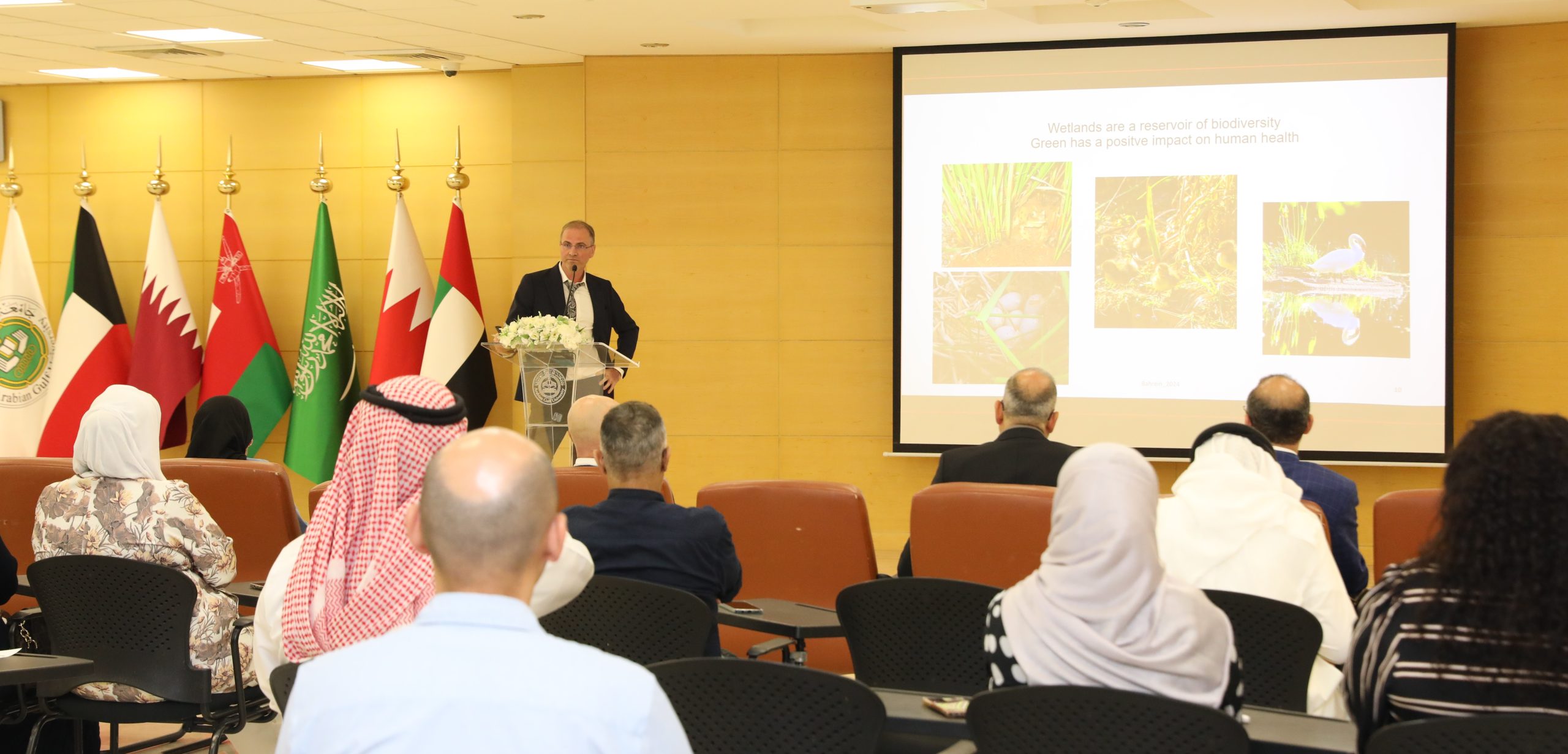
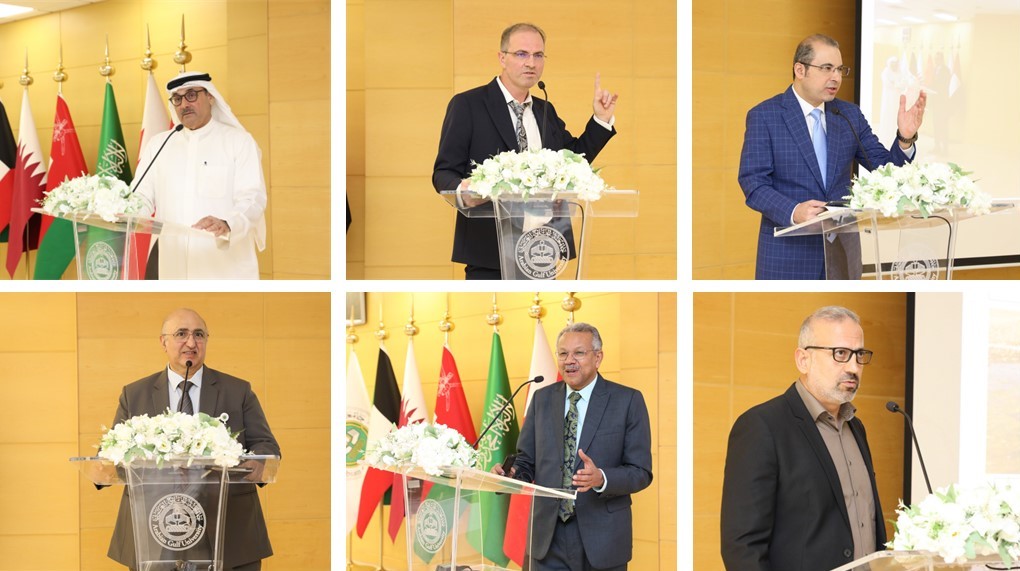
This announcement was made during the opening of a seminar of the Shaikh Zayed bin Sultan Al Nahyan Chair for Environmental Sciences held at AGU and titled “Eco-Based Treatment Technologies for Wastewater in GCC Countries.”
Prof. Zubari emphasised that this seminar, part of the academic chair’s activities and supported by the late Shaikh Zayed bin Sultan Al Nahyan, aligns with the University’s commitment to developing innovative and sustainable solutions to tackle the growing challenges of water scarcity and pollution in the GCC region, which is among the driest areas in the world and grappling with severe water shortages. He elaborated that the GCC, with its arid climate and rapidly rising population, faces considerable challenges regarding water scarcity. Simultaneously, significant quantities of municipal and industrial wastewater, particularly from oil production, are generated, and these volumes are increasing rapidly.
Moreover, Prof. Zubari explained that traditional methods of wastewater treatment and management are associated with high operational costs, consume substantial energy and generate waste that requires further management. He pointed out that nature-based solutions, such as constructed wetlands, represent a promising alternative.
He explained: “These engineered ecosystems are more cost-effective, ideally suited to the region’s arid conditions, utilising local plants and microorganisms to effectively remove pollutants from wastewater. By embracing nature-based solutions, GCC countries can enhance their water security, mitigate environmental impacts and promote sustainable development.”
For his part, Prof. Wael Muslimani, Environmental Biotechnology Professor, highlighted that constructed wetlands are a green and economically viable technology compared to traditional methods, stating that they rely on a combination of plants and microorganisms found in the roots of these plants, working synergistically to eliminate hazardous environmental pollutants from wastewater through bioremediation.
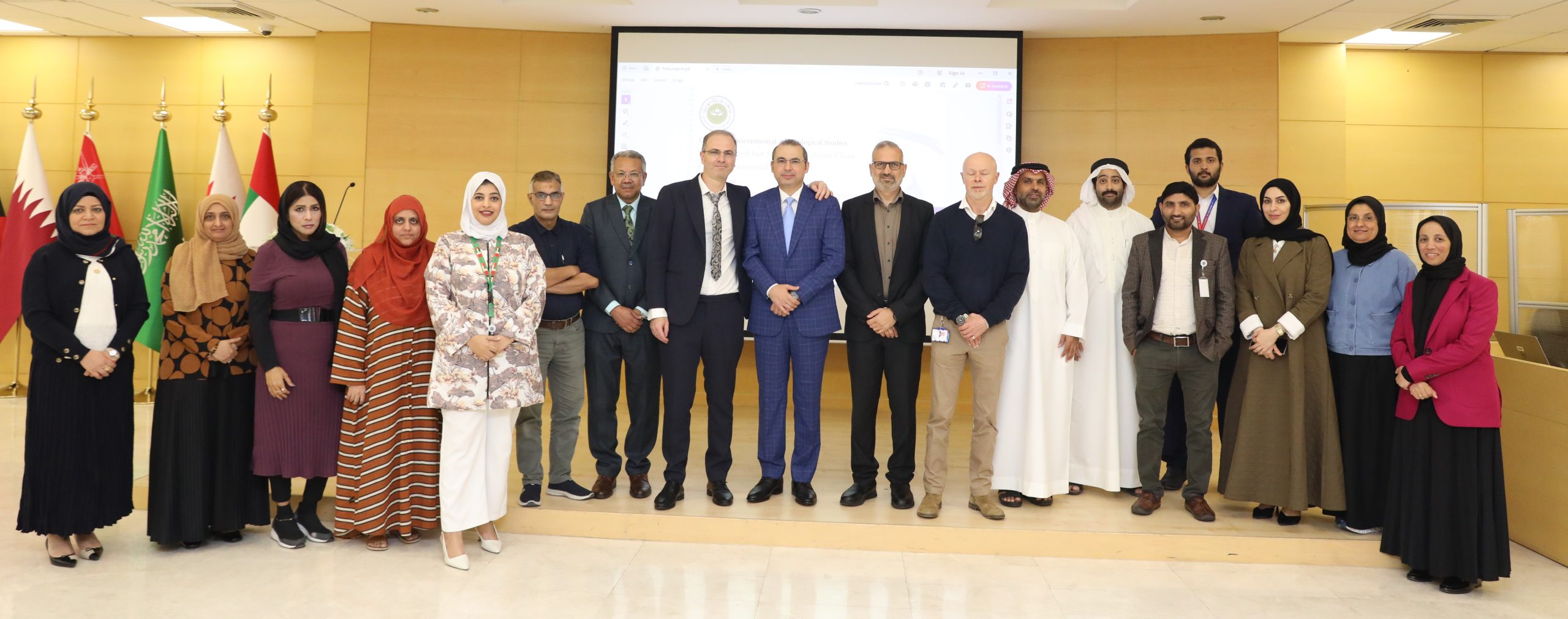
The seminar also featured contributions from experts within the GCC and the international community. The keynote speaker, Prof. Dimitri Heintz from the University of Strasbourg in France, addressed the sustainable treatment of wastewater using constructed wetlands. Prof. Raed Abed from the College of Science at Sultan Qaboos University in Oman discussed the bioremediation of produced water using microbial mats in constructed wetlands, as well as biodiesel production from algal biomass. Furthermore, Prof. Abhijeet Borole from the University of Tennessee in the United States outlined the use of microbial electrolysis cells for treating produced water, while Dr Abdulhadi Abdulwahab from the Environmental and Biological Studies Centre at AGU explained the capabilities of facilities designed for treating wastewater in the GCC countries. In addition, Prof. Waheeb Al Nasser, Vice President for Academic Affairs at AGU, shared insights on the role of photovoltaic cells in the purification of wastewater.
The research project team consists of Prof. Zubari, Prof.essor of Water Resource Management; Prof. Wael Muslimani, Environmental Biotechnology Professor; Dr Abdulhadi Abdulwahab, Associate Professor of Soil, Water and Plants; and Dr Sumaya Youssef, Assistant Professor of Environmental Engineering.