by ashokaib | Oct 30, 2024 | Uncategorized
A research study conducted at the Arabian Gulf University (AGU) has identified a correlation between symptoms of Obsessive-Compulsive Disorder (OCD) and symptoms of Autistic Spectrum Disorder (ASD), as well as a relationship between the dimensions of hesitation and indifference based on the severity of autism.
The study, carried out by researcher Ms Mezyana Abdulmohsen Al Khelaiwi, was discussed in fulfilment of the requirements for obtaining a Master’s degree in Learning Difficulties and Developmental Disabilities from the College of Education, Administrative and Technical Sciences at AGU.
The study sample comprised 73 individuals diagnosed with ASD, including 54 males and 19 females, enrolled in special education centres in the Kingdom of Bahrain and the city of Dammam in the Kingdom of Saudi Arabia. The results indicated no statistically significant differences between male and female individuals with ASD concerning the dimensions of the OCD symptoms scale and the overall scale score. However, statistically significant differences were found in the scores of individuals with ASD across two age groups: those under 10 years old and those aged 10 years and older, favouring the latter group.
The study recommended the development of comprehensive therapeutic programmes targeting OCD symptoms among individuals with ASD. It also called for the provision of multidisciplinary support for those with ASD experiencing OCD symptoms, alongside fostering awareness and education about OCD and ASD among mental health professionals, educators, families and relevant practitioners to deepen understanding of autism and to provide appropriate resources and support. Additionally, it advocated for training, awareness and guidance programmes for families to aid them in understanding and addressing the challenges associated with ASD and its co-occurring disorders, equipping them with the necessary information and tools to manage symptoms and related challenges.
The study was supervised by Prof. Maryam Isa Al Sherawi, Professor of Special Education, and Dr Widd Daghistani, Associate Professor of Special Education.
by ashokaib | Oct 22, 2024 | Uncategorized
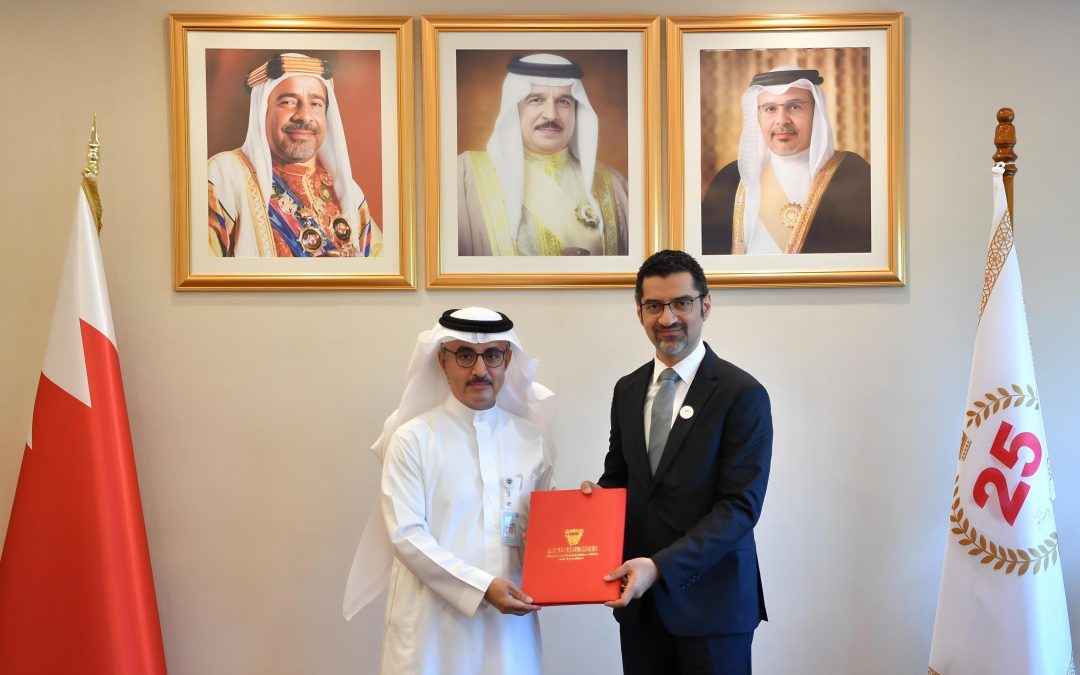
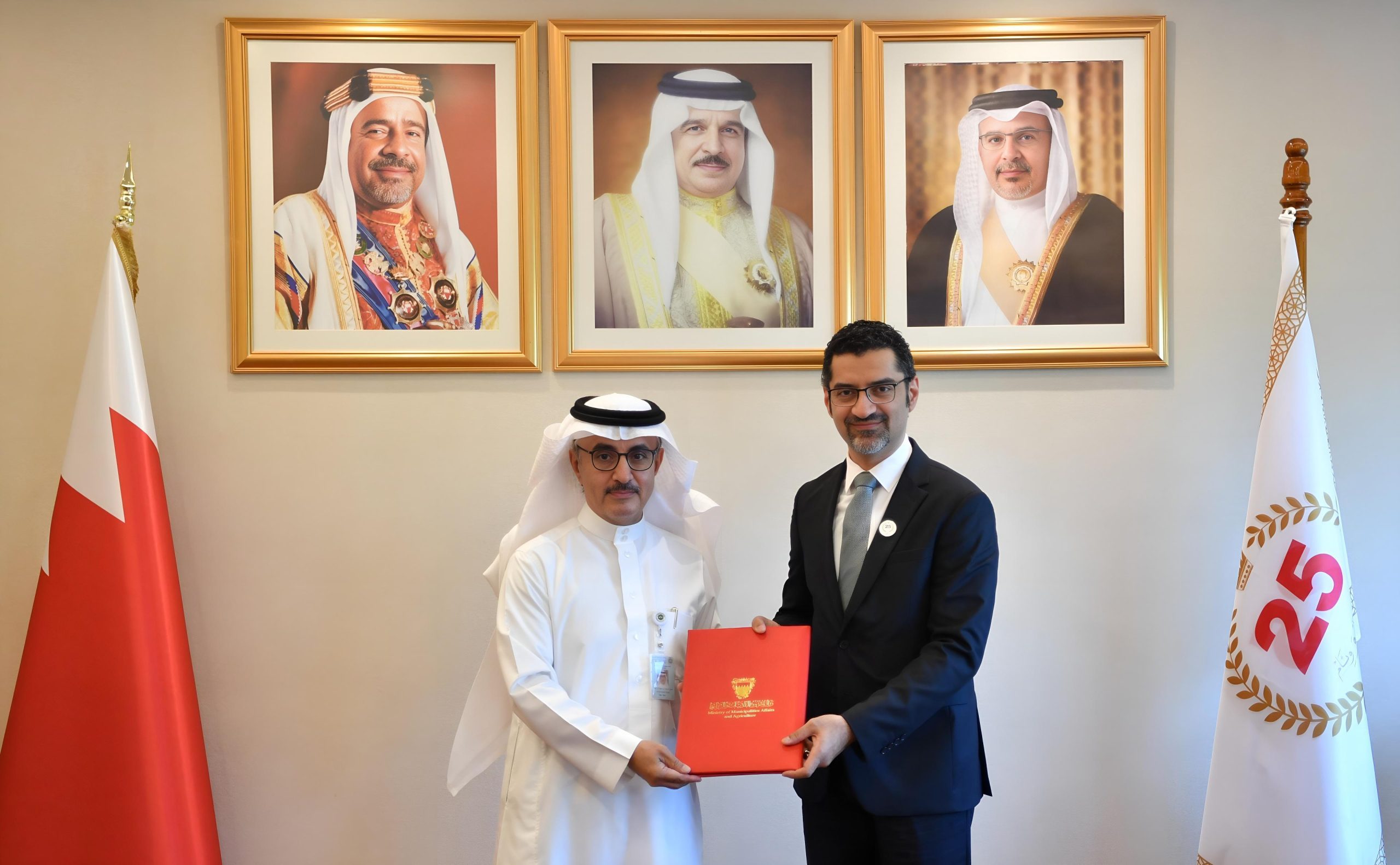
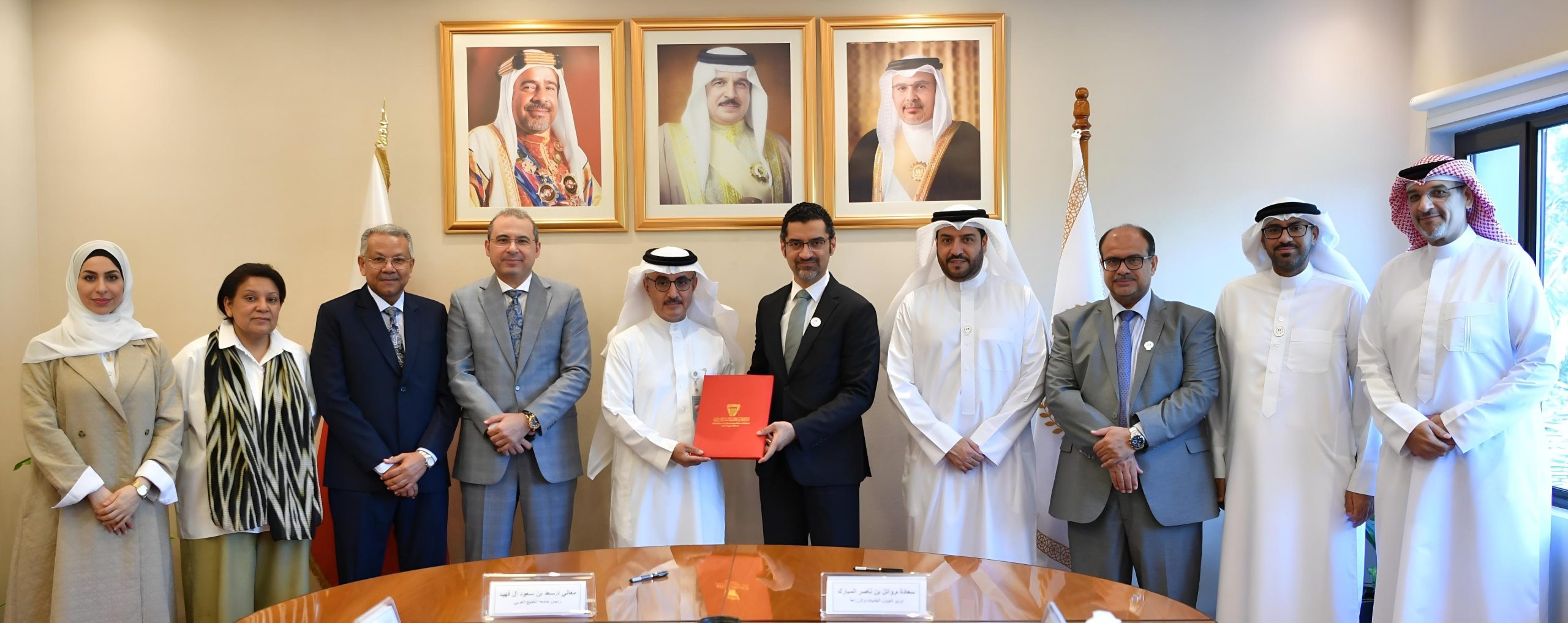
The Ministry of Municipalities Affairs and Agriculture has signed a memorandum of understanding (MOU) with Arabian Gulf University (AGU) to cooperate in scientific research and training in the agricultural field.
The MOU was signed by His Excellency Eng. Wael bin Nasser Al Mubarak, Minister of Municipalities Affairs and Agriculture, and His Excellency Dr. Saad bin Saud Al Fuhaid, President of AGU, at the Agricultural Affairs Building in Budaiya. This took place in the presence of Eng. Asim Abdul Latif, Undersecretary of Agriculture and Animal Resources, and a number of Ministry and University officials.
The Minister explained that this agreement aims to develop the agricultural sector, creating and localising modern technologies that support food security and the sustainability of natural resources. It will prepare targeted training programs to advance human capital capabilities in service of the goals of the agricultural strategy of the Kingdom of Bahrain.
He affirmed, "Under this agreement, the two parties, in coordination with the competent authorities, seek to enhance education and develop talents in the fields of agricultural production. This will be achieved by contributing to the development of agricultural science curricula and implementing graduation projects suited to natural conditions and determinants. Students will be qualified though necessary scientific expertise, ensuring the availability of skilled graduates who may drive progress forward and continue the achievement of national and regional strategies.”
He added, "This agreement also aims to enhance professional cooperation in implementing graduation projects that train students on modern agricultural methods and key findings of modern research in a manner consistent with the environment and climate of the Kingdom of Bahrain. This creates scientific and practical competencies that are consistent with the local reality, in addition to designing joint applied research and training programs to find solutions, develop the production process, and maximize the use of available resources.”
During the signing of the agreement, the Minister praised the constructive and fruitful cooperation between the Ministry and AGU, which has yielded significant results in terms of agricultural development. He stressed the attention given by the Ministry to scientific research as one of the most important pillars of comprehensive development in the Kingdom of Bahrain.
For his part, Dr. Saad bin Saud Al Fuhaid, President of AGU, praised the remarkable progress witnessed by the Kingdom of Bahrain in terms of agricultural development. He stressed the university's keenness to continue cooperating with the Ministry in various programs to achieve goals of sustainable and agricultural development. He expressed hope that this agreement would further common interests, bilateral cooperation and coordination, and enhance agricultural developmental efforts in the Kingdom of Bahrain.
The signing of the MOU stems from mutual belief in the benefits of true scientific cooperation and the desire to combine efforts to implement joint activities and programs. Within the framework of this MOU, regular consultations will be organised to monitor and review the progress of work in a manner that enhances synergies in the field and enhances local and national dimension in implementing agricultural programs.
by ashokaib | Oct 21, 2024 | Uncategorized
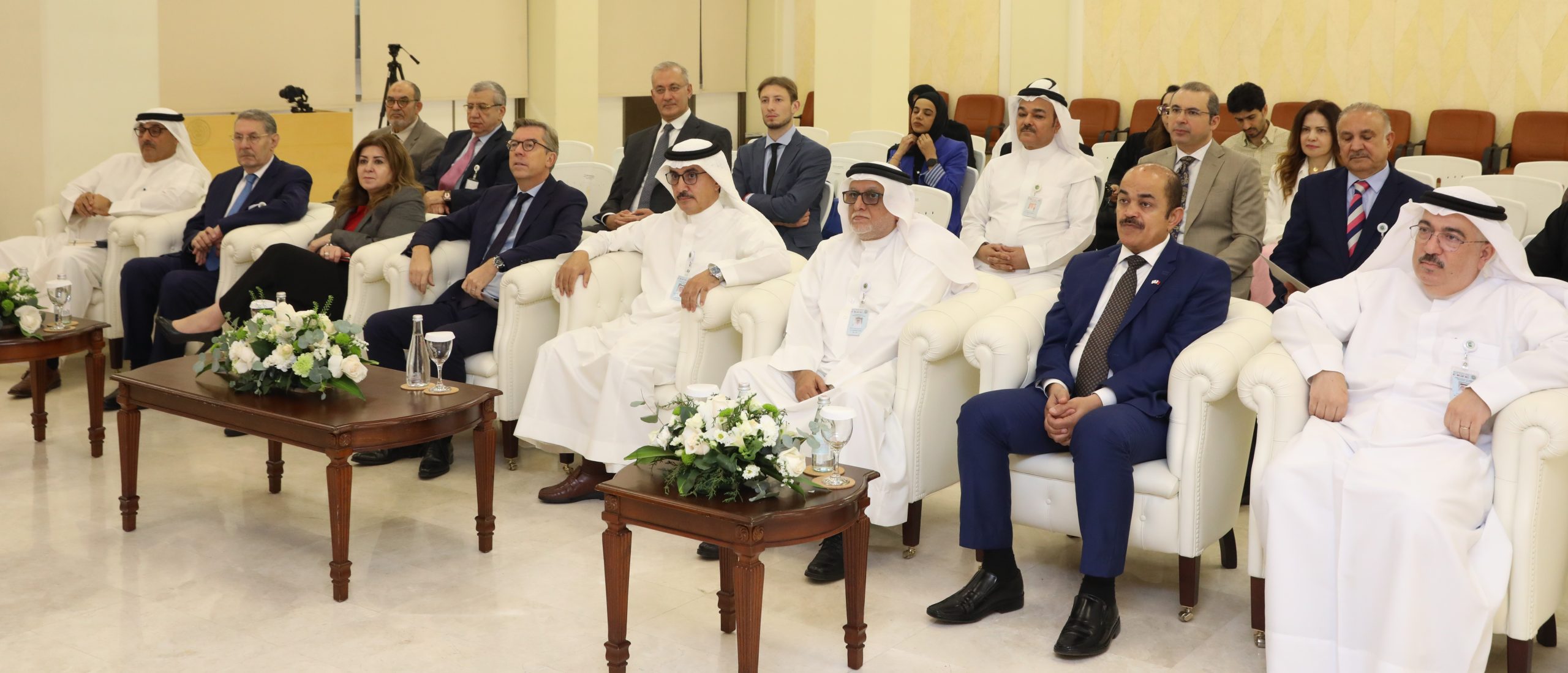
The Arabian Gulf University (AGU) proudly celebrated the graduation of the 10th and 11th cohorts of its MBA programme, offered in collaboration with ESSEC Business School in France. The ceremony was attended by His Excellency Dr Saad bin Saud Al Fhuaid, President of AGU, who commended the fruitful partnership between AGU and ESSEC in delivering this successful programme. He expressed pride in this qualitative collaboration, which has produced 215 distinguished business leaders across the GCC countries.
During the celebration, which was also attended by His Excellency Mr. Eric Giraud-Telme, Ambassador of the French Republic to Bahrain, Dr Al Fuhaid shared his excitement over this momentous occasion, which symbolises the culmination of the students’ outstanding academic journey, characterised by hard work and intellectual growth throughout the programme. He expressed hope that the knowledge and skills they acquired would propel them forward towards success, both professionally and personally.
Moreover, Dr Al Fuhaid emphasised that what sets this programme apart is its provision of specialised experiences in business management, as it does not only equip graduates with necessary skills for success but also imparts deep knowledge in public-private partnerships and facility management.
He further noted that the programme’s curriculum is designed to pave the way for graduates to thrive, aiding them in addressing challenges and seizing opportunities presented by the evolving infrastructure landscape that receives special focus in the dynamic GCC region. Additionally, he highlighted that the programme’s focus on digital transformation ensures graduates are well-prepared to navigate the continuously evolving global technological landscape.
On his part, HE the French Ambassador remarked that the day was the result of three semesters of committed efforts to enhance the academic and professional skills of the students of both the 10th and 11th cohorts.
He stated: “This programme has been ranked third globally among MBA programmes worldwide, representing a pinnacle of academic cooperation between France and Bahrain. It is the outcome of dedicated efforts by the French Embassy in Bahrain, AGU and ESSEC.”
In this context, Dr Adel Al Alawi, Coordinator of the MBA programme, addressed the gathering, stating that the MBA programme was meticulously designed to address the unique challenges of the GCC region while integrating international standards of excellence, blending theoretical knowledge with practical field experience.
Furthermore, Mr. Hamad Al Shaiba, Director of Administrative Affairs at Aluminium Bahrain (Alba), delivered a speech on behalf of the graduating students. He mentioned that numerous Alba employees joined the MBA programme as part of the company’s strategy for developing its administrative cadre, having carefully selected this programme for its high-quality academic offerings.
The ceremony concluded with AGU President and the French Ambassador presenting certificates to the graduates of the 10th and 11th cohorts, wishing them continued professional and leadership excellence in their careers across both public and private sectors within the GCC.
by ashokaib | Oct 21, 2024 | Uncategorized
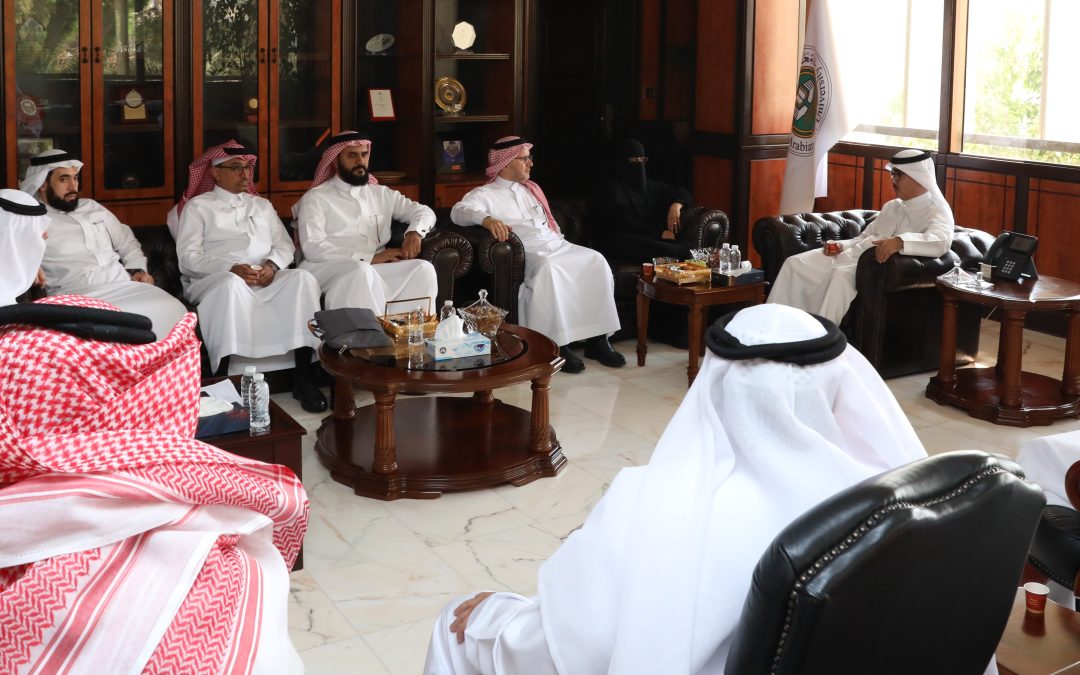
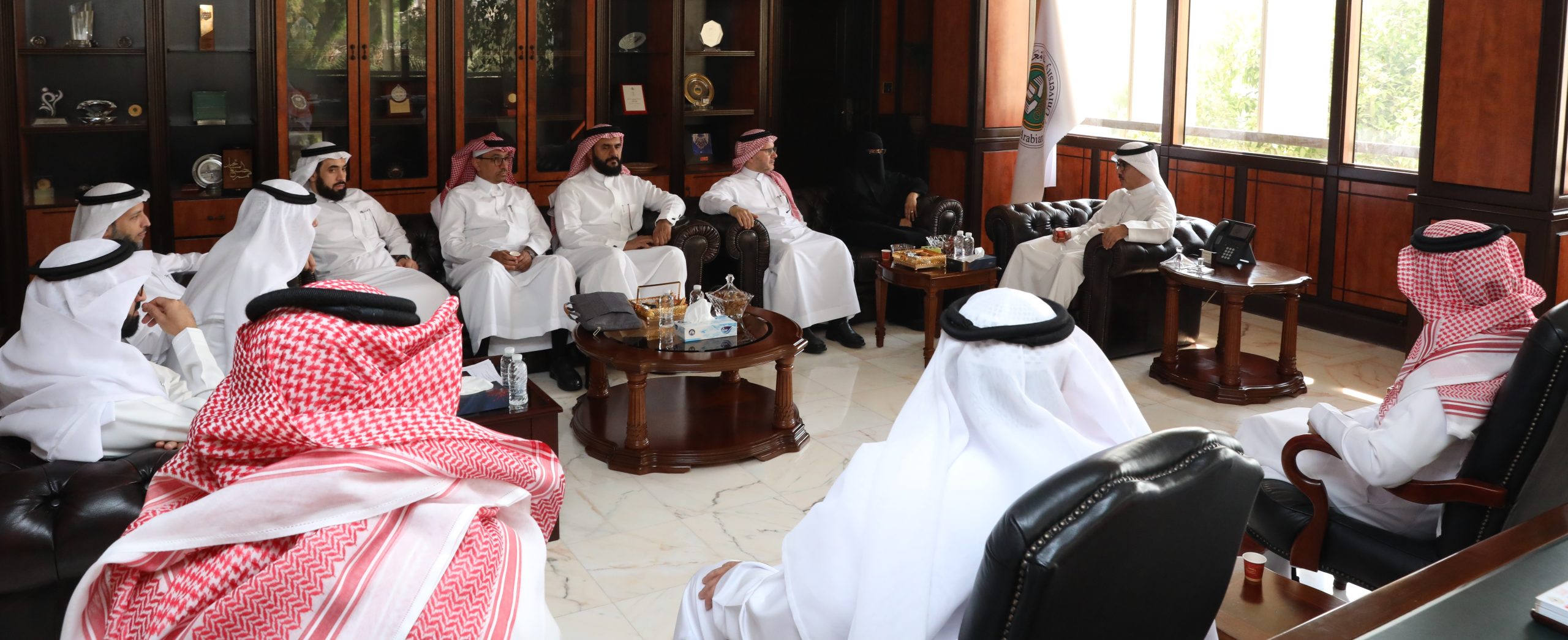
The Advisory Committee, comprised of elite academics from the Kingdom of Saudi Arabia, held a meeting led by the Committee Chairman, Dr. Ahmed Al Rumayyan , Dean of the College of Medicine at King Saud bin Abdulaziz University for Health Sciences. The goal was development of academic curricula and continuous improvement to enhance the quality of outputs, maintaining excellence in the progress of the College of Medicine and Health Sciences, in addition to developing the Bachelor of Science in Nursing at Arabian Gulf University (AGU).
At the start of the meeting, His Excellency the President of AGU, Dr. Saad bin Saud Al Fuhaid welcomed the members of the Advisory Committee, expressing his confidence in the proposals and recommendations they will present, given their extensive expertise in the field of medical education. He said, "Making progress and maintaining the academic reputation and international trust that the university has garnered is an on-going task that requires continuous efforts to achieve desired goals in a manner corresponding to the aspirations of the Leadership of Gulf Cooperation Council countries, Ministers of Education and the University's Board of Trustees, in order to realise the university's ambitious strategy."
For his part, Chairman of the Advisory Committee, Dr. Ahmed Al Rumayyan, explained that the previous meetings and field visit to university campus left a positive impression. The committee will assist in efforts to develop curricula and admission requirements, besides attracting distinguished faculty to achieve the university's leading vision by providing recommendations and a comprehensive action plan for development.
During the meeting, Dr. Al Rumayyan met with the Dean of the College of Medicine and Health Sciences at AGU, Dr. Abdelhalim Deifallah. He outlined the committee’s goals and introduced its members and their academic backgrounds in various specialisations, stressing determination to review many of the central tasks to advance education in the college. The recommendations will be submitted in detailed reports to the President to commence implementation in the near future.
The advisory tasks include forming regulations for quality and performance governance, reviewing and developing clinical training programs and performance measurement standards, developing research infrastructure by updating laboratories, setting precise mechanism for grade distribution and the calculation of averages, besides other issues related to education in the college.
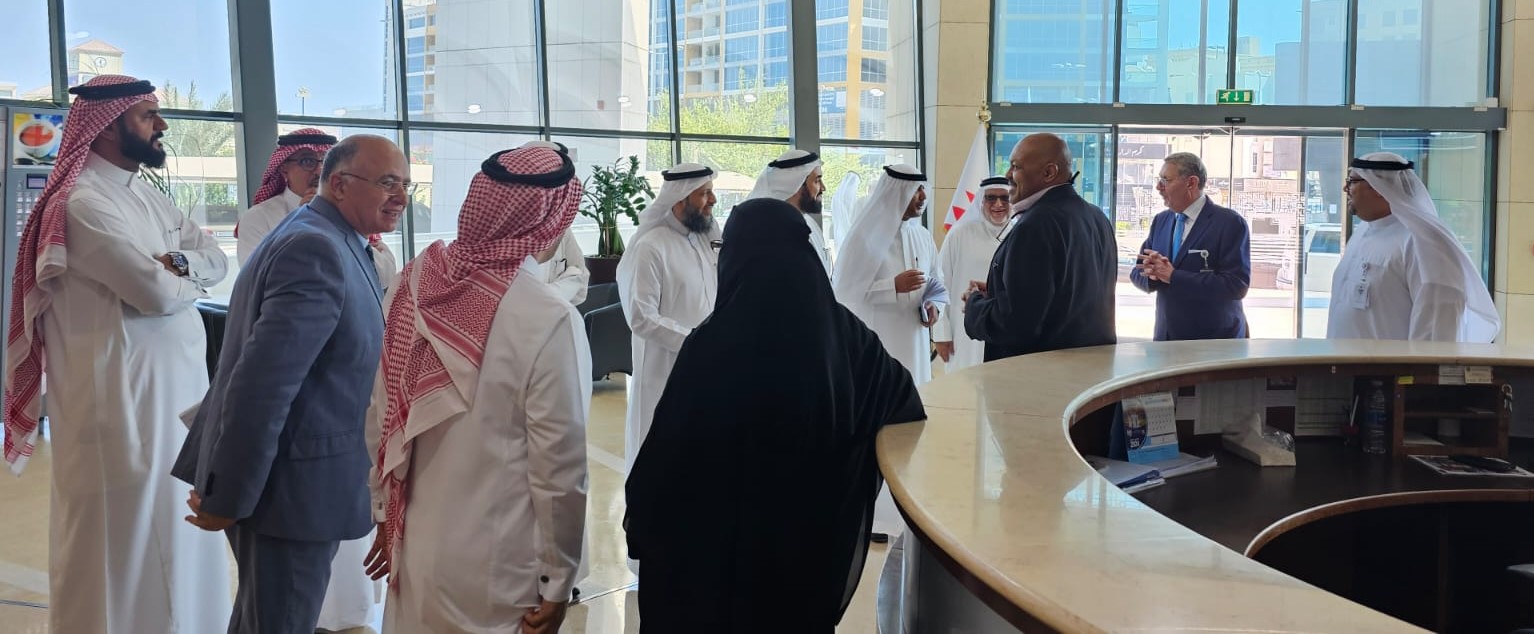
At the end of the meeting, members of the committee reviewed the educational system in the Medical Skills and Simulation Centre, the Anatomy Museum, the Biochemistry Lab, the University Library, classrooms, and scientific laboratories. They also visited the University Medical Centre in King Abdullah bin Abdulaziz Medical City and Princess Al Jawhara bint Ibrahim Al Ibrahim Centre for Molecular Medicine, Genetics and Hereditary Diseases.
Concurrently, they met with a number of academics and members of the Student Council to note their comments and views on curricula and research activities, and their evaluation of the clinical training programs. In addition, the committee members expressed their sincere gratitude for the confidence awarded by the President and Administration of AGU in selecting them as members of the Advisory Committee.
It is noteworthy that the Advisory Committee was formed by the membership of Dr. Khalid bin Ibrahim Al-Qumaizi, Consultant of Family Medicine and Dean of the College of Medicine at Almaarefa University, Dr. Ayman Abdulrahman Al-Eyadhy, Professor and Consultant of Paediatric Intensive Care Medicine, Vice Dean for Quality and Development at the College of Medicine at King Saud University, Dr. Zuhair Ahmed Awan, Dean of the College of Applied Medical Sciences at the University of Jeddah, Dr. Khaled Aljamaan, Dean of the Deanship of Quality at King Saud bin Abdulaziz University for Health Sciences, Dr. Ahmed Abdulrahman Alsunni, Professor and Head of the Department of Physiology at Imam Abdulrahman bin Faisal University, Dr. Mona Suleiman, Vice Dean of the College of Medicine for Academic Affairs at King Saud University, Prof. Amr Jamal, Chairman of the Department of Family and Community Medicine, Professor and Consultant of Family Medicine at the College of Medicine at King Saud University, Dr. Haya Al Fozan, Assistant Professor in Obstetrics and Gynecology at King Saud University, and Dr. Salman Alzayani, Acting CEO of the University Medical Centre, Assistant Professor of Public Health and Health Policy at AGU.
by ashokaib | Oct 21, 2024 | Uncategorized
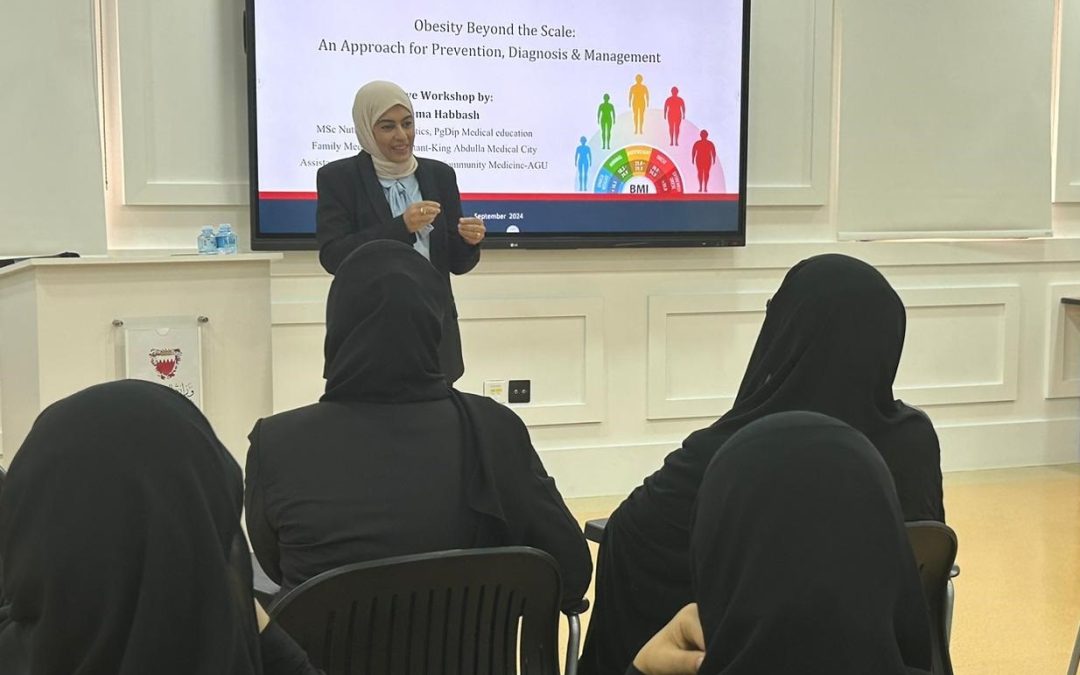
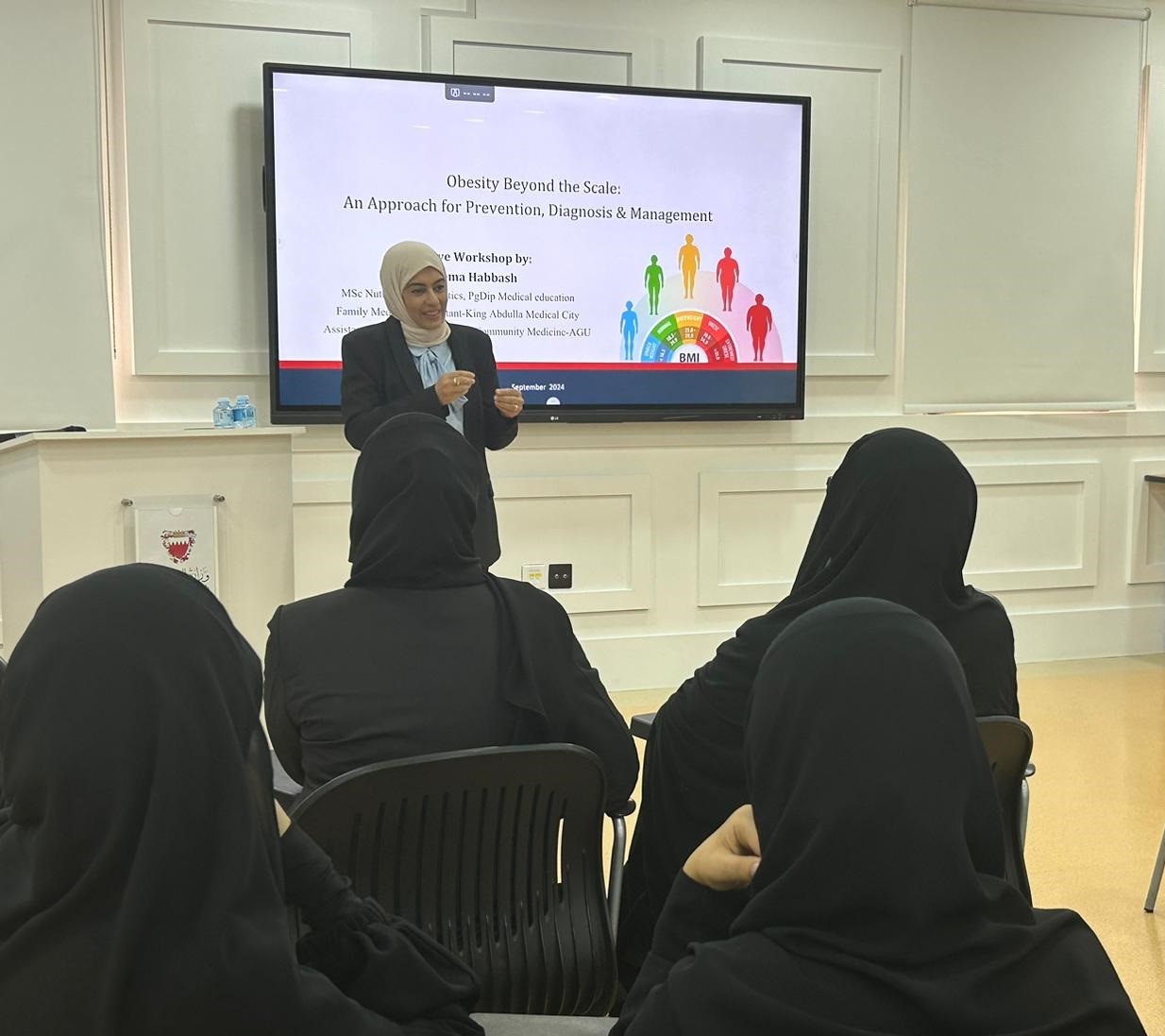
Dr Fatema Habbash, Consultant Family Physician specialising in nutrition and dietetics at the University Medical Centre in King Abdullah Medical City, and Assistant Professor of Family Medicine in the Family and Community Medicine Department at the Arabian Gulf University (AGU), has recently issued a stark warning regarding the health risks associated with obesity.
In an engaging workshop focused on obesity and effective educational techniques for weight management, Dr Habbash underscored that obesity predisposes individuals to a multitude of health issues, including cardiovascular disease, diabetes, hypertension, elevated cholesterol levels, liver diseases, sleep apnoea and certain types of cancer.
During the workshop, which featured participation from public health education specialists and a group of health advocates, Dr Habbash explored strategies for the prevention, assessment and management of obesity, highlighting the alarming increase in obesity rates globally and discussing comprehensive plans that address prevention and treatment, as well as the critical roles that individuals, communities, policymakers and health care professionals must play in tackling this pressing issue.
Moreover, Dr Habbash emphasised the necessity of early intervention in preventing obesity and its associated complications, asserting that the responsibility of mitigating obesity and its physical, psychological and social repercussions lies with the collective efforts of individuals, communities and nations alike.
She added: “Investing in health through the adoption of healthy lifestyles, including balanced nutrition, regular physical activity such as exercise, minimising screen time, avoiding all forms of smoking and prioritising sleep quality and mental well-being, is essential in effectively reducing obesity and its complications.”
The workshop also included discussion sessions, case studies and various activities designed to inform participants about the foundational principles of diagnostic, preventive and therapeutic consultations available to individuals at risk of overweight and obesity. Attendees shared their perspectives and experiences in combating obesity through targeted health education, as well as recommendations aimed at curbing the proliferation of obesity and raising awareness of scientific methods for its prevention and treatment.