by ashokaib | Oct 9, 2024 | Uncategorized
Surgical treatment remains the cornerstone of management for most cases of breast cancer. In certain instances, surgery alone may suffice; however, in other situations, patients may require additional treatments post-operatively.
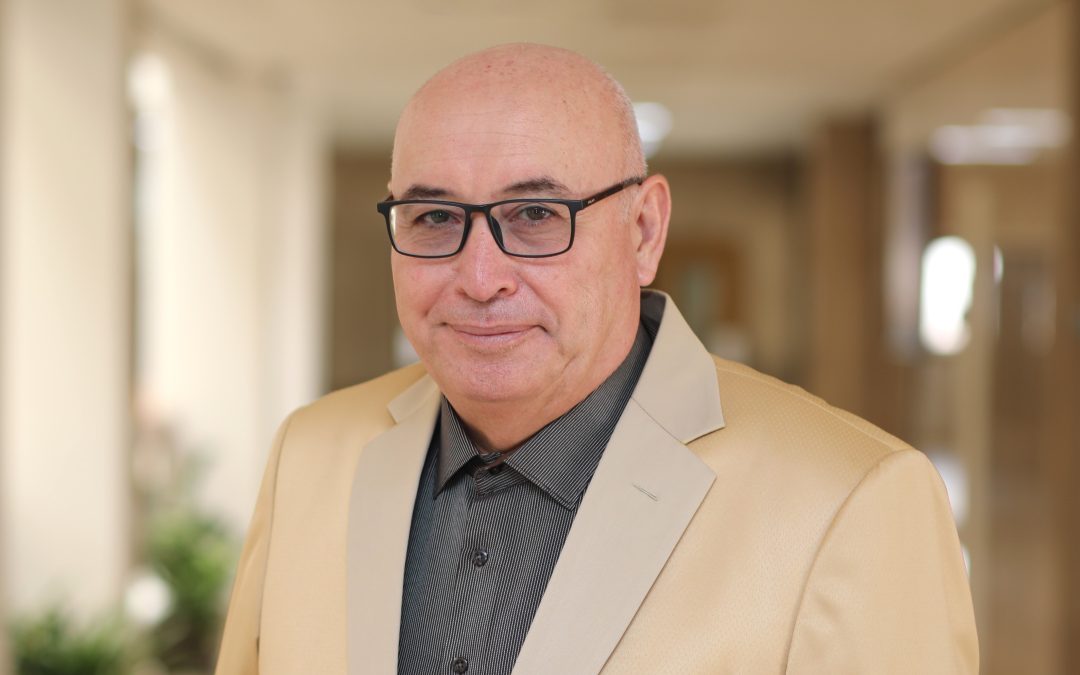
In the following interview, we speak with Dr. Rami Yaghan, a consultant in oncological and breast surgery, and head of the surgical department at the University of the Arabian Gulf, as well as a consultant in general and breast surgery at the University Medical Centre – King Abdullah Medical City, to explore the latest surgical procedures available for the treatment of breast cancer.
Breast cancer is the most prevalent cancer among women and poses significant challenges that adversely affect both their physical and psychological well-being, with wider implications for families and communities.
The incidence of breast cancer in Bahrain and other parts of the Arab world remains relatively moderate when compared to rates currently observed in Europe and the United States.
Owing to advances in early detection methods, alongside improvements in treatment modalities, both quantitatively and qualitatively, the prognosis for breast cancer has markedly improved. The current recovery rate exceeds 90% for those diagnosed early and receiving appropriate treatment.
The treatment modalities for breast cancer typically encompass:
- Surgical intervention
- Chemotherapy
- Hormonal therapy
- Radiotherapy
- Immunotherapy using antibodies in certain cases.
It is notable that multiple therapeutic approaches may be utilised for an individual patient, depending on the stage of the disease and its biological and hormonal characteristics.
This article aims to provide a succinct overview of surgical treatment, highlighting the critical role of surgical intervention in the management of breast cancer.
Surgical treatments include the following methods:
Mastectomy:
Historically, the treatment of breast cancer has often been synonymous with total mastectomy, a fact that has historically instilled fear and anxiety in women diagnosed with this condition.
However, it is important to highlight that, in many cases, total mastectomy can now be avoided, particularly in light of advancements in early detection methods and the increasing awareness among women regarding breast health.
Breast-Conserving Surgery:
In this approach, only the tissue surrounding the tumour is removed, eliminating the need for total mastectomy. Radiation therapy is typically administered as an adjunctive procedure to ensure comprehensive local control of the disease.
This surgical method is associated with satisfactory cosmetic outcomes and provides local disease control that is comparable to that achieved through total mastectomy.
Skin and Nipple-Sparing Mastectomy with Silicone Implants:
In this technique, the breast is completely excised while preserving the skin and nipple. Advanced silicone implants are then used to reconstruct the breast's natural appearance.
Over the past two decades, there has been remarkable progress in this area, with an increasing number of women opting for this type of treatment multiple times. This surgical intervention frequently results in aesthetically pleasing outcomes, and patient satisfaction with their quality of life post-surgery is generally high compared to other surgical options.
It is imperative to acknowledge that several factors influence the selection of the most appropriate surgical intervention for each patient, including:
- The location of the tumour within the breast
- The size of the tumour
- The preferences of the patient
- The existence of multiple tumours within the same breast
- The potential for complications in each patient
It is crucial to emphasise that even following total mastectomy, breast reconstruction surgeries (of which there are various types) can still be performed after the completion of chemotherapy, yielding satisfactory cosmetic results.
Furthermore, it is important to note that during any of the aforementioned surgical procedures, surgeons typically conduct an additional procedure involving the lymph nodes located in the armpit. This step is essential for predicting the expected recovery rate, determining the necessity for additional treatments (such as chemotherapy), and achieving comprehensive local control of the tumour in the axillary region.
In conclusion, I would like to underscore the following points:
- Total mastectomy is not an obligatory procedure and can often be avoided in many cases.
- The necessity for total mastectomy does not inherently indicate that the disease is advanced or that it is incurable.
- There are numerous surgical approaches that offer both complete disease control and satisfactory cosmetic and functional outcomes.
- The patient's decision plays a pivotal role in selecting the most suitable surgical intervention.
- There is no single surgical approach appropriate for all patients; the final decision is typically made by a multidisciplinary team encompassing various necessary specialisations.
I would also like to highlight that chemotherapy is commonly administered following surgery in cases where it is warranted. Nevertheless, there are circumstances where chemotherapy is provided prior to surgery to enhance the likelihood of avoiding total mastectomy for certain patients.
In conclusion, I wish for a swift and complete recovery for all women diagnosed with breast cancer, and I encourage all women to engage proactively with early breast cancer detection programmes in accordance with the guidelines issued by health authorities in the Kingdom.
by ashokaib | Oct 9, 2024 | Uncategorized
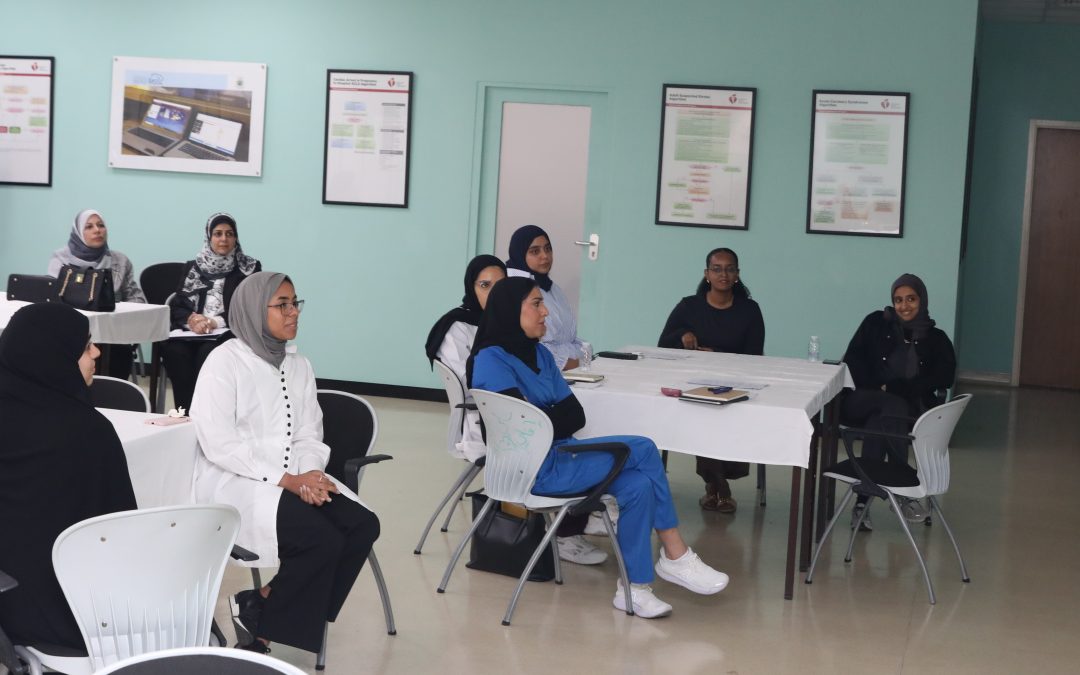
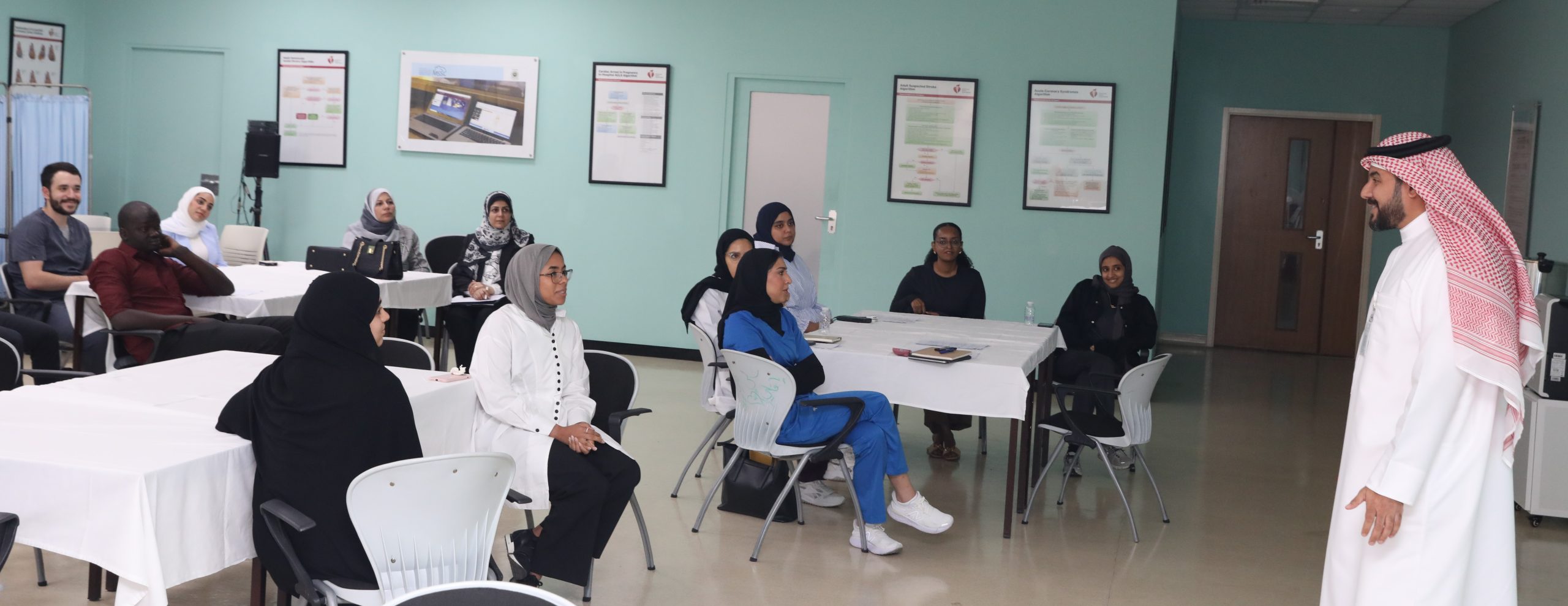
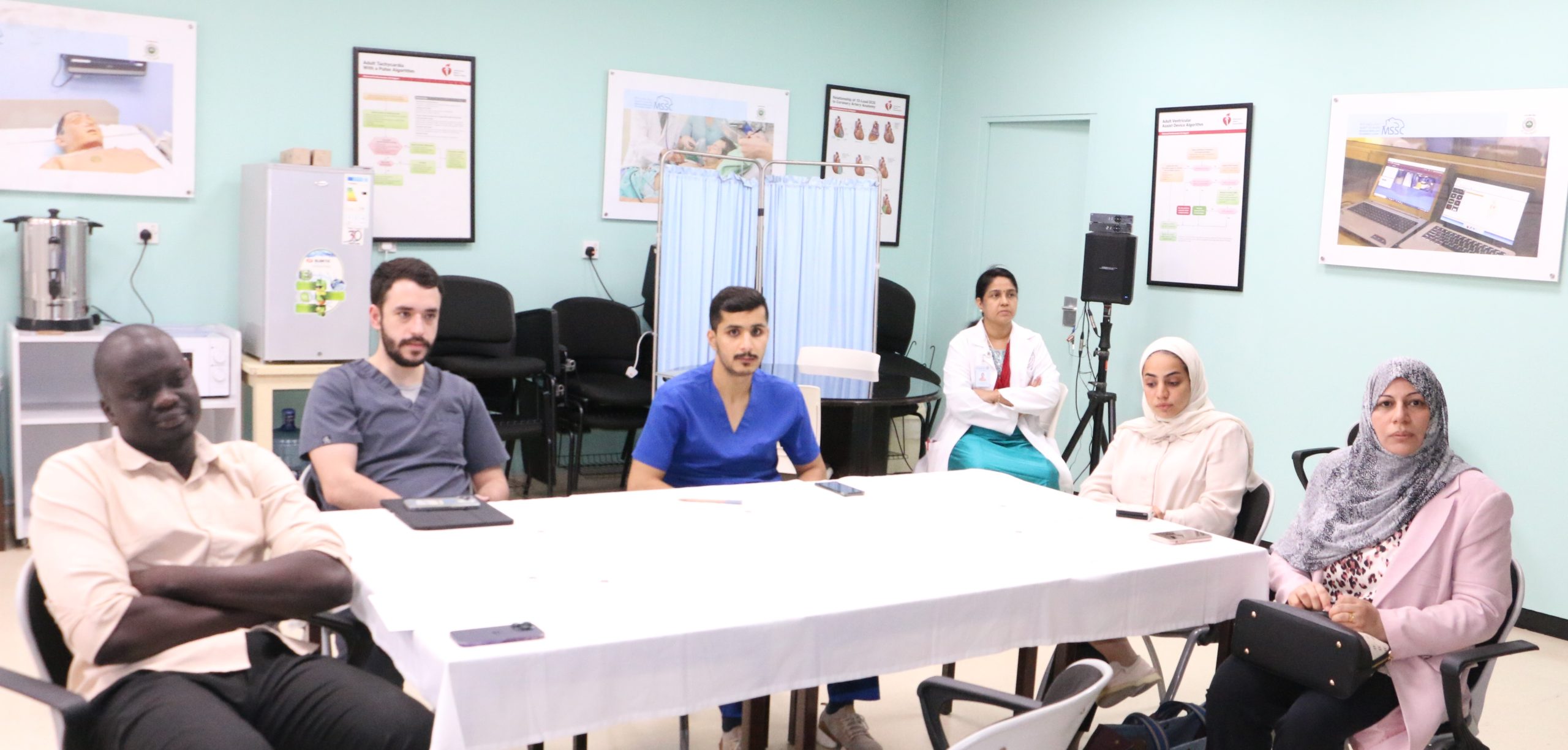
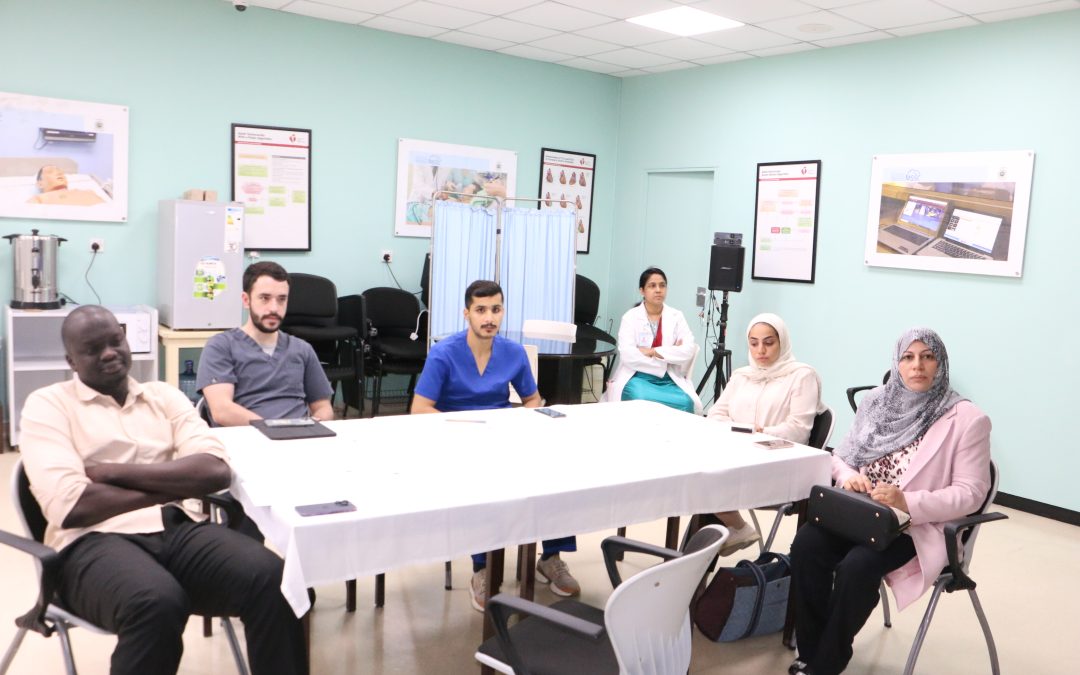
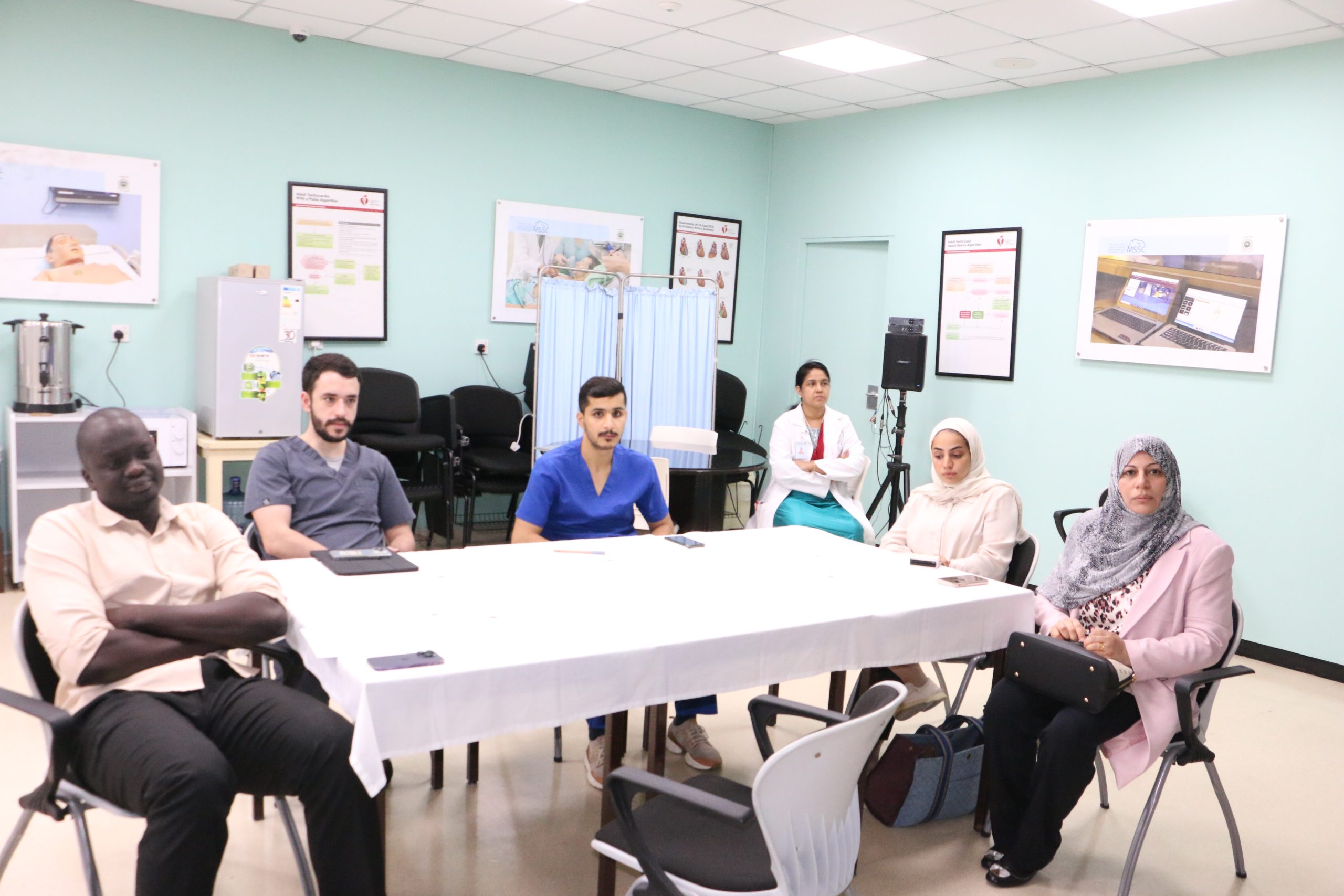
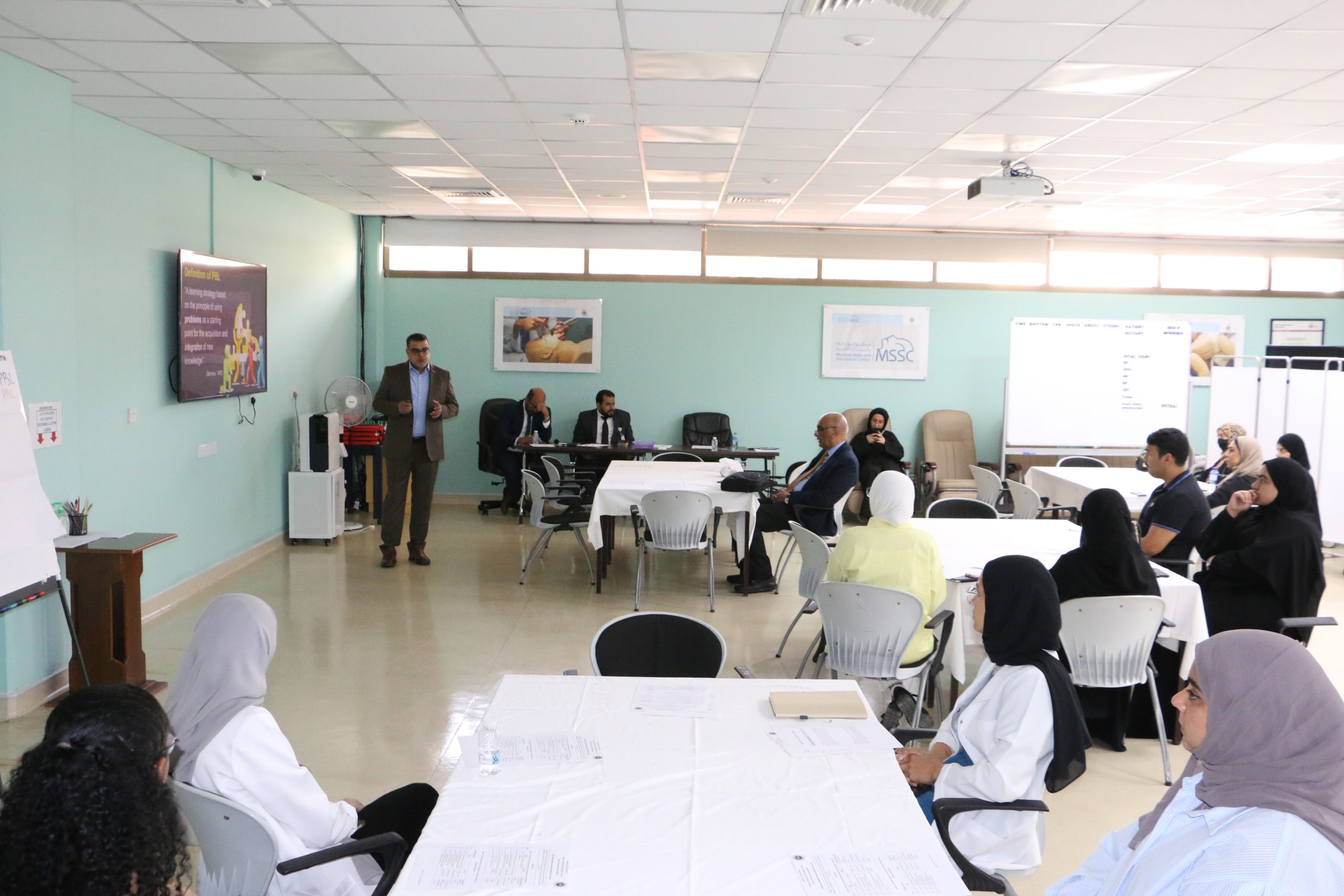
The "Problem-Based Learning" workshop, organised by the Medical Education Department at the College of Medicine and Health Sciences at Arabian Gulf University (AGU), concluded as part of a programme aimed at enhancing the educational skills of academic staff. The workshop was inaugurated by Dr Hany Atwa, Head of the Medical Education Department, who expressed his gratitude to the faculty members responsible for leading the problem-based learning sessions, while he also outlined the workshop’s objectives and highlighted key topics for discussion.
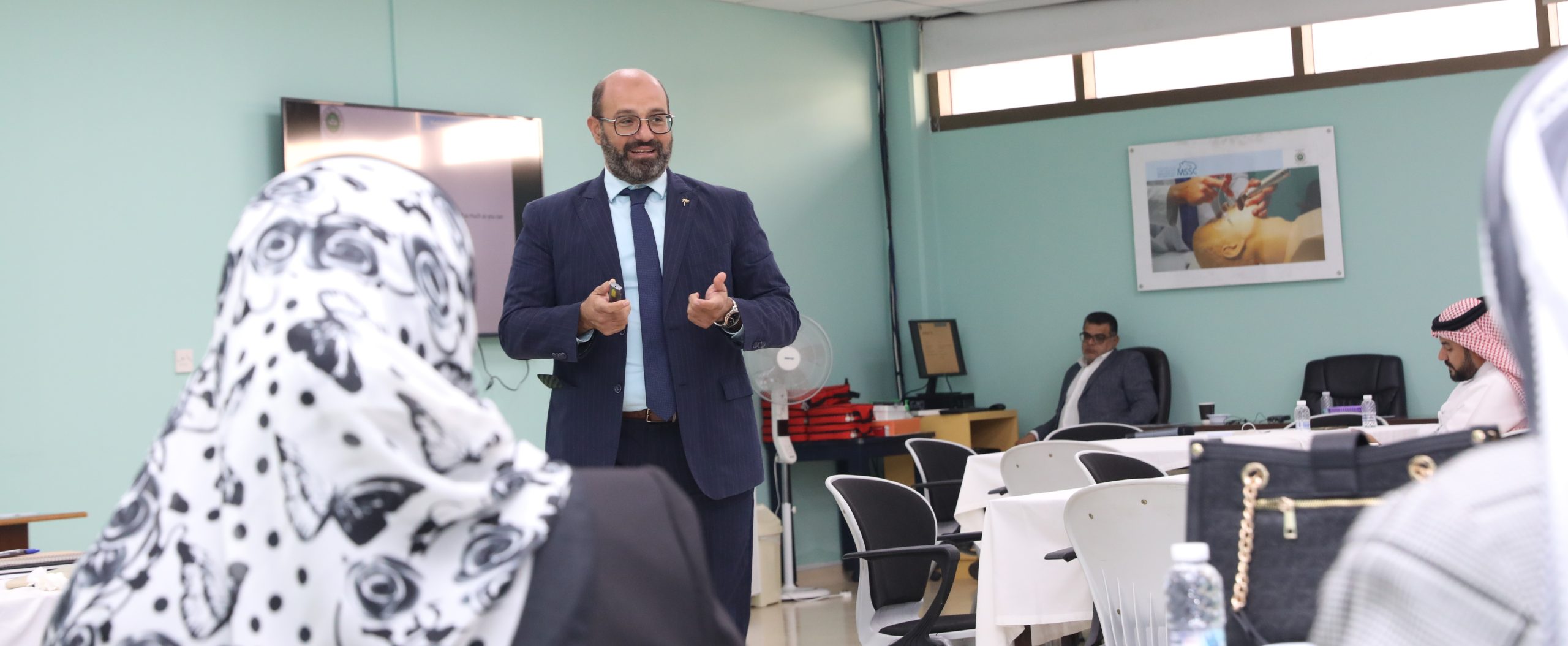
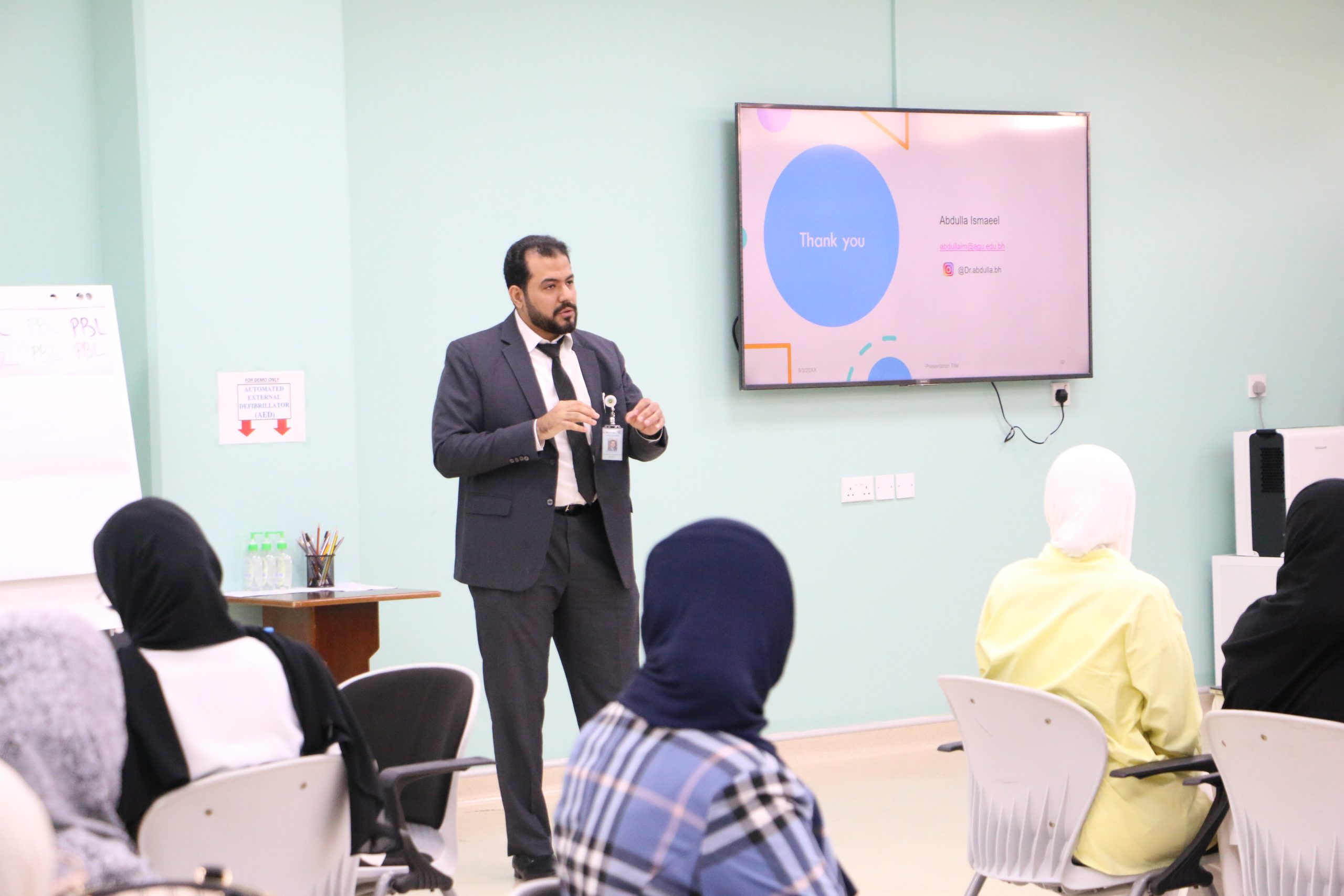
Participants received an overview of problem-based learning, its objectives and associated steps. Following the introduction, a series of consecutive sessions were conducted, comprising lectures and discussions between workshop facilitators and participants. These sessions featured several faculty members with extensive experience in educational methodologies. Notably, Dr Abdullah Ismail, Associate Professor in the Surgery Department, delivered a lecture on facilitating problem-based learning sessions, while Dr. Archana Kumar, Assistant Professor in the Medical Education Department, provided insights into evaluating students during these sessions.
Furthermore, Prof. Mohammad Hany, Head of the Family Medicine Department, led a discussion on offering effective feedback to students in problem-based learning contexts. This session incorporated various interactive activities, including practical training for a group of students from the College of Medicine and Health Sciences, illustrating the role of faculty and the different facets of problem-based learning.
The workshop's aim was to improve the performance of academic staff as facilitators of self-directed learning through a problem-based approach, which is recognised as one of the most effective learning strategies in innovative medical education; an approach the College of Medicine and Health Sciences at AGU has embraced since its inception. Additionally, the workshop sought to enhance the integration of technology and practical application within lectures and ensure that the primary objectives of the educational units were met. It also aimed to facilitate constructive feedback between the parties involved to achieve the highest educational outcomes.
The sessions of the workshop attracted significant engagement from the teaching staff, culminating in an evaluation of the workshop and discussions on the application of the skills learned over the coming months, alongside potential challenges that academics may face in their implementation.
by ashokaib | Oct 9, 2024 | Uncategorized
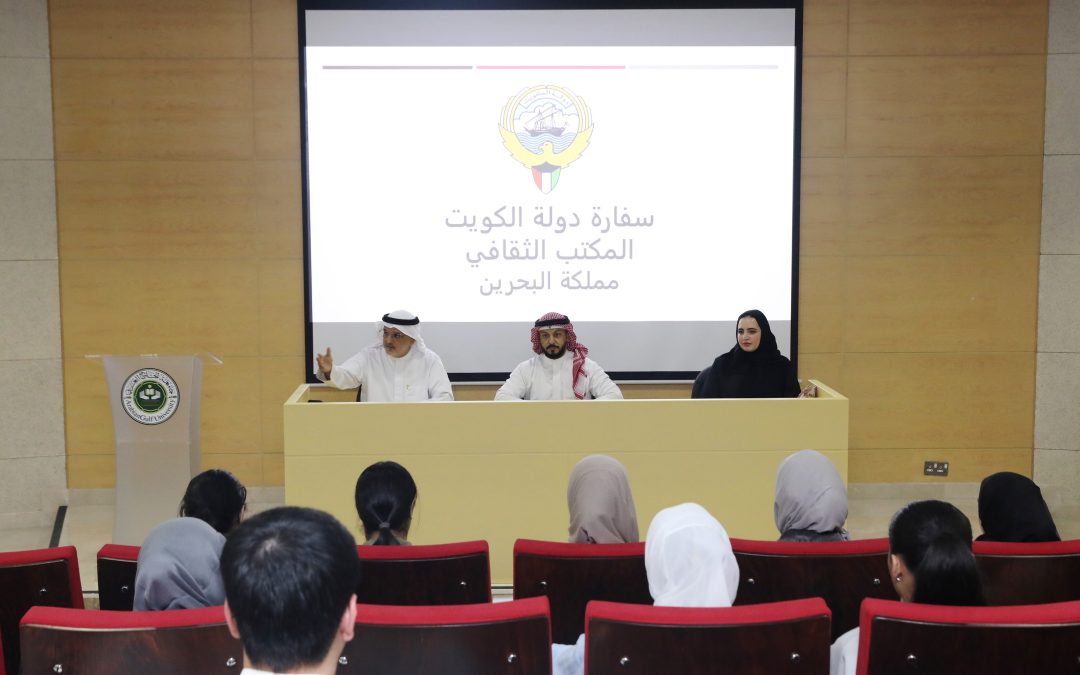
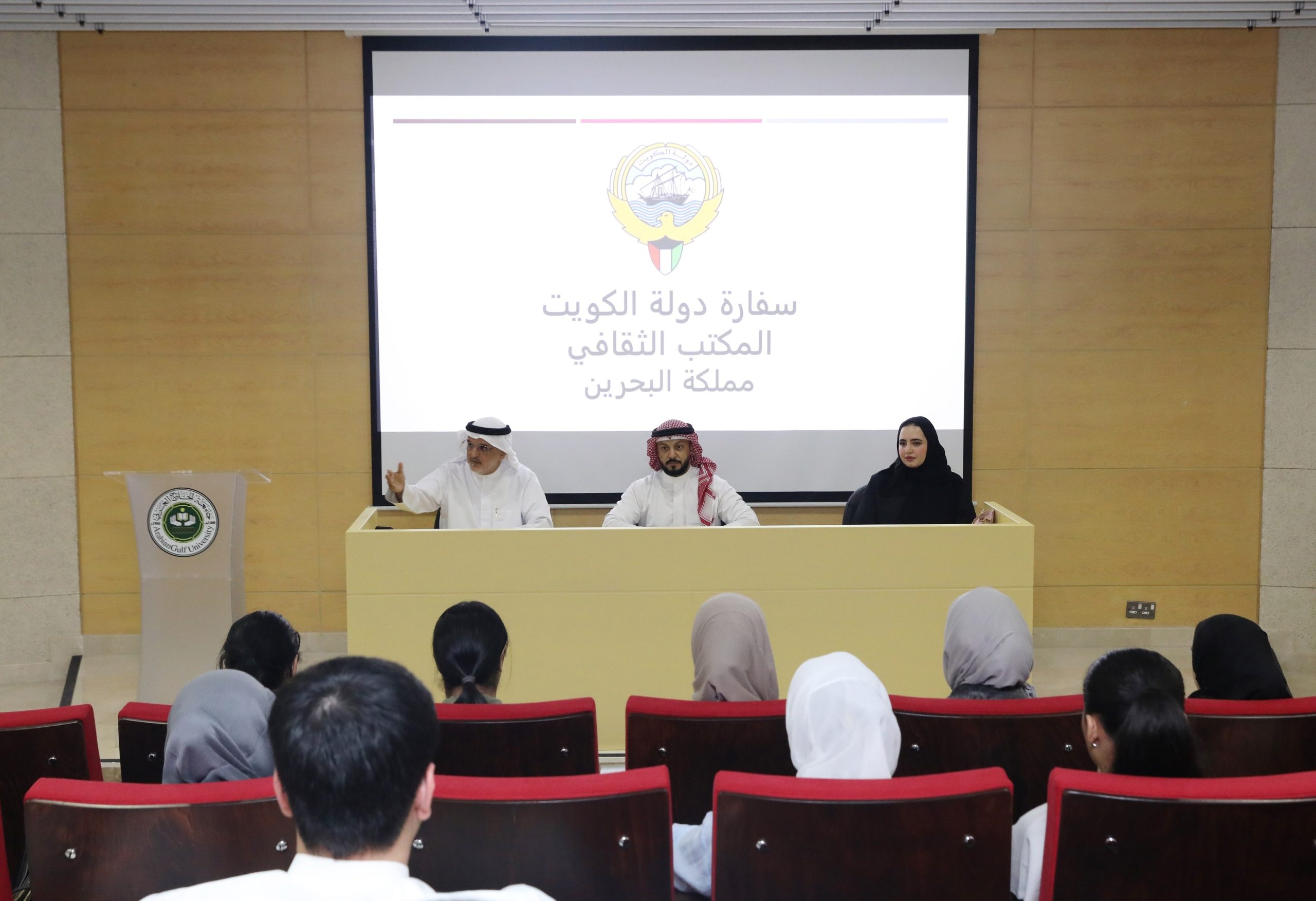
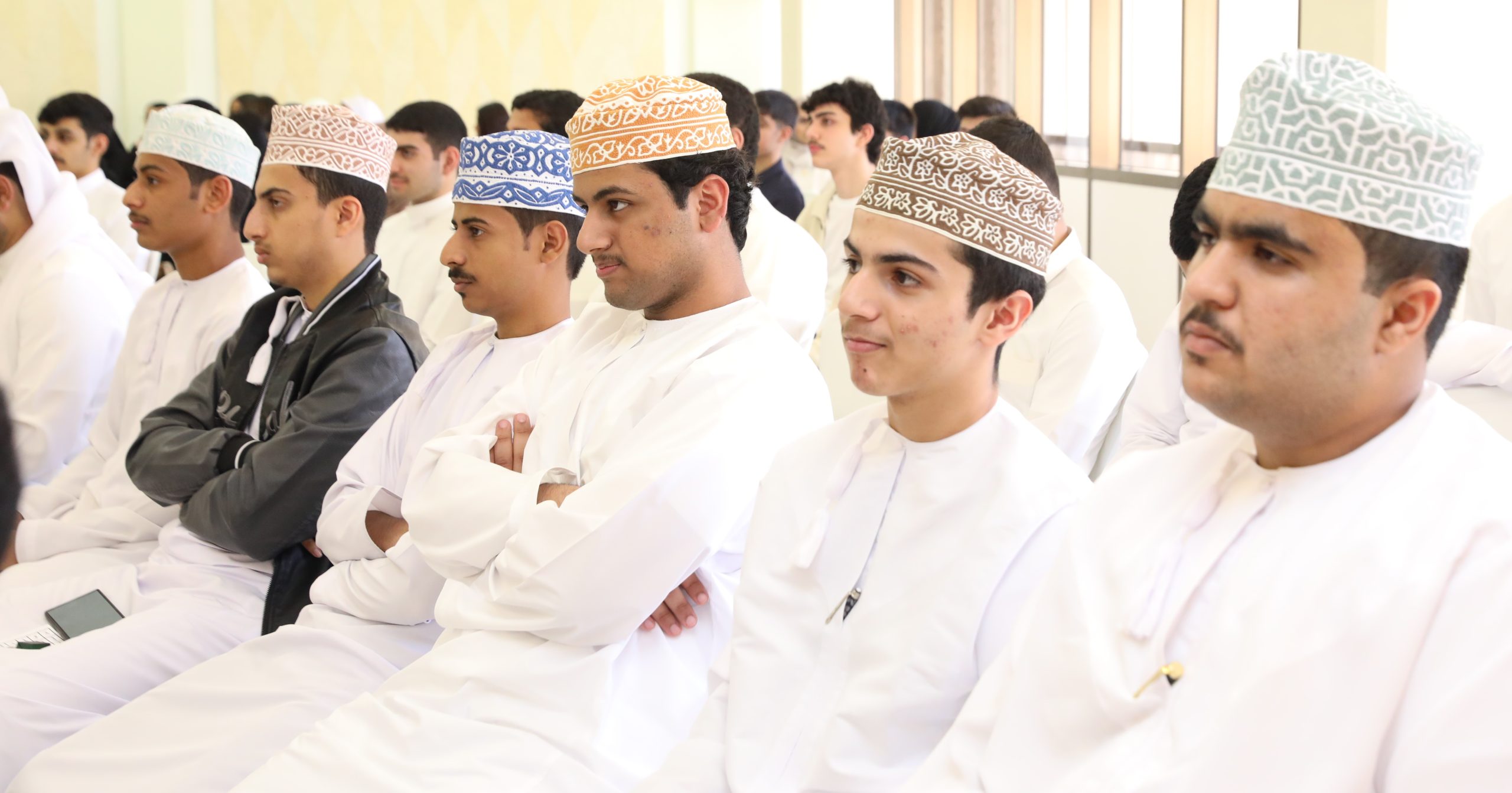
The cultural attachés and offices of the Gulf Cooperation Council in the Kingdom of Bahrain met with their new students at the College of Medicine and Health Sciences at the Arabian Gulf University (AGU) after orientation. The meeting followed up on their educational progress while outlining the nature of services provided by the cultural attachés to those on scholarship.
Head of the Kuwait Cultural Office at the Embassy of the State of Kuwait, Prof. Dr. Mohammed Al-Daghim, inspected the conditions of the Kuwaiti students. He confirmed that AGU has graduated great Kuwaiti doctors in various medical fields, and presently continues its noble educational aspiration in admitting more students expected to advance the medical sector in the Gulf. He stressed his keenness to assist Kuwaiti students of the College of Medicine from their first day at the university.
He stated, “I assure you of the strength of fraternal ties between the Arabian Gulf countries. The students and their parents feel quite at home and sense the university’s continuous efforts to develop higher education and various postgraduate specialisations, raising their level of confidence.”
He added, "Kuwait is proud of its students who have proven their serious commitment towards scientific and academic achievement throughout the past decades. A new batch of future doctors will soon join the Kuwaiti graduates of the university to complete this journey.” He noted that a large number of Kuwaiti students at AGU assume senior leadership positions in various sectors after graduation.
For his part, Consultant Nasser bin Rashid Al Maawali, Deputy Head of Mission at the Embassy of the Sultanate of Oman, explained the Omani mission's keenness to protect the rights of students, and to provide all the services and facilitations needed to complete their studies with ease. He stressed the focus on the quality of educational outcomes, in the context of the directives aimed at empowering youth as a key element for development.
He said, "AGU is a successful model of Gulf cooperation and stands at the forefront of universities due to its prestigious position on academic and research levels.” He commended the university's efforts in managing the educational process and praised the international acclaim for its graduates.
In the same context, Head of Academic Affairs at the Saudi Attaché, Amal Alammar, conveyed the greetings of His Excellency the Saudi Minister of Education to the new students, stressing his support for the scholarship programs. She called for the students’ sincere efforts in order to overcome challenges and score the highest levels of academic achievement.
While meeting with the first year and preparatory year students at the College of Medicine and Health Sciences, she answered all their inquiries and stated, "You are like ambassadors of the Kingdom of Saudi Arabia who embody the close ties that link Saudi higher education with AGU.”
For his part, Dean of Student Affairs at AGU, Dr. Abdulrahman Yousif, appreciated the keenness of the cultural attachés and offices affiliated with the GCC to continuously follow up on the affairs of students at AGU from admission, throughout their educational journey, until graduation.
He praised the academic performance of Gulf students and stressed the university's keenness to maintain their high morale by instilling awareness of the importance of their role as ambassadors for their countries. He explained that AGU has garnered a high reputation over the past decades inspiring great confidence in the Gulf due to its distinguished academic standards characterised by quality and on-going development.
by ashokaib | Oct 8, 2024 | Uncategorized
The "Problem-Based Learning" workshop, organised by the Medical Education Department at the College of Medicine and Health Sciences at Arabian Gulf University (AGU), concluded as part of a programme aimed at enhancing the educational skills of academic staff. The workshop was inaugurated by Dr Hany Atwa, Head of the Medical Education Department, who expressed his gratitude to the faculty members responsible for leading the problem-based learning sessions, while he also outlined the workshop’s objectives and highlighted key topics for discussion.
Participants received an overview of problem-based learning, its objectives and associated steps. Following the introduction, a series of consecutive sessions were conducted, comprising lectures and discussions between workshop facilitators and participants. These sessions featured several faculty members with extensive experience in educational methodologies. Notably, Dr Abdullah Ismail, Associate Professor in the Surgery Department, delivered a lecture on facilitating problem-based learning sessions, while Dr. Archana Kumar, Assistant Professor in the Medical Education Department, provided insights into evaluating students during these sessions.
Furthermore, Prof. Mohammad Hany, Head of the Family Medicine Department, led a discussion on offering effective feedback to students in problem-based learning contexts. This session incorporated various interactive activities, including practical training for a group of students from the College of Medicine and Health Sciences, illustrating the role of faculty and the different facets of problem-based learning.
The workshop's aim was to improve the performance of academic staff as facilitators of self-directed learning through a problem-based approach, which is recognised as one of the most effective learning strategies in innovative medical education; an approach the College of Medicine and Health Sciences at AGU has embraced since its inception. Additionally, the workshop sought to enhance the integration of technology and practical application within lectures and ensure that the primary objectives of the educational units were met. It also aimed to facilitate constructive feedback between the parties involved to achieve the highest educational outcomes.
The sessions of the workshop attracted significant engagement from the teaching staff, culminating in an evaluation of the workshop and discussions on the application of the skills learned over the coming months, alongside potential challenges that academics may face in their implementation.
by ashokaib | Oct 7, 2024 | Uncategorized
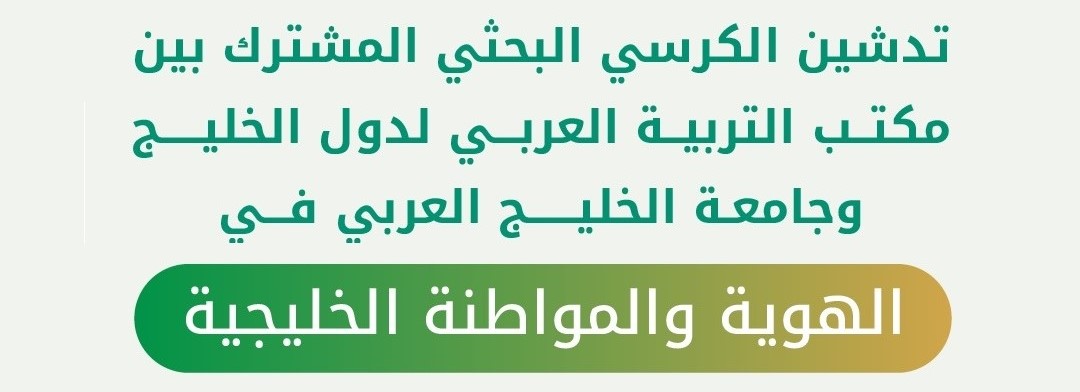
The Arab Bureau of Education for the Gulf States (ABEGS), in partnership with the Arabian Gulf University (AGU), will hold a ceremony to inaugurate the joint scientific chair for Gulf identity and citizenship on Wednesday (October 9, 2024) at 10:00 AM.
The event will be graced by the presence of His Excellency Dr Mohammed bin Mubarak Juma, Minister of Education and Chairman of the Board of Trustees of the Higher Education Council, alongside His Excellency Dr Abdulrahman bin Mohammed Al Asmari, Director General of ABEGS, and His Excellency Dr Saad bin Saud Al Fuhaid, President of AGU. The ceremony will take place in His Royal Highness Prince Abdulaziz bin Fahd bin Abdulaziz Al Saud Hall at the Princess Al Jawhara bint Ibrahim Al Ibrahim Centre for Molecular Medicine, Genetics and Hereditary Diseases.
The inauguration will commence with an opening address by HE the Minister oif Education, followed by speeches from HE the President of ABEGS and HE the President of AGU. The signing of an agreement to establish the joint chair will form a significant part of the event.
Following the inauguration, a symposium entitled “Education for Citizenship” will take place, coinciding with the celebration of World Teachers’ Day. The first session, moderated by Dr Saud bin Musa Al Salahi, will explore “Global Trends in Teaching Citizenship”, featuring presentations by Prof. Saif bin Nasser Al Ma’amari and Dr Omar bin Adnan Jaloun.
The second session, moderated by Ms Nasreen Ma'roof, Chairperson of Bahrain Radio, will delve into “Integrating Citizenship Education and Shared Global Values in Teacher Preparation Programmes in GCC Countries”, with contributions from Prof. Baqer Al Najjar and Dr Manal Al Jassim.
Meanwhile, the third session will include a workshop showcasing the Kingdom of Bahrain’s efforts to enhance citizenship under the slogan “Bahrain.. Together We Create the Future”, with presentations by Ms Hala Ahmed Sulaiman and Dr Youssef Mohammed Ismail.
At the conclusion of the symposium, participants are expected to offer recommendations that will bolster collaborative efforts among GCC States, further enriching the ideals of Gulf identity and citizenship