by ashokaib | Oct 7, 2024 | Uncategorized
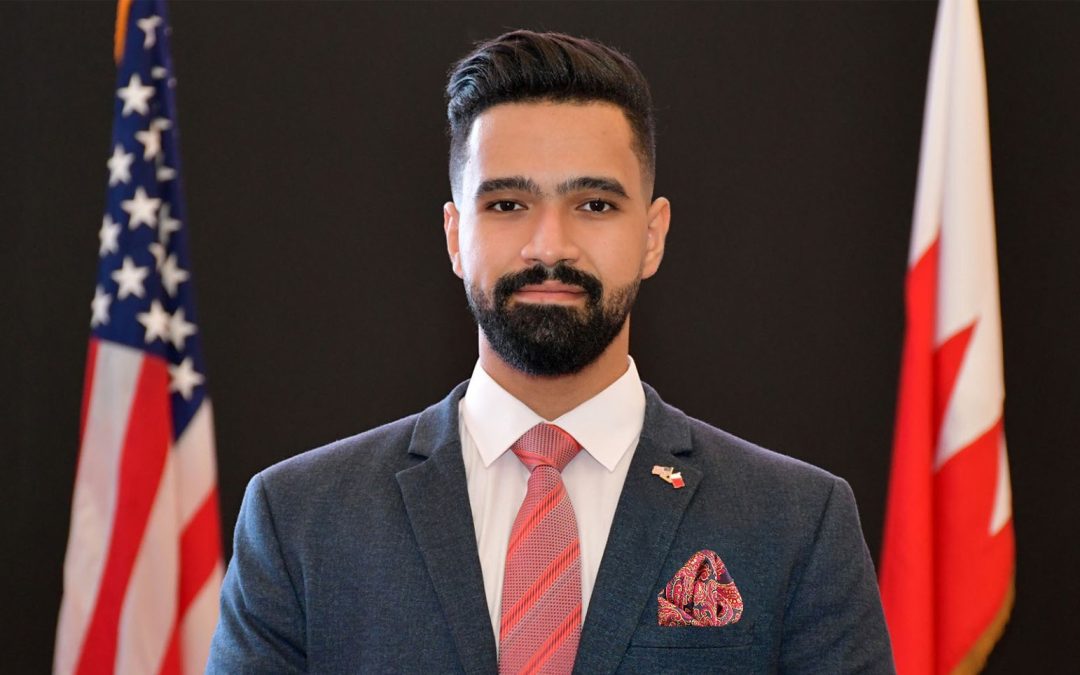
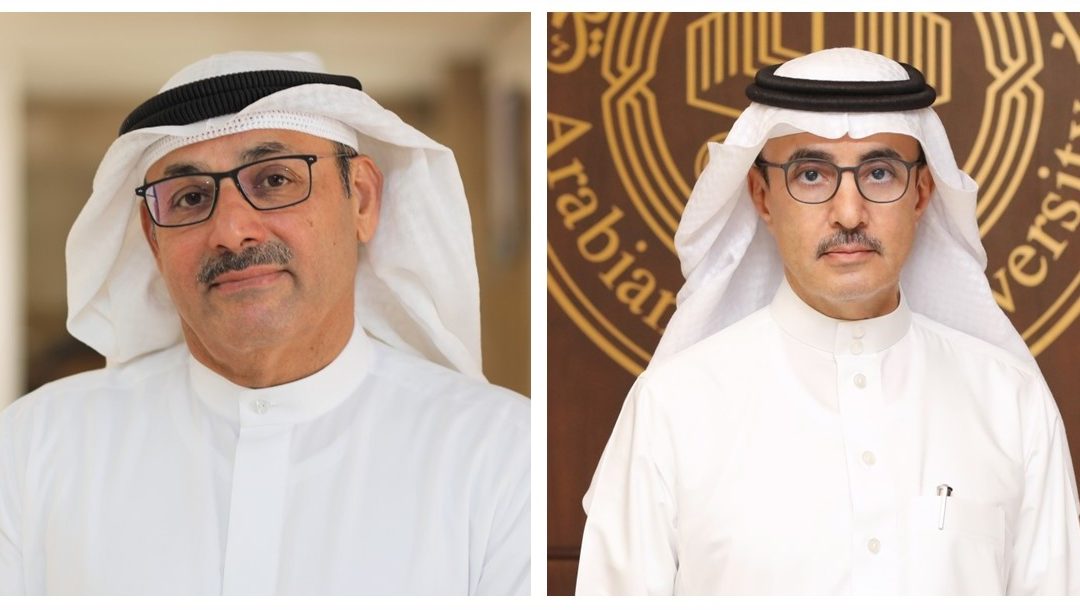
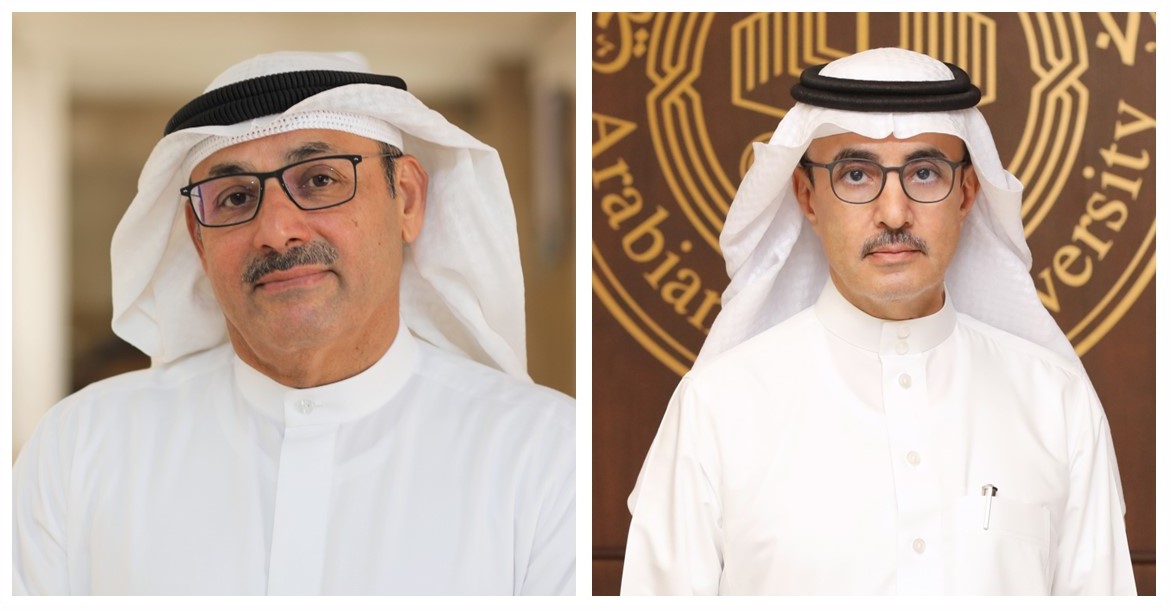
Dr Yaqoub Youssef Mohammed, a distinguished alumnus of the College of Medicine and Health Sciences at the Arabian Gulf University (AGU), has been awarded the highly regarded Fulbright Programme scholarship for 2024 to further his academic pursuits in Health Care Administration at the University of Kentucky, United States.
Established in 1946 and funded by the US State Department, the Fulbright Programme is renowned for being one of the world’s most prestigious and competitive exchange programmes. It aims to foster mutual understanding between cultures and promote cultural diplomacy through the exchange of knowledge and skills between the United States and over 150 countries.
This year, more than 100 candidates from the Kingdom of Bahrain applied for the programme, and after successfully completing a rigorous selection process that included interviews and assessments measuring skills in scientific writing, research, critical thinking, analytical writing and medical problem-solving, graduates were granted admission to postgraduate studies.
Dr Yaqoub Youssef Mohammed is a general practitioner and academic instructor, having graduated from the Arbian Gulf University with a Bachelor’s degree in Basic Medical Sciences and a Doctor of Medicine degree. His professional experience encompasses roles as an academic instructor at AGU, a trainee doctor at Salmaniya Medical Complex and a medical assistant at the Ministry of Health.
In addition to his academic achievements, Dr Yaqoub has been actively involved in various health awareness campaigns, community service initiatives and international medical programmes. He is a dedicated member of the Bahrain Medical Society and the Middle East and North Africa Stroke Organisation. He also played a key role in establishing the “Book Platform for Medical Research” and has previously taken part in the “My Project” competition organised by Tamkeen, winning the Bahrain Entrepreneurs Organisation award. Dr Yaqoub has also received numerous accolades, including the HRH Prince Salman bin Hamad Al Khalifa Medal for Medical Merit in 2022, and has participated in the Youth Leadership Programme under the United Nations Development Programme.
In conjunction with his studies at the University of Kentucky, Dr Yaqoub has recently joined the Centre of Excellence in Performance Analytics at the Albert B. Chandler Hospital in Lexington, Kentucky, as a Healthcare Business Intelligence Analyst. His role involves the analysis of big data and the implementation of decision support tools within the hospital to address challenges in decision-making that benefit patient care and enhance the overall quality of healthcare.
Furthermore, he is a member of the American College of Healthcare Executives (ACHE) and the Health Information and Management Systems Society (HIMSS). Throughout his participation in the Fulbright Programme, he has shared his clinical experiences and fervour for improving patient care, comparing the healthcare systems of the Kingdom of Bahrain and the United States while exploring how the experiences of both countries can help bridge gaps in global health.
by ashokaib | Oct 3, 2024 | Uncategorized
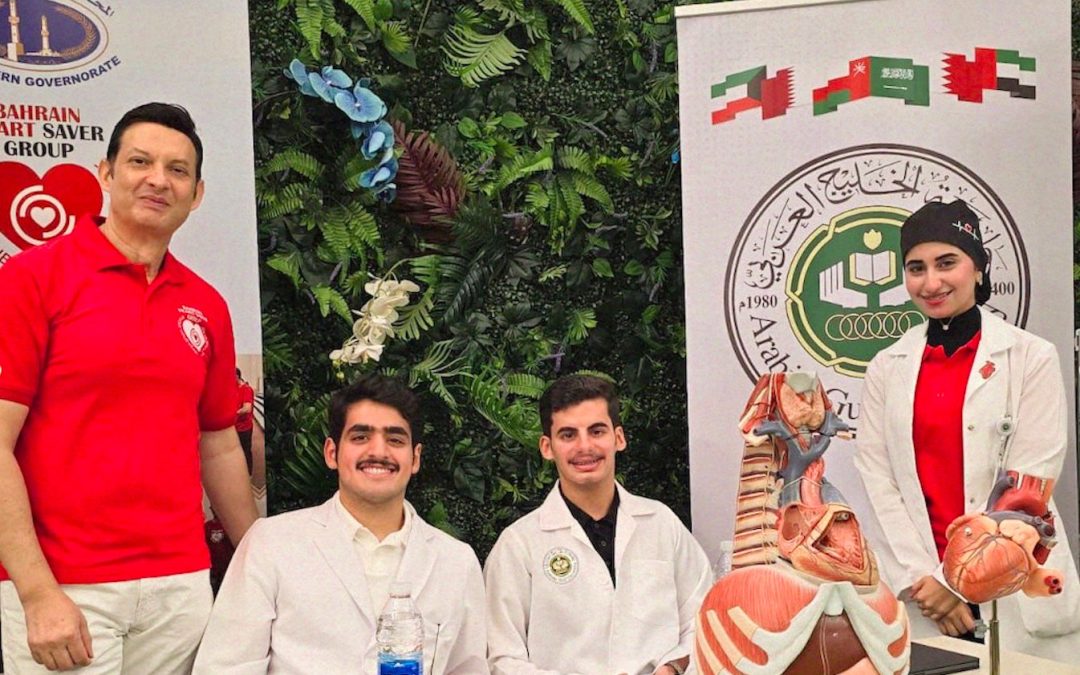
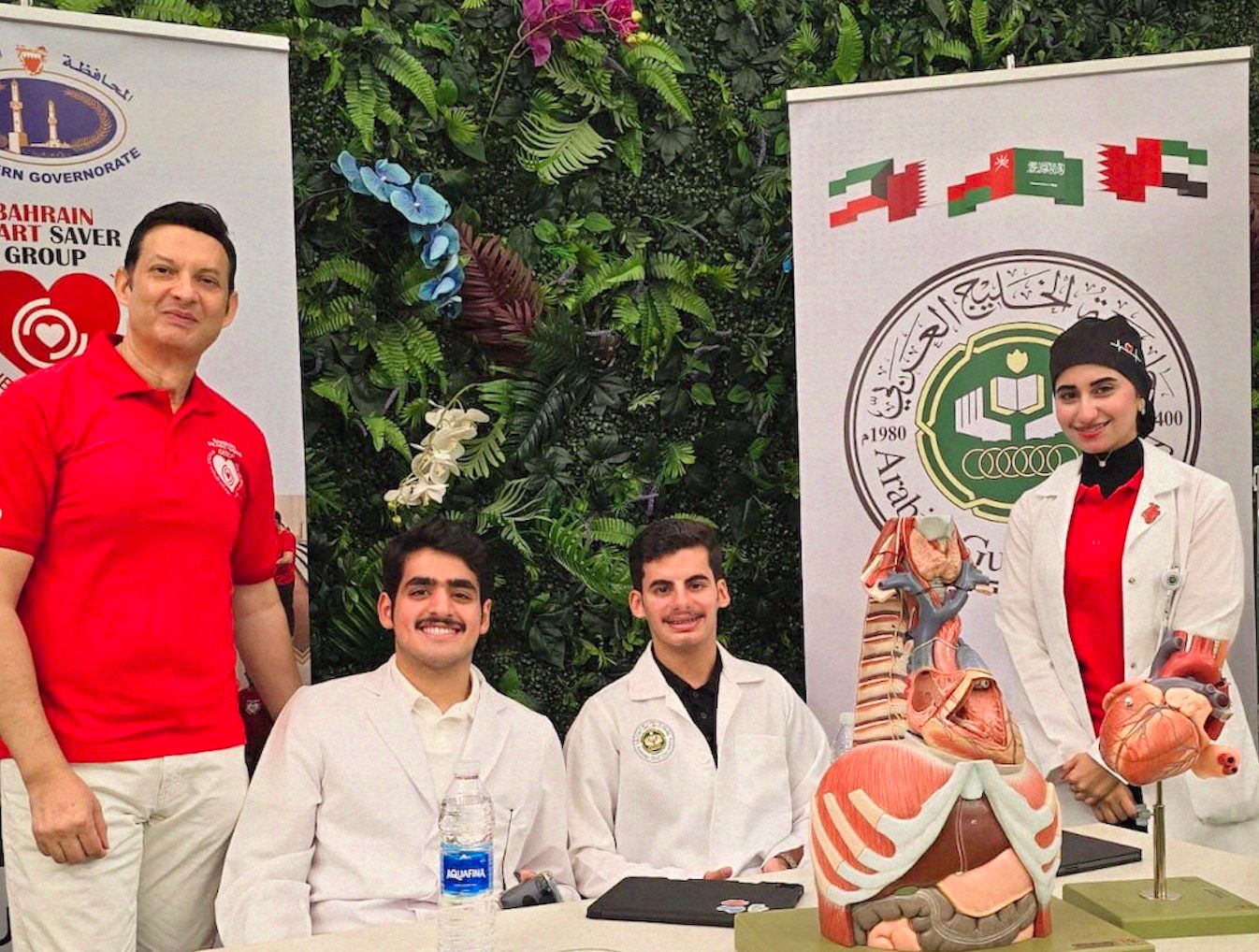
Medical students from the College of Medicine and Health Sciences at the Arabian Gulf University (AGU) participated in the observance of World Heart Day, which is being celebrated this year under the theme “Use Heart for Action”. Their involvement included taking part in a campaign aimed at raising awareness within the community about cardiovascular diseases and their prevention. This initiative reflects the students’ strong belief in the significance of heart health and its integral role in enhancing both physical and mental well-being, ultimately contributing to the establishment of a healthy, disease-free society.
The medical students are actively engaged in launching health initiatives and participating in community campaigns and projects designed to promote healthy lifestyle choices, thereby mitigating the risks associated with cardiovascular diseases and reducing the prevalence of related conditions such as hypertension, diabetes and obesity. This year’s theme for World Heart Day underscores the necessity of maintaining heart health as a critical component in improving work capacity and productivity; a healthy heart fosters enhanced concentration and energy, leading to greater creativity and productivity.
Student Ms. Burouq Ghanem Al Sulaiti stated that the participation of medical students in the voluntary campaign organised by the Bahrain Heart Saver Group, comprising cardiology consultants, specialists from various fields, nursing staff, and other health professionals, reflects their commitment to empowering individuals to take charge of their heart health. This is particularly pertinent, given that data from the World Health Organisation indicates that cardiovascular diseases remain the leading cause of death globally.
In the Eastern Mediterranean region, it is estimated that 38% of the population—approximately 258 million people—suffers from hypertension, a major risk factor for heart disease. Furthermore, half of all deaths associated with cardiovascular diseases occur before the age of 70, highlighting the urgent need for effective preventive measures and early treatment strategies.
Ms. Al Sulaiti remarked: “The involvement of students in global health awareness days such as World Heart Day, alongside doctors and consultants in private hospitals and medical centres, enriches our experience as medical students and opens new avenues for contribution in our future careers.”
She also noted that her participation, along with that of her fellow medical students at the Ramli Mall campaign, included providing informative presentations on heart models that visually illustrate various heart diseases for attendees, as well as detailed explanations of anatomical issues affecting the heart and essential information regarding first aid, particularly cardiopulmonary resuscitation (CPR).
The campaign saw participation from medical students, including Ms. Sara Al Abbasi, Ms. Moza Al Buainain, Mr. Abdulaziz Al Rasheedi, Mr. Osama Al Hajiri, Mr. Abdulaziz Nawaf, and Mr. Hatim Al Jaber. Their involvement was supervised by Dr. Syed Raza, Consultant Cardiologist at Awali Hospital, and Dr. Mohammed Salman Al Maliki, Consultant Paediatrician at the American Mission Hospital.
by ashokaib | Oct 2, 2024 | Uncategorized
The keynote address will be delivered by Prof. Dimitri Heintz from the University of Strasbourg in France, who will discuss the topic of sustainable wastewater treatment through the use of constructed wetlands. The seminar aims to evaluate and showcase the potential of constructed wetlands as a green and cost-effective technology, in addition to other ecosystem-based methods for wastewater management in GCC countries. It is expected to facilitate new collaboration opportunities among academic institutions, industry professionals and policymakers in the GCC to advance the development and implementation of this technology, strengthen capacities and achieve sustainable development goals.
On this occasion, Prof. Waleed Zubari, Dean of the College of Education, Administrative and Technical Sciences, Professor of Water Resource Management and Coordinator of the Professional Diploma Programme, commented on the pressing water challenges faced by GCC countries. He noted that these countries are experiencing a severe shortage of natural water resources, a situation expected to deteriorate with increasing population growth and the adverse effects of climate change. Concurrently, significant quantities of wastewater are generated from various sources, posing environmental hazards that necessitate costly treatment prior to disposal.
Elaborating further, he said: “If wastewater is treated and managed effectively, it can represent a valuable opportunity for the circular economy and alleviate pressures on existing water resources. As a result, many countries have begun to adopt the reuse of wastewater from agricultural, industrial, and municipal sources as a method to expand their water resource base. This approach requires the implementation of effective treatment technologies to eliminate hazardous pollutants. Moreover, alongside the rising levels of treated sewage resulting from increasing domestic water consumption in GCC countries, substantial quantities of produced water associated with oil extraction are also on the rise, particularly as oil fields age. This produced water comprises a complex mixture of pollutants and can have detrimental effects on the environment if discharged untreated, leading to considerable costs.”
In a related context, Dr Wael Almeslmany, Professor of Environmental Biotechnology, highlighted that constructed wetlands are recognised as a green and economically viable alternative to conventional treatment options. This technology utilises a combination of plants and microbes found in the root systems of these plants, which work harmoniously to eliminate hazardous environmental pollutants present in wastewater through bioremediation. Such technologies can be tailored to reduce or eliminate carbon emissions, thus contributing to the mitigation of climate change impacts.
Furthermore, a research team at the Centre for Environmental and Biological Studies is actively investigating ecosystem-based technologies for wastewater treatment. The team comprises Prof. Waleed Zubari, Dr Wael Almeslmany, Dr Abdulhadi Abdullah, Associate Professor of Soil, Water and Plants, Dr Sumaya Youssef, Assistant Professor of Environmental Engineering.
by ashokaib | Oct 2, 2024 | Uncategorized
Ms Athra Al Alawi, Director of the Arabian Gulf University (AGU) Library is participating in the inaugural Medical Library Forum held at Sultan Qaboos University in the Sultanate of Oman. This significant event is organised by the Omani Association for Libraries and Information in collaboration with the Special Libraries Association, Gulf Region Chapter. A distinguished group of experts and specialists in the field of library and information science will come together to discuss strategies aimed at enhancing the role of medical libraries in bolstering scientific research and advancing education.
The forum seeks to create avenues for communication among medical libraries, promote the exchange of ideas, broaden the professional network for librarians, and explore innovative solutions that will shape the future of medical libraries. Participants will undertake a thorough analysis of the current state of medical libraries, examining their infrastructure, available resources and services. They will identify the challenges that hinder medical libraries from providing effective services to researchers, students, and practitioners.
In addition, the forum will include proposals for innovative strategies to develop and enhance medical library services and evaluations of the effectiveness of modern technologies. Discussions will focus on the impact of advancements such as artificial intelligence and big data on improving medical library services, with the aim of generating recommendations for implementing best practices in the management and operation of medical libraries.
Moreover, Ms. Al Alawi will lead a discussion session titled “The Challenges Facing Medical Librarians in the Middle East in the Digital Age”. Other sessions will address topics including “The Importance of Health Literacy and Bridging the Knowledge Gap in the Arabic Language”, “The Clinical Librarian as a Member of the Medical Team”, “Centralised Management in Medical Libraries: A Balanced Perspective Between Supporters and Opponents”, as well as “The Current Situation and Proposed Strategies for Sustainable Digital Transformation in Libraries” and “The Use of Artificial Intelligence in Medical Libraries”.
by ashokaib | Sep 29, 2024 | Uncategorized
The Arab Fund for Economic and Social Development (AFESD) in Kuwait has provided funding for five training scholarships for students from Arab countries for the 10th cohort enrolled in the Professional Diploma Programme of the United Nations University in Integrated Water Resources Management, which is delivered by the Regional Centre of the United Nations-Water Learning Centre (UN-WLC) for the Arab Region at the Arabian Gulf University (AGU).
On this occasion, His Excellency Dr Saad bin Saud Al Fuhaid, President of AGU, commended the interest and support of Mr Bader Mohammed Al Saad, Director General and Chairman of the AFESD in Kuwait, for the students pursuing the Professional Diploma Programme in Integrated Water Resources Management. He expressed gratitude for this generous assistance and highly valued the Fund’s pioneering role in building Arab capacities in the field of water, alongside its support for economic and social development projects in the Arab world to foster Arab integration and strengthen cooperation among member states.
Dr Al Fuhaid stated: “This Fund is providing assistance for the second time to the programme, which reflects the esteemed Fund’s confidence in the Arabian Gulf University, a sentiment we greatly appreciate and uphold.”
For his part, Prof. Waleed Zubari, Dean of the College of Education, Administrative and Technical Sciences, Professor of Water Resources Management, and Coordinator of the Professional Diploma Programme, noted that this generous scholarship from AFESD is specifically aimed at students from less affluent Arab countries, regardless of gender. He highlighted that the scholarship will cover the registration fees for five selected participants, based on criteria such as field of study, age, gender and others, for a duration of one year. Furthermore, it will also cover the costs of three visits to the university’s headquarters in the Kingdom of Bahrain, including travel and accommodation, at the programme's commencement, midpoint and conclusion.
Prof. Zubari added, “The training programme has been carefully designed in a 'dual system' format to accommodate the professional commitments of specialists and practitioners working in water institutions throughout the Arab region, who may not be able to fully dedicate themselves to their studies. The programme combines formal in-person attendance for short periods with distance learning. The teaching methodology relies on self-directed study, the completion of assignments, and interaction with faculty members through online platforms. Participants will also present an applied project and undertake a final examination, upon completion of which a certificate will be awarded by the United Nations University in Canada.”
He also noted that the centre, since its establishment in 2008, has graduated 9 cohorts from the academic years 2008/2009 to 2023/2024, totalling 122 graduates. The centre receives ongoing support from the Kuwait Foundation for the Advancement of Sciences (KFAS), UNESCO, and the Gulf Water Sciences and Technology Association (WASTA).