by ashokaib | Sep 25, 2024 | Uncategorized
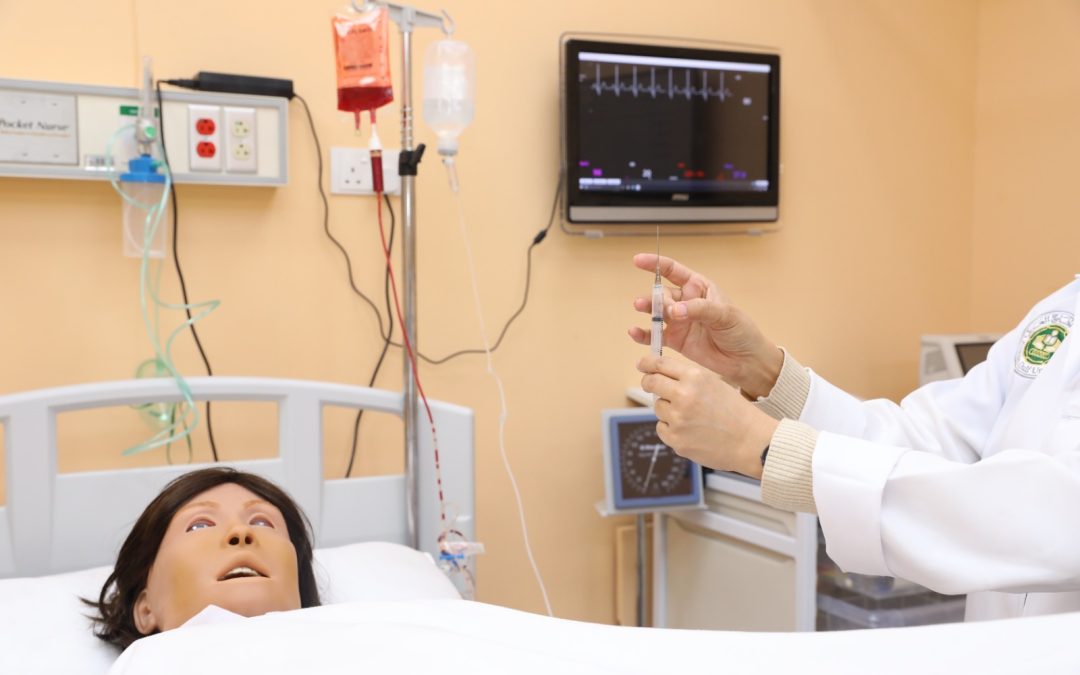
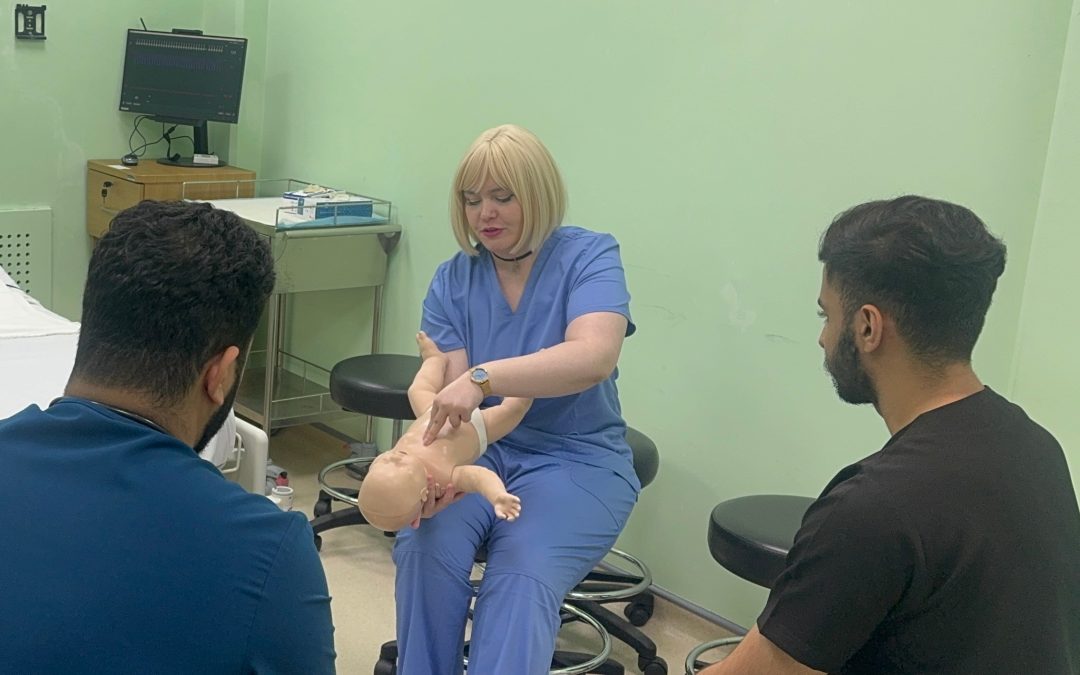
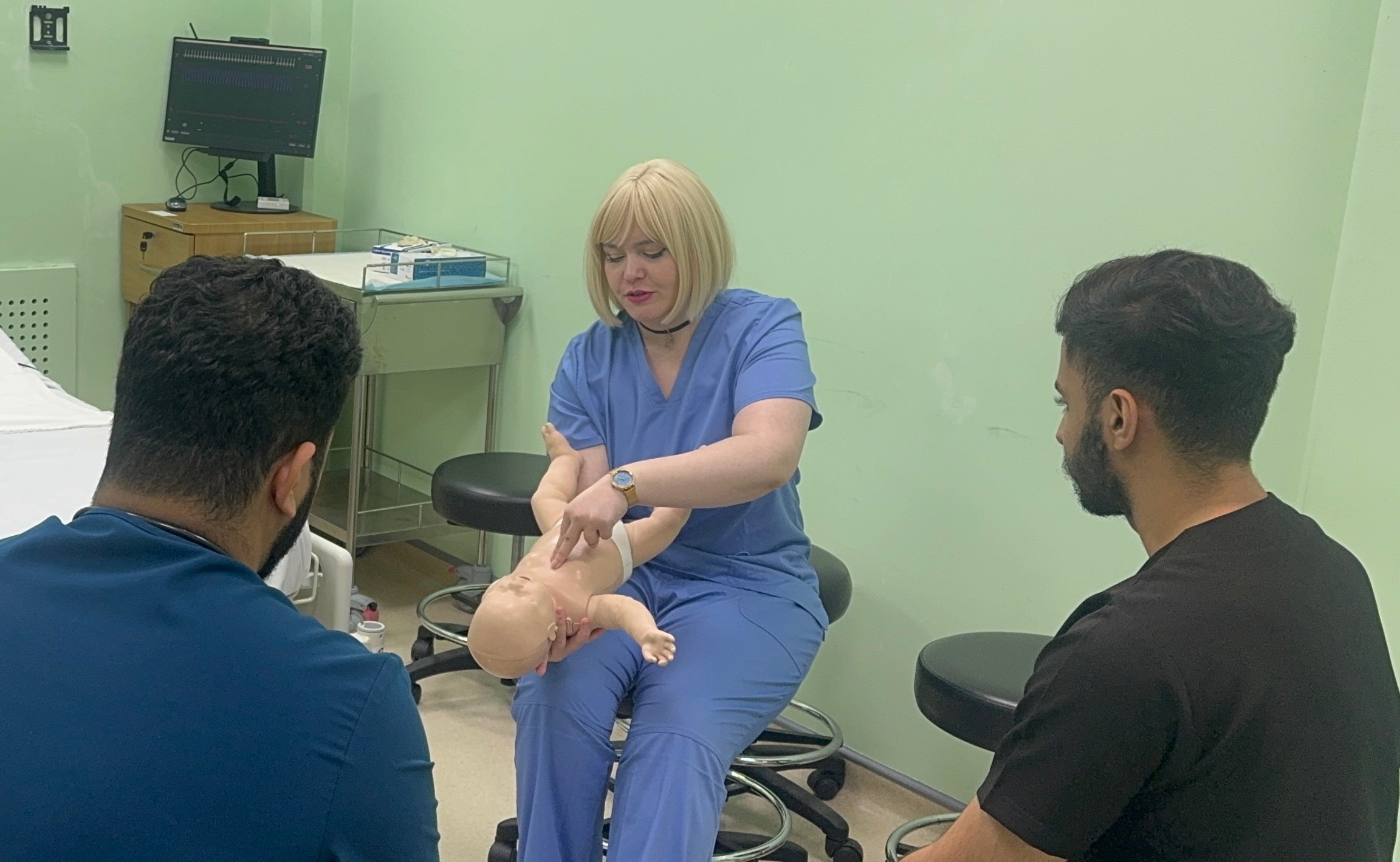
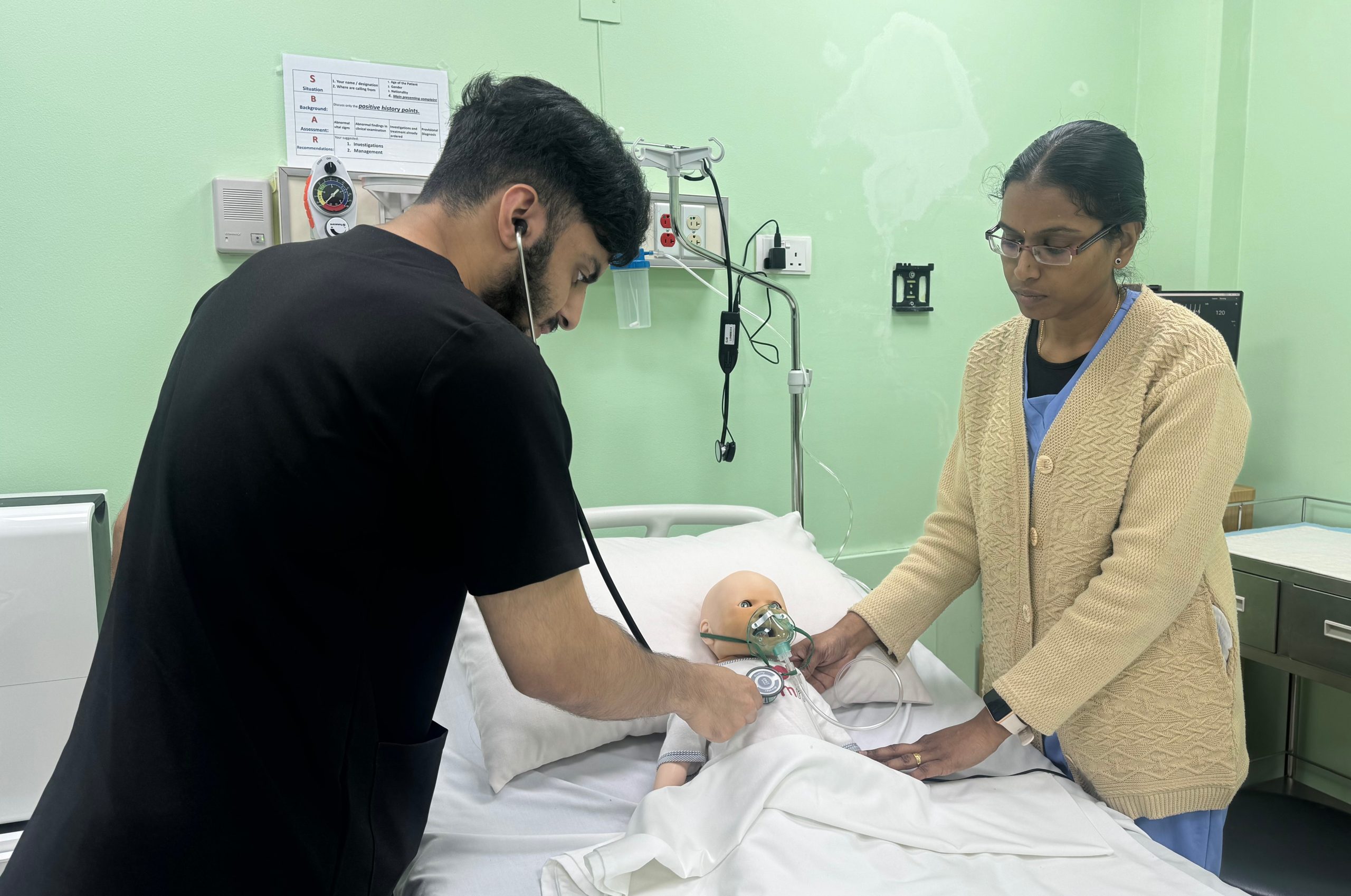
The Simulation and Clinical Skills Centre at Arabian Gulf University (AGU) recently hosted the Objective Structured Clinical Examination (OSCE) for the Saudi Board in Obstetrics and Gynaecology.
The examination saw the participation of 18 medical practitioners, all of whom are residents in the Obstetrics and Gynaecology programme. The assessment was conducted across six rooms under the supervision of six examiners. This event underscores the university’s steadfast commitment to advancing medical education within the GCC member states.
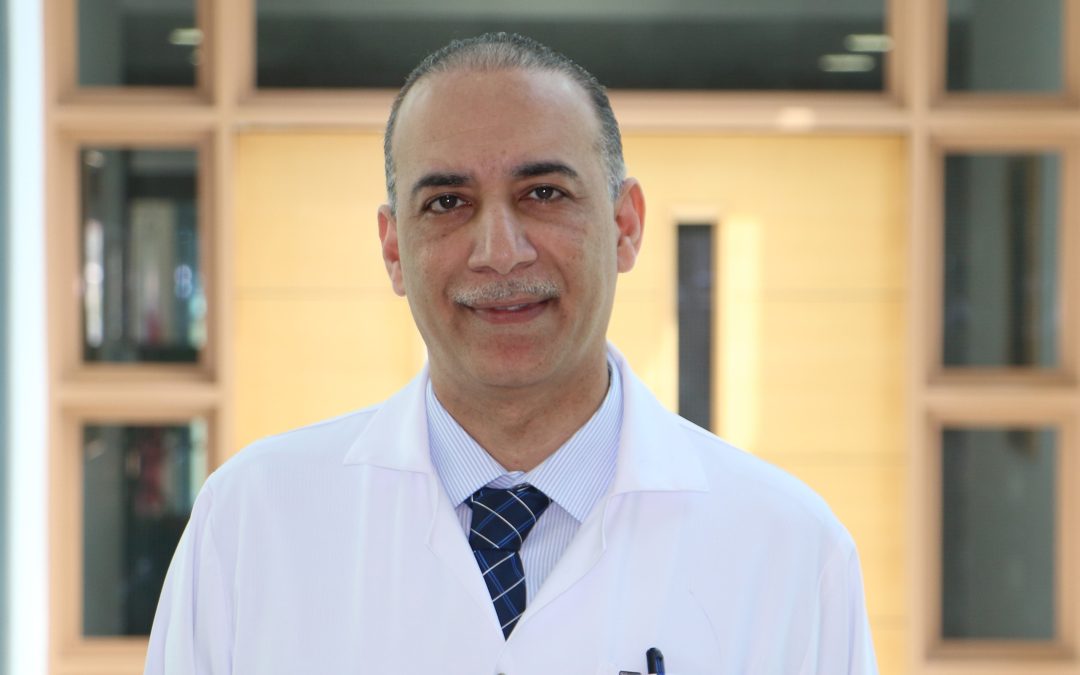
On the occasion, Dr Reem Al Ansari, Head of the Simulation and Clinical Skills Centre, highlighted the centre’s dedication to providing essential resources and expertise to bolster medical education in the region, ensuring exemplary training for healthcare professionals.
“The Simulation and Clinical Skills Centre remains committed to collaborating with medical education programmes across the region, in line with the directives of the University President. The centre will continue to serve as a pivotal entity in enhancing medical education through the continuous development of knowledge and skills for medical and nursing students, as well as physicians across various specialties,” she added.
by ashokaib | Sep 25, 2024 | Uncategorized
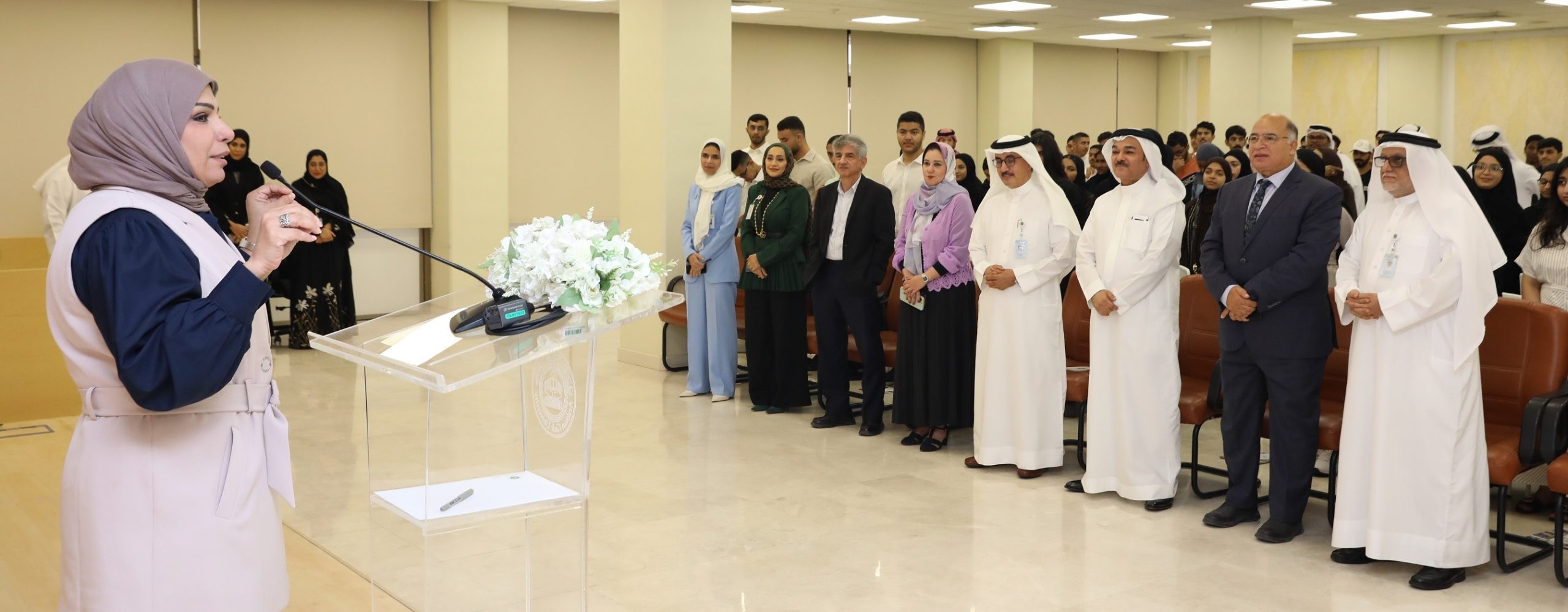
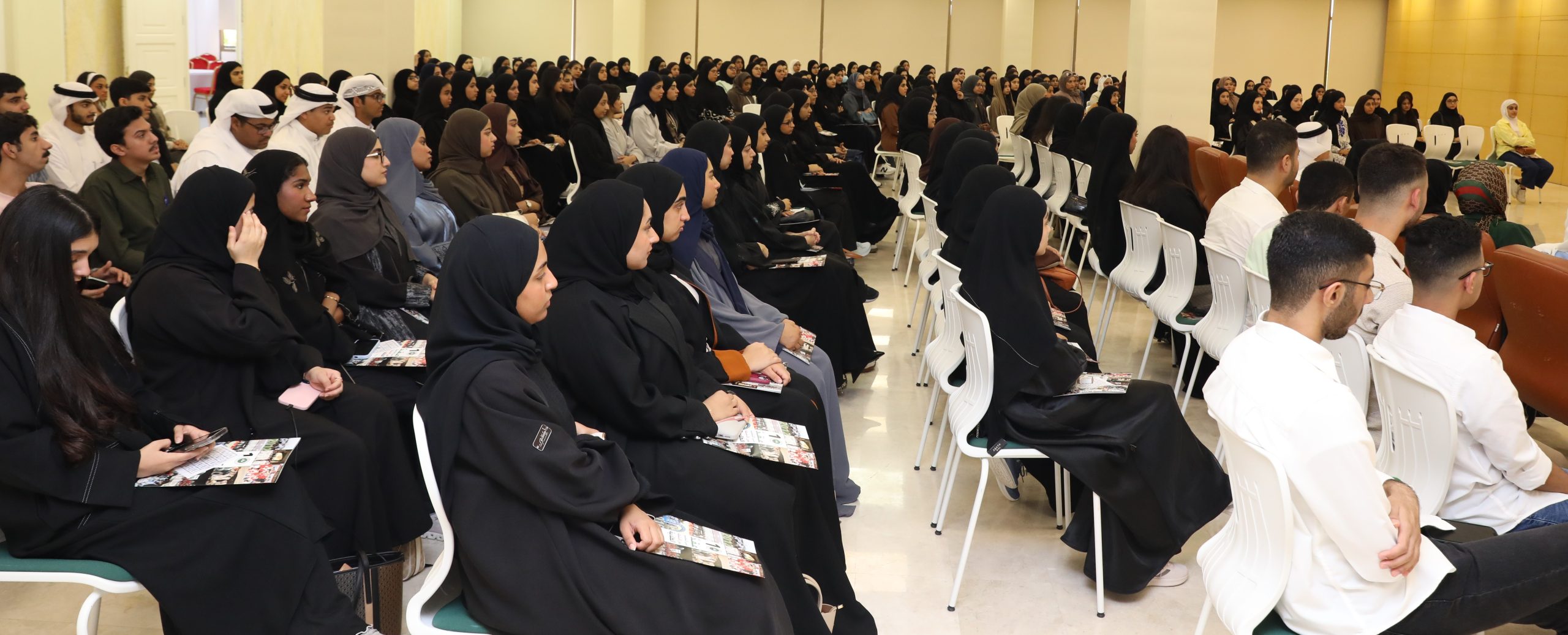
Dr Saad bin Saud Al Fuhaid, President of the Arabian Gulf University (AGU), affirmed on the inaugural day of orientation for new students in the Bachelor of Science in Nursing programme—offered by the university for the very first time—that the institution takes immense pride in welcoming outstanding students destined to become active contributors to the enhancement of medical services in the Kingdom of Bahrain and the GCC countries.
During the orientation sessions, which spanned two consecutive days, Dr Al Fuhaid stated: “Over the past two days, you have been introduced to all academic and service facets of the university. You have met with representatives from various departments, who will always be on hand to assist you throughout your university journey. You also became acquainted with the requirements for successfully completing your studies, as well as the significance of scientific research, innovation and engagement in student activities in the life of a medical student.”
The President also expressed pride in all graduates of the university, who contribute to sustainable development with their expertise and high skills. He cited several alumni who have taken on leadership roles in various ministries, hospitals and research centres both within the GCC community and beyond.
Moreover, Dr Al Fuhaid encouraged new students to take full advantage of the opportunities offered by the university, urging them to focus on developing their skills, abilities and knowledge in modern sciences. He reiterated the importance of an open-door policy and expressed confidence in the outcomes of the Bachelor of Science in Nursing programme, as it is a robust academic curriculum designed to cultivate leadership qualities and research skills among accepted students. Furthermore, he pointed out that the programme emphasises the development of clinical skills, ensuring that graduates are well-equipped to assume leadership positions within the nursing profession and contribute to advancing nursing practice through evidence-based research.
Dr Al Fuhaid wished the new students an academic year rich in excellence, activity and success, reaffirming the noble humanitarian message of the nursing profession and the vital responsibility that new students must embrace, which would qualify them for future leadership roles that enrich the nursing sector.
In a related statement, Dr Abdulrahman Yousif Ismael, Vice President for Administrative Affairs and Dean of Student Affairs, highlighted that AGU takes great pride in enrolling nursing students who will play a pivotal role in the development of the nursing sector in the Kingdom of Bahrain. He provided an overview of the study system, evaluation criteria, transfer requirements and the importance of engaging in scientific research and participating in volunteer initiatives to enrich the experience of nursing students.
On her part, Dr Hawazen Rawas, Programme Director, welcomed the new students, asserting that the launch of the Bachelor of Science in Nursing programme is a significant step towards enhancing the quality of healthcare education in the region and producing specialised professionals who contribute to improving health services. She underlined that nursing is regarded as one of the most critical pillars of the healthcare system, as the success and quality of health services largely depend on the competence of nurses.
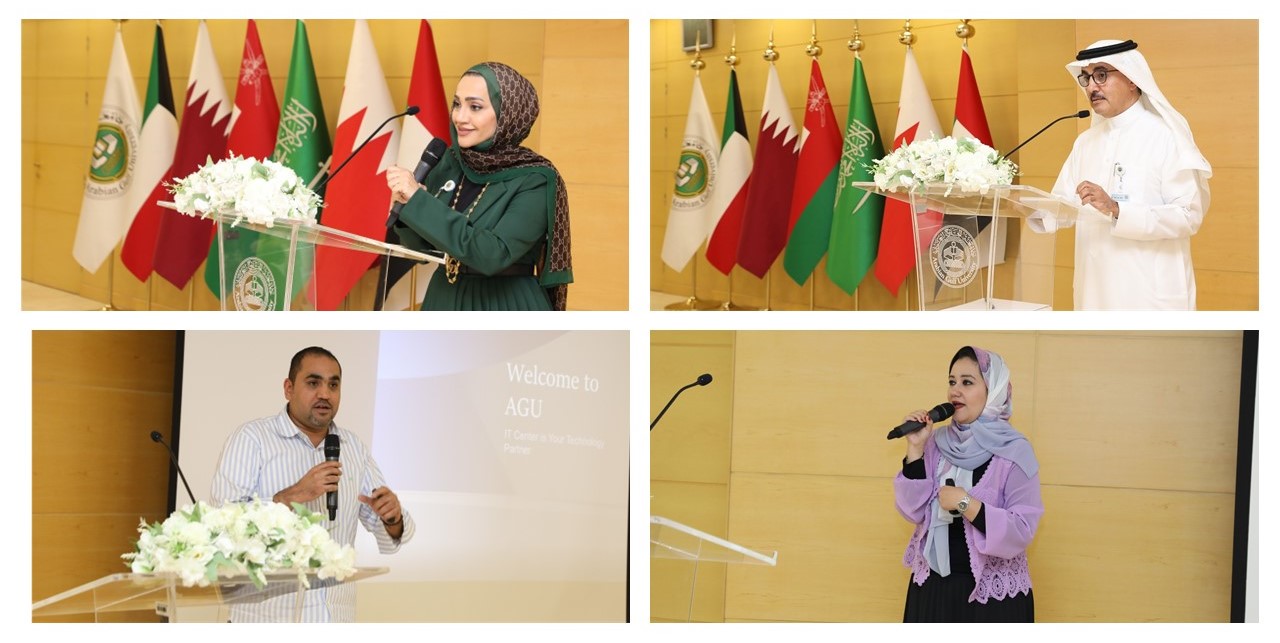
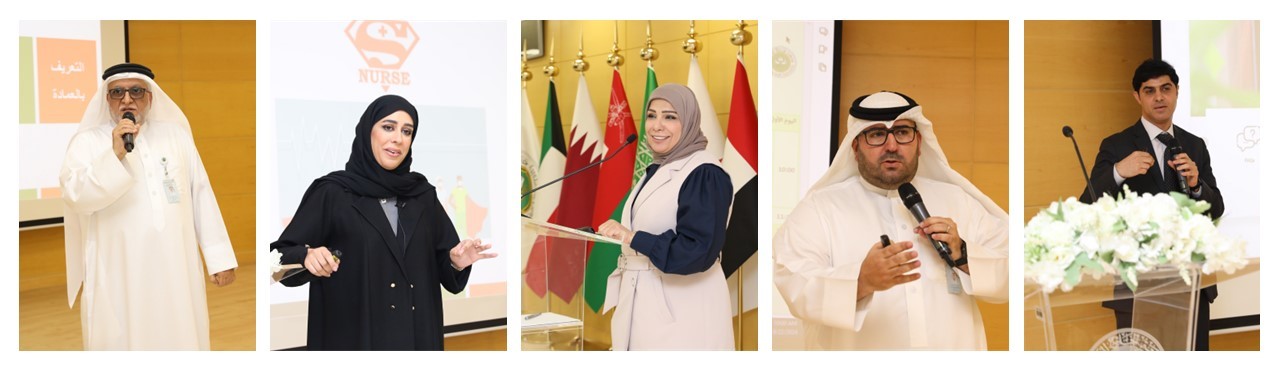
The orientation days featured interactions between new students and representatives from various university administrative units. During these sessions, students met with Mr. Abdulhamed Marhoun, Head of the Admissions and Registration Department, who explained academic requirements, regulations and the course registration process. They also attended a presentation by Mr. Ahmed Alsaie, Head of the Student Activity and Council Unit, and Ms. Aysha Alsubaiei, Head of the Student Care and University Housing Unit, who outlined the role of the Student Affairs Deanship, as well as behavioural regulations and the range of activities and services offered to students.
Furthermore, Mr. Husam Aburahma, Systems Administrator in the IT Services Unit, showcased the electronic services available to university studentsm, while Ms. Athra Alalawi, Library Director, alongside Mr. Hussain Al Fardan, Library Specialist, provided an overview of the array of library services. A quality specialist from the Quality and Excellence Centre spoke on the importance of quality assurance in universities and its impact on students’ academic and professional lives, emphasising the continuous improvement and evaluation of quality as essential for the university’s advancement.
Additionally, Ms. Fatema Alhajari, Senior Media Specialist, discussed the university’s media mission and its connection to achieving the institution’s vision and strategy centred on innovation and scientific research. She highlighted the role of university media and social media in portraying the best image of university life and student activities. To conclude the orientation programme, Dr Ahmed Malallah Al Ansari, Professor of Psychiatry, delivered a lecture addressing the challenges faced by new students and the role of counselling services within the university in providing essential support.
by ashokaib | Sep 24, 2024 | Uncategorized
In an interview with “Al Khaleej Al Tibbi”; Medical Section of Akhbar Al Khaleej Newspaper, Dr Mohammed Binfalah, Consultant Neurologist at the University Medical Centre at the King Abdullah Medical City, stated that unhealthy lifestyle choices, hearing impairment and brain injuries are significant factors increasing the risk of developing dementia. He noted that the global population of elderly individuals is rising, including those living with dementia, while mortality rates among younger age groups are decreasing, emphasising that the incidence of dementia among older adults has declined in many countries, likely due to improvements in education, nutrition, healthcare and lifestyle changes.
Dr Mohammed bin Falah further said: “In general, there are several potential factors that increase the risk of developing dementia, as highlighted by the Lancet Commission’s 2017 guidelines for dementia prevention and the World Health Organisation’s 2019 recommendations. These factors include low education levels, high blood pressure, hearing impairment, smoking, obesity, depression, physical inactivity, diabetes, reduced social interaction, excessive alcohol consumption, brain injuries, air pollution, poor nutrition, lack of cognitive activities and sleep-related issues. Collectively, these factors account for approximately 40% of dementia cases worldwide and theoretically can be prevented or delayed.”
1. Early Childhood Education: Attaining higher educational levels during early childhood can build cognitive reserves and diminish the risk of dementia.
2. High Blood Pressure: Managing high blood pressure to prevent brain damage that could contribute to the onset of dementia.
3. Hearing Loss: Addressing hearing loss in midlife to lessen the chances of cognitive decline.
4. Smoking: Quitting smoking at any age, as it remains a significant risk factor for cognitive impairment.
5. Obesity: Preventing and managing obesity during midlife through dietary practices, exercise and medical intervention.
6. Depression: Recognising and treating depression as a modifiable risk factor for dementia.
7. Physical Inactivity: Engaging in regular physical activity. Aerobic exercises, strength training and balance workouts are recommended to maintain mental health and overall well-being.
8. Diabetes: Effectively managing diabetes to mitigate its contribution to cognitive decline.
9. Social Isolation: Combating social isolation, particularly among older adults, and remaining socially active through community engagement and nurturing social relationships.
10. Alcohol: Avoiding excessive alcohol consumption, as it correlates with an elevated risk of dementia.
11. Brain Injuries: Preventing brain injuries early in life can help reduce the risk of dementia later on.
12. Air Pollution: Minimising exposure to air pollution, as emerging evidence indicates it may be linked to an increased risk of dementia.
13. Diet: Following a healthy diet similar to the Mediterranean model, which is rich in fruits, vegetables, whole grains, nuts, seeds and fish, while reducing the intake of saturated fats, refined carbohydrates and sugars.
14. Cognitive Training: Engaging in cognitive training and mental exercises to enhance memory, thinking abilities and other cognitive skills, while encouraging activities such as reading, solving puzzles and practicing memory exercises.
These guidelines highlight the importance of maintaining a healthy lifestyle, preserving cardiovascular health and building robust cognitive abilities throughout life. By focusing on these risk factors across different life stages and adopting a comprehensive approach, we can significantly reduce the global burden of dementia.
by ashokaib | Sep 23, 2024 | Uncategorized
The Simulation and Clinical Skills Centre at the Arabian Gulf University (AGU) recently celebrated International Health Simulation Week 2024, recognising the invaluable efforts of professionals in this field and promoting awareness of its significance in skill development and enhancing the quality of healthcare.
The Centre's participation in this annual global event aims to underscore the pivotal role of simulation in elevating medical education and training within the healthcare sector. Through this engagement, the Kingdom of Bahrain has firmly established its presence on the map of the International Society for Simulation in Healthcare, showcasing AGU’s commitment to advancing medical education and fostering innovation in the region.
The Simulation and Clinical Skills Centre is dedicated to contributing to the strategic objectives of AGU, which focus on enhancing competitive outcomes and constructing an integrated healthcare system that anticipates future demands. Additionally, it seeks to harness the potential of its medical and health sciences students through diverse and innovative activities that significantly enrich their educational and life experiences.
By celebrating International Health Simulation Week, the Centre aspires to stimulate the evolution of medical education and align with both the university’s vision and the aspirations of the GCC. The initiative aims to develop advanced educational experiences tailored to meet labour market needs and provide high-value educational practices, bolstered by Artificial Intelligence and virtual reality technologies.
Dr Reem Al Ansari, Head of the Simulation and Clinical Skills Centre at the AGU, emphasised that the Centre’s participation in the observation of this global event is part of its strategic plans to enhance the competency of medical students and cultivate their skills in accordance with the latest health protocols and procedures.
She further reiterated that this commitment supports ongoing training programmes in healthcare, centred around patient care, by creating a safe and comprehensive simulation environment that ensures distinctive training for students, physicians, and healthcare specialists.
Dr Al Ansari noted that the International Health Simulation Week offers a valuable opportunity to highlight the crucial role that simulation plays in advancing medical education and improving patient safety. She clarified that the adoption of simulation technology extends beyond simply utilising advanced tools; it also represents an investment in developing educators who implement best practices in simulation-based education and experiential learning.
Moreover, Dr Al Ansari pointed out that simulation is not merely a technological resource but an integrated methodology that allows for the provision of interactive, realistic and safe educational experiences, significantly enhancing the capabilities and skills of students at the AGU.
She added that the integration of simulation technologies in healthcare bolsters the university’s efforts to stay abreast of innovative and sustainable treatment approaches while enhancing and developing training programmes for medical and health sciences students, in line with AGU’s strategy for improving readiness and efficiency within the Centre by incorporating technology into diagnostic and treatment modalities, ultimately aiming for quality clinical training that meets international standards, thereby ensuring patient safety and satisfaction, as well as sustainable investment in future healthcare services.
by ashokaib | Sep 23, 2024 | Uncategorized
The Dean of the College of Education and Administrative and Technical Sciences, Prof. Waleed Zubari, has announced the opening of registration for the 10th cohort of the United Nations University Professional Diploma in Integrated Water Resources Management for the academic year 2024/2025. This esteemed programme is conducted in collaboration with the United Nations Water Learning Centre (UN WLC) in the Arab Region at AGU and United Nations University-Institute for Water, Environment and Health (UNU-INWEH).
Prof. Zubari indicated that this 10-month programme aims to enhance participants' capabilities in contemporary principles and applications of water resources management. The curriculum adopts an integrated approach, training specialists in the methods of integrated water resources management, comprising 10 training modules equivalent to 250 hours. These modules have been developed at AGU in conjunction with the University of Waterloo in Canada, tailored to align with the specific needs of the Arab region, utilising relevant examples and case studies.
Moreover, Prof. Zubari emphasised that the programme will be delivered by a distinguished team of university faculty and visiting professors, encompassing all pertinent aspects of technical, economic, social and environmental water resources management. Graduates who successfully complete this diploma will become eligible for direct entry into the Master's programme in Water Resources Management at the university.
Prof. Zubari further noted that registration will remain open until early October. He explained that the programme is designed for a dual-mode of learning, requiring participants to attend AGU for brief periods at the start and conclusion of the course for examinations and consultations with supervisors. The remainder of the programme will predominantly utilise remote e-learning methodologies, recognising the constraints faced by professionals in the water sector who may not be able to fully commit their time to training and studies.
The Dean also highlighted that the 10 modules within the programme address critical aspects of planning and integrated water resources management, focusing on key issues, challenges, and proposed solutions for sustainable water management in the Arab region. This programme is specifically aimed at professionals engaged in traditional water sectors (surface and groundwater) and non-traditional sectors (desalinated water and wastewater), along with related sectors such as agriculture, energy, industry and the environment across the Arab countries.
It is noteworthy that the UN WLC in the Arab Region at AGU offers several scholarships for study and training in this programme, in collaboration with the Arab Fund for Economic and Social Development (AFESD), the UNESCO office in Cairo for young professionals from low-income Arab countries, the Kuwait Foundation for the Advancement of Science (KFAS) for Kuwaiti students, and the Gulf Water Science and Technology Association (WSTA) for young members of the association.
Interested individuals are encouraged to download and complete the application form available on the centre’s website at AGU: https://www.agu.edu.bh/en/page/un-water-learning-center or to contact the centre via email at wlc@agu.edu.bh.