by ashokaib | Sep 19, 2024 | Uncategorized
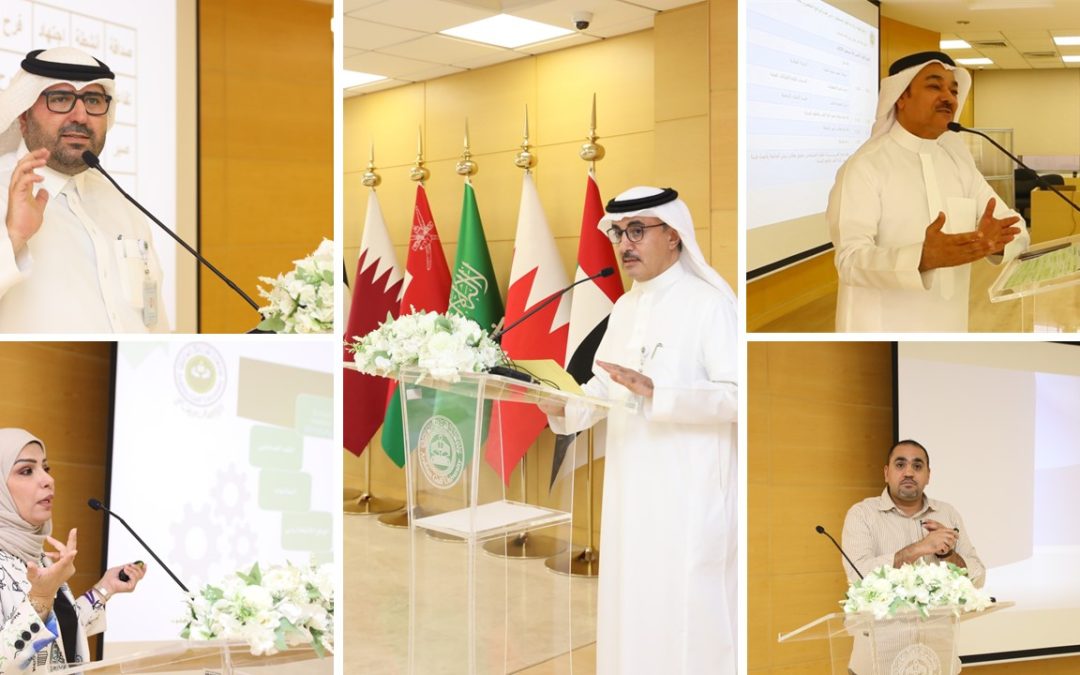
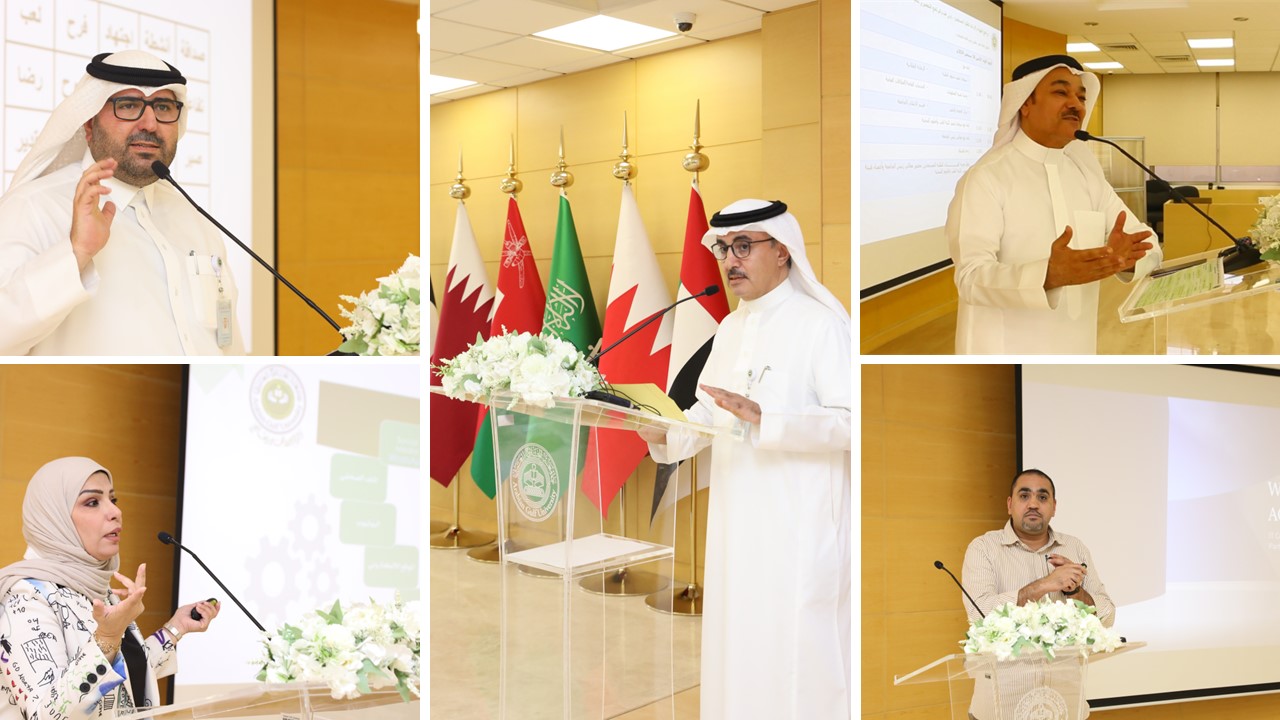
Dr. Sumaya Yusuf, Assistant Professor of Environmental Engineering at the Arabian Gulf University (AGU), played a pivotal role as a keynote speaker in a workshop organised by the Supreme Council for the Environment in collaboration with the United Nations Environment Programme (UNEP).
The workshop, held over two days, focused on building capacities for the implementation of the Extended Producer Responsibility (EPR) principle to enhance sustainable waste management through a collaborative approach among all stakeholders and to promote the concept of a circular economy in the region. Conducted in partnership with the UNEP’s Environmental Technology Centre, the workshop featured the participation of numerous experts and stakeholders dedicated to waste management across Western Asia.
In her address, Dr. Yusuf highlighted the critical opportunities and challenges associated with applying the EPR principle within the GCC countries and Western Asian states. She underscored that EPR is an essential component of the circular economy strategy and a vital tool derived from the "Polluter Pays" principle.
Furthermore, Dr. Yusuf assessed the current status of waste management in GCC countries, alongside the trends and commitments made in pursuit of the 2030 Sustainable Development Goals (SDGs), particularly those pertaining to responsible production and consumption (Goal 12). She emphasised the necessity of adopting circular economy principles and activating their mechanisms as integral elements of national waste management strategies.
She also stressed the significance of implementing a comprehensive and sustainable approach to solid waste management that prioritises waste prevention and reduction at the source, explaining that this necessitates establishing a supportive legislative, regulatory and legal framework.
The EPR principle is deemed one of the most crucial enablers of this prioritised strategy, holding manufacturers accountable for product recovery after consumption. This responsibility fosters positive outcomes for sustainable and environmentally friendly production and supply chains, such as reducing production costs, conserving non-renewable natural resources, preventing their depletion, and stimulating innovation in reuse and recycling. Moreover, this strategy contributes to economic diversification and job creation, addressing the pressing social issue of unemployment that affects many communities.
The workshop also addressed the significant challenges confronting the implementation of this policy, notably economic challenges such as rising costs and a lack of or insufficient mandatory incentives and regulations. Additional challenges were also highlighted, such as inadequate supporting infrastructure, a shortage of trained labour, low awareness levels and ineffective marketing and communication among stakeholders.
Dr. Yusuf emphasised the importance of collaboration and concerted efforts among stakeholders, advocating for the activation of cooperation agreements and the establishment of mechanisms for monitoring implementation and regularly assessing progress to ensure the achievement of objectives, underlining that stakeholders can maximise the benefits of EPR as a valuable opportunity by addressing these barriers.
by ashokaib | Sep 17, 2024 | Uncategorized
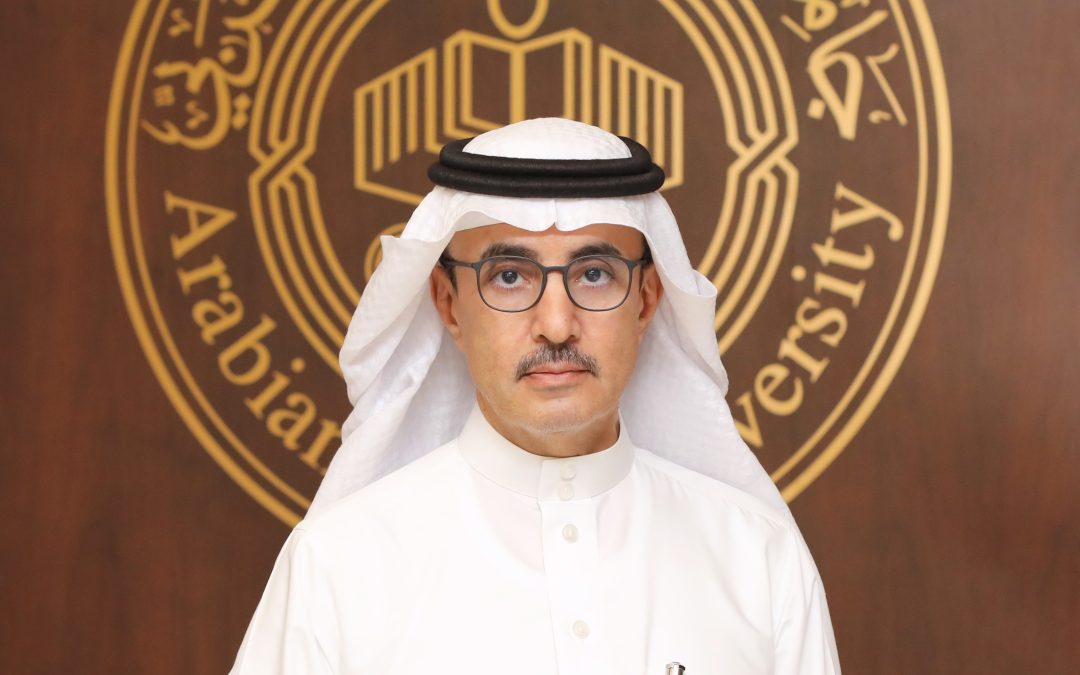
His Excellency Dr Saad bin Saud Al Fuhaid, President of the Arabian Gulf University (AGU), congratulated students accepted into the Doctor of Medicine programme and the preparatory programme for the academic year 2024/2025.
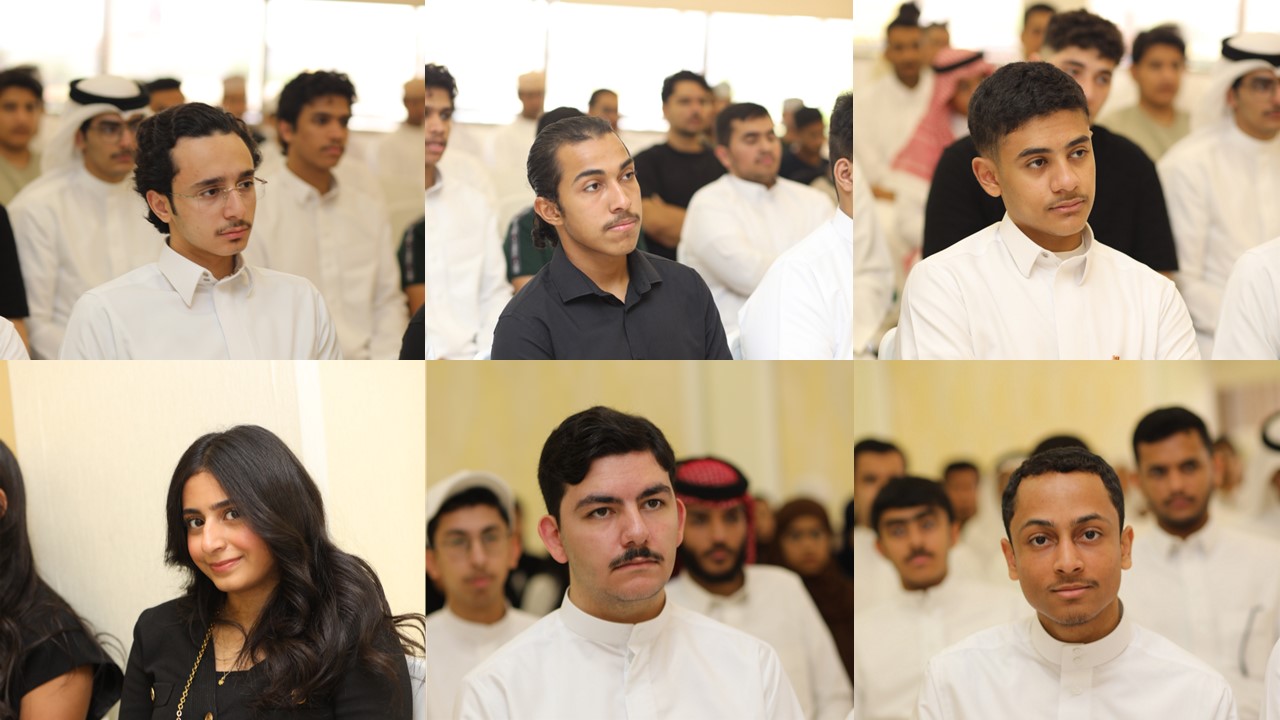
He welcomed the students from the GCC, highlighting their acceptance into such a prestigious institution as a significant achievement, reflecting years of dedication and hard work throughout their general education. The President noted that this acceptance not only represents a privilege but also a responsibility, as these students act as ambassadors for their countries and families.
He reaffirmed the university’s ongoing commitment to enhancing its development at all levels, ensuring the quality of its academic programmes, and attracting the best academic talent, stating that this will certainly empower students to graduate with the knowledge, skills and experience necessary to contribute to the advancement of the medical and health sector within the GCC.
During the initial days of orientation and guidance, Dr Al Fuhaid encouraged the new students to approach their studies with seriousness and perseverance, emphasising the expectation that they will be the future generation pivotal to the development and progress of the GCC. He urged students to take full advantage of the opportunities the university presents, focusing on developing their skills and acquiring modern knowledge and sciences, rather than simply aiming to obtain a degree. He also assured them that the university would strive to provide an ideal educational environment conducive to their comfort and academic success.
In his remarks, Dr Abdulrahman Yousif Ismael, Vice President for Administrative Affairs and Dean of Student Affairs, conveyed pride in welcoming distinguished Gulf students, who are expected to play active roles in enhancing medical services across the GCC in the near future. He expressed his pride in the university’s graduates, who contribute to sustainable development with their exceptional expertise and skills, citing numerous alumni who have assumed leadership positions in various ministries, hospitals and research centres both within and beyond the Gulf community.
On his part, Prof. Abdelhalim Abdelfattah Deifallah, Dean of College of Medicine and Medical Studies, provided new students with an overview of the college’s academic structure, evaluation criteria, and the requirements for transferring to the second year of medical studies. He also highlighted the significance of engaging in scientific research and participating in volunteer student initiatives, which enrich the experience of medical education.
Prof. Deifallah also expressed hope that the academic year would be marked by excellence, activity and success, while emphasising the noble humanitarian purpose of the medical profession. He encouraged students to embrace their responsibilities, preparing them for leadership roles that foster research and discoveries aimed at addressing prevalent health issues.
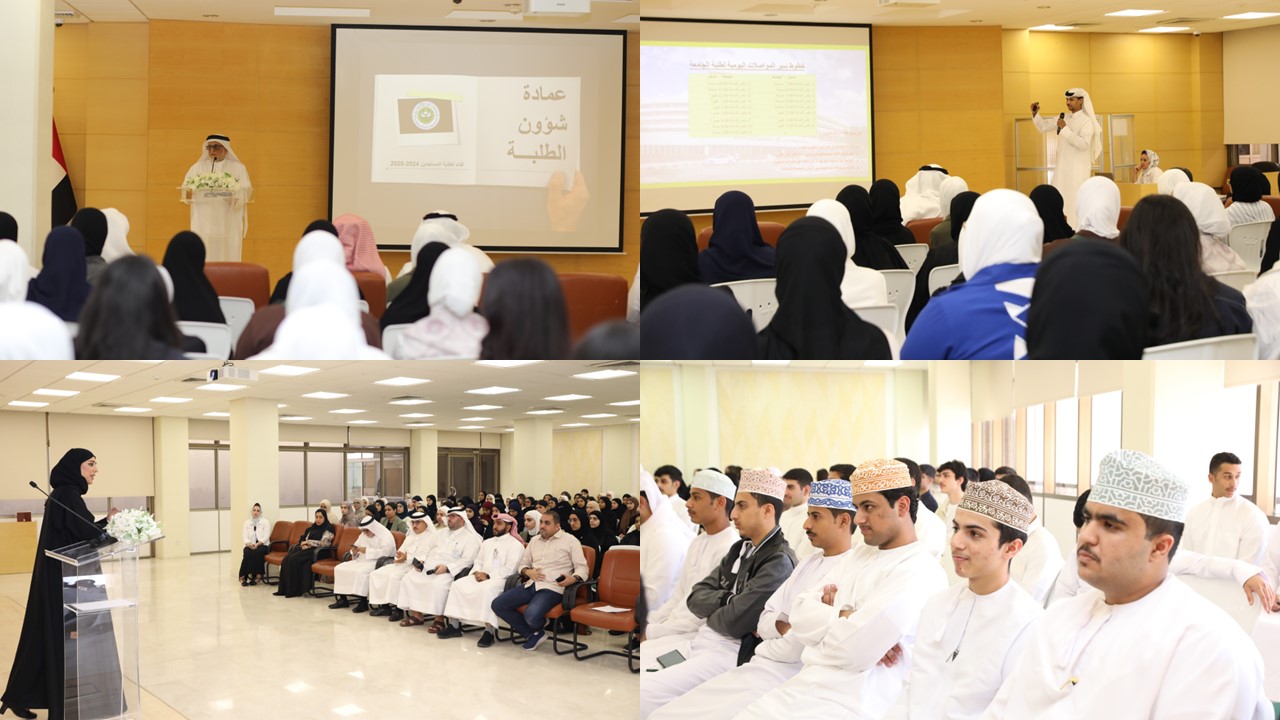
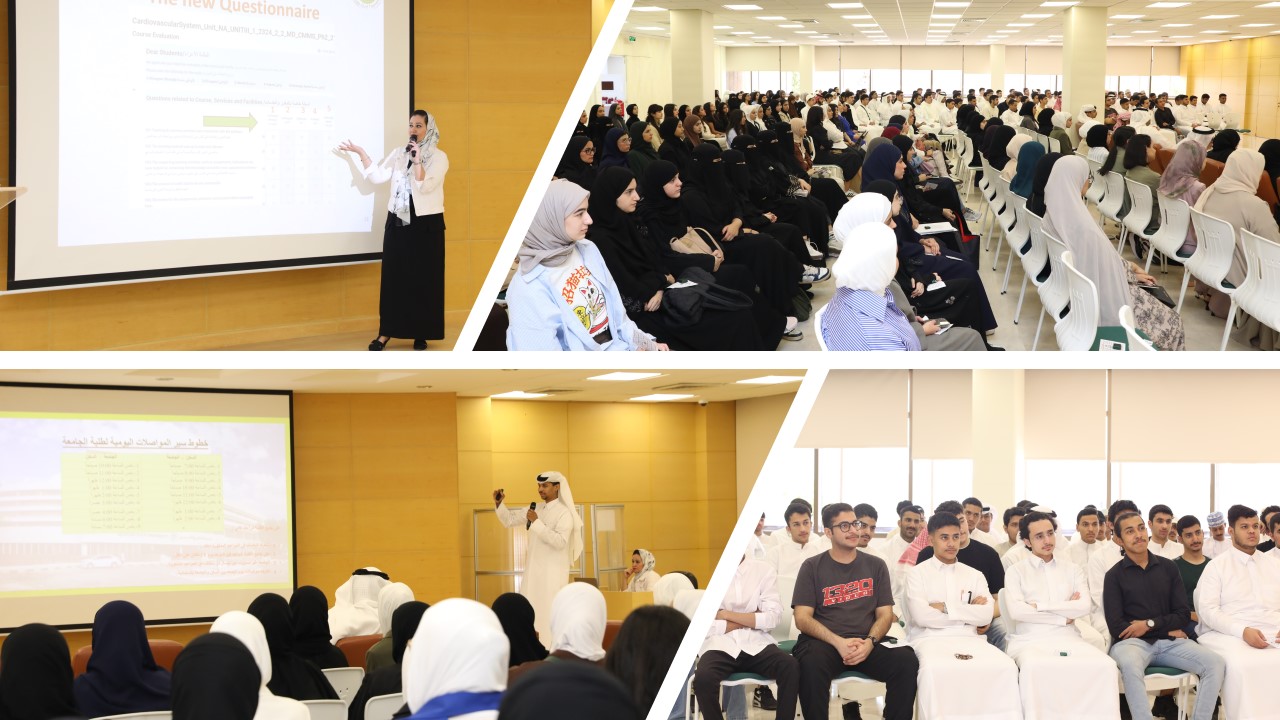
The orientation and academic guidance programme encompasses an overview of all academic and service aspects of the university. New students met with representatives from various administrative departments and learned about the services available to support their academic journey. In addition to the Dean of Student Affairs, students engaged with representatives from the Student Care and University Accommodation Department, the Quality and Excellence Centre, Public Services, Public Relations and Media, and the Information Technology Centre. They were briefed on the university’s behaviour regulations, accommodation policies, transportation schedules, electronic services, including the e-learning platform, and general student services.
The second day of the orientation programme will feature a meeting with Mr. Abdulhamed Marhoun, Head of the Admissions and Registration Department, and a lecture by Dr Ahmed Malallah Al Ansari, Professor of Psychiatry, addressing the challenges faced by new students and the support available through guidance services. Students will gain insights into the preparatory programme and the resources offered by the university library. They will also hear from distinguished students about their experiences at the College of Medicine and engage with members of the Student Council. On the third day, students will finalise their course registration procedures, and on the fourth day, they will meet with heads and representatives of the cultural attachés from the GCC countries.
by ashokaib | Sep 16, 2024 | Uncategorized
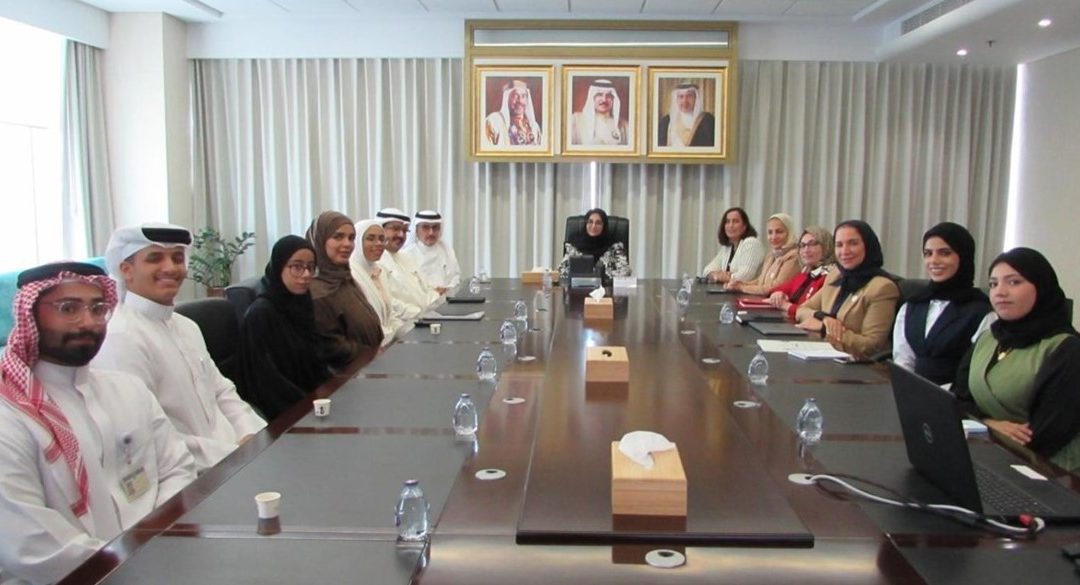
Dr. Jalila bint Al Sayed Jawad Hassan, Minister of Health, met with Dr. Saad bin Saud Al Fahid, President of the Arabian Gulf University (AGU).
The meeting was attended by several health sector officials and Marwan Ibrahim Obeid, a student at AGU and initiator of the Mutfanas (breather) campaign, alongside other students involved in the initiative.
The minister highlighted the importance of fostering strong partnerships and supporting initiatives that promote mental health awareness across society, underscoring their role in enhancing overall well-being.
She commended AGU's academic and scientific programs, which empower Bahraini youth and encourage them to excel in various volunteer initiatives aimed at improving health awareness and preventive measures in the community.
The minister also praised the outcomes of the Mutfanas campaign, which focuses on supporting the mental well-being of young people. The campaign was launched as part of the Youth City 2030 project, with support from the Ministry of Youth Affairs and AGU.
by ashokaib | Sep 16, 2024 | Uncategorized
His Excellency Dr Saad bin Saud Al Fuhaid, President of the Arabian Gulf University (AGU), has approved the admission results for the Doctor of Medicine programme and the preparatory programme for students from the GCC countries for the academic year 2024/2025.
The total number of accepted students reached 265, reflecting the university’s distinguished academic reputation and esteemed position in the field of medical education. This accomplishment showcases AGU’s longstanding record of excellence in problem-based medical education, simulation training, scientific research and community service in the Gulf region. Notably, this comes after developing robust medical programmes and maintaining institutional accreditation from the Accreditation Commission for Medical Colleges in Ireland (ACCM).
Dr Al Fuhaid expressed pride in the new students from various GCC states, stating that they will soon play a pivotal role in enhancing medical services across the Cooperation Council’s member countries. He acknowledged the unwavering support the university receives from Their Highnesses and Majesties, the leaders of the GCC states, which has significantly contributed to improving the quality of education and enhancing the university’s academic and scientific reputation since its inception. As a result, AGU has emerged as one of the leading institutions for medical and health sciences education in the region.
Moreover, His Excellency clarified that AGU’s mission focuses on producing highly competent graduates who meet the rapidly evolving labour market demands by offering quality academic programmes and specialisations.
Elaborating further, the President stated: “The new acceptances will soon add further successes to the accomplishments of AGU graduates, many of whom have achieved remarkable success stories after graduation, becoming prominent national leaders in the GCC countries and distinguished consultant physicians recognised for their expertise. A significant percentage of our graduates hold international boards and specialise in performing complex and delicate surgeries, contributing to the advancement of medical sciences and innovative treatments. This underscores the university’s role as a project that embodies Gulf unity and serves as a pioneering model for joint Gulf cooperation.”
It is worth noting that AGU will conduct orientation and guidance days for new students accepted into the Doctor of Medicine programme and preparatory programme next week. During these sessions, students will meet with the university president, the dean of the College of Medicine and Health Sciences, the dean of student affairs, and heads of various departments alongside the heads of cultural attachés from GCC countries, as well as several members of the student council. Additionally, students will familiarise themselves with university life, course registration procedures, and other academic matters during the orientation days.
by ashokaib | Sep 16, 2024 | Uncategorized
Assistant Professor of Environmental Engineering and Coordinator of the Professional Diploma Program in Waste Management at the College of Education, Administrative and Technical Sciences at Arabian Gulf University (AGU), Dr. Sumaya Yusuf, participated in a workshop organized by the Bahrain Center for Strategic, International and Energy Studies "Derasat" in cooperation with the Middle East and North Africa Program at Chatham House. Entitled "Professional and Academic Diversity and its Role in Empowering Women in the Kingdom of Bahrain", it was held at the headquarters of Derasat in Awali with the participation of a group of academics, researchers and entrepreneurs, reviewing successful diverse experiences of women in the Kingdom of Bahrain.
The workshop focused on highlighting the important achievements made by Bahraini women in various sectors, and reviewing their contributions, which comprise an integral part of the development and prosperity of the country. The participants praised the endless support that women receive from His Majesty King Hamad bin Isa Al Khalifa and His Royal Highness Prince Salman bin Hamad Al Khalifa, Crown Prince and Prime Minister. They also stressed the effectiveness of initiatives supporting women and their role in enhancing their status and contributions in various legislative, economic and social fields.
The workshop included discussions on topics related to the challenges and opportunities available to enhancing the role of women in entrepreneurship, economic opportunities, societal norms and family life, as well as the role of women in arts and culture. Dr. Sumaya Yusuf represented female leaders in the academic field, and participated as a speaker in the Leadership and Women session. She reviewed the most prominent opportunities, obstacles and challenges facing leading women in various positions, stressing that the interest shown by the country’s senior leadership in empowering women requires internal institutional policies consistent with this supportive strategy. She explained the need for governance and an integrated legislative system that supports these positive trends to reduce gaps.
Dr. Sumaya highlighted the experience of AGU as a regional model supporting the excellence and leadership of Bahraini and Gulf national women, and its successful policy in education based on innovative academic and professional programs. She added, "The most prominent challenges facing women are social, cultural and familial challenges, the intellectual heritage of a large segment of society, prevailing customs, and the lack of legislation that supports working women who juggle domestic and professional responsibilities.” She emphasized the need to strengthen partnerships between public and private sectors, taking into account the specificity of women's physiological nature in a manner that boosts their productivity at work, home and the community.
In the context of Bahraini competencies, she stated, "Bahrain’s distinguished and ambitious competencies constitute its primary national capital," noting the need to activate cooperation agreements and establish mechanisms to implement policies, follow up on their implementation and monitor compliance. At the same time, she called to activate partnership between academic research institutions that offer innovative academic and professional programs to optimize the benefit from their role in developing women and youth in general.