by ashokaib | Aug 28, 2024 | Uncategorized
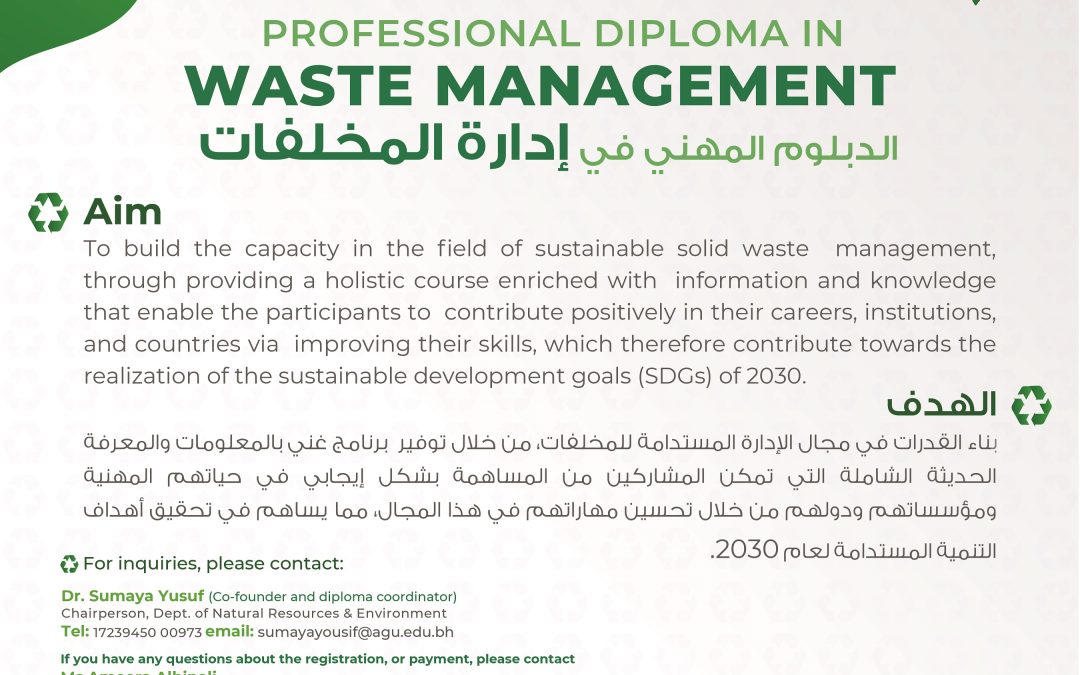
The registration period for the Professional Diploma in Waste Management Programme, offered by the Community Service, Consultancies, Training and Continuing Education Centre at the Arabian Gulf University (AGU), in collaboration with the Environment, and Environmental and Biological Studies Centre at the College of Education, Administrative and Technical Sciences, will close in October. Classes are set to commence in early November.
The programme has witnessed notable success since its inception in October 2021. It has garnered support from the United Nations Environment Programme (UNEP) and accreditation from the Chartered Institution of Wastes Management (CIWM) in the United Kingdom. To date, three batches of diploma students have graduated, representing key public and private sector institutions in Bahrain and the GCC countries.
AGU’s Centre for Community Service, Consultancies, Training, and Continuing Education is offering this professional diploma through an intensive curriculum that features lectures from a distinguished group of international experts. The study packages focus on integrated sustainable management methods for various types of waste, including municipal, medical and industrial waste. Moreover, the programme emphasises the significance of environmental innovation and the circular economy in waste management, as well as its relationship to water, energy and food security, alongside innovative sustainable alternatives for materials.
This diploma targets various professional sectors, including managers, employees, technicians and graduates who aspire to enhance their knowledge, refine their skills and excel in their careers while diversifying their capabilities in related fields. Obtaining the Professional Diploma in Waste Management equips participants to thrive in the increasingly competitive labour market, particularly in light of the global shift towards sustainability, the circular economy and renewable energy sources. Furthermore, the programme enhances job prospects by imparting advanced skills and knowledge that positively impact work quality and productivity.
Recognised as the first of its kind in the West Asia region, this diploma aims to build professional capacities in innovative and sustainable waste management, with accreditation from the CIWM in the UK and the UNEP’s West Asia Office. Notably, AGU launched this programme with the support of UNEP’s West Asia Office, employing a dual education model that combines virtual and in-person instruction. This initiative has attracted significant interest from various sectors across the GCC, including municipal, industrial and health sectors, especially at a time when waste management represents one of the foremost challenges facing urban environments worldwide.
The design of the Professional Diploma in Waste Management was motivated by a recognised gap in awareness and knowledge about sustainable waste management practices. Experts point to the necessity of perceiving waste as a valuable resource instead of merely waste, to maximise its utility. Promoting sustainable production and consumption reduces resource wastage and, consequently, waste generation. Additionally, effective waste management and the adoption of a circular economy are essential for protecting the environment, economy and society. This requires a collective effort to diminish poor practices, starting with consumer behaviour, coupled with widespread awareness campaigns within communities.
AGU plays a pivotal role as the only regional university managed by the GCC, offering significant and specialised programmes that contribute to achieving sustainable development goals. Furthermore, in recent years, the university has launched several academic and professional programmes at the diploma, master’s, and doctoral levels, aligning with the aspirations of Their Majesties and Highnesses, the leaders of the GCC countries, and the vision of the University’s Board of Trustees.
by ashokaib | Aug 27, 2024 | Uncategorized
The "Motanafas" campaign, launched by medical students at the College of Medicine and Health Sciences at the Arabian Gulf University (AGU), in collaboration with the Ministry of Youth Affairs, continues until the end of September, with the aim of promoting the psychological well-being of the youth in Bahrain.
Mr Marwan Obaid, a student from the College of Medicine and Health Sciences, stated that the campaign was conceived during a meeting that brought together several young individuals and Her Excellency Ms Rawan bint Najeeb Tawfiqi, Minister of Youth Affairs. He explained that during this session, discussions focused on the psychological well-being of Bahraini youth and exploring sustainable ways to develop projects that support this objective.
In this context, Mr Obaid said: “Since last December, I, along with a group of medical students from the Arabian Gulf University, have been dedicated to refining the idea of this campaign. We have received invaluable support from His Excellency Dr Saad bin Saud Al Fahid, President of the university, who is committed to following the campaign’s activities and ensuring its continuity to raise awareness about the significance of health and psychological well-being among the youth. This initiative is vital for equipping them to tackle life’s challenges and transform them into opportunities for growth through learning and effective community engagement."
He highlighted that mental health is an integral aspect of overall health, particularly for the youth, given their crucial role in decision-making, relationship-building, and shaping the future. He further noted that the World Health Organisation recognises mental health as a fundamental human right due to its critical role in societal, social and economic progress, stressing that mental health encompasses more than mental disorders, as it includes a spectrum of psychological conditions and disabilities, as well as the impacts of distress and dysfunction, which could lead to potential self-harm.
Elaborating more about the campaign’s activities, he remarked: “We have witnessed remarkable engagement through our participation in the Youth City 2030 activities and approximately 15 other events. These include sessions focused on Japanese tea, relaxation, psychological stability, personal development and stress management. Another key component of our campaign involves raising awareness about anxiety, depression and the benefits of physical activity.”
Participants in these sessions included clinical psychologists such as Dr Fadhel Al Asbool, Specialist Fatima Al Dallal, and Specialist Mohammed Haji, who provided valuable advice to the youth. Additionally, the campaign collaborated with Serene Psychiatry Hospital to offer free blood pressure and diabetes screenings to beneficiaries.
Moreover, the campaign seeks to create an educational and interactive environment that fosters awareness about the importance of psychological and physical well-being for Bahraini youth. It aims to equip them with comprehensive knowledge and practical support for community engagement and psychological sessions. The initiative also encourages young people to cultivate a supportive atmosphere that promotes healthy habits and seeks early consultations from specialists available through various workshops and activities.
As for the campaign’s theme, Mr Obaid explained: “The title 'Motanafas'; the Arabic word for ‘a breather’, was selected to symbolise an outlet for both mind and body, reflecting our vision to achieve psychological well-being. The logo features a brain shaped like a leaf, illustrating the notion that feelings are natural and evolve over time with our experiences. The colours of the logo represent emotions associated with mental health, and the name is inscribed in Arabic using ‘Thuluth’ script, symbolising the depth of human emotion.”
The media aspect of the campaign includes a series of posts and videos shared across various social media platforms, starting with engaging promotions featuring “Makhookh”, a brain mascot wearing traditional Bahraini attire, designed to connect with mental health themes. This was followed by the dissemination of scientific content and public interviews aimed at fostering dialogue on mental health, contributing to the campaign’s visibility and engagement.
The campaign will extend throughout September, incorporating events, workshops, competitions, challenges and sports activities designed to motivate, alleviate stress, and enhance the overall well-being of Bahraini youth.
by ashokaib | Aug 26, 2024 | Uncategorized
A recent study conducted by Ms Hind Sweileh Al Juhani, a researcher at the Arabian Gulf University (AGU), has shed light on the determinants of giftedness within families that contribute to creative thinking and creative personality among gifted students in the Kingdom of Saudi Arabia.
The study aimed to identify the significance of differences in creative product, creative process, trends and values towards creativity and creative personality among gifted students due to family factors and extracurricular activities. The researcher also sought to identify the predictive ability of family factors and extracurricular activities in the creative product, creative process, attitudes and values towards creativity and creative personality.
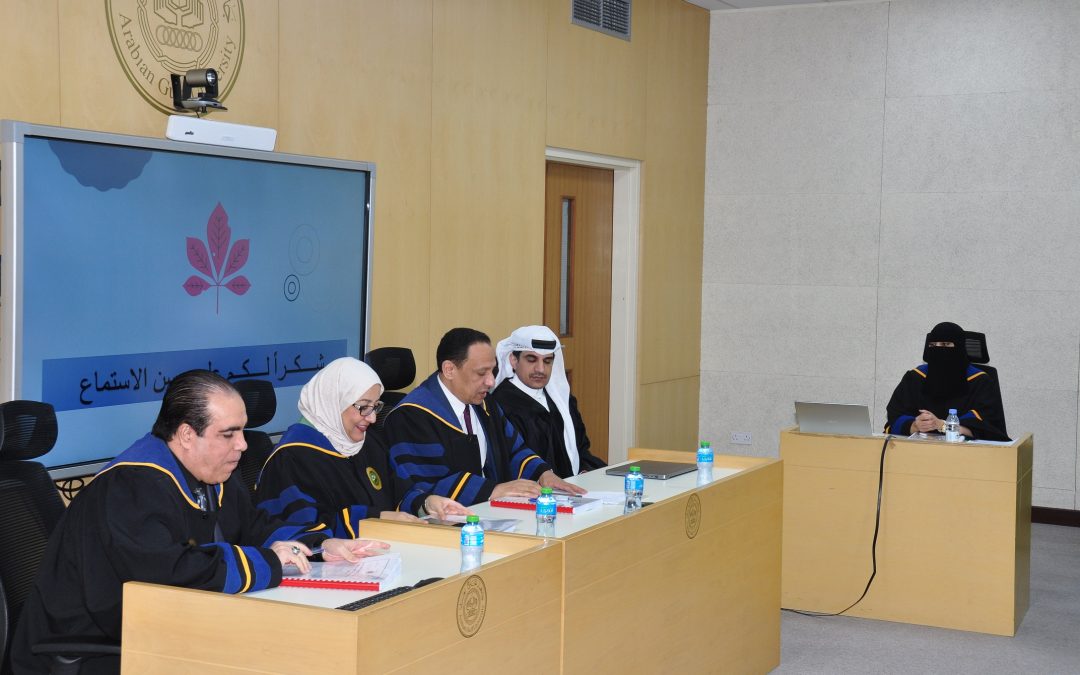
As part of her Master’s degree requirements in Gifted Education, Ms Al Juhani used a descriptive approach and applied her study to a sample of 190 gifted secondary school students from various schools and regions across the Kingdom, including Medina, Al Qassim, Riyadh and the Eastern Province.
The results of the study showed that family size was a significant predictor of creative product among students, while birth order was a significant predictor of creative product, fluency, flexibility and creative personality. The father’s educational level was a key predictor of creative process, while the mother’s educational level was a significant predictor of creative personality.
Extracurricular activities during study and summer extracurricular activities were also found to be significant predictors of creative product, with extracurricular activities during study being a significant predictor of creative personality and summer extracurricular activities predicting fluency and flexibility.
In her discussion, Ms Al Juhani recommended increasing interest in building training programmes for gifted students in Saudi schools, focusing on creative thinking and creative personality. She also emphasised the importance of providing school extracurricular activities and summer activities to gifted students.
Furthermore, she called for training teachers of the gifted on developing their students’ creative thinking abilities and creative personality through specialised training programmes prepared by gifted education specialists. Additionally, Ms Al Juhani stressed the need to educate families about their effective role in developing creative thinking and creative personality in their gifted children.
The study was supervised by Prof. Alaaeldin Abdelhamed Ayoub, Professor of Measurement, Evaluation and Statistics, and co-supervised by Dr Ahmed Mohamed Alabbasi, Associate Professor of Gifted and Creative Education.
by ashokaib | Aug 26, 2024 | Uncategorized
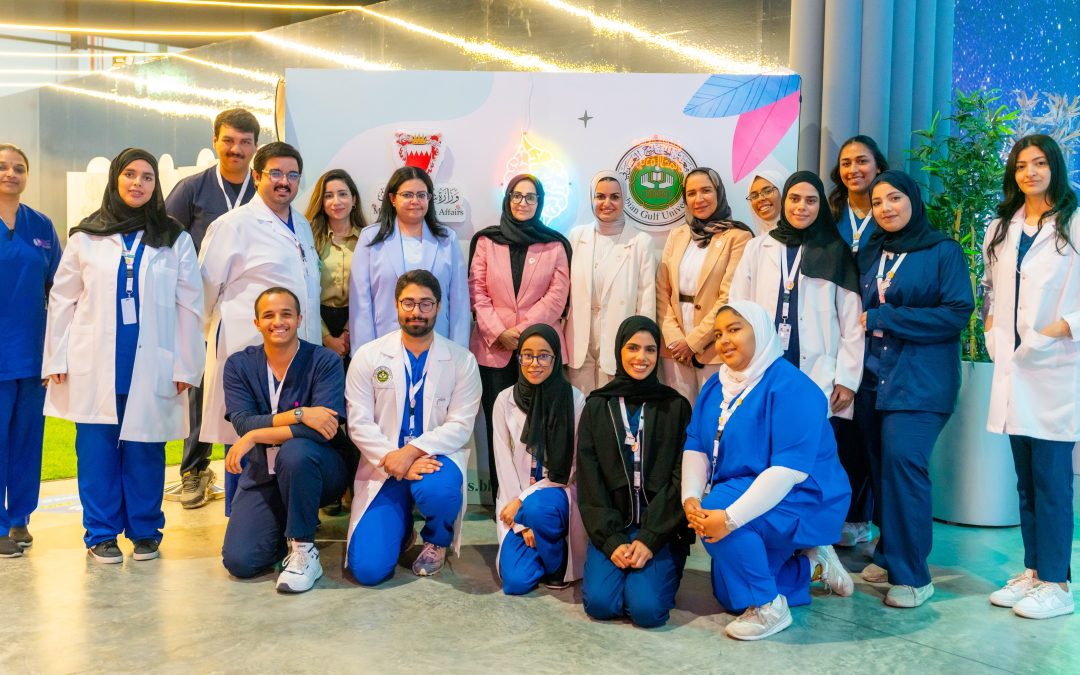
Medical students at the College of Medicine and Health Sciences of the Arabian Gulf University (AGU) have launched a campaign aimed at raising awareness of the significance of mental health and physical activity for public well-being, titled “Motanafas”. This initiative aligns with the activities of the 13th edition of Youth City 2030, held at the Exhibition World Bahrain. This ongoing initiative has been patronised by His Highness Shaikh Nasser bin Hamad Al Khalifa, Representative of His Majesty the King for Humanitarian Work and Youth Affairs, since 2010. Its primary objective is to discover and nurture youth talent, empower young individuals to excel and position Bahraini youth as the furst choice in the labour market.
The Ministry of Youth Affairs, in collaboration with its strategic partner, the Labour Fund “Tamkeen”, is committed to organising a diverse range of innovative activities within Youth City 2030 at each edition. This year’s edition notably emphasises the revival of Health and Sports Week.
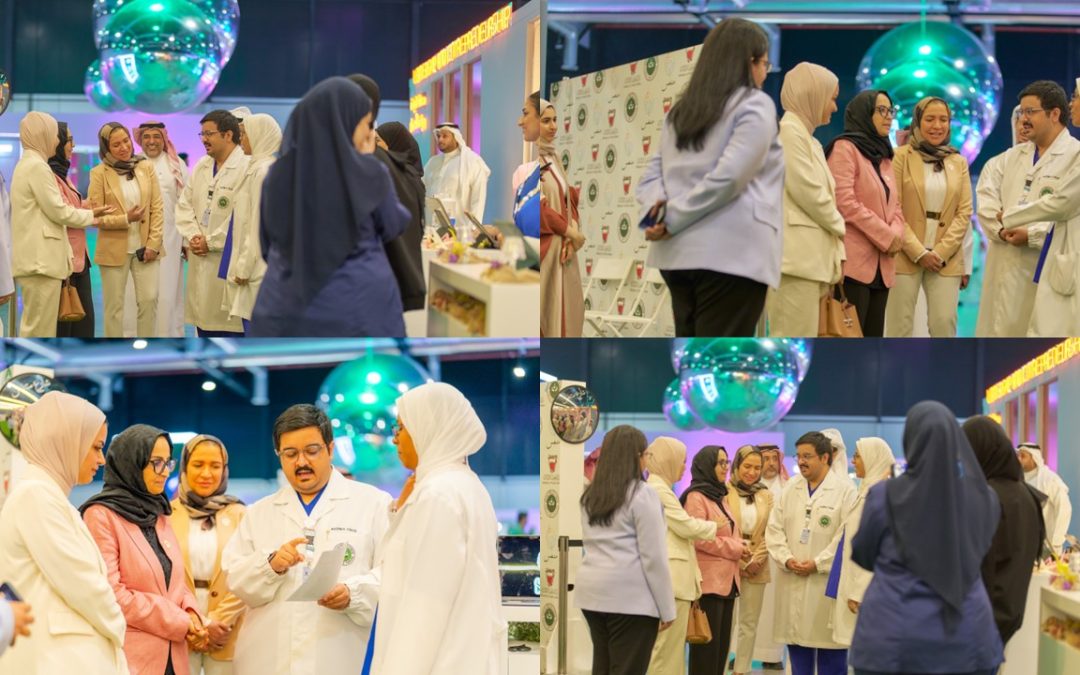
During a visit to the campaign corner set up by AGU students, Her Excellency Dr Jalila bint Al Sayed Jawad Hassan, Minister of Health, accompanied by Her Excellency Ms Rawan bint Najeeb Tawfiqi, Minister of Youth Affairs, commended the campaign’s concept and objectives, as well as the enthusiasm and dedication exhibited by the student team in promoting the importance of mental health. They both underscored the necessity of continuing this important work, which plays a pivotal role in the development of Bahraini society, and welcomed ongoing collaboration with the medical students in launching more targeted community projects and campaigns.
During her visit to the campaign’s corner, the Minister of Health received a comprehensive briefing from the student organisers regarding initiatives and programmes designed to enhance mental health awareness. She expressed admiration for the ideas and insights shared by the participating youth on promoting mental health within the community.
In this regard, the Minister of Health praised Youth City 2030’s goals and the programmes it offers across various domains, including health, sports, science and technology, arts and culture, leadership and entrepreneurship, and media and entertainment, emphasising their positive impact on developing the skills and capacities of the youth.
Furthermore, she highlighted the introduction of 148 new qualitative initiatives and programmes, alongside more than 4,000 training opportunities and 73 youth projects in entrepreneurship. The Minister noted the critical role that Youth City 2030 plays in fostering an inspiring generation equipped with the experiences and skills needed for future challenges, while also providing avenues for entering the labour market. She also emphasised the importance of hosting health awareness events and programmes that align with innovative strategies designed to enhance health consciousness and encourage community members to adopt healthy practices that promote their well-being.
The campaign’s activities included a variety of games and challenges that received praise from attendees, including the “Love Delivery Service”, in which participants express their affection for a character of their choice through actions.
For her part, the Minister of Youth Affairs reaffirmed Youth City 2030’s commitment to continuously training Bahraini youth, equipping them with necessary skills and capacities, and supporting their projects and initiatives across diverse fields. She highlighted the city’s significant focus on raising awareness within Bahraini society, particularly among the youth, on various critical issues, including mental health and physical activity.
by ashokaib | Aug 26, 2024 | Uncategorized
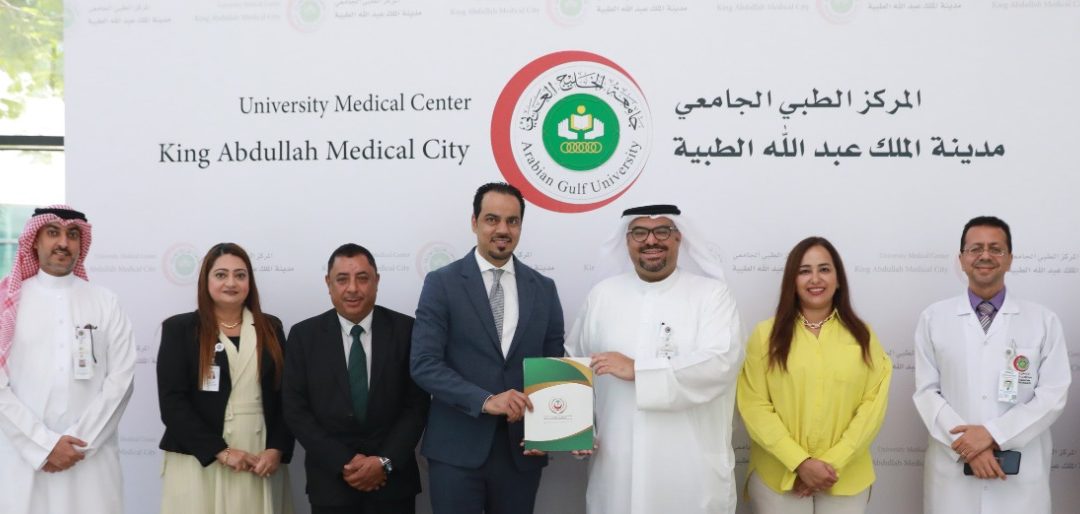
The University Medical Centre at the King Abdullah Medical City has signed a cooperation agreement with Ibn Al Nafees Hospital. This agreement aims to strengthen collaborative efforts in the field of specialised radiology and enhance the provision of health services through advanced medical devices, ensuring maximum benefits for patients and visitors. The partnership will notably improve the quality of diagnostic services offered by both institutions.
During the signing ceremony, Dr Salman Hamad Al Zayani, CEO of the University Medical Centre, expressed his enthusiasm for the partnership with Ibn Al Nafees Hospital, recognised as one of the most esteemed specialised hospitals in the Kingdom of Bahrain. He noted that this agreement will facilitate joint cooperation, allowing patients uninterrupted access to diagnostic services, even during periods of equipment updates and replacements.
Dr Al Zayani emphasised the importance of swift and easy access to diagnostic services for patients, highlighting that this cooperation will significantly reduce waiting times and enable precise treatments and improved outcomes. He reiterated the vital role of expanding health and medical partnerships among institutions as a fundamental component for the ongoing development of healthcare services, underscoring the positive impact such collaborations have on delivering advanced medical services in Bahrain.
In a statement, Mr Ali Fardan, CEO of Ibn Al Nafees Hospital, expressed his satisfaction with the collaboration, hoping it will yield significant improvements in the diagnostic services available to patients. He underscored that this partnership will facilitate the introduction of the latest medical devices and advanced radiology equipment for mutual use, enabling both parties to provide accurate and timely diagnostics that enhance patient and physician satisfaction, adding that this will expedite the recovery and healing process.
Mr Fardan further stated, “We are excited to work with the University Medical Centre in King Abdullah Medical City to improve the quality of diagnostic services. Together, we aim to advance the technologies and sophisticated radiology services delivered by our experienced medical team, ultimately ensuring the best treatment solutions for patients.”
He also highlighted that cooperation among health institutions leads to knowledge sharing, thereby enhancing service quality, expressing his optimism for more fruitful partnerships with the University Medical Centre in the future.
On her part, Dr Mai Ibrahim Mattar, Head of the Diagnostic Radiology Department at the University Medical Centre and a Musculoskeletal Radiology Consultant, stressed the significance of collaborative efforts among stakeholders to enhance health and medical services for the community.
She explained that this cooperation will ensure continuous provision of diagnostic and therapeutic services to patients, supporting the goal of elevating diagnostic quality and aligning with the aspirations to deliver superior medical services across all specialties, adhering to the highest healthcare standards.
Dr Mattar pointed out that the flexible transfer of patients for diagnostic services to an accredited hospital during equipment maintenance or peak periods will safeguard the continuity of services, ensuring patients receive optimal diagnoses and care. She expressed her commitment to achieving further collaborative endeavours.
The University Medical Centre, a cornerstone of King Abdullah Medical City, provides high-quality medical services across various specialties, including genetic diseases, chest diseases, dermatology, plastic surgery, physiotherapy, obesity surgery, family medicine, nutrition, urology, neurology, paediatrics, general surgery, endoscopy, cardiology, dentistry, internal medicine, nephrology, obstetrics, gynaecology, assisted reproduction, as well as emergency and ambulance services, operation wards, isolation units, endoscopy, ophthalmology, ENT, radiology, laboratories, pharmacies, and short-stay units.