by ashokaib | Nov 26, 2025 | Uncategorized
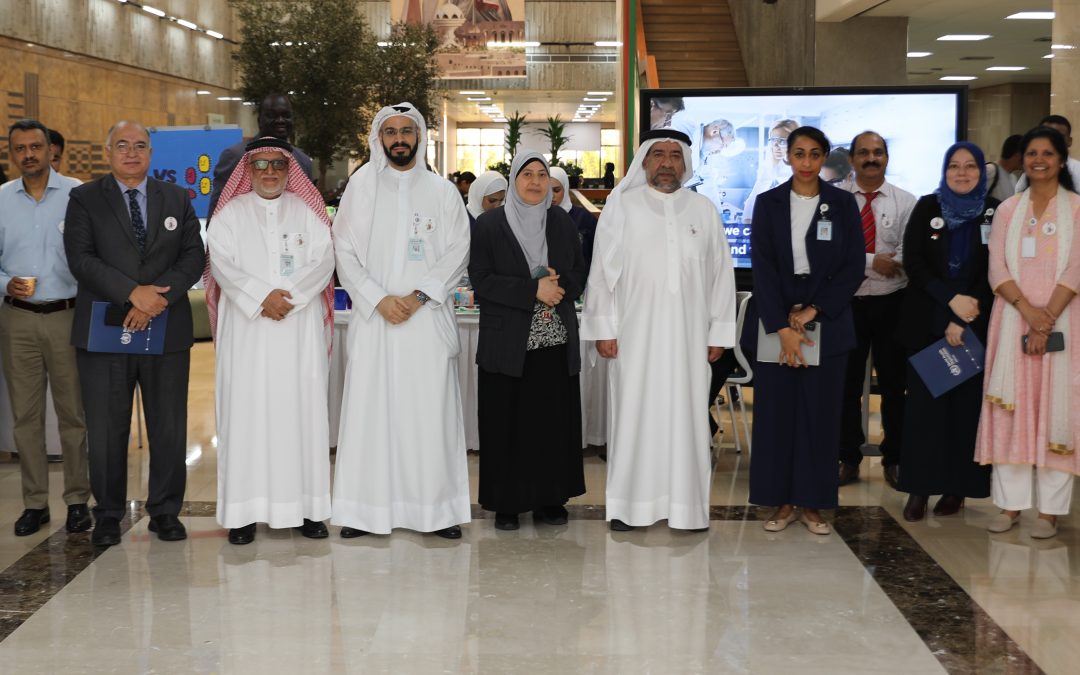
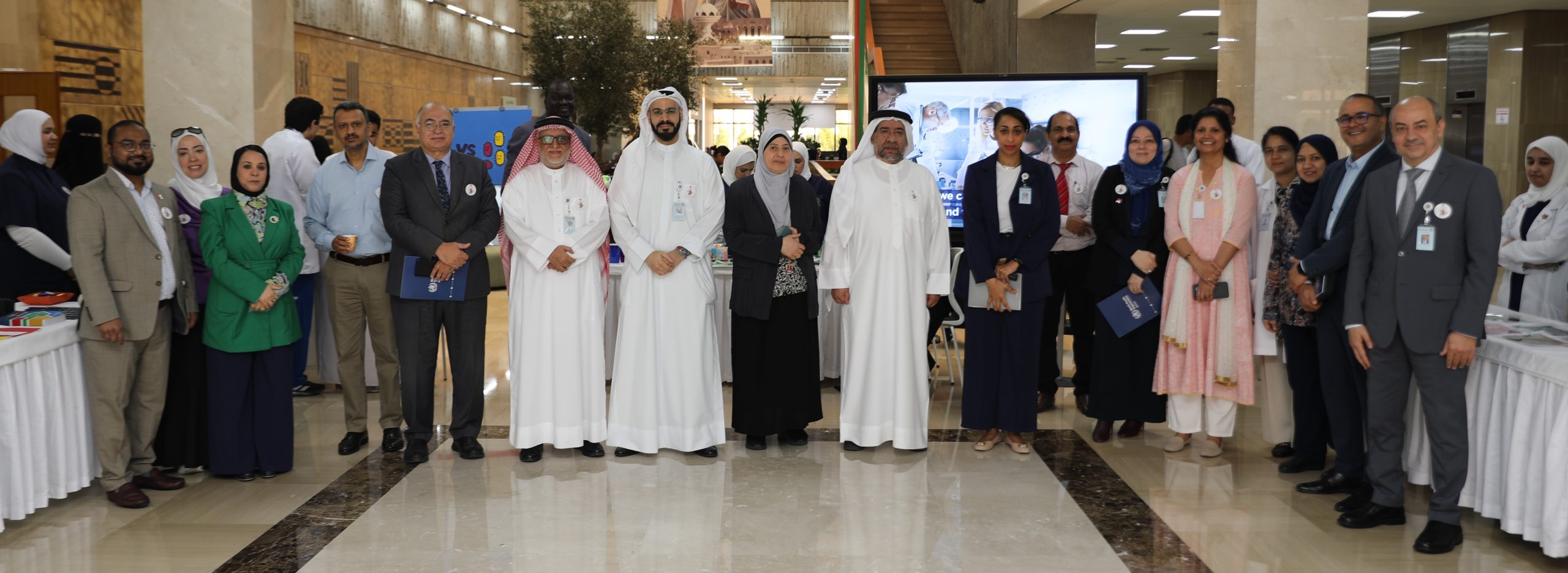
The College of Medicine and Health Sciences at Arabian Gulf University (AGU) recently hosted an awareness event observing World Antimicrobial Resistance Week. The initiative aimed to enhance understanding of antimicrobial resistance (AMR) and promote best practices among students, faculty, and the broader community. The event coincided with international efforts to combat this pressing global health issue, with participation of the WHO Country Office in Bahrain, adding regional insights and expertise.
Organised by the Department of Microbiology, Immunology, and Infectious Diseases, the event carried the slogan "Act Now: Protect Our Present, Secure Our Future" where faculty and students collaborated to deliver an engaging awareness agenda for attendees. Through these activities, participants deepened their understanding of the rising global threat posed by AMR and learned about the crucial role of healthcare professionals in addressing this issue.
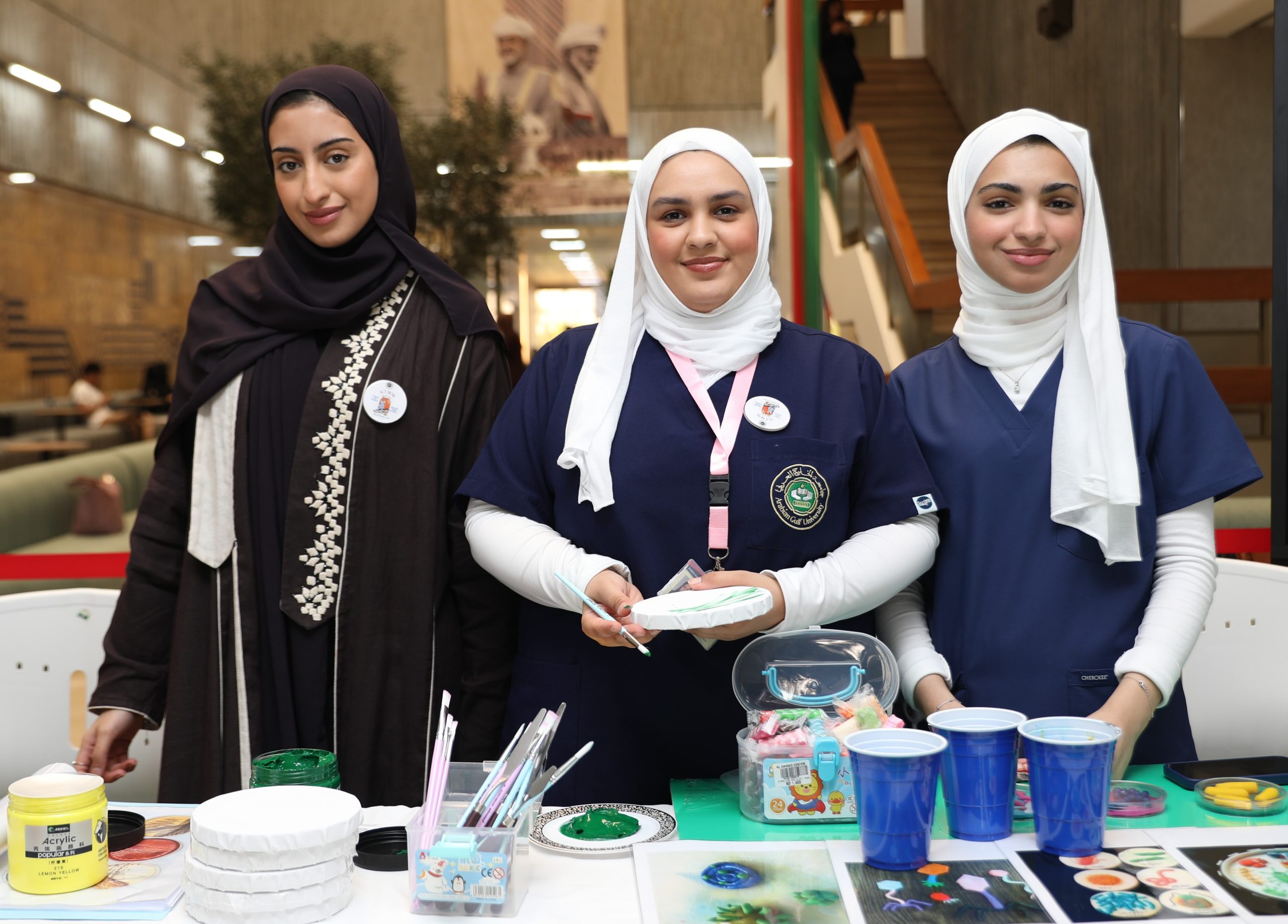
The event featured interactive educational stations and evidence-based discussions stressing the importance of rational antibiotic use and the necessity of collaborative efforts to preserve the effectiveness of this vital medication.
Students expressed appreciation for the educational and professional value of the event, highlighting the direct relevance of AMR to their future clinical practice and scientific research.
Dr Abdullah Alsaleh, Head of the Department of Microbiology, Immunology, and Infectious Diseases, noted that the strong student turnout demonstrated a collective sense of responsibility towards global health issues, stating, “The level of enthusiasm and participation we observed are truly heartening. The students’ commitment to learning, alongside the support the event received from the university’s regional partners, encourages us to continue organising similar initiatives in the future.”
This successful event reaffirms AGU’s dedication to cultivating a conscious and capable healthcare workforce and to contribution to national and global efforts to combat AMR.
In conjunction with university activities, the WHO Country Office in Bahrain showcased an awareness poster on AMR, along with videos and an educational game inspired by the AWaRe (Access, Watch, Reserve) antibiotics guide. These resources aimed to engage students and faculty members in understanding the significance of responsible antibiotic use and to promote best practices among the public, stakeholders, and policymakers, all of whom play key roles in the fight against AMR.
by ashokaib | Nov 25, 2025 | Uncategorized
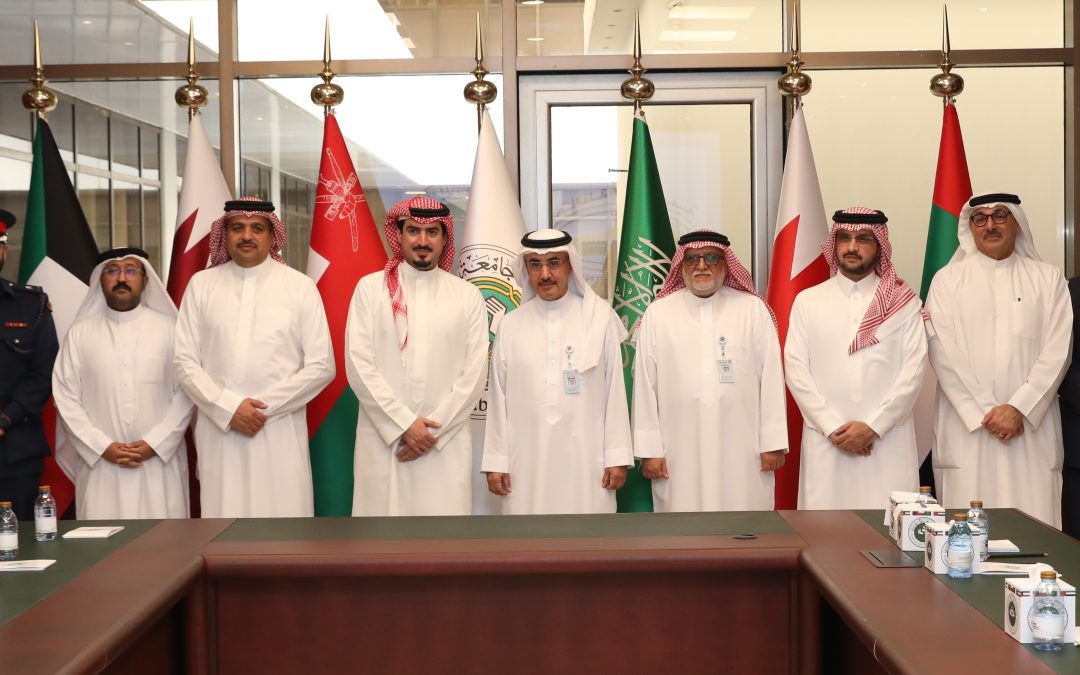
His Excellency Shaikh Khalid bin Humood Al Khalifa, Governor of the Capital Governorate, visited Arabian Gulf University (AGU), where he was received by Dr Saad bin Saud Al Fuhaid, President of the University, alongside several senior officials. The two sides explored opportunities to strengthen collaboration in health and community initiatives, boosting public health awareness and supporting efforts to improve the quality of life within the governorate.
The Governor commended the university’s leading academic and scientific role within the framework of Gulf cooperation and its provision of high-quality programmes that train and qualify specialised medical personnel to meet the demands of the regional health sector. He also praised the university’s commitment to advancing knowledge and innovation in medical fields and its ongoing efforts to enhance healthcare development.
For his part, Dr Al Fuhaid noted the longstanding relationship between the university and the Kingdom of Bahrain, which has supported its growth since inception. He expressed appreciation for the unwavering support granted by the wise leadership and affirmed the university’s dedication to addressing shared strategic Gulf issues. These include implementing the future visions of GCC leaders, improving education and training quality, and graduating skilled professionals capable of contributing to sustainable development.
During the visit, the Governor was briefed on notable progress in medical education through a tour of the Medical Skills and Simulation Centre, which offers realistic training environments. He also visited the Anatomy Museum at the College of Medicine and Health Sciences, which displays educational models and utilises modern technologies to simulate medical cases accurately. The tour further included an overview of the digital transformation of library information services, reflecting the university’s commitment to adopting the latest global trends in academia and research.
by ashokaib | Nov 25, 2025 | Uncategorized
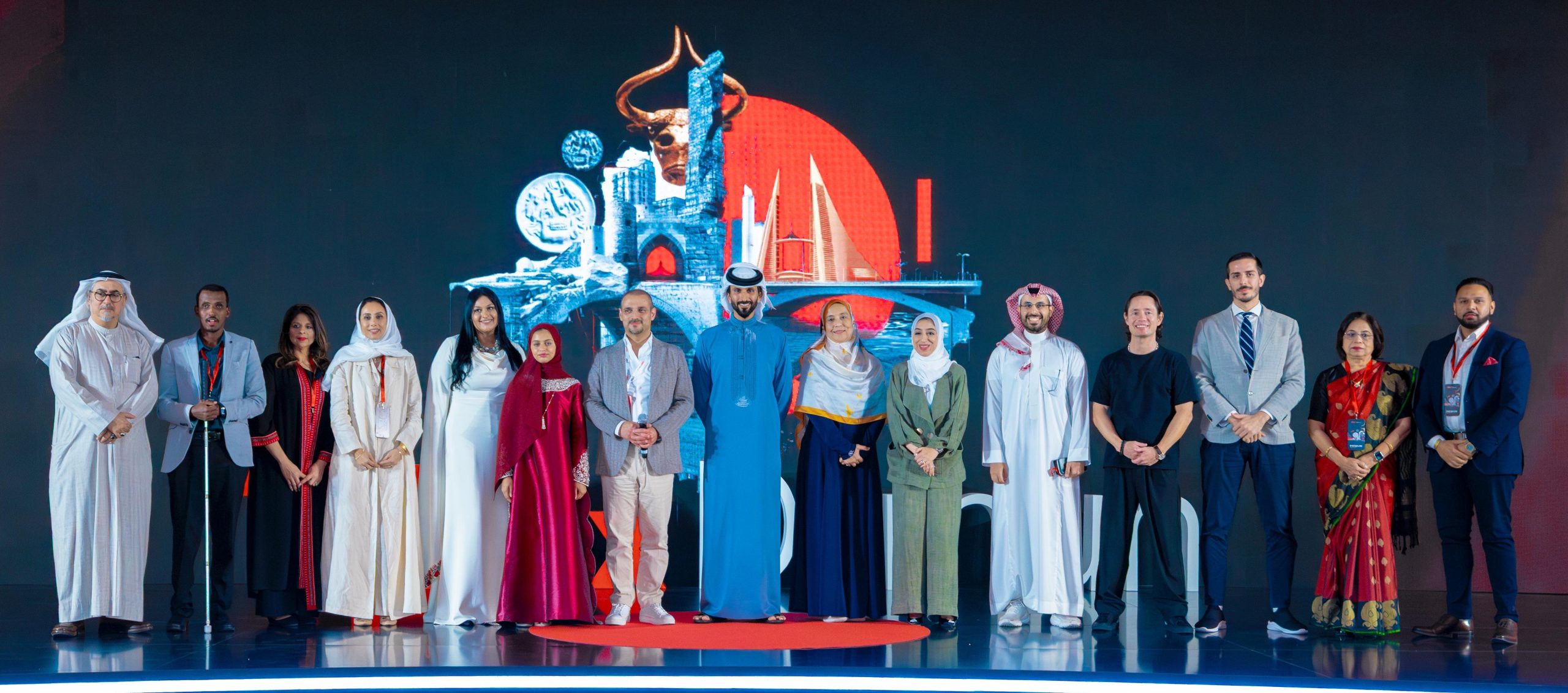
Dr Reem Al Ansari, Director of the Medical Skills and Simulation Centre and Assistant Professor of Medical Education at the College of Medicine and Medical Sciences at the Arabian Gulf University (AGU), spoke at the global ‘TEDx Dilmun’ event.
Held for the first time in the Kingdom of Bahrain, the event featured wide participation from influential figures from Bahrain, the region, and the world, headlined by His Highness Shaikh Nasser bin Hamad Al Khalifa, Representative of His Majesty the King for Humanitarian Work and Youth Affairs.
The event addressed four key themes: Exploration, Discovery, Growth, and Interaction. Dr Al Ansari explained that medical errors are not inevitable, but rather crucial lessons to be learned before patients pay the price, emphasising that "medical simulation" today serves as the first line of defense in preventing such errors and saving lives.
She clarified that the prevailing belief that medical errors are an unfortunate yet "normal" part of the profession—particularly among young practitioners in high-pressure environments—is a misconception. She stated: "A single moment on an intensive care bed can change a patient’s life, or end it."
Dr Al Ansari recounted a critical incident in the Intensive Care Unit where a simple error in the sequence of administering medication nearly resulted in a tragedy, had the team not caught the mistake at the very last moment. She noted that such errors are often merely filed in official reports without thorough discussion or deep learning, a realisation that drove her to rethink the entire medical training system.
Highlighting the gravity of the issue, she pointed out that the latest World Health Organisation (WHO) estimates reveal that three million people die annually due to unsafe healthcare, a figure she described as "equivalent to a fully loaded passenger plane crashing every hour... yet we still consider it normal".
Dr Al Ansari emphasised that the solution begins with the adoption of simulation training—a safe educational environment where critical clinical cases are recreated using specialised manikins and equipment, without exposing patients to any risk.
She pointed out that the true power of simulation lies not merely in the scenario itself or the advanced equipment, but in the subsequent "debriefing" phase, where team behaviour is analysed and decisions are reviewed in a blame-free manner.
She added that the "Advocacy-Inquiry" methodology—which combines stating observations with asking questions—is a critical tool for building this understanding.
"It fosters open discussion free from judgment and transforms errors into genuine learning opportunities," she explained, adding that the success of this approach requires an environment of psychological safety within the team, where every member feels empowered to speak up, question, and even challenge the decisions of superiors without fear of repercussions.
Dr Al Ansari outlined that the levels of psychological safety—ranging from a sense of belonging to the ability to ask questions, contribute, and ultimately challenge decisions—are what differentiate a team that prevents an error before it occurs from one that allows it to reach the patient. She stressed that a "culture of inquiry rather than accusation" is the essence of safe healthcare, transforming simulation from rigid training into an institutional culture that saves lives.
Concluding her talk, Dr Al Ansari asserted that shifting from judgment to curiosity is the core of learning in simulation, noting that without this mindset shift, simulation training loses its true value. She underscored that this approach not only improves care quality and patient safety but is also the heart of safe teams—and, indeed, the heart of humanity itself.
by ashokaib | Nov 24, 2025 | Uncategorized
Students from Arabian Gulf University (AGU) participated in the pavilions of Gulf Weeks held in conjunction with the 46th Gulf Summit, contributing to the managing of various events at the Bahrain National Museum from 23-30 November.
Dr Aseel Al Saleh, Dean of Student Affairs at AGU, affirmed that student involvement in Gulf Weeks aligns with the goals of the GCC Secretariat General, which aims to foster a sense of Gulf identity while highlighting the importance of regional cooperation and exploring the GCC’s journey and achievements in depth.
Students welcomed visitors and introducing them to the history of the GCC, showcasing significant joint educational accomplishments within member states, notably AGU, a pioneering project embodying the spirit of Gulf cooperation and unity. This participation reflects the university’s ongoing role in promoting scientific and academic integration, contributing to a unified vision for their advancement across the region, in line with the aspirations of the GCC leadership.
The university views student participation in Gulf Weeks as a valuable educational opportunity for the development of their academic and social skills. Engaging with visitors and assisting in organising events improves teamwork and deepens their understanding of educational institutions’ role in supporting Gulf identity and joint cooperation. This consequently enriches their academic journey and promotes active community involvement.
Dr Jameela Al Salman, Shura Council member and Infectious Diseases Consultant at the University Medical Centre of AGU, visited the Gulf Weeks pavilions and met with participating students. She praised their efforts, highlighting that such participation offers students a meaningful educational experience that enhances their skills and understanding of the GCC’s progress and achievements. These experiences hone students’ initiative and participation in community service, strengthening awareness of the importance of Gulf cooperation.
The Gulf Weeks pavilions feature interactive exhibits of GCC countries’ journeys allowing visitors to explore dimensions of Gulf integration. The exhibits are complemented by programmes underscoring the unified Gulf identity, including introductory lectures on the GCC and its achievements, training workshops, and discussions on digital cooperation, educational integration, sustainable development, water security, unified regulations for empowering people with disabilities, electrical interconnection, energy security, and emissions reduction.
by ashokaib | Nov 24, 2025 | Uncategorized
The Arabian Gulf University (AGU) has initiated a comprehensive institutional project to develop a digital transformation strategy centred on students and faculty. Aiming to improve the efficiency of services and procedures while promoting data-driven decision-making in accordance with academic accreditation standards, the initiative is based on clear digital governance, standardisation of data and key performance indicators (KPIs), improved integration of electronic systems and services, enhanced information security, besides the sustainability of the technological infrastructure.
His Excellency Dr Saad bin Saud Al Fuhaid, President of AGU, explained the university’s implementation of a digital roadmap aligned with its future vision, stating, “Digital transformation is a strategic pathway, not just a technological upgrade, essential for modernising university education and preparing students for the future. Through this initiative, we aim to enhance the quality of learning and increase operational efficiency to strengthen our regional competitiveness.”
The project will be implemented through collaborative workshops involving colleges, centres, and departments to ensure harmonisation of outcomes with the university’s priorities. A practical, phased roadmap will be developed, comprising short-term actions and long-term initiatives designed to deliver tangible institutional benefits. This is expected to accelerate deployment of e-services, improve quality of education, research, and learning, increase network and system reliability, and enhance readiness for AI applications.
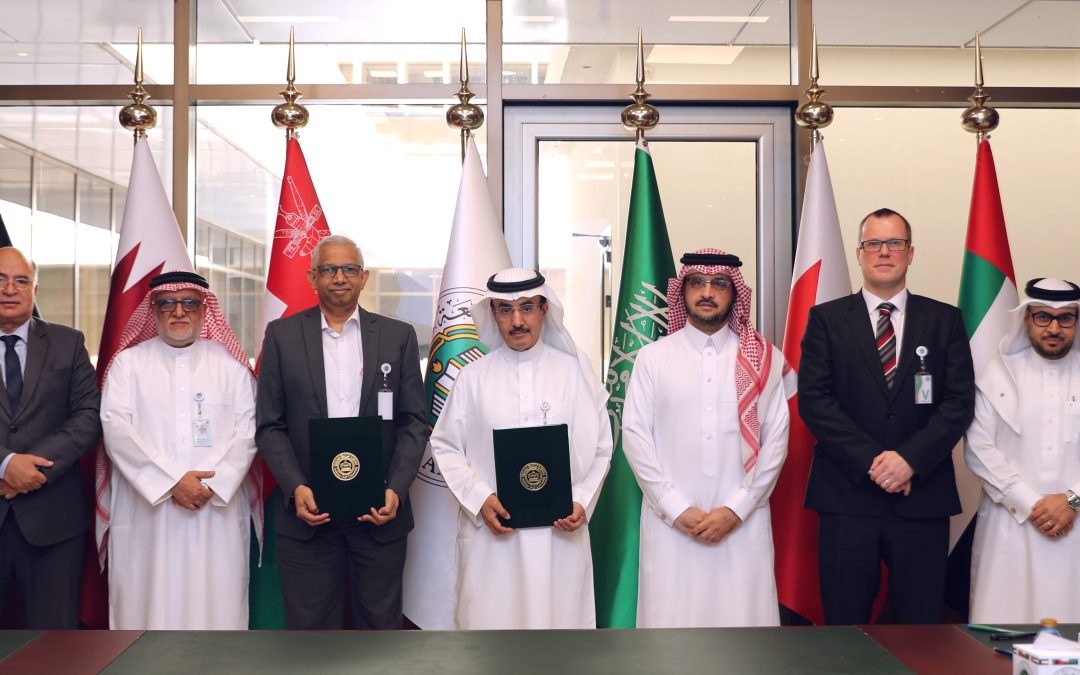
The university is partnering with Sysprove Consulting, a firm specialising in digital transformation and IT governance. The collaboration involves assessing the current status, designing work pathways, and preparing an implementation plan to achieve the university’s objectives. Mr Ravi Jayasundera, CEO of Sysprove, remarked, “Our goal is to empower AGU with cutting-edge digital capabilities that enhance the educational process and prepare it for future advancements.”
This initiative demonstrates AGU’s dedication to adopting the best international practices in digital transformation. By fostering innovation in higher education, the university solidifies its regional leadership, producing highly qualified graduates equipped to meet the evolving labour market demands.