by ashokaib | Aug 31, 2025 | Uncategorized
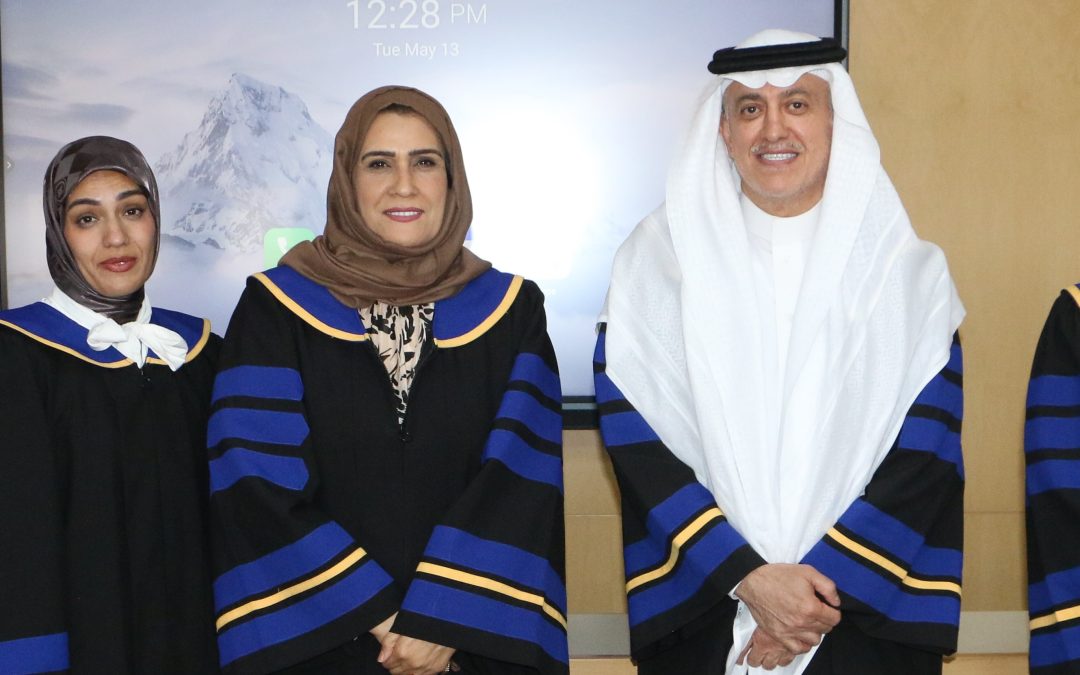
Ms. Fatema Hassan Fardan, a researcher in the Learning Difficulties and Developmental Disabilities Programme at the College of Education, Administrative and Technical Sciences at the Arabian Gulf University (AGU), investigated the forms of bullying directed at students with Autism Spectrum Disorder (ASD) in inclusive schools in the Kingdom of Bahrain, from the perspective of their teachers.
The study aimed to identify the types of bullying and to examine whether there were statistically significant differences linked to variables such as teachers’ academic qualifications, gender, training courses, years of experience and type of school (public or private).
The researcher adopted a comparative descriptive methodology as part of the requirements for a Master’s degree in Autism. She applied a scale to measure various forms of bullying: verbal bullying, physical bullying, social bullying, cyberbullying and damage to personal property. The study sample comprised 90 male and female teachers from both public and private schools.
The results showed that all forms of bullying were at a very low level, with verbal bullying ranking the highest, while cyberbullying and damage to personal property were the lowest. The findings also indicated no statistically significant differences in the forms of bullying attributed to any of the studied variables.
The researcher recommended implementing specialised training programmes on mechanisms for detecting and addressing bullying in the classroom, enhancing the role of school counselling in providing psychological and social support for students with ASD, and developing more accurate measurement tools to identify indirect forms of bullying.
She explained that bullying takes multiple forms, the most notable being: physical bullying, which involves aggressive behaviours causing physical harm to the victim such as pushing, kicking, or hitting; verbal bullying through the use of offensive words such as insults, shouting, threats, and ridicule; social bullying aimed at socially isolating the victim, such as spreading rumours or influencing others to reject them; and cyberbullying carried out via digital platforms, such as sending abusive messages or defaming victims on social media.
She added: “Bullying directed at students with Autism Spectrum Disorder is a critical issue due to its clear and long-term negative impacts across psychological and social dimensions. Victims of bullying often suffer from low self-esteem, increased levels of anxiety, depression and fear, which in turn affect their academic and professional performance, social relationships and overall lifestyle. Based on this, the study sought to identify the forms of bullying faced by these students through teachers’ evaluations, in relation to their experiences, academic qualifications, training courses and gender.”
The research, supervised by Prof. Mariam Al Shurooqi, Professor of Special Education, as the main supervisor, and Dr Wid Hussain Daghustani, Associate Professor in the Department of Special Education, as co-supervisor, recommended future studies focusing on the effectiveness of preventive programmes in reducing bullying rates, exploring the impact of using digital technology in reducing cyberbullying, and analysing the relationship between bullying and academic achievement in light of cultural and social differences.
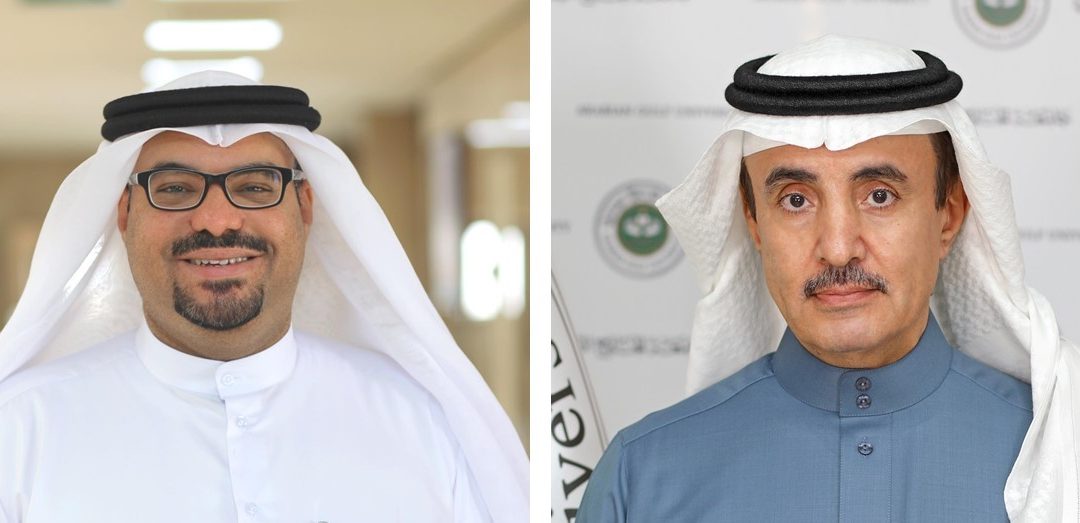
The examination committee consisted of Prof. Bandar Al Otaibi, Professor of Special Education, as internal examiner, and Prof. Ibrahim Al Othman, Professor of Special Education at King Saud University, as external examiner.
by ashokaib | Aug 31, 2025 | Uncategorized
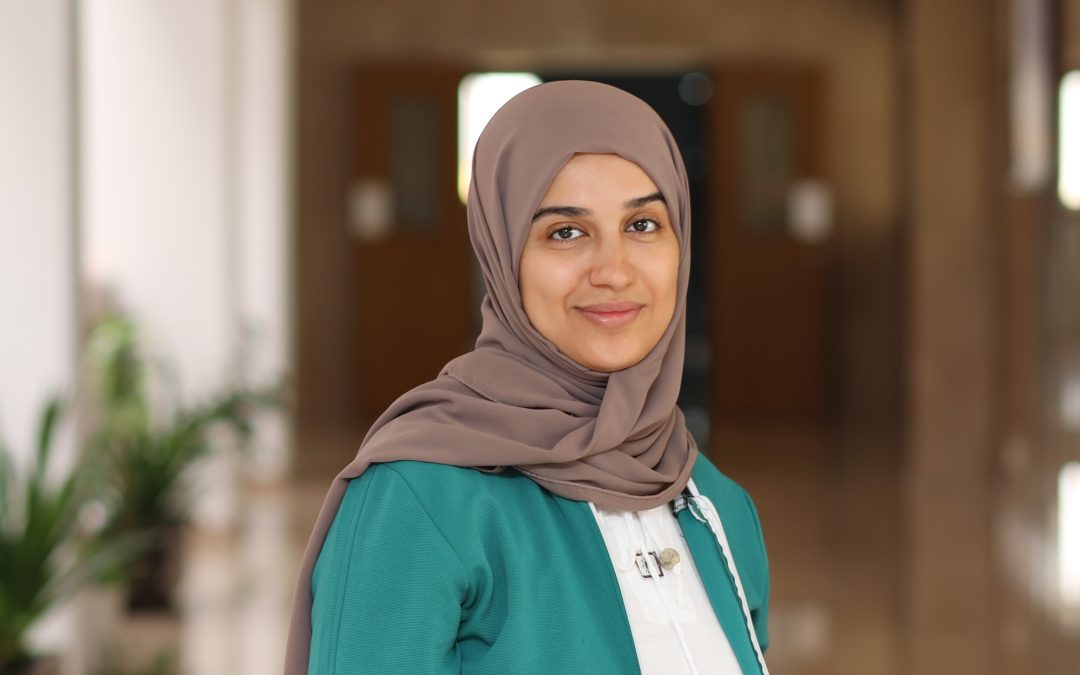
Dr Safa Al Shaikh, Assistant Professor of Pathology at the College of Medicine and Health Sciences at Arabian Gulf University (AGU), has received the Certified Professional in Healthcare Quality (CPHQ) certification from the National Association for Healthcare Quality (NAHQ). This credential is one of the highest internationally recognised certifications in healthcare quality.
Accredited by the National Commission for Certifying Agencies (NCCA) in the United States, the CPHQ certification signifies expertise in healthcare quality improvement, patient safety, performance management, statistical analysis of health data, as well as leadership and executive skills in quality management. This accomplishment reflects Dr Al Shaikh’s dedication to fostering a culture of quality and excellence in healthcare services, both clinically and academically.
Dr Al Shaikh commented, "I believe that quality is not just a process; it is a culture that permeates every aspect of healthcare services. My aim is to contribute to building more efficient, safe healthcare systems."
For his part, the Dean of the College of Medicine and Health Sciences at AGU, Dr Abdel Halim Deifalla, lauded Dr Al Shaikh’s efforts in advancing academic and medical capabilities. He emphasised the university’s commitment to training healthcare professionals who keep abreast of global standards while promoting a culture of quality, thereby supporting the development of the regional healthcare system.
by ashokaib | Aug 20, 2025 | Uncategorized
An academic and student delegation from the Learning Difficulties and Developmental Disabilities Programme at the Arabian Gulf University (AGU) recently participated in the Inclusive Education Conference held in London, United Kingdom, accompanied by several faculty members from the College of Education, Administrative and Technical Sciences.
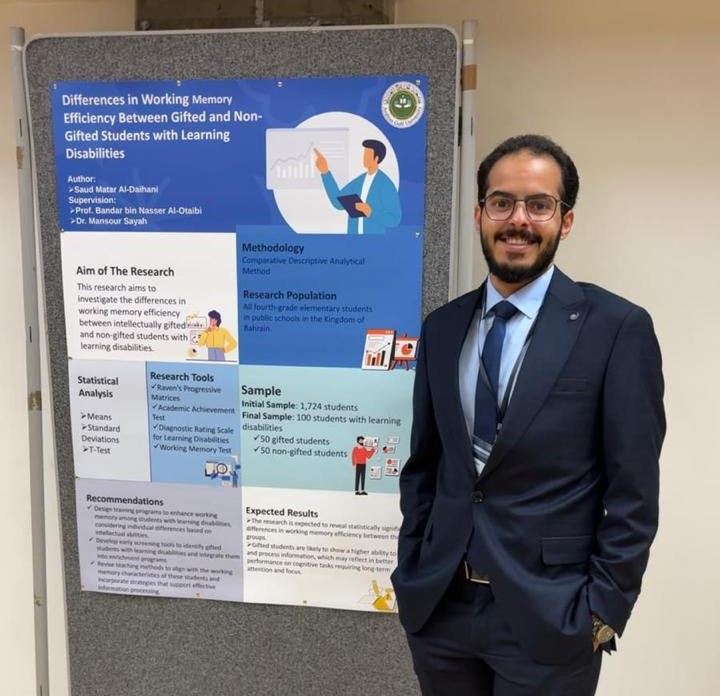
During the conference, students from the programme presented their scientific research on a variety of topics in the field of special education and inclusive education. These included studies such as “Differences in Working Memory Efficiency between Gifted and Non-Gifted Students with Learning Difficulties” and “The Impact of Using Artificial Intelligence on Independent Behaviour among Students with Learning Difficulties”. These presentations reflect the academic and research standards that the programme strives to instil in its students.
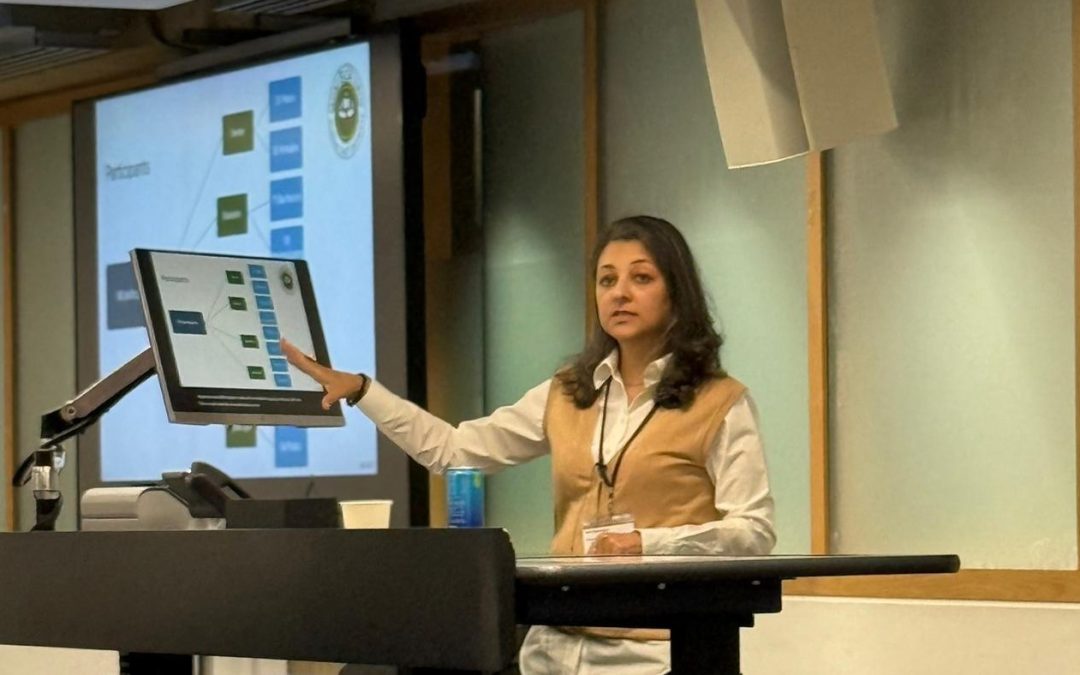
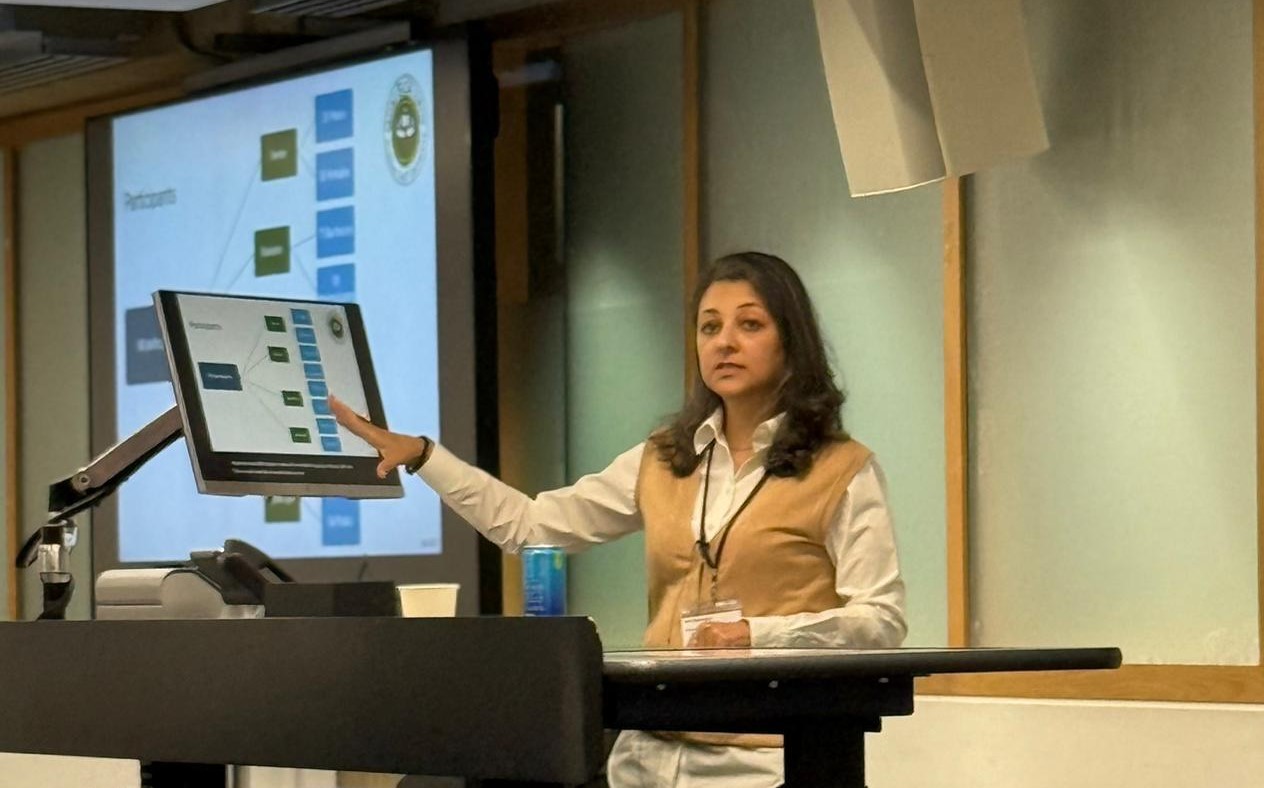
In addition, Dr Wid Hussain Daghustani, Associate Professor in the Department of Special Education and Programme Coordinator, presented a research paper entitled “Bullying Behaviour Directed Towards Autistic Students in General Education Schools”. Her presentation highlighted the key challenges faced by autistic students in educational settings and the importance of adopting supportive policies and programmes to reduce this phenomenon and promote inclusive educational practices.
Members of the delegation emphasised that participation in this international conference represents a valuable opportunity to exchange expertise with researchers and specialists from around the world. It also opens new horizons for developing inclusive education practices in line with global advancements in the field.
by ashokaib | Aug 20, 2025 | Uncategorized
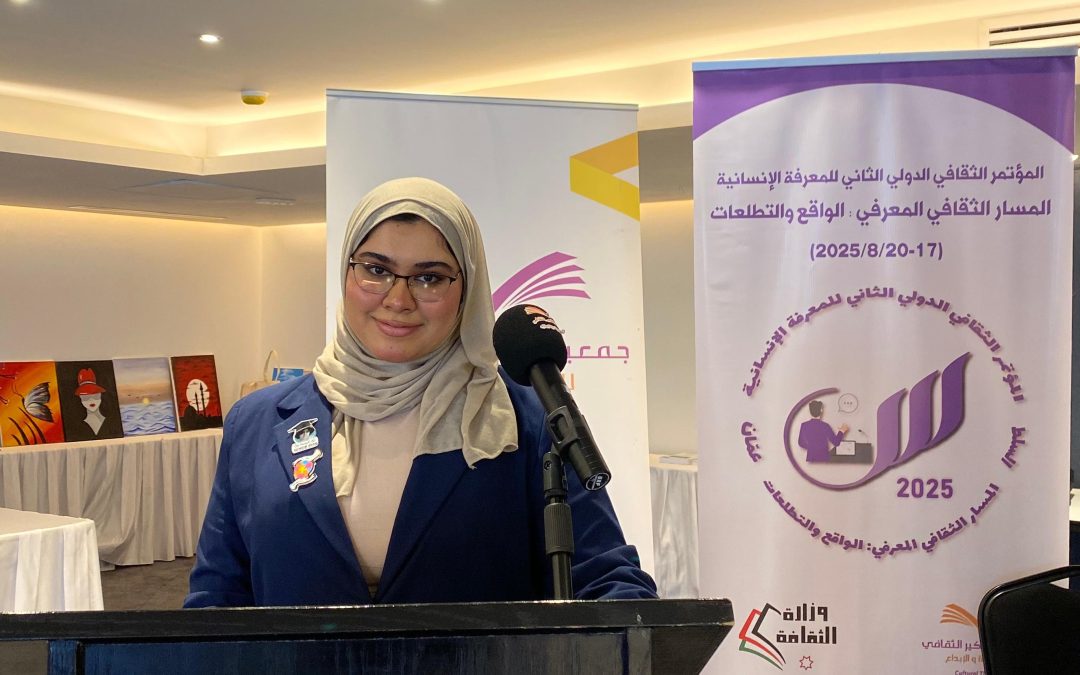
Ms. Nouf Ali Mohammed Al Balooshiya, a third-year student at the College of Medicine and Health Sciences at the Arabian Gulf University (AGU), recently participated in the 2nd International Cultural Conference on Human Knowledge, held in Amman, Jordan, under the theme “The Cultural and Cognitive Path: Reality and Aspirations”. The conference is recognised as one of the leading regional scientific events in the field of human knowledge.
During the conference, Ms. Al Balooshiya presented her scientific research entitled “The Orientation of Modern Medicine in Understanding the Causes of Autism Spectrum Disorder and its Treatment in the Sultanate of Oman and a Comparative Study with the Gulf States”.
Organised by the Cultural Thinking Association for Talent and Creativity, the four-day conference explored themes relating to culture and knowledge in the areas of education, environment, mental health and learning. It brought together a number of Arab researchers and intellectuals who engaged in discussions on the current cultural and knowledge landscape, while also exploring future aspirations through scientific sessions and cultural dialogues aimed at exchanging expertise, embracing global experiences and identifying best practices for transferring and reproducing knowledge in the fields of culture, thought and creativity.
Reflecting on her experience at the conference, she said: “It was a rich and inspiring experience. I had the opportunity to connect with distinguished Arab scientists and researchers and gained valuable skills in presenting information and critical thinking, using a variety of scientific methodologies. This participation has strengthened my self-confidence and opened new horizons for me in the field of research.”
It is noteworthy that encouraging students at AGU’s College of Medicine and Health Sciences to participate in scientific conferences is a well-established approach that contributes to honing their practical skills. It is regarded as a vital step towards preparing a new generation of physicians who are both scientifically knowledgeable and practically competent.
by ashokaib | Aug 20, 2025 | Uncategorized
The University Medical Centre at King Abdullah Medical City has received renewed accreditation from the Joint Commission International (JCI), the body responsible for evaluating the performance of healthcare institutions according to the highest international standards of major accreditation bodies.
On this occasion, Dr Salman Hamad Al Zayani, Chief Executive Officer of the University Medical Centre at King Abdullah Medical City, extended his sincere congratulations to His Excellency Dr Saad bin Saud Al Fuhaid, President of the Arabian Gulf University (AGU), the foremost supporter of all efforts and projects aimed at developing the University Medical Centre. He noted that the JCI is regarded as the world’s leading authority for accrediting the quality and safety of healthcare institutions.
Dr Al Zayani explained that the University established the Medical Centre to serve as the nucleus of King Abdullah Medical City, and since its inception has ensured the quality and efficiency of its services, contributing to the advancement of healthcare in the Kingdom of Bahrain. He highlighted that from the outset the centre was equipped with advanced medical devices built to international specifications and reliant on modern technology, placing it among the world’s leading medical centres.
MOrever, he explained that the facility is staffed by an elite team of physicians and consultants, as well as members of the academic staff from the AGU College of Medicine and Health Sciences, alongside a highly qualified medical team of Gulf and international experts holding advanced degrees from American and European universities.
He emphasised that this renewed accreditation represents international recognition of the centre’s adherence to the highest standards and best practices in quality and patient safety, in addition to delivering outstanding healthcare. Dr Al Zayani also affirmed that this achievement would not have been possible without the support of the AGU and the dedication of the centre’s medical, technical and administrative staff. He also expressed confidence that this renewal would serve as a strong driver for continuous improvement in performance and the delivery of the highest level of healthcare services to patients.
On the occasion, Dr Al Zayani added: “This prestigious accreditation reflects our unwavering commitment to providing medical services in line with the highest global standards, and embodies the ambitious vision of the Arabian Gulf University to be an advanced academic and healthcare institution at both the regional and international levels.”
JCI grants accreditation to healthcare facilities only after a rigorous and precise evaluation process. Its standards include strict measurements of service quality, around-the-clock availability of care, protection of patients’ rights, compliance with international safety procedures, sterilisation and infection prevention, as well as ensuring the presence of ongoing training and development programmes for staff.
Accreditation also requires the provision of advanced medical equipment to support accurate diagnosis and effective treatment planning. The renewal followed a stringent on-site survey conducted by a team of international experts across all departments and facilities of the University Medical Centre.
For his part, Dr Mohammed Al Binfalah, Medical Director of the Centre, stated: “The JCI reaccreditation process is extremely thorough and requires immense effort. It validates our strict protocols for patient safety, infection control and clinical governance. This achievement is a collective success and a direct reflection of the dedication of our medical, technical and administrative teams to ensuring every patient receives the best possible care.”