by ashokaib | May 7, 2025 | Uncategorized
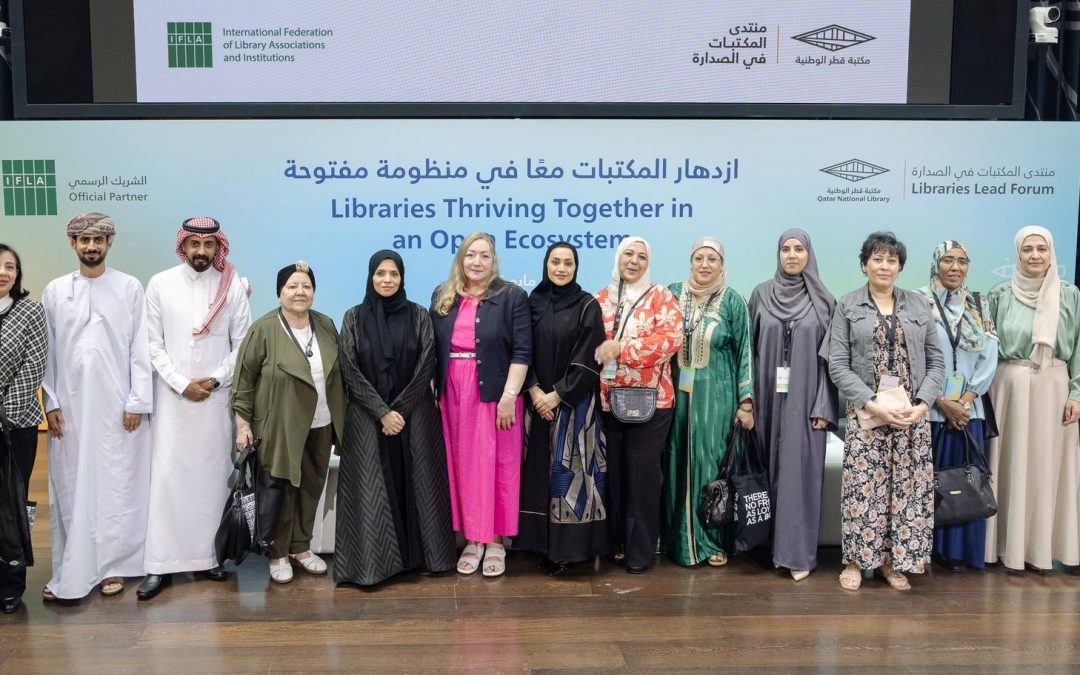
Ms Athraa Al Alawi, Director of the Arabian Gulf University (AGU) Library, participated in the annual Libraries Lead Forum 2025 recently organised by Qatar National Library (QNL) in collaboration with the International Federation of Library Associations and Institutions (IFLA) Middle East and North Africa Regional Office. The forum highlighted the vital role of collaboration, innovation, and openness in shaping the future of libraries.
Under the theme " Libraries Thriving Together in an Open Ecosystem” the event attracted a diverse group of library experts, academics, and cultural institution leaders from across the region and the globe. Discussions centred the building of interconnected and sustainable library communities through international partnerships, advanced technologies, and open knowledge networks. The forum also featured specialised workshops enabling participants to explore strategies for strategic collaboration and innovation within an open ecosystem through practical sessions.
Al Alawi remarked that the forum provided a valuable platform for stakeholders to discuss the future of libraries, enhance the library and information landscape, and share inspiring experiences to advance the field. It addressed ongoing challenges related to developing integrated and collaborative knowledge systems across borders. She stressed the importance of global cooperation to build comprehensive library systems capable of meeting researchers' evolving needs as an urgent priority, especially in light of growing demands driven by innovation, digital transformation, and artificial intelligence.
by ashokaib | May 7, 2025 | Uncategorized
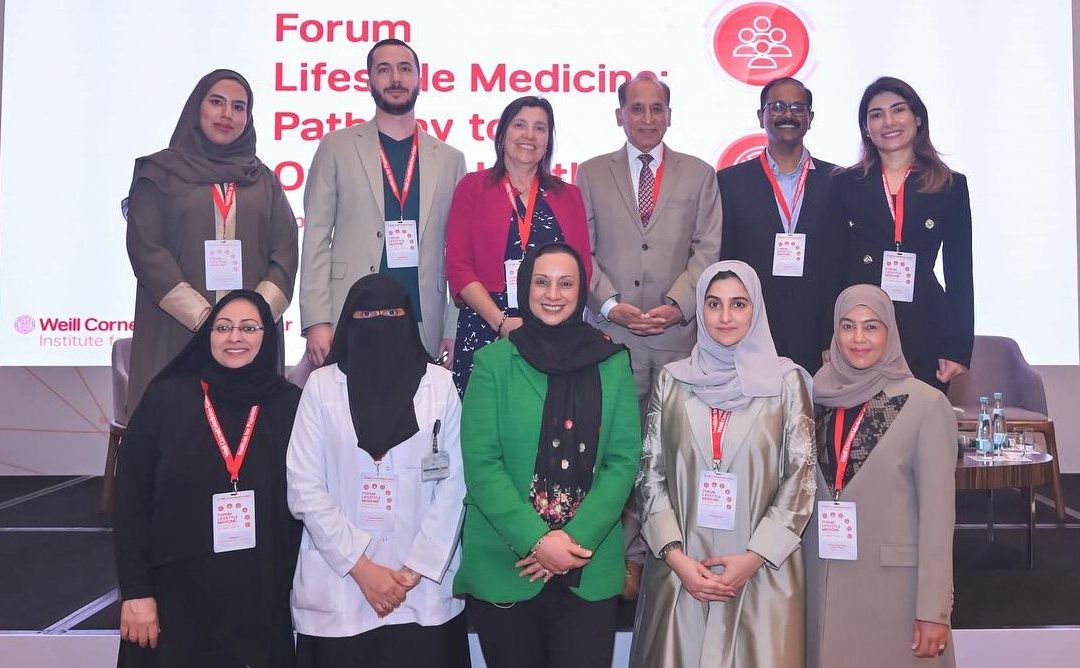
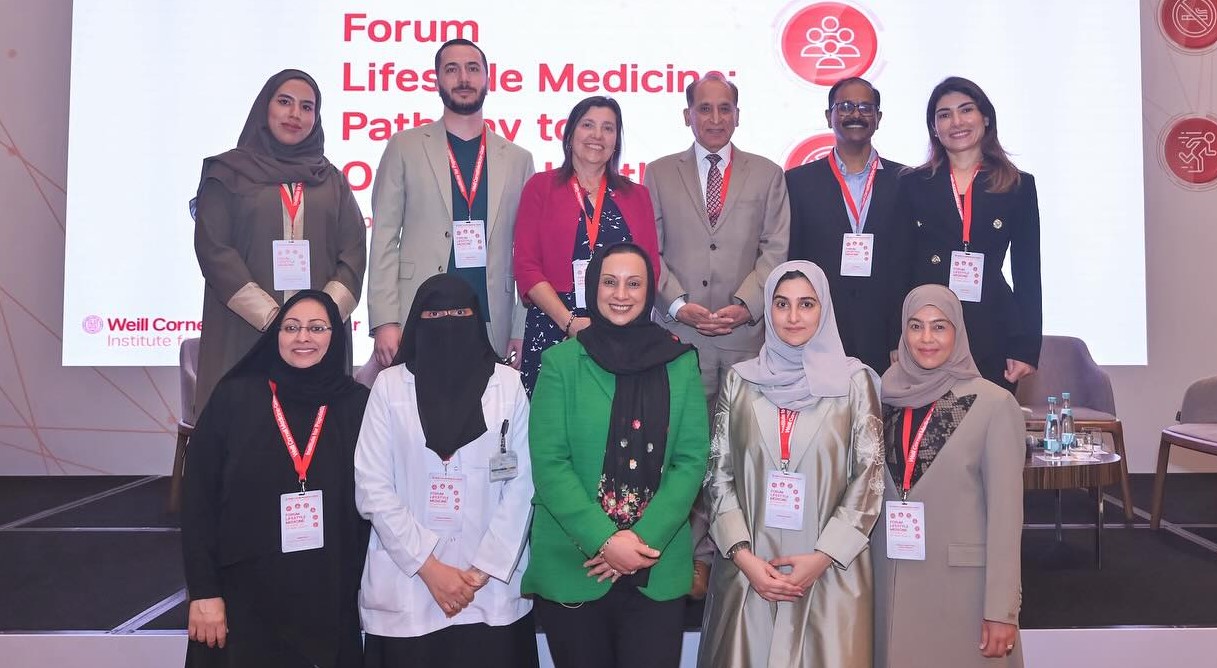
Dr Fatema Habbash, Assistant Professor of Family and Community Medicine at the College of Medicine and Health Sciences, Senior Consultant in Family Medicine, and Lifestyle Medicine Specialist, participated as a speaker in the Lifestyle Medicine conference recently organised by Weill Cornell Medicine in Doha.
During her participation, Dr Habbash emphasised the importance of integrating Lifestyle Medicine into healthcare for patients and the community, as well as in medical education. She highlighted the holistic approach to health promotion, which focuses on addressing the root causes of diseases through the adoption of healthy lifestyles.
Since obtaining the International Board Certification in Lifestyle Medicine from the American College of Lifestyle Medicine, as the first family physician in the Kingdom of Bahrain to achieve this milestone, Dr Habbash has been at the forefront of awareness and educational efforts in this field.
She has organised numerous workshops targeting healthcare professionals, school students and the wider community, focusing on the pillars of Lifestyle Medicine, including nutrition, physical activity, healthy sleep, mental health and positive psychology. She continues her efforts to support the shift towards comprehensive preventive healthcare, contributing to the improvement of quality of life at both individual and community levels.
In this context, experts and specialists from Qatar, the United Arab Emirates, Bahrain, and the United States shared their insights during the conference proceedings regarding the tangible role of evidence-based Lifestyle Medicine interventions in reducing the heavy and debilitating burdens borne by both individuals and their communities as a result of chronic disease, its management and the initiation of recovery pathways.
Furthermore, lectures focused on reviewing the latest innovations and emerging trends in Lifestyle Medicine and analysing and discussing the most effective methods for integrating and implementing Lifestyle Medicine in healthcare systems.
Lifestyle Medicine encourages the use of evidence-based lifestyle interventions to promote health and wellness, prevent and manage chronic diseases, and in some cases, initiate recovery pathways. These include, but are not limited to, Type 2 diabetes, obesity, hypertension, heart disease and mental ill-health. It can even be effective in reducing the risk of dementia, stroke and some types of cancer. It revolves around promoting positive evidence-based lifestyle interventions, such as adopting healthy diets, regular physical exercise, abstaining from harmful substances, getting sufficient sleep and cultivating social connections.
by ashokaib | May 7, 2025 | Uncategorized
Professor Dr Adel Bouhoula, Head of the Information Technology Department at the College of Education, Administrative and Technical Sciences at Arabian Gulf University (AGU), participated as a keynote speaker at the Third Annual Conference organised by the Kuwait Technical College (ktech). The event was held under the theme "Driving Entrepreneurship Success via Innovation and Digital Transformation” where Dr Bouhoula delivered a keynote address titled "From Theory to Impact: How Emerging Technologies Contribute to Solving Global Challenges and Enhancing Entrepreneurial Success”. He stressed the crucial role of modern technologies as practical tools to support entrepreneurship and address pressing global issues.
In his speech, Dr Bouhoula outlined four emerging technologies which he considers vital drivers of digital transformation and innovation. First, he touched on Machine Learning and Deep Learning, explaining their capacity to analyse large data sets, predict customer behaviours, and identify market trends, empowering entrepreneurs to make informed strategic decisions through artificial intelligence. He highlighted the role of Blockchain Technology in increasing transparency and security in digital transactions, such as bank transfers, and reducing reliance on traditional intermediaries. He also discussed the importance of Internet of Things (IoT) in connecting smart devices to enhance operational efficiency, such as monitoring industrial machinery and enabling proactive maintenance, and the potential of Quantum Computing to solve complex problems in critical sectors like pharmaceuticals and clean energy development, paving the way for groundbreaking innovations.
These technologies are not merely theoretical concepts but practical tools capable of improving business efficiency, simplifying decision-making, and fostering innovative solutions across vital sectors such as healthcare, finance, and transportation. Their benefits extend beyond organisational productivity to addressing global challenges like climate change and cybersecurity, establishing them as fundamental pillars of scientific and economic progress.
He described innovation as the bridge between ambitious ideas and tangible success, noting that emerging technologies are key to this process, equipping entrepreneurs with the tools needed to transform projects into impactful, sustainable solutions. Furthermore, this conference serves as a vital link between higher education, technological innovation, and market needs, an essential connection in the context of accelerating digital transformations, as it empowers young entrepreneurs and encourages the launch of projects that respond to economic and social realities.
In conclusion, he asserted the importance of events like this in fostering collaboration among academics, technology experts and entrepreneurs in order to meet future demands through strategic approaches to sustainable growth.
by ashokaib | May 6, 2025 | Uncategorized
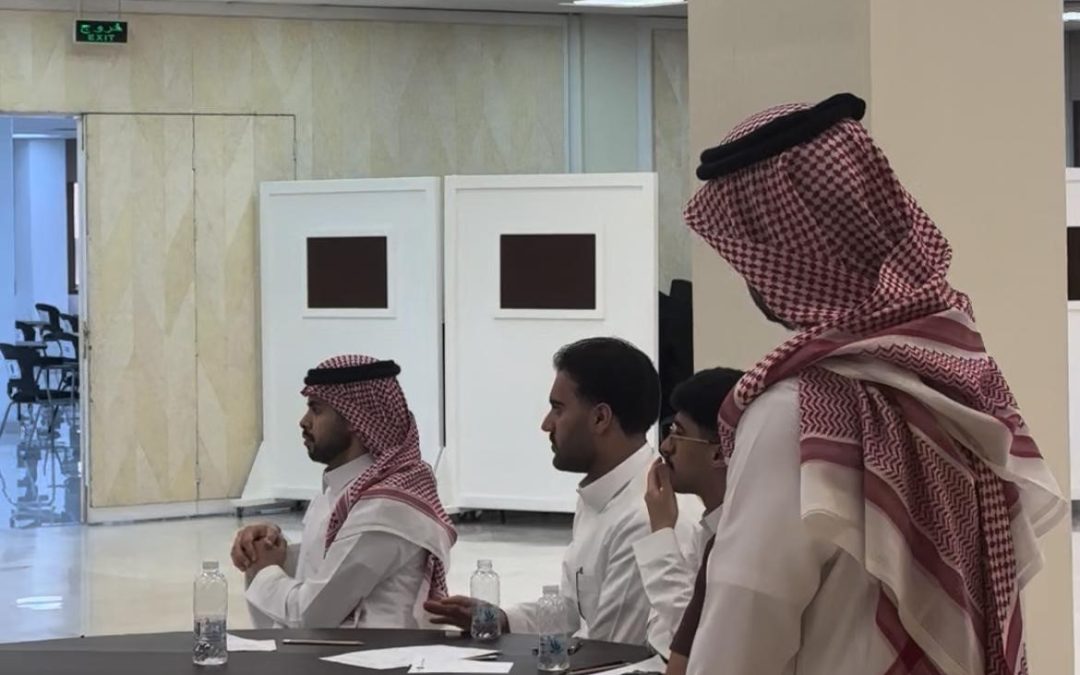
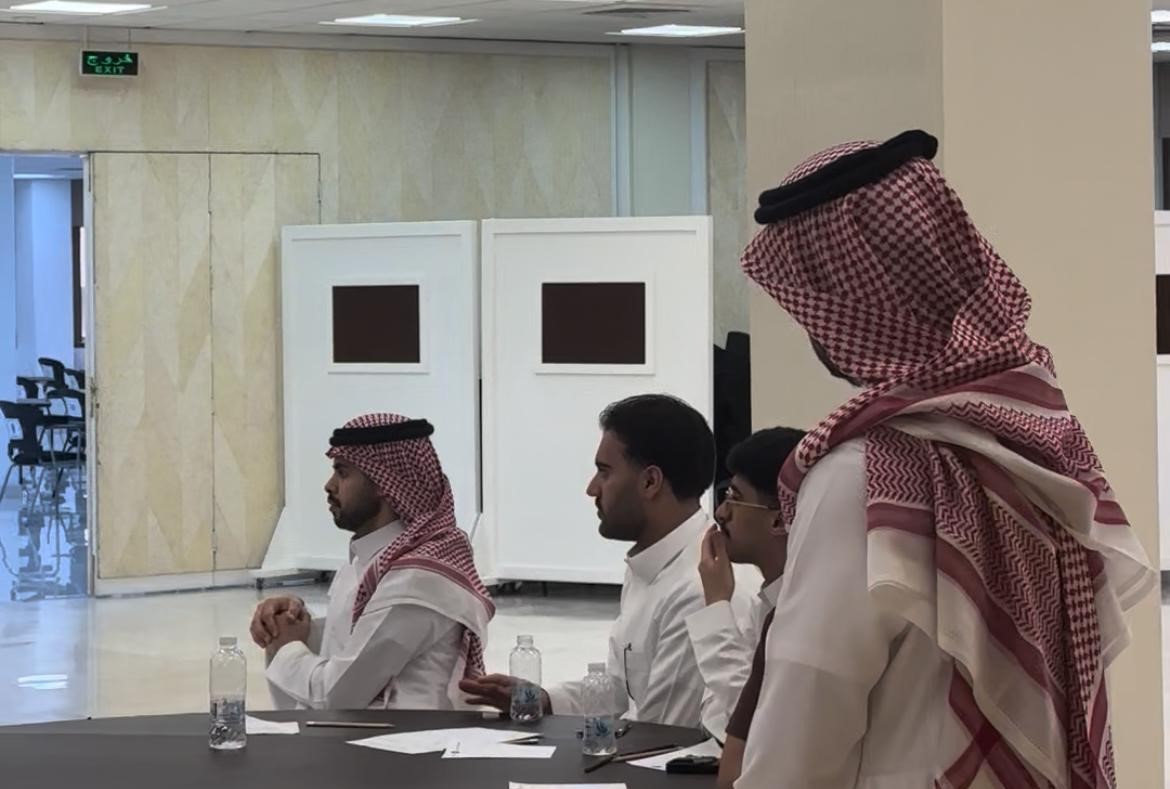
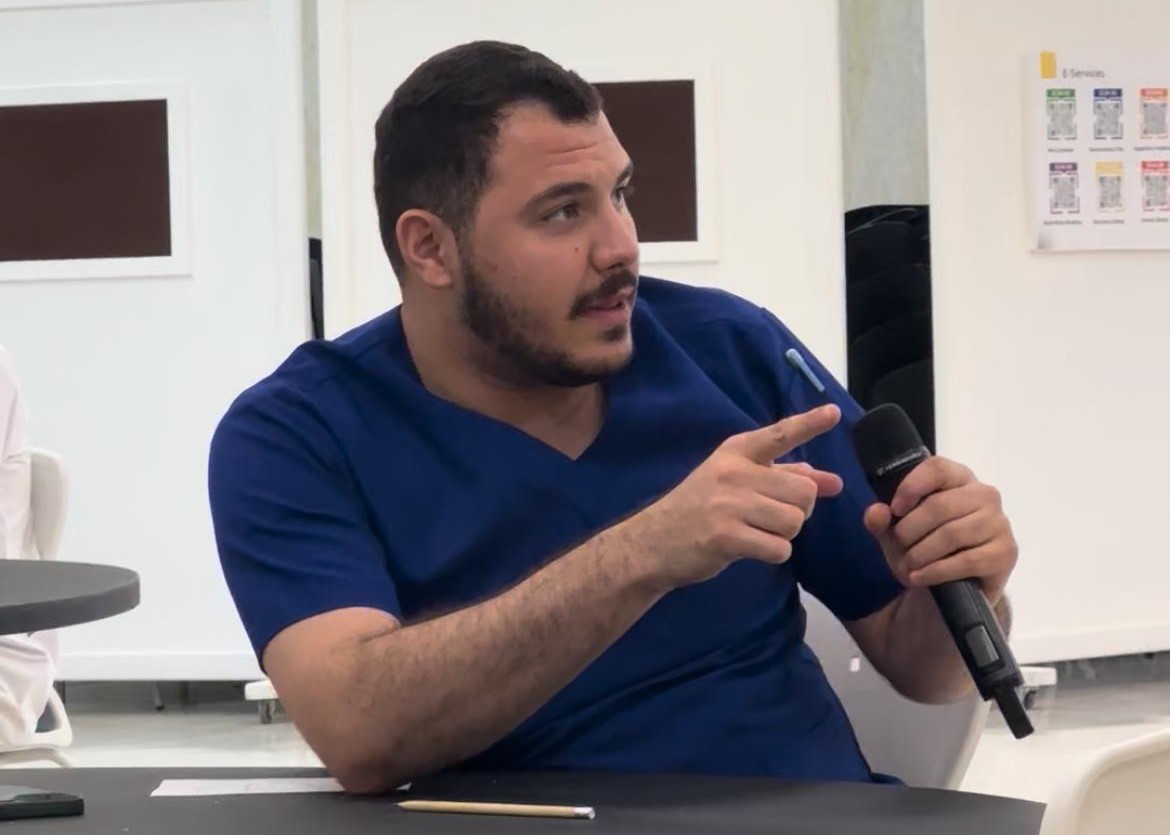
Dr Ghazi bin Abdulrahman Alotaibi, Vice President for Academic Affairs and Scientific Research at Arabian Gulf University (AGU), hosted an open meeting with students from the College of Medicine and Health Sciences to exchange ideas and visions aimed at fostering development and shaping future progress under the theme "We Think, We Build." The initiative aims to promote constructive communication and encourage purposeful student-led initiatives.
During the meeting, students discussed various developmental ideas designed to lead positive change and pave the way for a promising academic and professional future. Dr Alotaibi highlighted the university’s dedication to amplifying student voices and involving youth in decision-making processes. He stressed that student initiatives are vital contributors to sustainable development within the university community.
This meeting aligns with AGU’s strategic directives and the strong support of His Excellency, the University President, to strengthen collaboration between academic administration and students. The goal is to foster a culture of dialogue and empower students to drive innovation and change, consistent with the university’s vision and academic and research missions. A series of similar meetings will be held to promote continuous improvement, teamwork, and creative critical thinking, ultimately enhancing the quality of education and its outcomes.
The Vice President also affirmed the university’s policy of openness to student opinions and suggestions, recognising students as key partners in institutional development. The university will review all suggestions, recommendations, and ideas shared during the session and consider incorporating viable ones into future development plans. He concluded by stating, "Listening to students’ voices is not just a matter of practice, but a core tenet to achieving excellence and leadership in higher education across the region."
by ashokaib | May 6, 2025 | Uncategorized
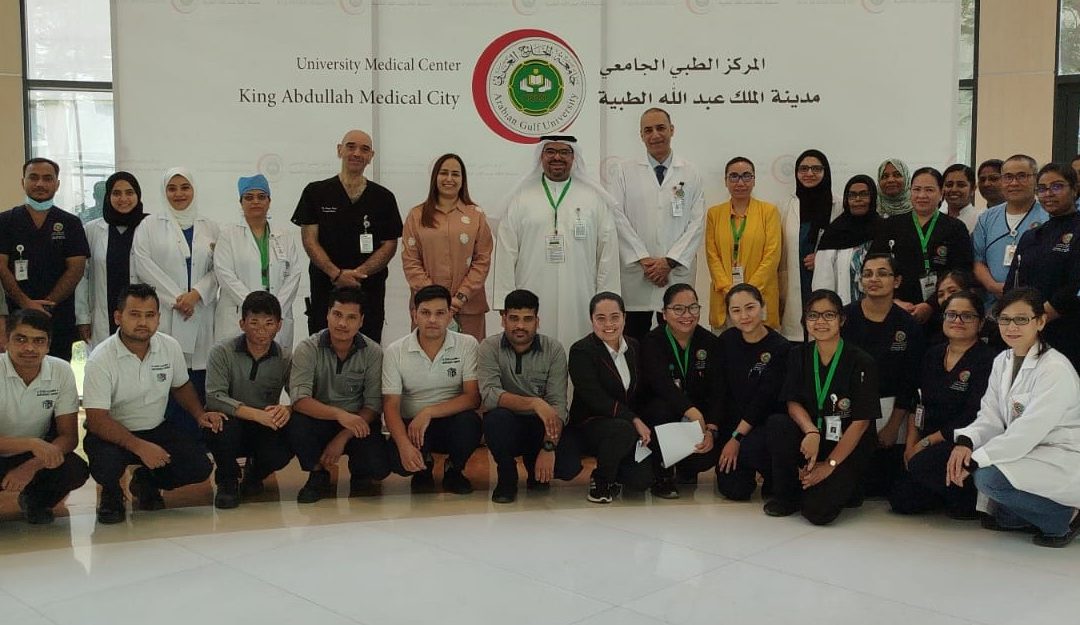
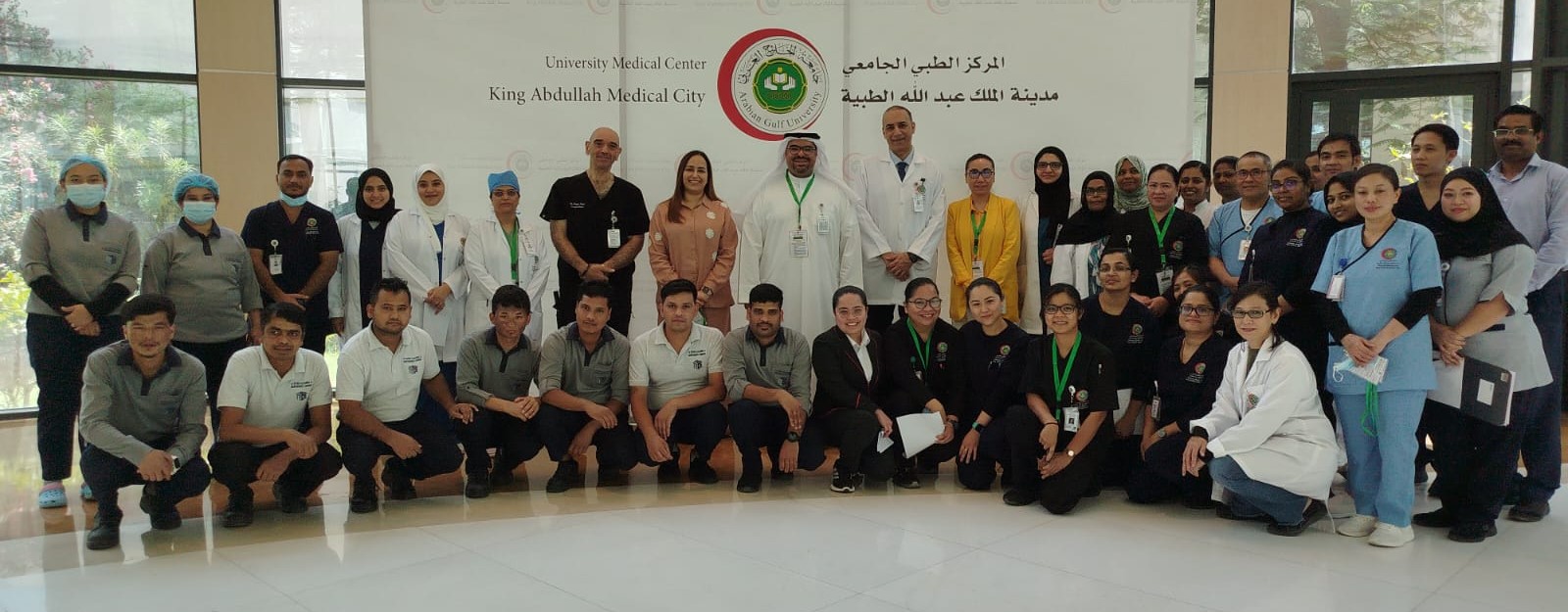
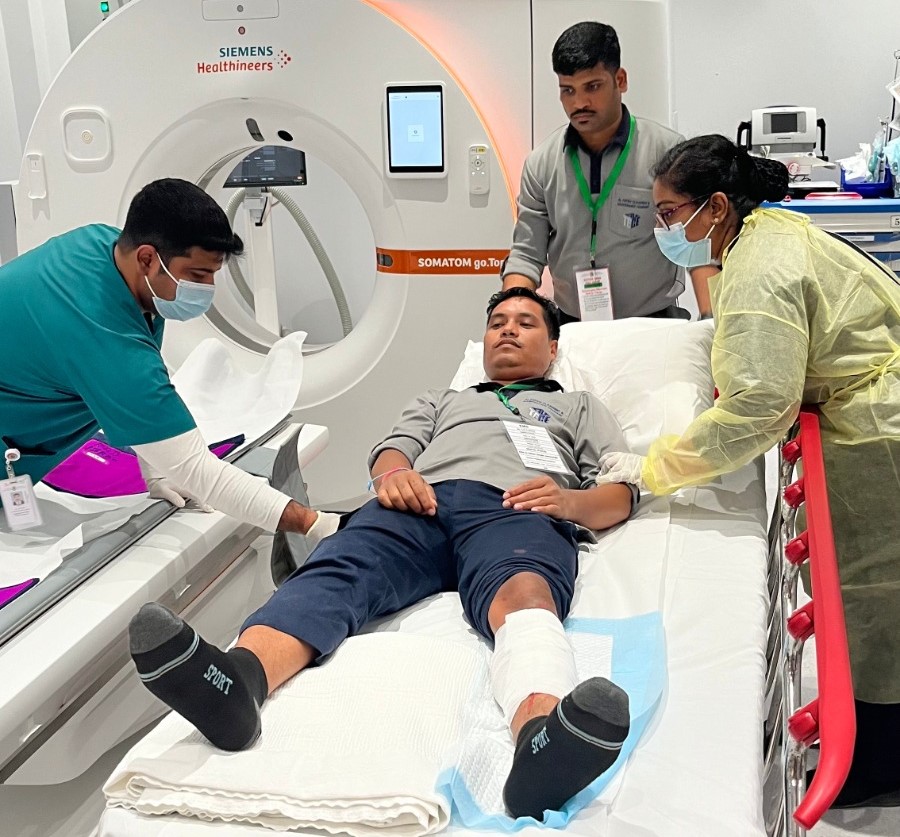
The University Medical Centre at King Abdullah Medical City has successfully conducted training exercises to assess the hospital's preparedness for mass casualty and emergency incidents. This training aimed to equip hospital staff with the necessary skills to handle mass casualty and emergency incidents (Code Green) through a simulated scenario. The hospital is keen to ensure optimal readiness to deal with any emergency, in response to the requirements of international accreditations which emphasise the importance of disaster and incident preparedness.
Dr Salman Hamad Al Zayani, Chief Executive Officer of the University Medical Centre, explained that this training is part of the Centre's commitment to ensuring its staff are ready to handle emergency situations and to enhance their capabilities in managing multi-casualty incidents in line with international accreditation standards. He noted that the scenario conducted simulated a serious road traffic accident with multiple human casualties, with the aim of testing the effectiveness of the hospital’s emergency plan.
For his part, Dr Mohammed Falah Al Binfalah, Medical Director of the University Medical Centre, stated: “This type of training contributes to embedding a culture of constant readiness for emergencies and enhances confidence among medical and administrative staff when working under pressure. The training included the transportation of casualties to the hospital and the summoning of medical staff from various departments, including outside official working hours, with the aim of training participants on activating the emergency plan and testing the efficiency of operations within the hospital.”
Furthermore, a control centre was established to manage the event, led by the Chief Executive Officer of the University Medical Centre and the Medical Director. The medical and administrative team in the Emergency Department simulated the experience of receiving casualties, classifying them according to the severity of their injuries (severe, moderate, or minor), and dealing with, diagnosing and treating them in the hospital departments according to the degree of injury. The training concluded after the scenario with a meeting to evaluate performance and identify strengths and areas requiring improvement.