by ashokaib | May 4, 2025 | Uncategorized
The Arabian Gulf University (AGU) has recently organised a health awareness campaign under the slogan "A Drop of Blood. A World of Difference", aimed at raising awareness of blood diseases and encouraging community members to donate blood. This initiative forms part of a series of student-led activities designed to promote awareness and serve the community, under the supervision of the Deanship of Student Affairs, with active participation from students of the College of Medicine and Health Sciences.
The campaign was organised by fourth-year medical students Ms Fatima Al Haddad and Mr Tayeb Mohammed Abu Alsaud, in collaboration with a team of 54 students from the Doctor of Medicine programme within the College of Medicine and Health Sciences. They provided simplified and interactive medical information to the public through various stations designed to enhance awareness and community engagement.
The campaign featured five main stations, starting with a blood type station that explained the differences between blood types and their importance in transfusion processes. This was followed by a station discussing the importance and benefits of blood donation from both health and humanitarian perspectives. Additionally, an interactive station demonstrated the steps of blood donation in a straightforward medical manner. A dedicated awareness station focused on common blood diseases, such as thalassemia, anaemia, and bleeding disorders, while a section featuring educational games was designed to encourage visitors to learn and engage interactively.
The campaign saw a strong turnout from students and university visitors, who participated enthusiastically in the awareness activities and expressed interest in the information presented, reflecting the campaign's success in delivering its health messages in an innovative and engaging manner.
The Deanship of Student Affairs confirmed that such initiatives align with the university's commitment to social responsibility and aim to enhance the role of students in community service through health awareness activities that combine scientific and practical elements, contributing to the development of a culturally aware and effective physician in their environment.
by ashokaib | Apr 30, 2025 | Uncategorized
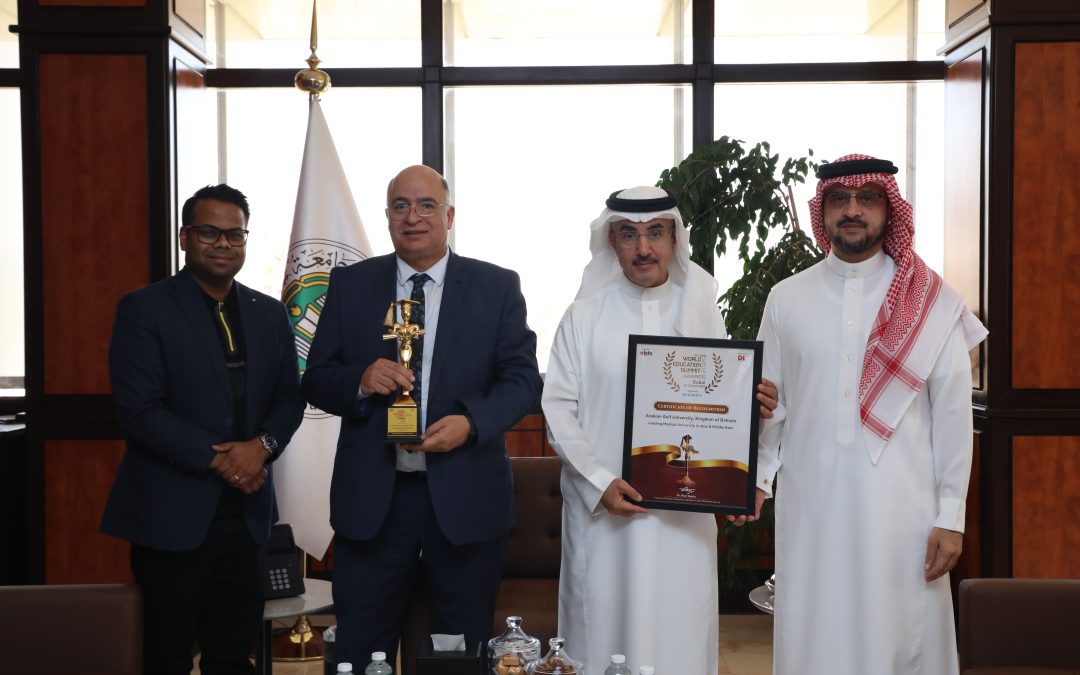
Arabian Gulf University (AGU) has achieved a new regional milestone by winning the prestigious award for “Leading Medical University in Asia and the Middle East” during its participation in the World Education Summit, held in Dubai on April 22–23, 2025. AGU competed in this category against some of the most renowned medical universities in the region.
On this occasion, His Excellency Dr. Saad bin Saud Al-Fuhaid, President of AGU, expressed his pride in this achievement, saying:
"We are proud to receive this esteemed award, which affirms AGU’s position as a leading center of academic and research excellence in medical education across the region. This achievement reflects our deep commitment to delivering high-quality medical education, supported by innovative programs and impactful research aligned with the aspirations of our Gulf communities. We pledge to continue our journey of leadership and to do our utmost to strengthen the university’s role as a driver of sustainable development in the GCC."
This recognition crowns AGU’s ongoing efforts to advance medical education and scientific research, reaffirming its pioneering role as an academic institution that strives for excellence and innovation. The university remains committed to meeting the healthcare and medical needs of Gulf societies through advanced academic programs and high-impact research initiatives.
AGU reaffirmed its dedication to maintaining excellence in education, research, and community service, expressing pride in this accomplishment, which reflects the vision of its leadership and the efforts of its academic and administrative teams toward achieving regional and global prominence.
by ashokaib | Apr 30, 2025 | Uncategorized
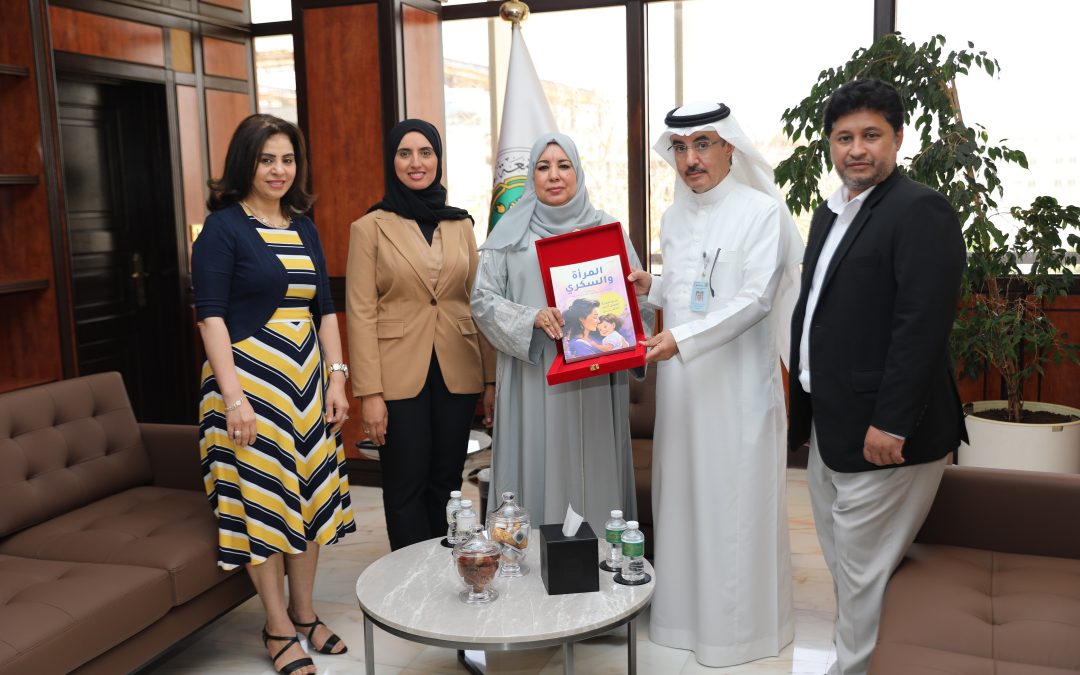
His Excellency Dr Saad bin Saud Al Fuhaid, President of the Arabian Gulf University (AGU), received a delegation from the Bahraini Diabetes Society, headed by Dr Maryam Al Hajri, the Society's Vice Chairperson, and Dr Dalia Al Rumaithi, Chair of the Scientific Committee The meeting was held to present the Arabic edition of the book “Women and Diabetes”, a distinguished scientific collaboration involving 31 authors from the MENA region.
The book was launched as a charitable initiative by the Society and was co-edited by a team of leading doctors and experts, including Dr Dalia Al Rumaithi, Associate Professor of Internal Medicine; Dr Maryam Al Hajri, a Family Medicine Consultant and former Assistant Undersecretary of the Ministry of Health; and Dr Nadeema Shoukat Shuqam, President of the Jordanian Society for Diabetes Care. Women accounted for 71 per cent of the contributors to the book, while participants from Bahrain represented 52 per cent.
Comprising 35 scientific and humanistic chapters, the book serves as a comprehensive reference on the physiological, psychological and health aspects related to diabetes in women, particularly during pregnancy. Topics covered include maternal and fetal health challenges, preconception care, mental health, nutrition, physical activity, emergency management of hyperglycaemia, and other contemporary issues.
His Excellency the President praised this outstanding scientific effort, commending the Bahraini Diabetes Society’s initiative, under the leadership of His Excellency Lieutenant General Dr Shaikh Mohammed bin Abdullah Al Khalifa, in promoting health awareness within the community. He reaffirmed the university’s support for academic initiatives that serve societal development. Furthermore, he highlighted Bahrain’s pioneering role in supporting women's issues, under the generous patronage of His Majesty King Hamad bin Isa Al Khalifa, King of the Kingdom of Bahrain, and the efforts of the Supreme Council for Women, chaired by Her Royal Highness Princess Sabeeka bint Ibrahim Al Khalifa, in empowering Bahraini women across all fields.
On this occasion, Dr Al Fuhaid announced the allocation of a dedicated pavilion for the Bahraini Diabetes Society at the accompanying exhibition of the International Obesity Conference, organised by the university on May 8, 2025, reflecting the university’s appreciation for impactful community efforts.
by ashokaib | Apr 27, 2025 | Uncategorized
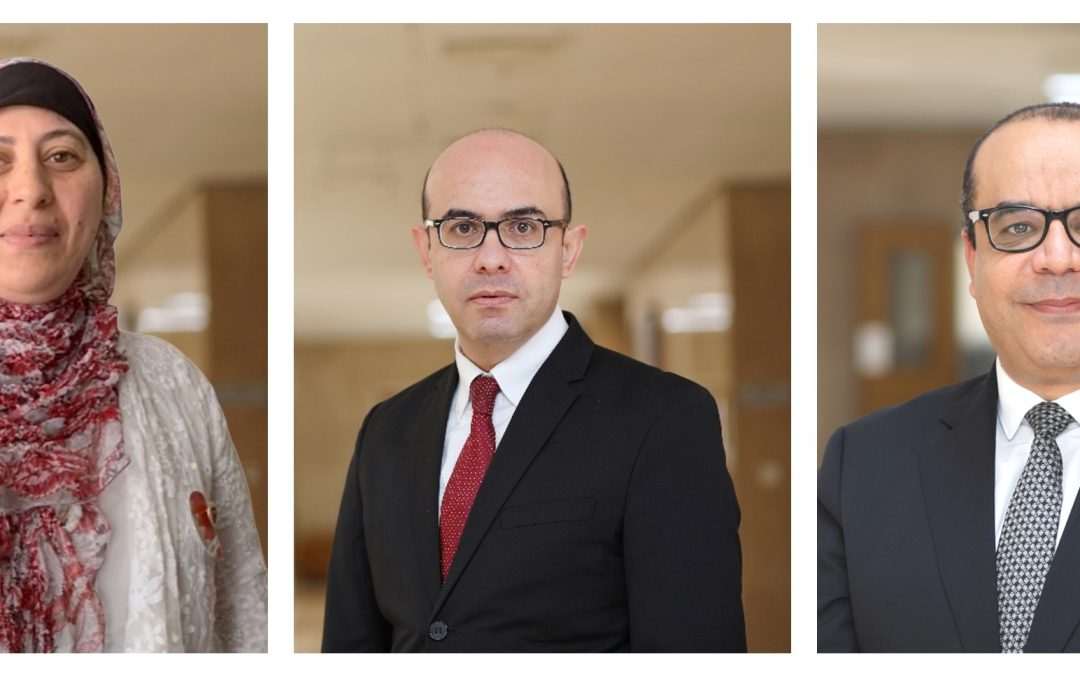
A new study by the College of Medicine and Medical Sciences at the Arabian Gulf University (AGU) has demonstrated the potential impact of the anticancer drug Nilotinib on bone growth in adolescent subjects. The research was led by Dr Yasin Ibrahim Tayem, Professor in the Department of Pharmacology and Therapeutics.
Prof. Tayem explained that Nilotinib belongs to the class of tyrosine kinase inhibitors, which are considered the most effective drugs for treating chronic myeloid leukaemia. Dr Wael Amin Nasreldin, Associate Professor in the Department of Anatomy and a member of the research team, said the group investigated Nilotinib’s effects on skeletal development in adolescent rats by administering varying doses of the drug over a four-week period.
The study found that Nilotinib has adverse effects on bone health. Researchers observed reductions in key factors for healthy bone metabolism, including calcium levels and insulin-like growth factor. Dr Manal Othman, Associate Professor in the Department of Anatomy, noted a decline in collagen, which is a fundamental component of bone, and disturbances in enzymes associated with bone formation and resorption. Histopathological evaluation of the femur revealed further damage, such as degeneration of bone plates and disintegration of cellular structures.
The team concluded that Nilotinib exerts harmful structural effects on bone development around puberty, placing this patient group at heightened risk of bone fragility. The study recommends long-term monitoring of bone growth and mineralisation in adolescents undergoing treatment for chronic myeloid leukaemia with Nilotinib.
This research has been accepted for publication in Pharmaceutical Practice, a leading journal in the field.
by ashokaib | Apr 27, 2025 | Uncategorized
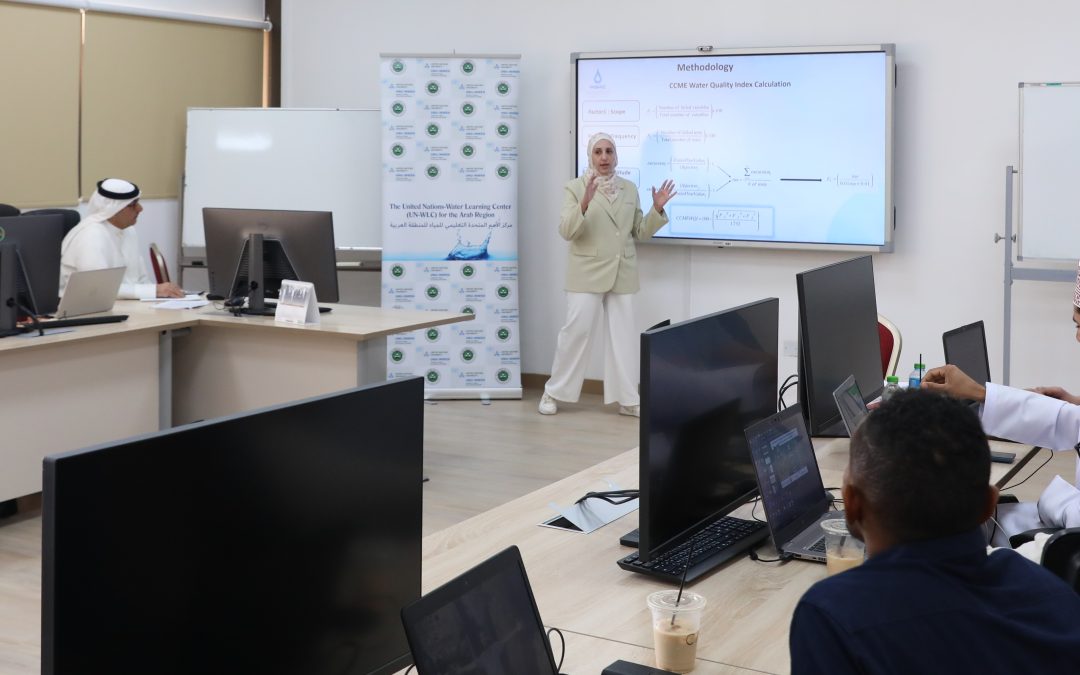
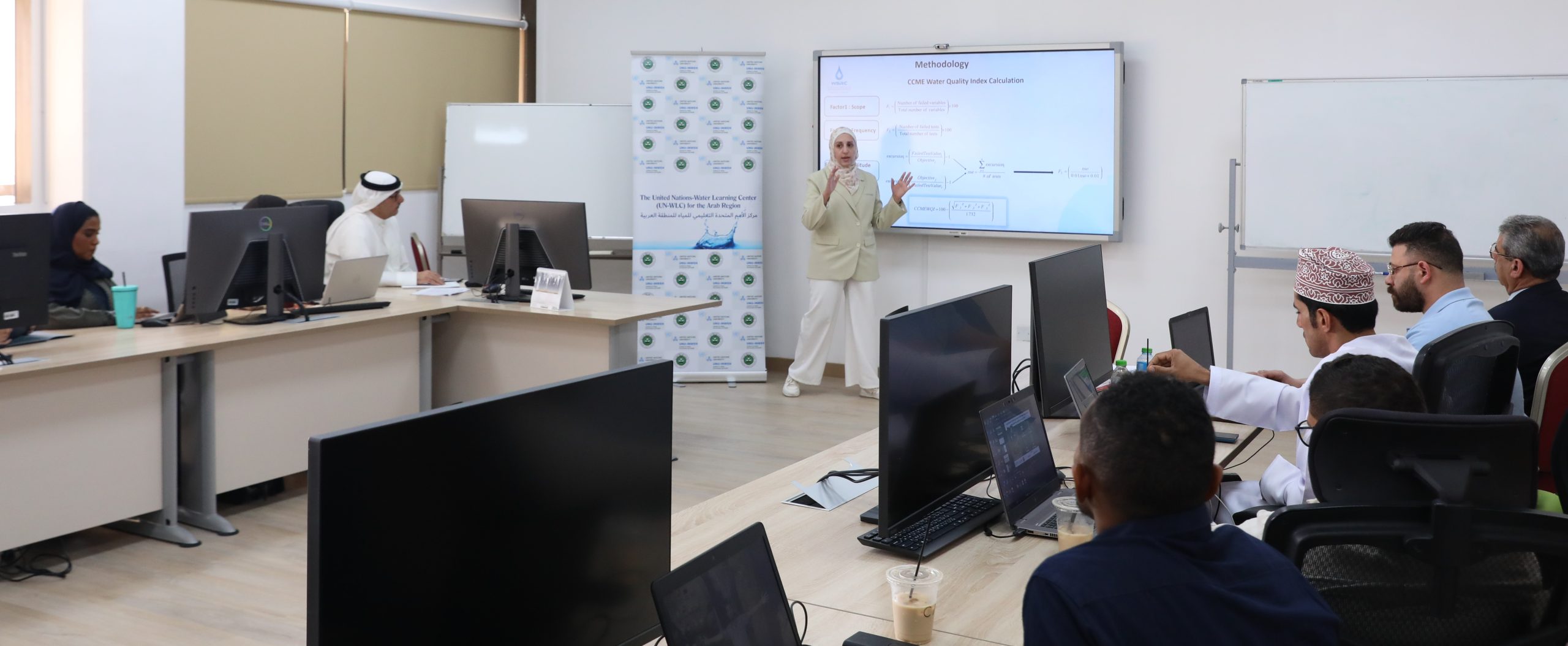
The Environmental and Biological Studies Centre at the Arabian Gulf University (AGU) has conducted the mid-term examination for the 10th cohort of its Professional Diploma programme in Integrated Water Resources Management, delivered in partnership with the United Nations Educational Centre for Water Resources Management in the Arab Region for the 2025/2026 academic year.
This cohort comprises 20 young professionals from the water sector across the Arab region representing the Hashemite Kingdom of Jordan, the Sultanate of Oman, the Republic of the Sudan, the Syrian Arab Republic, the State of Palestine, the Arab Republic of Egypt, the Kingdom of Bahrain, the State of Kuwait, the Kingdom of Saudi Arabia and the Republic of Yemen. Following their examinations, participants presented the progress of their research projects to academic supervisors in preparation for final submission in October.
Diploma students are developing research projects that address the principal challenges in their water-management work. They tackle real-world problems in integrated water-resources management by considering the intersecting social, economic and environmental dimensions, reflecting the programme’s core aim of moving beyond a purely technical approach.
Prof. Waleed Zubari, Professor of Water Resources and Programme Coordinator, said the research topics for this cohort are wide-ranging and of critical importance to the region. They include developing a sanitation-sector safety plan in Sudan, creating sanitation-sector databases to support decision-making in Kuwait and Saudi Arabia, using solar energy to pump groundwater for internally displaced persons in Yemen, assessing the ecological impact of dam construction in Syria, carrying out water audits in major facilities in Jordan, integrated municipal planning and water-demand evaluation in Bahrain and Palestine, and evaluating the economic and environmental impact of water-conservation devices, in addition to reviewing the effectiveness of water-loss reduction initiatives in Oman, optimising the disposal of desalination brine in Bahrain and assessing the performance of water-supply providers in Palestine.
The Regional Centre of the United Nations-Water Learning Center (UN-WLC) for the Arab Region was established in 2007 under a cooperation agreement between AGU and the International Institute for Water, Environment and Health (Canada). To date, the diploma programme has graduated 122 water specialists from across the Arab world. It enjoys the support of key funding bodies: the Arab Fund for Economic and Social Development offers five scholarships to candidates from lower-income Arab states; the Kuwait Foundation for the Advancement of Sciences awards three scholarships to Kuwaiti nationals; the UNESCO Office in Cairo provides two scholarships to applicants from low-income countries; and the Gulf Water Science and Technology Association grants one scholarship to a young member.
Delivered in collaboration with the United Nations University and the International Institute for Water, Environment and Health (Canada), the multidisciplinary programme aims to build the capacities of water professionals in integrated water-resources management and to foster comprehensive administrative thinking on all aspects of water resources and related challenges in the Arab region.
Participants complete graduation projects that apply integrated management principles to water-sector problems in their home countries. Graduates achieving an overall mark of 80 per cent or above may proceed directly to the Master’s programme in Water Resources Management, offered by AGU, subject to standard admission requirements. Research projects are supervised by AGU faculty and external specialists in water, environmental and socio-economic sciences, and all training modules are delivered via distance learning.