by ashokaib | Apr 16, 2025 | Uncategorized
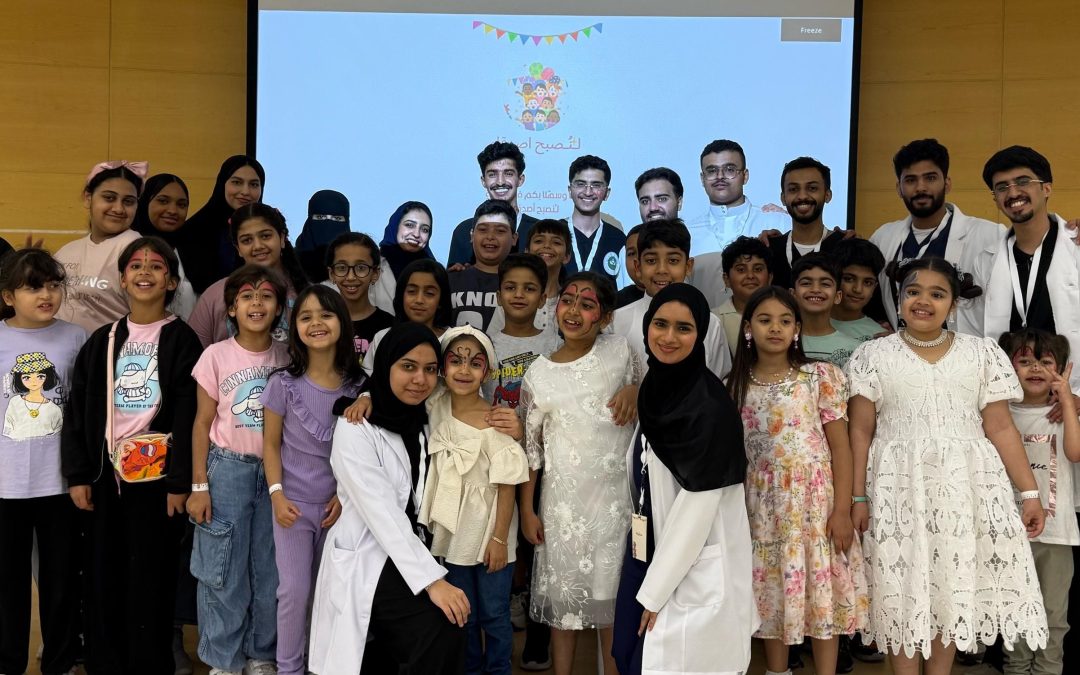
Members of the Arabian Gulf University (AGU) Student Council recently launched an initiative under the banner “Let’s Become Friends”. The humanitarian gesture aimed to bring Eid al-Fitr greetings to sick children and the children of Al Sanabel Orphans Care Society.
Approximately 23 students from the College of Medicine and Health Sciences participated in the initiative. They visited children at Salmaniya Medical Complex as well as those at the Al Sanabel Orphans Care Society. The initiative was led by students Mazen Al Zahrani, Rawan Al Anzi, and Ziyad Al Zahrani.
The initiative sought to provide moral support to the children while instilling in them a sense of hope and joy. It also aimed to strengthen community bonds through positive interactions between students and local residents. Gifts were distributed in a cheerful atmosphere that bolstered a spirit of friendship and love among the children.
Commenting on the success of the initiative, Dr Aseel Al Saleh, Dean of Student Affairs at the Arabian Gulf University, said: “We take pride in our students’ initiatives, which reflect the spirit of generosity and social responsibility. ‘Let’s Become Friends’ was a vivid example of human solidarity, successfully conveying a message of love and support to children at a time when they are most in need of care and attention.”
by ashokaib | Apr 15, 2025 | Uncategorized
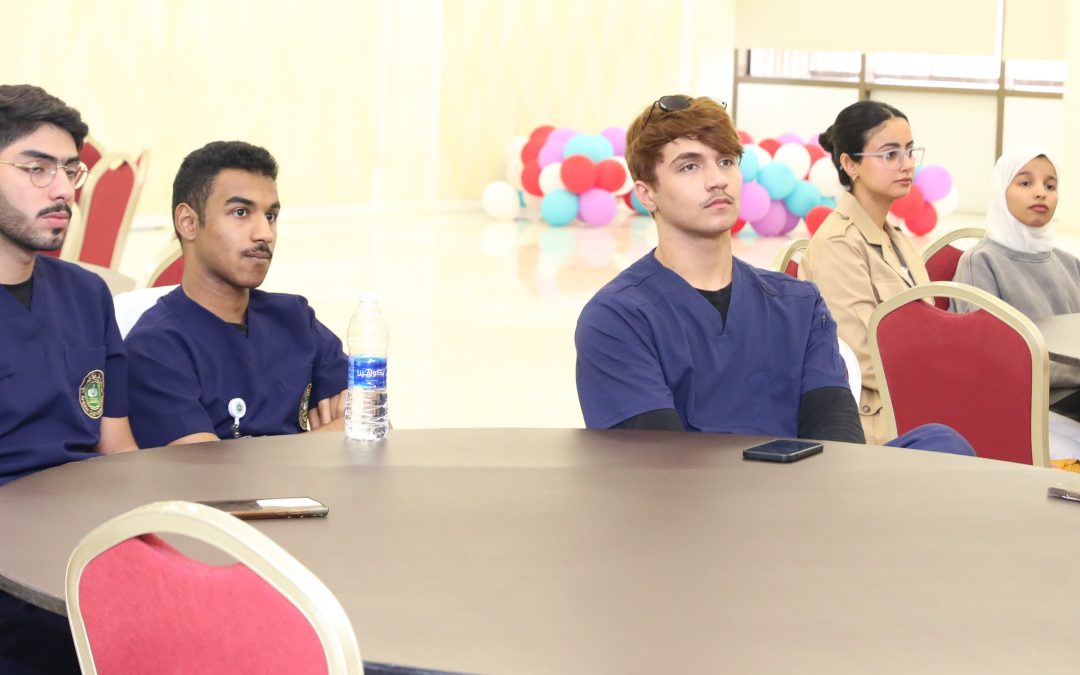
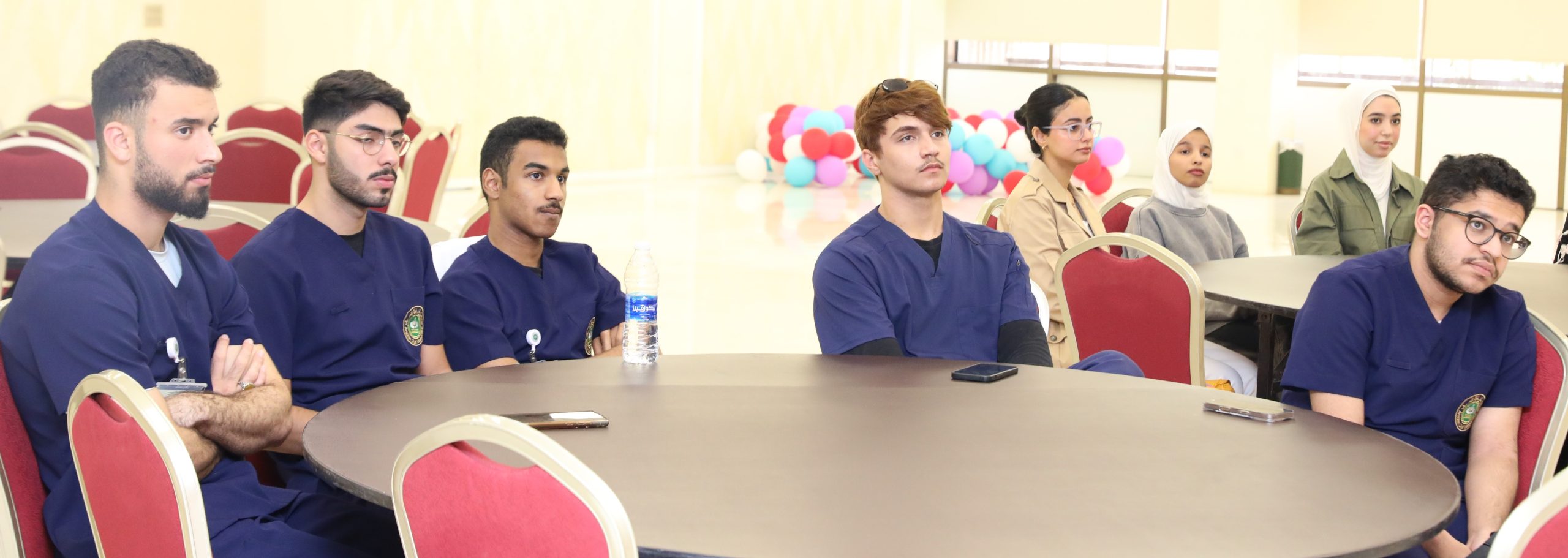
The Department of Medical Education and the Medical Skills and Simulation Centre at the College of Medicine and Health Sciences at Arabian Gulf University (AGU) recently organised an interactive workshop titled "Employing Best Simulation Practices to Enhance Teaching in the Medical Field". This event featured presentations from several academics specialised in the development of medical education methodologies.
In line with its ongoing commitment to supporting professional development of its faculty and improving educational quality, the university is adopting the latest simulation-based teaching strategies that have proven effective in preparing medical professionals. The workshop aimed to provide an integrated educational experience, combining theoretical knowledge with practical application. Participants were trained on how to effectively utilise simulation to enhance learning outcomes and increase the efficiency of clinical education.
Key topics addressed during the workshop included the various types of simulation in medical education, the importance of fostering a psychologically safe learning environment, and the value of providing constructive feedback. The workshop also highlighted the significance of promoting deliberate practice, leveraging failure as a learning opportunity, and developing essential skills such as critical thinking, communication, teamwork, and decision-making.
The interactive nature of the workshop allowed participants to experiment with the design and implementation of educational simulation activities. Emphasis was placed on best practices to maximise educational benefits, underscoring that successful simulation usage relies not only on effective tools but also on a flexible and intentional approach that supports learners and fosters high-quality educational outcomes.
A a session titled "How Medical Educators Can Benefit from Best Simulation Learning Practices" demonstrated how to translate abstract educational principles into concrete practices that positively impact medical and professional learning environments. It stressed that simulation learning extends beyond clinical skills to encompass communication skills, critical thinking, teamwork, and decision-making, asserting that these practices can transform any medical learning environment when applied with purpose.
The workshop attracted numerous faculty members and individuals interested in professional development, offering them a rich learning experience that combined deep insights with practical application. Trainers encouraged participants to enhance their teaching practices by thoughtfully integrating simulation techniques, based on the belief that excellence in medical education is achieved not only through knowledge transfer but authentic interactions between educators and learners.
by ashokaib | Apr 15, 2025 | Uncategorized
Arabian Gulf University recently hosted a training session titled "Communication Skills for Developing Public Health Campaigns," organised by the World Health Organization (WHO) Office in the Kingdom of Bahrain in collaboration with the College of Medicine and Health Sciences at the university's Salmaniya campus.
The session aimed to equip participants with essential skills for effectively communicating health messages to the public. Participants received training on utilising video production tools and storytelling techniques to enhance the impact of awareness campaigns.
Additionally, the session featured a presentation on the theme for World No Tobacco Day 2025, "Unmasking the Appeal", as well as an overview of World Health Day 2025, themed "Healthy Beginnings, Hopeful Futures", focusing on maternal and child health as a foundation for building healthy societies.
Ms. Shanine Mohebat, Health Promotion Officer at the WHO Regional Office, emphasised that effective communication skills are crucial for the success of health awareness campaigns. She stressed the importance of adopting well-thought-out strategies and targeting specific audiences when designing health messages. The first step in developing successful campaigns is a comprehensive understanding of the audience, which involves analysing demographic and cultural characteristics and identifying behavioural and psychological barriers to change. She highlighted the necessity of segmenting the audience into specific groups to effectively tailor messages.
Ms. Mohebat pointed out that health messages should be clear, simple, evidence-based, and incorporate both emotional and logical elements. She stressed the importance of crafting clear calls to action for specific health behaviours. It is essential to choose appropriate channels for each target group, whether through traditional media or digital platforms, while leveraging community partnerships. It is also vital to build trust through empathetic communication and active listening, besides employing esteemed community spokespeople to ensure effective message delivery. She underscored the importance of evaluating health messages before their launch and monitoring their impact post-implementation to achieve desired outcomes. Successful public health campaigns, she noted, depend heavily on intelligent, scientifically guided communication.
The session also included practical video production training for university students, aimed at developing their skills in this crucial area, enabling them to create innovative awareness campaigns that engage the public through effective visual language.
by ashokaib | Apr 15, 2025 | Uncategorized
Students from the College of Medicine and Health Sciences at Arabian Gulf University (AGU) have organised an awareness campaign targeting school students to educate them about the dangers of obesity. This initiative comes ahead of the upcoming conference themed "Tackling the Obesity Epidemic: Insights for a Healthier Future," scheduled for next May. His Excellency Lieutenant General Dr Shaikh Mohammed bin Abdullah Al Khalifa, President of the Supreme Council of Health, will be in attendance.
With participation of the Department of Internal Medicine at the College of Medicine and Health Sciences at AGU, the campaign featured Dr Shaima Alnashaba, Consultant in Internal Medicine, Endocrinology, Diabetes, and Obesity, along with Dr Mohamed Almedfa, a Lecturer in the same department, as part of AGU’s community-based initiative to promote health awareness.
The campaign featured interactive lectures that discussed obesity, its primary causes and health complications, as well as prevention and early treatment methods. The sessions witnessed enthusiastic participation from students, who displayed keen interest in healthy lifestyles, proper nutrition, and the significance of exercise.
The medical team, comprised of fourth and fifth-year students, conducted health checks, which included measuring height and weight, calculating body mass index (BMI), and taking blood pressure. The goal was to emphasise the importance of regular health monitoring and the tracking of vital signs for overall well-being.
Dr Shaima Alnashaba stated, "These initiatives represent a vital step in instilling health prevention concepts among younger generations. Obesity is one of the most pressing health challenges we face today, and it is crucial to address it through early education and community awareness." She expressed pride in the commitment of the college to community engagement, highlighting that students not only acquire knowledge but actively apply it to benefit society.
Students involved in the campaign reflected on the enriching experience it provided. They underscored the necessity for school students to receive this type of awareness, especially in the context of unhealthy eating habits and insufficient physical activity. They noted that the campaign offered an invaluable opportunity to directly interact with a demographic in need of practical guidance in an engaging and simple manner.
by ashokaib | Apr 15, 2025 | Uncategorized
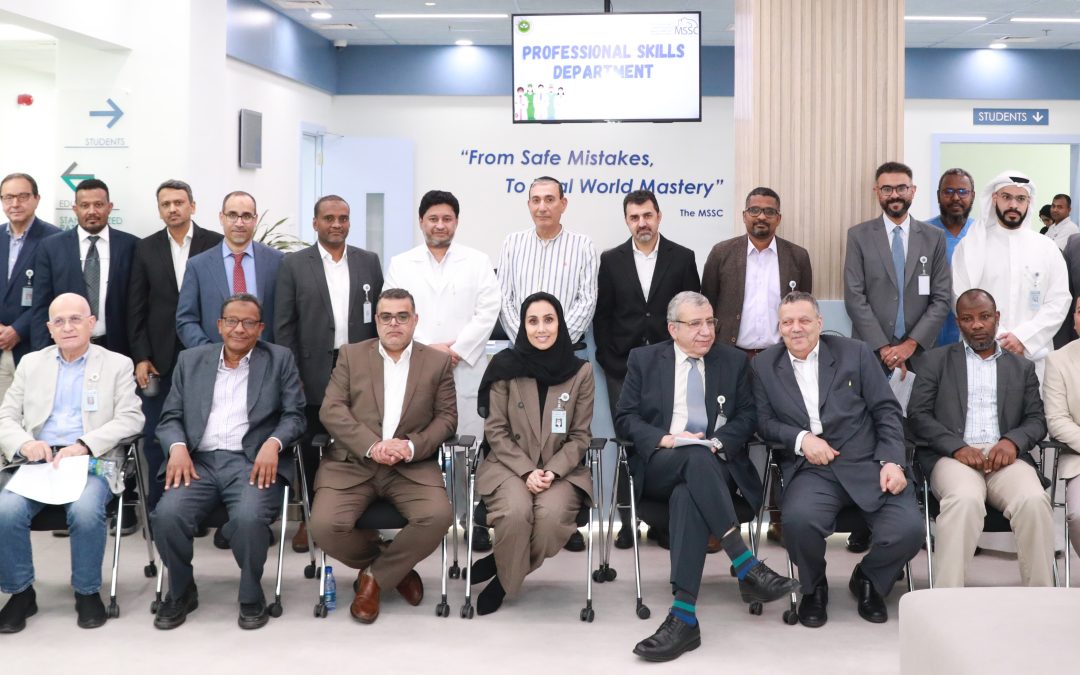
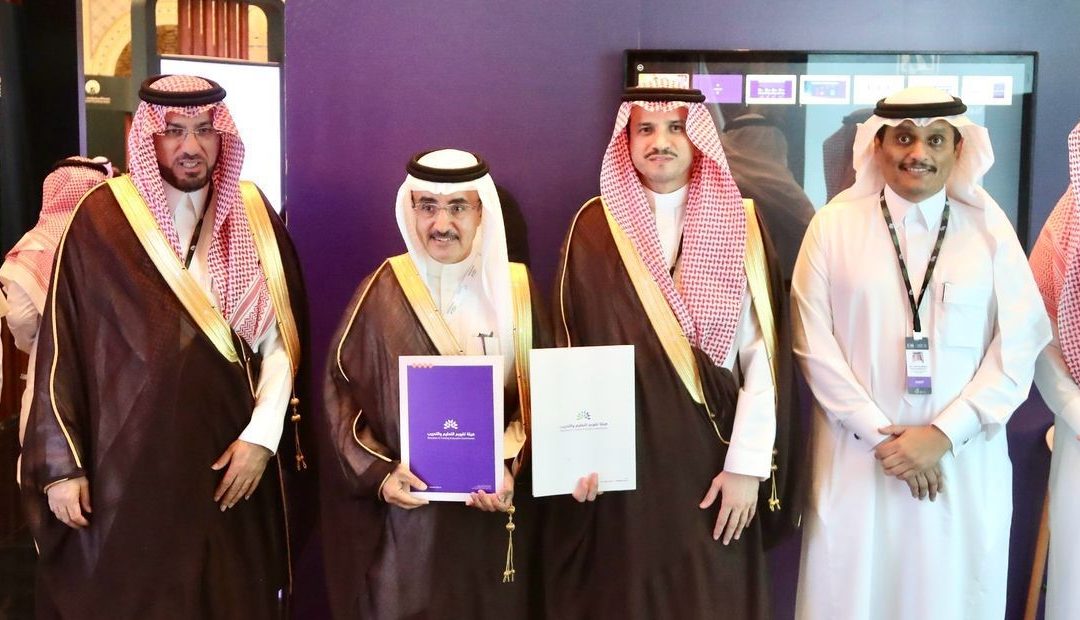
Arabian Gulf University (AGU) has signed a renewal agreement for institutional accreditation with the Education and Training Evaluation Commission (ETEC), represented by the National Commission for Academic Accreditation and Evaluation (ACAA). This agreement aims to enhance the quality of institutional and academic performance while ensuring compliance with national higher education standards. The signing ceremony took place at the Education Global Exhibition (EDGEx) in Riyadh, attended by numerous higher education leaders and experts from around the globe.
The agreement was signed by His Excellency Dr Saad bin Saud Al Fuhaid, President of the University, and His Excellency Dr Walid bin Mohammad bin Saleh, President of the Commission, with the presence of Dr Mohammed bin Saud Al Moqbel, Director-General of the Arab Bureau of Education for the Gulf States (ABEG).
The agreement outlines a comprehensive evaluation process for AGU, based on national institutional accreditation standards established by ETEC and ACAA. This process is designed to ensure the quality of administrative and academic practices while enhancing the institution's effectiveness in fulfilling its educational and research missions.
Dr Saad bin Saud Al Fuhaid emphasised that the signing of this agreement marks a milestone in the university's commitment to quality and institutional accreditation. He reiterated AGU's dedication to implementing best practices that foster an advanced academic environment that is responsive to global changes and meets the needs of the Gulf community.
Key criteria for institutional accreditation include evaluating the mission, objectives, and strategic planning; governance, leadership, and management; academic programs, students, graduates, faculty, and administrators – in addition to learning resources, facilities, and technology, scientific research and innovation, as well as quality assurance and continuous improvement.
Through this agreement, AGU aims to reinforce its position as a leading educational institution in the region, committed to maintaining high standards of quality and reliability while graduating cadres who can positively impact their communities.