by ashokaib | Apr 20, 2025 | Uncategorized
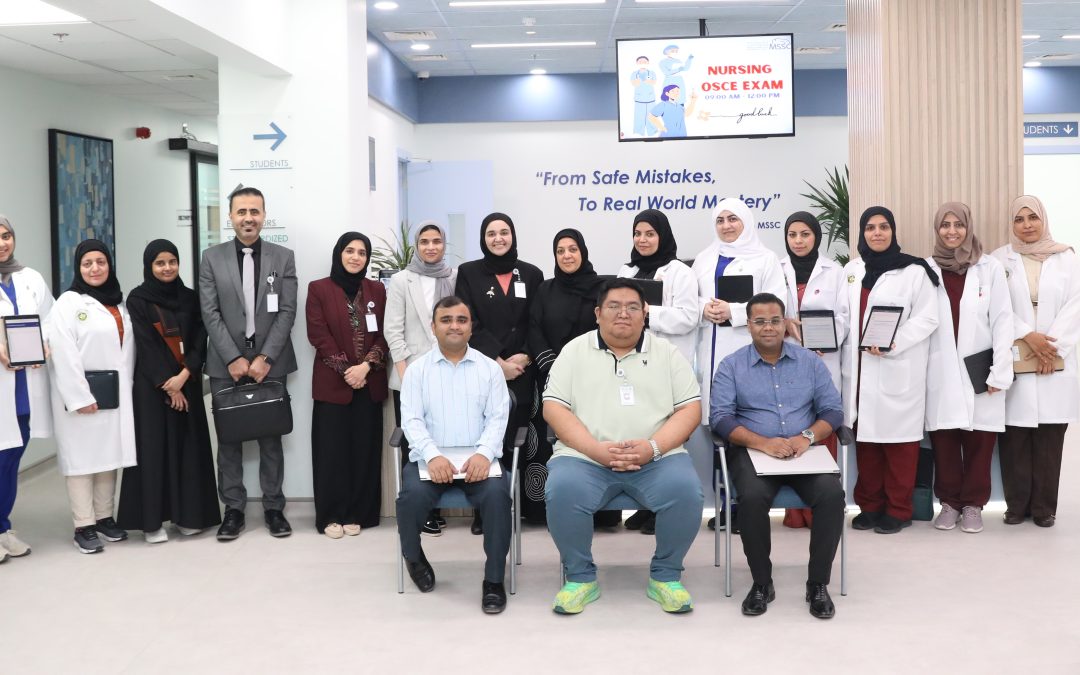
The Nursing Department at the Arabian Gulf University (AGU) has achieved a remarkable academic milestone by organising its first digital "Objective Structured Clinical Examination" (OSCE) for 250 undergraduate students. This event saw the participation of over 20 faculty members, examiners, and organisers from the specialised nursing staff and the university's Medical Simulation and Skills Centre.
This achievement reflects the department's ongoing efforts to enhance the quality of nursing education and ensure that students are well-prepared to engage effectively in clinical work environments. The OSCE is considered one of the most reliable assessment tools in health education, utilising a series of clinical stations that simulate real-life situations.
Students are evaluated based on their practical and clinical performance across various areas, including physical examination, patient communication skills, emergency handling, medication administration, and adherence to safety protocols.
A series of exam stations were developed in accordance with global best practices, providing a comprehensive simulation environment that mirrors clinical reality, in collaboration with the university's simulation centre. The university also employed the latest digital technologies to document and monitor student performance in a safe educational setting that supports feedback-based learning and continuous development.
This type of examination enhances students' abilities to acquire the necessary psychological, motor, and communication skills, offering them repeated opportunities to practice and learn from mistakes without exposing real patients to any risk. This approach reinforces the principles of safety and quality in healthcare.
Programme leaders praised this achievement, which reflects the department's commitment to applying the highest academic standards, while also highlighting the significant efforts of faculty members in training exceptional nursing professionals who meet the needs of the healthcare sector in Bahrain and the region.
by ashokaib | Apr 20, 2025 | Uncategorized
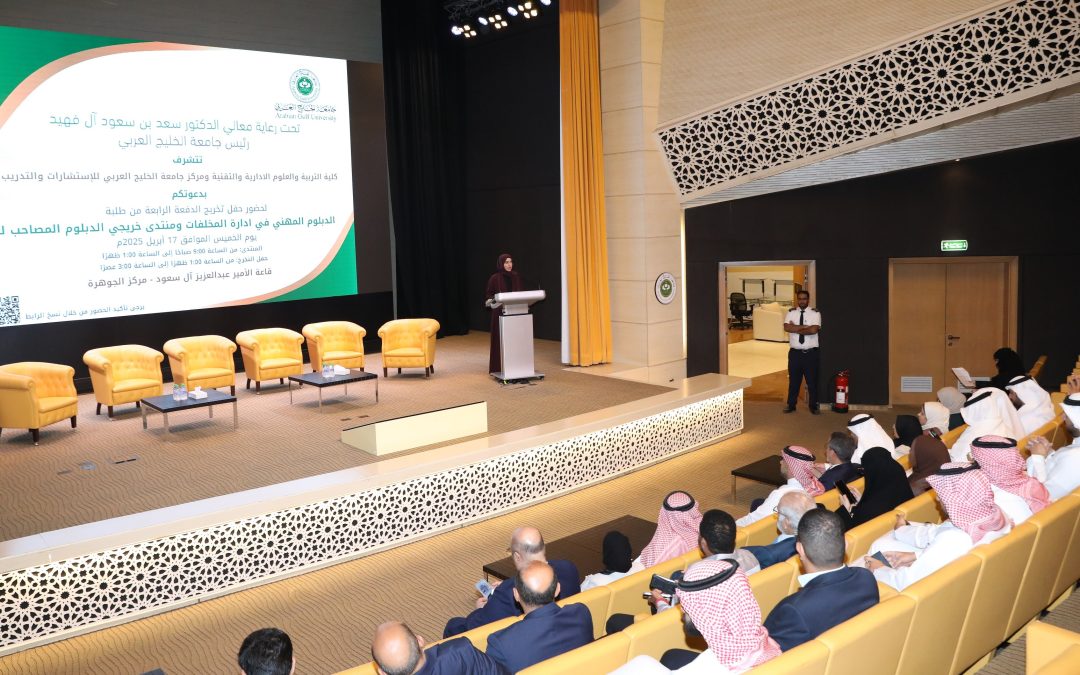
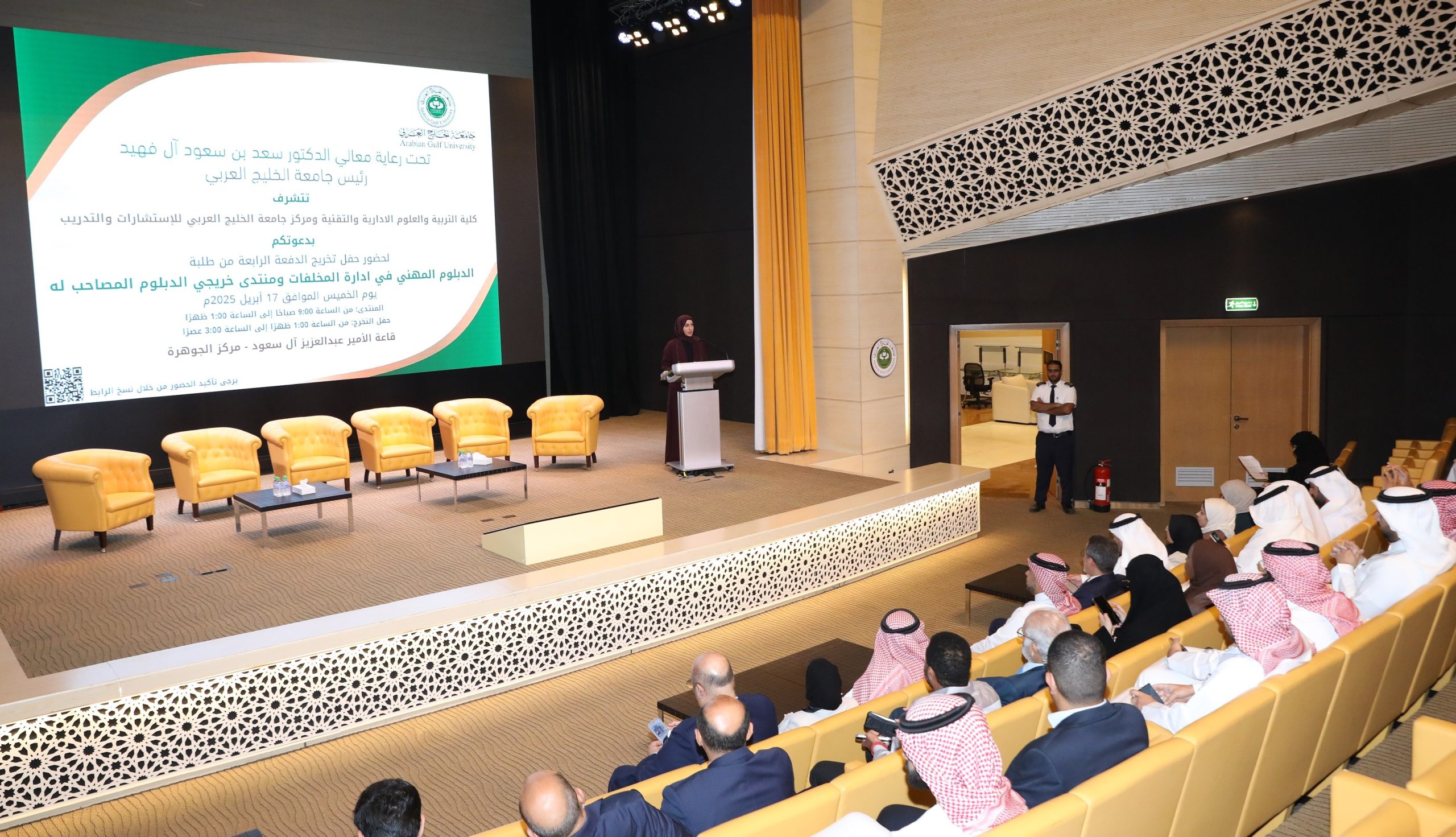
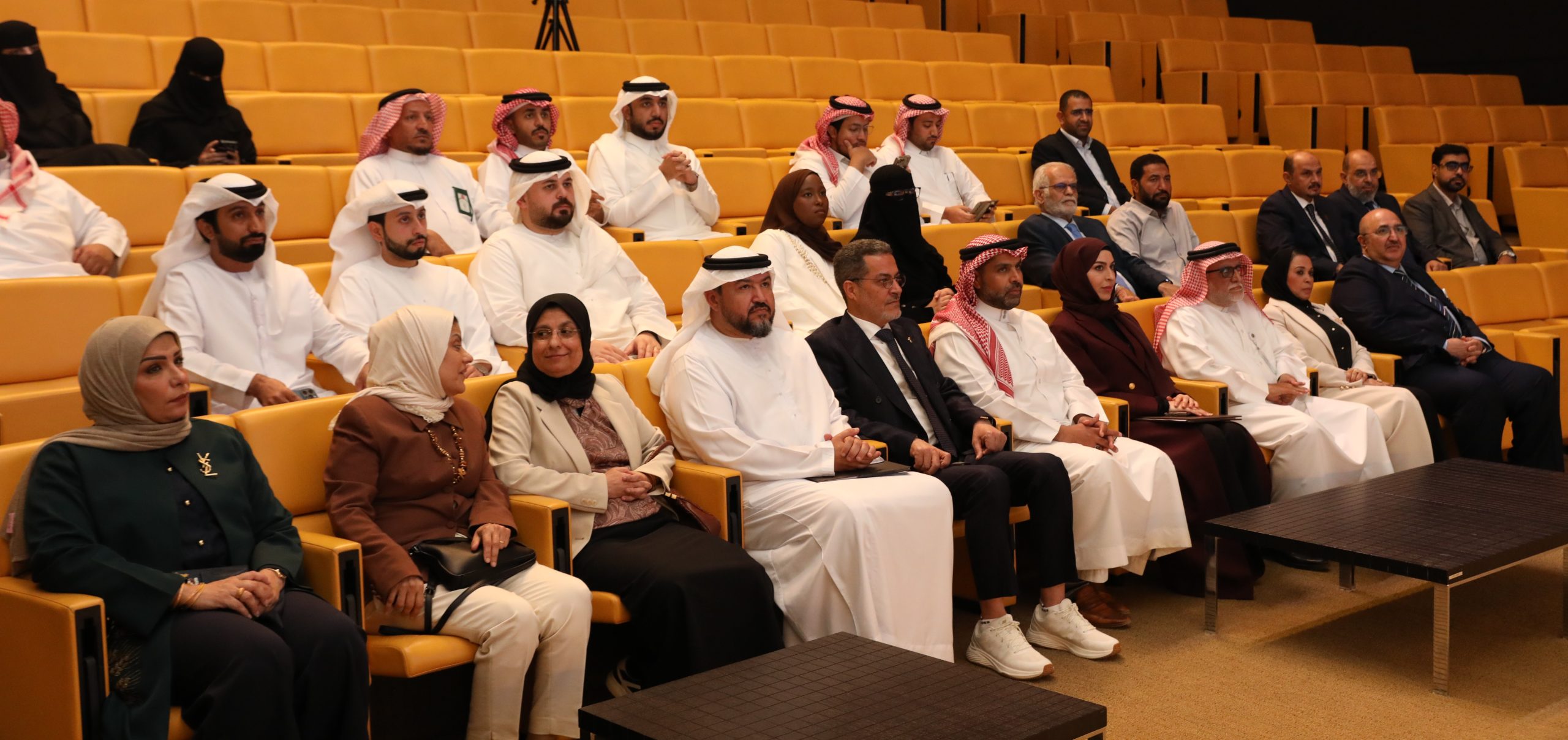
The Arabian Gulf University (AGU) has celebrated the graduation of 36 waste‑management specialists from across the Gulf Cooperation Council (GCC) in its fourth cohort of the Professional Diploma in Waste Management programme. The ceremony, held at the Princess Al Jawhara bint Ibrahim Al Ibrahim Centre for Molecular Medicine, Genetics and Inherited Disorders, brought the total number of diploma alumni to 91 since the programme’s launch in 2021.
In conjunction with the graduation, AGU announced the establishment of the Gulf Resource and Waste Management Network, an expert platform comprising all diploma graduates and other practitioners. The network aims to foster experience‑sharing, collaborative projects and joint activities among stakeholders, thereby advancing sustainable waste and resource management throughout the GCC.
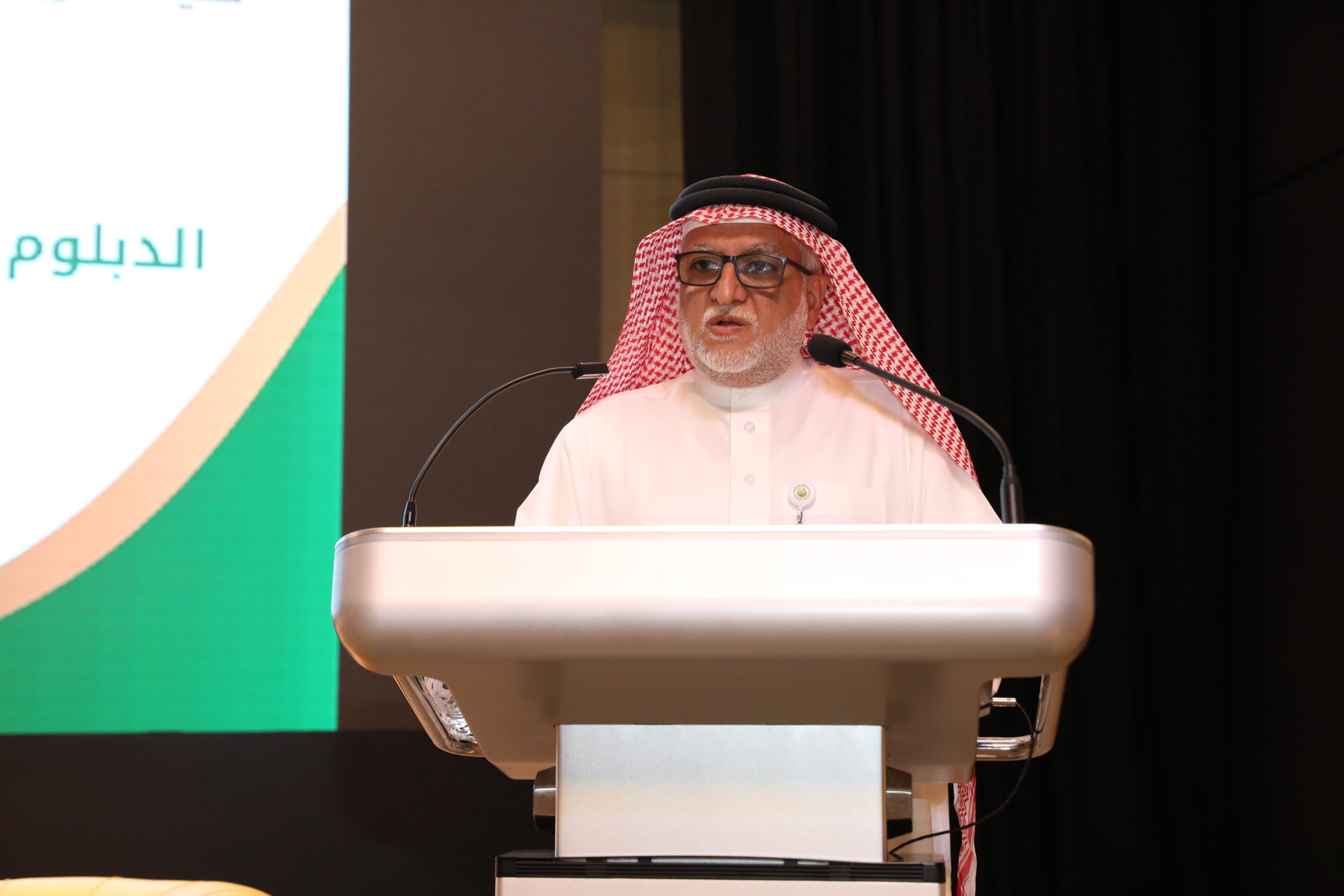
Dr Abdulrahman Yousif, Vice President for Support Services and Institutional Affairs at AGU, delivering remarks on behalf of President Dr Saad bin Saud Al Fuhaid, emphasised the University’s commitment to providing professional programmes that meet the region’s developmental needs and address critical skills gaps.
He said: “This diploma has recorded growing enrolment year‑on‑year from vital sectors – including health, industry, municipalities, education and investment – underscoring heightened environmental awareness and the demand for innovative, sustainable solutions.”
Dr Yousif added that AGU remains dedicated to supporting the United Nations’ 2030 and 2060 Sustainable Development Goals by promoting initiatives that strengthen stakeholder collaboration and academic innovation, in line with GCC leadership visions. He described the Waste Management Diploma as “a living example of AGU’s pivotal role in disseminating knowledge, developing Gulf‑born competencies and driving integrated environmental and economic sustainability”.
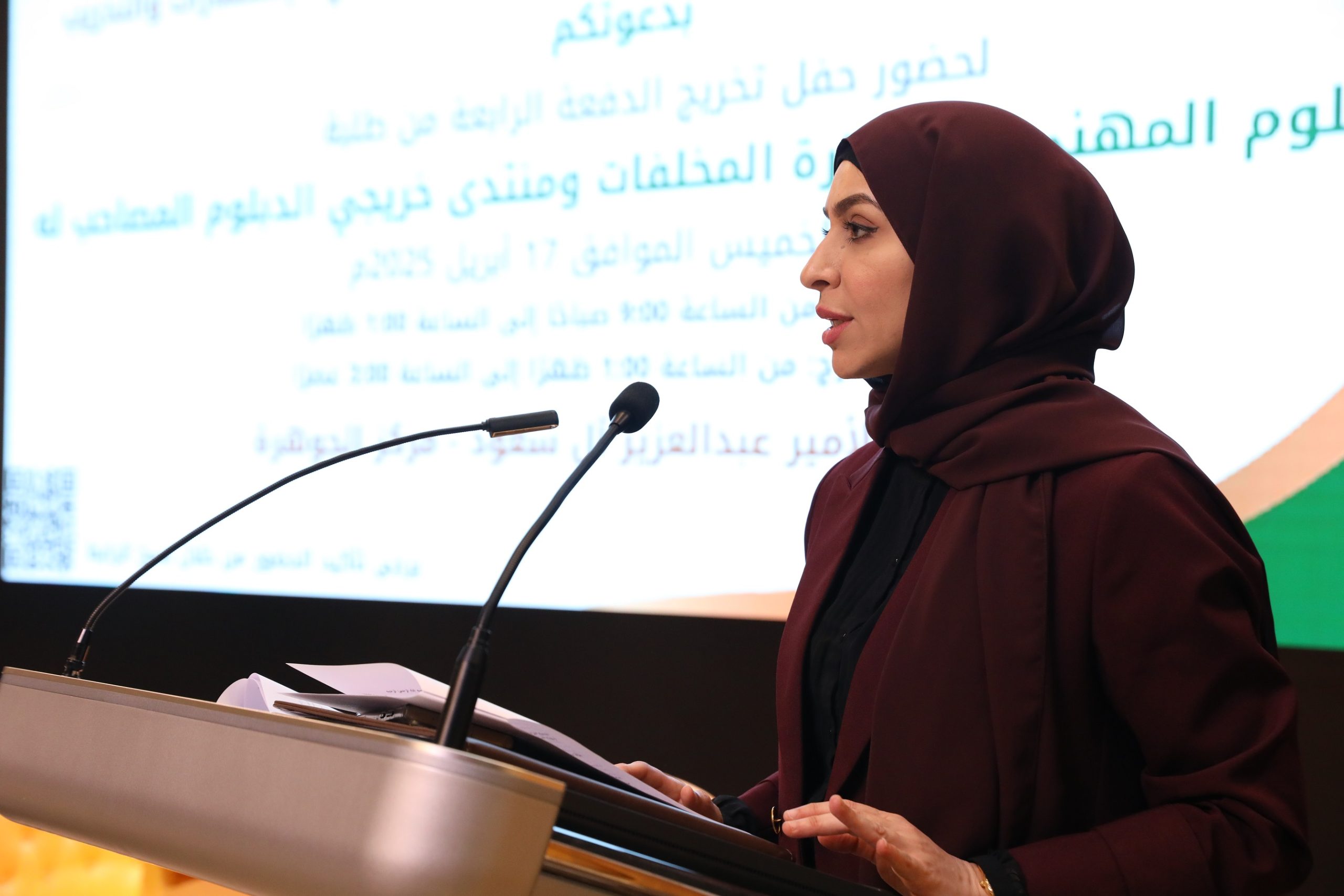
For her part, Dr Sumaya Yousif, Assistant Professor of Environmental Engineering and Programme Coordinator, noted that this is the region’s first professional diploma in waste management to be accredited by the Chartered Institution of Wastes Management (CIWM) in the UK and directly supported by the United Nations Environment Programme’s (UNEP) West Asia Office. The part‑time diploma combines face‑to‑face and virtual evening classes, making it ideally suited to working professionals.
Since its inception, the programme has attracted keen interest from municipal, industrial, healthcare, educational, academic and investment sectors, reflecting its relevance to the GCC’s sustainable development agenda. Dr Sumaya Yousif highlighted that the initiative aligns with AGU’s strategic vision as a leading Gulf‑region university, continually developing specialised academic and professional offerings to meet evolving challenges and global standards.
Mr Iyngararasan, Regional Coordinator for Chemicals and Waste at the UNEP East Asia Office, addressed the graduates via videolink, stressing the importance of regional and international collaboration to curb chemical pollution and promote sustainable environmental practices.
He added: “Our priority at UNEP is to provide leadership and forge partnerships in intelligent, effective waste management, empowering West Asian nations to improve quality of life while safeguarding the rights of future generations.”
Also speaking at the ceremony, Mr Abdulwahed Fraysh, Executive Director for Communications and Awareness at Abu Dhabi’s waste‑management operator Tadweer, praised the diploma for uniting GCC specialists in a comprehensive programme that enhances knowledge exchange.
He further commented: “Initiatives such as this significantly advance the sector, elevating waste‑management practices across the region in line with leading international examples.”
He expressed pride in the new graduates, describing them as a promising cadre poised to effect real change in their communities and underscoring AGU’s steadfast commitment to sustainability.
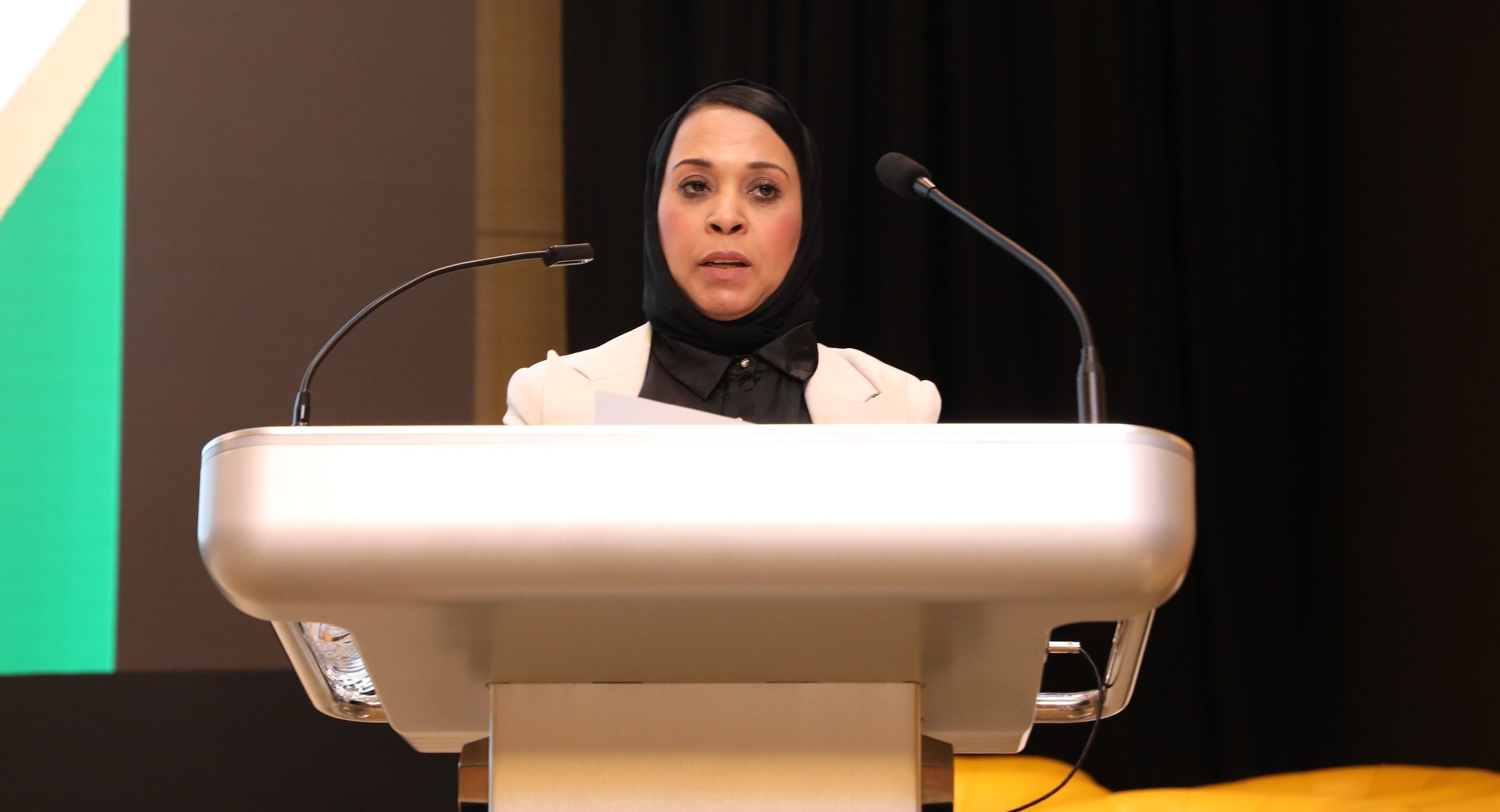
Dr Afaf Bugawa, Director of the AGU Centre for Community Service, Consultancy, Training and Continuing Education, affirmed that the professional diploma reflects AGU’s ongoing dedication to cultivating national talent equipped to innovate and contribute to the Gulf States’ future. She reiterated the Centre’s resolve to deliver specialised programmes that satisfy the GCC labour market’s needs and support the 2030 Sustainable Development Vision.
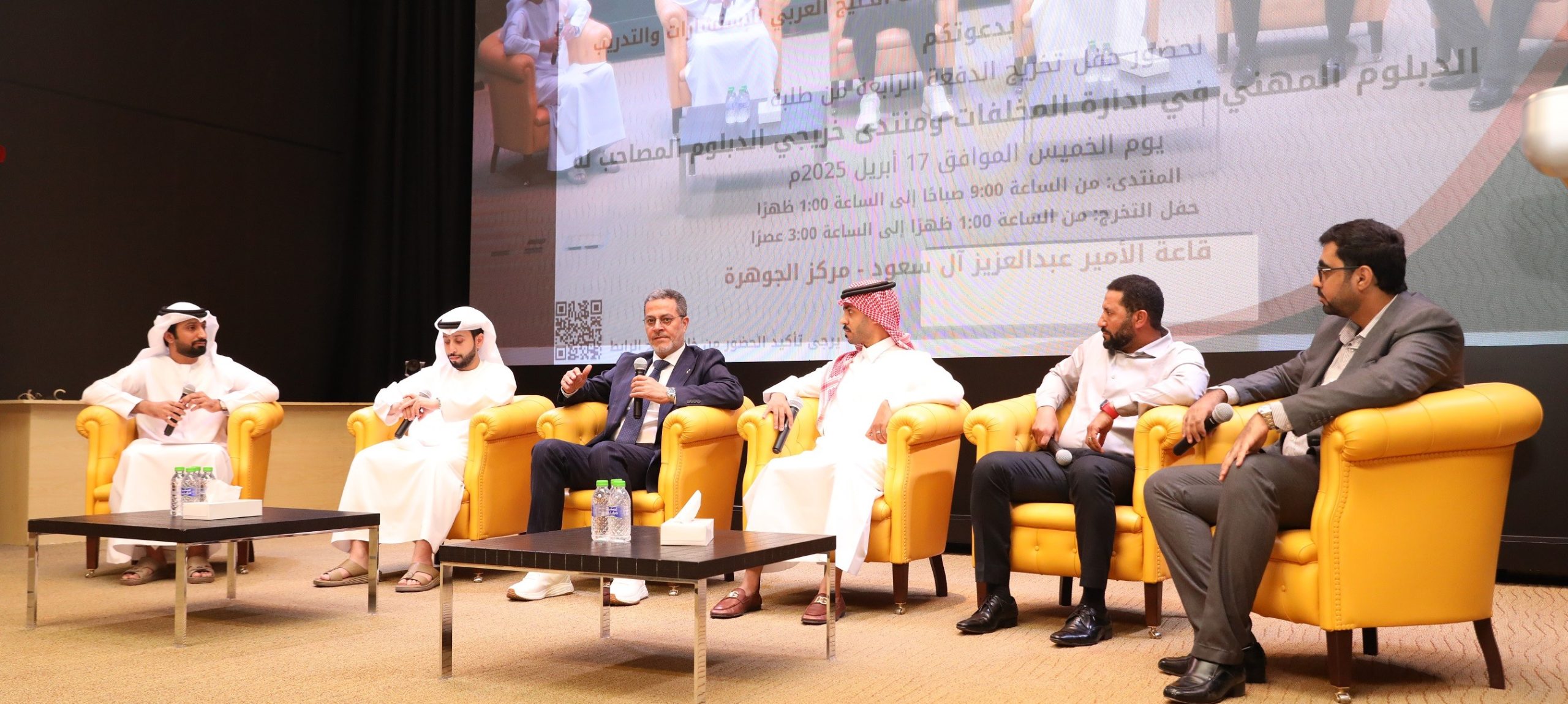
Prior to the graduation ceremony, AGU hosted its inaugural Alumni Forum. The graduates engaged in five thematic sessions, discussing the role of youth in GCC sustainability, challenges and opportunities in sustainable resource and waste management, alumni contributions to waste‑management improvements and environmental awareness, community partnerships and youth engagement in investment and development and the role of innovation and technology in sustainable waste management.
by ashokaib | Apr 17, 2025 | Uncategorized
Arabian Gulf University (AGU) has officially opened admissions for its Doctor of Medicine (MD) program at the College of Medicine and Health Sciences for the 2025/2026 academic year. This opportunity is available for citizens of GCC countries and Arab residents. The MD program is equivalent to the Bachelor of Medicine and Surgery (MBBS) degree offered by most Arab universities.
To qualify for admission to the College of Medicine and Health Sciences, applicants must possess a high school diploma or an equivalent qualification, with a minimum GPA of 95% (3.75 out of 4.00) in science subjects. Candidates must achieve a minimum score of 90% in essential science subjects, including physics, chemistry, biology, and mathematics. Proficiency in English is also required, with a minimum IELTS score of 5.5 or a TOEFL score of 475. The following documents must be attached when registering through the university's website: a high school diploma, a certificate of good conduct, a medical fitness form approved by a government hospital, a recent photograph, and copies of passport and ID.
Scholarship students from GCC countries should submit applications and required documents to their respective Ministries of Education. Meanwhile, students wishing to study at their own expense, including Arabs residing in the Gulf, are encouraged to apply directly through the university's website at www.agu.edu.bh.
Captions:
by ashokaib | Apr 17, 2025 | Uncategorized
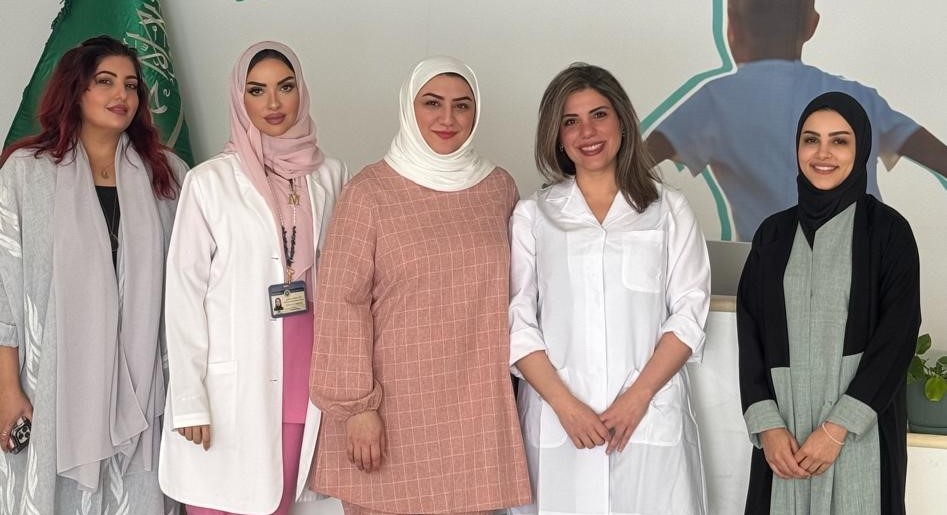
Doctoral candidates in the Learning Difficulties and Developmental Disabilities programme, specialising in autism, at the College of Education, Administrative and Technical Sciences of the Arabian Gulf University (AGU) have toured the Abdullatif AlFozan Autism Centre (AFAC) in Al Khobar, Kingdom of Saudi Arabia.
The visit formed part of a training programme overseen by Dr Wid Daghustani, Associate Professor of Special Education and programme coordinator, and Professor Bandar Al Otaibi.
Dr Daghustani emphasised that the aim of the visit was to broaden postgraduate students’ horizons through direct exposure to field practices in autism spectrum disorder, thereby honing their academic and professional competencies.
This visit formed one of a series of field activities organised by the programme to strengthen collaboration between the university and specialist disability‑care institutions, positively impacting student skill development and contributing to the advancement of both the educational and social sectors.
The doctoral candidates commended the centre’s advanced humanitarian services, which have established it as an autism‑friendly facility benefiting around 240 children. They also lauded the building’s intelligent infrastructure, designed specifically to meet the needs of its users.
During the visit, the students received specialist training tailored to their academic requirements and led a workshop entitled “Designing Social Stories for Students with Autism Spectrum Disorder”. The session aimed to teach children essential life and social skills, thereby promoting one of the principal objectives of rehabilitation: enhanced autonomy.
by ashokaib | Apr 16, 2025 | Uncategorized
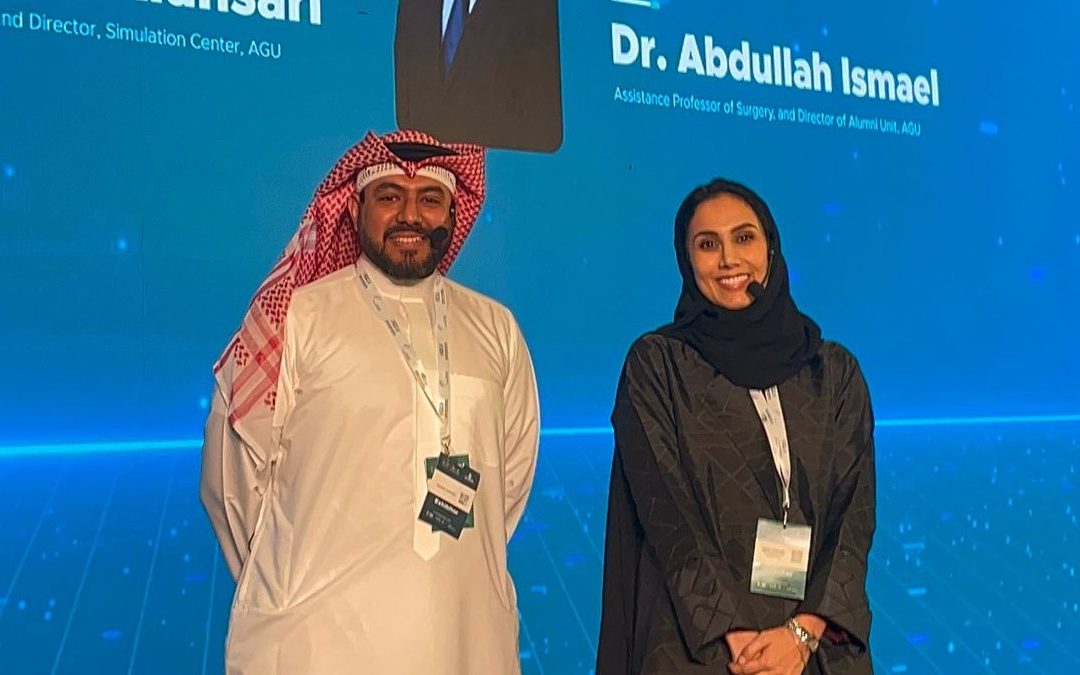
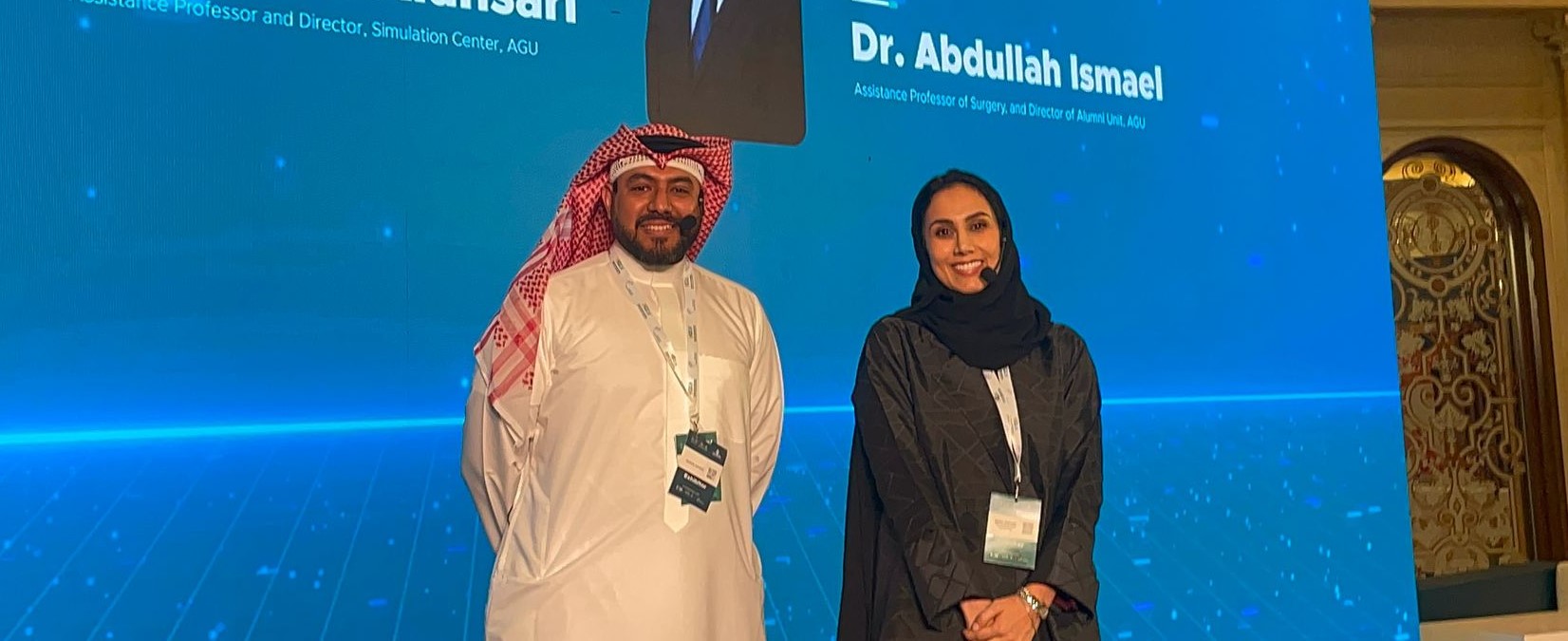
Academics from the Arabian Gulf University (AGU) recently highlighted the initiatives of the College of Medicine and Health Sciences to enhance medical education through technology and advanced clinical simulation at the Education Global Exhibition (EDGEx 2025) in Riyadh. This came during a lecture by Dr Abdullah Ismail Mohammed, Assistant Professor in the Department of Surgery, and Dr Reem Al Ansari, Director of the Medical Skills and Simulation Centre and Assistant Professor in the Department of Medical Education.
The session, titled "From Classroom to Clinic: How Simulation Transforms Medical Education" explored the university's innovative approach to medical education, emphasising the integration of cutting-edge simulation technologies that improve student preparedness and ensure patient safety.
Dr Abdullah Ismail shared his personal journey as an AGU graduate, reflecting on the university’s growth and its embrace of e-learning and technological advancements. He noted that this digital transformation has fostered an educational environment that meets international standards and attracts students from across the Gulf region.
Dr Reem Al Ansari stressed the importance of bridging the gap between theoretical knowledge and practical experience in medical education. She explained that simulation-based training enables students to develop essential life and professional skills in a safe environment before interacting with real patients. She noted that while fields like aviation, the military, and sports heavily utilise simulation for training, medical education remains relatively underdeveloped in this area.
Al Ansari discussed the advanced capabilities offered by the Medical Skills and Simulation Centre at AGU, which is recognised as one of the most sophisticated facilities in the region. The centre features training rooms designed to replicate a hospital environment, outfitted with state-of-the-art equipment, including interactive mannequins, virtual reality technologies, and advanced recording systems for performance monitoring and analysis. She explained the centre’s philosophy of viewing mistakes as learning opportunities, encouraging students to experiment, embrace challenges, think critically, and continuously improve through feedback from experienced trainers.
Al Ansari compared the training experience at the centre to Formula 1 racing teams, where emphasis is placed on both individual skill and cohesive team performance. This collaborative approach is mirrored in the university's training of students to effectively handle emergency medical scenarios, such as code blue situations and shift changes.
She affirmed that simulation is not a side activity but a fundamental component of the university's medical curriculum starting from the first year. Students begin applying their theoretical knowledge in realistic training environments, allowing them to confront and learn from various challenges.
In conclusion, she stated, "Simulation does not replace experience, but at the AGU, we are committed to ensuring that our graduates possess not only academic intelligence but also the readiness, confidence, and compassion necessary for successful medical practice across all specialties."