by ashokaib | Jan 26, 2025 | Uncategorized
The Professional Diploma in Waste Management, offered by the College of Education, Administrative and Technical Sciences at the Arabian Gulf University (AGU), has received renewed international accreditation from the Chartered Institute of Waste Management (CIWM) in the UK until 2027. This makes it the first programme of its kind in the GCC and the Arab region to obtain this prestigious international accreditation from the institute.
Dr Sumaya Yusuf, Assistant Professor of Environmental Engineering, and Founder and Coordinator of the Professional Diploma in Waste Management, stated that the renewal of accreditation by the CIWM in the UK, which is recognised as the highest authority for resource and waste management programmes in leading British and global universities, reflects the university’s standing as a distinguished academic and scientific institution for quality higher education.
She underscored that this achievement is a result of academic excellence and dedication to serving the Gulf community and its important issues, aligning with efforts to achieve sustainable development goals and innovate effective solutions to various environmental challenges.
Furthermore, Dr Yusuf noted that the programme’s attainment of this accreditation is a testament to its meeting the highest international standards in this field, which is a significant accomplishment for the university in enhancing its stature on both regional and international fronts. She emphasised that obtaining accreditation for postgraduate programmes and training at the Arabian Gulf University from prominent international institutions is an added motivation to continue striving for excellence and to elevate the university’s higher education credentials to compete effectively on both regional and international levels.
Additionally, she explained that this diploma is offered with direct support from the United Nations Environment Programme (UNEP) – West Asia Office and has been delivered through a combined learning approach (both virtually and in person) since October 2021, and has attracted the interest of various sectors across the GCC countries, including municipal, industrial and health sectors.
“Waste management has become one of the most significant challenges facing urban cities around the world. Understanding environmental pollution and managing waste sustainably has become essential. The idea of designing the Professional Diploma in Waste Management emerged in response to the lack of adequate awareness and necessary knowledge regarding the importance of sustainable waste management, as well as raising awareness about the significance of sustainable production and consumption in our region,” Dr Yusuf said.
It is noteworthy that the programme has so far graduated 56 individuals who represent elite experts working in various sectors across the GCC countries, contributing to enriching the communities of the Council with the necessary knowledge and skills. The programme is conducted in the evening with a flexible dual learning approach (virtual and in-person), featuring participation from a selection of international professors and experts, with the current cohort comprising 36 participants from three countries: the Kingdom of Saudi Arabia, the Kingdom of Bahrain and the United Arab Emirates.
It is important to mention that the Professional Diploma in Waste Management at the Arabian Gulf University enjoys direct support from the UNEP – West Asia Office, as well as accreditation from the CIWM.
by ashokaib | Jan 26, 2025 | Uncategorized
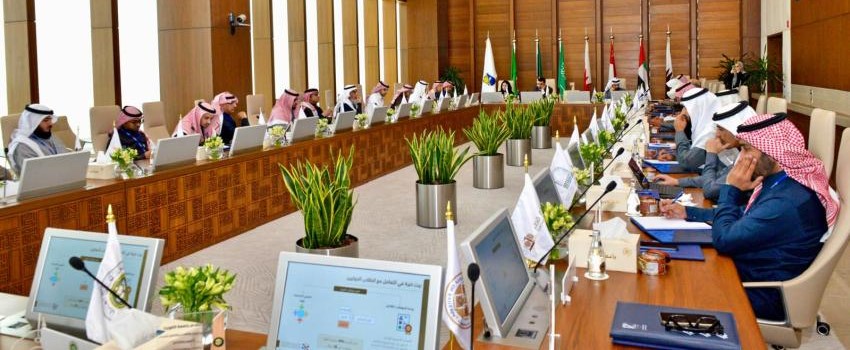
Dr Aseel Al Saleh, Dean of Student Affairs at the Arabian Gulf University (AGU), participated in the 20th meeting of Deans of Admissions and Registration at universities and higher education institutions in the GCC, hosted by Kuwait University at the Sabah Al Salem University City, under the theme “Enhancing Academic Cooperation and Developing Admissions Systems”.
The meeting included three key sessions that tackled critical issues in the areas of admissions and registration. Participants from GCC countries discussed ways to attract international students and develop admissions systems that improve competitiveness, as well as the role of admissions and registration deans in improving the international ranking of universities. The meeting also reviewed previous recommendations and set future visions for developing the educational process.
Additionally, evidence-based guidelines for accepting students with disabilities and mechanisms for providing them with necessary support were reviewed, along with highlighting successful models for developing policies on admissions and registration.
The participants in the meeting presented a number of recommendations that stressed the importance of enhancing academic cooperation between universities in the council, developing admissions systems that match the aspirations of higher education and the labour market, and emphasising the need to continue holding these meetings to exchange experiences and expertise between Gulf universities.
Meanwhile, Dr Al Saleh emphasised the vital role that Gulf universities play in exchanging experiences and building knowledge-based communities that match the needs of the labour market, highlighting the importance of these Gulf meetings in enhancing academic cooperation and developing policies on admissions and registration that contribute to improving higher education outcomes in institutions of higher education in the council, in line with changing global classification criteria.
She also highlighted the importance of these systems in ensuring the quality of education and preparing generations capable of facing future challenges, while at the same time she stressed the importance of aligning visions and mechanisms to achieve sustainable development.
by ashokaib | Jan 26, 2025 | Uncategorized
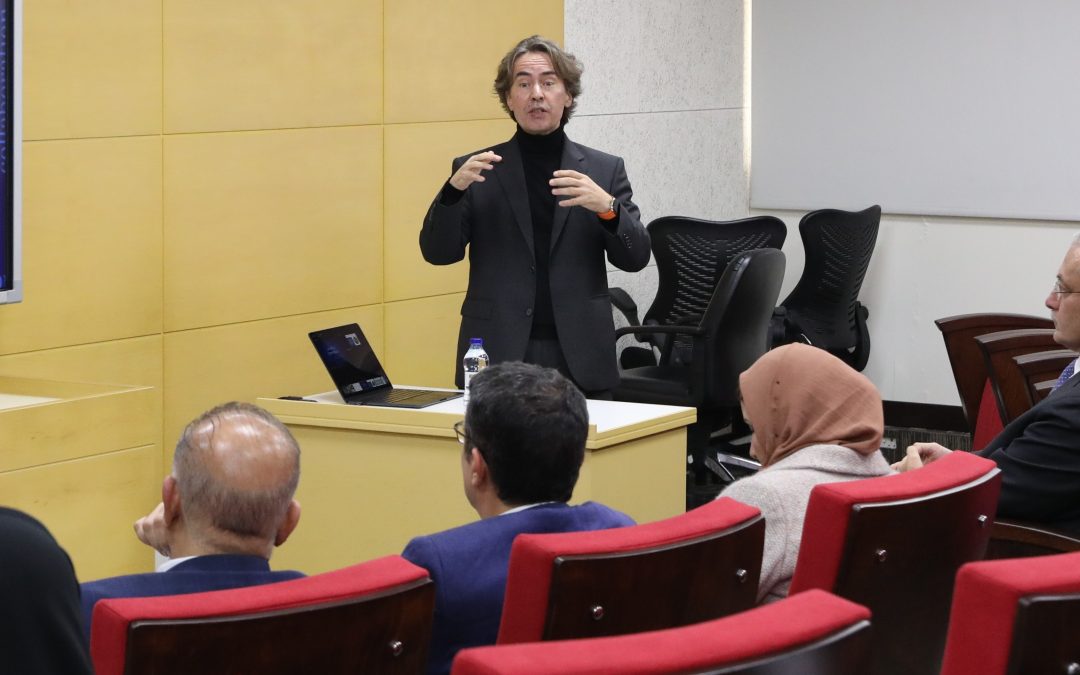
The Shaikh Isa bin Salman Al Khalifa Chair for Technology Management at the College of Education, Administrative and Technical Sciences of the Arabian Gulf University (AGU), recently hosted Dr. Erik Wende, who delivered a lecture on “Digital Leadership in the Context of Institutional Transformation and Emerging Technologies”.
During the lecture, Dr Wende highlighted key moments from his professional experience at the University of Leipzig in Germany, as well as his practical expertise in the fields of informatics and digital leadership. The event came as part of the initiative launched by His Excellency Dr Saad bin Saud Al Fuhaid, President of the Arabian Gulf University, to activate the scientific chairs within the university’s colleges.
Dr Wende presented the model of the Digital Mindset, which encompasses systematic thinking and generalisation linked to people’s needs and data, while promoting principles of sustainability and resilience. He emphasised the significance of digital transformation within a knowledge society, which is rooted in continuous learning, experimentation, adaptation and the use of technology, alongside participation and collaborative research across various knowledge areas.
He pointed out the importance of digital leadership and its impact on tackling contemporary challenges, stating: “What distinguishes digital leadership is the creator’s ability to integrate multiple fields to develop innovative business models in the face of uncertainty and complexity within socio-economic and environmental policies.”
Dr Wende also stressed the necessity of developing higher education institutions to enhance critical thinking and the use of technology in order to provide innovative solutions. He clarified that a digital leader must possess the capability to integrate a diverse set of skills and knowledge, while harnessing emerging technologies such as Artificial Intelligence, which is pivotal in advancing innovative business models.
Moreover, Dr Wende articulated that higher education should be at the heart of these efforts, as it must foster critical thinking, analytical skills, and innovation among graduate students, empowering them to utilise technology as an essential part of their thinking process to develop practical solutions for economic, social, and environmental challenges.
In turn, Prof. Waleed Zubari, Dean of the College of Education, Administrative and Technical Sciences and Professor of Water Resources at AGU, noted that investment in scientific chairs represents a strategic step towards a brighter future for both universities and communities. He explained that these chairs provide opportunities for sustainable innovation and ongoing academic growth, reiterating the importance of enhancing this academic model at the university and striving to create a fertile scientific environment that supports critical and creative thinking across various disciplines.
For her part, Dr Afaf Bugawa, Director of the Shaikh Isa bin Salman Al Khalifa Chair for Technology Management, affirmed that the strategic objective of the chair is to enhance academic and research excellence in the field of technology management through the development of innovative knowledge, fostering sustainable partnerships with local and international entities, and preparing human resources capable of effectively leading digital transformation and managing modern technologies to achieve sustainable development.
In this context, she stated: “The establishment of the chair is a significant step towards realising the university’s ambitious vision of becoming a global hub for technological creativity and knowledge management. Through its strategic objectives, the chair aspires to be a pioneering model that positions the university at the forefront of leading technological advancements to serve the developmental priorities of the GCC countries.”
In a related discussion, Prof. Odeh Aljayyousi, Head of the Department of Innovation and Technology Management, explored several topics related to the lecture, such as addressing the relationship between humans and technology in the digital age, mechanisms for developing teaching methodologies that foster critical thinking and empathy in the era of Artificial Intelligence, as well as exploring whether digital leadership is considered a form of transformational or organic leadership, and ways to prepare future generations for new professions, in addition to enhancing research collaboration between universities.
by ashokaib | Jan 23, 2025 | Uncategorized
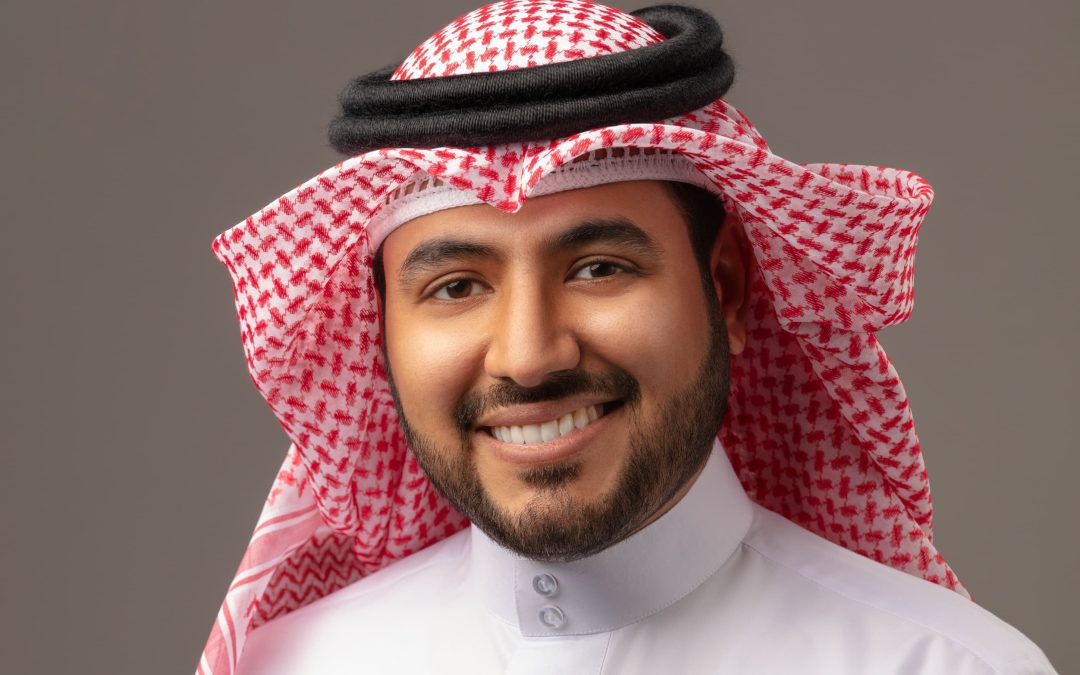
Dr Saad bin Saud Al Fuhaid, President of the Arabian Gulf University (AGU), has issued a decision appointing Dr Abdulla Ismaeel Mohamed, Assistant Professor in the Department of Surgery at the College of Medicine and Medical Sciences, as the Head of the University’s Alumni Unit.
Dr Ismaeel stressed the importance of alumni being partners in the process of construction and development, contributing to the creation of innovative solutions to address challenges, as well as discussing developments in the medical field across various platforms. He also highlighted the significance of enhancing academic and research programmes at the university, emphasising the need to strengthen networking among alumni to exchange knowledge and expertise within the GCC countries.
Moreover, Dr Ismaeel expressed his sincere appreciation and gratitude to the administration of the Arabian Gulf University for their ongoing support for alumni, who represent a source of pride for the university, which always shines with its graduates from the GCC countries. He also noted the university’s continuous commitment to promoting a shared Gulf identity.
“The Alumni Unit, which operates under the Deanship of Student Affairs, will work in the coming period to strengthen connections between alumni and support their role in serving the GCC community by organising forums, activities and events that bring them together, thereby enabling the university to benefit from their ideas, experiences and insights in its development and progress.”
by ashokaib | Jan 22, 2025 | Uncategorized
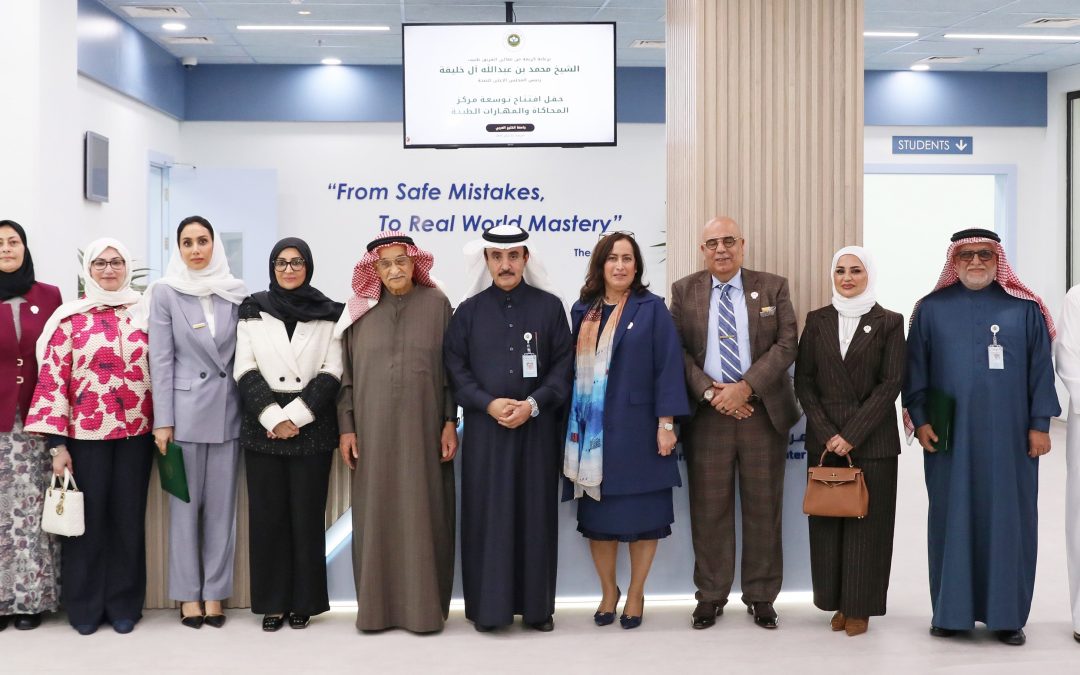
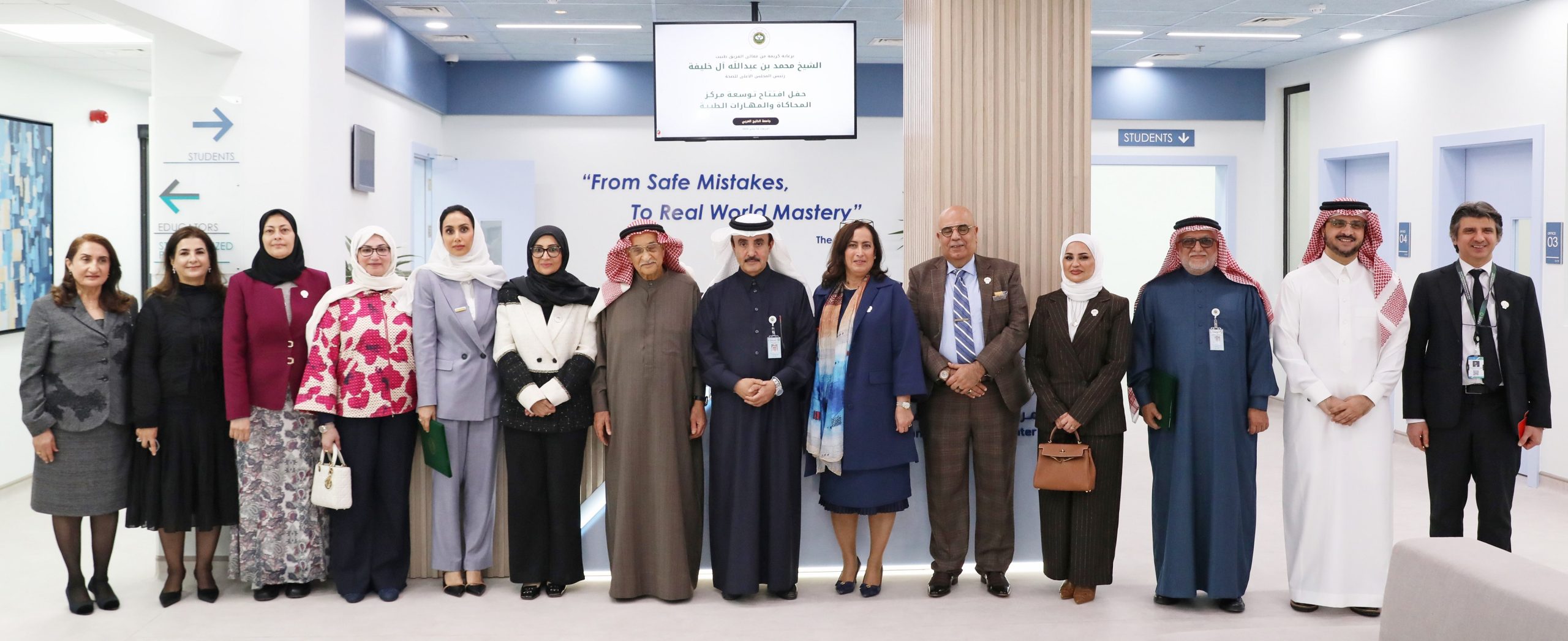
The Arabian Gulf University (AGU) inaugurated the expansion of its Medical Simulation and Skills Centre in the presence of His Excellency Lieutenant General Dr Shaikh Mohammed bin Abdullah Al Khalifa, Chairman of the Supreme Council of Health, Her Excellency Dr Jaleela bint Alsayed Jawad Hasan, Minister of Health in the Kingdom of Bahrain, and a number of health sector officials and academics.
The expansion includes the addition of 14 advanced classrooms dedicated to training second, third and fourth year students in the College of Medicine as well as nursing students, bringing the total of available rooms to 23, on a total area exceeding 1,700 m2, which is thrice the previous area of the simulation centre.
The expansion also includes a modern lecture hall that can accommodate over 100 students. The centre comprises an advanced educational environment equipped with realistic cadavers and latest technologies in the fields of paediatrics, obstetrics and gynaecology, surgery, internal medicine, and family medicine.
For his part, HE Lieutenant General Dr Shaikh Mohammed bin Abdullah Al Khalifa praised the importance of simulation-based education, stating, "Medical simulation is an essential tool to qualify distinguished medical cadres capable of providing healthcare according to the highest standards. This project enhances Bahrain's position as a leading destination for advanced medical education in the region."
In turn, the President of AGU, HE Dr Saad bin Saud Al Fuhaid, said, "We are pleased to inaugurate this new edifice, which represents a qualitative leap in medical education in the Gulf. The centre was designed to enhance the learning experience for our students in a safe training environment that simulates reality. This achievement reflects the university's commitment to developing the educational process and its outcomes in order to become a leading Gulf model that keeps pace with international standards."
He extended his thanks and appreciation to HE Lieutenant General Dr Shaikh Mohammed bin Abdullah Al Khalifa, HE Dr Jaleela bint Alsayed Jawad Hassan, and all leaders of the health sector in the Kingdom of Bahrain for their continuous support to the university, stressing that this support embodies the visions of the wise leadership in improving the quality of education and healthcare.
For her part, HE Dr Jaleela bint Alsayed Jawad Hassan stressed the pivotal role of simulation centres in improving the quality of medical education, stating, "Supporting and developing such centres contributes directly to enhancing the efficiency of future medical cadres, in line with the aspirations of the advanced health system in the Kingdom of Bahrain."
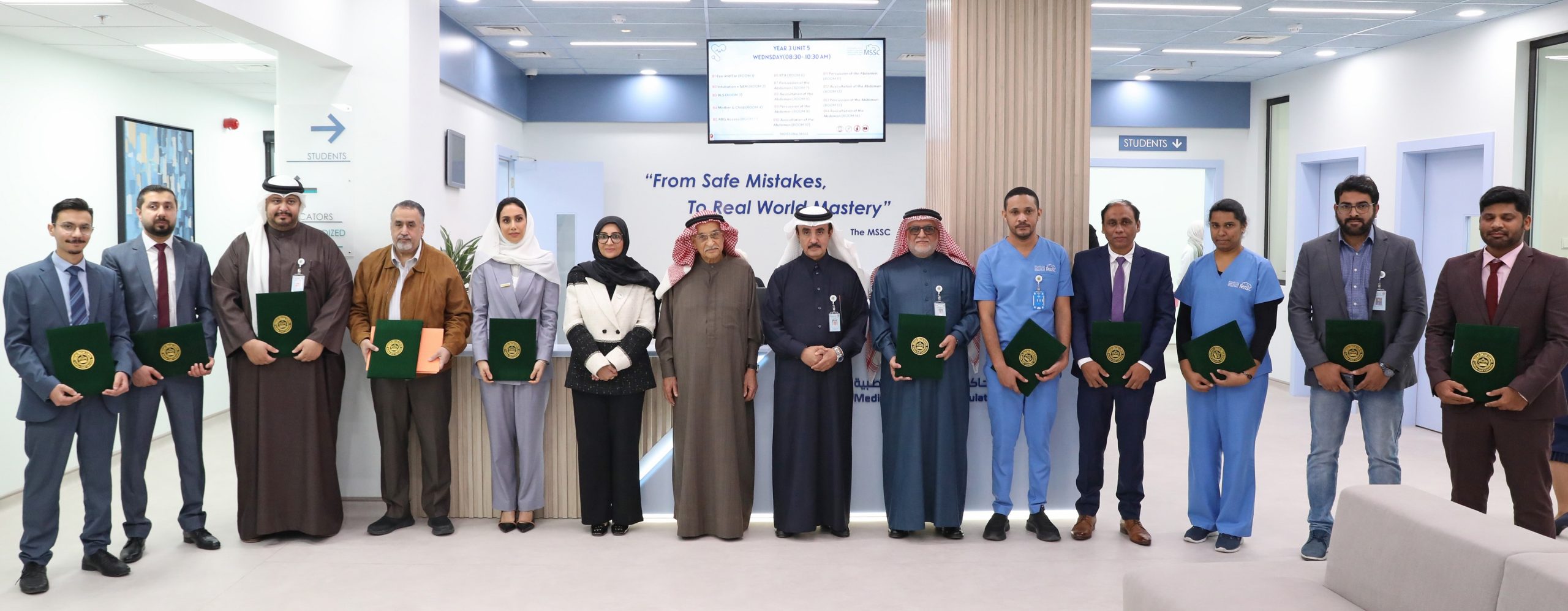
In addition, the ceremony included a documentary film highlighting the stages of project implementation, concluding with the honouring of those in charge of the project. In turn, the President of AGU honoured HE Lieutenant General Dr Shaikh Mohammed bin Abdullah Al Khalifa, and HE Dr Jaleela bint Alsayed Jawad Hassan, for their support to the university and their participation in achieving its goals.