by ashokaib | Jan 29, 2025 | Uncategorized
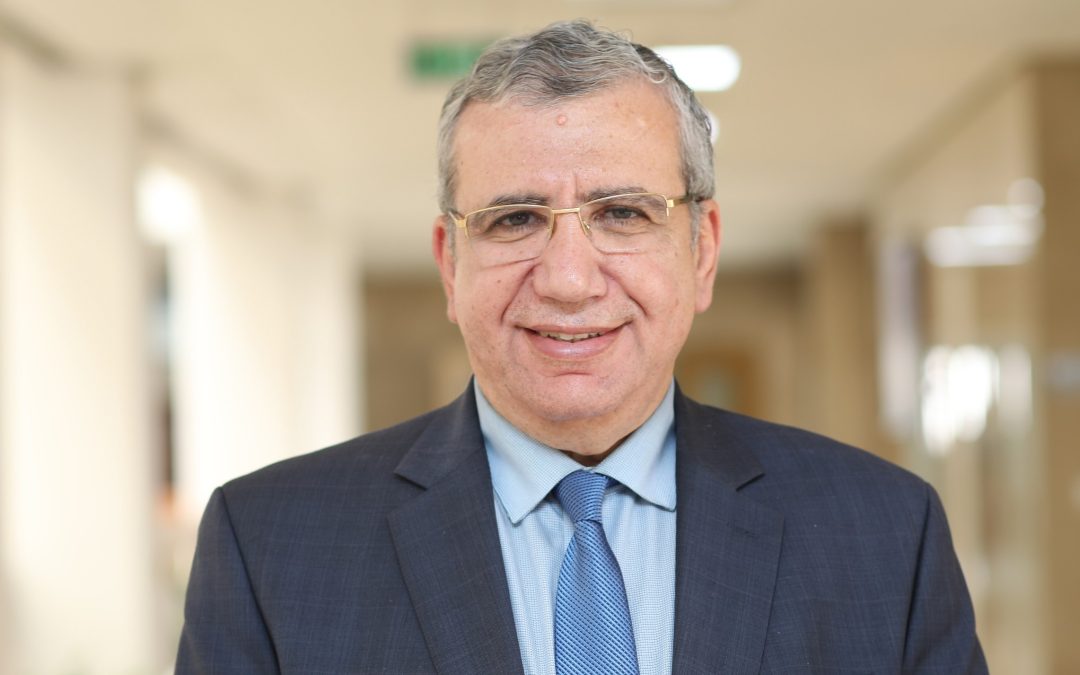
Dr Fatema Habbash, Assistant Professor of Family and Community Medicine at the College of Medicine and Health Sciences in the Arabian Gulf University (AGU), and Consultant in Nutrition and Lifestyles at the University Medical Centre in King Abdullah Medical City, has been accredited as the first Bahraini family physician in lifestyle medicine by the American College of Lifestyle Medicine.
This accomplishment follows her successful completion of several accreditation prerequisites, including the International Board of Lifestyle Medicine exam. This makes her the first family medicine consultant in Bahrain to attain international board certification in this specialisation, in addition to being a member of the American College of Lifestyle Medicine.
Dr Habbash boasts over 19 years of clinical experience in both the public and private health sectors. She is a pioneer in medical education and research, with numerous publications in prestigious Q1-category scientific journals. She is also recognised as a prominent speaker at local and international conferences and collaborates on various programmes with local and international health organisations focusing on community awareness and guiding professionals in lifestyle medicine, nutrition, mental health and wellness.
In her comments, Dr Habbash emphasised her commitment to providing guidance consultations as an essential part of a treatment plan that relies on the holistic well-being of individuals, empowering them to achieve sustainable healthy behavioural changes. She also aims to intensify collaborative research efforts to study the impacts of lifestyle on health, with the goal of using these findings to support health policies in the Kingdom of Bahrain and the GCC countries.
Lifestyle medicine is a modern medical speciality that relies on therapeutic lifestyle interventions as a primary approach to treating chronic conditions. Accredited physicians in this speciality apply evidence-based lifestyle changes and holistic health to treat chronic diseases such as cardiovascular diseases, type 2 diabetes, obesity, and hormonal disorders.
The pillars of lifestyle medicine include balanced nutrition, a plant-based diet, regular physical activity, healthy sleep, stress management, and positive social relationships, all contributing to the prevention of many chronic diseases and improving quality of life.
It is noteworthy that Dr Habbash is a consultant in family medicine at the University Medical Centre in King Abdullah Medical City and an Assistant Professor of Family and Community Medicine at AGU. She holds the Arab and Irish Boards in Family Medicine, a Master’s degree in Nutrition and Dietetics, and a Postgraduate Diploma in Medical Education from the University of South Wales, alongside a specialisation in Leadership and Team Management from the University of Michigan, USA.
by ashokaib | Jan 28, 2025 | Uncategorized
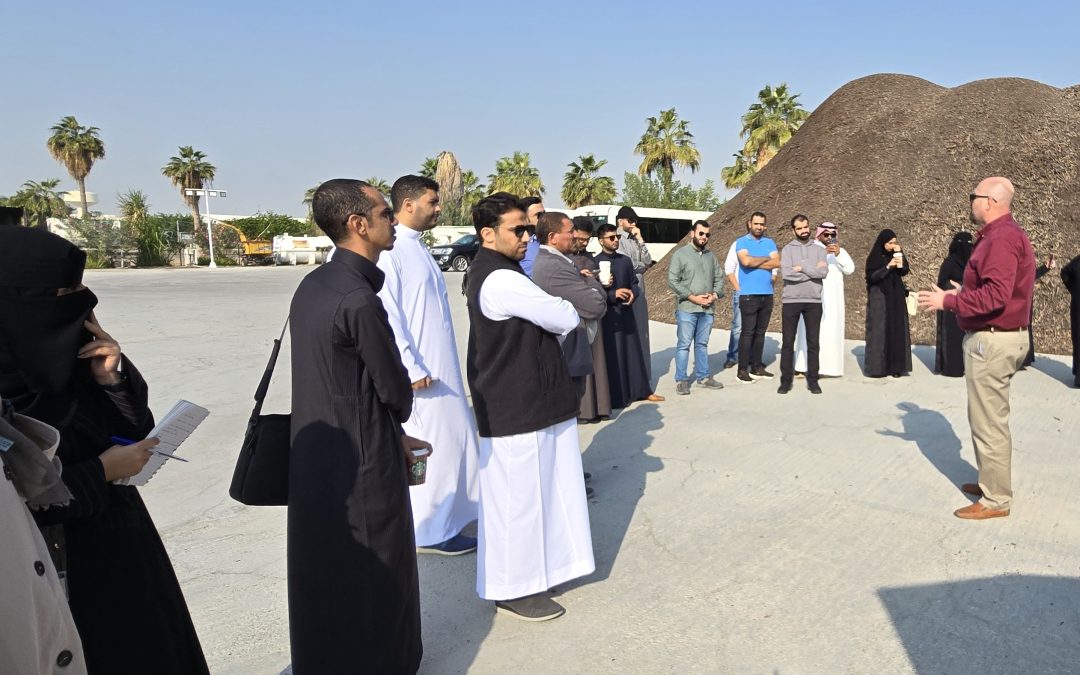
The Professional Diploma Programme in Waste Management, offered by the College of Education and Administrative and Technical Sciences at the Arabian Gulf University (AGU), organised several field visits to recycling sites for various types of waste in the Kingdom of Bahrain. The objective was to enhance theoretical knowledge through practical application and experimentation within the professional diploma curriculum.
The students of the programme, offered by the college in collaboration with AGU’s Community Services, Consultation Training and Continuing Education Centre, examined the process of converting green agricultural waste into compost during two scientific visits. These visits were conducted at Horat Aali site and Askar landfill, in collaboration with Urbaser cleaning services company and the Ministry of Municipalities and Agriculture Affairs.
Dr Sumaya Yusuf, Assistant Professor of Environmental Engineering at the College and founder and coordinator of the programme, explained that the visits provided an in-depth look at the composting process, which is one of the most sustainable and globally widespread techniques known for its simplicity and ease of application.
She stated: “This technique is a vital biological method for processing green agricultural waste and biodegradable materials, such as certain components of food waste. Composting is an aerobic fermentation technique that requires specific conditions for successful implementation, including a humidity level of no less than 70 percent and a carbon-to-nitrogen ratio of no less than 20 and no more than 30. It also needs expansive land, although it can be executed in specially ventilated barrels with continuous aeration, accompanied by moisture and essential element monitoring. Separating waste at the source is a crucial factor in the success of this technique, ensuring high-quality outputs free from plastic and glass contamination.”
Dr Yusuf further added that these field visits enrich the knowledge base of the diploma students, who hail from various sectors across the GCC countries, including municipal, industrial, health and commercial sectors. She emphasised that waste management has become one of the most significant global environmental issues and a major challenge for urban cities worldwide, stressing that understanding environmental pollution and managing waste sustainably is essential.
“Diploma students must deeply grasp the importance of managing waste in an integrated and sustainable manner, following a circular recycling approach rather than a resource-exhaustive linear one. It is important to raise awareness about sustainable production and consumption in our region by learning from various successful experiences and projects,” Dr Yusuf added.
It is noteworthy that the Professional Diploma Programme in Waste Management receives direct support from the United Nations Environment Programme (UNEP) – West Asia Office and is accredited by the Chartered Institution of Wastes Management (CIWM) in the United Kingdom.
It is the first certified programme of its kind in the Gulf region and the Arab world, especially after receiving accreditation from the CIWM. The programme has graduated 56 elite experts in sustainable waste management, contributing to supporting sustainable visions and aspirations of the GCC countries towards achieving sustainable development.
by ashokaib | Jan 27, 2025 | Uncategorized
Prof. Al Ajab Mohammed Al Ajab, Educational Technology and Distance Learning Professor at the College of Education, Administrative and Technical Sciences at the Arabian Gulf University (AGU), participated in the inaugural annual conference on Early Childhood Care and Education. The conference, themed “The Impact of Disseminating Quality Practices on Implementation in Early Education Institutions”, coincided with the International Day of Education. It was organised by Honourcode for Pioneering Educational Training.
Prof. Al Ajab, who supervises the King Hamad Chair in Digital Learning, presented insights and applications of the chair at the conference, highlighting the role of digital learning in enhancing care and education in early childhood. In his research paper, Prof. Al Ajab discussed the transformative role of digital education at this critical stage, emphasising pioneering initiatives and applications developed by the chair at the Arabian Gulf University.
He explained how digital tools and technologies could be effectively integrated into learning environments to enhance the cognitive, social, emotional and physical development of children in early childhood. Prof. Al Ajab also reviewed the challenges and opportunities associated with implementing digital education, such as accessibility issues, teacher preparation and screen time management, supported by case studies and content analysis.
The research paper provided actionable recommendations for improving the use of digital tools in early childhood, ensuring their developmental appropriateness and inclusivity. Prof. Al Ajab affirmed that the initiatives of the King Hamad Chair in Digital Learning at AGU align with global trends and innovative strategies, representing a progressive model for advancing digital education in early childhood settings and educational environments at large.
In this context, Prof. Al Ajab called for significant investment in digital infrastructure, urging governments to prioritise such investments to ensure all children, including those in disadvantaged and remote areas, have access to digital education. He also stressed the importance of developing clear policy frameworks to incorporate digital education into early childhood curricula, aligned with global standards and best practices. Furthermore, he highlighted the importance of strengthening public-private partnerships to expand digital education initiatives and address resource gaps.
by ashokaib | Jan 27, 2025 | Uncategorized
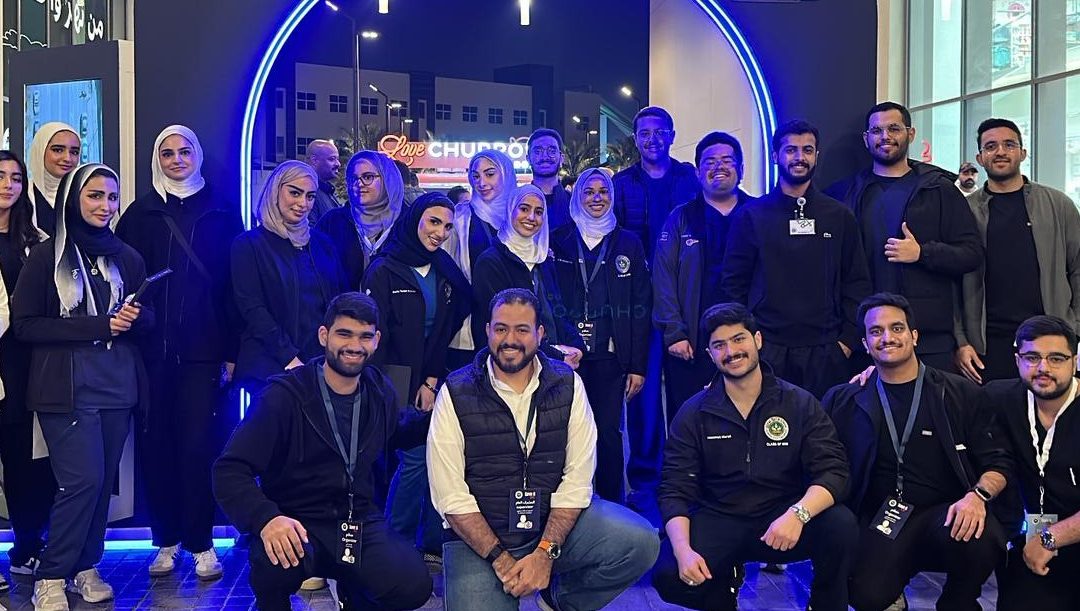
The “Save a Life” campaign, organised by students from the College of Medicine and Health Sciences at the Arabian Gulf University (AGU), has concluded successfully. This initiative, which aimed to raise awareness about first aid applications, ran for two consecutive days under the supervision of Dr Abdulla Ismaeel Mohamed, Assistant Professor in the Department of Surgery and Head of the Alumni Unit.
In this context, Dr Abdulla asserted that this initiative presented the university as an inspiring model in the field of health education and community work. The students demonstrated their active role in enhancing individual safety and readiness to handle emergencies with competence and confidence.
The campaign, overseen by the Deanship of Student Affairs at the university, aimed to increase community awareness about the importance of first aid and educate people on the correct responses to medical emergencies to ensure personal safety and protection. “Save a Life” served as an educational activity focused on empowering individuals to handle emergencies confidently and effectively while promoting a culture of prevention.
The campaign also engaged medical students and community members in an educational and interactive experience, imparting essential knowledge and teaching participants the skills needed to manage critical situations such as injuries or medical emergencies.
Through this campaign, medical students emphasised the importance of community awareness in enhancing public safety by providing basic information and skills that prepare individuals to face any emergency situation. They demonstrated interactively the value of volunteer work in achieving community goals by contributing to the dissemination of knowledge and serving the society.
The campaign featured a series of educational stations that explained how to deal with various emergency situations that might occur in daily life. These stations covered vital topics such as cardiopulmonary resuscitation (CPR), handling choking incidents, treating burns, stopping bleeding, managing seizures and fainting, and dealing with anaphylactic shock.
The event was distinguished by practical simulations of emergency procedures, with participants praising the interactive approach that helped them understand the correct response required in different scenarios. These simulations contributed to making the learning experience more realistic and impactful.
by ashokaib | Jan 27, 2025 | Uncategorized
The College of Medicine and Medical Sciences in the Arabian Gulf University is set to host the “Tackling the Obesity Epidemic: Insights for a Healthier Future” conference next May at the Bahrain Conference Centre. The conference’s main objective is to address the global challenges associated with the obesity epidemic and to present the latest scientific advancements and practical solutions in weight management and obesity prevention.
An esteemed gathering of doctors, experts, researchers and policymakers from across the globe will attend the conference to present the latest research and successful practices in health and nutrition. The event promises to deliver innovative insights into achieving a healthier and more sustainable future, drawn by a broad audience interested in public health, including physicians, nutrition specialists, researchers and students of medicine and health sciences. The conference is expected to serve as a unique platform for networking and establishing international partnerships aimed at strengthening efforts to combat obesity.
Prof. Amjad Albaz, Head of the Conference and Head of the Internal Medicine Department at the College of Medicine and Medical Sciences at AGU, highlighted that the two-day conference agenda, set for May 8-9, 2025, will feature discussion panels and interactive workshops covering a diverse range of topics. These key topics include the role of technology in weight management, national strategies to tackle obesity, psychological and social factors that promote a healthy lifestyle, the pathophysiology of obesity, related genetics, and associated chronic health conditions such as diabetes, dyslipidaemia, heart disease, liver disorders, mental health issues and cancer.
Moreover, the conference will explore various aspects of obesity prevention and management, including childhood and adolescent obesity, and obesity concerning women’s health. It will also focus on recent research around obesity and nutrition, lifestyle interventions, anti-obesity medications, and the latest updates on surgical interventions for severe obesity. Discussions will also engage societal challenges in the battle against obesity, with prominent experts from participating countries leading the main sessions on obesity treatments.