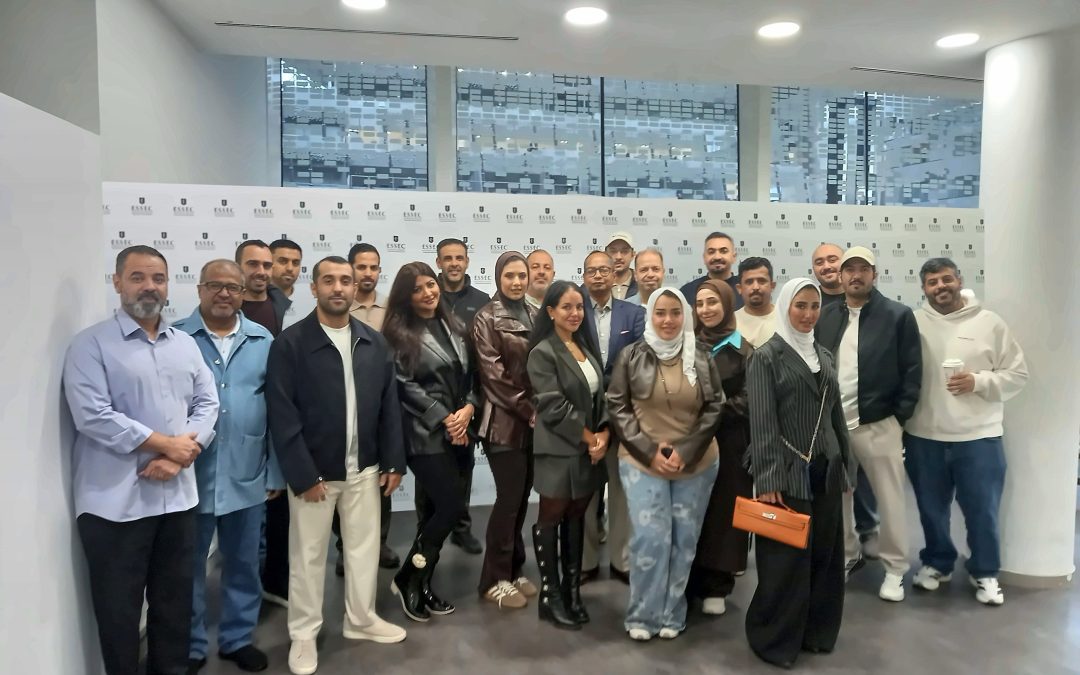
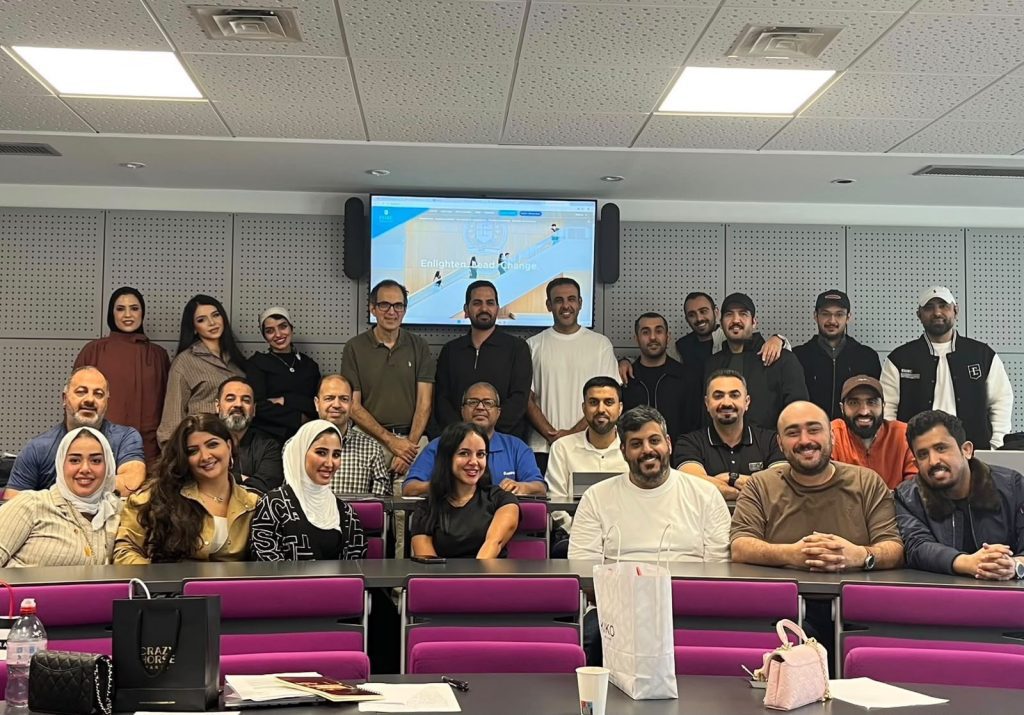
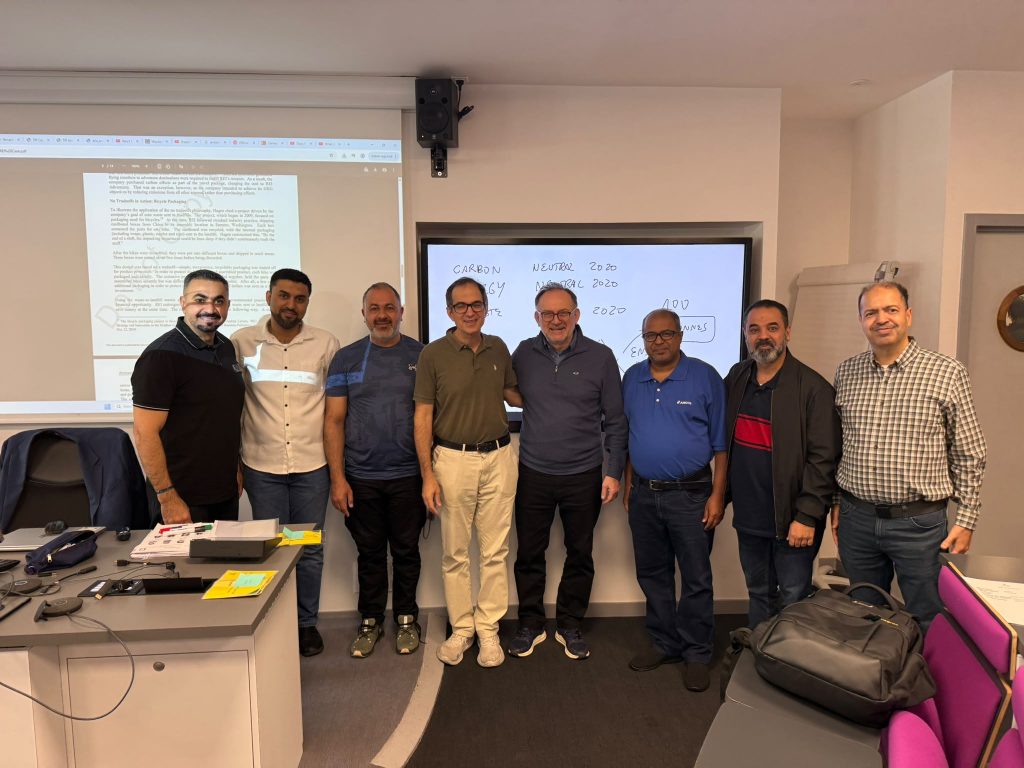
Twenty-seven students from the Master of Business Administration (MBA) program at Arabian Gulf University concluded an 11-day academic trip to ESSEC Business School in Paris, France, as part of the academic partnership between the two universities, which aims to enhance students’ international experiences and develop their leadership and management skills in line with the latest global practices.
The group included students from the Kingdom of Bahrain, the Kingdom of Saudi Arabia, and the State of Kuwait, as part of the 14th student visit organized by the university in collaboration with ESSEC Business School, within an integrated academic program that allowed students to study three core courses from the master’s program curriculum on the school’s Paris campus, in addition to participating in educational activities and field visits to leading economic institutions.
The program included a visit to “Station F,” the world’s largest startup hub and one of Europe’s leading centers for innovation and entrepreneurship—particularly in the field of artificial intelligence—where students had the opportunity to learn about the startup ecosystem, explore environments of innovation and entrepreneurship, and examine modern business models.
This visit builds on the academic collaboration between Arabian Gulf University and ESSEC Business School, with which the university has been partnering to offer a Master of Business Administration (MBA) program since 2012, enabling students to combine academic training with an international educational experience. ESSEC College ranks 24th globally in the Financial Times’ 2026 rankings of MBA programs, according to information provided by the program.
On this occasion, Prof. Dr. Walid Khalil Zubari, Dean of the College of Education, Administrative and Technical Sciences at Arabian Gulf University, expressed his support for this initiative, praising the high-quality educational programs that contribute to enhancing students’ experiences and broadening their international horizons. He said: “This visit is part of the university’s commitment to linking theoretical education with practical application and to fostering students’ innovation and leadership skills, thereby helping to prepare business leaders capable of competing in the global economy. The trip embodies our vision of preparing leaders with a global perspective and the ability to drive change in the region and the world, based on our belief that direct exposure to international economic environments enhances the quality of education and aligns its outcomes with the demands of the real world.”
For his part, Prof. Dr. Adel Ismail Al-Alawi, coordinator of the Master of Business Administration program, emphasized the importance of this experience in providing a comprehensive education that combines theoretical knowledge with practical application, and opens up broader horizons for students’ thinking and creativity, noting the university’s commitment to providing international educational opportunities that enhance its graduates’ readiness for the demands of the global job market. He added: “The program’s students serve as ambassadors for the Arabian Gulf University in international forums, and this trip represents an important opportunity to build professional networks and international academic relationships, thereby strengthening the presence of Gulf talent and the region’s standing on the global economic stage.”
He noted that the trip’s daily program included interactive morning lectures delivered by professors from ESSEC Business School, which covered case studies and experiences from global companies, followed by practical field visits to major economic institutions in Paris, which allowed students to connect academic concepts with practical challenges and develop strategic thinking skills and an understanding of international market dynamics.
ESSEC Business School is one of the world’s most prestigious academic institutions in the field of management and business education, and the Financial Times has ranked it among the top ten business schools in Europe for 2024. It also holds the prestigious “Triple Crown” accreditation from the international accrediting bodies AACSB, EQUIS, and AMBA, which reflects its academic standing and international standards in management education. Students enrolled in the MBA program receive a joint degree issued by Arabian Gulf University and ESSEC Business School, reflecting the program’s international nature and the academic partnership on which it is based.
The academic trip is a central part of the program’s curriculum; during their stay in France, students took three specialized academic modules covering global strategy, facilities management, and corporate ethics and social responsibility, in addition to field visits to leading French companies to learn about international experiences in the fields of management and entrepreneurship. This academic experience underscores Arabian Gulf University’s commitment to developing its educational programs, strengthening their international dimension, and preparing future leaders who possess specialized knowledge, a forward-looking vision, and the ability to keep pace with global economic transformations—in line with its mission to provide quality education whose impact extends from the local level to the global stage.
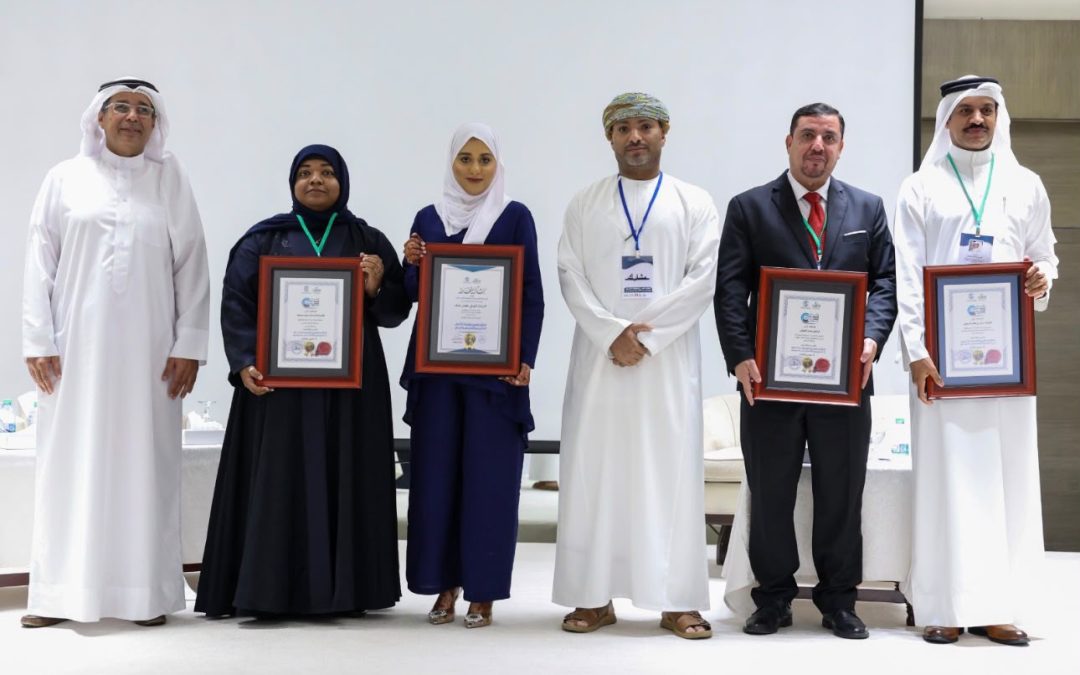
Asma Juma, a Ph.D. student in the Innovation and Technology Management program at Arabian Gulf University, discussed the role of digital innovation and artificial intelligence in promoting the sustainability of nonprofit organizations in a research paper she presented at the “Second Arab Forum on Smart Transformation Applications in the Nonprofit Sector for 2026,” hosted in Manama under the patronage of Osama bin Saleh Al-Alawi, Minister of Social Development of the Kingdom of Bahrain.
The paper was titled “Digital Innovation and Business Sustainability Using Artificial Intelligence in the Nonprofit Sector,” and addressed the growing role of digital innovation and artificial intelligence applications in enhancing the performance of nonprofit organizations, strengthening their operational efficiency, and enabling them to achieve institutional sustainability through the use of advanced technological solutions to improve resource management, develop operational mechanisms, and support decision-making.
The researcher highlighted the opportunities offered by digital technologies and artificial intelligence to bring about a qualitative leap in the nonprofit sector, thereby helping to enhance the social and developmental impact of organizations, enabling them to keep pace with rapid technological changes, and respond more effectively to community needs.
She also discussed the importance of integrating scientific research with modern technological applications and exploring ways to harness innovation in the development of the nonprofit sector, thereby supporting the creation of more efficient, flexible, and sustainable organizations and enhancing their contribution to achieving development goals.
The participation of Arabian Gulf University students in specialized scientific conferences and forums is part of the university’s commitment to enriching their academic and research experience, and to provide them with the opportunity to present their scientific work and exchange experiences with researchers and experts, thereby enhancing their ability to link scientific research to contemporary development challenges and develop practical solutions that serve society.
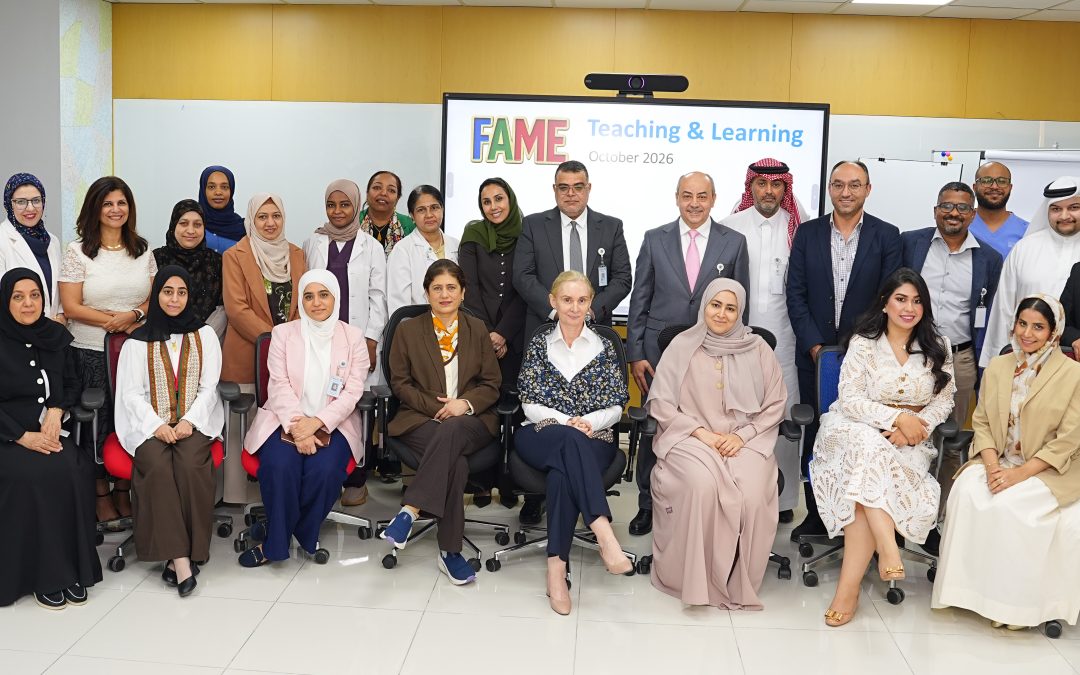
The Department of Medical Education at the College of Medicine, Arabian Gulf University, in collaboration with the University’s Consultancy and Training Center, organized a “Teaching and Learning” workshop as part of the Fundamental Skills in Medical Education (FAME) program, with the participation of 27 faculty members from inside and outside the university, representing various specialties. The workshop was held over four days as part of the university’s efforts to develop academic competencies and enhance teaching skills in the health sector.
The Fundamental Skills in Medical Education (FAME) program is a training initiative consisting of three main components: teaching and learning, course and curriculum design, and student assessment. It aims to equip academics with the knowledge and skills necessary to perform their educational roles effectively. It is delivered in English under the supervision of experts specializing in medical education at the university and combines scientific content with practical and interactive training. The National Health Regulatory Authority has accredited the program for 38 training hours covering its three main areas.
Dr. Mohamed Mustafa Al-Iraqi, Head of the Department of Medical Education, opened the workshop by welcoming the participants and emphasizing the importance of developing the academic competencies of healthcare professionals who are responsible for education, training, and health supervision. The training was co-led by Professor Hani Salem Atwa, Professor of Medical Education, Dr. Arshana Prabhu Kumar, Associate Professor in the Department of Medical Education, and Dr. Reem Jassim Al-Ansari, Assistant Professor in the department and Director of the University’s Simulation and Medical Skills Center.
The first workshop, dedicated to teaching and learning, covered basic learning theories and their applications, lecture design, problem-based learning facilitation skills, instructional design models, and session planning. It also covered flipped classroom strategies, the design of guided self-learning activities, interdisciplinary learning in the health sector, and microteaching activities.
The practical component included the design of comprehensive task-based learning activities using effective models of complex learning, along with simulations and role-playing. Participants practiced providing feedback to learners facing difficulties through scenarios drawn from the workplace, thereby linking theory to academic practice at universities and training centers.
Participant evaluations showed satisfaction levels ranging from 90% to 95% across various topics. They praised the richness of the scientific content, the diversity of the sessions, and the opportunities provided to exchange experiences and discuss best practices in teaching and learning as outlined in the scientific literature. Participants also discussed the challenges that may arise in applying these practices in medical education and ways to overcome them.
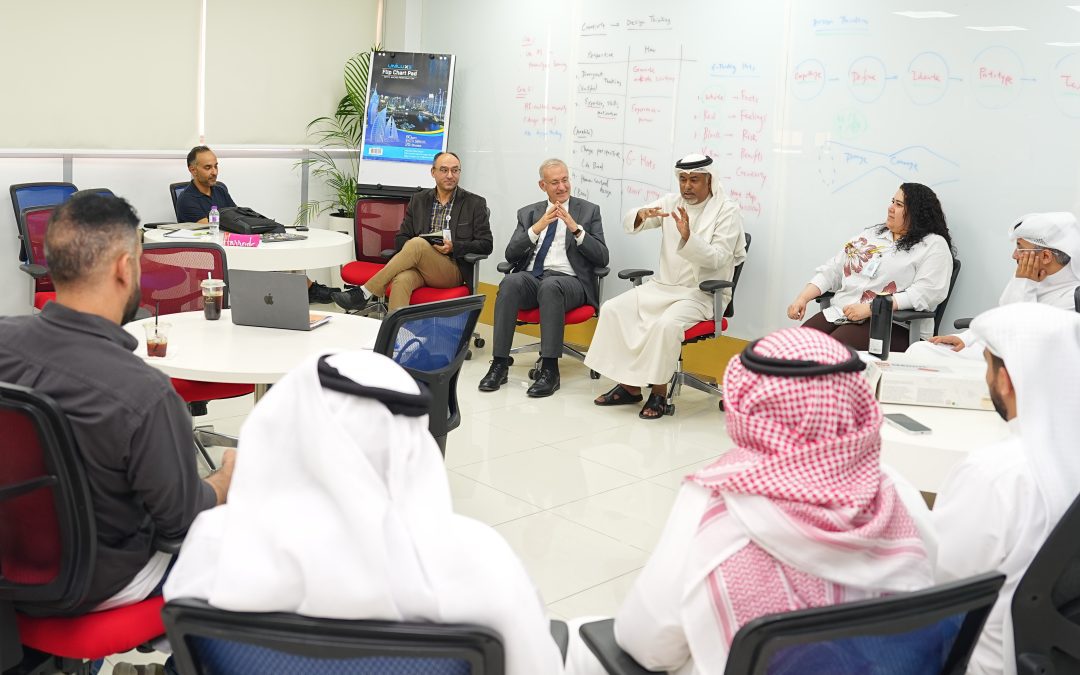
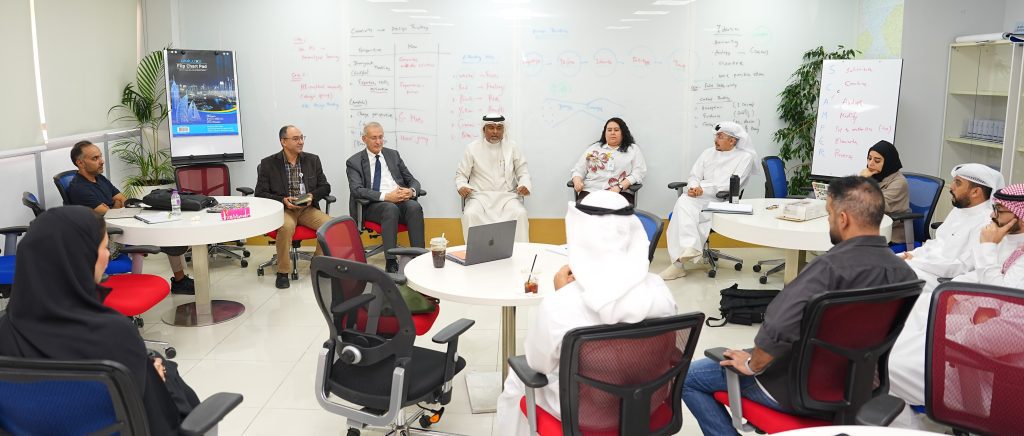
A scientific lecture at Arabian Gulf University discussed the role of design thinking in innovation management and the development of solutions that address real-world challenges, through a methodology that begins with understanding user needs and transforming them into opportunities for innovation and development.
The lecture, titled “Design Thinking in Innovation Management,” was presented by Professor Ahmed Bu Hazza, a consultant in digital innovation, and was organized by the Department of Business Administration as part of the activities of the Shaikh Isa bin Salman Al Khalifa Chair in Technology Management, with the participation of doctoral students in innovation management and a number of faculty members.
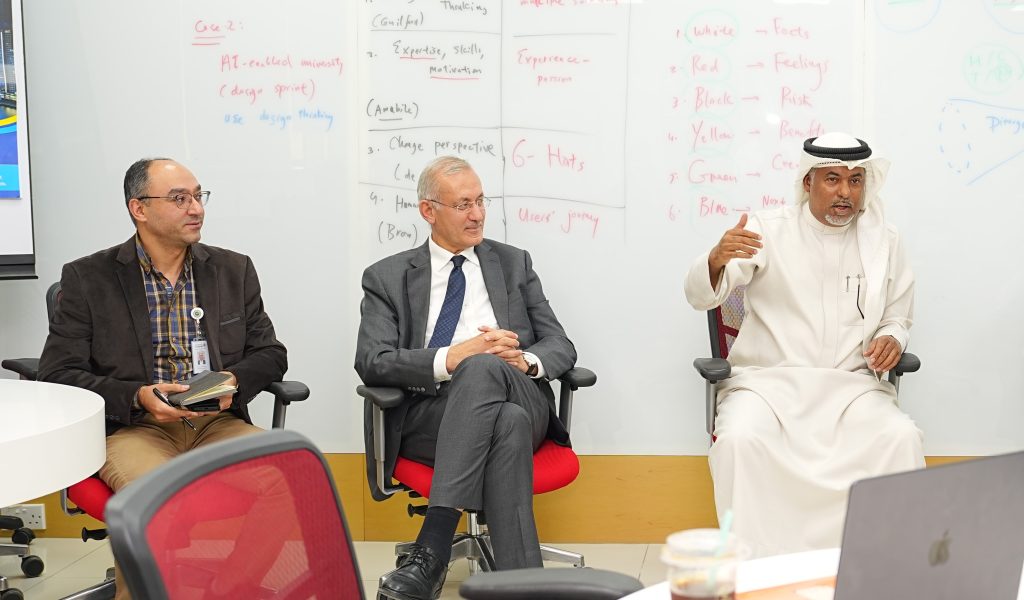
Bu Hazza discussed design thinking as one of the modern approaches to developing innovative solutions, reviewing tools and methods that contribute to the development of critical thinking, stimulate brainstorming, and transform challenges into opportunities through a methodology centered on the user and their actual needs.
He highlighted the key stages of design thinking, beginning with understanding the user and accurately defining the problem, moving on to generating ideas and exploring creative alternatives, and culminating in developing prototypes and testing and evaluating solutions—all of which contribute to outcomes that meet real-world needs and are scalable and implementable.
He also reviewed practical experiences and applications of design thinking principles in the education, healthcare, and social services sectors, explaining that understanding beneficiaries’ needs and experiences helps redesign services, improve their quality, increase their efficiency, and innovate solutions that are more responsive to societal challenges.
For his part, Professor Dr. Owda Al-Jayousi, Professor of Innovation Policy at Arabian Gulf University, emphasized the importance of employing innovation methodologies and design thinking in developing local solutions based on a deep understanding of the community’s needs and priorities, stressing the need to move away from replicating ready-made solutions and experiences toward building innovative models that take the local context into account and generate economic, social, and knowledge-based added value.
Al-Jayousi explained that effective innovation is not measured merely by the production of new ideas, but rather by its ability to address real challenges and transform them into practical and sustainable solutions, thereby strengthening the role of academic institutions in linking knowledge to application and directing scientific research to serve society and development.
His Excellency Lieutenant General Dr. Shaikh Mohamed bin Abdullah Al Khalifa, Chairman of the Supreme Council of Health, will open the Artificial Intelligence in Medicine Conference, organized by Arabian Gulf University in the capital, Manama, from November 5 to 7, with the participation of a select group of experts, academics, and specialists in the fields of medicine, artificial intelligence, and health technologies from the Kingdom of Bahrain, countries in the region, and around the world.
Meetings of the conference’s organizing committee are continuing as part of ongoing preparations to ensure organizational readiness and seamless coordination of various scientific and logistical aspects, reflecting the conference’s importance as a specialized international platform for discussing the rapid developments in the application of artificial intelligence technologies in healthcare.
The conference will discuss the latest innovations and practical applications of artificial intelligence in various fields of medicine, with a focus on the use of smart technologies in the prevention of heart disease and the prediction of its risks, as well as supporting the care of patients with diabetes and obesity through continuous monitoring systems and personalized treatment, in addition to the development of medical imaging technologies and enhancing their diagnostic accuracy.
In addition, the conference sessions will address the applications of artificial intelligence in emergency and intensive care units, including intelligent patient triage, early detection of critical conditions, support for clinical decision-making, and the personalization of treatment plans—all of which contribute to enhancing the speed of medical response and improving the quality of health care.
The conference’s scientific program also explores the ethical and regulatory aspects associated with the use of artificial intelligence in the healthcare sector, with a focus on protecting patient privacy and ensuring the safe and responsible use of modern technologies, as well as reviewing the role of AI in advancing nursing practices, medical education, and precision medicine; remote monitoring applications; and the training of healthcare professionals to keep pace with the rapid digital transformation in the healthcare sector.
The conference will also address the fields of genomics and bioinformatics by exploring AI applications in the discovery of biomarkers, accelerating drug development, and predicting treatment responses, as well as the use of smart technologies to enhance primary and virtual care services and improve the management of chronic diseases outside the scope of traditional healthcare facilities.
The conference will feature a session for medical students that explores the applications of artificial intelligence in medical education, thereby raising awareness among new generations of doctors about the tools and technologies of digital transformation and opening the door for them to explore the potential of artificial intelligence in supporting learning, clinical practice, and scientific research.
The conference will conclude with a series of hands-on workshops addressing the uses of artificial intelligence in interpreting electrocardiograms, designing clinical research, and analyzing health data, reflecting a shift from exploring the theoretical potential of smart technologies to applying them in practical ways that benefit patients, practitioners, and the healthcare system as a whole.
Arabian Gulf University’s organization of this conference embodies its commitment to strengthening its scientific and research presence in issues related to the future of medicine and healthcare, by providing a platform that brings together experts, academics, and specialists to exchange knowledge and experiences and review the latest trends and innovations in the fields of artificial intelligence, medicine, genomics, bioinformatics, and medical education.
The conference will provide a forum for interdisciplinary scientific dialogue, explore opportunities for collaboration and research partnerships, and discuss the challenges associated with applying artificial intelligence in health systems—including scientific, ethical, and regulatory aspects—with the aim of developing practical solutions that leverage the potential of smart technologies while preserving the central role of medical and human expertise.
The conference is expected to serve as an opportunity to highlight recent experiences and applications in the field of medical artificial intelligence and to discuss prospects for developing health systems and enhancing their efficiency, in a manner that keeps pace with rapid technological transformations and strengthens the readiness of health professionals and institutions to address the future of healthcare.