by Fatima Hajari | Sep 27, 2026 | Uncategorized
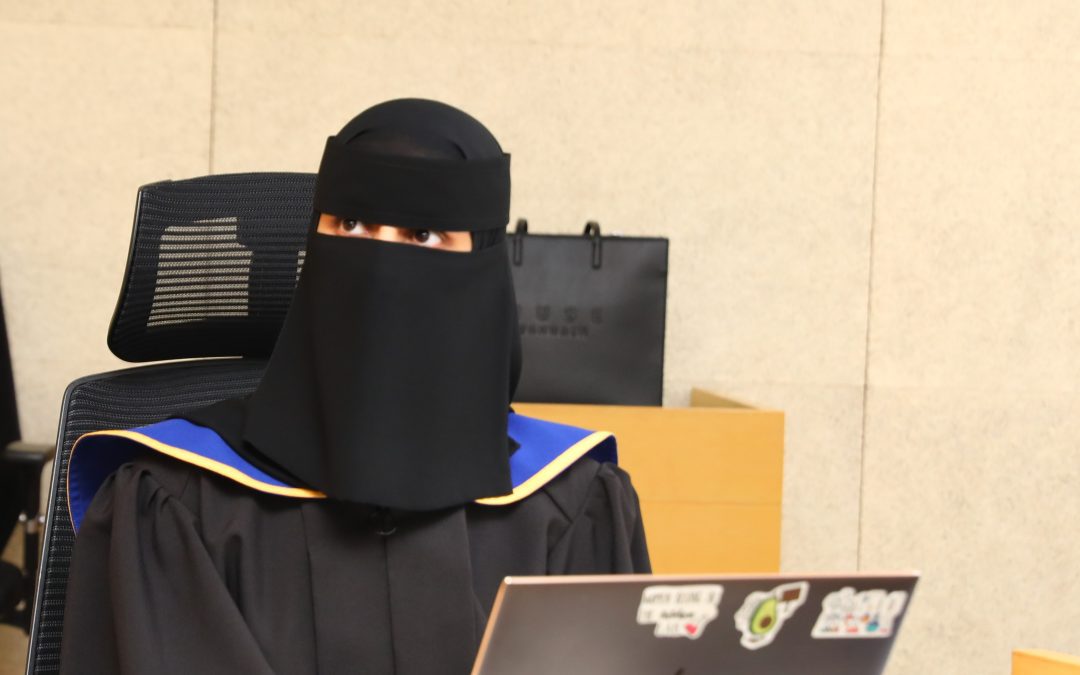
Fatima Al-Aoun, a student in the Environmental Management specialization within the Natural Resources and Environmental Sciences program at the College of Education, Administrative and Technical Sciences at Arabian Gulf University, presented the findings of her master’s thesis, which examined human hormones as emerging contaminants that may enter the environment and affect living organisms.
The study focused on estriol (E3), a type of natural estrogen secreted by the human body. Al-Aoun explained: “After hormones are excreted from the body, they may be carried by water to wastewater treatment plants. Although this water is treated, some hormonal contaminants may not be completely removed, meaning that traces of them may remain in the effluent leaving the plant and enter the aquatic environment when discharged into the sea or reused.”
The significance of this problem lies in the fact that some hormones remain biologically active even when present in minute quantities. Exposure of aquatic organisms to certain endocrine disruptors can disrupt their endocrine systems, potentially affecting their growth, sexual development, behavior, and reproductive capacity. The nature of these effects depends on the type of contaminant, its concentration, and the duration of exposure.
In this context, Al-Aoun investigated the ability of microorganisms to break down the hormone estriol naturally and sustainably, and whether variations in its concentration affect the rate of its degradation. For this purpose, she used samples of activated sludge collected from the Tubli wastewater treatment plant in the Kingdom of Bahrain and conducted laboratory experiments to track the hormone’s degradation over time.
The results showed that the microorganisms successfully biodegraded estriol even at varying concentrations, although the rate of degradation differed from one concentration to another. The microorganisms also remained stable, reflecting their promising natural ability to handle this type of endocrine disruptor.
In addition to monitoring hormone degradation, the study included an analysis of the microorganisms’ genetic material, which enabled the identification of genes associated with estrogen degradation and helped to understand the biological potential of these organisms in dealing with hormonal pollutants. The study highlights the potential of natural biological solutions to reduce hormonal pollutants and protect the environment and water resources.
It recommended expanding the scope of research to include samples from different treatment plants and across multiple seasons and conducting more in-depth studies to understand the mechanisms of biodegradation, thereby supporting the development of more sustainable solutions to protect water resources.
The thesis defense committee consisted of Prof. Dr. Taher Mashishi, Professor of Bioengineering at the National School of Engineers in Sfax, Tunisia, serving as an external examiner, and Prof. Dr. Mohamed Shahid, Professor of Microbiology, Immunology, and Infectious Diseases in the Department of Microbiology and Immunology at Arabian Gulf University, as the internal examiner. The thesis was supervised by Prof. Dr. Wael Ahmed Al-Maslamani, Professor of Microbiology and Environmental Biotechnology at the Center for Environmental and Biological Studies at Arabian Gulf University, as the primary supervisor, Dr. Sumaya Youssef Hassan, Assistant Professor of Environmental Engineering at the same center, as co-advisor, and Dr. Yen-Ru Chiang, a research fellow at the Biodiversity Center in Taiwan, as co-advisor.
by Fatima Hajari | Sep 27, 2026 | Uncategorized
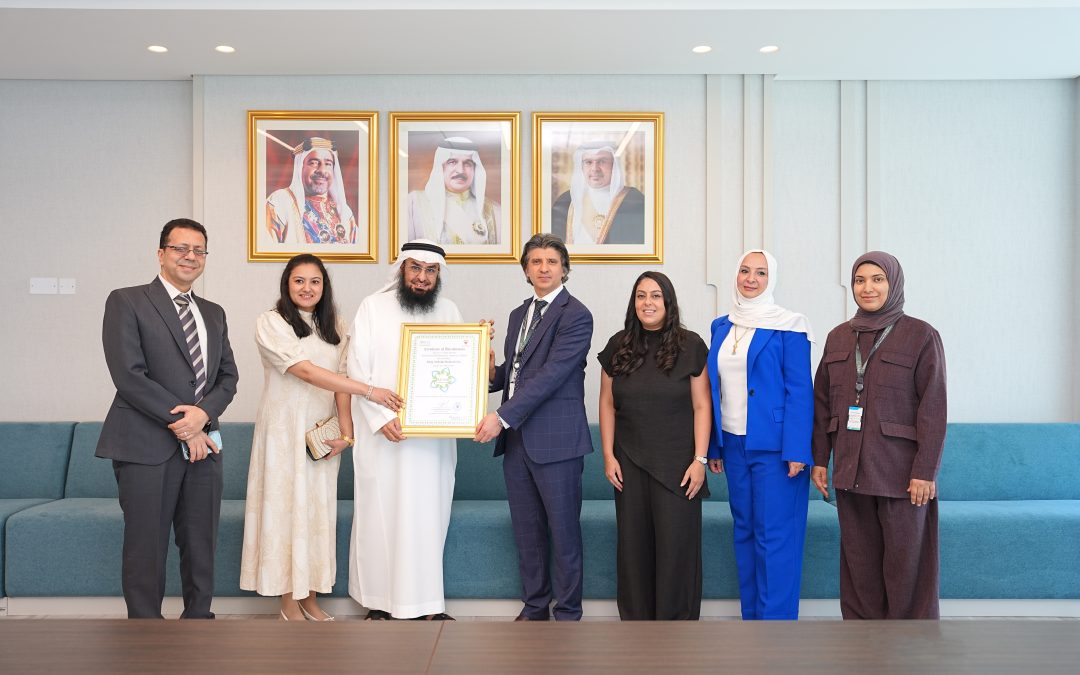
The University Hospital at Arabian Gulf University has received Platinum Accreditation from the National Health Regulatory Authority (NHRA), marking an institutional achievement that reflects its commitment to applying the highest standards of quality and patient safety and to enhancing the level of health care and services.
The Platinum Accreditation comes as the culmination of ongoing efforts to improve medical and operational performance, enhance the competence of healthcare and administrative staff, modernize infrastructure, equipment, and medical technologies, and elevate the patient experience in accordance with best practices and recognized healthcare standards.
His Excellency Dr. Saad bin Saud Al-Fahaid, President of Arabian Gulf University, emphasized that obtaining Platinum accreditation from “NHRA” represents a significant achievement and an important milestone in the hospital’s development journey and in solidifying its position within the healthcare system. He praised the efforts of the medical, nursing, technical, and administrative staff who contributed to this achievement.
His Excellency affirmed that the university will continue to support the hospital and enable it to pursue its path of development and modernization, while strengthening the integration of its therapeutic, educational, and research roles, thereby contributing to the health sector and the preparation of qualified medical and health professionals.
For his part, Dr. Shaher bin Dhafar Al-Shahri, CEO of the University Hospital, emphasized that the Platinum accreditation from “NHRA” represents the result of integrated institutional efforts and a steadfast commitment to a culture of quality, patient safety, and continuous improvement, affirming the hospital’s commitment to continuing to develop medical services and enhance the patient experience in accordance with the highest healthcare standards.
This achievement coincides with a rapid pace of development and modernization at the University Hospital, which has included the development of a number of departments, facilities, and medical services; the upgrading of radiology, diagnostic, and treatment technologies; and the introduction of modern technologies supported by artificial intelligence.
It is worth noting that In February 2026, Arabian Gulf University launched the University Hospital’s new corporate identity, alongside a series of development projects, as part of efforts to strengthen its position as a leading healthcare and academic institution that combines healthcare, medical education, and scientific research.
The Platinum accreditation reinforces the University Hospital’s standing and its role in supporting the healthcare system in the Kingdom of Bahrain and the Gulf Cooperation Council (GCC) countries and solidifies its vision as an institution that places quality of care, patient safety, and innovation at the heart of its mission.
by Fatima Hajari | Sep 23, 2026 | Uncategorized
His Excellency Lieutenant General Dr. Shaikh Mohamed bin Abdullah Al Khalifa, Chairman of the Supreme Council of Health, will open the Artificial Intelligence in Medicine Conference, organized by Arabian Gulf University in the capital, Manama, from November 5 to 7, with the participation of a select group of experts, academics, and specialists in the fields of medicine, artificial intelligence, and health technologies from the Kingdom of Bahrain, the region, and around the world.
The conference organizing committee continues to meet as part of ongoing preparations to ensure organizational readiness and seamless coordination of various scientific and logistical aspects, reflecting the conference’s importance as a specialized international platform for discussing the rapid developments in the application of artificial intelligence technologies in healthcare.
The conference will discuss the latest innovations and practical applications of artificial intelligence across various fields of medicine, with a focus on the use of smart technologies in the prevention of heart disease and the prediction of its risks, as well as supporting the care of patients with diabetes and obesity through continuous monitoring systems and personalized treatment, in addition to the development of medical imaging technologies and enhancing their diagnostic accuracy.
The conference sessions will address the applications of artificial intelligence in emergency and intensive care units, including intelligent patient triage, early detection of critical conditions, support for clinical decision-making, and the personalization of treatment plans—all of which contribute to enhancing the speed of medical response and improving the quality of health care.
The conference’s scientific program also explores the ethical and regulatory aspects associated with the use of artificial intelligence in the healthcare sector, with a focus on protecting patient privacy and ensuring the safe and responsible use of modern technologies, as well as reviewing the role of AI in advancing nursing practices, medical education, and precision medicine; remote monitoring applications; and the training of healthcare professionals to keep pace with the rapid digital transformation in the healthcare sector.
The conference will also address the fields of genomics and bioinformatics by exploring AI applications in the discovery of biomarkers, accelerating drug development, and predicting treatment responses, as well as the use of smart technologies to enhance primary and virtual care services and improve the management of chronic diseases outside the scope of traditional healthcare facilities.
The conference will feature a session for medical students that explores the applications of artificial intelligence in medical education, thereby raising awareness among new generations of doctors about the tools and technologies of digital transformation and opening the door for them to explore the potential of artificial intelligence in supporting learning, clinical practice, and scientific research.
The conference will conclude with a series of hands-on workshops addressing the uses of artificial intelligence in interpreting electrocardiograms, designing clinical research, and analyzing health data, reflecting a shift from exploring the theoretical potential of smart technologies to applying them in practical ways that benefit patients, practitioners, and the healthcare system as a whole.
Arabian Gulf University’s organization of this conference embodies its commitment to strengthening its scientific and research presence in issues related to the future of medicine and healthcare, by providing a platform that brings together experts, academics, and specialists to exchange knowledge and experiences and review the latest trends and innovations in the fields of artificial intelligence, medicine, genomics, bioinformatics, and medical education.
Meanwhile, the conference provides a forum for interdisciplinary scientific dialogue, explore opportunities for collaboration and research partnerships, and discuss the challenges associated with applying artificial intelligence in health systems—including scientific, ethical, and regulatory aspects—with the goal of developing practical solutions that harness the potential of smart technologies while preserving the central role of medical and human expertise.
The conference is expected to serve as an opportunity to highlight recent experiences and applications in the field of medical artificial intelligence and to discuss prospects for developing and improving the efficiency of health systems, thereby keeping pace with rapid technological transformations, and enhancing the readiness of healthcare professionals and institutions to address the future of healthcare
by Fatima Hajari | Sep 23, 2026 | Uncategorized
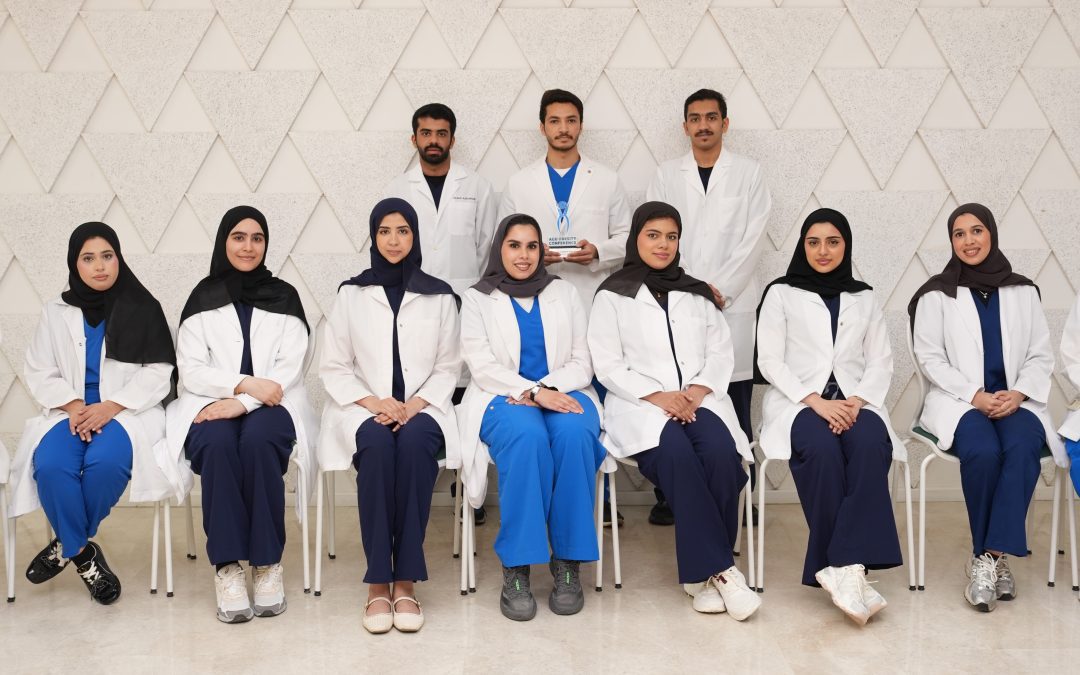
A team of sixth-year students from the College of Medicine and Health Sciences at Arabian Gulf University published a field study on dietary culture among people with diabetes in Bahrain in the international peer-reviewed journal "Frontiers in Nutrition", which is classified as a Q1 journal with an impact factor of 5.5.
The study aimed to assess the relationship between dietary culture, glycemic control, and obesity rates among 364 adults with type 2 diabetes at primary health care centers in the Kingdom of Bahrain, comprising 165 males and 199 females.
The study results showed that 51.2% of participants were obese, while 38.7% of the sample had very poor blood sugar control. Regarding their nutritional awareness, it was found that only 5.7% of participants were able to read and correctly interpret nutrition labels and facts. Higher educational attainment and greater nutritional literacy were also associated with better blood sugar control and a lower body mass index (BMI).
The use of nutritional ingredient lists also contributed to improved treatment outcomes. The results revealed a direct correlation between exposure to misinformation about nutrition and difficulty accessing reliable facts, on the one hand, and poor blood sugar control, on the other. In the conclusion of their study, the researchers emphasized the critical importance of strengthening targeted nutrition education programs and correcting nutritional misconceptions, as these are fundamental pillars for managing obesity and improving the quality of life for people with diabetes in Bahrain.
The research team consisted of Ahmed Al-Mansour, Sarah Al-Ansari, Mai Al-Madhahka, Fatima Al-Qoud, Mahia Hisham, Sheikha Al-Shamsi, Mohammed Buhaza, Mai Al-Ghatam, Alia Al-Hammadi, Hassan Al-Buainain, Fatima Al-Shanawi, and Maryam Al-Nafei. The study was conducted under the supervision of Dr. Jamil Ahmed, Associate Professor of Public Health in the Department of Family and Community Medicine, and Dr. Amer Al-Murabha, Assistant Professor of Measurement and Statistics in the same department.
This achievement aligns with Arabian Gulf University’s vision and strategic plan, which aim to promote scientific research, enhance the quality of its outputs, and empower students to actively participate in research projects and publish in peer-reviewed international journals—thereby contributing to the development of their research capabilities and linking academic knowledge to the health and community needs of the Arab Gulf states.
by Fatima Hajari | Sep 22, 2026 | Uncategorized
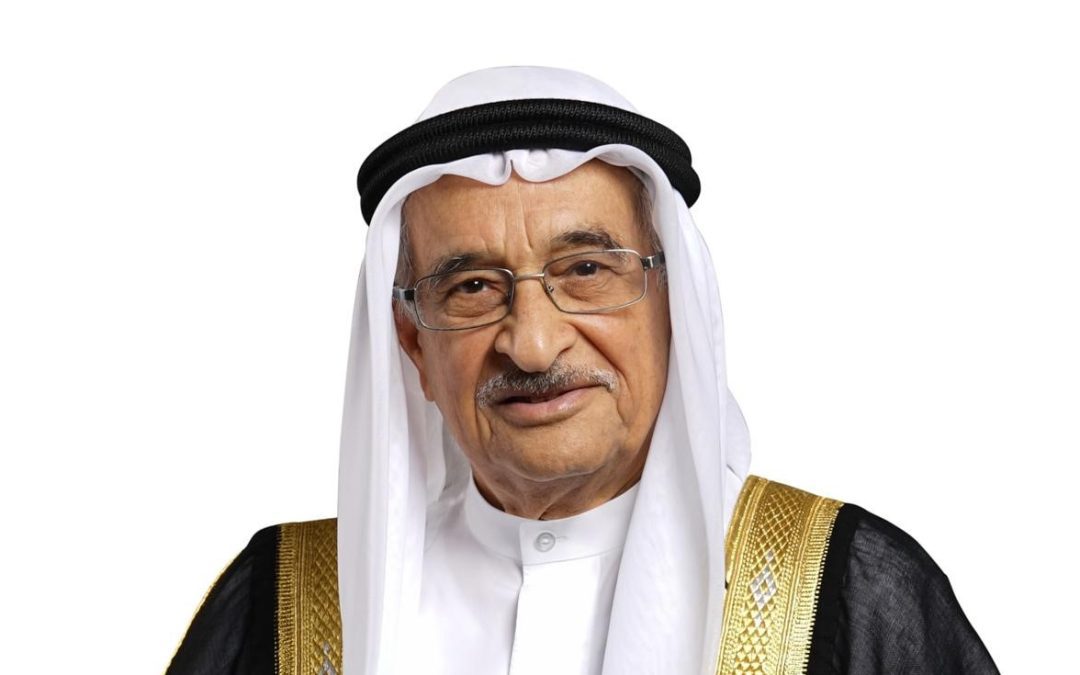
His Excellency Dr. Saad bin Saud Al-Fahaid, President of Arabian Gulf University, extended his warmest congratulations and best wishes to the Custodian of the Two Holy Mosques, King Salman bin Abdulaziz Al Saud, and to His Royal Highness Prince Mohammed bin Salman bin Abdulaziz Al Saud, the Crown Prince and Prime Minister, on the occasion of the National Day of the Kingdom of Saudi Arabia, expressing his pride in the Kingdom’s cultural, developmental, and scientific achievements, which have cemented its standing regionally and internationally and contributed to advancing its path of development and prosperity.
His Excellency emphasized that the Saudi National Day represents a cherished national occasion that calls for celebrating the Kingdom’s accumulated developmental, cultural, and scientific achievements, as well as the pioneering model it has established in investing in people, building a knowledge-based economy, and strengthening the status of education and scientific research as fundamental pillars of sustainable development. He noted that the qualitative transformations and rapid achievements the Kingdom is witnessing across various sectors are the result of an ambitious vision that embodies the wise leadership’s belief in the importance of science, innovation, and scientific research in shaping the future.
His Excellency also explained that Arabian Gulf University community views with appreciation and pride the generous Saudi support it has received throughout its history, which has contributed to strengthening its academic, research, and medical mission and enabled it to develop numerous initiatives, centers, and projects that have today become important pillars of the higher education and scientific research system in the region.
He also highlighted King Abdullah bin Abdulaziz Medical City as one of the university’s largest strategic development projects—an initiative that reflects the depth of the long-standing fraternal ties between the Kingdom of Bahrain and the Kingdom of Saudi Arabia, and embodies the care, attention, and support that bilateral cooperation receives from the leaderships of both kingdoms.
He emphasized that the impact of this unique project is not limited to the development of health and medical infrastructure alone but extends to serve as an advanced platform for medical education, scientific research, and health innovation, thereby enhancing the university’s standing and its role in preparing Gulf medical professionals and supports joint efforts to advance the healthcare system and human development in the countries of the Gulf Cooperation Council.
He added that the university is also proud to host the King Fahd Academic Chair in Medical Biotechnology, which stands as a testament to the Kingdom of Saudi Arabia’s commitment to supporting science, scientific research, and advanced technologies, and reaffirms its belief in the importance of building scientific capacity, strengthening the research environment, and encouraging innovation in the medical and biological fields. He emphasized that this academic chair exemplifies the role the Kingdom has played in supporting academic institutions and enabling them to contribute to the production of knowledge and the development of scientific solutions to contemporary challenges.
His Excellency also highlighted the role played by Princess Al-Jawhara Al-Ibrahim Center for Molecular Medicine, Genetics, and Genetic Diseases, which is considered one of the specialized scientific institutions that has strengthened the university’s research capabilities in the fields of molecular medicine and genetics, and has helped support high-quality research, advanced studies, and the advancement of scientific knowledge related to priority health issues in the Arab Gulf states.
In line with the Kingdom’s approach to supporting and empowering people through education and knowledge, His Excellency the President of Arabian Gulf University praised the great care the Kingdom of Saudi Arabia extends to its students studying at the university, as well as its ongoing commitment to monitoring their academic progress and providing everything necessary to support their academic journey and enable them to achieve excellence and success, emphasizing that this attention embodies the Kingdom’s special focus on building national talent and investing in qualified human resources.
He added that the university takes pride in its Saudi students who have excelled throughout their academic careers in various disciplines and degree programs and takes pride in its Saudi graduates who have contributed competently and effectively to serving their country and participating in its ongoing development.
His Excellency concluded his statement by praying to Allah the Almighty to protect the Custodian of the Two Holy Mosques, King Salman bin Abdulaziz Al Saud, and His Royal Highness Prince Mohammed bin Salman bin Abdulaziz Al Saud, the Crown Prince and Prime Minister, and to maintain the security, stability, progress and prosperity of the Kingdom of Saudi Arabia, and to bless the efforts of its leadership, guiding it to continue on the path of growth and development, and to fulfill the aspirations of the nation and its people.