Arabian Gulf University will organize the “Gulf Red Crescent Day 2026” event on campus next Thursday, with the aim of raising awareness about the importance of first aid, fostering a culture of volunteerism and humanitarian giving, and encouraging young people to participate in humanitarian and community initiatives.
The event is part of the university’s commitment to fulfilling its social responsibility and linking academic knowledge to practical application through interactive stations that highlight the principles of humanitarian work and introduce students to first-response skills for emergencies, as well as the importance of acting appropriately in situations where early intervention can save lives and mitigate risks.
Organized by the University’s Corporate Communications Center, the event features four main interactive stations, including the “A Minute Saves a Life” station, which introduces cardiopulmonary resuscitation (CPR) and the use of an automated external defibrillator (AED), under the supervision of the Simulation Center; the “Gulf Paramedic Challenge” station, which allows students to test their knowledge and skills through simulated emergency scenarios; the “Red Crescent Corner,” held in collaboration with the Bahrain Red Crescent Society to introduce the principles of humanitarian work and the importance of volunteering; and the “Do You Know What to Do?” corner, which presents interactive scenarios simulating emergency situations and challenges students to choose the appropriate course of action and evaluate their responses, with the participation of students in the Doctor of Medicine, Bachelor of Science in Nursing, and Bachelor of Science in Emergency Medical Services programs.
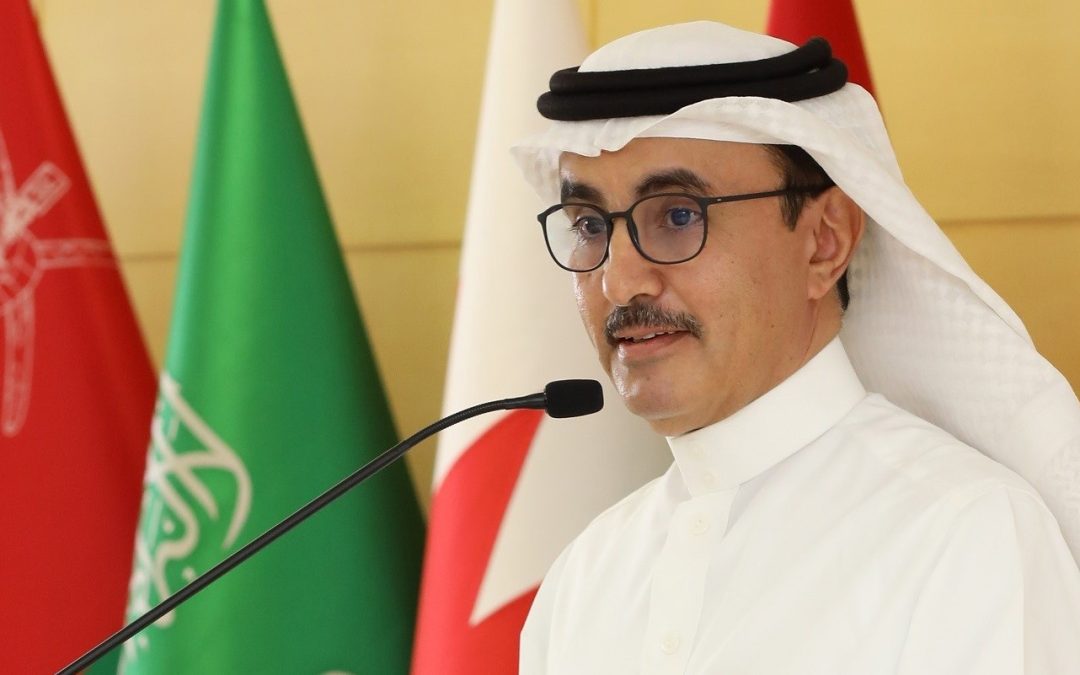
His Excellency Dr. Saad bin Saud Al-Fahaid, President of Arabian Gulf University, emphasized that raising awareness about first aid and promoting a culture of volunteerism represent an important aspect of humanitarian and social responsibility, given their role in saving lives and reducing the risks of accidents and emergencies. He explained that the Red Crescent’s mission is based on the principles of humanity, volunteerism, and impartiality, and consists of providing assistance to those in need and responding to emergencies and disasters in a manner that preserves human dignity and alleviates suffering.
His Excellency noted the importance of empowering young people to acquire the basic knowledge and skills needed to handle emergency situations, and of strengthening their ability to take the initiative, act appropriately, and seek specialized assistance when needed. He emphasized that involving students in interactive experiences and practical applications helps transform humanitarian awareness into responsible behavior, and instilling the values of solidarity, teamwork, and community service.
The interactive stations are expected to provide students with a learning experience that combines knowledge and application, helping them understand the principles of proper incident response and distinguish between appropriate first-aid measures and situations requiring professional intervention, thereby enhancing their readiness to handle emergency situations in an informed and responsible manner.
The event includes the production and dissemination of informational content via social media platforms to highlight the importance of safe first response and to convey awareness messages that reflect the values of solidarity and volunteerism, thereby expanding the reach of these messages to young people.
This initiative which is co-organized by the College of Medicine and Health Sciences, the Deanship of Student Affairs, and the University’s General Services Unit, highlights the importance of integrating academic, institutional, and volunteer efforts in serving the community and preparing a generation that is more aware and better prepared to deal with emergencies, based on the premise that knowledge of first aid and responsibility toward others transcend the boundaries of theoretical learning to become practical application that embodies the values of humanitarian giving.
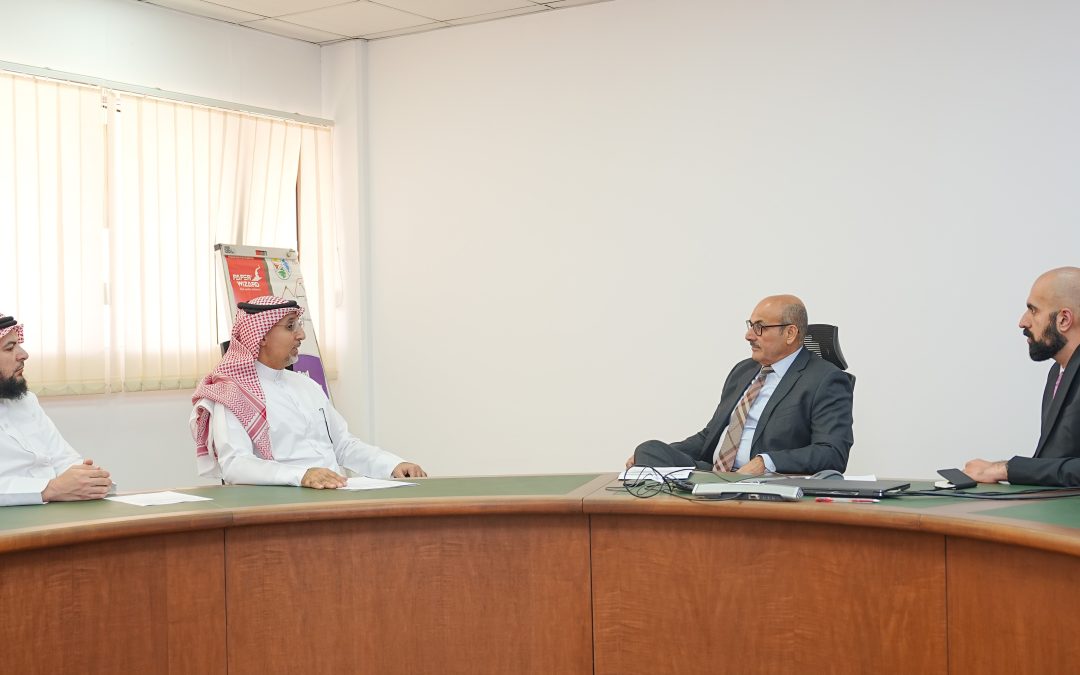
Arabian Gulf University held a consultative meeting with the National Center for Cybersecurity to discuss ways to strengthen cooperation in the fields of scientific research and innovation in cybersecurity, and to identify priorities and research topics of mutual interest, thereby contributing to the development of scientific and technical solutions and keeping pace with the evolving challenges in this field.
Representing Arabian Gulf University at the meeting were Prof. Dr. Walid Zubari, Dean of the College of Education, Administrative and Technical Sciences, and Dr. Yousif Al-Nawakhtha, Head of the Department of Computing. Representing the National Center for Cybersecurity were Dr. Yousif Muthanna, Director of the Cybersecurity Governance Department, and Osama Arfai, Head of the Cybersecurity Risk Management Department.
The meeting discussed the National Cybersecurity Strategy 2025–2028 and its emphasis on scientific research and innovation as fundamental pillars for developing the cybersecurity ecosystem. Participants also addressed the impact of emerging technologies—particularly artificial intelligence and quantum computing—on the future of cybersecurity, as well as the importance of directing research toward the threats and risks associated with these technologies, while exploring the opportunities they offer for developing security solutions.
The meeting also examined the importance of studying post-quantum cryptographic standards and exploring methods to enhance the protection of information and digital systems in light of rapid developments in this field.
The meeting is part of efforts to strengthen cooperation between Arabian Gulf University and the National Cybersecurity Center, expand areas of expertise exchange, and develop joint research initiatives—all of which support national research priorities and enhance the contribution of scientific research and innovation toward finding solutions to current and future challenges in the field of cybersecurity.
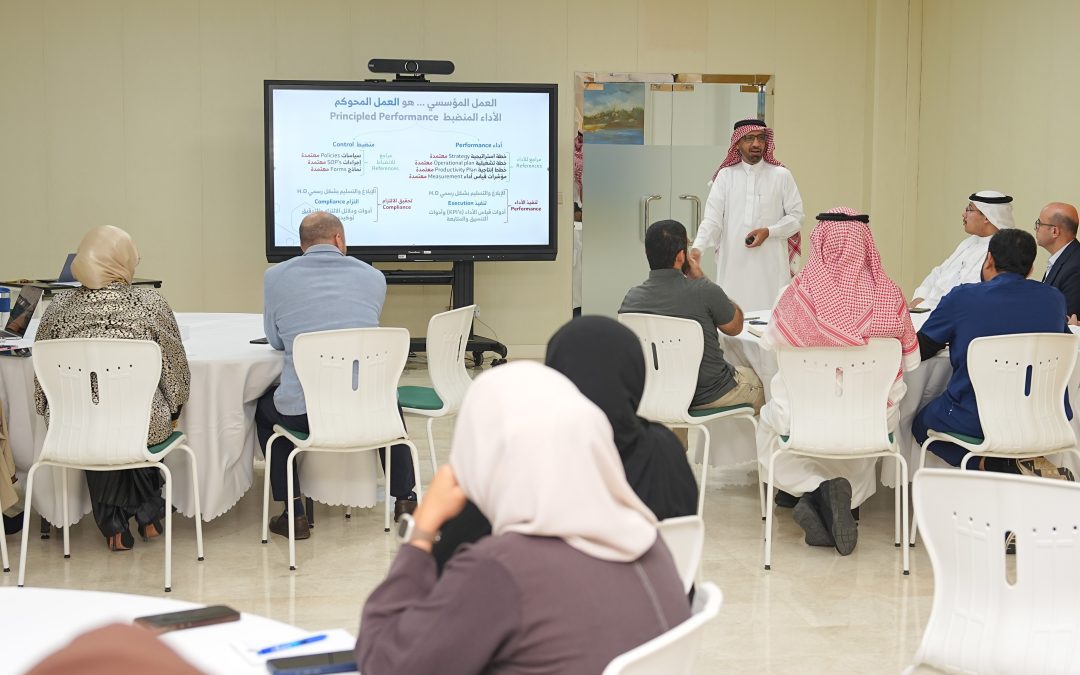
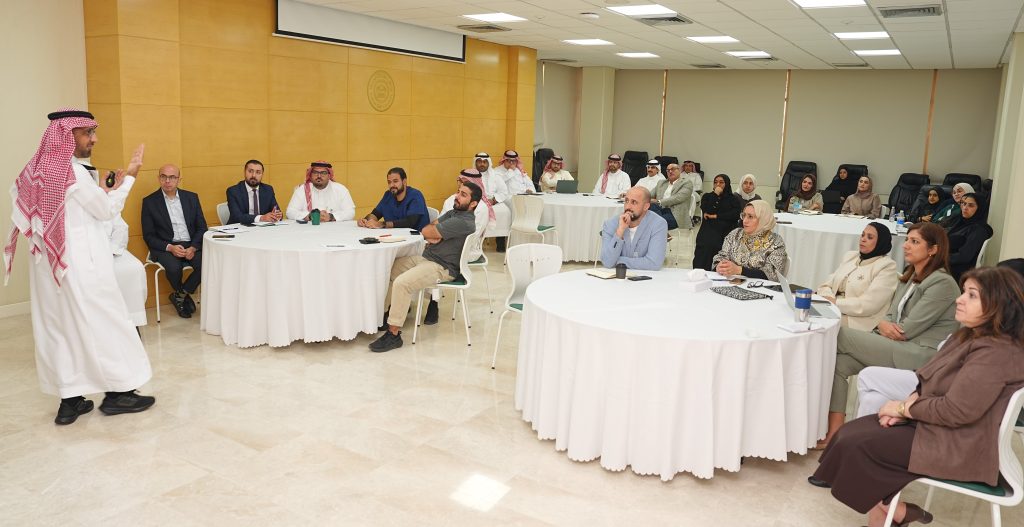
Arabian Gulf University organized a workshop titled “Disciplined Performance,” presented by Abdulbasit Al-Sufyani, Management Consultant at Nakheel Al-Waha Consulting, as part of the university’s efforts to strengthen institutional governance, develop administrative practices, and establish a culture of performance based on compliance and results, thereby supporting institutional efficiency and improving the quality of outputs.
During the workshop, Al-Sufyani reviewed the concept of disciplined performance as an integrated institutional framework based on two main pillars: discipline and compliance, and performance and execution. He emphasized the importance of integrating adherence to approved policies and procedures with the achievement of strategic and operational objectives in accordance with clear standards and measurable performance indicators.
The workshop addressed the aspect of discipline and compliance through adherence to approved policies, work procedures, and templates; the implementation of audit and compliance verification tools; as well as the documentation of work and the completion of formal handover procedures in accordance with approved regulatory frameworks, thereby enhancing administrative discipline and reinforcing the principles of accountability and transparency.
The workshop also addressed the theme of performance and implementation, highlighting the importance of translating strategies into operational plans that are actionable and measurable, and relying on productivity plans, key performance indicators (KPIs), and monitoring and coordination tools, thereby contributing to measuring achievements, tracking the attainment of targets, and identifying opportunities for continuous improvement.
During the workshop, it was emphasized that effective institutional performance is not achieved merely by complying with procedures, nor by focusing on results in isolation from regulatory controls, but rather by striking a balance between the soundness of procedures and the efficiency of implementation, and by linking responsibilities to clear performance indicators—thereby enhancing productivity, improving the quality of outputs, and supports the sustainability of institutional excellence.
The workshop is part of the university’s commitment to developing its administrative system and enhancing the efficiency of its institutional operations by adopting modern practices in planning, organization, and performance measurement, in line with institutional development requirements and to support the achievement of its strategic objectives.
It is worth noting that, at the beginning of the current academic year, Arabian Gulf University signed a consulting services agreement with Nakheel Al-Waha Consulting Firm, with the aim of developing and drafting a comprehensive organizational manual for human resources management and enhancing its operational efficiency in line with the university’s new strategic plan.
The agreement includes assessing the current state of human resources management, developing policies, procedures, and organizational structures, updating the performance measurement system, and leveraging institutional best practices—all of which will contribute to improving administrative performance, strengthening governance, and achieving organizational excellence.
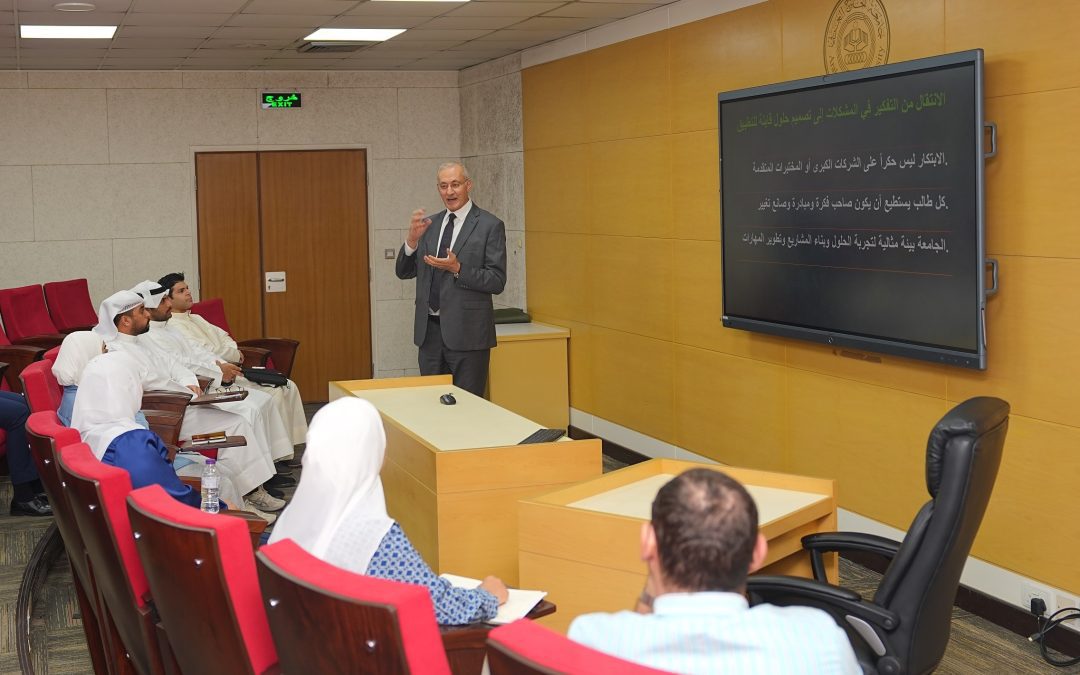
The Department of Business Administration and the Innovation Management Program at Arabian Gulf University organized an interactive lecture on social innovation and entrepreneurship as part of the activities of the Shaikh Isa bin Salman Al Khalifa Chair in Technology Management.
The lecture was presented by Prof. Dr. Ouda Al-Jaiyousi, Professor of Innovation Policy at the College of Education, Administrative and Technical Sciences, to a diverse audience of academics, students, and alumni. The event was held as part of the university’s strategic initiatives aimed at fostering a culture of innovation, strengthening its institutional environment, and developing initiatives with a social impact.
During the lecture, Dr. Al-Jaiyousi reviewed methodologies for social innovation and social entrepreneurship, highlighting the conditions for their success, the resources needed to implement them in universities, and their role in developing innovative solutions to societal challenges. He also addressed the importance of strengthening the role of academic institutions in generating knowledge and applying it to develop initiatives and practices that achieve a sustainable developmental impact.
He emphasized the importance of embedding the concepts of social innovation and social entrepreneurship in academic institutions, noting that “social innovation goes beyond generating new ideas to developing practical and sustainable solutions to societal challenges, while universities represent a pivotal environment for incubating these solutions through knowledge, scientific research, and effective partnerships.” He added that fostering a stimulating university environment, providing the necessary resources, and promoting a culture of initiative are essential elements for enabling students and researchers to transform their ideas into projects with tangible impact.
The lecture included a presentation on winning innovative initiatives from the university’s hackathon, delivered by Dr. Mai Sater, General Supervisor of Academic Chairs at Arabian Gulf University, and Professor Hussein Al-Hafnawi from the College of Medicine, who serves as coordinator at the Clinical Research Center. They highlighted the most notable innovative ideas and concepts behind these initiatives and the potential they demonstrate for leveraging creativity and collaborative work to develop practical solutions to health and societal challenges.
For her part, Dr. May Sater emphasized the importance of university hackathons in fostering creative thinking and promoting teamwork, noting that they “give participating students and teams the opportunity to move from the idea-generation stage to designing initiatives that address real-world needs, while also enhancing their skills in collaboration, solution-oriented thinking, and solution development.”
She added that the presentation of the winning initiatives provides opportunities to exchange experiences and highlight the potential of innovation in developing solutions, particularly in the health and community sectors.
In a related context, Professor Fairouz Al-Dhamour, Head of the Innovation Management Program and Professor of Management Information Systems, emphasized that the Ph.D. program in Innovation Management embodies Arabian Gulf University’s commitment to building leadership capacity and fostering innovation across various sectors. She explained that “investing in the development of leaders capable of managing innovation is a crucial pillar for institutional development and performance improvement, as well as for linking academic knowledge to practical application and the needs of society.”
She noted that the program, established in 2016, contributes to preparing and training leaders and specialized professionals in the education, health, and business administration sectors, thereby enhancing institutions’ ability to leverage innovation in improving their performance and adapting to change, and supporting their contribution to achieving the Sustainable Development Goals.
For her part, Dr. Afaf Bugawi, supervisor of the Shaikh Isa bin Salman Al Khalifa Chair in Technology Management, explained that the Chair’s activities are part of the university’s strategic vision to strengthen the role of scientific research and innovation in supporting digital transformation and technological advancement, noting that the Chair serves as an academic platform dedicated to exploring innovative solutions, developing human capital, and strengthening national and international partnerships, thereby contributing to a tangible impact in the field of technology management. She also emphasized the importance of the scientific activities organized by the Chair in enriching dialogue and the exchange of expertise, as well as in fostering a culture of innovation and entrepreneurship among students, graduates, and practitioners in the public and private sectors.
This lecture underscores the importance of integrating academic education with practical application, and the need to provide a university environment that fosters creative thinking and social entrepreneurship, thereby enabling students and graduates to transform their ideas into innovative initiatives that address the needs of society and contribute to finding sustainable solutions to development challenges.
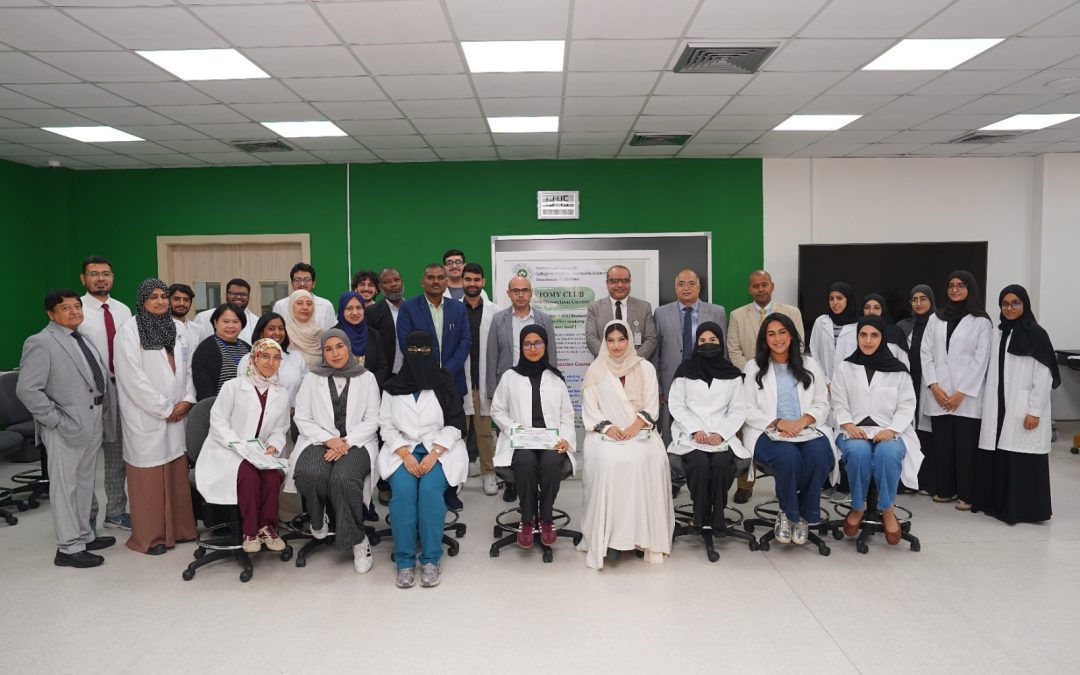
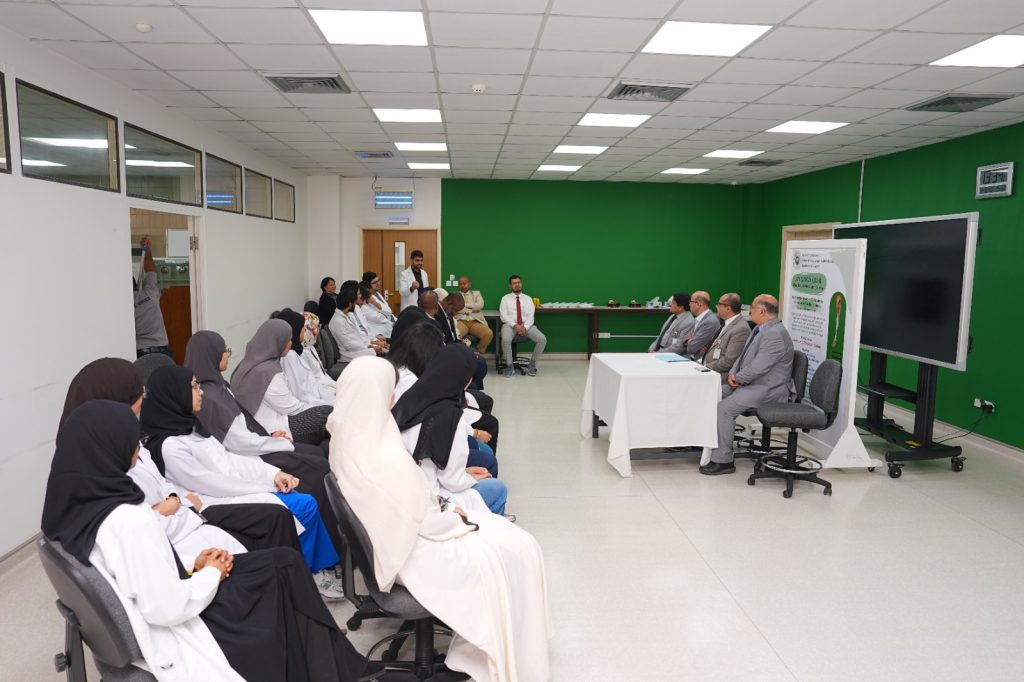
The Department of Anatomy at the College of Medicine and Health Sciences at Arabian Gulf University concluded the fourth training course organized by the “Anatomy Club” under the title “Lower Limb Anatomy Course,” as part of the university’s efforts to enhance the quality of medical education, provide hands-on training opportunities that contribute to the development of students’ practical skills, and keep pace with the requirements of modern medical education.
The course consisted of four weeks of intensive hands-on training, with the participation of 20 fourth-year students from the College of Medicine and Health Sciences who are interested in surgical and anatomical specialties. The program focused on equipping participants with advanced anatomical skills through hands-on training in anatomical tools and techniques, thereby enhancing their ability to apply theoretical knowledge to clinical and surgical settings and solidifying their precise understanding of the anatomical structures of the lower extremities.
The head of the Department of Anatomy, Professor Wael Amin Nasr al-Din, emphasized that the college’s ongoing support for the department contributed to the organization and success of this annual course, praising the students’ commitment, dedication, and eagerness to benefit from the various stages of training. He noted that the practical skills acquired by the participants represent a fundamental pillar in preparing them for clinical rotations and enhancing their readiness to practice medicine in the future.
He also commended the efforts of Dr. Naji Mahmoud Ahmed Bakhit, Dr. Mohamed Ali Younis Khan, and the faculty members of the Department of Anatomy for their role in preparing the course, implementing its programs, and supervising its training activities, emphasizing the importance of integrated academic efforts in providing a stimulating educational environment that supports excellence and innovation in medical education.
The course concluded with a ceremony to honor the participating students and distribute certificates of program completion, attended by Prof. Dr. Yassin taim, Associate Dean for Academic Affairs, who praised the students’ outstanding performance as well as the quality of the organization and training content, highlighting the importance of such initiatives in strengthening the practical aspect of medical education and developing students’ skills to prepare them for the demands of clinical practice and surgical specialties.
This course is part of the Department of Anatomy at Arabian Gulf University’s efforts to develop high-quality training initiatives, promote practice-based learning, and provide educational opportunities that contribute to building a solid scientific and practical foundation for medical students, thereby supporting their academic and professional careers and enhancing the outcomes of medical education.