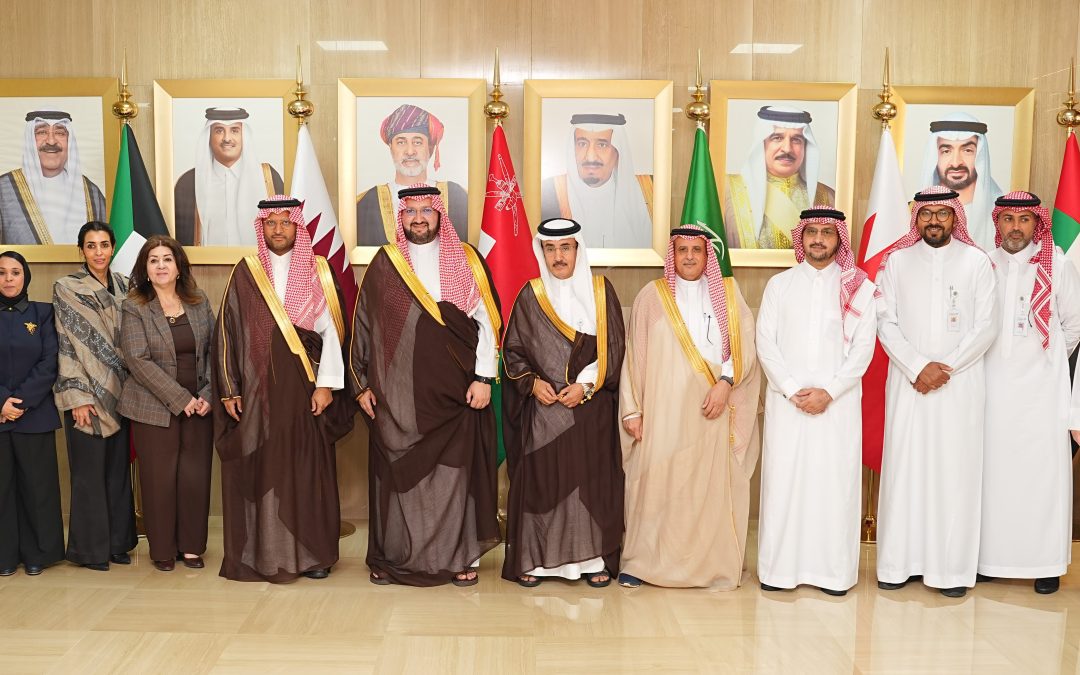
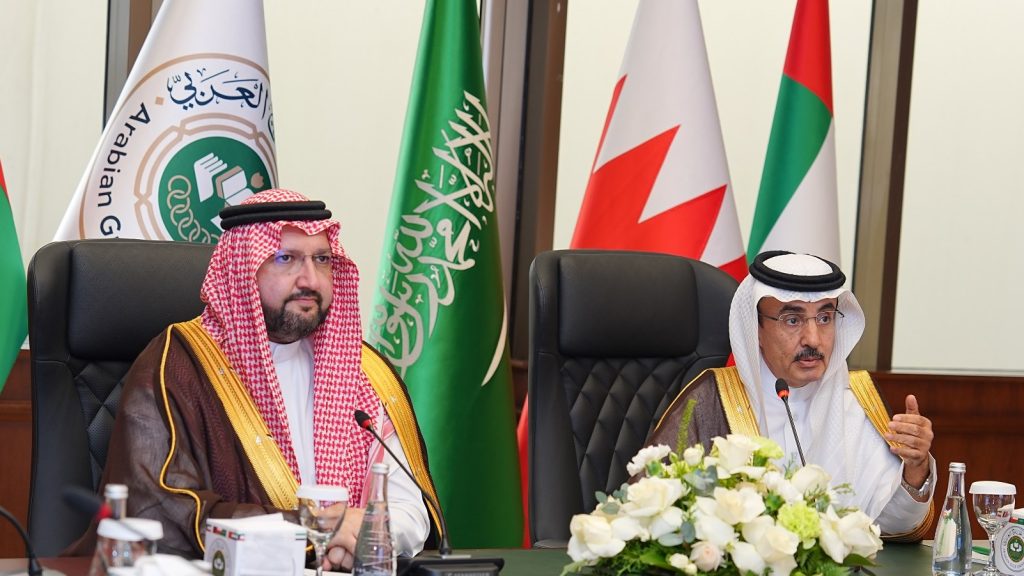
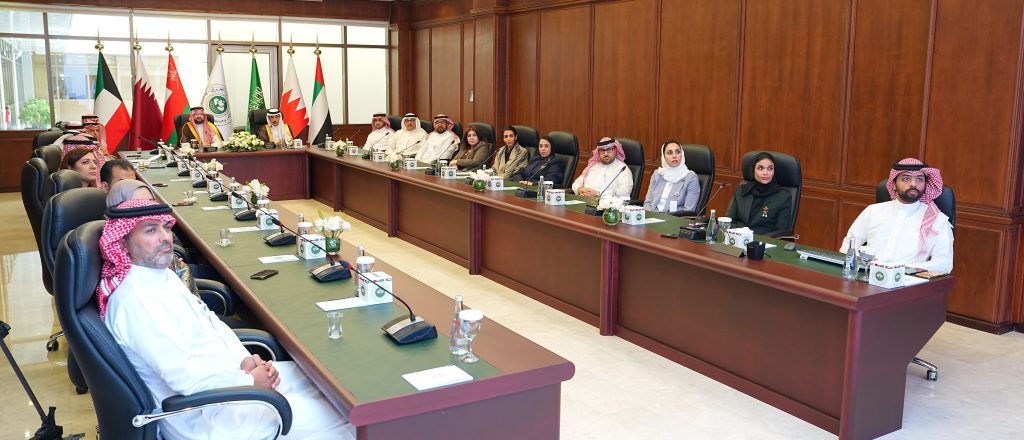
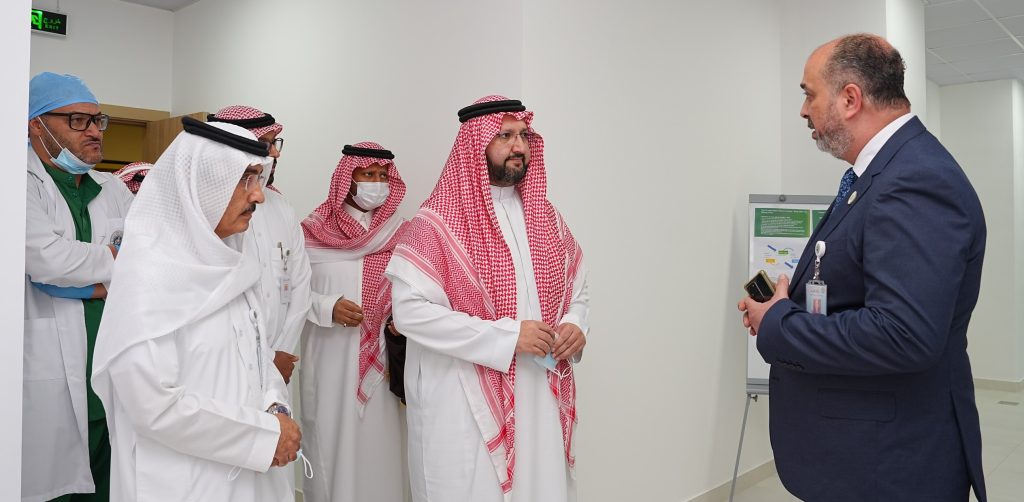
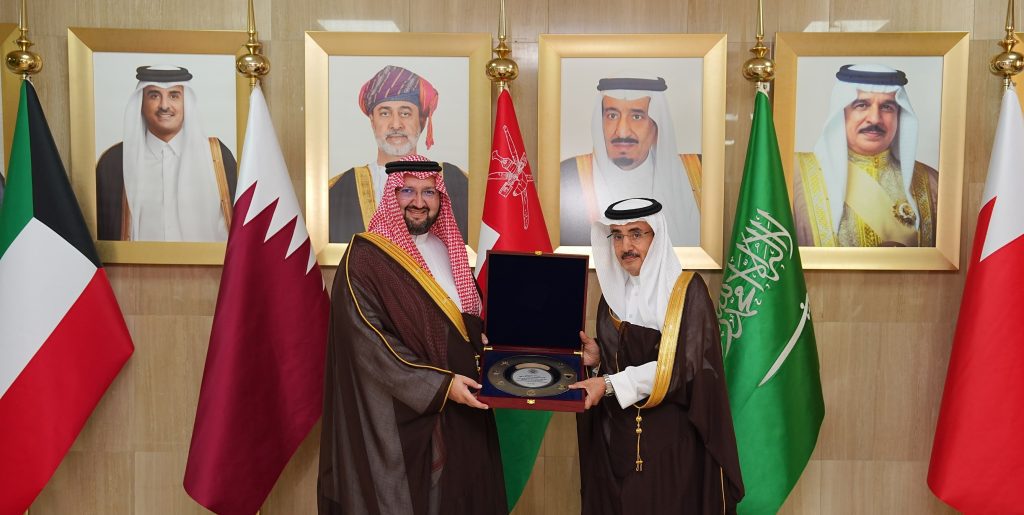
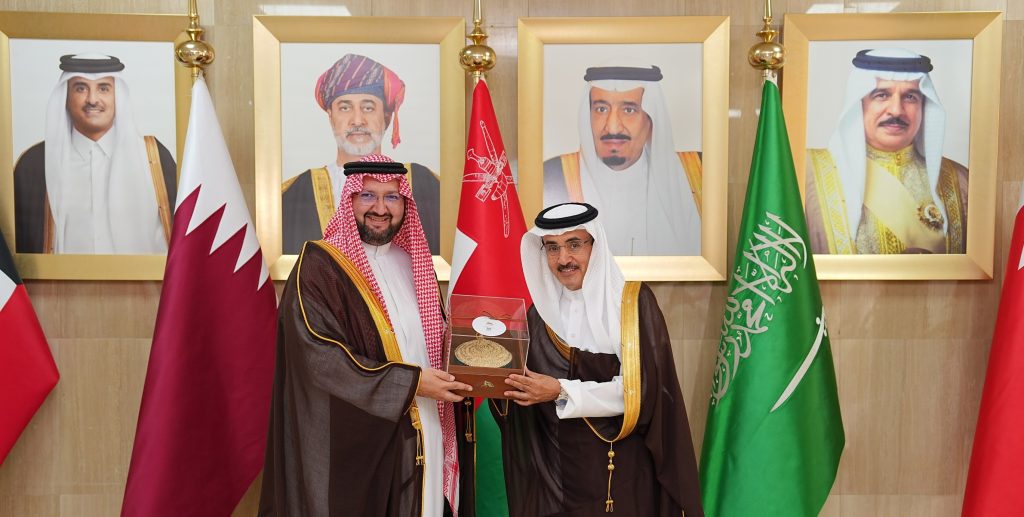
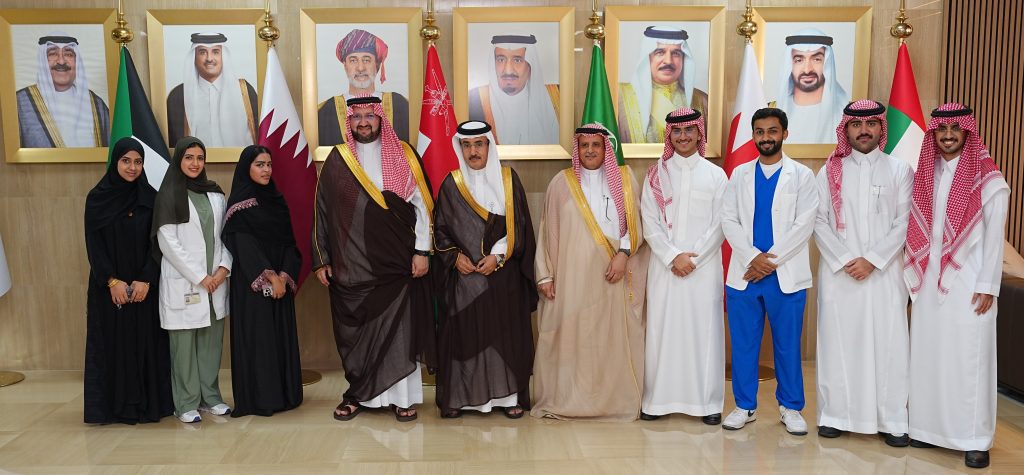
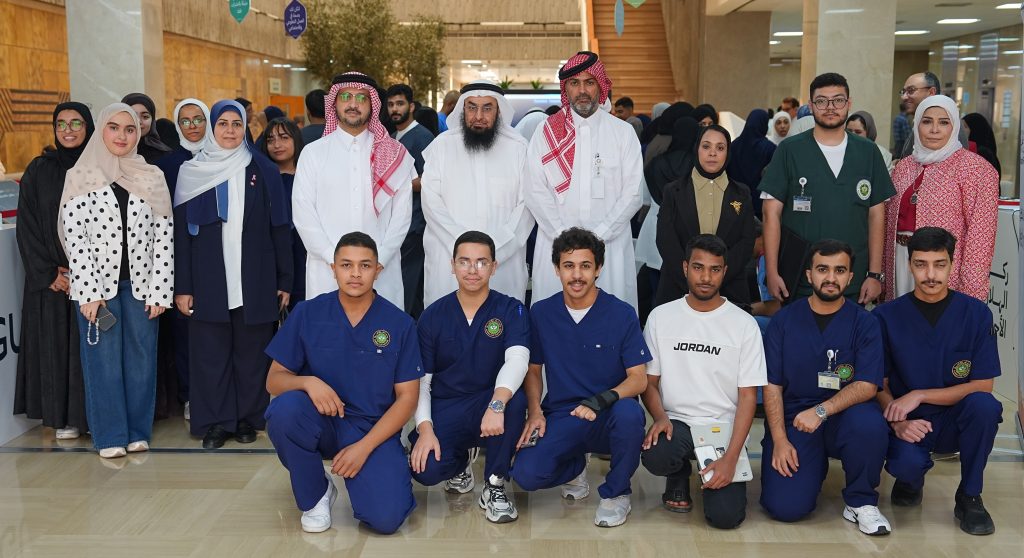
His Royal Highness Prince Abdulaziz bin Talal bin Abdulaziz Al Saud, Chairman of the Board of Directors of the Arab Gulf Program for Development (AGFUND), visited Arabian Gulf University in the Kingdom of Bahrain, where he was received by His Excellency the University President, Dr. Saad bin Saud Al-Fahaid, along with a number of university leaders and members of the academic and administrative staff.
During the visit, His Royal Highness met with a select group of university students from various Gulf Cooperation Council (GCC) countries, learned about their academic experiences and future aspirations, and discussed with them the role of education, knowledge, and scientific research in serving their communities, as well as the importance of applying the skills and expertise they acquire to contribute to the development of their countries.
His Royal Highness emphasized during the meeting the importance of the role played by Gulf youth in building the region’s future, noting that investing in their academic and professional capabilities and equipping them with the tools of knowledge and innovation is one of the most important pillars of sustainable development.
In a statement on this occasion, His Royal Highness Prince Abdulaziz bin Talal expressed his pride in the academic, scientific, and developmental achievements of Arabian Gulf University, emphasizing that they represent one of the most notable outcomes of the forward-looking vision of Their Majesties and Highnesses, the founding leaders of the Gulf Cooperation Council countries, who recognized from the very beginning that the development of Gulf citizens and their scientific and intellectual training form the solid foundation for building nations, strengthening their integration, and ensuring the sustainability of their progress.
His Royal Highness said: “Their Majesties and Highnesses, the founding leaders of the Gulf Cooperation Council, believed that investing in people is the investment with the deepest impact and the most long-lasting returns, and that building the future of the GCC states begins in classrooms and centers of research and knowledge. The establishment of the Arabian Gulf University was a practical embodiment of this vision and a joint Gulf initiative that translates shared aspirations into opportunities for education, training, and capacity building.”
His Royal Highness added: “Today, decades after the university’s founding, we are witnessing the results of that vision in the thousands of male and female graduates—including doctors, educators, and specialists in science, technology, management, and other fields—who are now contributing their skills and expertise to the development of health, educational, research, and development institutions across the GCC countries. These talented individuals represent a strategic asset for our societies and serve as a testament to the fact that long-term investment in education yields developmental impacts that extend beyond individuals and institutions to successive generations.”
His Royal Highness noted that the university’s developmental value is also reflected in the fact that it serves as an institutional model for Gulf integration, bringing together the sons and daughters of the GCC countries in a shared academic environment, strengthening the intellectual, professional, and human bonds among them, and helping to shape generations that take responsibility for developing their societies in a spirit of cooperation and joint action.
He added: “The rapid transformations the world is witnessing—particularly in the fields of artificial intelligence, advanced technologies, medical sciences, and scientific research—open up broader horizons for the Arabian Gulf University to strengthen its pioneering role, develop its academic and research programs, prepare Gulf competencies capable of leading innovation and competing globally, and contribute to the realization of the ambitious development visions of the GCC countries.”
His Royal Highness affirmed that the experience of Arabian Gulf University provides an important model for regional development cooperation, stressing the importance of strengthening partnerships between academic institutions, development organizations, and the public and private sectors, thereby expanding opportunities for quality education and scientific research and maximizing the economic and social impact of investment in knowledge and human capital.
For his part, His Excellency Dr. Saad bin Saud Al-Fahaid, President of Arabian Gulf University, welcomed the visit of His Royal Highness Prince Abdulaziz bin Talal Al Saud, expressing his thanks and appreciation to His Royal Highness and emphasizing that the visit reflects his interest in education, growth, and human development, and represents moral support for the university’s mission and its role in serving the people of the GCC.
His Excellency delivered a presentation in which he reviewed the university’s history, mission, strategic objectives, and academic and research programs, as well as its contributions to preparing specialized professionals and supporting sustainable development, in addition to the advanced educational and training environment it provides, which meets the needs of Gulf societies and the requirements of future development.
Dr. Al-Fahaid highlighted the importance of strengthening communication and cooperation between Arabian Gulf University and the Arab Gulf Programme for Development (AGFUND), and of exploring opportunities for collaboration in the fields of education, research, and development, thereby contributing to human capacity building, the exchange of expertise, and maximizing the developmental impact of joint initiatives.
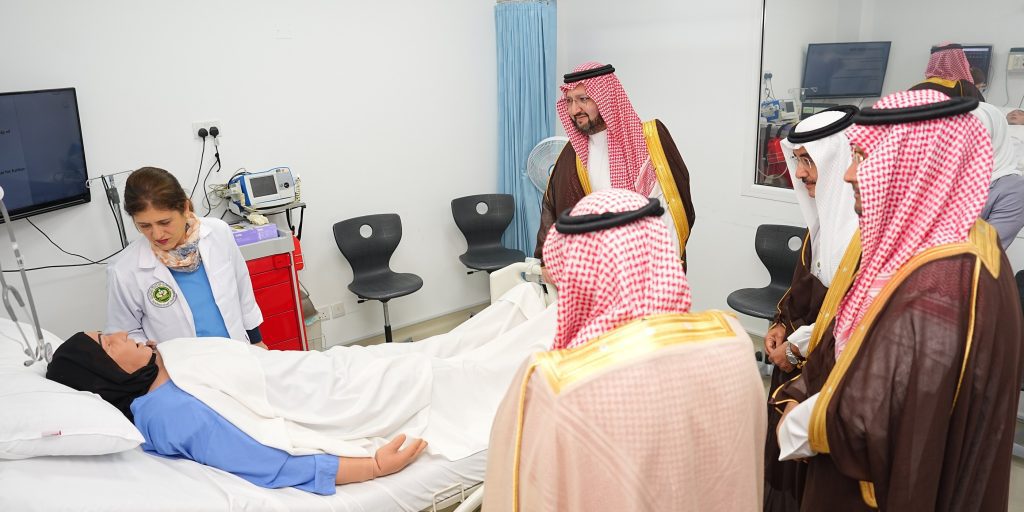
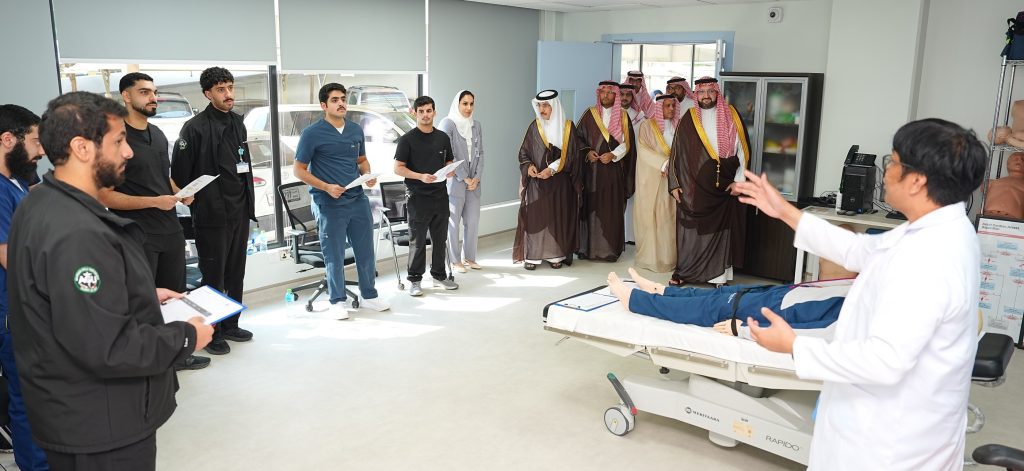
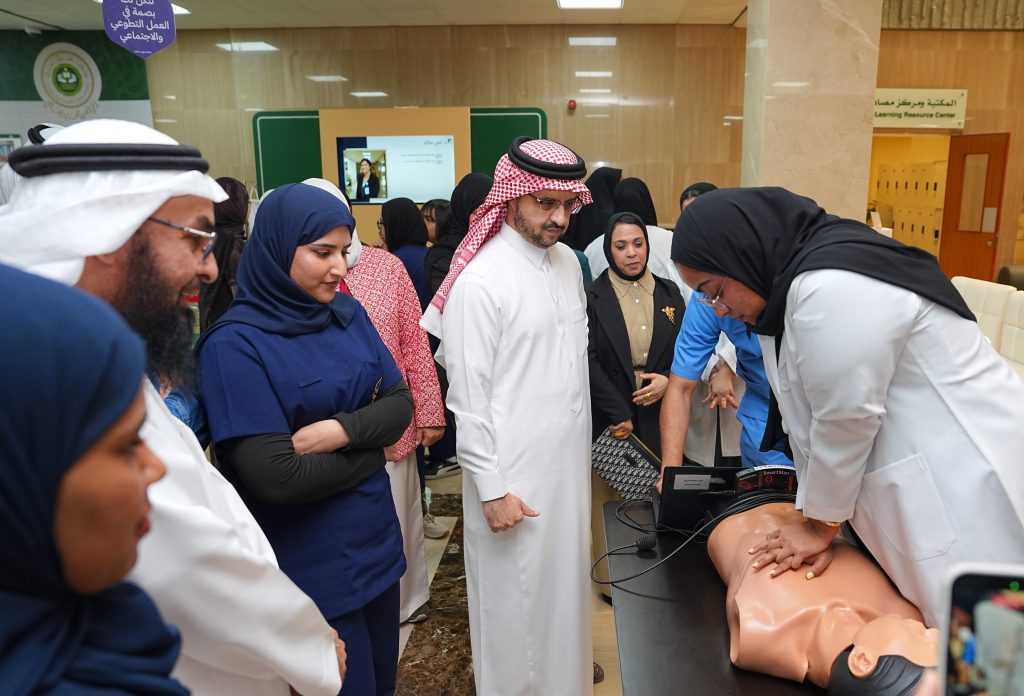
The visit included a tour of several of the university’s academic and research facilities, during which His Royal Highness and the accompanying delegation toured the Medical Skills and Simulation Center, which features teaching rooms and advanced training equipment that simulate real-world clinical scenarios, allowing students and healthcare practitioners to develop their practical and clinical skills in a safe learning environment.
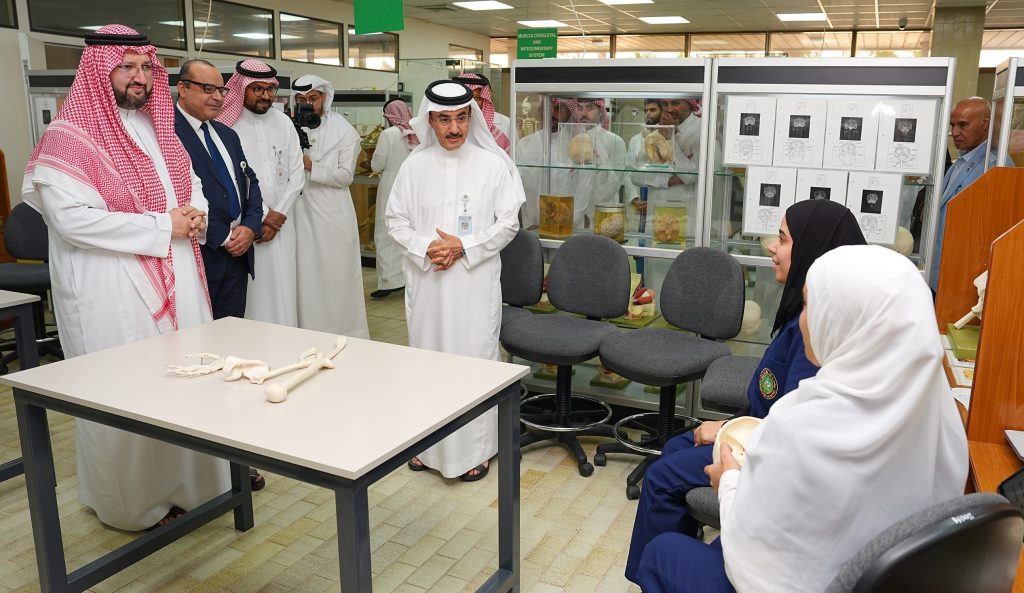
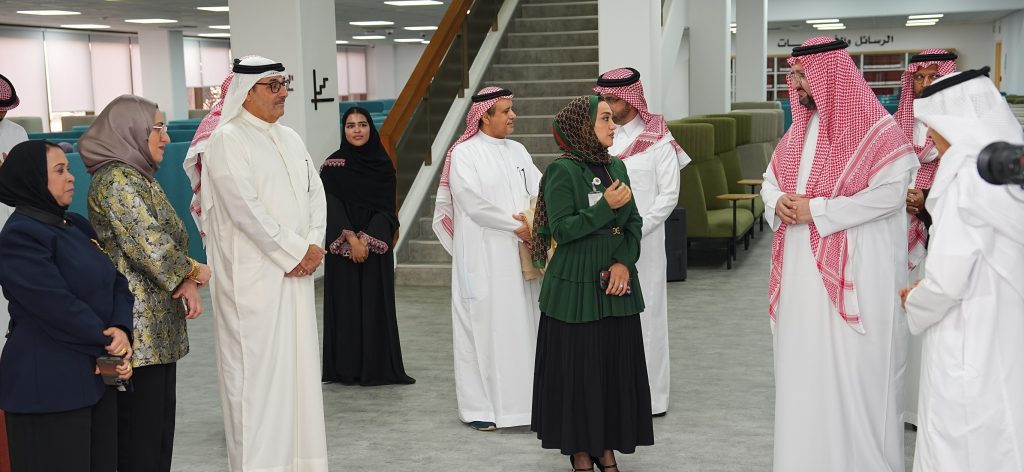
The tour also included the Museum of Educational Resources for Anatomy and Pathology, the Animal Research Center, the Library and Learning Resource Center, where His Royal Highness was briefed on the role these facilities play in supporting the educational and training process and in promoting scientific research and practical applications in medical and scientific specialties.
His Royal Highness also reviewed the programs and initiatives offered by the university in the fields of medical sciences, as well as the educational, technical, and administrative studies, as well as its role in preparing specialized professionals and enhancing the contributions of higher education to economic and social development in the GCC.
The visit concluded with a lunch banquet hosted by the university in honor of His Royal Highness and his accompanying delegation, attended by His Excellency Dr. Mohamed bin Mubarak Juma, the Minister of Education of the Kingdom of Bahrain, and His Excellency Nayef bin Bandar Al-Sudairi, Ambassador of the Kingdom of Saudi Arabia to the Kingdom of Bahrain.
The delegation accompanying His Royal Highness included Hammam bin Nasser bin Juraid, Executive Director of AGFUND; Hadi Al-Faqih, Advisor to His Royal Highness the Chairman of the Board of Directors; Osama bin Saad Al-Mubarak, Director of His Royal Highness’s Office; and Mohamed Sayed Suleiman, Director of the Private Office.
At the conclusion of the visit, His Royal Highness Prince Abdulaziz bin Talal Al Saud expressed his appreciation to His Excellency the University President, the university’s leadership, and its academic and administrative staff, commending the progress achieved in its educational and research environment. He added that he is looking forward that the university continues its role, describing it as a Gulf edifice of learning that embodies the aspirations of GCC leaders for a future based on knowledge, innovation, and investment in human capital.
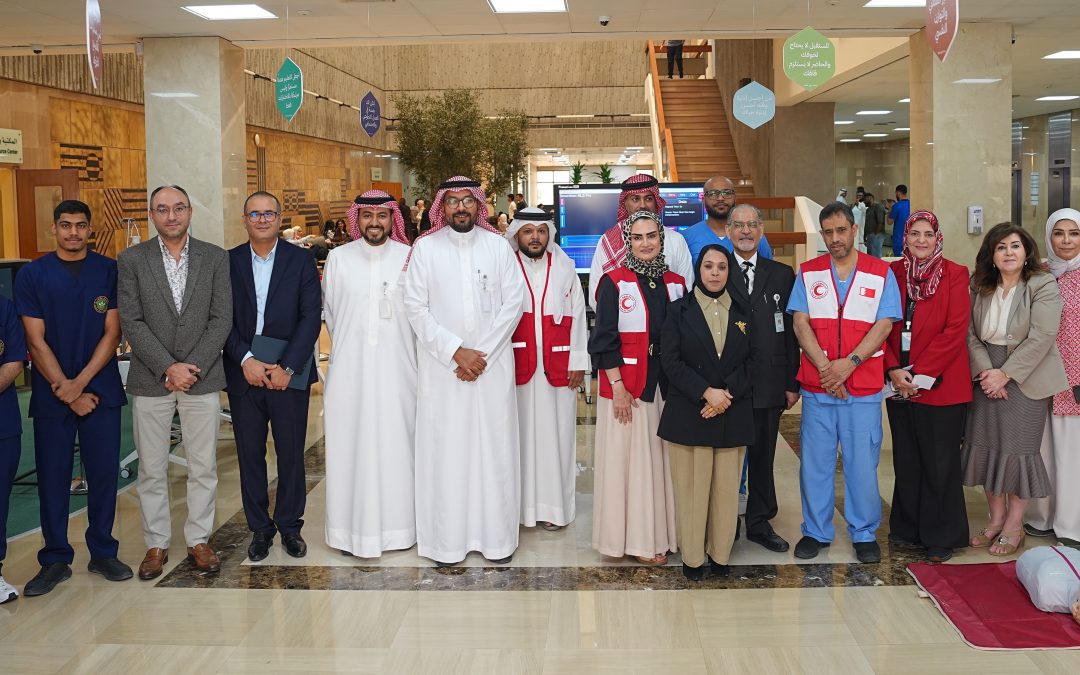
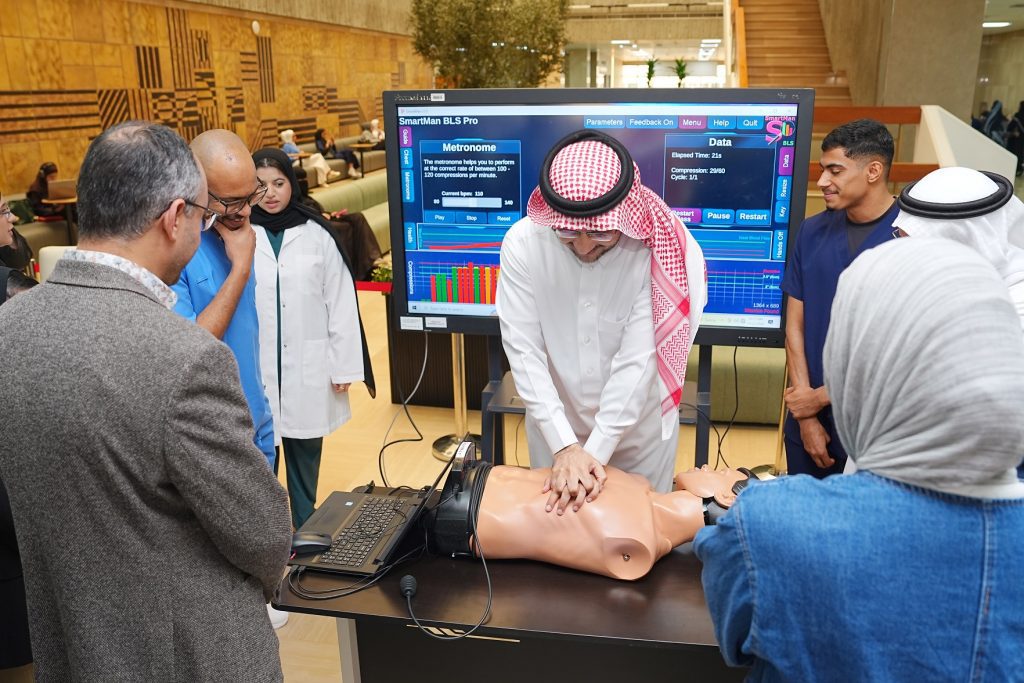
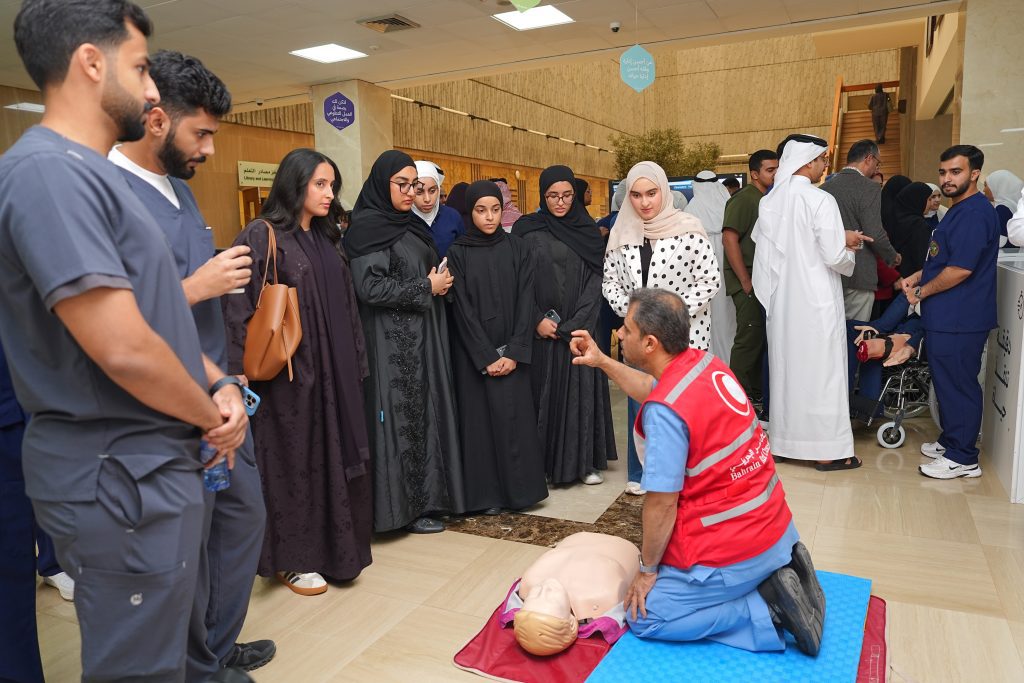
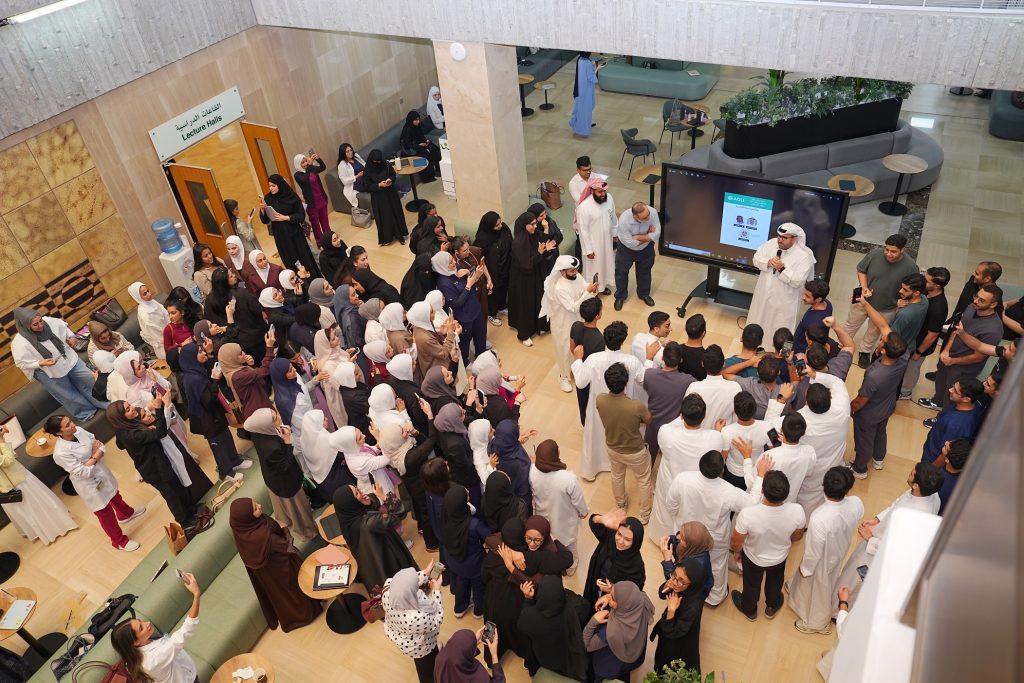
Arab Gulf University, in partnership with the Bahrain Red Crescent Society, organized the “Gulf Red Crescent Day 2026” event on its campus, with the aim of raising awareness about the importance of first aid, fostering a culture of volunteerism and humanitarian giving, and encouraging young people to participate in humanitarian and community initiatives. This initiative is part of an integrated approach combining academic, institutional, and volunteer efforts to raise community awareness, foster a culture of emergency preparedness, and translate the values of humanitarian giving into practical actions that go beyond theoretical learning.
The event, organized by the Institutional Communications Center in collaboration with students from the College of Medicine and Health Sciences and the Simulation and Medical Skills Center, was part of the university’s efforts to strengthen its social responsibility and link academic knowledge to practical application. It featured interactive stations that allowed students to learn about the principles of humanitarian work, acquire first-response skills for emergency situations, and practice appropriate behavior in scenarios where early action can help save lives and mitigate risks.
The Bahrain Red Crescent Society participated in the event, where its representatives introduced the Society’s role, humanitarian mission, and goals in serving the community, while highlighting the principles of volunteerism and the values of solidarity and humanitarian cooperation, in addition to distributing informational brochures that introduced students to the Society’s initiatives and efforts in supporting humanitarian work both within and outside Bahrain, thereby helping to raise their awareness of the importance of volunteering and participating in humanitarian initiatives.
The event featured four main interactive stations, including the “A Minute Saves a Life” station, which introduced students to the principles of cardiopulmonary resuscitation (CPR) and the use of an automated external defibrillator (AED), under the supervision of the Simulation Center; the “Gulf Paramedic Challenge” station, which allowed them to test their knowledge and skills through simulated first-aid scenarios; the “Red Crescent Corner,” organized in collaboration with the Bahrain Red Crescent Society to introduce the principles of humanitarian work and the importance of volunteering; and the “Do You Know What to Do?” corner, which presented interactive scenarios simulating emergency situations and invited students to choose the appropriate course of action and evaluate their responses.
Students from the Doctor of Medicine, Bachelor of Science in Nursing, and Bachelor of Science in Emergency Medical Services programs participated in running the event’s stations, engaging in practical exercises designed to enhance their readiness to handle emergency situations and distinguish between appropriate first-aid procedures and situations requiring professional intervention.
The event also included the creation and dissemination of informational content via social media platforms, with the aim of highlighting the importance of safe initial intervention, delivering awareness messages that reflect the values of solidarity and volunteerism, and expanding their reach to young people.
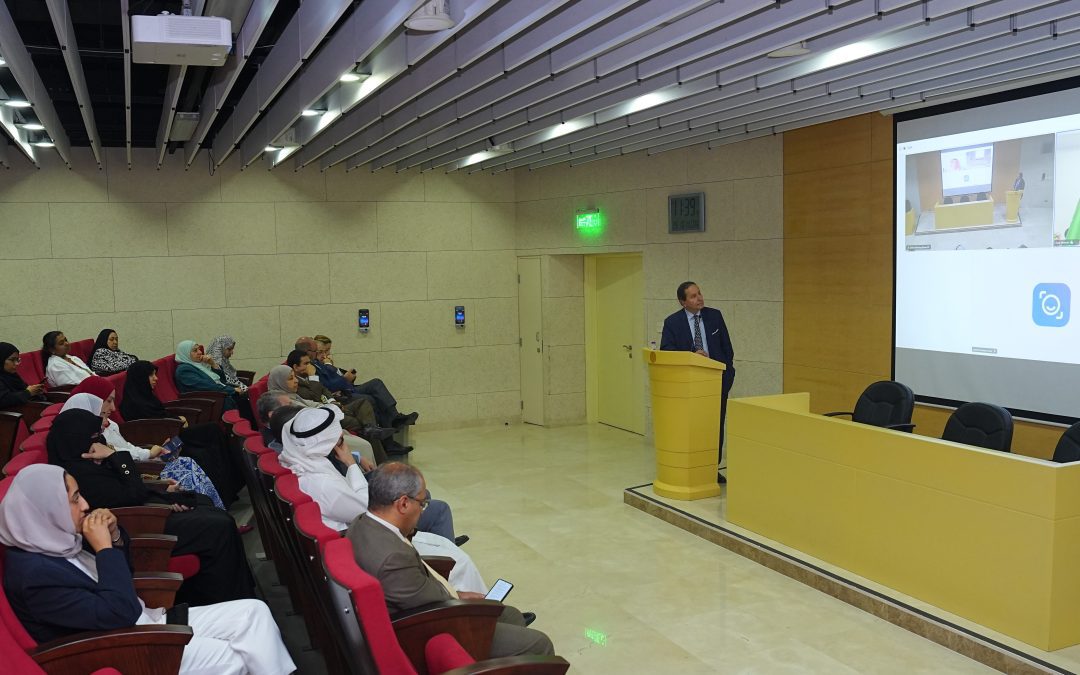
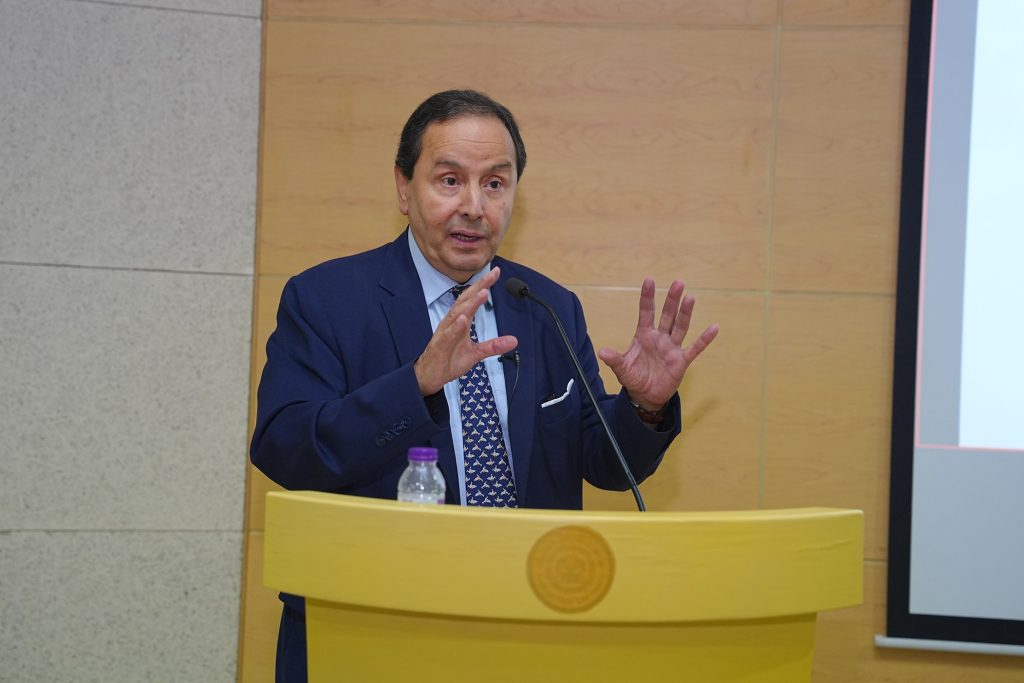
The College of Medicine and Health Sciences at Arabian Gulf University, as part of the activities of the His Highness Shaikh Jaber Al-Ahmad Al-Sabah Academic Chair in Clinical Microbiology and Immunology, organized a specialized scientific symposium titled “Transboundary Infectious Diseases: Prevention and Control.” The symposium addressed the evolving challenges posed by emerging and re-emerging infectious diseases to public health systems, as well as the risks of pandemics and their repercussions in light of environmental changes, migration patterns, increasing rates of international travel, and large gatherings.
The symposium aimed to raise awareness of cross-border health challenges, exchange scientific expertise on ways to prevent and contain infectious diseases, and review modern practices and trends aimed at enhancing preparedness and response to epidemic outbreaks, with a focus on the reality and health needs of the Gulf Cooperation Council (GCC) countries.
The symposium was accredited for four hours of Continuing Medical Education (CME) by the university’s Department of Microbiology, Immunology, and Infectious Diseases. A number of academics, experts, and consultants participated in the scientific program, presenting papers that addressed key issues in the field of infectious disease prevention and control.
Dr. Abdullah Al-Saleh, Head of the Department of Microbiology, Immunology, and Infectious Diseases, stated that the symposium included interactive scientific sessions that highlighted the most significant developments and challenges in this field. It also featured a presentation titled “Mass Gathering Medicine,” presented by Professor Ziad Maimash, Senior Advisor to the General Supervisor of the King Salman Humanitarian Aid and Relief Center and a professor at Al-Faisal University in Riyadh, which addressed the health aspects associated with large human gatherings and the challenges they pose to healthcare systems and public health frameworks.
For his part, Prof. Dr. Mohamed Ridha Barbush presented a working paper titled “Vaccine-Derived Viruses and Their Risks to Polio Eradication,” while Dr. Adel Al-Sayed, Public Health Advisor at the Ministry of Health in the Kingdom of Bahrain, reviewed the key lessons learned from the COVID-19 pandemic to enhance preparedness for future outbreaks in the Kingdom.
Dr. Lamine Sham also discussed ways to reduce the burden of respiratory syncytial virus (RSV) among the elderly and groups most vulnerable to complications, emphasizing the role of targeted vaccination in preventing infection and its complications.
Professor Dr. Mohamed Hani Shehata, Head of the Department of Family and Community Medicine at the university, concluded the scientific sessions of the symposium with a paper addressing “The Challenges of Community Vaccination and the Potential Risks of Increasing Hesitancy Toward Vaccines.”
The sessions featured scientific discussions that allowed participants to exchange views, experiences, and knowledge, and to propose shared perspectives for addressing contemporary health challenges across the Gulf region.
The symposium concluded with a number of recommendations, most notably the importance of adhering to polio vaccination programs—particularly among patients with primary immunodeficiency—to limit the likelihood of the emergence and spread of vaccine-derived viral strains. It also emphasized the importance of strengthening prevention against respiratory syncytial virus (RSV), particularly among children and the elderly, through adherence to recommended vaccination programs.
Participants also emphasized that one of the most important lessons learned from the COVID-19 pandemic is the importance of continuously monitoring global epidemiological developments and strengthening the readiness of health facilities and medical personnel, thereby contributing to the consolidation of community-based prevention and early preparedness to confront any future pandemics. They affirmed that the success of these efforts requires government support and effective international cooperation.
Participants also noted that building public confidence in vaccination programs is largely linked to effective health education and the role of healthcare practitioners in providing evidence-based scientific recommendations, underscoring the importance of training physicians to communicate with patients and explain the role of vaccines in limiting the spread of diseases and preventing their complications.
The symposium was organized as part of the scientific efforts undertaken by the Shaikh Jaber Al-Ahmad Al-Sabah Academic Chair in Clinical Microbiology and Immunology, with the aim of promoting scientific research, education, and innovation in the fields of microbiology and immunology, and expanding the horizons of collaboration among related disciplines, thereby contributing to addressing the challenges posed by infectious diseases in the region.
The Chair works to fulfill its mission by providing high-quality medical education, supporting pioneering research, and fostering scientific collaboration among different institutions and disciplines, as well as attracting outstanding talent, increasing research funding, and developing research capabilities in the coming years, with the aim of establishing a research center that enjoys international prominence and recognition in the fields of clinical microbiology and immunology.
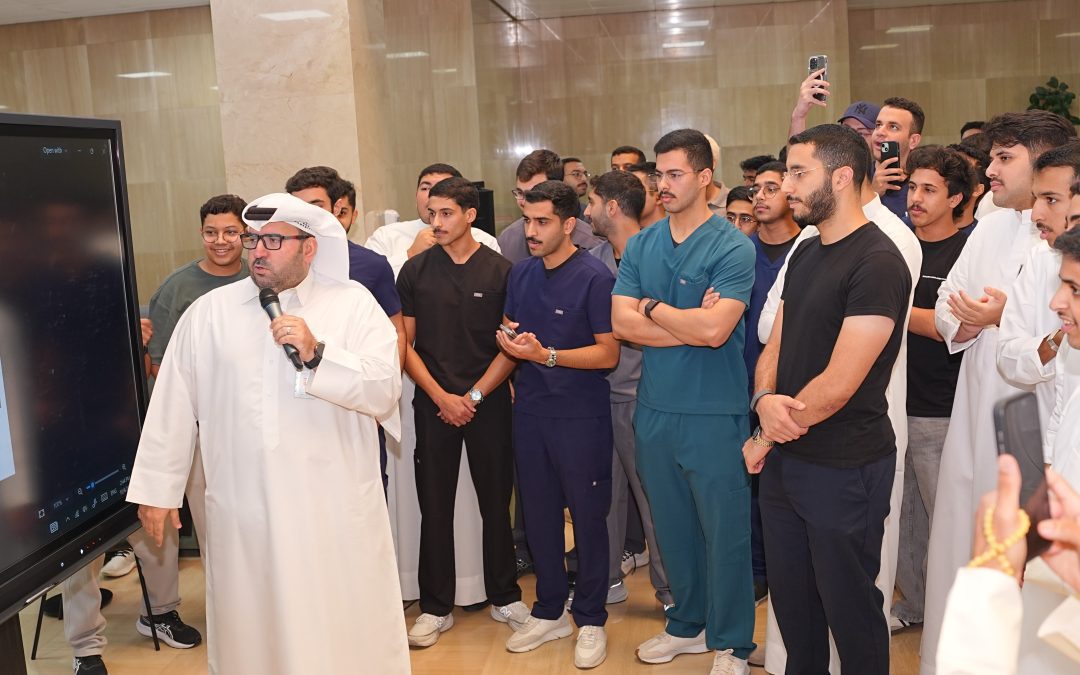
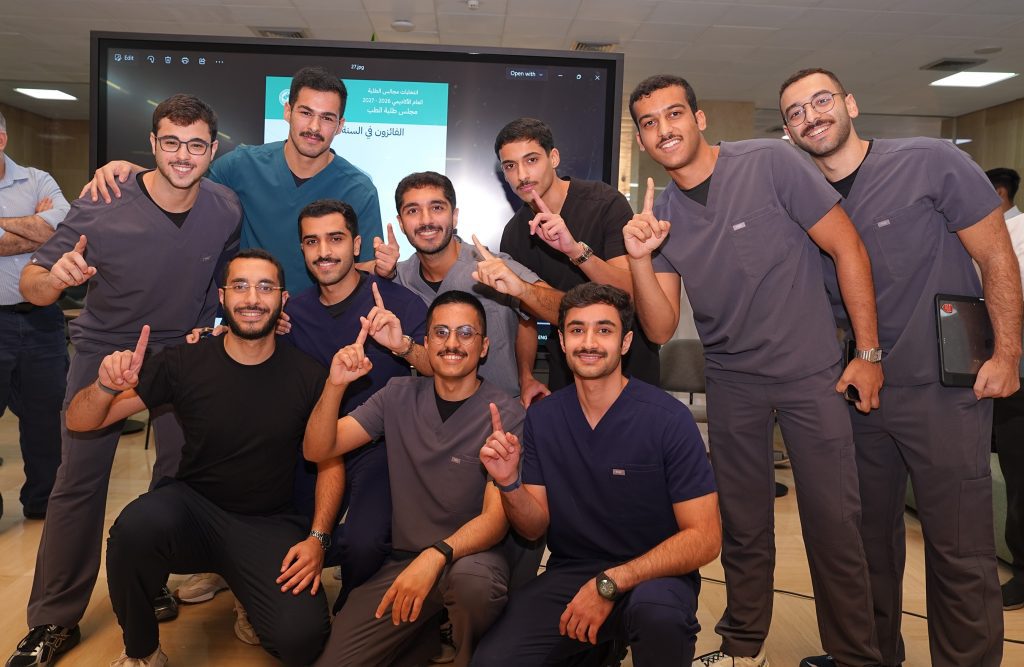
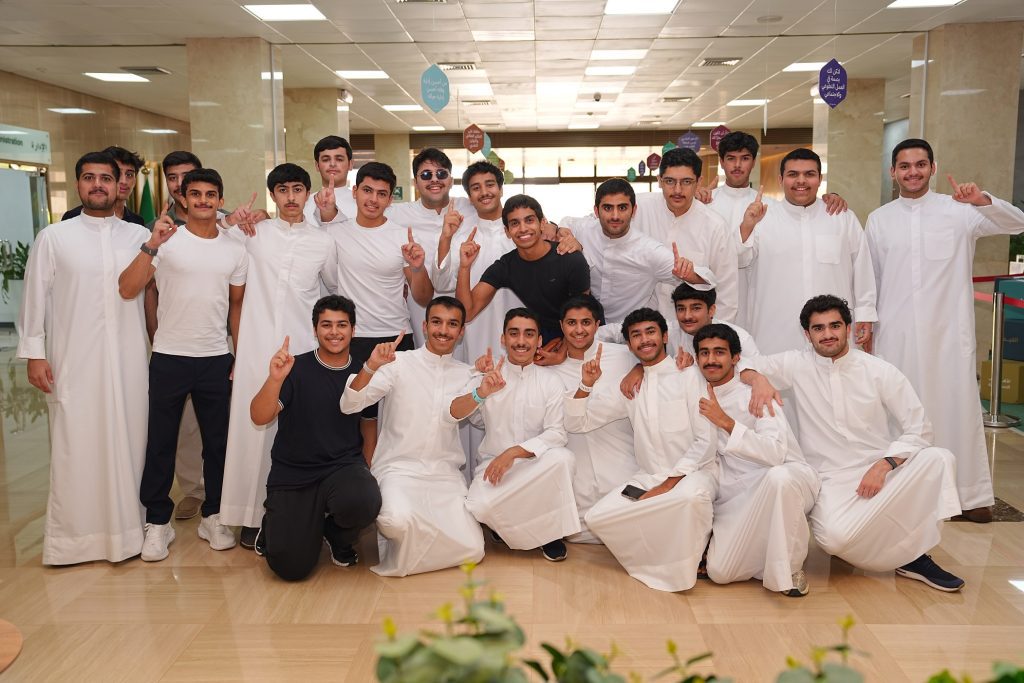
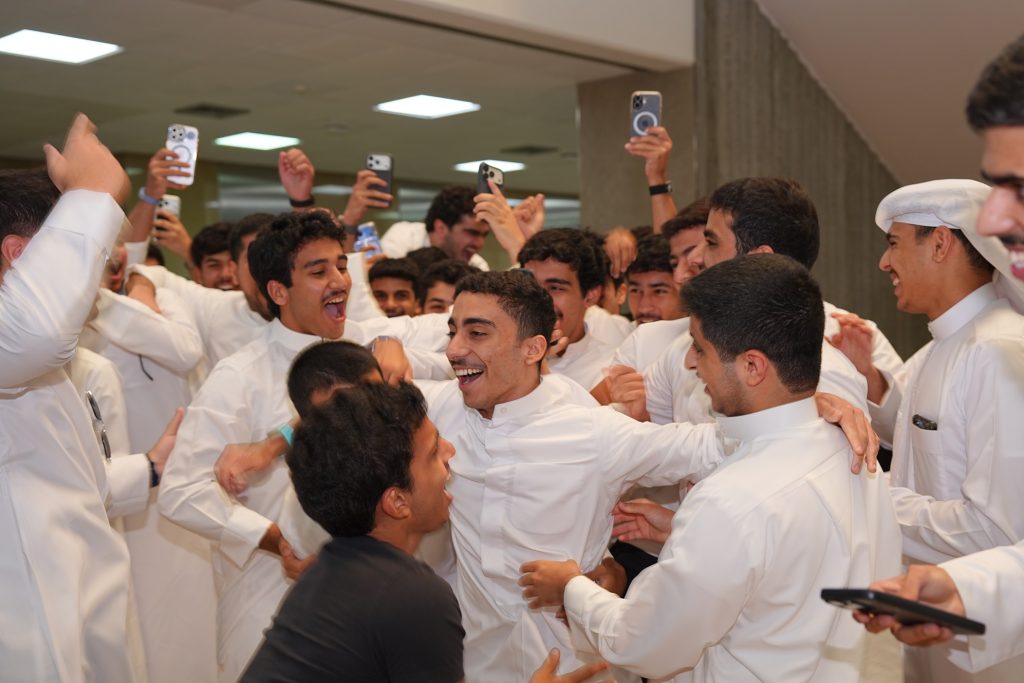
Students at Arabian Gulf University elected their representatives to the student councils for the 2026–2027 academic year through elections supervised by the Deanship of Student Affairs.
The elections were conducted via an electronic voting system that enabled students to cast their votes and select their representatives, while a number of candidates were elected unopposed.
The Student Council for the Doctor of Medicine program included Fahad Abdulnasser Al-Saeed as council president; Ibrahim Walid Al-Bakr as vice president; Bashayer Mohammed Al-Harbi as representative for the clinical years; Ali Abdulkarim Al-Enezi as representative for the preclinical years; Al-Anoud Mubarak Al-Rashidi as secretary; Rahaf Jassim Al-Mutairi as head of the Activities Committee; Wisal Hamad Al-Haramli as deputy head of the Activities Committee; Sulaiman Abdulrahman Al-Muzaini as head of the Services Committee; and Abdullah Mustafa Ridha as head of the Media Committee, along with Hussein Ali Al-Marzouq as a representative of third-year students, and Lara Hashim Al-Sulaimani and Haya Mohamad Al-Dosari as council members.
Meanwhile, students in the Bachelor of Science in Nursing program elected Ali Ibrahim Abbas as council president, Zainab Kadhim Mohamad as vice president, and Hamza Sultan Al-Own as secretary, Ahmad Nasser Al-Awadi as head of the Activities Committee; Ghadeer Sayed Mohamad Sharaf as head of the Media Committee; Laila Shafiq Fakhr as head of the Services Committee; and Ammar Yasser Jafar and Sarah Hussein Ali as representatives of the preparatory year.
Following the announcement of the election results, a meeting was held between the Head of the Activities and Student Councils Unit, Ahmed Al-Sa’i, and the elected student council representatives. During the meeting, the working mechanisms of the student councils were reviewed, and the regulations governing their work were explained, along with a clarification of the roles and responsibilities assigned to their members, thereby contributing to enhancing the efficiency of student work and the organization of university initiatives and activities.
The meeting also included the assignment of positions within the student councils, paving the way for members to begin performing their duties in accordance with the approved regulatory frameworks, representing their peers, conveying their suggestions and needs, and contributing to the development of student activities and programs during the new academic year.
Student councils serve as a channel of communication between students and the university administration, playing a role in representing students and conveying their views and suggestions, as well as contributing to the organization of student activities, events, and initiatives that enrich campus life throughout the academic year.
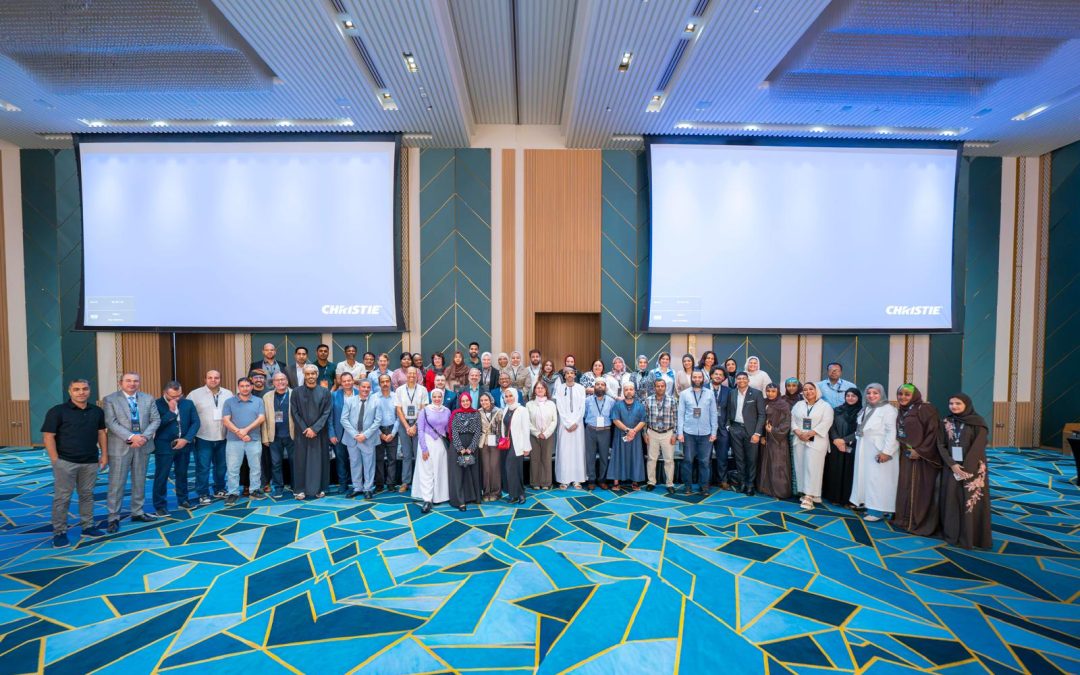
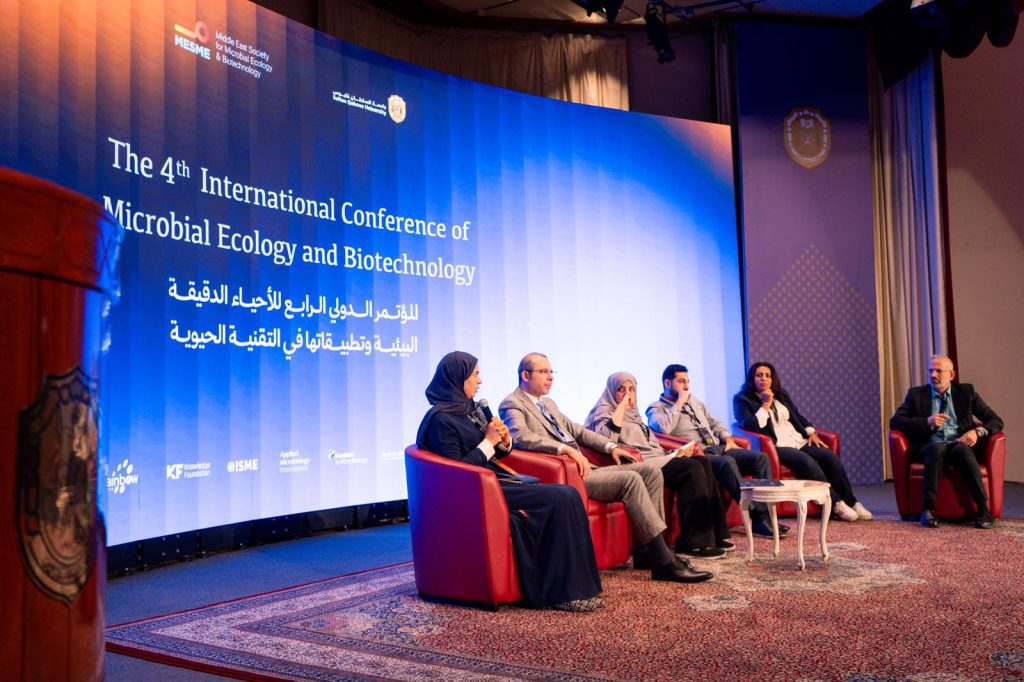
Arabian Gulf University participated in the 4th International Conference on Environmental Microbiology and Biotechnology, organized by the Department of Biology at the College of Science at Sultan Qaboos University, in collaboration with the Middle East Society for Microbial Ecology and Biotechnology (MESME), in the Omani capital of Muscat, with the participation of a select group of researchers, academics, and specialists from around the world.
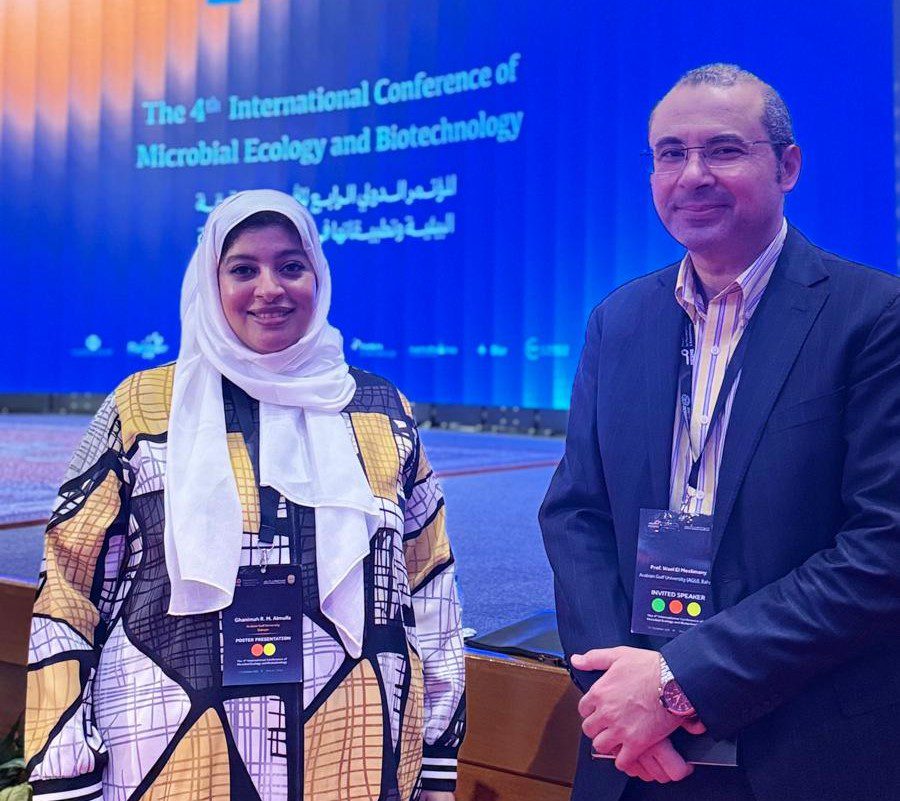
The university was represented at the conference by Prof. Dr. Wael Ahmed Al-Meslamani, Professor of Environmental Microbiology and Biotechnology at the Center for Environmental and Biological Studies, and Ph.D. student Ghaneima Al-Mulla. Their participation reflects the university’s commitment to strengthening its presence in international scientific forums, exchanging research expertise, and developing academic cooperation in fields related to environmental sustainability and innovative biotechnological applications.
The conference aimed to strengthen regional and international scientific cooperation among academic and research institutions concerned with microbiology and its applications in biotechnology, review the latest studies and innovations in the field of environmental microbiology, and apply research findings to develop practical solutions to challenges related to the environment, agriculture, and industry.
During the conference, Professor Wael Al-Meslamani presented the findings of a scientific study titled “Functional Responses and Compositional Changes in a Halophilic Bacterial Community During the Biodegradation of Oily Sludge from Oil Spills.”
The study highlights the role of bacterial communities adapted to high-salinity environments in biodegradation processes, as well as the potential these processes offer for developing innovative environmental solutions to treat oil spills and mitigate their impacts, particularly in harsh environments.
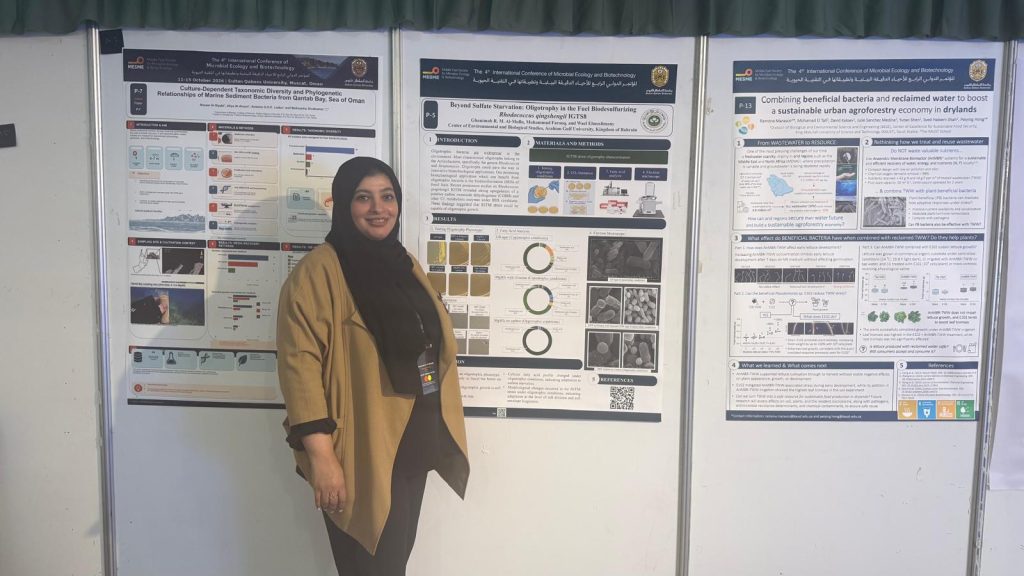
For her part, Ph.D. student Ghaneima Al-Mulla presented a research poster titled “Beyond Sulfate Deficiency: Oligotrophy in Bacteria Capable of Biosulfur Removal from Fuel,” which addressed a research topic related to understanding the physiological characteristics and nutritional requirements of bacteria involved in the biosulfur removal from fuels, thereby supporting the advancement of scientific knowledge in the field of biotechnology and its industrial and environmental applications.
The conference lasted four days, with the participation of 12 speakers from international universities and scientific institutions in the Middle East, North Africa, Asia, and Europe, as well as researchers representing 28 countries.
Its sessions covered a variety of topics in microbial ecology, the microbiome, biotechnology, and sustainability, while also exploring the research potential offered by the unique environments of the Middle East—including desert, marine, and hot spring environments—and encouraging the use of their characteristics to develop innovative scientific applications.
Furthermore, the conference focused on enhancing knowledge transfer and the application of modern technologies, linking basic research to practical applications, as well as supporting young researchers and graduate students by providing opportunities to present research, exchange experiences, network with experts, and build international research collaboration networks.
Arabian Gulf University’s participation in this conference is part of its efforts to strengthen its scientific presence regionally and internationally, expand opportunities for cooperation with academic and research institutions, and contribute to the development of biotechnology-based solutions to address environmental and industrial challenges. Such participation also provides opportunities to exchange knowledge and expertise, support researchers in their scientific careers, and explore new avenues for research collaboration and the development of scientific applications with a sustainable impact.