by ashokaib | Feb 15, 2026 | Uncategorized
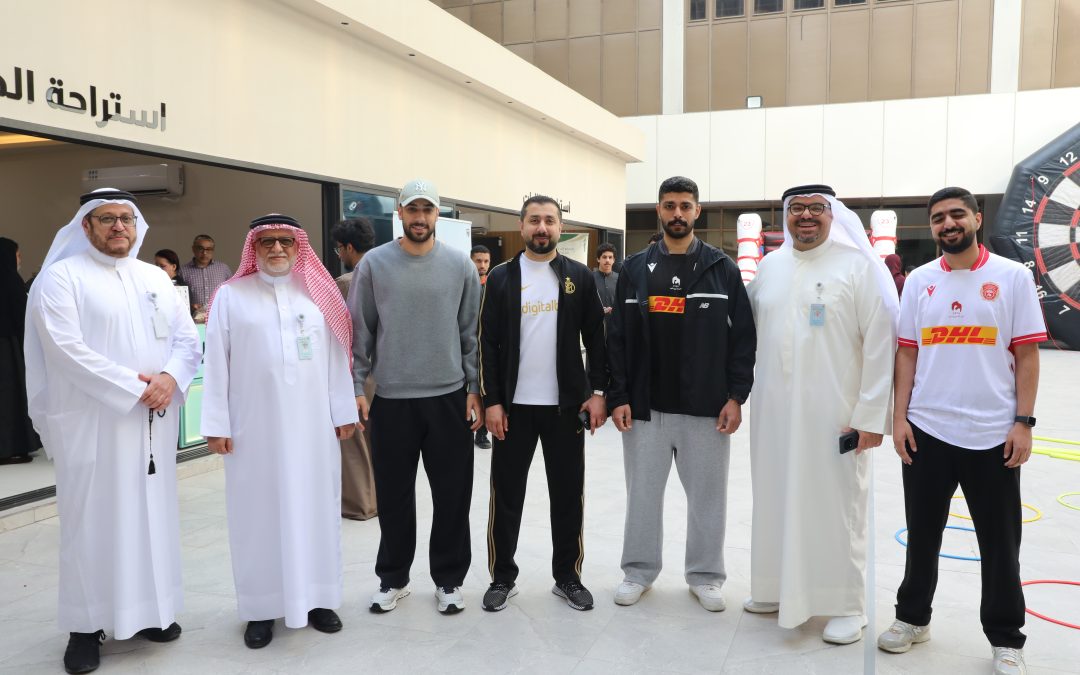
The Arabian Gulf University (AGU) hosted a Sports Day event featuring various competitions, sports, and recreational activities. This event coincided with the Kingdom’s annual celebration of Bahrain Sports Day every February, reflecting the university’s belief in the significance of sports in individuals’ lives and its dedication to promoting sustainable sports practices as a societal value.
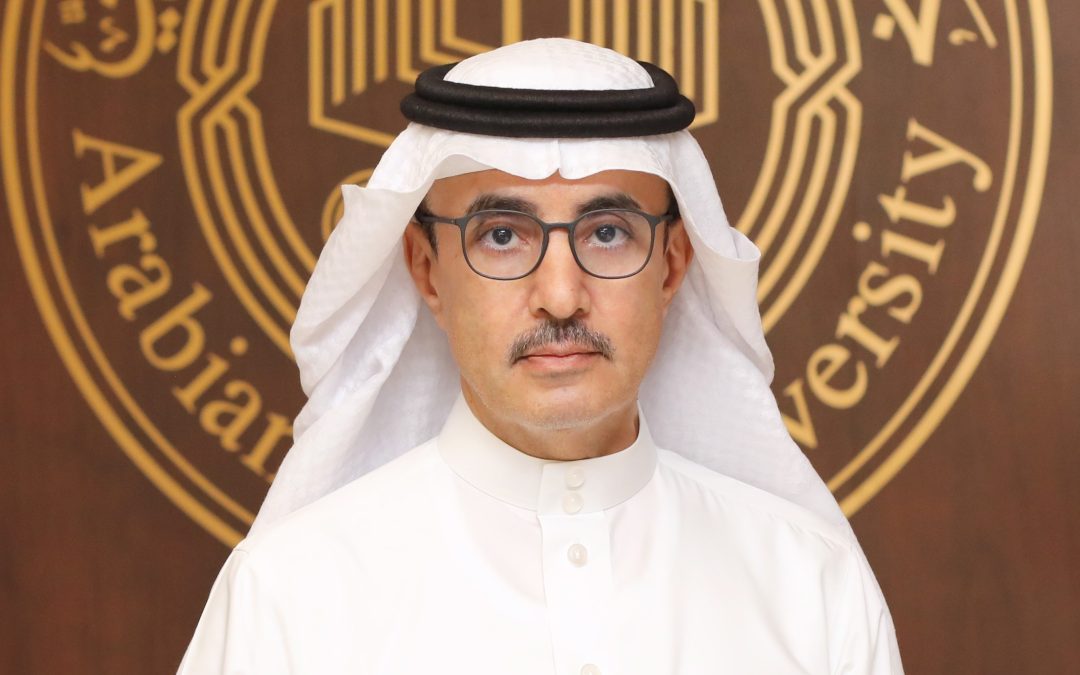
Participating in the event, which was attended by faculty, administrative staff, and students from the College of Medicine and Health Sciences as well as the College of Education, Administrative and Technical Sciences, His Excellency Dr Saad bin Saud Al Fuhaid, President of AGU, affirmed that Bahrain’s National Sports Day is a significant national occasion that raises awareness about health and encourages lifestyles that support public well-being. He praised the wise support and guidance of His Majesty King Hamad bin Isa Al Khalifa in promoting the importance of sports as an essential element of community culture and daily life, reflecting the national vision to make sports a sustainable way of living.
He reaffirmed the university’s dedication to launching initiatives that cultivate a societal appreciation for sports, bolster the sports movement, and motivate students and staff to engage in various athletic activities. Such efforts contribute to solidifying health and sports concepts, recognising their fundamental role in building a dynamic, healthy, and productive society, and in improving quality of life.
The university’s Corporate Communications Centre organised activities including sports competitions, recreational activities, health-themed music corners, participation from sporting goods stores, and engagement with youth sports projects. The aim was to foster a lively social environment that encourages physical activity and promotes a community-wide sports as a way of life.
by ashokaib | Feb 15, 2026 | Uncategorized
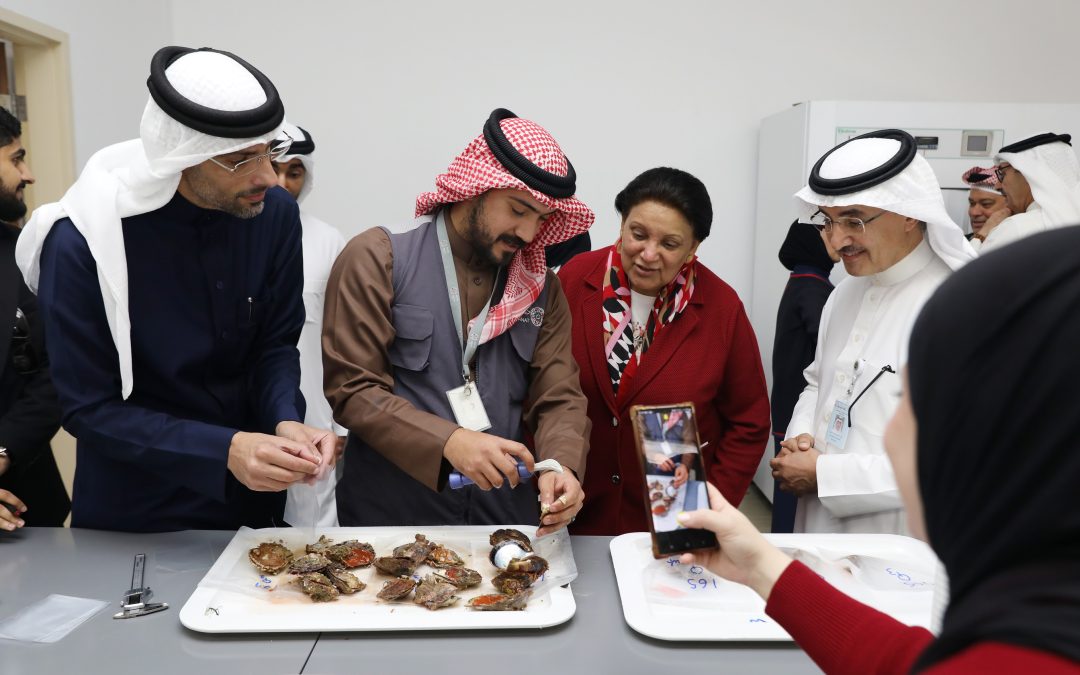
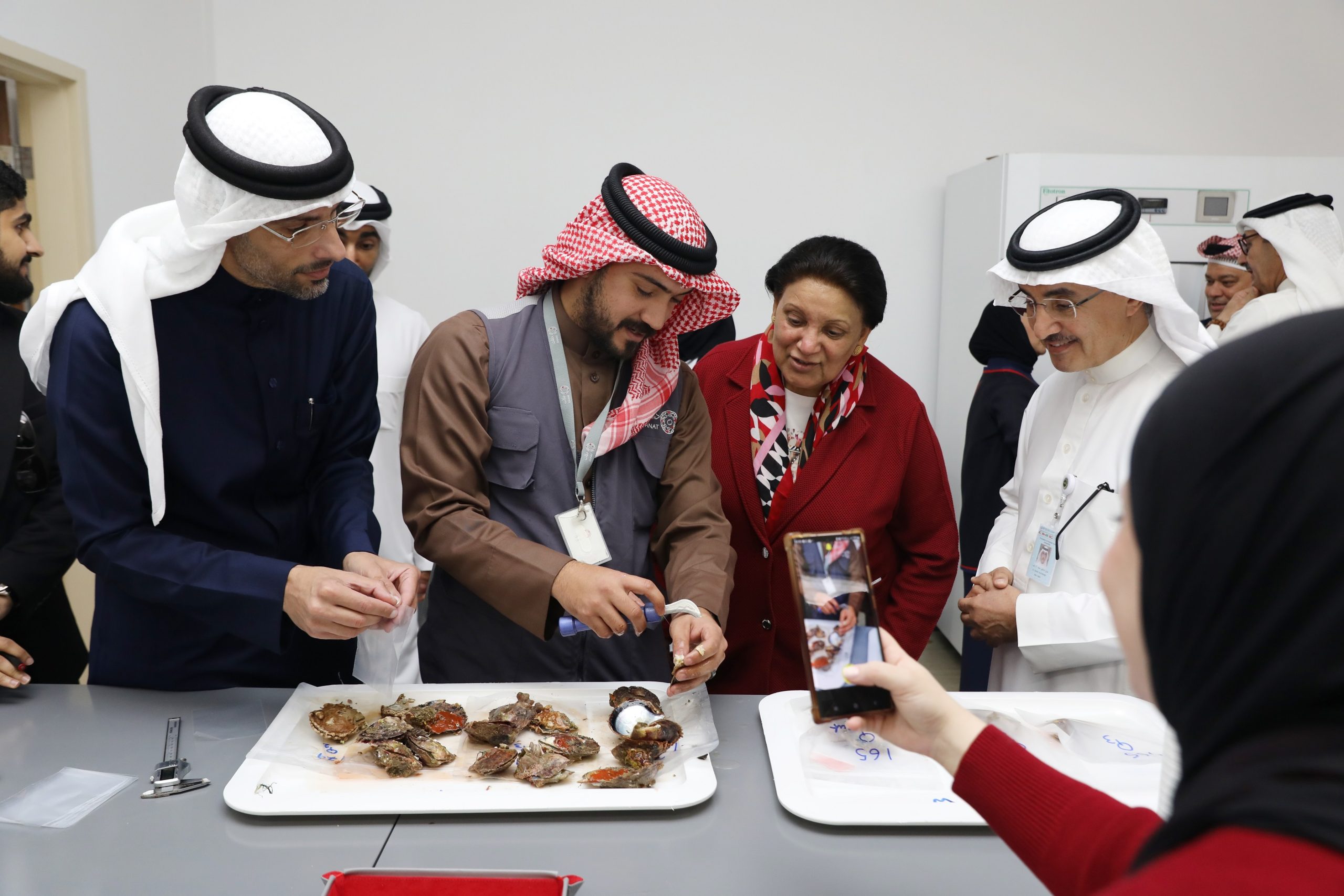
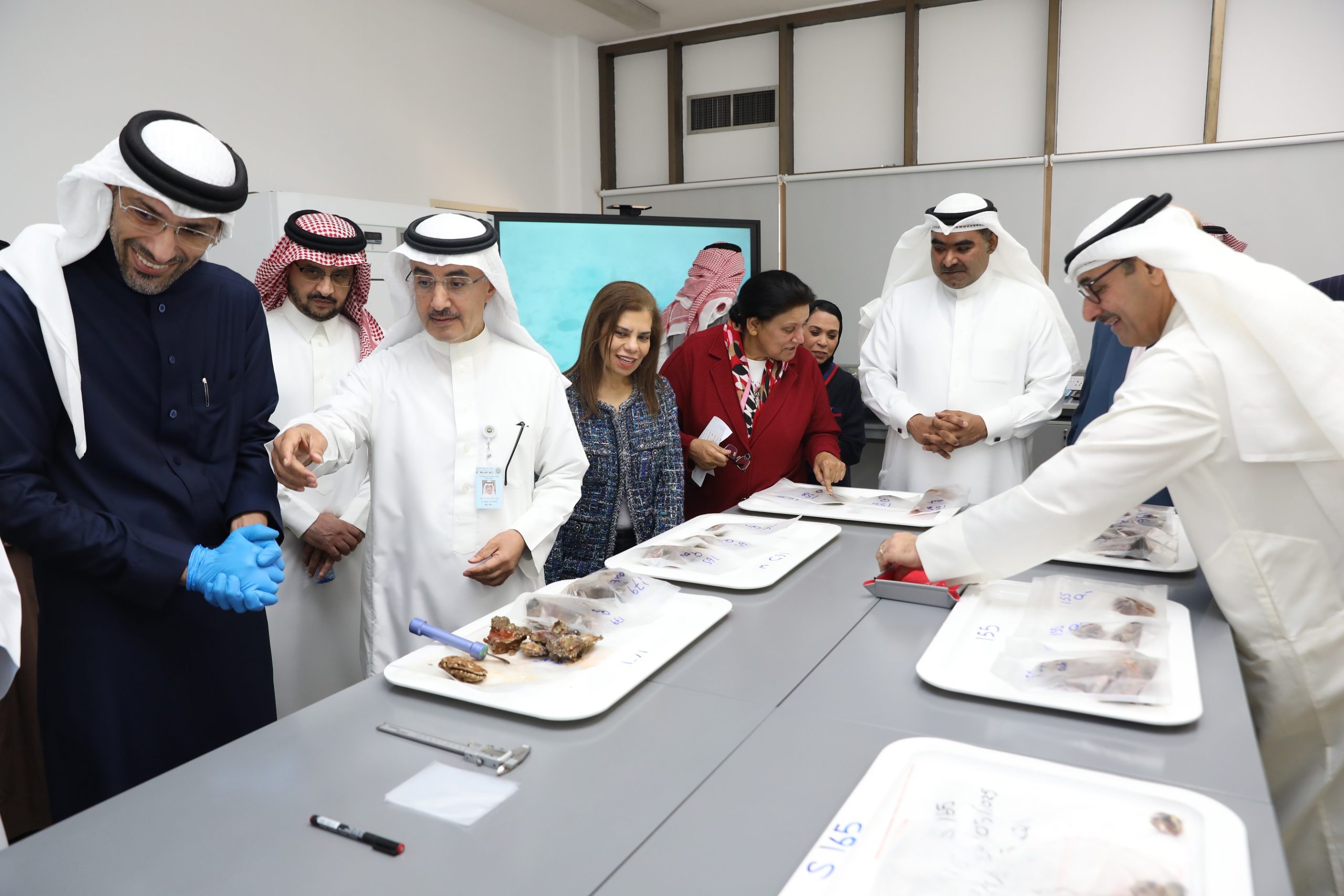
The Arabian Gulf University (AGU) has officially initiated oyster shucking and sampling operations for Total Organic Carbon analysis. This procedure is a vital component of a national research project titled "The Impact of Climate Change on the Distribution and Abundance of Pearl Oysters and Seagrass and Carbon Accounting in the Territorial Waters of the Kingdom of Bahrain." Conducted in collaboration with the Bahrain Institute for Pearls and Gemstones (DANAT), the study aims to establish a modern environmental baseline to support the sustainability of marine resources and bolster the global standing of Bahraini pearls.
The commencement of this laboratory phase follows the successful completion of the first stage of fieldwork, which was executed between May and November of last year. This extensive field programme included 15 marine expeditions and over 67 research dives, covering 151 monitoring stations alongside the visual documentation of 84 specific sites. Hundreds of samples of seagrass, oysters, water, and sediment were collected to undergo rigorous analytical processes, including physical and chemical measurements, spectral signature identification, organic carbon quantification, and the analysis of heavy metals and microorganisms.
Dr Sabah Al Jenaid, Associate Professor of GIS and Environment and Academic Supervisor of the His Highness Shaikh Hamad bin Khalifa Al Thani Chair in GIS, emphasized that the start of oyster processing represents a pivotal milestone in the study's trajectory.
She explained that this step is intrinsically linked to assessing pearl quality and fits within a comprehensive scientific framework designed to understand the impacts of climate change on oysters, which are organisms highly sensitive to fluctuations in temperature, water salinity, and ocean acidification.
Dr Al Jenaid further stated that the project seeks to prepare an accurate national baseline for monitoring the distribution and density of seagrass meadows and pearl oysters. By measuring blue carbon stocks according to internationally recognised scientific methodologies, the study directly supports the Kingdom of Bahrain’s efforts to reach Net Zero by 2060 while enhancing the reliability of sustainability certifications associated with Bahraini pearls.
Preliminary results indicate the critical importance of updating marine habitat maps periodically, given the increasing pressures on the marine environment caused by rising temperatures, changing water chemistry, and coastal human activities. "The study will contribute to the preparation of environmental risk maps and quantitative indicators to support national decision-making regarding protection and sustainable management," Dr Al Jenaid stated.
The project encompasses three primary scientific pillars: the preparation of a robust national baseline, the assessment of climate change risks and habitat vulnerability, and blue carbon accounting. This last pillar involves creating a nationally certified inventory that is internationally recognised, thereby opening avenues for climate finance initiatives and blue carbon credit projects.
The cooperation between AGU and DANAT embodies an integrated model that bridges scientific research and the economic sector. By utilising environmental findings to support the sustainability of natural pearl quality and enhance its competitiveness in global markets, the partnership solidifies the national brand of the Bahraini pearl as an eco-friendly product with a low carbon footprint.
The study reaffirms that seagrass meadows and pearl oysters constitute essential ecological and economic foundations. Seagrasses contribute to sediment stabilisation and improved water quality, while oysters serve as a central element in the ecological balance and the marine food chain. Dr Al Jenaid concluded by stressing that protecting the marine environment is a shared national responsibility, asserting that every preserved marine habitat is an investment in Bahrain’s ecological and economic future.
by ashokaib | Feb 12, 2026 | Uncategorized
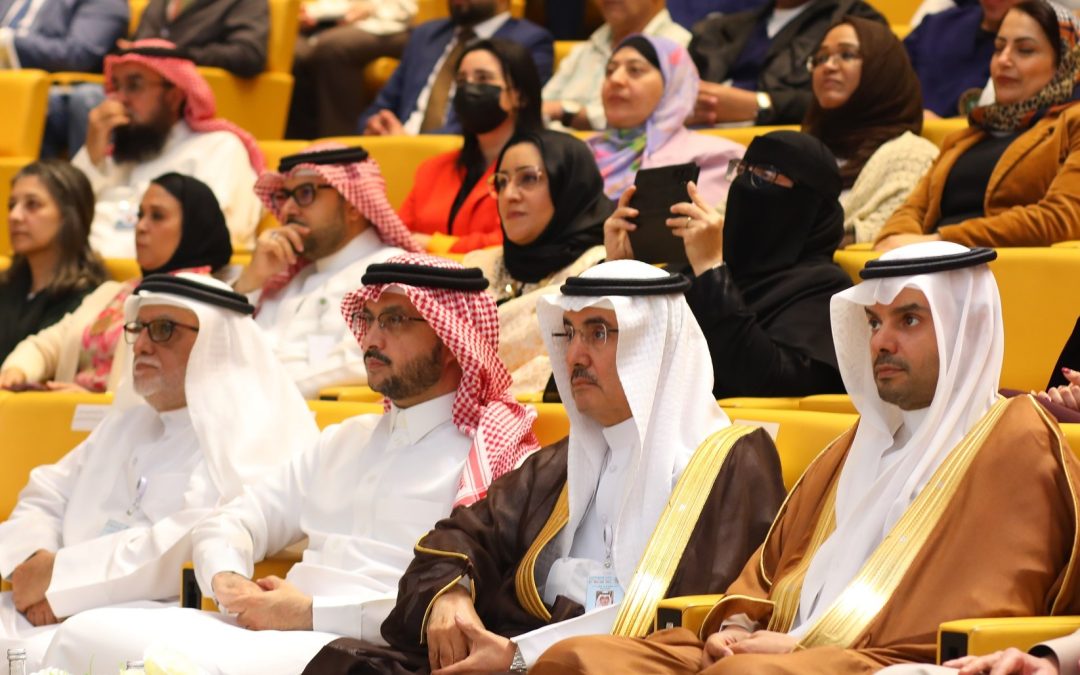
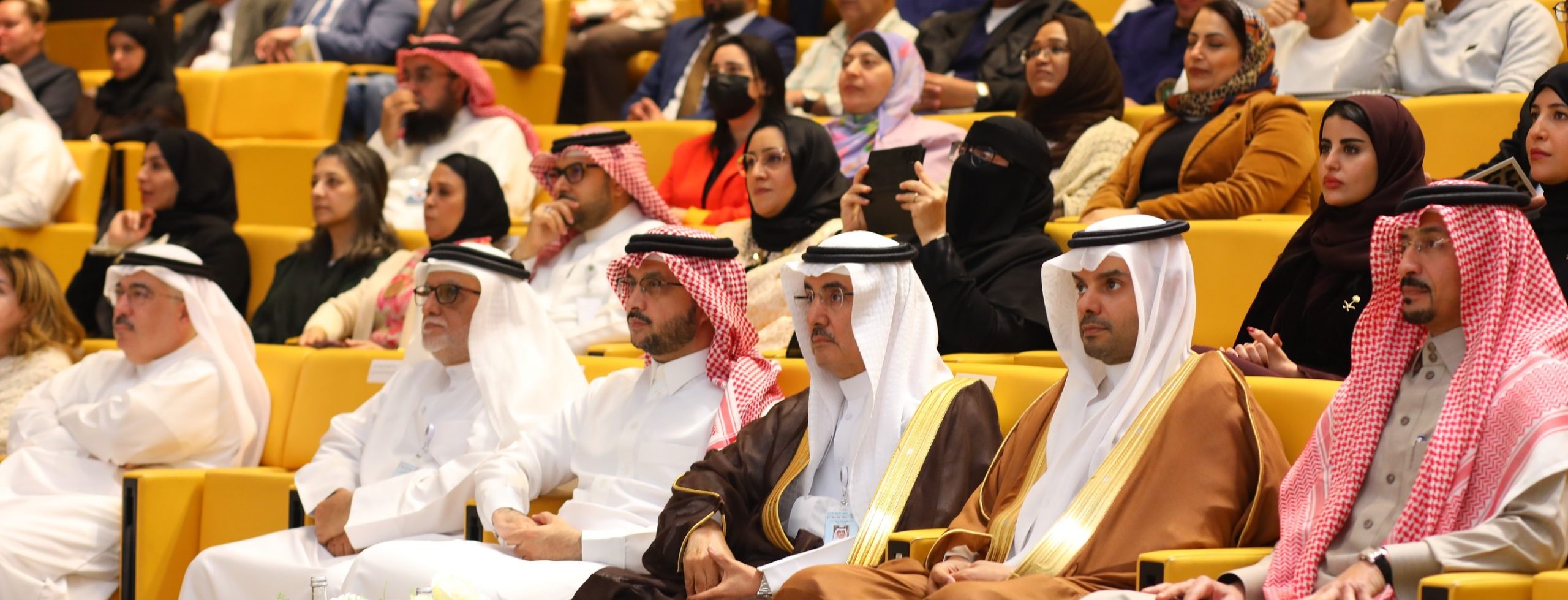
The Arabian Gulf University (AGU) hosted a dialogue session titled "Entertainment as a Tool for Environmental Awareness and Community Impact" in honour of the International Day of the Arabian Leopard. The event was held under the patronage of the Ambassador of the Custodian of the Two Holy Mosques to the Kingdom of Bahrain, Mr Nayef bin Bandar Al Sudairi, represented by His Excellency Mr Bader bin Ibrahim Al-Otaibi. Attendees included His Excellency the President of the University, Dr Saad bin Saud Al Fuhaid, along with representatives from the Arabian Leopard Fund and the National Centre for Wildlife in Saudi Arabia.
During an awareness event at the Princess Al-Jawhara Centre for Molecular Medicine, Genetics, and Inherited Disorders in Manama, Mr Waleed Al Dayel, Managing Director of the Arabian Leopard Fund, stressed that the Arabian leopard is among the world's most critically endangered species. He attributed this decline to various challenges such as urbanisation, agricultural expansion, overgrazing, poaching, and illegal wildlife trade. He explained that the International Arabian Leopard Day has gained global significance, having been adopted by the United Nations, reflecting international recognition of the importance of protecting this species and conserving the region's natural heritage.
Mr Al Dayel underscored the Arabian leopard's deep cultural and historical ties to the mountainous regions of the Arabian Peninsula. He outlined the efforts of the Arabian Leopard Fund in raising awareness and building capacity among conservationists working to protect the species in its natural habitat. He also emphasised the importance of restoring ecological balance to ensure the survival of this rare species.
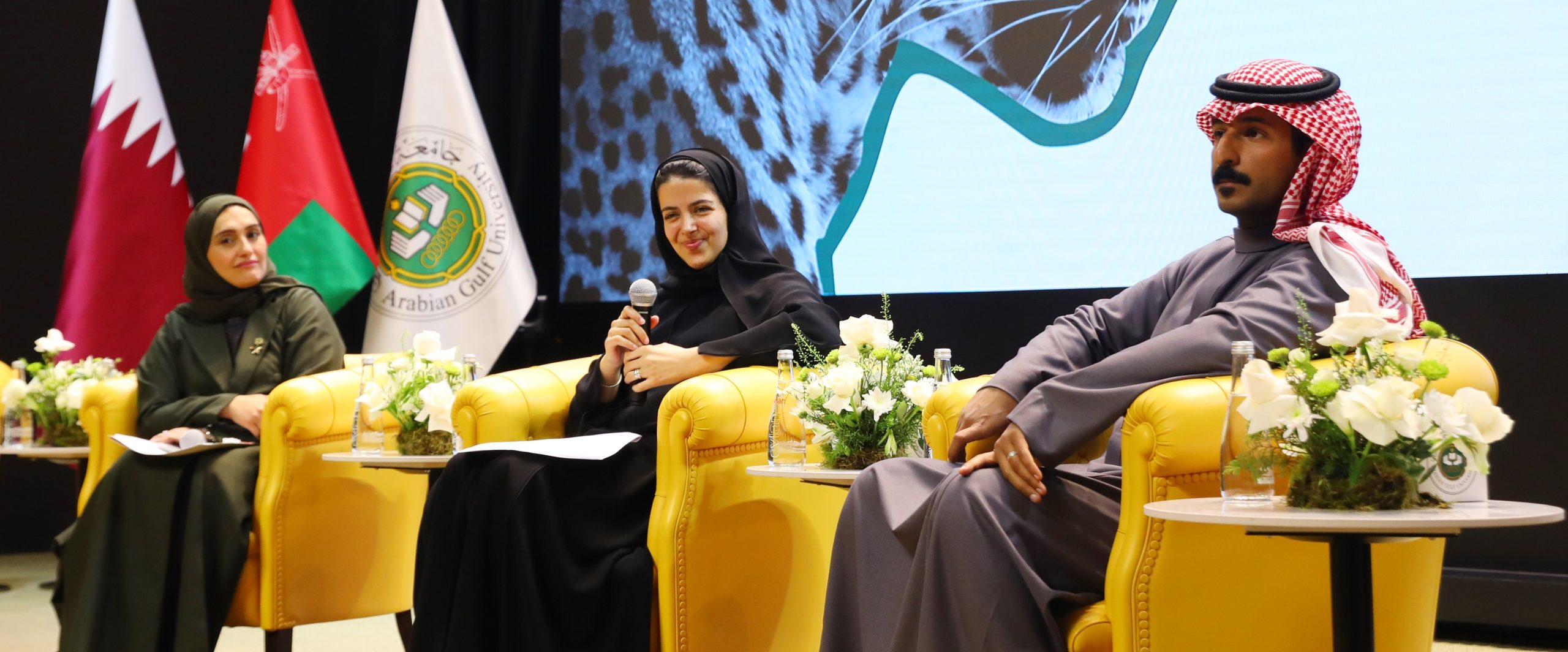
During a dialogue session moderated by Dr Abdulaziz Al-Shubrami, Ms Al-Bandari Al-Wetaid, Head of the Awareness Department at the National Centre for Wildlife, and Ms Salma Al-Ghafees, Director of Programmes and Partnerships at the Arabian Leopard Fund, stressed that Arabian Leopard Day celebrates a species that embodies a rich cultural identity and natural heritage that must be preserved for future generations. The Arabian leopard has been a part of the region's history and culture, featuring prominently in ancient rock carvings and Arabic poetry.
The speakers discussed the shared responsibility of restoring the Arabian leopard to its natural habitat, especially amid contemporary environmental challenges. They highlighted the vital role of wildlife in maintaining ecological balance and public health, affirming that each species contributes uniquely to the ecosystem. The presence of species such as the Arabian leopard, oryx, and native birds reflects the richness and integrity of the environment.
The Arabian leopard is a cultural symbol deeply embedded in collective memory. Preserving it entails the safeguarding of a story spanning thousands of years. Raising awareness is the first step toward successful environmental conservation, achieved through simplifying messages, connecting them to everyday life, and engaging the community through impactful educational campaigns, events, and initiatives.
The session also explored how entertainment—including films, games, manga, and sports—can serve as an effective medium to reach young audiences. The speakers explained that storytelling resonates emotionally before conveying information, fostering a lasting connection to environmental issues. Creative narratives can revive the Arabian leopard in the imagination of the new generation, transforming it from a mere environmental fact into a living symbol within stories and artwork.
Regarding youth involvement, the speakers encouraged students to utilise their skills in art, photography, writing, content creation, and gaming to disseminate innovative environmental messages. They affirmed that even small contributions can make a meaningful difference, affirming that the new generation holds a powerful voice to drive change.
The session also reviewed the roles of relevant entities. The National Centre for Wildlife focuses on strategies, reserves, and species protection broadly, while the Arabian Leopard Fund concentrates on research, training programmes, and innovative partnerships related to the Arabian leopard, thereby enhancing impact and extending influence.
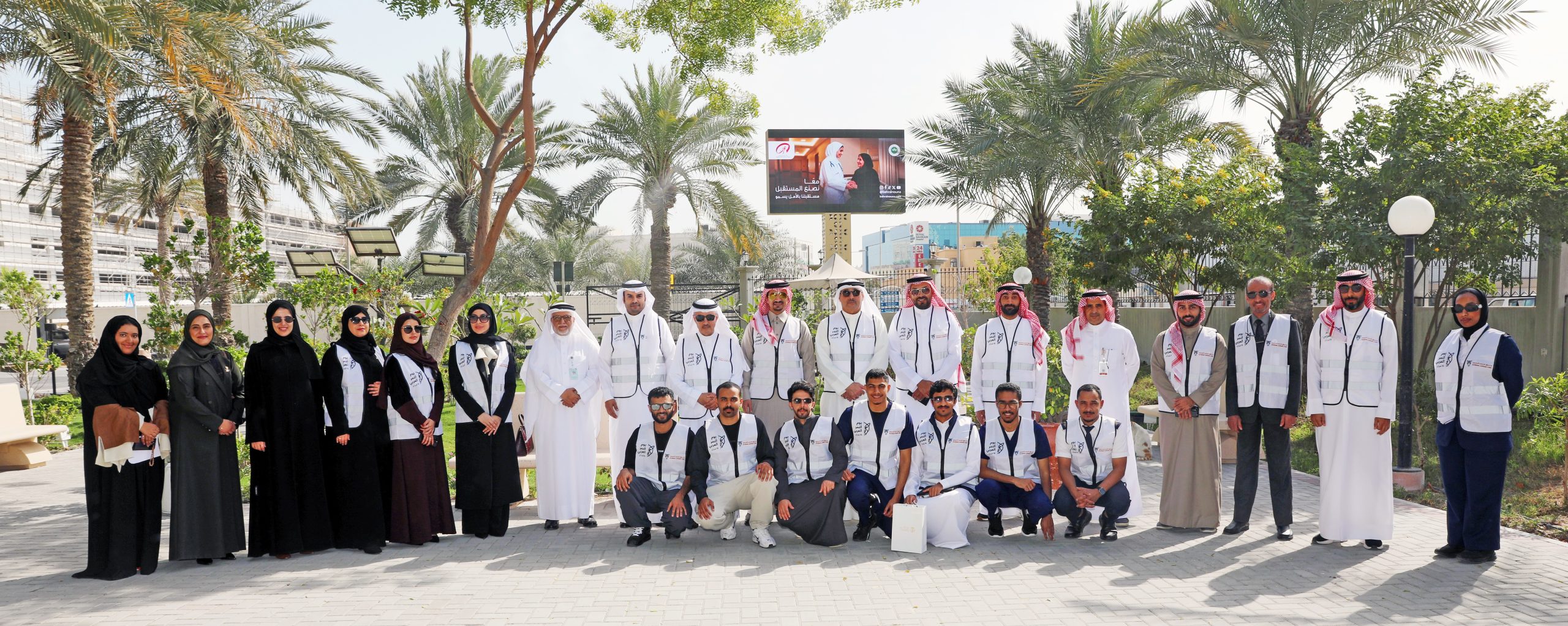
The event concluded with inspiring messages to students, asserting that wildlife protection is a collective responsibility. The Arabian leopard's story is not a thing of the past but is actively being written by the creativity and efforts of today’s youth. The event wrapped up with a walk in the university park, coinciding with the celebration of the International Day of the Arabian Leopard.
by ashokaib | Feb 11, 2026 | Uncategorized
His Excellency Dr Saad bin Saud Al Fuhaid, President of Arabian Gulf University (AGU), affirmed that women in the Gulf region are fundamental to the advancement of science, commending their pioneering and influential roles across various STEM fields. This statement was made in recognition of the International Day of Women and Girls in Science, observed annually on 11 February.
Dr Al Fuhaid stated that AGU takes pride in its talented female students and faculty members who have demonstrated distinguished presence in higher education and research, significantly enhancing the role of women in the academic and scientific landscape of the region. He stressed women's active participation in science and technology as essential for building a better future and tackling current developmental challenges.
His Excellency also underscored the robust support provided by GCC countries to various knowledge and innovation sectors. The impressive scientific achievements of Gulf women are a direct result of the visionary leadership of the region’s rulers and their dedication to investing in human capital. He noted recent high-quality initiatives and programmes launched in the Gulf that fostered increased participation of women in specialised scientific fields and created advanced academic and research environments aligned with future needs.
Dr Al Fuhaid reaffirmed AGU’s commitment to attracting talented Gulf women and supporting their professional and academic growth through scholarship programmes to prestigious institutions in the United States and Europe, such as Harvard, McGill, Oxford, and others. He also noted a significant rise in the percentage of female graduates from the university, reflecting the growing interest of Gulf women in future-oriented fields.
He expressed pride in the university’s distinguished female faculty members who have made notable contributions at international conferences, received global STEM awards, and participated in consulting, research, and conference organisation across disciplines including medicine, environment, education, sustainable development, and innovation.
His Excellency Dr Saad bin Saud Al Fuhaid commented, "Every female scholar in STEM fields plays a pivotal role in the progress and prosperity of nations, directly contributing to better quality of life and the addressal of pressing challenges." He indicated that celebrating women in science reflects a sincere commitment to investing in the future of innovation, as women’s presence enriches research perspectives, enhances scientific quality, and expands avenues of discovery.
by ashokaib | Feb 11, 2026 | Uncategorized
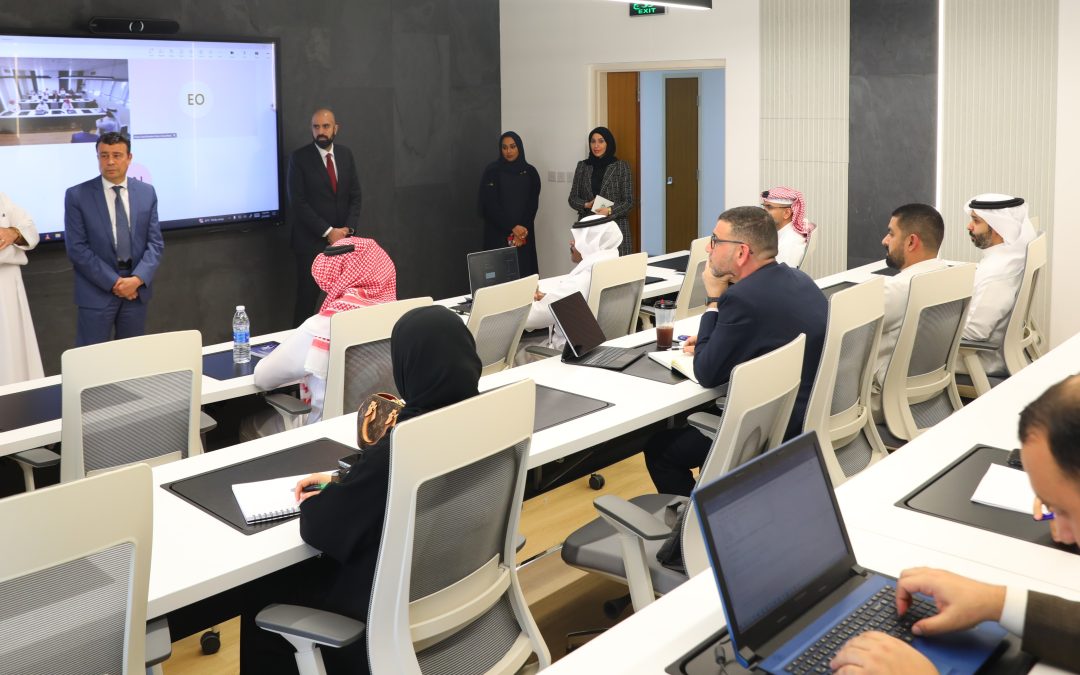
The Arabian Gulf University (AGU) has introduced a new professional diploma programme in cybersecurity technologies. Offered through the College of Education, Administrative and Technical Sciences in partnership with the AGU Training and Consultancy Centre, this initiative aims to strengthen cybersecurity expertise and cultivate qualified national professionals capable of tackling the rapidly evolving digital security landscape.
In his opening remarks, Professor Waleed Zubari, Dean of the College of Education, Administrative, and Technical Sciences affirmed that this diploma aligns with AGU’s mission as a leading regional institution committed to meeting current and future demands. He noted that developing human capital through high-quality academic and professional programmes is a top priority, contributing to capacity building ad innovation while supporting secure digital transformation across the Gulf.
Professor Zubari indicated that the diploma represents a strategic addition to the college’s academic offerings, featuring advanced scientific and applied content designed to prepare technical leaders capable of designing comprehensive cybersecurity strategies. This will serve both public and private sectors, keeping pace with rapid technological advancements and the growth of smart systems.
Programme coordinator and Head of the Computing Department, Professor Dr Adel Bouhoula, described the Professional Diploma in Cybersecurity Technologies as a unique and advanced programme that transcends traditional diploma programmes. It integrates emerging fields such as AI, formal methodologies, blockchain technologies, and quantum computing. This enables trainees to develop smart, proactive cybersecurity solutions capable of countering complex and sophisticated cyberattacks.
He further explained that the programme is carefully designed to meet the needs of institutions within Gulf Cooperation Council countries and aims to enhance readiness for future threats, including those posed by post-quantum computing. The curriculum emphasises practical skills, critical thinking, and automated verification of critical system integrity, aligned with the latest international standards.
Dr Afaf Mubarak Bugawa, Director of the AGU Training and Consultancy Centre, affirmed that launching this diploma exemplifies the university and centre’s commitment to providing specialised training programmes that respond to societal and institutional needs. She pointed out the growing demand for national talent in cybersecurity, underscoring its vital role in protecting digital systems and supporting sustainable, secure digital transformation.
The programme is delivered by a distinguished team of academics and cybersecurity experts, ensuring graduates are well-equipped to meet the demands of the labour market in this strategic and promising sector.