by ashokaib | Jan 25, 2026 | Uncategorized
King Abdullah bin Abdulaziz Medical City – Bahrain
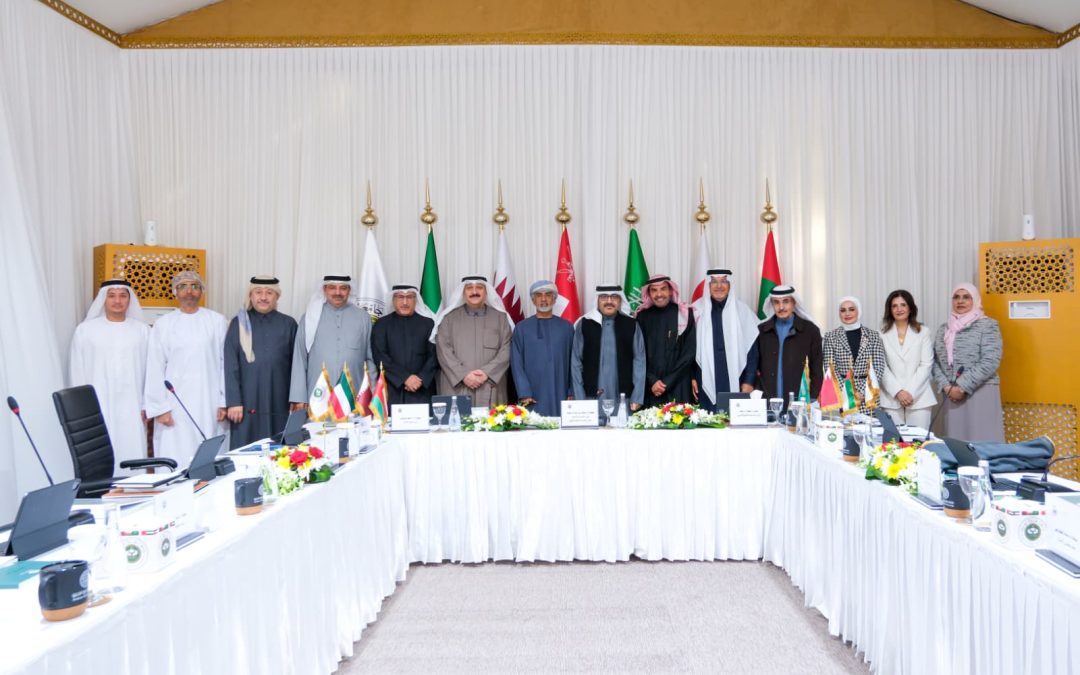
His Excellency Dr. Mohammed bin Mubarak Juma, Minister of Education and Chairman of the Board of Trustees of the Higher Education Council, inaugurated the 98th meeting of the Board of Trustees of the Arabian Gulf University, which was held at the site of the King Abdullah bin Abdulaziz Medical City Project in the south of the Kingdom of Bahrain. The meeting was chaired by His Excellency Professor Dr. Omar bin Awadh Al-Rawas, Chairman of the Board of Trustees, and attended by Their Excellencies and Distinguished Members of the Board, to discuss the items listed on the agenda related to the University’s operations and its development plans for the upcoming phase.
His Excellency the Minister of Education emphasized the pivotal role played by the Arabian Gulf University in supporting the joint Gulf system and its contribution to preparing qualified professionals in the health, technical, educational, and administrative fields. He also praised the accelerated pace of progress in the King Abdullah bin Abdulaziz Medical City Project, describing it as one of the most prominent strategic projects supporting higher education and the healthcare sector in the Gulf Cooperation Council (GCC) countries.
The meeting commenced with an address by His Excellency Professor Dr. Omar bin Awadh Al-Rawas, in which he welcomed the Board members and commended the accession of new members to the Board of Trustees. These include His Excellency Dr. Mohammed bin Saud Al-Muqbel, Director General of the Arab Bureau of Education for the Gulf States; Her Excellency Ms. Shamma Mohammed Al-Muhairi, Assistant Undersecretary for Higher Education Operations in the United Arab Emirates; His Excellency Mr. Yahya bin Salam Al-Mundhiri, Advisor to the Minister of Education for Planning and Statistical Studies in the Sultanate of Oman; and His Excellency Dr. Bader Hasan Al- Busairi, Undersecretary of the Ministry of Higher Education in the State of Kuwait. He also welcomed His Excellency Dr. Abdulrahman bin Mohammed Al-Asimi from the Kingdom of Saudi Arabia, who is participating in the Board in his personal capacity after previously serving as the former Director General of the Arab Bureau of Education for the Gulf States.
The Chairman of the Board expressed his appreciation for the efforts exerted by the members during the previous term, affirming the Board’s commitment to continuing the development of the University’s journey and strengthening its future plans aimed at advancing its academic and research programs, consolidating educational quality, and keeping pace with development requirements in the Gulf countries. He also praised holding the meeting at the site of the King Abdullah bin Abdulaziz Medical City Project, reflecting the progress achieved in this vital project in line with the University’s ambitious strategic vision.
Dr. Al-Rawas stressed that the Arabian Gulf University represents a solid model of joint Gulf cooperation and an academic institution that reflects unity of purpose and destiny. He commended the University’s outstanding achievements in the fields of medicine, nursing, education sciences, management, and technology, as well as the continuous efforts of the University administration and its academic and administrative staff to preserve these accomplishments and achieve further excellence.
For his part, His Excellency the President of the University, Dr. Saad bin Saud Al-Fuhaid, expressed his pride in hosting the meeting at the King Abdullah bin Abdulaziz Medical City, highlighting the tangible progress witnessed by the project and the role of the Board of Trustees in shaping the University’s general policies and approving educational plans and programs that have contributed to strengthening its academic standing. He reviewed the most prominent achievements during the past period and several proposed academic projects.
The President of the University affirmed that these achievements were made possible thanks to the support of Their Majesties and Highnesses, the leaders of the Gulf Arab states, and the continuous patronage the University receives, enabling it to carry out its joint Gulf mission with efficiency and excellence. He also praised the sincere efforts of the academic and administrative staff, praying to Almighty God to sustain this dedication and for the University to continue fulfilling its mission in serving the Gulf Arab states.
by ashokaib | Jan 20, 2026 | Uncategorized
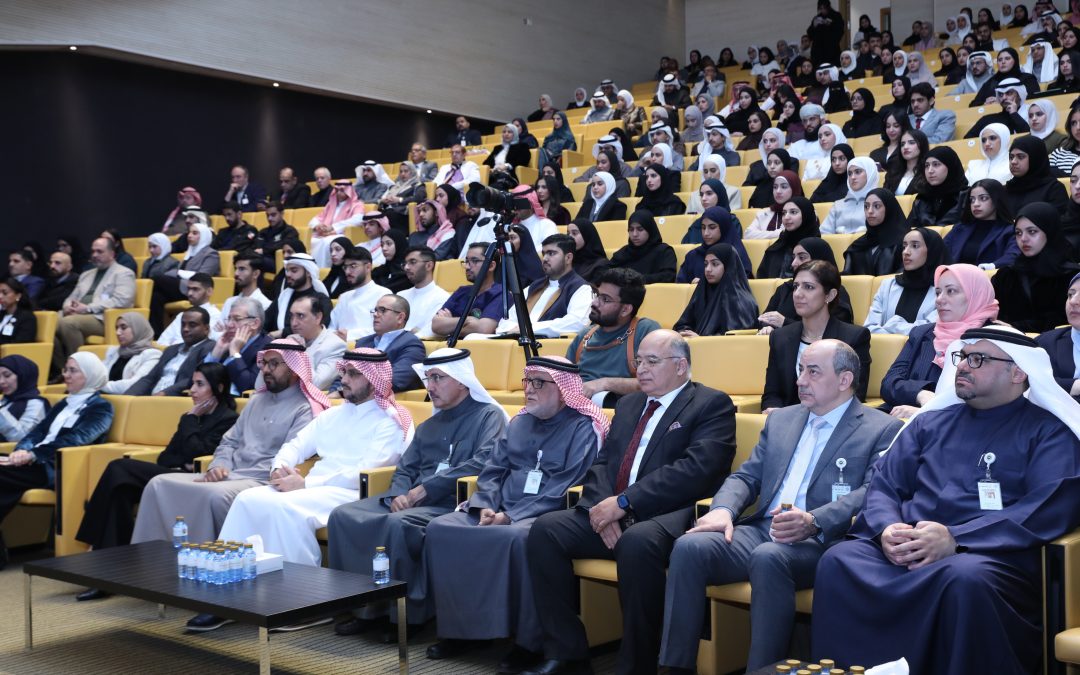
His Excellency Dr Saad bin Saud Al Fuhaid, President of Arabian Gulf University (AGU), honoured 330 distinguished students from the Doctor of Medicine and Bachelor of Science in Nursing programmes at the College of Medicine and Health Sciences for the 2024-2025 academic year. The celebration took place at the Princess Al-Jawhara Al-Ibrahim Centre, attended by faculty members, staff, and parents.
The event commenced with a speech by the University President, who commended the students’ efforts and academic achievement. He highlighted the university’s unwavering commitment to nurturing young Gulf talent and inspiring students to sustain their pursuit of scientific excellence and innovation. The success of AGU students stems from a deep appreciation for knowledge, diligent effort, and a conscious investment in the educational opportunities provided by the university. He noted that honouring these high achievers embodies the university’s belief that knowledge is the path to national progress, and that perseverance should always be recognised.
Dr Al Fuhaid explained that this pursuit of excellence aligns with the university’s founding mission: to prepare and empower Gulf youth as catalysts of development and advancement. He expressed gratitude to the leaders of GCC nations for their ongoing support and patronage of this shared educational institution. He also commended the dedication of the academic and administrative staff, as well as the parents, in nurturing this distinguished group. He urged students to continue their journey of creativity, manage their time effectively, and cultivate patience to become active contributors to their nations’ progress through science and knowledge.
On behalf of the outstanding students, student Turki Abdullah Al-Thawadi expressed pride in this recognition, stressing that this achievement reflects the university’s sustained academic support and its simulating learning environment. He noted that such recognition carries a greater responsibility, inspiring students to dedicate themselves to further learning and discipline, making excellence a continuous way of life and a path of ongoing development.
He stated, “These students have persevered throughout their academic journey, overcoming challenges with determination and sincere will, having realised that academic excellence is rooted in ethical values. True distinction lies in bringing benefit to oneself, the community, and the nation, committing to principles instilled in us by the university.”
The ceremony also honoured members of the Student Council for the 2024-2025 academic year, acknowledging their active role in representing students and promoting student participation both within and outside the university campus.
by ashokaib | Jan 19, 2026 | Uncategorized
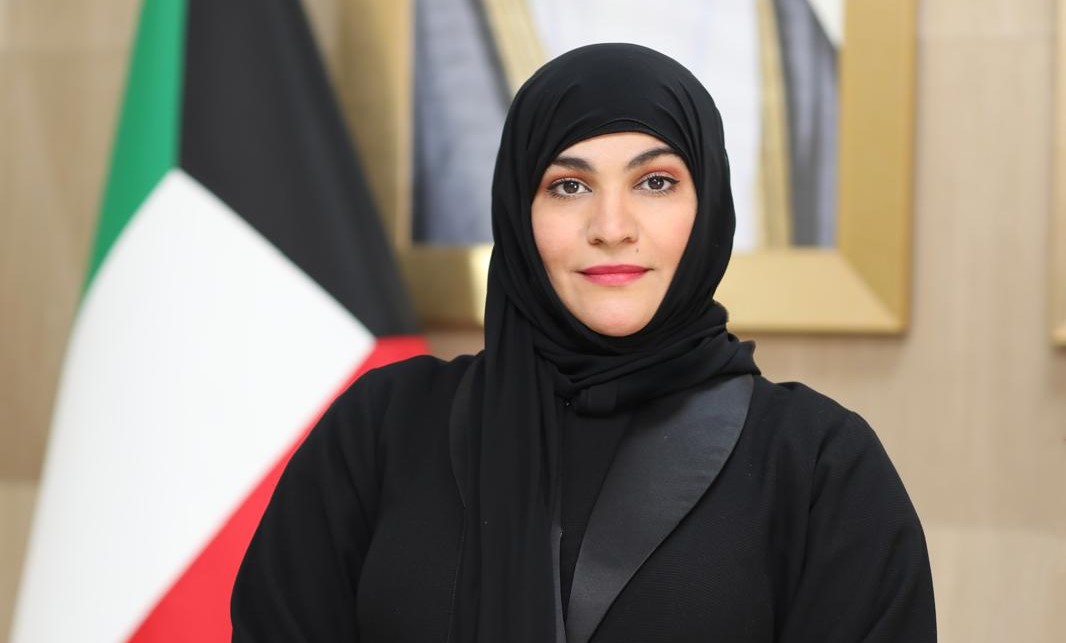
From museum halls to classrooms in the Innovation Management programme at the College of Education, Administrative and Technical Sciences at Arabian Gulf University (AGU), PhD student Fadila Mohammed Habib presented a student project employing artificial intelligent (AI) technologies to enhance the visitor experience in museums. Developed in collaboration with the al-Sabah Collection (Dar al-Athar al-Islamiyyah) in Kuwait, a comprehensive collection of Islamic and pre-Islamic artifacts spanning from Spain to China, this initiative goes beyond traditional displays and ventures into intelligent interaction.
Fadila Habib combined the authenticity of heritage with modern technology by focusing on Islamic coinage as a field of knowledge. She reimagined its forms and historical significance through an interactive digital format, creating an innovative video powered by AI, opening new horizons for museums in the digital age.
Straddling a rich past and contemporary technological advancements, her project exemplifies how heritage can be revitalised through innovation to enhance visitor experience in museums. It reintroduces Islamic numismatics in a modern, interactive manner, aligning with the expectations of today’s visitors and challenging traditional display models. The project effectively links artifacts to their historical and cultural contexts in a creative and nearly unprecedented way.
Fadila explains, "The study of Islamic numismatics is essential for understanding the economic, political, and cultural history of the Muslim world. Each coin provides precise indication of identity, culture, and the development of arts and civilisations among Muslims throughout the ages. With digital advancements, employing AI to revive this field is a qualitative step toward preserving heritage in innovative and interactive ways, enabling museums to convey knowledge to visitors in more engaging and impactful ways."
She adds, "This project falls within the vision of the Gulf Cooperation Council countries, which aim to promote creative industries and innovation in the knowledge economy. It also aligns with Sustainable Development Goals, particularly those related to innovation, quality education, and cultural heritage preservation, by developing innovative museum models that enhance their educational and cultural roles."
Fadila selected a series of caliphs, sultans, and emperors from various coinage periods to feature in an interactive video. In her initial project, she highlighted the coinage of Umayyad Caliph Abd al-Malik ibn Marwan, during whose reign the first Arab dinar was minted, as well as the coinage of Nasrid Caliph Yusuf ibn Ismail I, a period marked by the flourishing of Islamic architecture exemplified by the Alhambra Palace in Granada.
For her second project, she focused on the Mughal era, one of the most diverse periods in terms of coinage. She featured a coin of Emperor Jahangir ibn Akbar for its artistic and cultural features, including inscriptions, poetry, and astronomical motifs. She also examined a coin of his wife, Nur Jahan, one of the rare women whose name appears on Islamic coins.
These student projects are part of the Innovation Management Programme at AGU to fulfil graduation requirements. They serve as models that connect academic learning with the cultural industry through interactive museum displays. These initiatives contribute to enhancing the experience of museum visitors and archaeology enthusiasts, supporting scientific research, and offering innovative, sustainable solutions with cultural and developmental significance. They reflect the new generation’s awareness of the vital role of technology in preserving and developing cultural heritage.
by ashokaib | Jan 19, 2026 | Uncategorized
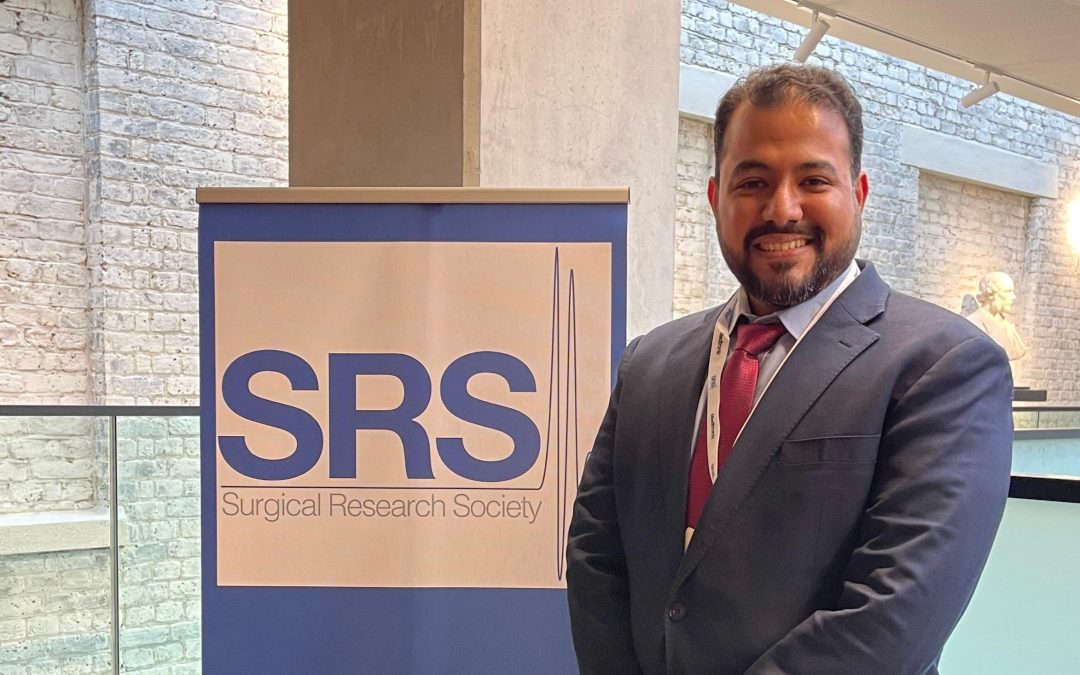
Dr Abdullah Ismail Mohammed, Assistant Professor and Head of the Surgery Department at the College of Medicine and Health Sciences, Arabian Gulf University (AGU), participated in the Society of Surgical Research (SRS) Annual Meeting held this January at the historic headquarters of the Royal College of Surgeons in the UK. He delivered a lecture addressing a crucial aspect of surgical practice in the Arab region titled "The Impact of the Discrepancy Between the Language of Medical Education and the Language of Clinical Practice on the Quality of Communication with Patients."
The lecture highlighted the practical challenges faced by junior surgeons when transitioning from an English-based educational environment to clinical settings that require effective communication in Arabic. Dr Abdullah explained that this language gap not only hampers the explanation of medical procedures but also affects the development of trust between doctors and patients, a crucial component of safety in surgical practice.
During his presentation, he discussed the importance of integrating Arabic medical communication skills into surgeons' training programmes, noting that enhancing these skills raises healthcare quality and ensures genuine informed consent, in line with international ethical standards.
The lecture received significant attention from attendees due to its relevance to the quality of surgical practice in multilingual environments and the practical solutions it proposed to enhance professional competence amid cultural and linguistic challenges.
The lecture highlighted the practical challenges faced by junior surgeons when transitioning from an English-based educational environment to clinical settings that require effective communication in Arabic. Dr Abdullah explained that this language gap not only hampers the explanation of medical procedures but also affects the development of trust between doctors and patients, a crucial component of safety in surgical practice.
During his presentation, he discussed the importance of integrating Arabic medical communication skills into surgeons' training programmes, noting that enhancing these skills raises healthcare quality and ensures genuine informed consent, in line with international ethical standards.
The lecture received significant attention from attendees due to its relevance to the quality of surgical practice in multilingual environments and the practical solutions it proposed to enhance professional competence amid cultural and linguistic challenges.
by ashokaib | Jan 18, 2026 | Uncategorized
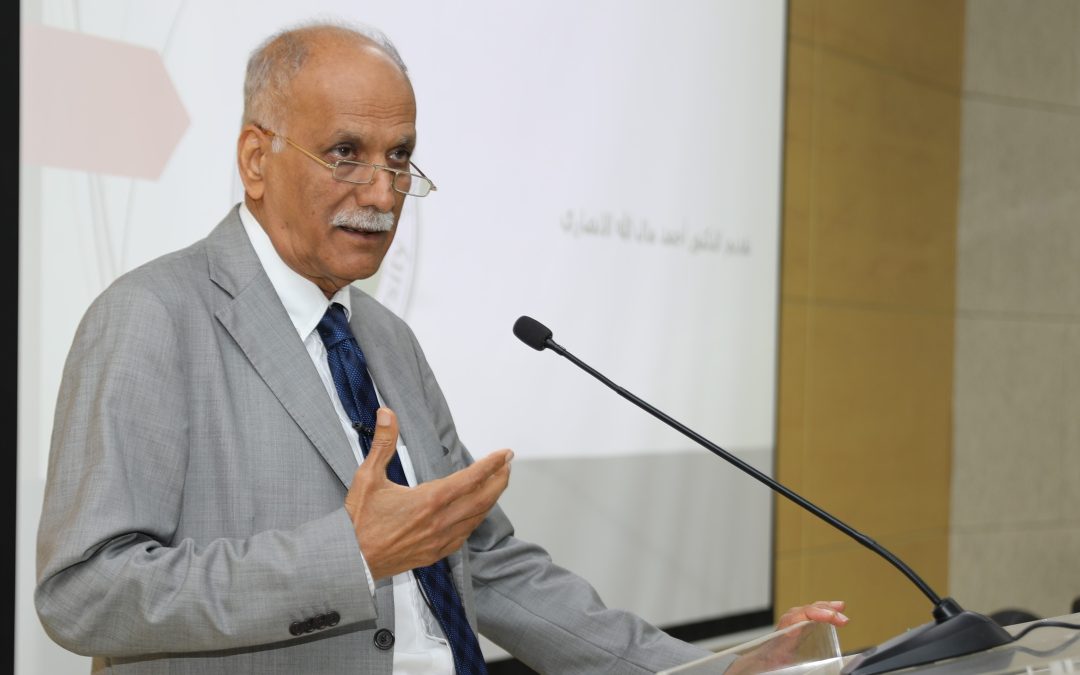
Professor Dr Ahmed Malallah Al Ansari, Professor of Psychiatry at the Arabian Gulf University (AGU) and Consultant in Child and Adolescent Psychiatry, stressed that emotional exhaustion has evolved into a growing systemic challenge.
"This shift requires institutions to re-evaluate prevailing work patterns and adopt comprehensive organisational solutions," he further added.
These remarks were made during his lecture, "Job Burnout in the Fields of Work and Study," organised by the AGU Centre for Consultation and Training in collaboration with the College of Medicine and Health Sciences.
Dr Al Ansari noted that the World Health Organisation (WHO) has classified emotional exhaustion in the International Classification of Diseases (ICD) as a syndrome resulting from chronic workplace stress that has not been successfully managed.
Dr Al Ansari further clarified the concept of job burnout, its symptoms, and the distinctions between burnout and clinical depression. He reviewed various treatment strategies and prevention methods aimed at promoting mental health and enhancing performance quality in both professional and academic environments.
He explained that emotional exhaustion manifests in three primary dimensions: the depletion of energy and a sense of constant fatigue, increased mental distance or feelings of negativism and cynicism related to one's job, and reduced professional efficacy. These indicators have become increasingly evident across several vital sectors, he explained.
"Recent statistics indicate that approximately 76% of employees experience emotional exhaustion at least occasionally, while 28% face burnout on a permanent or frequent basis," he revealed.
Dr Al Ansari pointed out that these percentages rise significantly in the healthcare and education sectors, where they range between 40% and 50%.
To illustrate the concept, experts often compare emotional exhaustion to a battery that is gradually drained; under the weight of burnout, work becomes a source of constant depletion that cannot be remedied by sleep or short breaks, leaving the individual in a state of continuous "low energy."
Dr Al Ansari explained that emotional exhaustion follows multiple patterns. These include classic burnout, which combines fatigue with cynicism and low achievement, and overextension burnout, where high achievement continues despite exhaustion. Other patterns vary in their degrees of fatigue and professional engagement.
He stressed that experts agree that addressing emotional exhaustion requires integrated solutions. On an individual level, this begins with setting clear work boundaries, taking genuine breaks, prioritising sleep and mental health, and seeking support when necessary. On an institutional level, it is crucial to manage workloads, promote autonomy, recognise employee efforts, and build a fair and supportive environment led by leaders who foster a culture of work-life balance.
Studies confirm that the prevention of emotional exhaustion is more cost-effective and efficient than its treatment. Institutions incur losses totaling billions of dollars annually due to decreased productivity and employee turnover.
In contrast, prevention programmes can achieve a return on investment (ROI) of up to three times their cost. The lecture concluded that emotional exhaustion is not an individual weakness but rather a direct result of imbalanced work systems. Therefore, addressing it is a shared responsibility that requires the concerted efforts of both individuals and institutions to ensure healthy and sustainable work environments.