by ashokaib | Jan 5, 2026 | Uncategorized
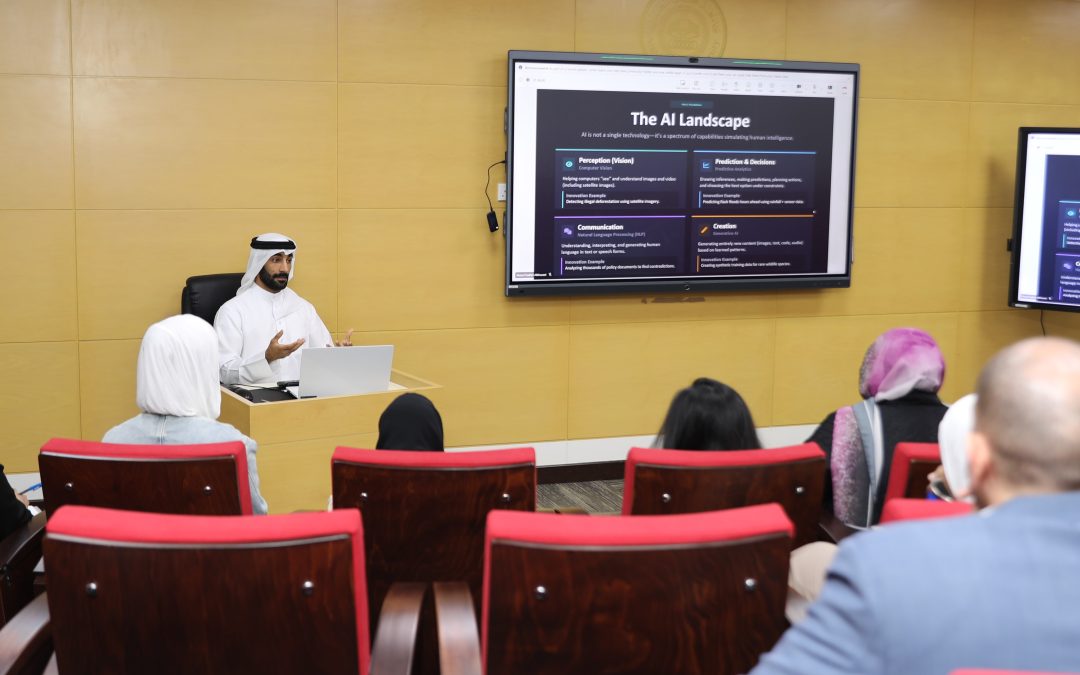
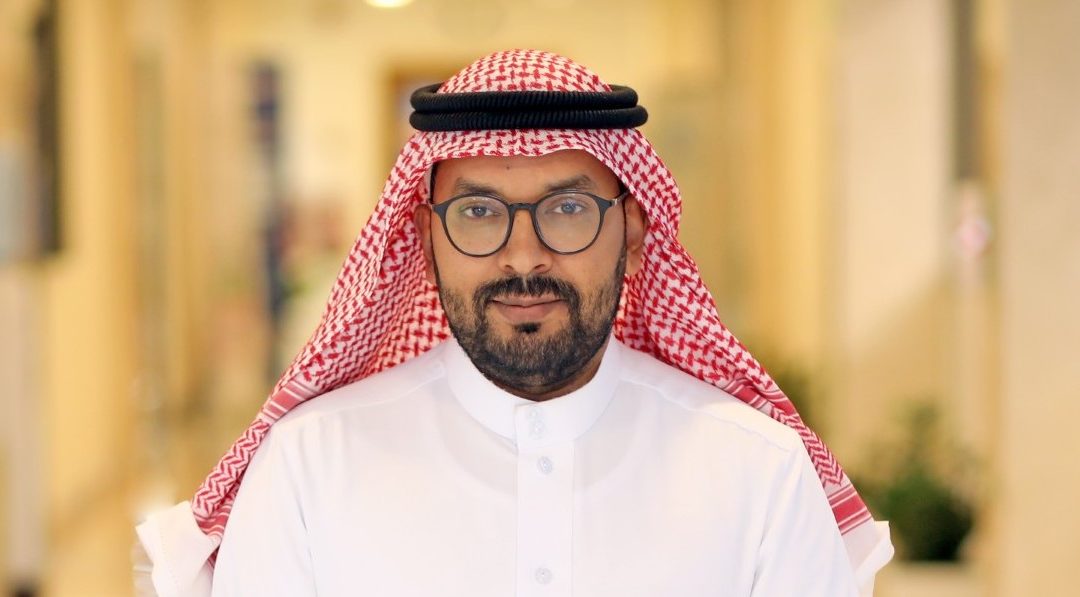
Dr Manaf Al-Khuzaei, GeoAI Remote Sensing Specialist in terrestrial and marine environments at Arabian Gulf University (AGU), delivered a lecture titled "An Introduction to Artificial Intelligence for Innovation and Technology Transfer" as part of the activities organised by the Shaikh Hamad bin Khalifa Al Thani Chair in Geographic Information Systems. During the session, he explained the fundamental concepts of AI and explored its applications in environmental fields and water resource management.
The presentation featured an overview of the theoretical and practical foundations of AI, highlighting the distinctions between machine learning, deep learning, and generative AI. Dr Al-Khuzaei supported his explanations with practical examples relevant to general and environmental applications.
The discission covered the core principles of AI and machine learning, stressing the differences between traditional programming based on fixed rules, and machine learning, which involves training models with data to generate intelligent outputs. Dr Al-Khuzaei noted that programming languages such as Python and Java are predominantly used in developing and implementing machine learning models.
He also discussed various types of machine learning, including supervised learning, unsupervised learning, and their practical applications including classification using labelled data, clustering to segment customers based on purchasing patterns, and regression models for predicting future values such as temperatures from historical data.
Dr Al-Khuzaei also reviewed the concept of deep learning and neural networks as advanced extensions of machine learning. These networks rely on multi-layered networks capable of learning abstract data properties, with practical applications in areas such as image segmentation and classification.
Furthermore, he addressed generative AI and large language models, demonstrating their capacity to generate content from textual prompts and automate tasks like summarisation and systematic analysis. He stressed the significance of prompt engineering to optimise outcomes.
In terms of practical applications, he reviewed the uses of AI in environmental fields and water resource management, such as environmental monitoring, water quality forecasting, flood prediction, and smart irrigation systems. He explained the role of machine learning models and data sources in improving operational efficiency and supporting decision-making.
He also discussed the challenges faced in implementing AI projects within the innovation chain, noting high failure rates often due to data quality issues. He affirmed the importance of adopting solutions by clearly defining problems, validating models, ensuring scalability, and actively involving stakeholders. He addressed ethical considerations, including data accuracy, sensor costs, transparency, accountability, and community participation.
He concluded by addressing cybersecurity and data protection concerns related to AI systems. He underscored the need for secure data handling, server infrastructure considerations, and awareness of risks associated with cloud-based services.
by ashokaib | Jan 5, 2026 | Uncategorized
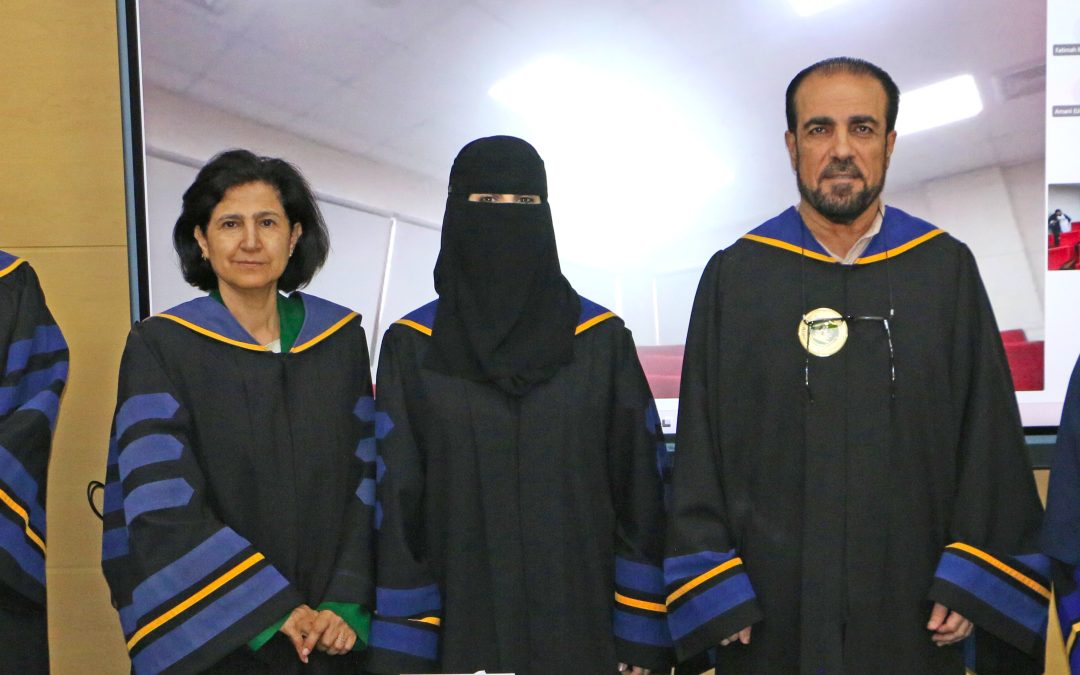
Researcher Wejdan Mohammed Al-Ghamdi examined the relationship between design thinking and entrepreneurial orientation among gifted and non-gifted high school students in the Kingdom of Saudi Arabia. The study aimed to identify the nature of this relationship and assess whether significant differences exist in students’ average scores on the design thinking scale and the entrepreneurial orientation scale based on variables such as gender and student classification (gifted or non-gifted). This research was conducted as part of the requirements for a Master’s degree in Gifted Education at the College of Education, Administrative and Technical Sciences, Arabian Gulf University (AGU).
Using a descriptive correlational methodology, the researcher sampled 320 male and female high school students from public and private schools in Dammam, Saudi Arabia. The sample included 148 gifted students and 172 non-gifted students. The study employed two main instruments: the design thinking scale and the entrepreneurial orientation scale.
The findings revealed a statistically significant positive correlation between design thinking and its dimensions and entrepreneurial attitudes and their dimensions among both gifted and non-gifted students. The results also indicated statistically significant differences in the correlation between the overall design thinking score and the overall entrepreneurial orientation score among gifted and average students, with average students scoring higher than gifted students.
Additionally, there were significant differences in mean scores of students on the design thinking scale based on their classification, with gifted students scoring higher. Significant differences due to interaction between gender and student classification also emerged, favoring average male students over gifted male students, and gifted female students over their non-gifted counterparts. Furthermore, on the overall orientation scale, gifted students demonstrated higher overall attitudes toward entrepreneurship than average students.
The research was supervised by Prof Dr Abdelnasser Diab Al Jarrah and Prof Fatima Ahmed Al-Jassim.
by ashokaib | Jan 4, 2026 | Uncategorized
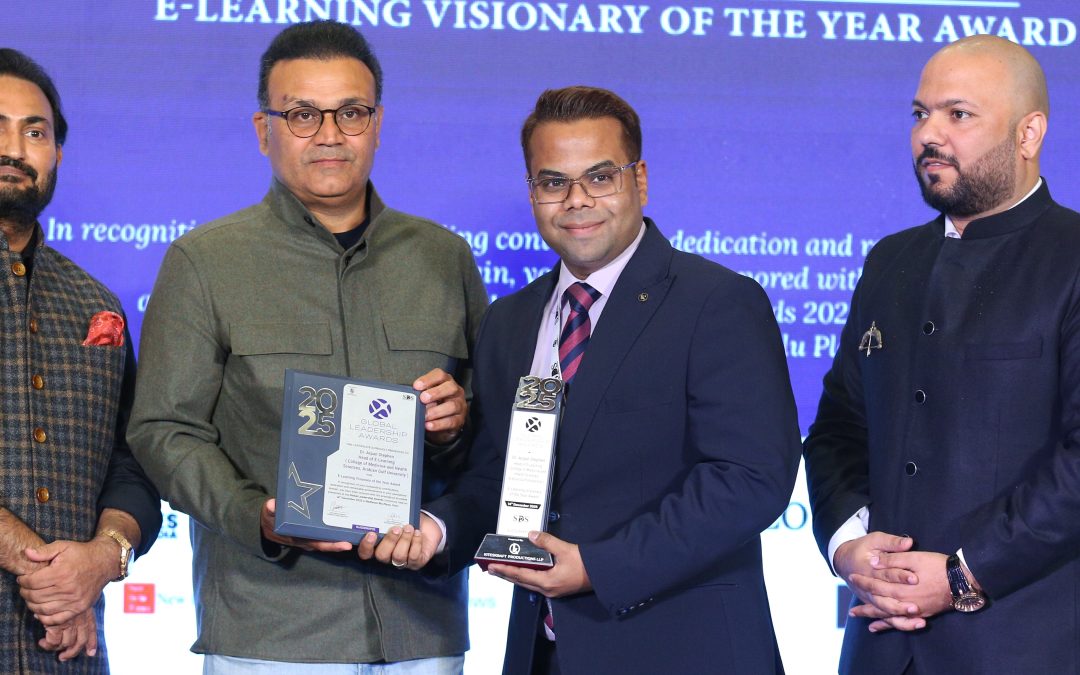
Mr Arpan Stephen, E-Learning Specialist at the College of Medicine and Health Sciences at Arabian Gulf University (AGU), has been awarded the "E-Learning Visionary of the Year" title at the Global Leadership Awards 2025.
The ceremony was held in the Indian capital, New Delhi, last December, in recognition of his significant contributions and efforts in developing the e-learning ecosystem and fostering innovation at both regional and international levels.
Dr Mohammed Saleh Madadin, Dean of the College of Medicine and Health Sciences, reaffirmed the University’s continuous commitment to advancing e-learning systems within medical education.
He highlighted the University's focus on utilising the latest educational technologies and interactive digital platforms, alongside adopting advanced digital solutions that enhance the learning experience and improve the efficiency of medical education outcomes.
"This approach aligns with global digital transformations and international best practices in higher education," he added.
"Investing in medical e-learning reflects the University's vision toward building an integrated and flexible educational system that supports innovation in teaching," Dr Madadin stated.
"It contributes to graduating qualified medical cadres capable of keeping pace with the rapid developments in the health sector. Mr Arpan Stephen’s achievement of the ‘E-Learning Visionary of the Year’ award is a clear testament to this vision."
For his part, Mr Stephen expressed his pride in this recognition, emphasising that the award serves as a powerful incentive to continue working and innovating in the field of e-learning.
He remarked: "The E-Learning Visionary of the Year award is a tribute to the collective efforts invested in developing innovative digital learning environments. It reflects the importance of investing in modern educational technologies to support the quality of medical education and improve its outcomes, ultimately empowering students and elevating the sustainability of learning within academic institutions."
by ashokaib | Dec 31, 2025 | Uncategorized
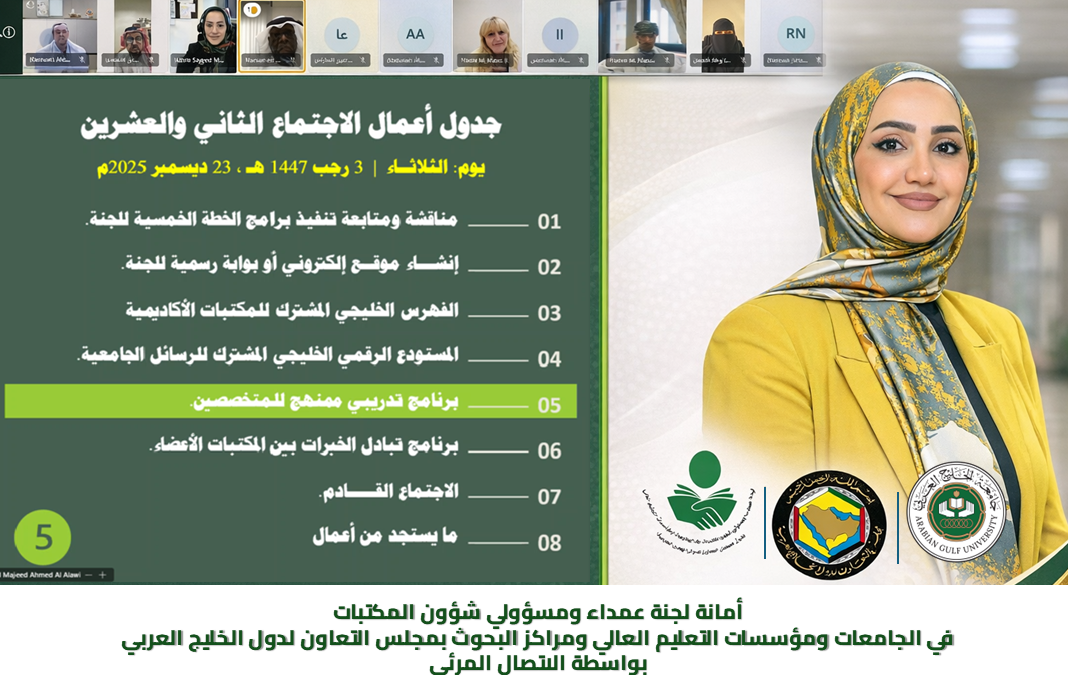
Ms Athraa Al Alawi, Director of the Library and Learning Resources Centre at Arabian Gulf University (AGU) and Secretary of the Committee of Deans and Heads of Library Affairs in Universities, Higher Education Institutions, and Research Centres in GCC Countries chaired the Committee’s 22nd meeting, which was recently held via videoconference.
The meeting, which brought together representatives from libraries across the Gulf, launched a series of strategic initiatives aimed at strengthening Gulf integration and fostering a shared knowledge future. These initiatives focus on comprehensive benefits aligned with Sustainable Development Goals in areas of quality education, free access to knowledge, and innovation.
A key outcome of the meeting was the establishment of a Gulf consortium for digital resources, enabling member states to collaborate on acquiring information resources at reduced collective costs. Additionally, a unified Gulf library catalogue will be developed, compiling holdings from academic libraries throughout the region to enhance knowledge exchange and facilitate collaborative research. The committee also approved the creation of an official website serving as a unified Gulf platform for documenting work and disseminating achievements. Furthermore, a joint training programme will be launched to strengthen the skills of library and information professionals across the Gulf.
Participants stressed the importance of establishing a mechanism for periodic meetings that combine in-person and virtual sessions, with hosting responsibilities rotating among member states. This approach reflects the principle of balanced partnership and aims to bolster effective cooperation. These initiatives demonstrate the committee’s commitment to mutual benefit, making knowledge accessible to all, and building an integrated knowledge infrastructure that supports the transition to a Gulf knowledge society. They also reinforce the role of libraries as centres of cultural and scientific influence serving all GCC countries.
Through these efforts, the committee affirms its role as an incubator of Gulf cooperation in information exchange, and as a catalyst for achieving integration and excellence in library services, thereby serving the GCC’s vision of building a sustainable knowledge economy and an integrated Gulf society.
Caption:
by ashokaib | Dec 31, 2025 | Uncategorized
His Excellency Dr Saad bin Saud Al Fuhaid, President of Arabian Gulf University (AGU), has issued a decree appointing Prof Dr Mohammed Saleh Madadin as Dean of the College of Medicine and Health Sciences at the university. This appointment reflects the university’s commitment to attracting distinguished academic talent from the Gulf and advancing institutional and academic development within its health colleges.
Prof Dr Madadin is a highly accomplished academic, specialising in forensic medicine and medical education. He earned his Bachelor of Medicine and Surgery from King Faisal University, completed fellowships in forensic medicine and forensic pathology in Saudi Arabia and Australia, and holds a Master of Medical Education from the University of Dundee in the United Kingdom. Additionally, he holds a fellowship in higher education from the UK and advanced certifications in academic leadership.
With over 15 years of professional and academic experience, he has held several leadership roles, including Chairman of the Pathology Department and Vice Dean for Academic Affairs at Imam Abdulrahman bin Faisal University. He has also served as a visiting lecturer at Monash University in Australia. He is a member of the boards of trustees of various health colleges and has chaired numerous committees within the Saudi Commission for Health Specialties, particularly in health training.
In the field of academic leadership and institutional development, Prof Dr Madadin has led comprehensive initiatives that improved National Professional Practice Licensure Exams results for medical graduates. He has contributed to curriculum development, assessment systems, and quality assurance aligned with international standards. He has overseen accreditation processes and training programmes, earning recognition for excellence in medical education, including the Aspire Award from the International Association for Health Professions Education (AMEE).
In terms of scientific achievements, he has been listed among Stanford University’s top 2% of scientists worldwide and was a finalist for the UK Alumni Award for Medical Educator Excellence in Medical Education.
Prof Dr Madadin actively participates in scientific and professional communities, serving as a certified academic reviewer for various scientific journals and advisor on regional and international committees in forensic medicine and medical education.
His professional interests focus on advancing medical education, enhancing healthcare quality and outcomes, developing academic leaders, building institutional capacity, as well as promoting the integration of education, training, and professional practice in the healthcare sector. This aligns with AGU’s vision and mission of academic excellence and community service.
Expressing his pride in assuming the role of Dean of the College of Medicine and Health Sciences, Prof Dr Madadin considered this appointment a milestone in his career. This position represents a great responsibility and an opportunity to strengthen the role of students as the central focus of the educational process. He stressed the importance of providing a supportive and inspiring environment that empowers students to achieve their academic and personal ambitions.
He stated, “AGU has long been a leading institution in health education and postgraduate studies in the Gulf. I look forward to contributing to the university’s advancement while fulfilling the aspirations of its students in an advanced educational environment."