by ashokaib | Dec 14, 2025 | Uncategorized
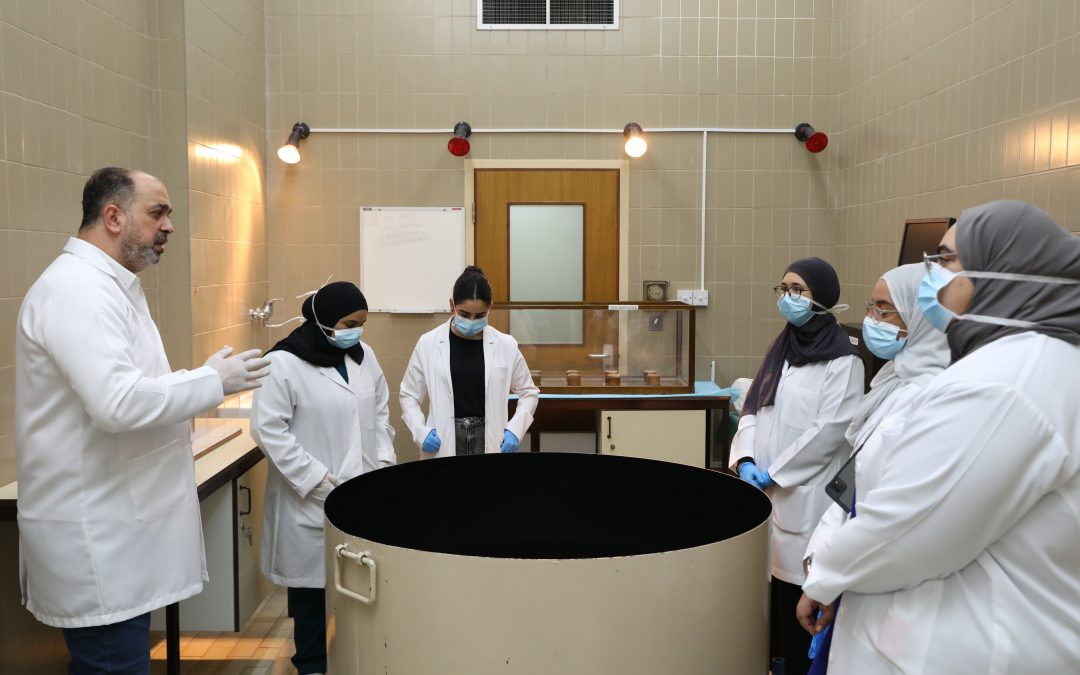
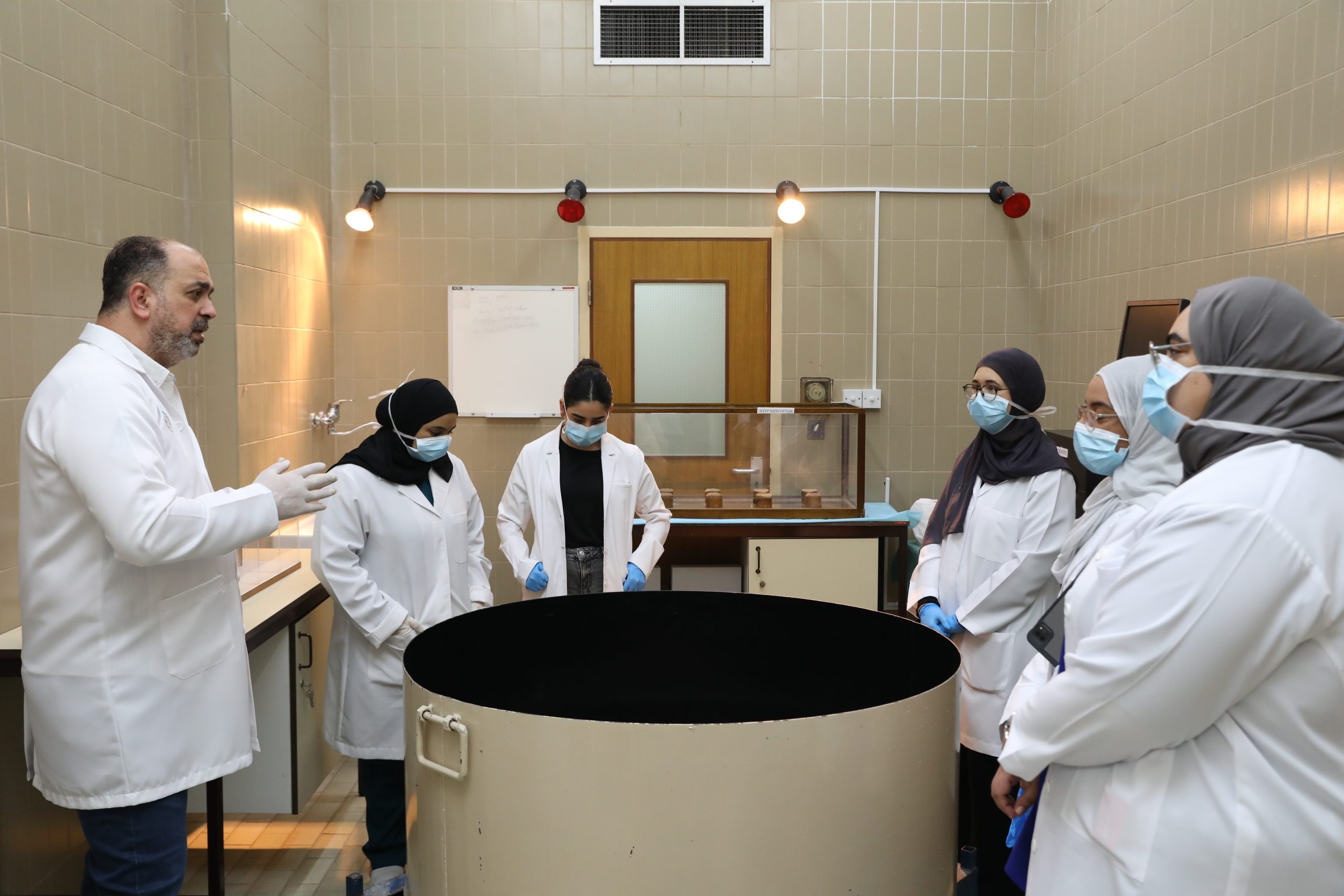
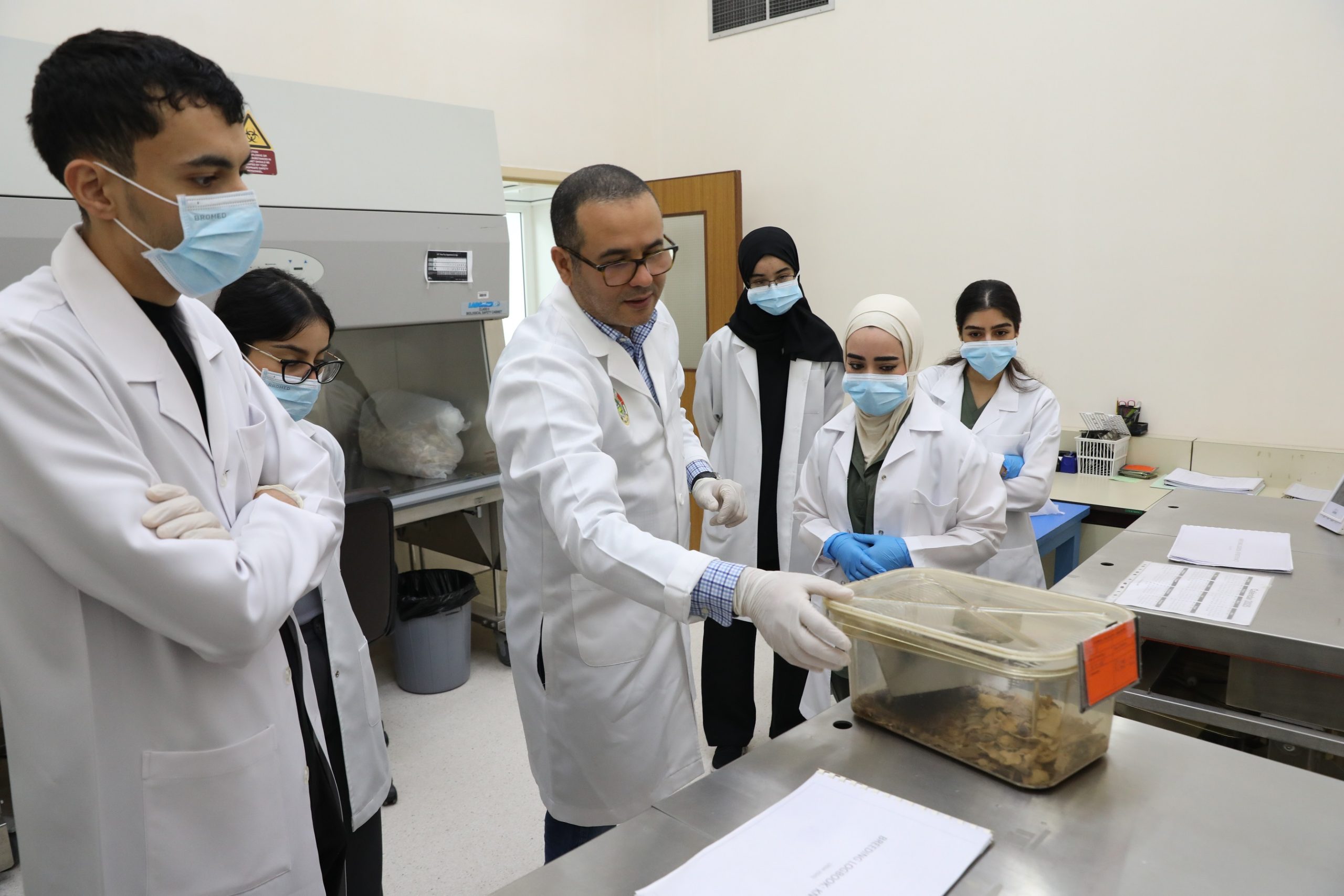
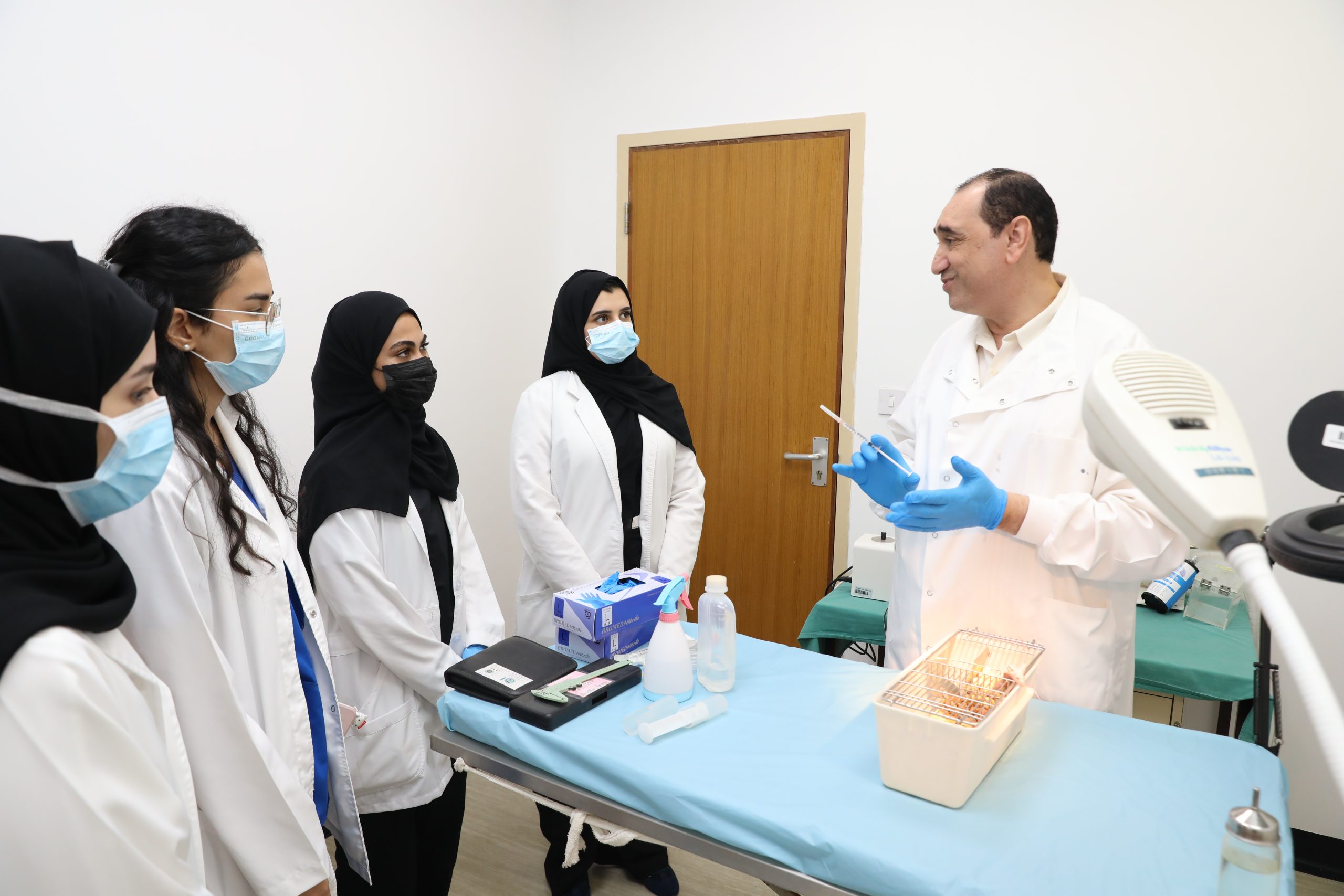
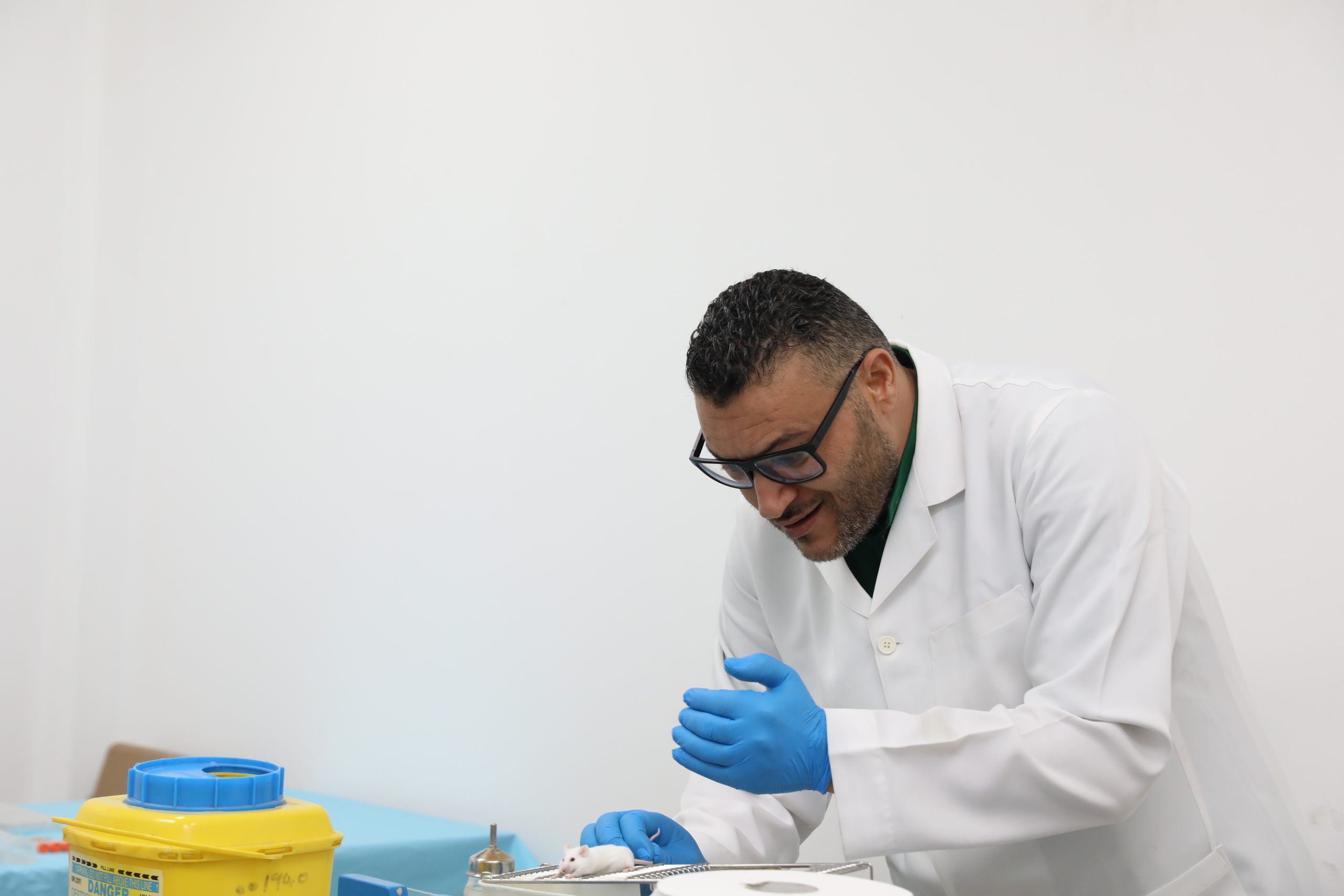
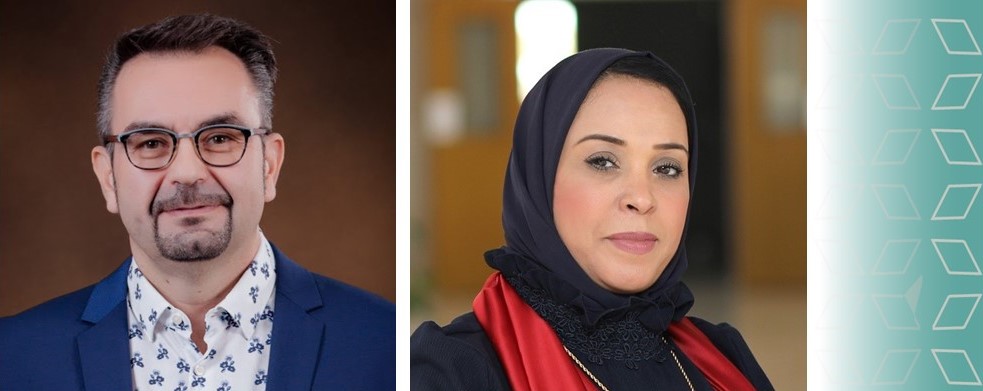
The workshop titled “Ethics and Techniques of Handling Laboratory Animals” organised by the Animal Facility and Care Unit at Arabian Gulf University (AGU) in collaboration with the university’s Community Service, Consultation, Training, and Continuing Education Centre, has successfully concluded. The event aimed to enhance participants' awareness of ethical standards and regulations governing experimental research, while equipping trainees with essential skills and techniques for handling laboratory animals. The workshop featured presentations by a group of specialists from the College of Medicine and Health Sciences.
Dr Yahya Naguib, Head of the Animal Facility and Care Unit and the Physiology Department, noted that unit was established to train students and researchers interested in conducting experimental animal research within the region. It empowers researchers to conduct basic medical research and offers training workshops throughout the academic year. Open to all interested individuals in Bahrain and the wider Gulf, the unit is recognised as a centre of regional excellence.
The two-day workshop comprised numerous lectures and intensive training sessions. Professor Dr Khaled Greish, Head of the Clinical Research Centre, presented a comprehensive module on the ethics and principles of humane treatment of laboratory animals, including techniques for preparing tumours and injecting them into animals to evaluate interactions with experimental cancer treatments.
Professor Ammar Marwani, Technical Supervisor at the University's Animal Facility, presented a training module focused on essential professional skills for handling laboratory animals and various injection techniques. Additionally, Dr Noureddine Ben Khalaf, Vice-Dean for Research and Innovation at the College of Graduate Studies and Associate Professor in the Department of Molecular Medicine, shared insights into the university’s experiences in genetically engineering laboratory animals to evaluate treatment efficacy for various challenging diseases.
The workshop concluded with a detailed presentation by Dr Yahya Naguib, who discussed behavioural testing methods in laboratory animals and their significance in neuroscience research.
by ashokaib | Dec 10, 2025 | Uncategorized
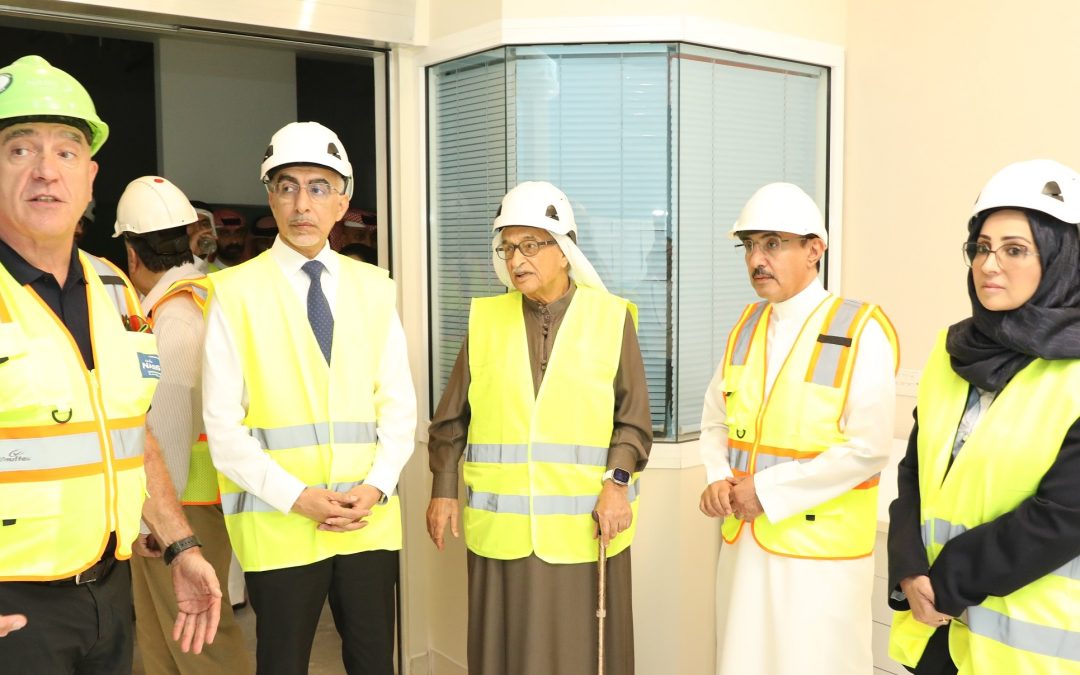
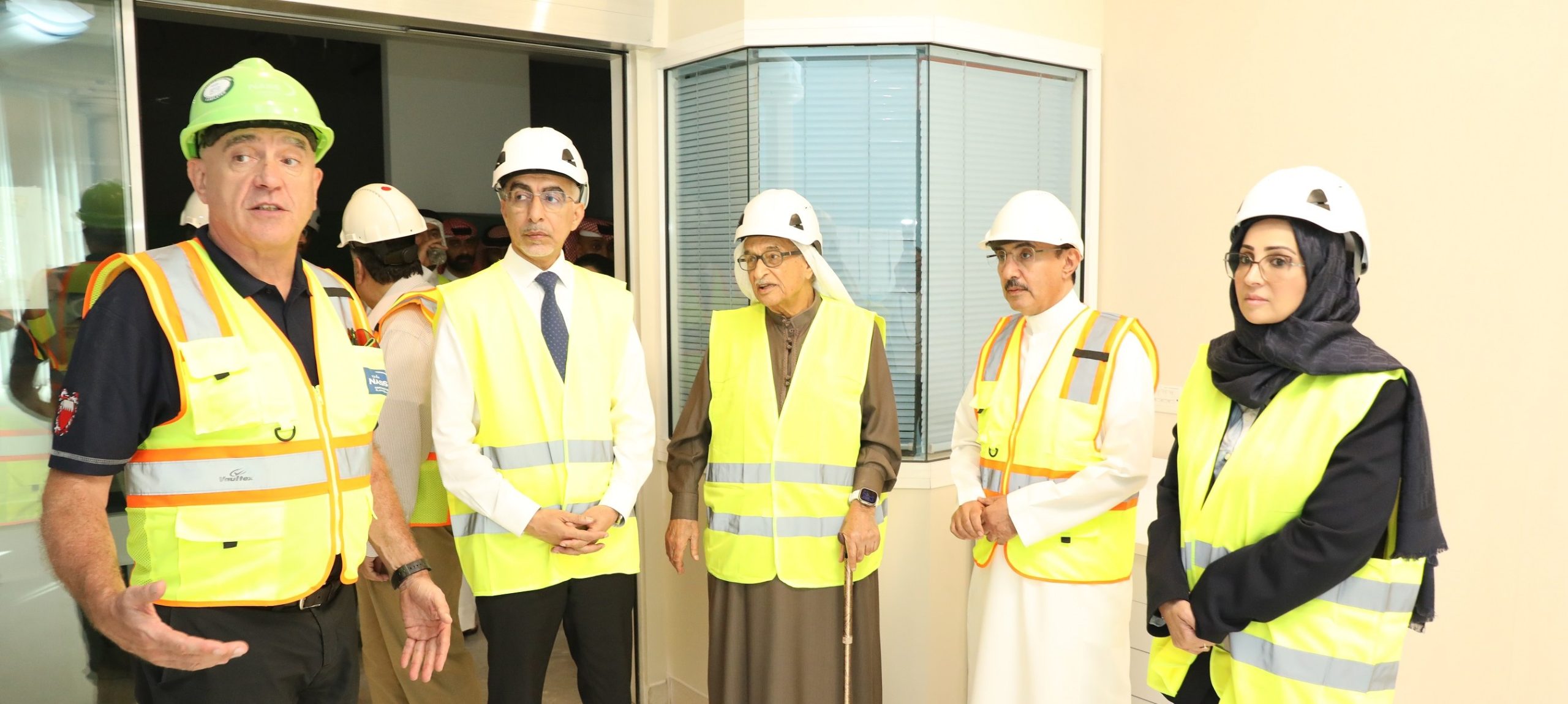
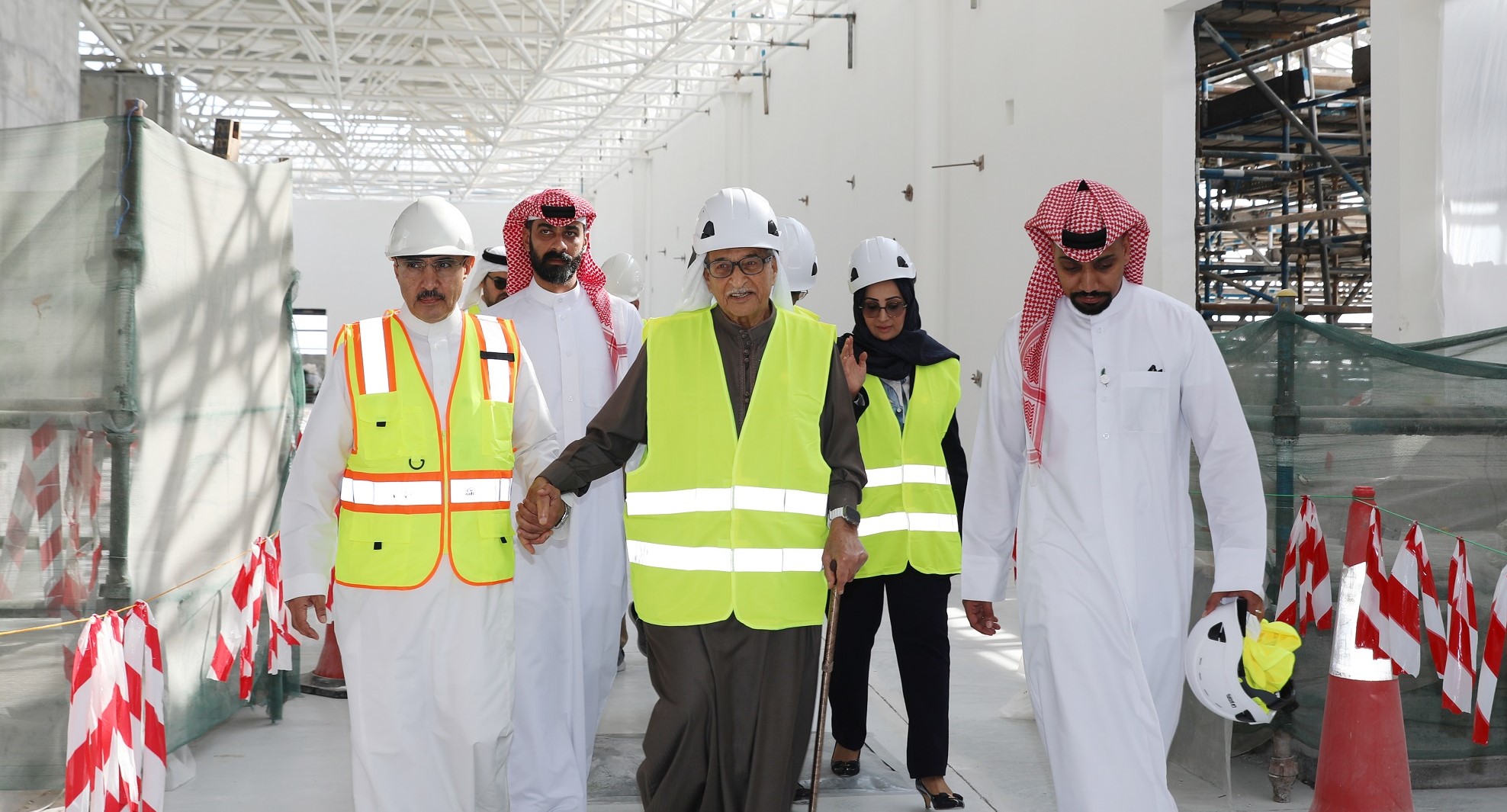
His Excellency Lieutenant General Dr Shaikh Mohamed bin Abdullah Al Khalifa, Chairman of the Supreme Council of Health (SCH), visited the King Abdullah bin Abdulaziz Medical City project, one of the Kingdom of Bahrain’s most prominent healthcare initiatives. During the visit to the site in Durrat Al Bahrain, Southern Governorate, he was briefed on the construction progress and inspected the state-of-the-art intensive care facilities. He was accompanied by His Excellency Engineer Ibrahim bin Hassan Al Hawaj, Minister of Works, Her Excellency Dr Jaleela bint Sayed Jawad Hassan, Minister of Health, alongside several undersecretaries and senior officials from health and engineering sectors, in the presence of His Excellency Dr Saad bin Saud Al Fuhaid, President of the Arabian Gulf University (AGU).
His Excellency Lieutenant General Dr Shaikh Mohammed bin Abdullah Al Khalifa affirmed that the establishment of King Abdullah bin Abdulaziz Medical City embodies the deep, distinguished, and fraternal relations between the Kingdom of Bahrain and the Kingdom of Saudi Arabia. He stressed the ongoing bilateral cooperation in the health and education sectors, praising the joint efforts to expand this partnership in line with the directives of His Majesty King Hamad bin Isa Al Khalifa, King of Bahrain, and the Custodian of the Two Holy Mosques, King Salman bin Abdulaziz Al Saud, King of Saudi Arabia.
He stated, "This vital project enjoys the support of the Saudi-Bahraini Coordination Council, chaired by His Royal Highness Prince Salman bin Hamad Al Khalifa, Crown Prince and Prime Minister, and His Royal Highness Prince Mohammed bin Salman bin Abdulaziz Al Saud, Crown Prince and Prime Minister of Saudi Arabia.” He further commended the significant efforts of the Saudi Fund for Development (SFD) and its continuous support for strategic development projects in Bahrain. He expressed appreciation for AGU’s commitment to maintaining the highest quality standards throughout the project’s implementation.
For his part, His Excellency Dr Saad Al Fuhaid expressed his deepest gratitude to the Custodian of the Two Holy Mosques, King Salman bin Abdulaziz Al Saud, and His Royal Highness Crown Prince Mohammed bin Salman Al Saud, as well as to His Majesty King Hamad bin Isa Al Khalifa and His Royal Highness Prince Salman bin Hamad Al Khalifa. He noted that their support for this project embodies the shared strategic vision of both nations. He acknowledged the role of SFD throughout the implementation phases of the project which has reached a major construction milestone and anticipated completion by the end of 2026, establishing the Medical City as a landmark for medical innovation and scientific research in the region.
He noted AGU’s prioritisation of this project to ensure that it meets international standards, honouring the generous donation of the late King Abdullah bin Abdulaziz Al Saud, and supporting His Majesty the King of Bahrain’s vision for the future of the health sector.
The city is expected to create over 1,000 job opportunities, enhancing medical training and research, and transforming Bahrain to a leading regional healthcare destination offering unprecedented specialised services.
During the visit, Engineer Khalid Ibrahim, the project supervisor, reviewed the development phases, noting that the facility occupies approximately 82,000 square metres within a total land area of one million square meters. He indicated that the first phase includes the operation of a teaching hospital.
Dr Shaher bin Dhafer Al Shehri, CEO of the University Medical Centre at King Abdullah bin Abdulaziz Medical City, described the project as a pioneering model of developmental cooperation contributing to the empowerment of medical personnel, the training of students, and the provision of comprehensive healthcare according to international standards. The project will feature specialised medical facilities with a capacity exceeding 280 beds, enhancing the national healthcare system and contributing to the Sustainable Development Goals.
by ashokaib | Dec 10, 2025 | Uncategorized
The Innovation Management Programme at the Department of Business Administration, College of Education, Administrative and Technical Sciences, Arabian Gulf University (AGU) is organising a lecture titled "Practical Lessons from Global Most Innovative Knowledge Enterprise (MIKE) Award Winners: Turning Knowledge into Innovation." This event is part of the activities of the Shaikh Isa bin Salman Al Khalifa Chair in Technology Management, which the university has hosted since 1995.
The lecture will be presented tomorrow morning, Thursday, by Dr Vincent Ribiere, Associate Professor and Managing Director of the Institute for Knowledge and Innovation Southeast Asia (IKI-SEA) at Bangkok University. He will share insights from leading global experiences in knowledge management and its transformation into effective innovation practices within organisations.
Held in the university's Innovation Lab and accessible via videoconference to encourage broader participation, the session will showcase best practices adopted by organisations that have received the MIKE Global Award. It will also examine the vital role of effective knowledge management in fostering organisational innovation, enhancing competitiveness, and supporting knowledge-based decision-making.
Dr Afaf Bugawa, Supervisor of the Shaikh Isa bin Salman Al Khalifa Chair in Technology Management, stated that this lecture reflects the university’s ongoing efforts to strengthen the innovation ecosystem and promote a culture of knowledge management. It also aims to enable students and researchers to learn from the latest global experiences in this field.
The Research Chair at AGU seeks to promote a culture of innovation and support sustainable development across the Gulf through research, knowledge production, and technology development to address regional challenges.
The Chair cultivates creativity among students and researchers, encourages initiatives within the university, and conducts high-quality research in innovation, technology transfer, and sustainable development. It also strives to build strategic partnerships with industrial, governmental, and international institutions to develop innovative solutions that advance regional progress.
Additionally, the Chair supports technology transfer and entrepreneurship by incubating startups and facilitating collaboration with the industrial sector. It also contributes to policy development that promotes innovation and development, aiming to create a lasting impact that diversifies Gulf economies and boosts their global competitiveness.
by ashokaib | Dec 8, 2025 | Uncategorized
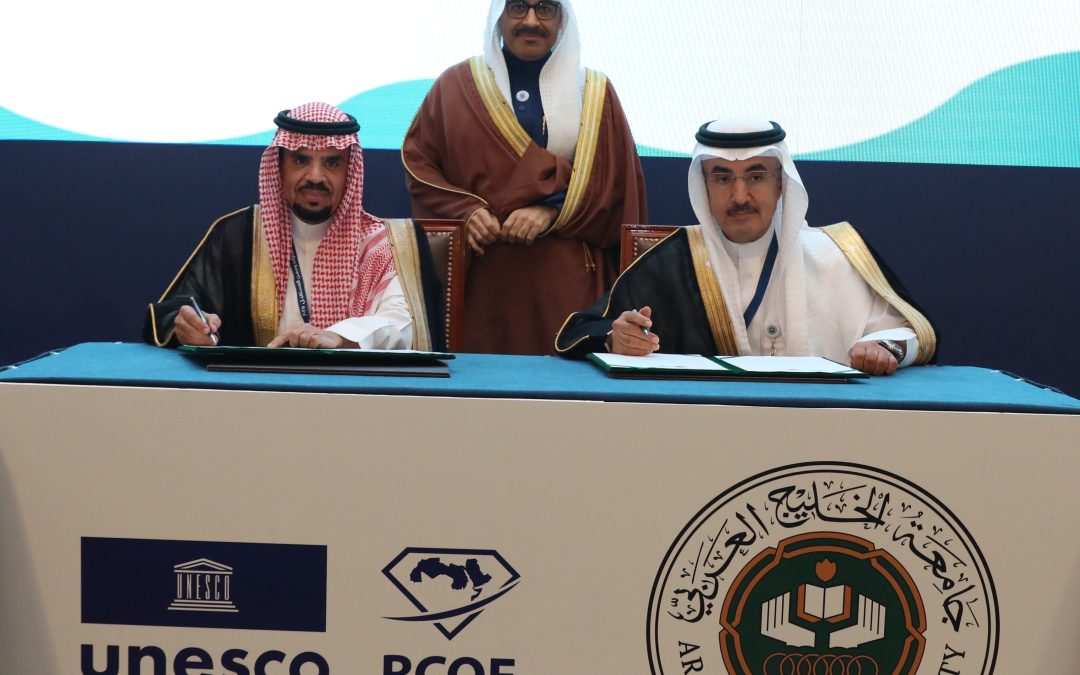
The Arabian Gulf University (AGU), in partnership with the UNESCO Regional Centre for Quality and Excellence in Education, has launched a joint research chair aimed at supporting scientific research and developing innovative solutions to address environmental, climate, and economic challenges in the region. The initiative also seeks to build scientific capacities and empower the next generation of sustainability leaders. The launch took place in the presence of His Excellency Dr Mohammed bin Mubarak Juma, Minister of Education and Chair of the Board of Trustees of the Higher Education Council.
The establishment of this chair comes at a time when climate challenges are accelerating and intersecting with economic and societal demands. It will serve as a platform that brings together scientific vision and social responsibility, with a strong focus on advancing the transition towards a sustainable green economy.
His Excellency Dr Saad bin Saud Al Fuhaid, President of the Arabian Gulf University, affirmed that “this scientific chair represents an advanced model that integrates research vision with social responsibility. It reinforces the University’s efforts to promote a culture of sustainability and connect scientific research with the future of the planet. It places academic knowledge at the service of the transition towards a sustainable green economy, particularly at a time when global developments have made sustainability not merely an economic policy choice, but a matter of planetary survival.”
He added that the chair “will fill an important knowledge gap in studying the impacts of climate change on regional economies, guide companies in managing climate risks and harnessing the opportunities of the circular economy, and elevate public awareness of sustainability and institutional responsibility.”
For his part, Dr Abdulrahman Al Mudarris, Director-General of the UNESCO Regional Centre for Quality and Excellence in Education, stated that the research chair “constitutes a platform for knowledge and experience exchange with UNESCO Chairs and research centres worldwide. It will stimulate the adoption of green technologies and innovative solutions to reduce the carbon footprint, build capacities, and provide evidence-based advisory services for policy-makers—reflecting the University’s mission to foster a culture of sustainability and link scientific knowledge to the future of the planet.”
The chair aims to address knowledge gaps related to the impact of climate change on regional economies, guide companies in climate risk management, and promote a culture of sustainability among communities and institutions. It also seeks to advance the adoption of green technologies and innovative solutions to reduce carbon emissions, in addition to providing evidence-based policy recommendations and expert advisory support to decision-makers.
by ashokaib | Dec 3, 2025 | Uncategorized
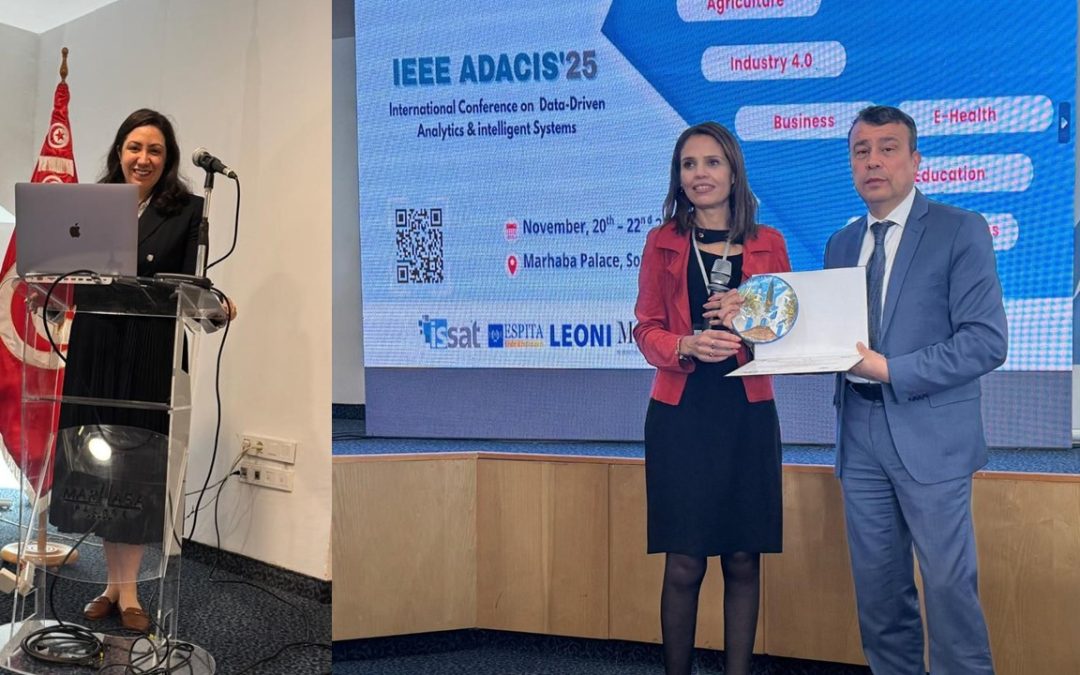
Prof. Adel Bouhoula, Head of the Computing Department at the Arabian Gulf University (AGU), represented the University at the International Conference on Artificial Intelligence and Data Analytics (IEEE ADACIS 2025). AGU was the only Arab university participating in the event, which was hosted in the city of Sousse, Tunisia. Prof. Bouhoula was invited as one of the conference’s keynote speakers, alongside distinguished academics from renowned universities in the United States, Canada, Germany and France.
As the first keynote speaker, Prof. Bouhoula delivered a lecture titled “Formal Methods for Ensuring the Safety and Security of Critical Systems”, in which he discussed the latest techniques used to guarantee the reliability of information systems and protect them from errors and vulnerabilities.
He explained that information systems used in sensitive sectors, such as aviation, healthcare and banking, require the highest levels of precision, where even the smallest error can lead to catastrophic consequences.
He added: “The cyber protocols that safeguard online shopping, banking transfers and government communications rely on highly specialised tools to ensure that no vulnerabilities exist that could result in major financial losses or undermine user trust.”
Prof. Bouhoula also presented his latest research in this field, including his contribution to the 33rd edition of the IJCAI 2024 Conference in South Korea, one of the world’s most prominent artificial intelligence conferences. There, he introduced an innovative technique aimed at enhancing the security of critical systems and addressing software vulnerabilities, contributing to the development of a more secure and dependable digital community.
In the same context, Assistant Professor in the Department of Curriculum and Instruction and the Digital Education Programme at the College of Education, Science, Technology and Innovation, Dr Sahar Riyadh Hamza, together with AGU Digital Education master’s student Zahra Shehab, presented a research paper titled “Applying Data Analytics to AI-Supported Educational Interventions for Learners with Attention Deficit Hyperactivity Disorder (ADHD)”.
The study proposes an innovative framework integrating generative artificial intelligence with data analytics to provide adaptive, real-time support for learners with ADHD, by monitoring learning behaviour, engagement levels and emotional regulation. This research marks a significant step towards digitising educational support and advancing inclusive learning.
The conference also featured research presentations by scholars from more than 20 countries, who shared their latest studies in artificial intelligence and data analytics. The diverse participation enriched the discussions, expanded knowledge exchange and strengthened the international and multidisciplinary nature of the event.
AGU’s participation underscores its global scientific presence and its commitment to advancing innovation and research excellence.
At the conclusion of the conference, organisers announced that the next edition of IEEE ADACIS will be held in Portugal, reaffirming the event’s international prominence.