by ashokaib | Nov 13, 2025 | Uncategorized
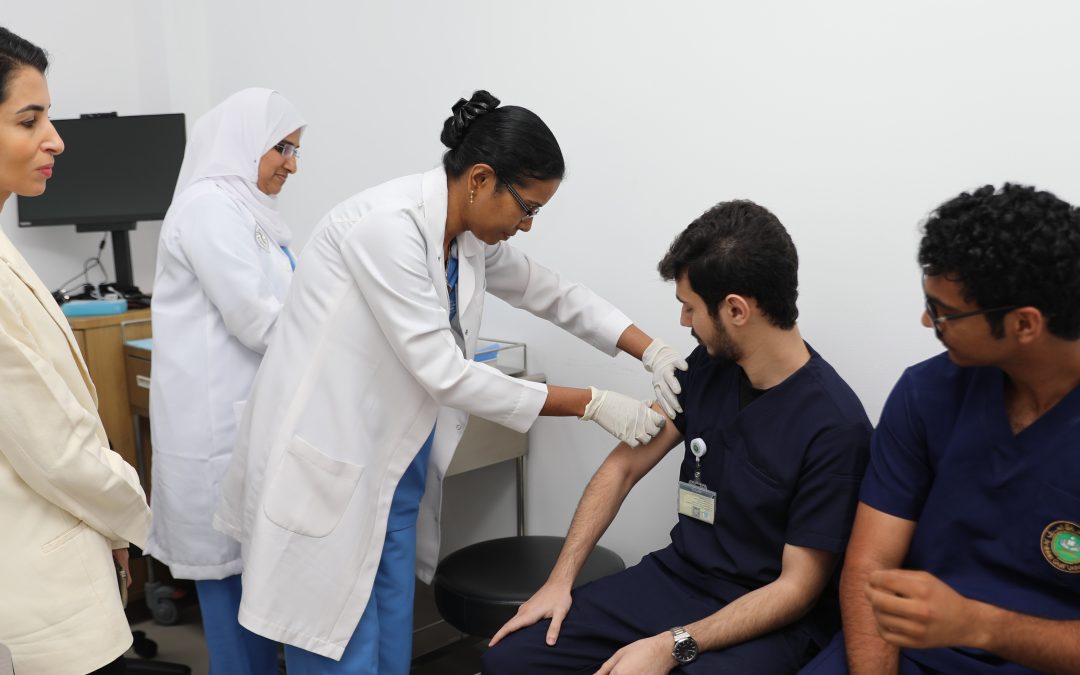
The Arabian Gulf University (AGU) has launched its annual campaign to vaccinate students from the GCC countries against seasonal influenza. The initiative aims to curb the spread of the virus, which tends to peak during the winter months. This effort was coordinated with Salmaniya Medical Complex and other government hospitals to facilitate vaccination for Gulf students residing in the Kingdom of Bahrain.
Organised by the Deanship of Student Affairs for the 2025-2026 academic year, the campaign was conducted at the Sakhir campus, Salmaniya Medical Complex, and several health centres, underscoring the university’s commitment to the health and safety of its students. Over 120 students participated in the initiative.
Dr Aseel Al Saleh, Dean of Student Affairs, stated that the university provides direct medical services to ensure students’ effective receipt of vaccinations, aligning with its vision of fostering a healthy university environment. The campaign aims to protect students from seasonal influenza and other common illnesses, raise awareness about disease prevention, and promote sustainable health practices to maintain the well-being of the university community.
In a parallel effort, the university coordinated its annual vaccination campaign for faculty and administrative staff for the eighth consecutive year. This effort was organised in partnership with the University Medical Centre at King Abdullah Medical City, building on the success of previous years.
Dr Salman Hamad Alzayani, Associate Professor of Public Health at the College of Medicine and Health Sciences, explained that vaccination remains the most effective method to prevent infection, noting that the World Health Organization recommends annual vaccination against seasonal influenza during this period. He stated that safe vaccination significantly reduces illnesses that can lead to hospitalisation or, in rare cases, death. He also highlighted that vaccination helps mitigate the economic burden caused by treating influenza, including medical expenses, employee and student absenteeism, and disruptions to academic and professional activities during winter.
Dr Alzayani further explained that seasonal influenza spreads easily in both public and private settings through airborne transmission or contact with contaminated surfaces. Symptoms typically include sudden high fever, cough, headache, muscle and joint pain, nausea, sore throat, and runny nose. While all age groups are susceptible, children under two, adults over 65, and individuals with chronic conditions such as heart, lung, kidney, or blood diseases, metabolic disorders, or compromised immune systems are at the highest risk of serious complications.
by ashokaib | Nov 13, 2025 | Uncategorized
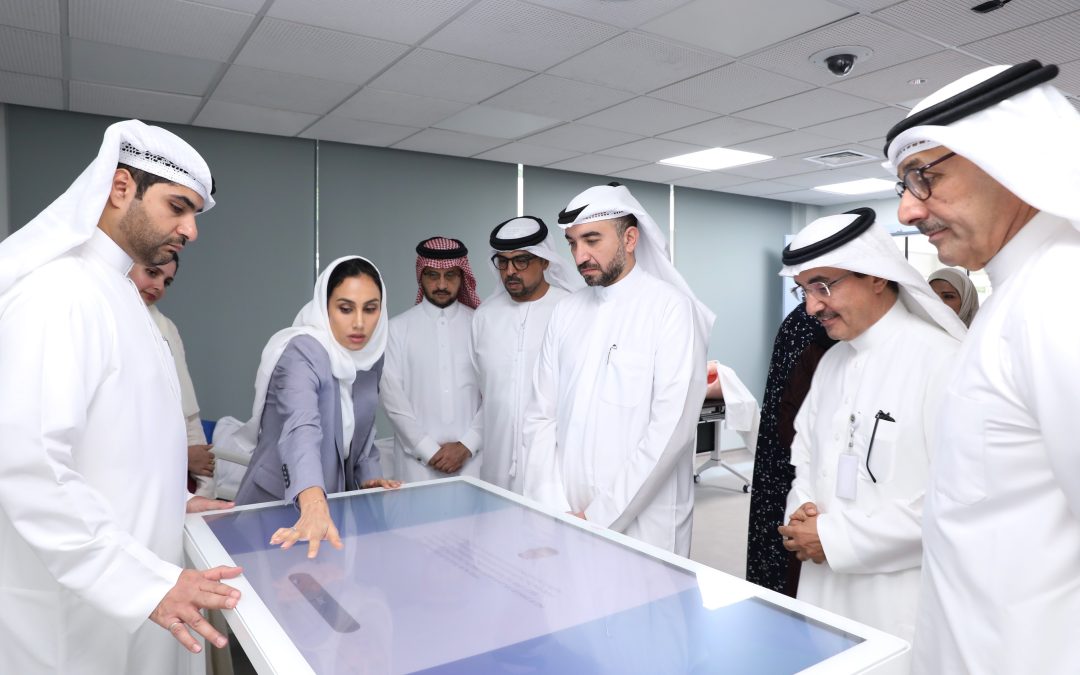
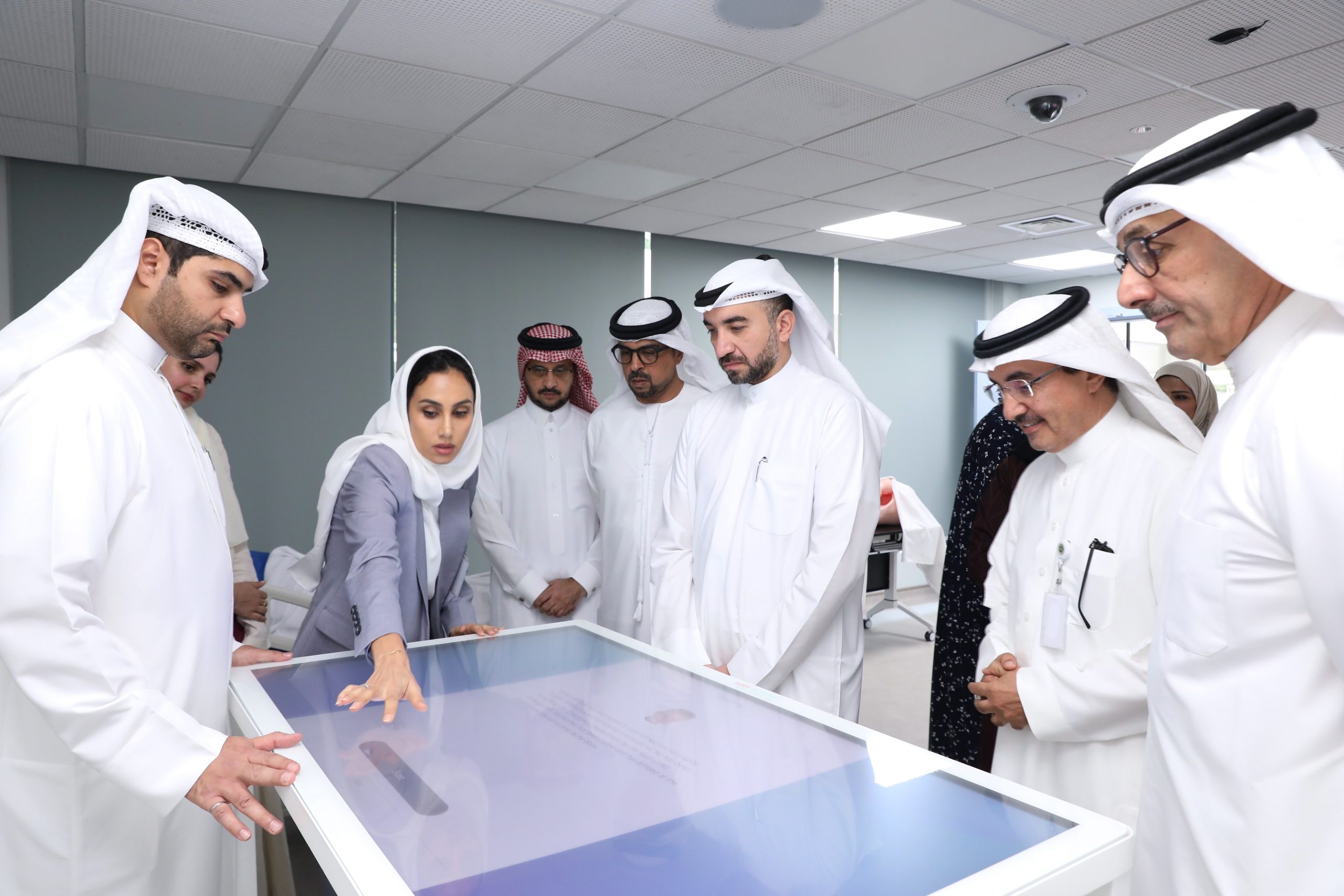
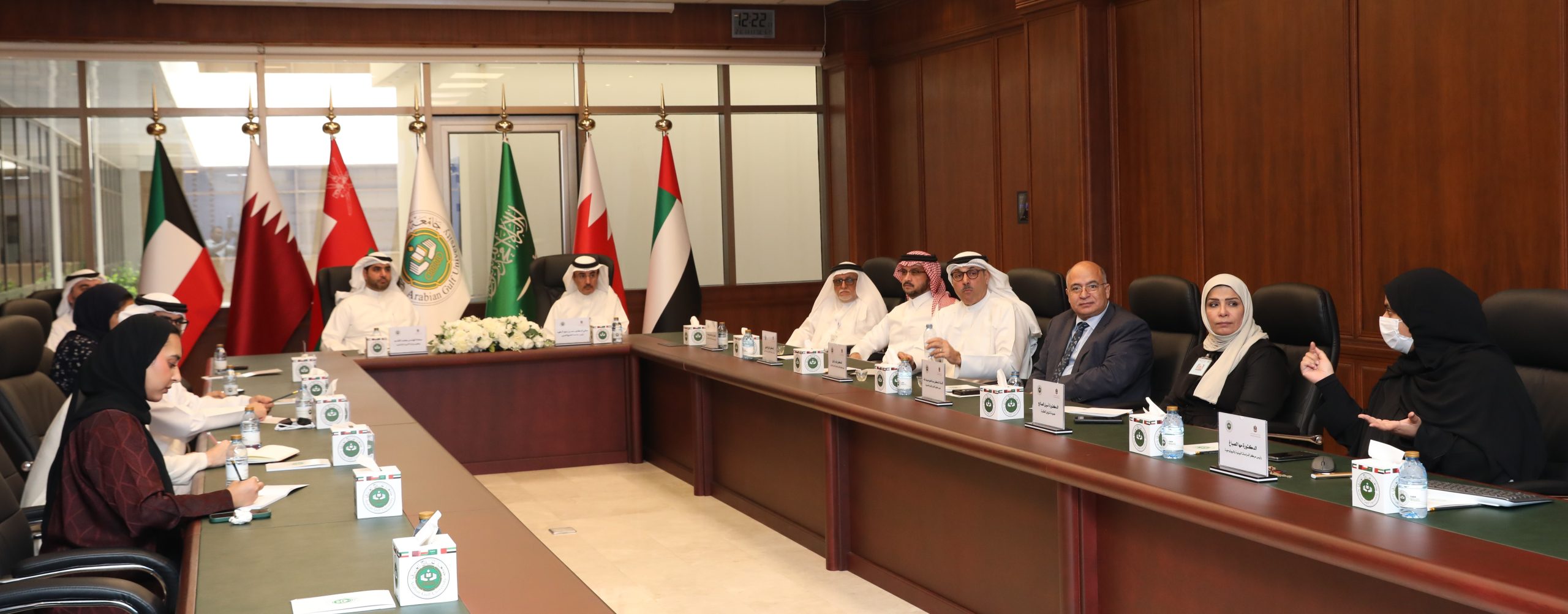
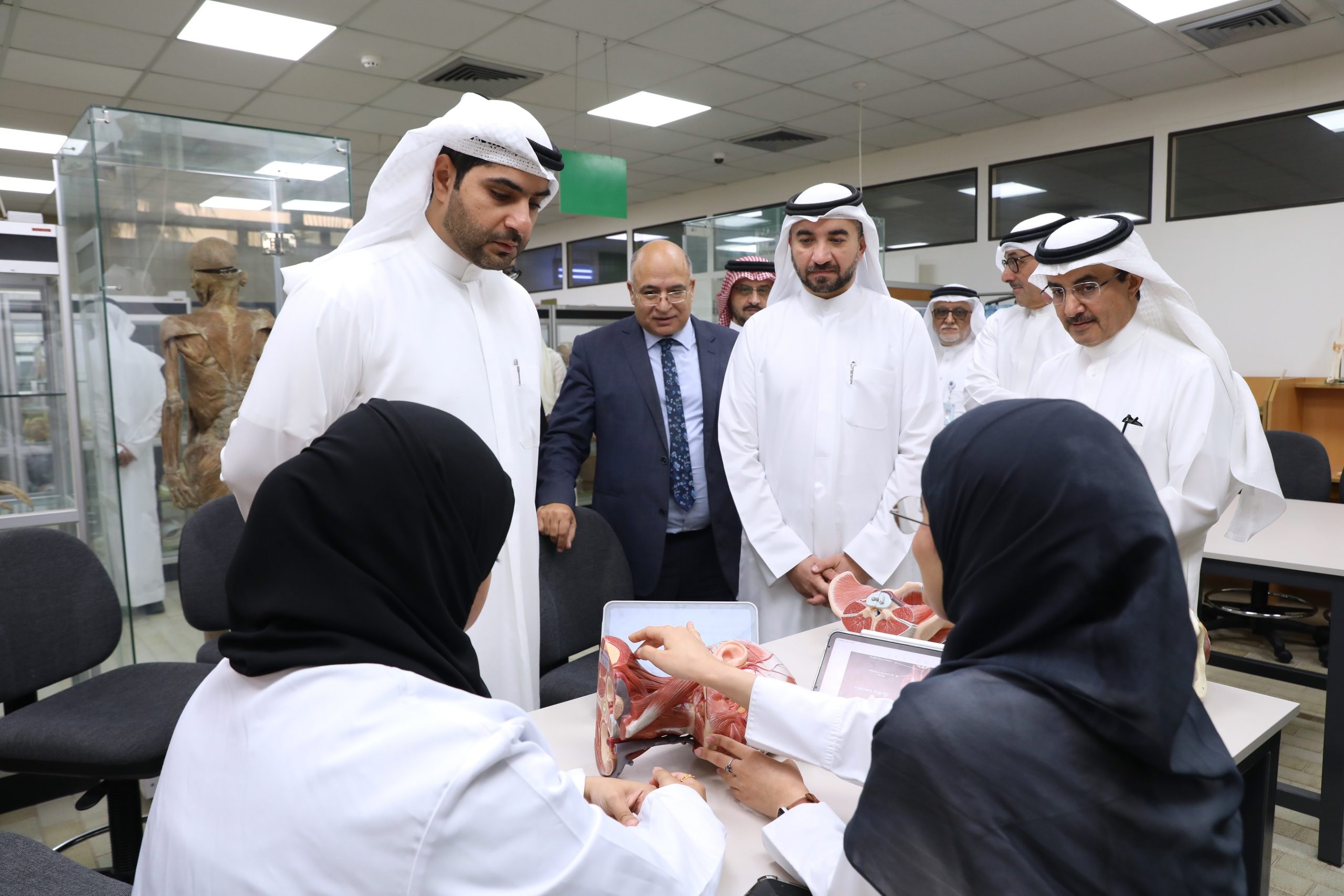
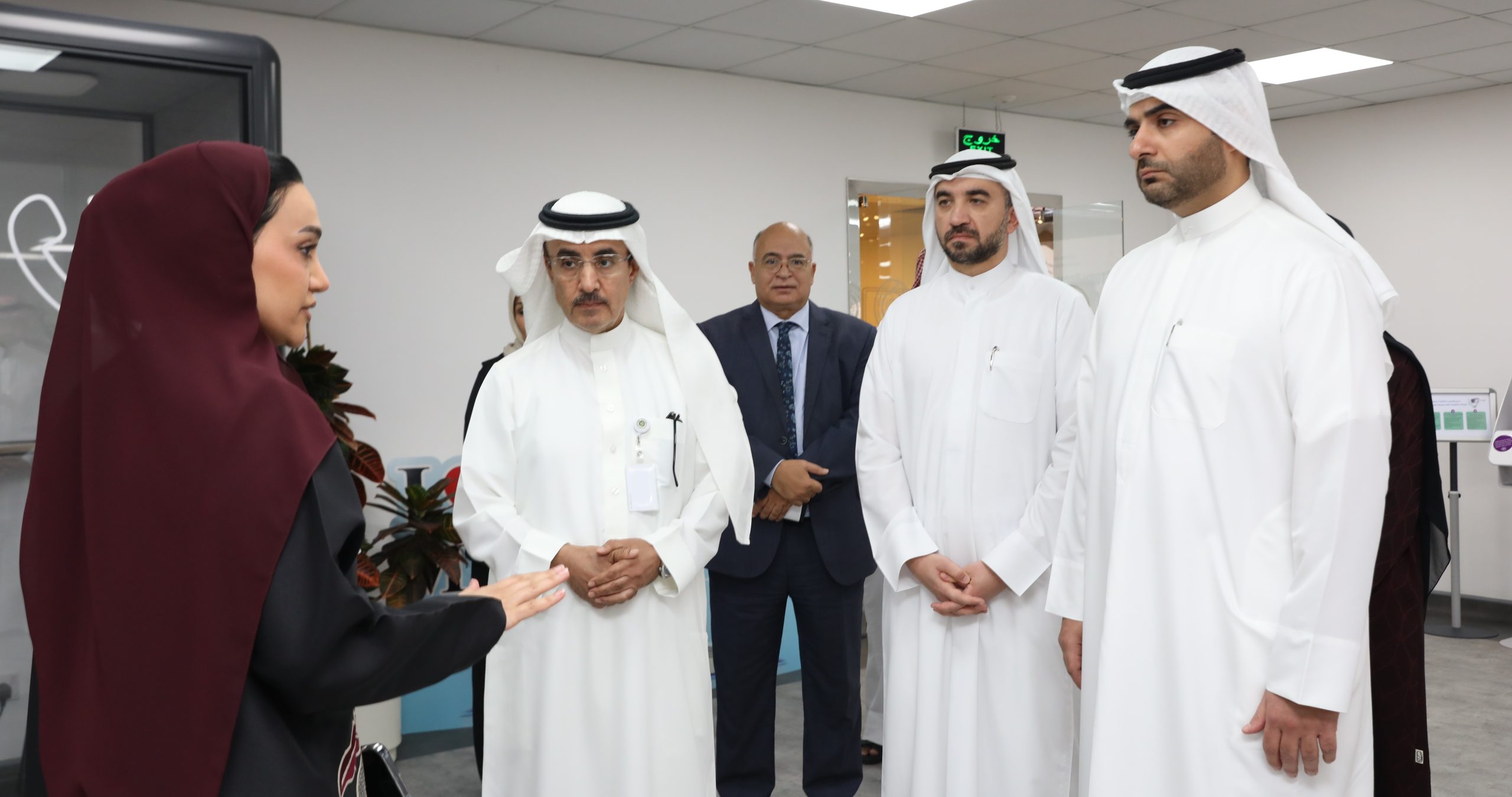
His Excellency Eng Mohammed Al Qasim, Undersecretary of the UAE Ministry of Education, explored avenues to deepen collaboration and bolster efforts toward achieving joint Gulf integration in education with His Excellency Dr Saad bin Saud Al Fuhaid, President of Arabian Gulf University (AGU). The discussion took place during an official visit by a delegation of ministry officials to the university’s headquarters in Manama, Bahrain.
As part of the longstanding educational partnership between the UAE and AGU, the visit aimed to exchange expertise, share best practices for enhancing educational collaboration, and learn about the university’s advanced academic and professional programmes at undergraduate and postgraduate levels across various disciplines. The delegation also received an overview of the university’s innovative approaches to education and its adoption of digital learning solutions.
Dr Saad bin Saud Al Fuhaid welcomed the visitors, highlighting the university’s dedication to serving shared strategic Gulf issues, chief among them supporting the vision of GCC leaders and endeavours to enhance the quality of education, produce qualified graduates, and develop competent future leaders.
Dr Al Fuhaid affirmed AGU’s open welcome to UAE students, noting the university’s continuous progress, especially given its rising global rankings and the increasing volume of research published in Q1 and Q2 categories. He also praised the Shaikh Zayed bin Sultan Al Nahyan Chair in Environmental Sciences for its notable achievements.
For his part, His Excellency Eng Mohammed Al Qasim described the visit as an opportunity to exchange knowledge, stating that true investment lies in empowering young generations and developing their skills in service of the region’s advancement. He expressed admiration for the university’s efforts in enhancing medical and technical education through innovative approaches, emphasising the importance of educational partnerships in strengthening higher education in the region.
The visit agenda included a detailed presentation on the accomplishments of the Shaikh Zayed bin Sultan Al Nahyan Chair, an overview of the digital transformation of the university library’s information services to keep pace with global standards, and an introduction to the Medical Skills and Simulation Centre and the Anatomy Museum at the College of Medicine and Health Sciences.
Concluding the visit, the delegation expressed appreciation for AGU’s commitment to providing a stimulating and comprehensive learning environment for Gulf students, ensuring an exceptional educational experience that equips them to serve their communities in the future.
by ashokaib | Nov 11, 2025 | Uncategorized
The College of Medicine and Health Sciences at Arabian Gulf University (AGU) will celebrate International Pathology Day next Thursday morning. This comes as part of its continuous efforts to enhance student and community awareness of the importance of this vital specialty in improving healthcare quality and the early detection of diseases.
The event will showcase the latest developments in pathology and highlight the importance of employing modern technologies in laboratory diagnostics and sample analysis, which enhances diagnostic accuracy and the speed of therapeutic response.
Dr Amina Abdulrahman, Head of the Pathology Department at the College of Medicine and Health Sciences, explained that celebrating International Pathology Day aims to spread awareness about the role of pathologists within the healthcare system and to highlight research contributions that support the early detection of diseases and improve treatment outcomes.
She stressed that commemorating international scientific and medical days contributes to enhancing community awareness and encourages students and researchers to keep pace with scientific advancements, in line with AGU's mission to support medical education, applied research, and serve the Gulf community.
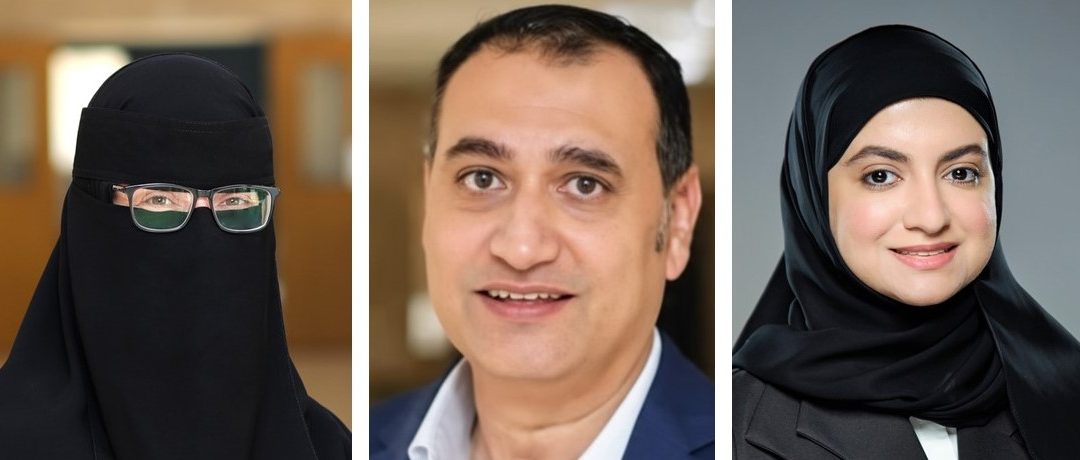
For her part, Dr Rabab Ahmed Mohammed, Associate Professor in the Department of Pathology at the AGU's College of Medicine and Health Sciences, indicated that commemorating international health days is part of the university's mission to spread medical culture and enhance community awareness.
She explained that these occasions open the door for scientific dialogue and encourage students and the community to gain a deeper understanding of the health issues affecting their lives, as the university sustainably seeks to prepare Gulf medical cadres capable of facing the region's health sector challenges.
Meanwhile, the event will host Dr Khaled Greish, Professor of Nanomedicine, who has a long scientific history in laboratory research in the field of oncology. He will present a living model of the importance of applying laboratory research discoveries, represented by the use of nanotechnology, to find new and innovative methods for the clinical treatment of breast cancer patients.
It is noteworthy that this event, organised by the Department of Pathology at the College of Medicine and Health Sciences, is accredited by the National Health Regulatory Authority (NHRA). By commemorating International Pathology Day, the event seeks to highlight the role of scientific research in advancing clinical practice, reflecting the university's commitment to the highest academic and professional quality standards in its scientific activities.
Academic faculty members, students, physicians, and specialists in the medical field will participate in the International Pathology Day programme. The programme will include several scientific lectures addressing the pivotal role of pathology in diagnosing diseases and supporting evidence-based treatment decisions.
The first lecture is titled, "Celebrating International Pathology Day: Translational Research and Linking Genomic Discoveries to Pathology Practice," which will be presented by Dr Rabab Ahmed Mohammed, Associate Professor in the Department of Pathology. In it, she will demonstrate the importance of applied research in connecting modern molecular discoveries with daily clinical practice in laboratories.
Furthermore, Dr Amina Abdulrahman will present a lecture on recent developments in understanding the tumor immune microenvironment and its impact on improving diagnostic accuracy and selecting targeted immunotherapies. Professor Khaled Greish will deliver a lecture on the use of nanocompounds in breast cancer treatment. The event will conclude with an open discussion on the latest research developments in pathology.
by ashokaib | Nov 9, 2025 | Uncategorized
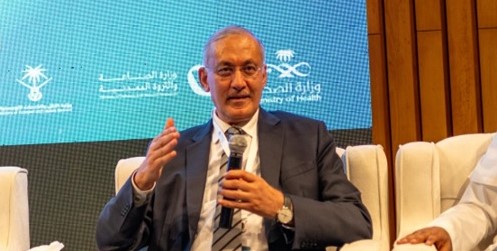
Dr Odeh Al-Jayyousi, Head of the Innovation and Technology Management Department, recently participated in the First Conference on Leadership and Innovation in Saudi Universities organised by King Abdulaziz University. Held under the theme “Idea, Invention, and Impact” the conference attracted 7,136 attendees from governmental, academic, and private sectors.
During a panel discussion on the role of generative artificial intelligence (GenAI) enabling innovation in university education, Dr Al-Jayyousi addressed the question of how Saudi universities can develop a strategic policy framework that ensures GenAI prompts are transformed into innovative educational services and sustainable business models.
He highlighted the key components an innovation policy should encompass for universities adopting GenAI, showcasing AGU’s Innovation Management Programme as a regional leader in delivering innovative education in this field.
The conference featured 21 panel discussions and 16 workshops, with over 105 expert speakers exploring the latest trends in innovation and the future of entrepreneurship. The accompanying exhibition displayed 40 scientific posters and 25 research abstracts, creating a comprehensive knowledge base showcasing national talent.
Participants recommended establishing national leadership in innovation through a unified, comprehensive vision that involves active community and institutional engagement. This vision aims to build a national ecosystem for innovation and entrepreneurship by integrating academic and private sectors through strategic partnerships with government entities. They also affirmed the need to evaluate patents and accelerate technology transfer to boost investment in research and innovation outputs.
The university underscored the importance of establishing a national university investment fund to support innovative projects.
Participants called for the activation of innovation and applied research centres within universities to serve as key drivers for technology transfer and the development of creative solutions addressing societal and economic challenges. They also advocated for the creation of annual national awards recognising university innovation and entrepreneurship to promote excellence, competitiveness, and a culture of creativity among students and faculty. They also recommended designing and implementing specialised training programmes in creative thinking, innovation management, and entrepreneurship in collaboration with industry experts, besides integrating entrepreneurial and creative thinking into university curricula.
by ashokaib | Nov 9, 2025 | Uncategorized
27 students from the College of Engineering at Applied Science University (ASU) recently visited the King Abdullah Bin Abdulaziz Medical City project as part of an educational field trip organised by Nass Contracting, the project’s main contractor.
The visit aimed to enhance applied learning by bridging theoretical knowledge with real-world practice, introducing students to the various phases of the large-scale project, and fostering the exchange of experiences in project coordination and workplace management.
During the visit, the engineering students observed the project’s construction stages, safety procedures, and the latest engineering technologies being applied. They also received detailed briefings on the technical and administrative challenges encountered and the milestones achieved by the engineering team, in addition to touring the facilities to gain practical insight into managing major medical infrastructure projects.
University representatives expressed their gratitude to Nass Contracting for their support and collaboration in providing a valuable field learning experience, noting that such visits play an integral role in developing students’ skills and preparing them for the job market. They further affirmed that these initiatives reflect the university’s commitment to nurturing national competencies that contribute to Bahrain’s development journey.
This visit comes as part of the university’s broader initiatives to strengthen partnerships with key sectors and promote applied education, encouraging greater interaction between academia and major national projects.
The King Abdullah Bin Abdulaziz Medical City is expected to represent a major milestone in medical education, scientific research, and healthcare in the Gulf region. The integrated development project aims to advance healthcare and academic services in Bahrain and across the GCC, in line with the region’s future healthcare visions.
Funded through a generous humanitarian donation, the project has been designed to include a fully equipped teaching hospital, specialised centres and advanced research facilities, along with telemedicine applications and the use of artificial intelligence and digital transformation to enhance healthcare quality, creating an integrated platform that unites treatment, training, education and research.
Arabian Gulf University views the Medical City as a model for innovative healthcare, transformative research and advanced medical training, aspiring to position it as a leading academic medical hub in the Middle East. The project comprises a 300-bed university hospital, a clinical services building, and an outpatient clinic complex, alongside 513 parking spaces and a 5,510-square-metre mechanical services area.
It also includes 77 outpatient clinics, 15 surgical and minor operation rooms, 37 intensive care units, six isolation rooms, as well as a medical education centre and centres of excellence for clinical research focusing on prevalent health issues in the Gulf such as diabetes, obesity, cancer, and cardiovascular diseases.