by ashokaib | Aug 17, 2025 | Uncategorized
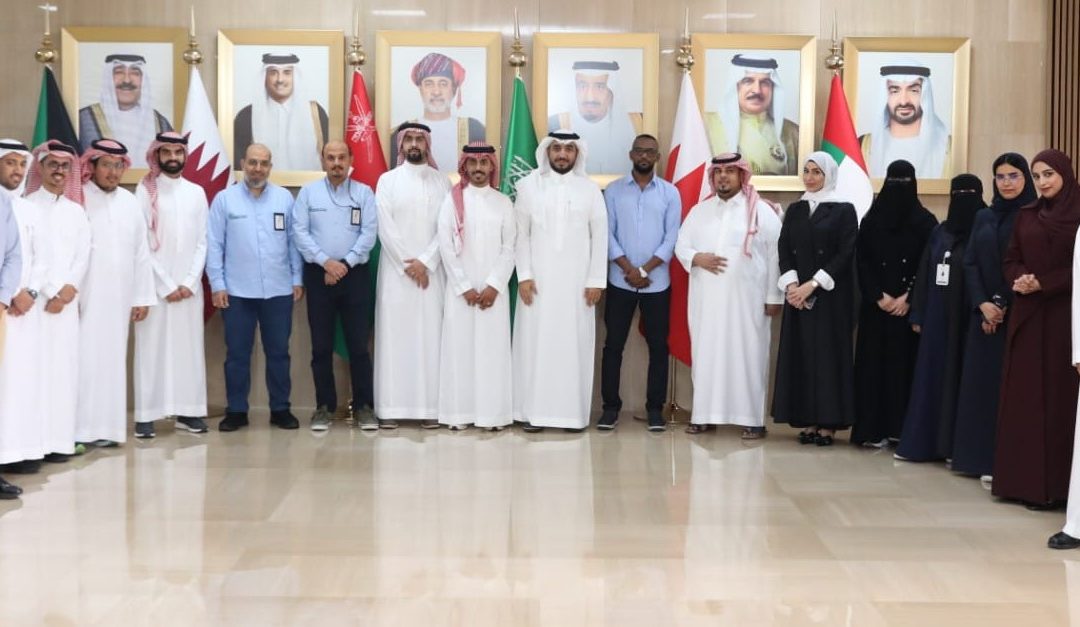
Thirty-five students from the fourth cohort of the Professional Diploma in Waste Management at Arabian Gulf University (AGU), representing diverse public and private sectors including industry, municipalities, academia, investment, business, economics, energy, and contracting, presented their research projects focused on key issues in sustainable waste management. These projects form part of the graduation requirements for the program.
Dr Sumaya Yousif, Assistant Professor of Environmental Engineering in the Department of Natural Resources and Environment at the College of Graduate Studies, founder and academic coordinator of the program, explained that the students’ research addressed vital topics. Among participants from the Saudi Investment and Recycling Company (SIRC) group, several projects explored marine pollution and oil spill management in the Red Sea and Arabian Gulf, sustainable hazardous waste management, and the feasibility of waste valorisation within Saudi Arabia, the impact of carbon certification programs on waste reduction regionally and globally, as well as hazardous medical waste management in Saudi Arabia.
Other notable projects included research by Afak Environment Company from Jeddah on the environmental and economic impacts of recycling lithium batteries; Saudi Ministry of Environment, Water, and Agriculture on managing ghost fishing gear waste; Arab Shipbuilding and Repair Yard Company (ASRY) on the management of plastic waste from ventilation pipes; Hidd Power Plant, Bahrain, examining the feasibility of treating sulfur deposits from the plant's steam turbine chimneys.
A team from King Abdulaziz City for Science and Technology assessed the conversion of agricultural waste to energy via gasification; a student from SEPCO, Jeddah, touched on medical waste-to-energy conversion through incineration; students from the Saudi National Centre for Waste Management (Mawan) discussed awareness and capacity-building strategies to reduce municipal solid waste.
Research from Bahrain Petroleum Company (BAPCO) focused on improving oil recovery using soil washing techniques in contaminated sites; another addressed sustainable aviation fuel production from waste, economic and technical evaluations, while a participant from Veolia Abu Dhabi discussed the development of AI-based automated waste management systems. The final presentation reviewed legislation on the use of recycled demolition waste in Bahrain’s construction supply chains.
Students were assessed based on their presentations, discussions, innovative ideas, competence, confidence, and the extent of their knowledge and application, with the goal of developing and improving the work environment in the GCC region.
These valuable research efforts exemplify AGU’s commitment to advancing sustainable resource management in the region. The projects hold the potential to enrich scientific knowledge, skills, and operational efficiency, leading Gulf and Arab societies towards sustainability and innovation.
Since its launch, the Professional Diploma in Waste Management has graduated four cohorts, comprised of 91 participants from across the GCC and Arab countries in various sectors. The program is offered with flexible evening schedules, combining virtual and in-person courses, and is internationally accredited by the Chartered Institute of Waste Management.
by ashokaib | Aug 17, 2025 | Uncategorized
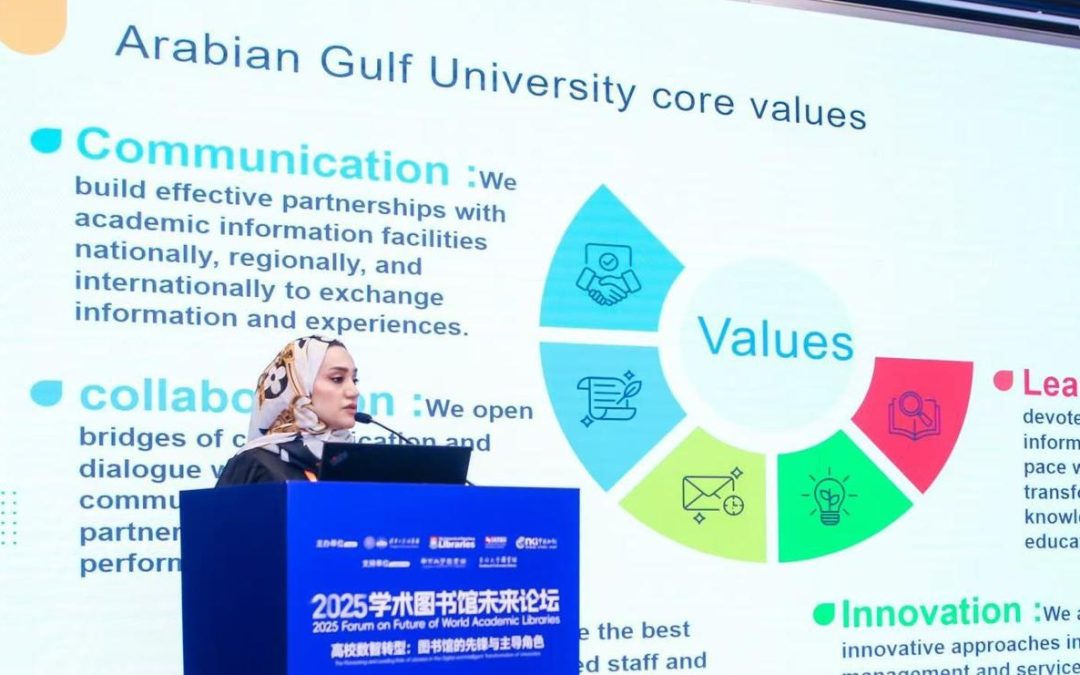
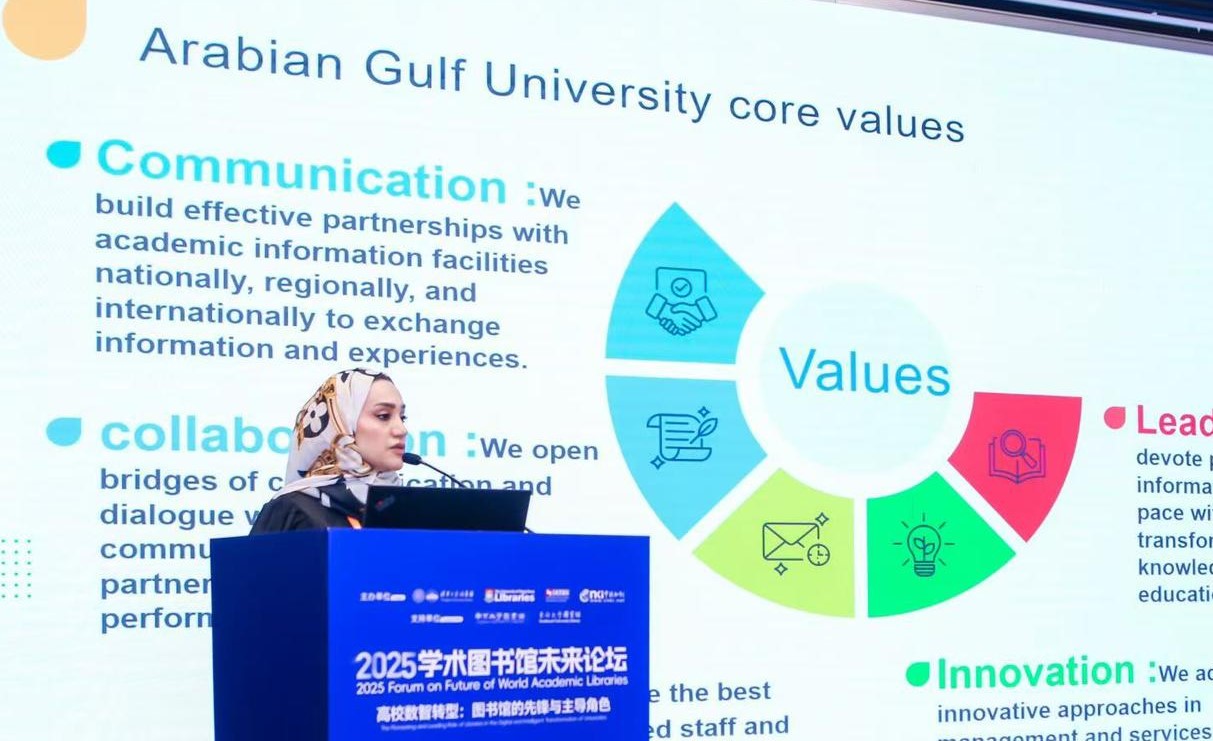
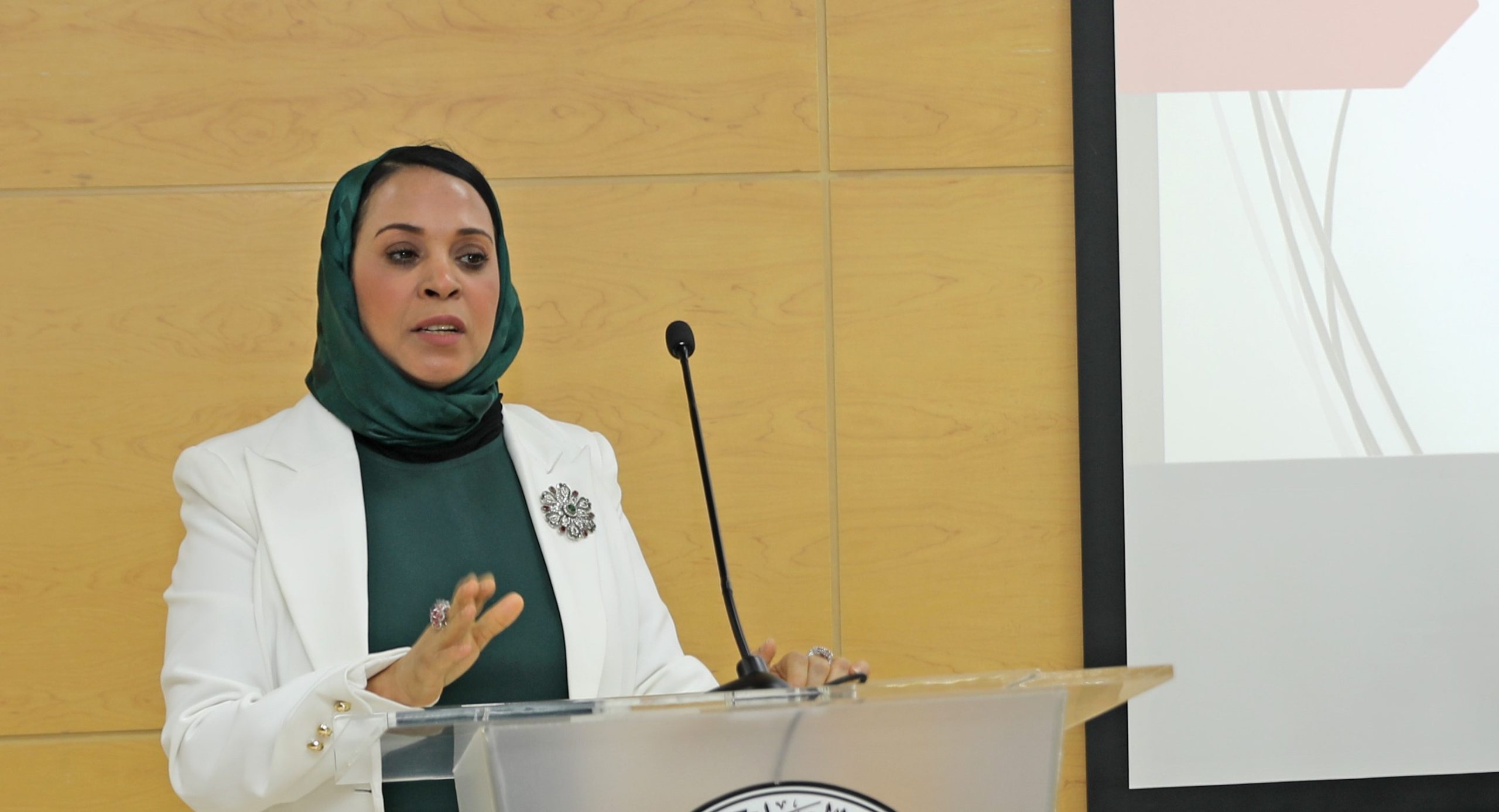
Ms Athraa Al Alawi, Director of the Arabian Gulf University (AGU) Library, participated in the World Academic Libraries Forum (WAL 2025), recently hosted in the People’s Republic of China, where she delivered a presentation entitled “Innovation in Library Information Services: AGU’s Model Experience”, highlighting the latest developmental projects implemented by the Library.
Ms Al Alawi stated that AGU’s participation in the forum constituted a valuable opportunity to exchange expertise with leading academic institutions worldwide, noting that discussions addressed avenues to enhance cooperation in the areas of sharing scholarly resources and advancing library services. She explained that this participation reflects international recognition of the Library’s efforts in digital transformation and opens new prospects for academic and research collaboration.
Commenting further, Ms Al Alawi said : “The presence of the AGU Library in such international events helps to consolidate its standing as a leading knowledge institution in the region and demonstrates the progress it has achieved in delivering innovative information services aligned with global shifts in the academic and library sectors.”
The forum is regarded as a high-level international platform bringing together prominent experts and specialists in digital transformation and library innovation from 29 countries. Participants examined the latest global trends in academic librarianship, including applications of artificial intelligence and open science. AGU Library’s contribution was viewed as an inspiring model for academic libraries in the region.
by ashokaib | Aug 17, 2025 | Uncategorized
Dr Ahmed Malallah Al Ansari, Professor of Psychiatry at Arabian Gulf University (AGU) and Child and Adolescent Psychiatry Consultant, affirmed the importance of adapting classroom environments and teaching strategies to support children with attention deficit hyperactivity disorder (ADHD). During a workshop organised by the AGU Centre for Community Service, Consultation, Training, and Continuing Education titled "Classroom Treatment for Children with ADHD," he discussed the challenges faced by these children, including difficulties with concentration, organisation, impulse control, and maintaining focus over extended periods. He pointed that tailored classroom treatments are essential to promote their learning, behavioural, and social development.
Dr Al Ansari highlighted the importance of educating teachers and all concerned parties about ADHD to foster understanding and prevent misinterpretation of behaviours as misbehaviour. Building a positive relationship between teachers and students is fundamental for effective intervention.
He stated, "Creating a suitable classroom environment for students with ADHD involves minimising distractions, such as seating students away from windows or doors, and positioning them close to the teacher for better guidance and supervision." He also stressed the use of visual and auditory cues to facilitate smooth transitions between activities.
"Breaking down long tasks into shorter, interconnected steps and utilising visual schedules or picture cards to illustrate the daily routine can significantly help students with ADHD,” he added, highlighting the necessity of providing clear, step-by-step instructions along with repetition to ensure they fully understand expectations.
On time management, Dr Al Ansari noted, "Visual timers can enhance children's awareness of time, while short breaks during lengthy activities help maintain focus and energy." He stressed positive reinforcement, suggesting immediate rewards such as stars, stickers, or verbal praise to motivate desired behaviours, and the implementation of reinforcement schedules like star charts for consistency.
He advised, "Minor, harmless inappropriate behaviours can often be ignored, while clear, logical consequences should be applied without yelling or threats. A consistent and predictable routine can help children with ADHD feel secure and supported.”
In terms of social development, Dr. Al-Ansari encouraged fostering positive peer relationships through cooperative play and teaching conflict resolution skills. He also highlighted the importance of ongoing collaboration with families and mental health professionals, noting, "Regular meetings with parents and psychologists are crucial to monitor progress, and external interventions, whether pharmacological or behavioural, may be necessary depending on each child's needs."
The workshop saw the participation of over 60 attendees, including representatives from the Ministry of Education, community service personnel from the Ministry of Interior, rehabilitation centres, and members of the Bahrain ADHD Society. It reviewed foundational topics such as classroom management, involving families and senior management, effective use of reinforcers, and organising the school environment.
The goal was to enhance the skills of educators, rehabilitators, and school administrators working directly with children with ADHD, thereby improving their educational experiences and outcomes.
by ashokaib | Aug 17, 2025 | Uncategorized
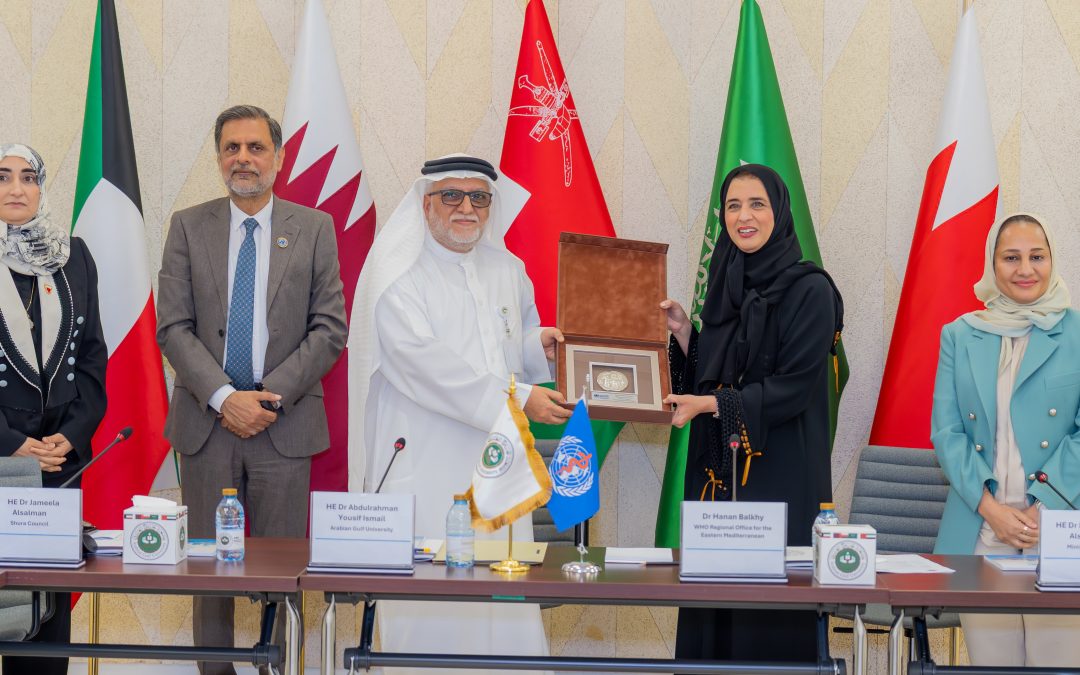
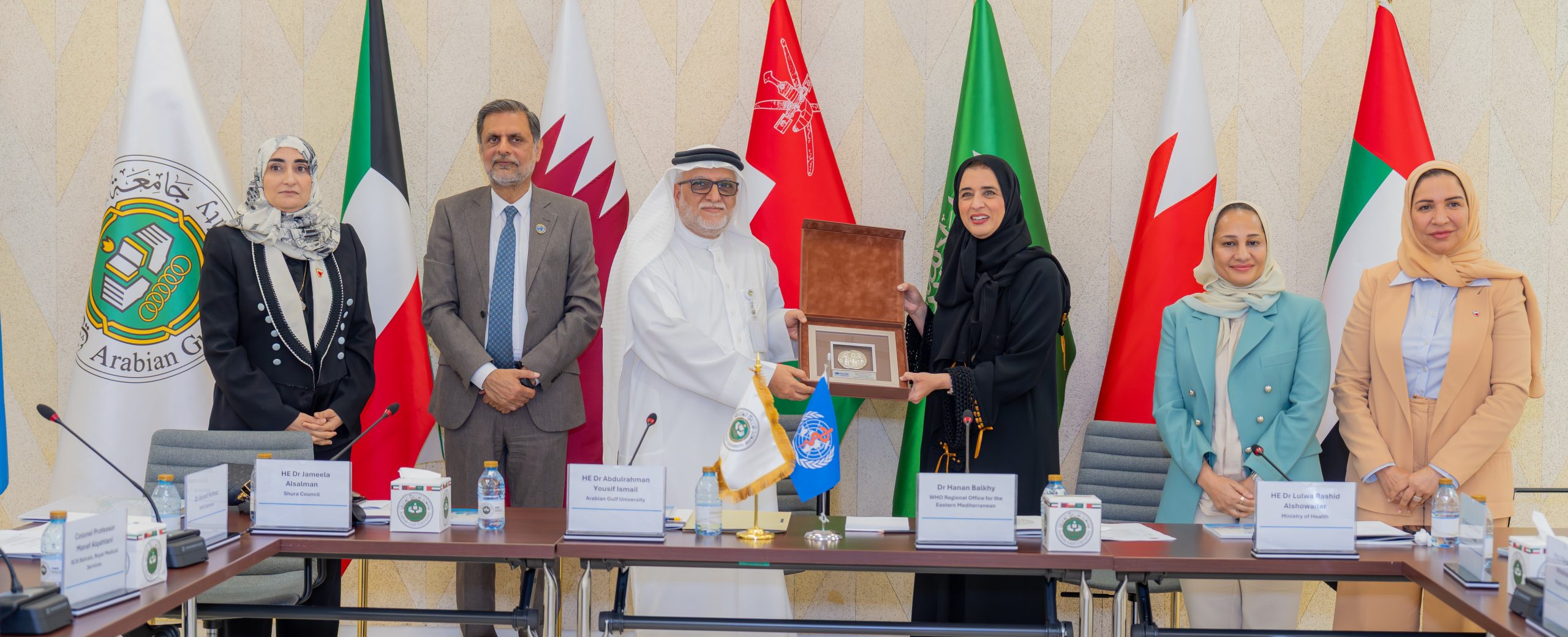
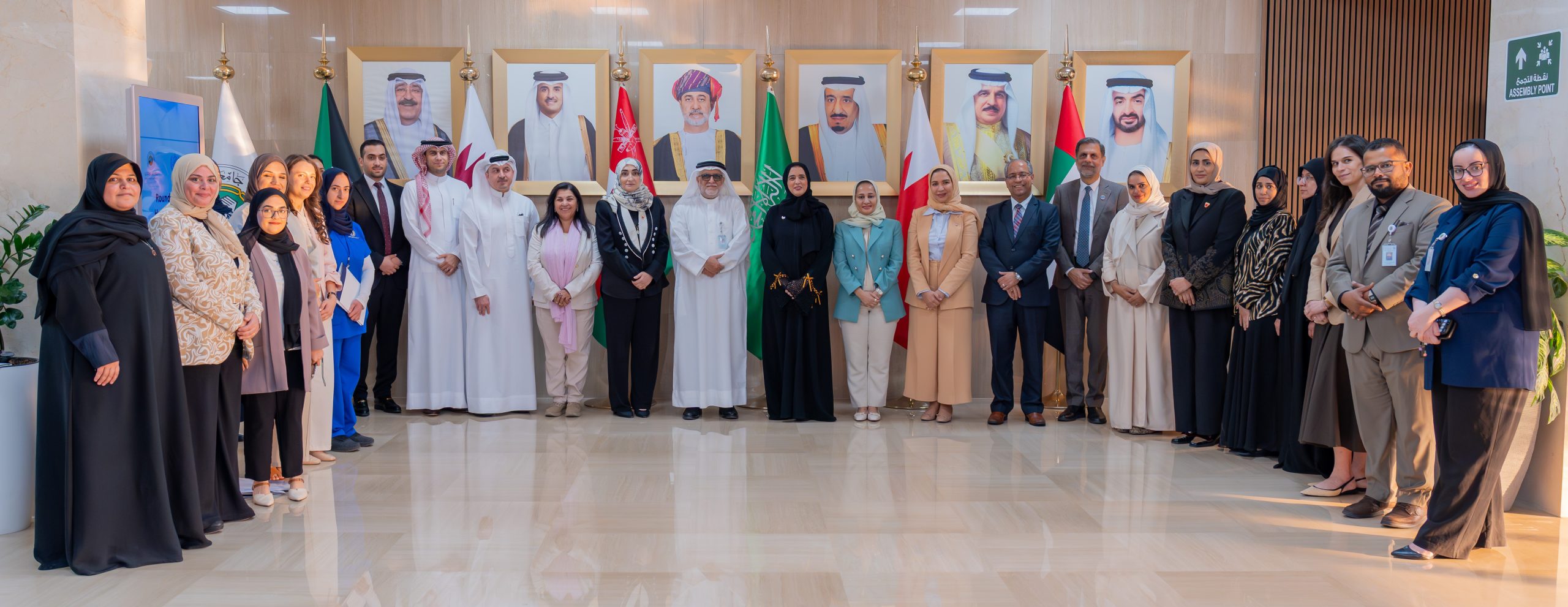
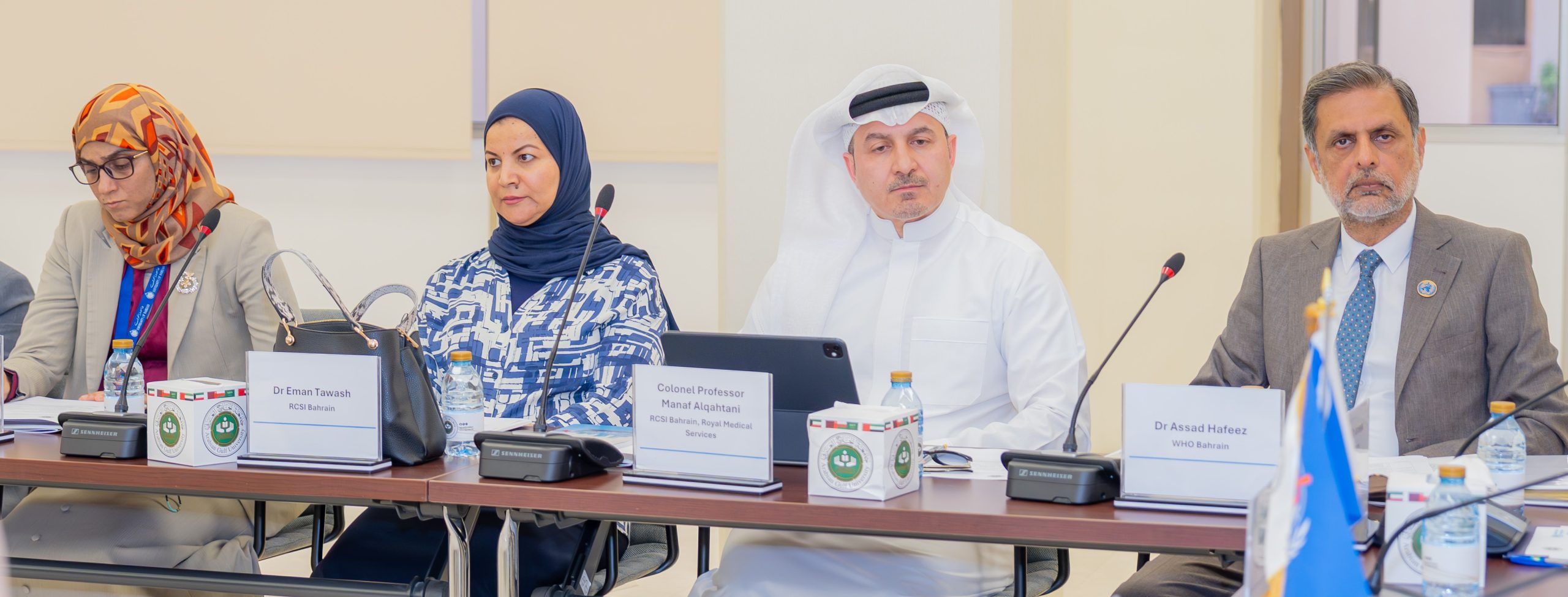
The Arabian Gulf University (AGU) hosted a roundtable discussion on the education and training of health workers regarding Antimicrobial Resistance (AMR), attended by Dr Hanan Balkhy, the World Health Organisation (WHO) Regional Director for the Eastern Mediterranean. The event saw the participation of prominent physicians, academics, health practitioners, and policymakers from various national, regional, and international institutions.
At the opening of the roundtable, moderated by Dr Assad Hafeez, Acting WHO Representative in the Kingdom of Bahrain, Dr Abdulrahman Yousif Ismaeel, AGU Vice President for Support Services and Institutional Affairs, affirmed the University's commitment to its regional mission of advancing health education and strengthening health systems in the GCC and brotherly countries in the region.
He welcomed the WHO Regional Director for the Eastern Mediterranean, as well as Dr Lulwa Rashid Showaiter, Undersecretary of the Ministry of Health, and Dr Jameela Al Salman, Shura Council member and Chairperson of the Strategic and Technical Advisory Group for Antimicrobial Resistance.
He also praised the participation of representatives from the Bahraini Ministry of Health, health and professional bodies, academics, and health practitioners, alongside the University's partners from national, regional, and international health institutions.
"The goal that brings the participating parties together is integration in facing common challenges and building stronger, more responsive educational and health systems," he explained, praising the efforts of the WHO office in the Kingdom of Bahrain for their effective strategic partnership and continuous support in strengthening Bahrain's health system, and their collaboration with AGU to implement the activities of the WHO Collaborating Centre for Health Professions Education Development.
He stressed AGU's commitment, through its academic programmes in medicine, nursing, postgraduate studies, professional training, and clinical simulation, to preparing a health workforce capable of deeply understanding the challenges of antimicrobial resistance and qualified to deal with them efficiently and with a robust community response.
He pointed out that the University and its partners are proceeding to activate tools such as the Competency Framework for Health Workers’ Education and Training on Antimicrobial Resistance, and are committed to the curriculum evaluation guide recently launched by the WHO.
"At the same time, the University is actively contributing to accelerating progress in implementing the Strategic Operational Plan for the Eastern Mediterranean Region 2025–2028 and achieving the health-related Sustainable Development Goals," he stressed.
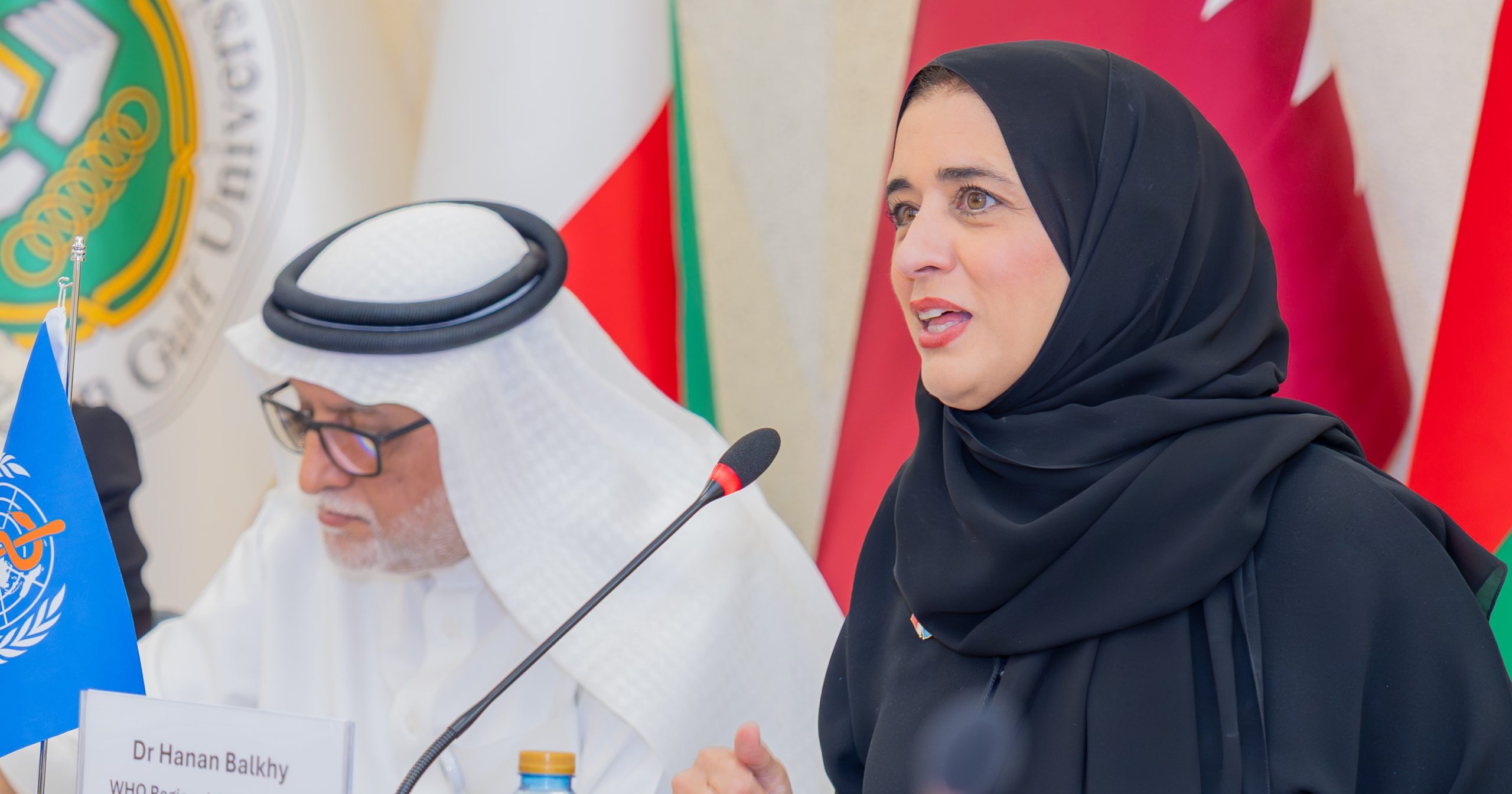
For her part, Dr Balkhy underscored the danger of antimicrobial resistance to public health in the Eastern Mediterranean Region, which has become a growing threat, causing the death of more than 96,000 people in 2021, a third of whom were children under the age of five.
"We need a collective response that enhances surveillance systems, limits the irrational use of antibiotics, and invests in training the health workforce," she said, stressing the WHO's commitment to supporting countries through national action plans and the One Health approach to ensure a safer health future.
In turn, Dr Showaiter affirmed that Bahrain gives antimicrobial resistance top priority through a comprehensive national plan that adopts the One Health approach to enhance collaboration between the health, veterinary, and environmental sectors.
She explained that the national committee concerned with this approach is working to develop strategies and coordinate efforts to face health challenges, including antimicrobial resistance, in collaboration with local and international partners.
She also noted that the Kingdom has updated its national plan according to global standards, with a focus on surveillance, diagnosis, training of the workforce, and regulating the prescription and dispensing of antibiotics, stressing the importance of regional and international partnerships, especially with the WHO and AِGU, in supporting national efforts.
In the same context, Professor Abdelhalim Deifalla, Dean of the College of Medicine and Health Sciences of AGU, explained that this vital discussion on education related to antimicrobial resistance highlights the importance of addressing the most prominent health challenges of our time. He added, "At AGU, we are working to develop curricula to ensure the graduation of a health workforce capable not only of providing care but also of protecting the effectiveness of antibiotics and strengthening health systems."
He also praised the efforts of the WHO Regional Office for the Eastern Mediterranean and the WHO office in Bahrain for organising this meeting and prioritising this important issue.
Furthermore, the main speakers at the roundtable—including Dr Al Salman; Dr Adel Al Sayyad, Epidemiology and Public Health Consultant and Chief of the Disease Control Section at the Public Health Directorate of the Ministry of Health; and Lieutenant Colonel Dr Manaf Al Qahtani, Infectious Disease Consultant at the BDF Hospital—discussed the most significant challenges and priorities related to antimicrobial resistance in Bahrain and the Eastern Mediterranean Region.
The discussion participants stressed the pivotal role of health education and training in confronting this crisis. They also reviewed several recommendations from the regional meeting on AMR programmes, which focused on integrating key concepts into educational curricula, building capacity, and developing national research agendas.
by ashokaib | Aug 17, 2025 | Uncategorized
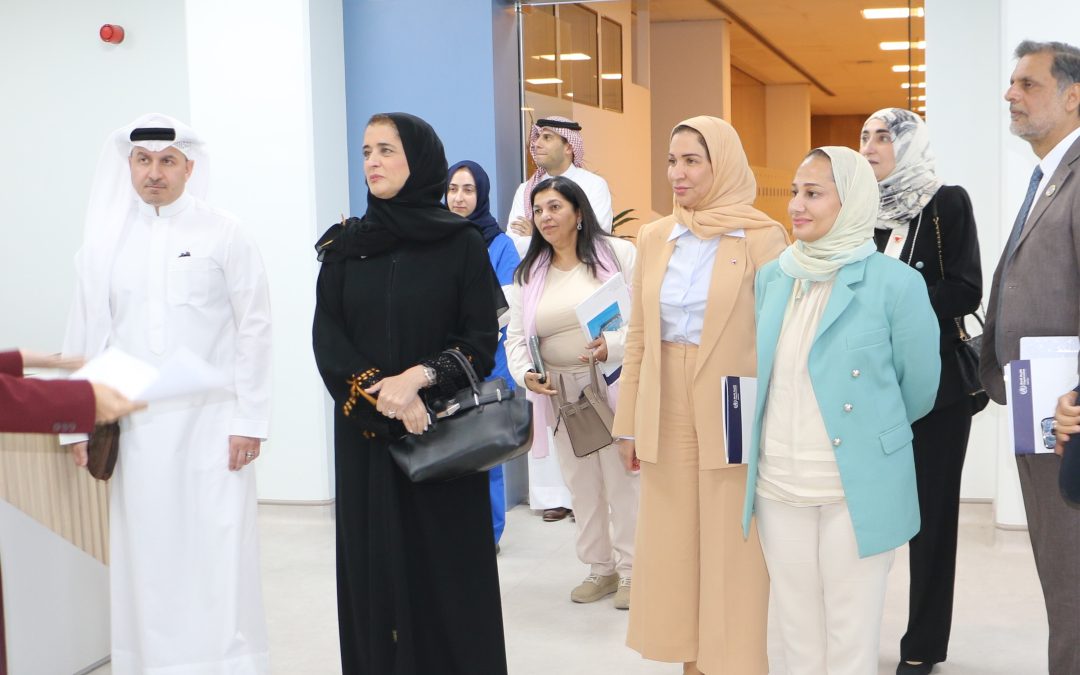
The World Health Organisation (WHO) Regional Director for the Eastern Mediterranean, Dr Hanan Balkhi, accompanied by the Acting WHO Representative in Bahrain, Dr Assad Hafeez, and a delegation of physicians, academics, health practitioners, and policymakers, visited the Clinical Skills and Simulation Centre at Arabian Gulf University (AGU) to review ongoing developments in health education. The visit coincided with a roundtable discussion hosted by the university focused on enhancing healthcare professional training to combat antimicrobial resistance.
During the visit, the delegation expressed strong interest in the centre’s innovative approaches, particularly the integration of modern simulation technologies in medical education, and their use to improve communication skills between physicians and patients. These technologies also support clinical decision-making, contributing to the development of more competent healthcare professionals capable of tackling future health challenges, including antimicrobial resistance.
Participants praised the commitment of AGU under the presidency of His Excellency Dr Saad Al Fuhaid to providing an advanced educational environment aligned with global healthcare training trends. The Clinical Skills and Simulation Centre serves as a pioneering educational platform that bolsters health awareness and educational efforts while underscoring the critical role of practical training in reducing the spread of antimicrobial resistance.
Notably, the centre received a five-year extension of its international accreditation from the American Society for Simulation. Furthermore, it has been accredited as a training centre for instructors in Basic Life Support and Advanced Cardiac Life Support programmes by the American Heart Association.
AGU continues to implement strategic expansion of the centre to meet the increasing educational needs of its medical students, leveraging the latest technological advancements in medical simulation to enhance training quality.