by ashokaib | Jun 30, 2025 | Uncategorized
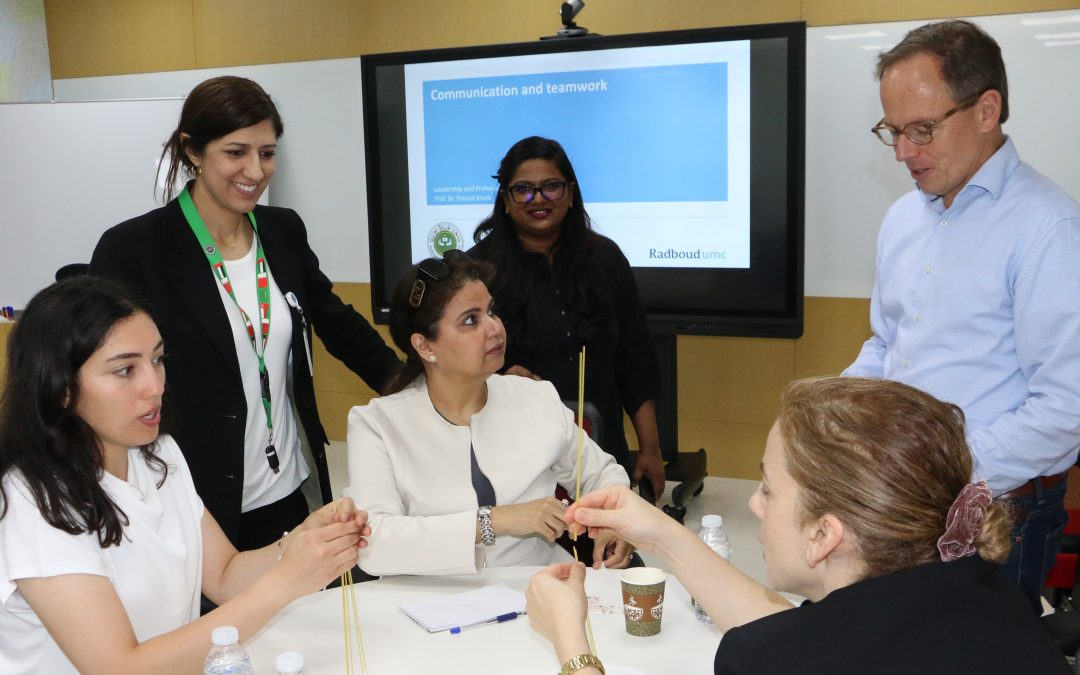
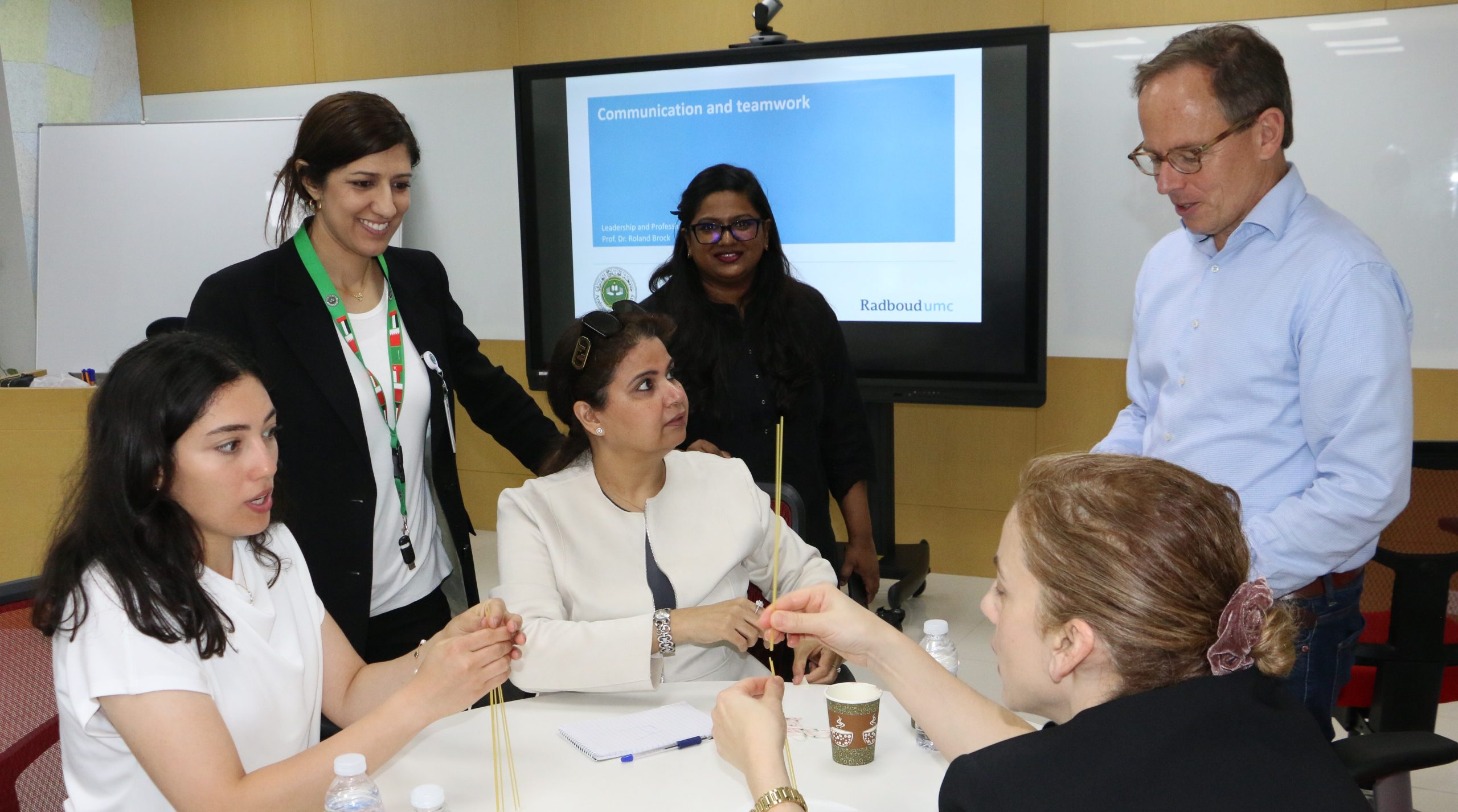
The Clinical Research Centre at the Arabian Gulf University (AGU) has concluded an interactive workshop titled “Achieving Together – The Power of Teamwork”, organised under the Postgraduate Diploma in Clinical Research programme. The session underscored the pivotal role of teamwork and effective communication in the workplace.
The workshop brought together a diverse audience, including academic and administrative staff from the College of Medicine and Health Sciences, Al Jawhara Centre, and Salmaniya Medical Complex, alongside current students and graduates of the diploma programme.
Dr Mai Sater, Head of the Department of Biochemistry at the College of Medicine and Health Sciences and lecturer on the Leadership and Professionalism module, highlighted the importance of robust communication channels in fostering a positive and productive work environment. She noted that clear communication promotes clarity, collaboration and overall efficiency.
For his part, Prof. Roland Brock, Professor in the Department of Biochemistry, outlined strategies for building successful teams, drawing upon his extensive experience. He emphasised that shared goals, mutual respect and clearly defined roles are fundamental to the performance of high-achieving teams.
The theoretical insights were reinforced through a series of dynamic and interactive team-building activities, in which participants engaged enthusiastically, applying the principles discussed during the presentations.
The event served as a valuable platform for networking and knowledge exchange, strengthening ties among professionals, students and alumni in clinical research. It fostered a spirit of positivity, active engagement and communication in advancing healthcare and research, reflecting AGU’s vision of empowering future leaders within Gulf society.
by ashokaib | Jun 29, 2025 | Uncategorized
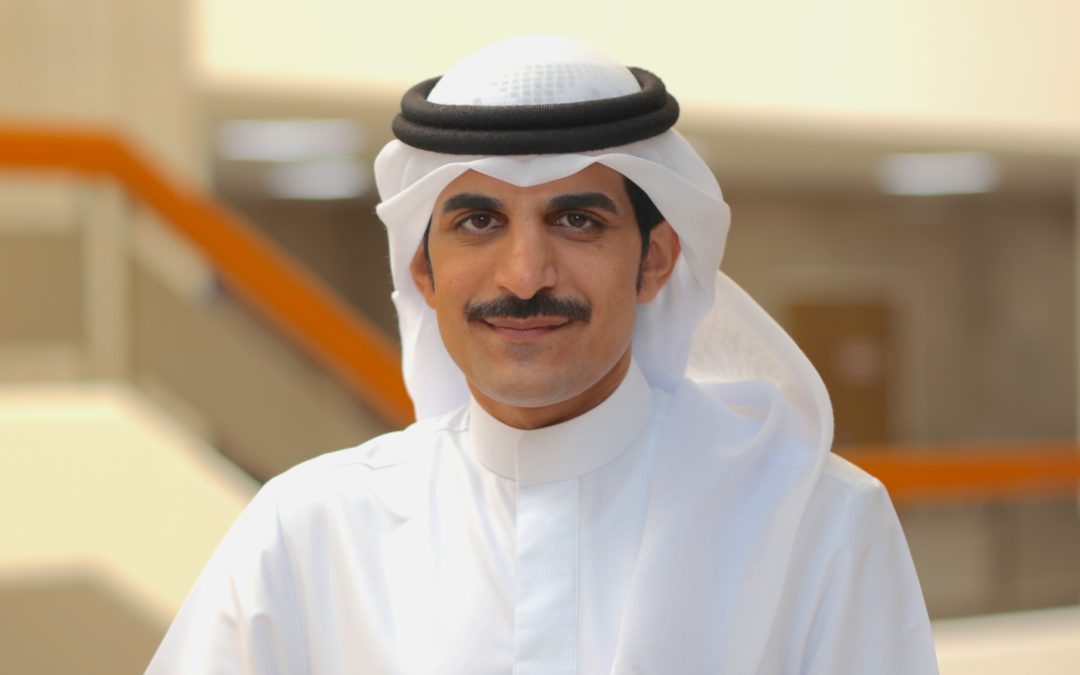
Dr. Ahmed Mohamed Alabbasi, the Vice Dean of the College of Education, Administrative, and Technical Sciences at Arabian Gulf University (AGU), has been awarded the Emerging Scholar Award by the World Council for Gifted and Talented Children. This award is given to early-career scientists who have earned a doctorate in the fields of giftedness and creativity within the last ten years.
This recognition honours Dr. Alabbasi’s global efforts in the field of gifted education and creativity. Over the past few years, he has published more than 60 research papers and book chapters in internationally peer-reviewed journals. According to the global research platform ResearchGate, which includes nearly two million researchers and scientists worldwide, Dr. Alabbasi ranks among the top 96% of researchers in the field of giftedness and creativity. He is also the only Arab scholar to have contributed to the third edition of the Encyclopedia of Creativity, published by Elsevier.
His research spans a wide range of topics including giftedness, creativity, innovation, emotional intelligence, and women’s issues. His recognition comes at a time when AGU is strongly committed to advancing scientific research and fostering a supportive environment for researchers and scientists. The university continually strives to enhance its academic and developmental strategies by encouraging innovation across disciplines, providing funding for priority research projects within the GCC, and promoting regional and international research cooperation.
AGU has ranked as the top institution in the Kingdom of Bahrain and among the top 500 universities globally in the latest Times Higher Education ranking. Scientific research contributes 60% of the ranking score, with 30% attributed to research outputs and 30% to a supportive research environment. According to the Scopus database, AGU faculty have published 2,957 research papers aligned with the 17 Sustainable Development Goals (SDGs).
Upon receiving the award, Dr. Al-Abbasi stated, "I dedicate this humble achievement to my country, Bahrain, which continues to support its young talents. I also dedicate it to the father of all, His Majesty King Hamad bin Isa Al Khalifa, who constantly emphasises the importance of investing in promising young minds through visionary government initiatives led by His Royal Highness Prince Salman bin Hamad Al Khalifa, Crown Prince, Deputy Supreme Commander, and Prime Minister. I also extend my gratitude to the leadership of AGU especially the university president, H.E. Dr. Saad bin Saad Al Fuhaid, for his unwavering support of faculty members and his encouragement of impactful scientific research that addresses strategic issues of the Gulf Cooperation Council countries across various disciplines.”
Dr. Ahmed Alabbasi holds a PhD in Gifted and Creative Education from the University of Georgia, USA, as well as executive certificates in Leadership and Innovation from Harvard Kennedy School and Harvard Business School.
The World Council for Gifted and Talented Children, headquartered in the United States, is the oldest and most prestigious international institution in the field of gifted education. In recognition of Dr. Alabbasi’s scientific contributions, the Council has decided to grant this award for the first time to a scholar from outside the United States.
by ashokaib | Jun 25, 2025 | Uncategorized
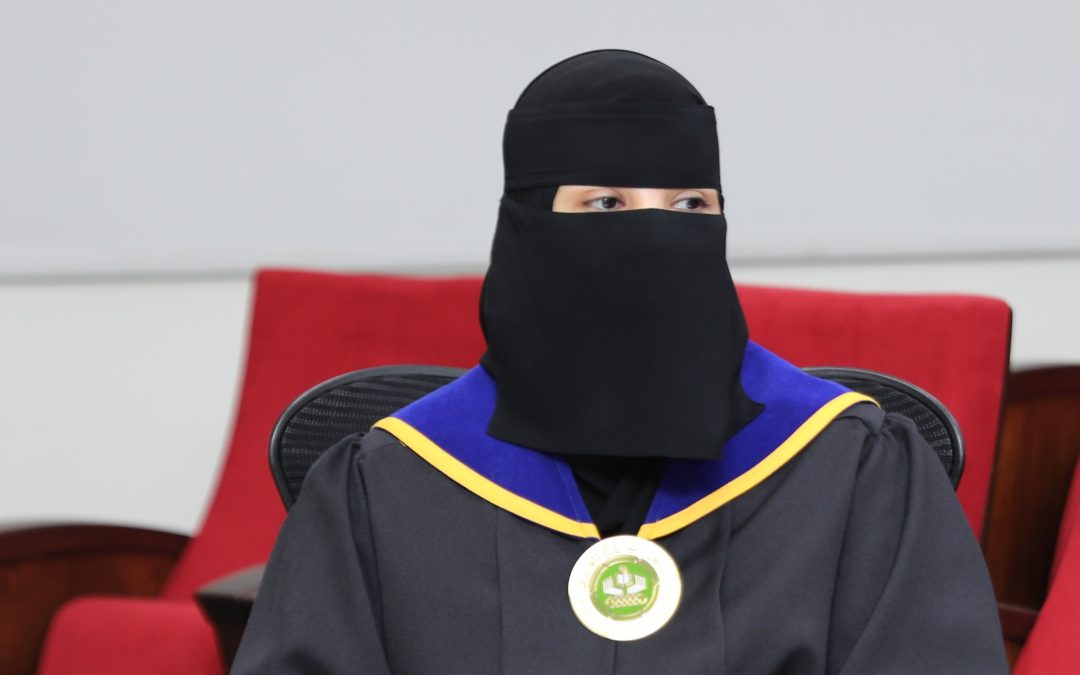
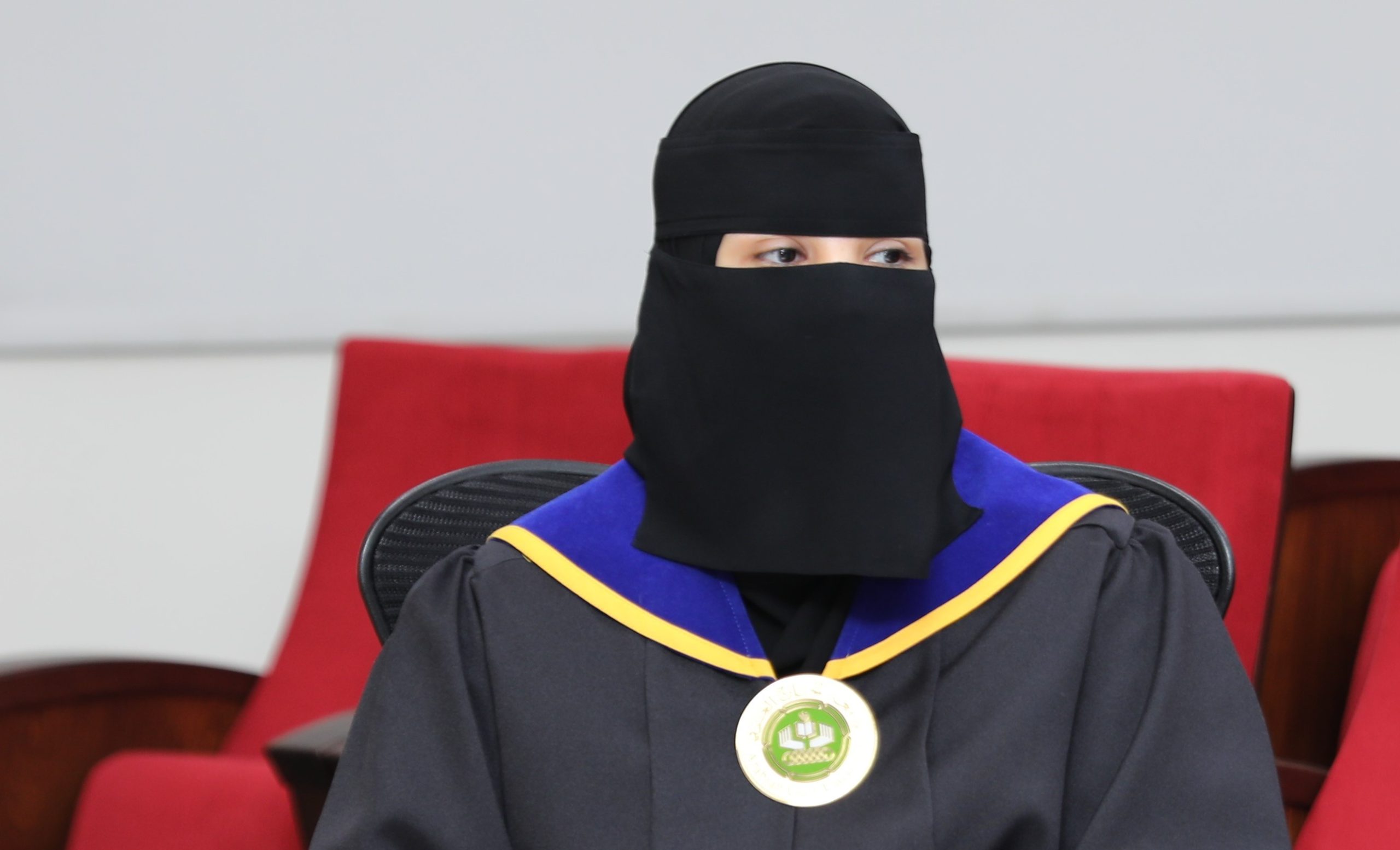
Ms. Ghuzail Maqbool Al Buqmi, a researcher in the Department of Innovation and Technology Management at the College of Education, Administrative and Technical Sciences at the Arabian Gulf University (AGU), conducted a study to examine the impact of sustainable leadership practices on sustainable performance through social innovation capabilities in the Kingdom of Saudi Arabia. The findings confirmed that sustainable leadership acts as a key driver of organisational sustainable performance through the channel of social innovation.
The study, recently discussed as part of the requirements for obtaining a Doctorate in Innovation and Technology Management, aimed to identify the influence of sustainable leadership practices on sustainable social performance via social innovation capabilities in Saudi Arabia. Ms. Al Buqmi adopted a mixed-method scientific approach, employing the SPSS software for survey analysis, Atlas.Ti for interviews, and AMOS to validate the structural model.
The research sample included a total population of 5,000 individuals, with 494 respondents participating in the study. Among them, 481 responded to the survey, and 13 participated in in-depth interviews. Hypotheses were tested and results confirmed using both linear and multiple regression methods, which revealed a positive impact of sustainable leadership practices on social performance via social innovation capabilities.
Further analysis highlighted a positive influence of social innovation capabilities on sustainable performance, as well as a direct positive relationship between sustainable leadership practices and engagement in social innovation. Two out of five variables—knowledge sharing and trust—were found to have a statistically significant effect.
The study was supervised by Prof, Fairouz Mosleh Al Dhmour, Professor of Management Information Systems in the Department of Innovation and Technology Management, and Dr Wid Hussain Daghustani, Associate Professor of Special Education. It recommended further research into the factors shaping social innovation capabilities and urged decision-makers to prioritise the appointment of sustainable leaders to stimulate innovation within their organisations.
by ashokaib | Jun 25, 2025 | Uncategorized
The University Medical Centre at King Abdullah bin Abdulaziz Medical City, affiliated with the Arabian Gulf University (AGU), has introduced the Tilt Table Test with Electroencephalography (EEG) to its suite of advanced diagnostic procedures. This initiative aims to enhance the Centre’s diagnostic capabilities and deliver comprehensive medical care to patients.
The newly added test is primarily used to diagnose unexplained fainting episodes, assess seizures, and determine causes of sudden drops in blood pressure. Notably, it is a safe and non-invasive procedure, making it a suitable option for a wide range of patients. The innovation lies in the combination of the Tilt Table Test, which evaluates cardiovascular responses to changes in body posture, and EEG, which records the brain’s electrical activity.
This integrated approach allows the medical team to simultaneously assess both cardiac and neurological responses, providing comprehensive and accurate data that supports differentiation between fainting (syncope), epilepsy, and other neurological conditions with similar symptoms.
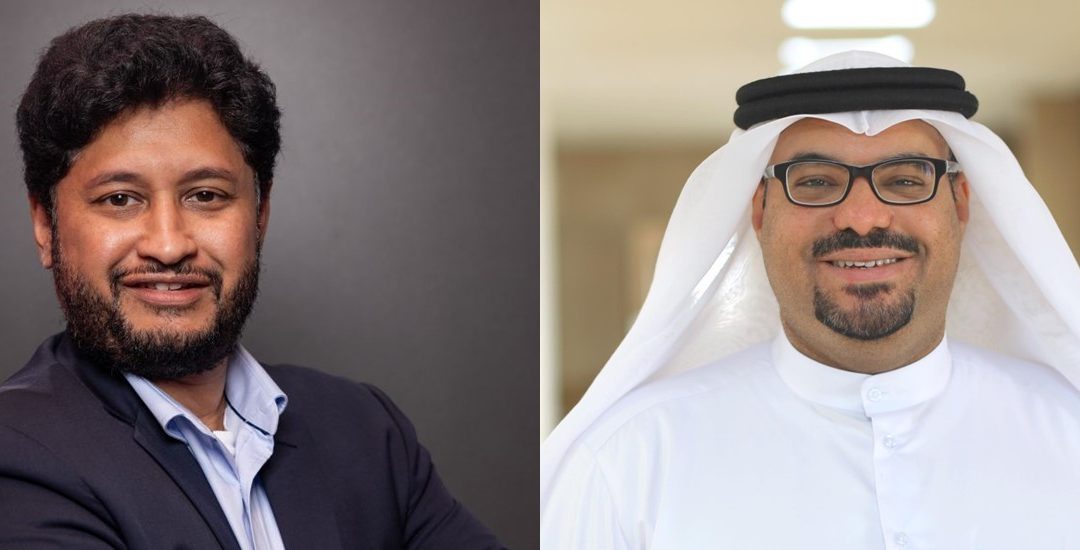
Dr Salman Hamad Al Zayani, Chief Executive Officer of the University Medical Centre, stated: “The addition of the Tilt Table Test with EEG reflects our commitment to providing best medical practices and the latest technologies to our patients. We are constantly striving to improve diagnostic accuracy and treatment effectiveness, and this test represents a significant step towards achieving that goal.”
For his part, Dr Khalid bin Thani, Consultant Cardiologist at the University Medical Centre, remarked: “This test offers us a holistic view of the patient’s condition, enabling us to better understand the complex interactions between the heart and brain. Such insights are essential to formulating tailored treatment plans for each patient, ultimately improving outcomes and reducing complications.”
He added that most of the referred cases have undergone the procedure with high precision and professional care, allowing for a physiological analysis of each condition. This has significantly contributed to developing appropriate treatment strategies and minimising the recurrence of fainting spells and seizure episodes.
by ashokaib | Jun 24, 2025 | Uncategorized
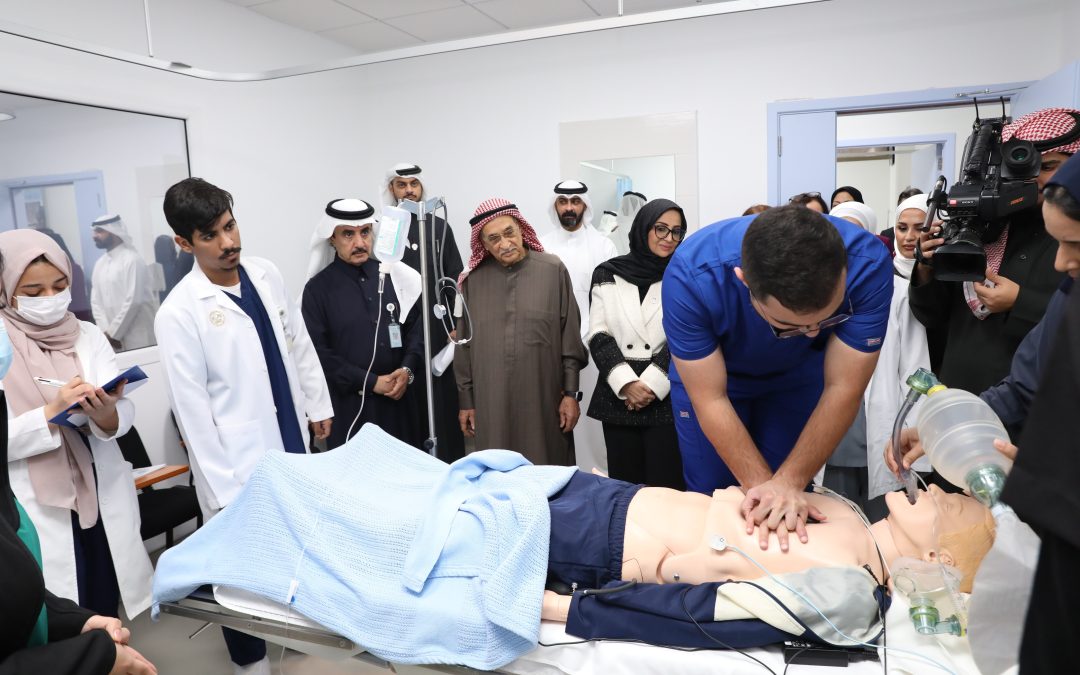
The Medical Skills and Simulation Centre, affiliate of the College of Medicine and Health Sciences, has been renewed for a five-year period by the Society for Simulation in Healthcare (SSH), marking its second consecutive renewal.
SSH accreditation is among the most prestigious international recognitions in the field of simulation education. It is awarded to centres that meet rigorous standards across various areas, including quality assurance, training effectiveness, simulation ethics, safety protocols, ongoing professional development, and educational program design.
Commenting on this achievement, Professor Abdel Halim Deifalla, Dean of the College of Medicine and Health Sciences, stated, "This international accreditation affirms that AGU has established itself as a leading model in medical education through the innovative use of simulation techniques. It reflects our continuous dedication to fostering an interactive learning environment that enhances our students' competencies and prepares them to confidently address real-world clinical challenges."
Dr Reem Al Ansari, Head of the Medical Skills and Simulation Centre, added, “This accreditation crowns the dedicated efforts of a multidisciplinary team comprising academic, administrative, and technical professionals who worked diligently to develop high-quality training content and uphold international standards. It also underscores the university’s commitment to transforming medical education in the Gulf region.”
The AGU Simulation Centre is among the most advanced facilities in the region, featuring a comprehensive learning environment that includes high-precision simulation rooms, state-of-the-art audiovisual systems, digital patient simulators, and clinical skills laboratories. The centre regularly offers workshops and continuous training courses for students, residents, and nursing staff across various specialties.
This international accreditation strengthens AGU’s reputation as a leading institution in medical education and highlights its ongoing commitment to developing human resources in healthcare and preparing highly qualified practitioners in line with the best international practices.