by ashokaib | Feb 18, 2025 | Uncategorized
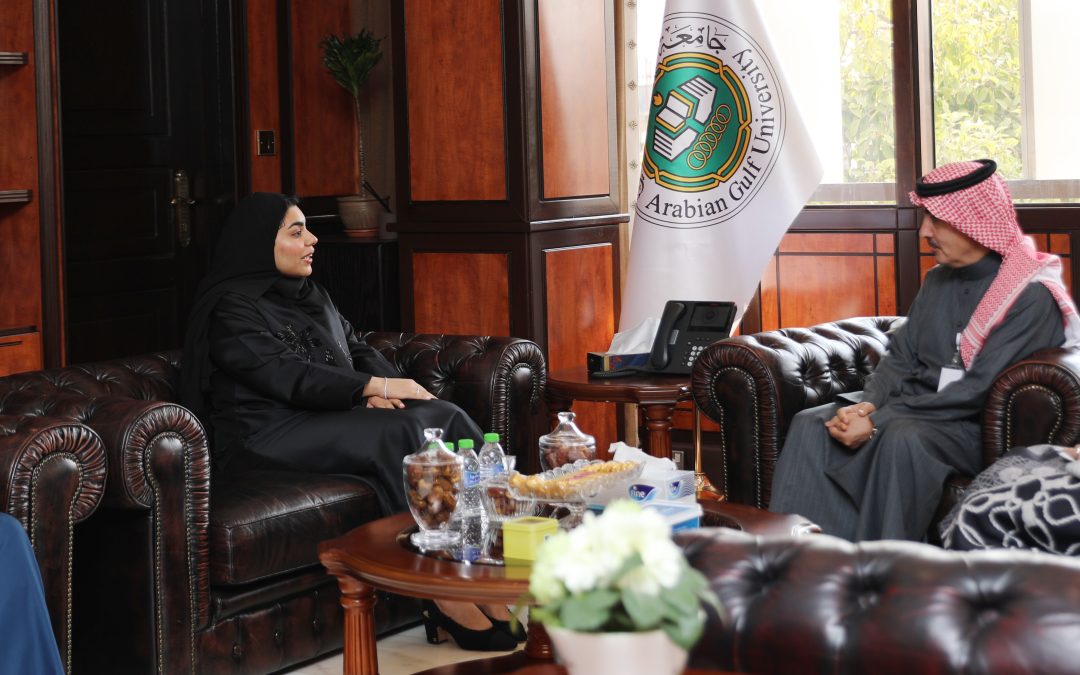
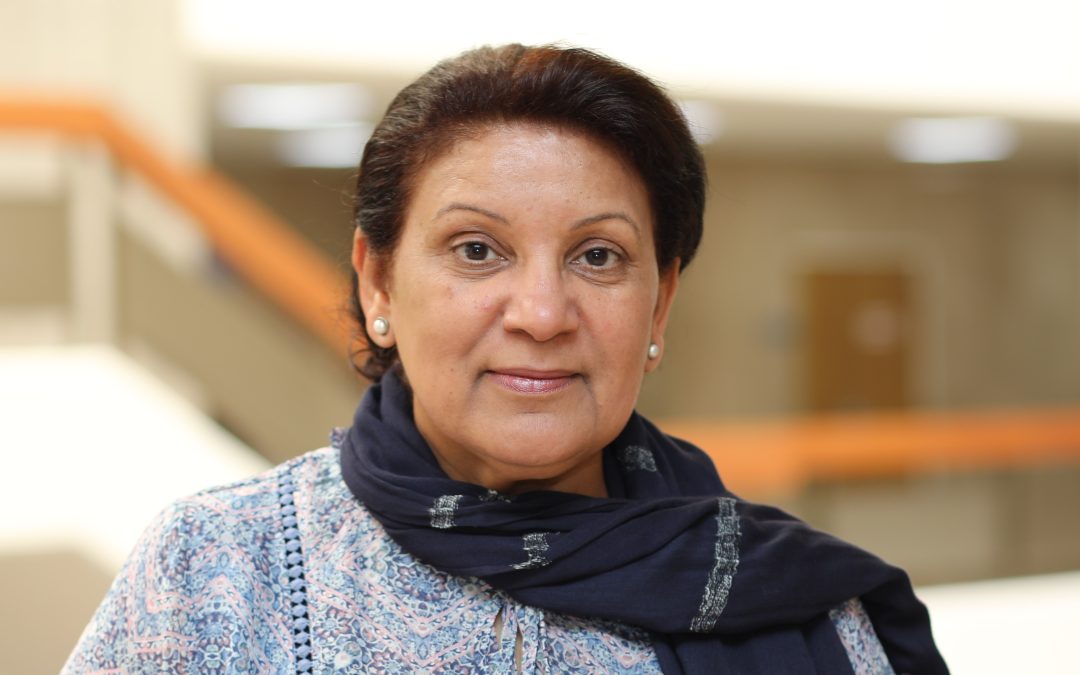
His Excellency Dr Saad bin Saud Al Fuhaid, President of the Arabian Gulf University (AGU), received Ms Mashael Al Qutami, Acting Secretary General of the Isa bin Salman Education Charitable Trust and Director of the Department of Student Affairs and Educational Institutions at the Trust.
During the meeting, they discussed ways to enhance joint cooperation between AGU and the Trust in higher education, aiming to support national competencies and enable them to study medicine, nursing, and various graduate programmes to meet labour market requirements.
In a statement following the meeting, His Excellency Dr Saad bin Saud Al Fuhaid stressed the importance of cooperation between academic institutions and charitable organisations in Bahrain and the GCC, noting that this collaboration is a significant step towards developing the skills of Bahraini and Gulf youth and enhancing their capabilities.
He added, "At AGU, we are committed to providing outstanding education that enhances students' positions in the labour market," welcoming cooperation with the Isa bin Salman Charitable Trust to support a shared vision in adopting initiatives that serve education and contribute to qualifying competencies.
For her part, Ms Mashael Al Qutami expressed her deep appreciation for the efforts of AGU in developing higher education and her pride in the university's medical college graduates. She stated, "The Trust is keen to adopt initiatives that enhance education and provide opportunities for Arab youth for academic and professional growth. We believe that our collaboration with AGU will enable us to send students to study in innovative educational programmes that contribute to enhancing their skills and meeting labour market needs.”
She added, "This cooperation will have a positive impact on preparing students for contemporary requirements by providing educational opportunities that keep pace with modern trends and help them achieve professional success."
During the meeting, both parties reaffirmed the importance of activating partnerships between educational institutions and charitable organisations, in favour of skill development and enhancement of educational and training opportunities in various disciplines, thus building a qualified generation capable of facing future challenges. They also discussed mechanisms for implementing joint programmes aimed at developing students' skills and enhancing their culture of innovation and entrepreneurship, aligning with the evolving needs of the labour market.
The meeting concluded with both parties emphasising the need for continuous coordination and the exchange of experiences between AGU and the Isa bin Salman Educational Charitable Trust to achieve their shared goals in serving higher education and the community.
by ashokaib | Feb 17, 2025 | Uncategorized
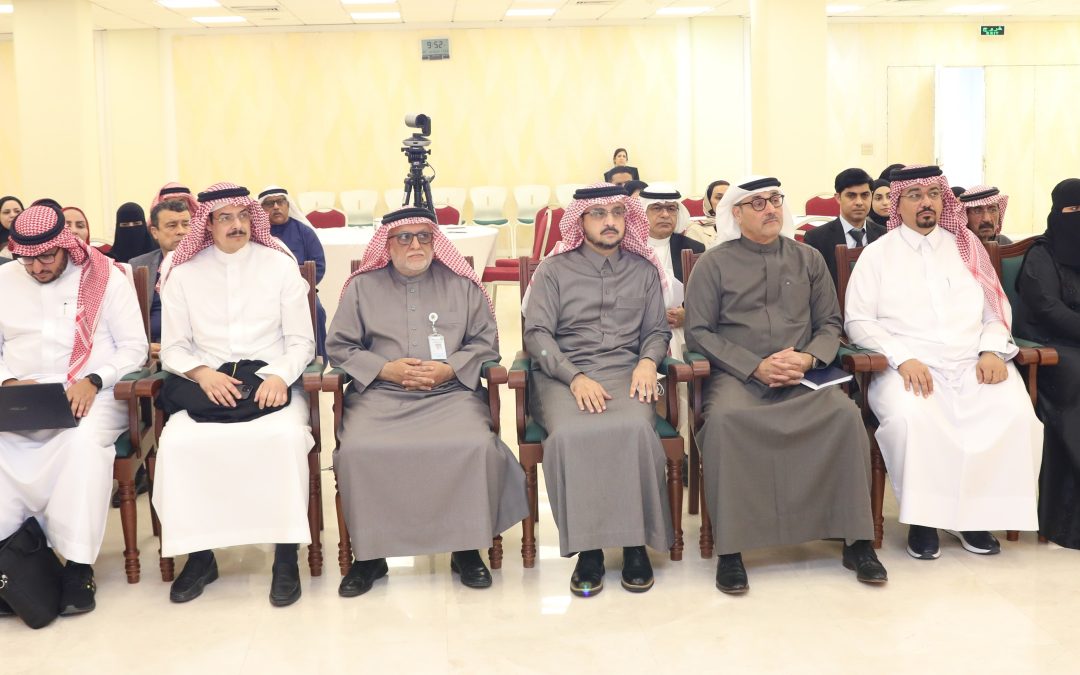
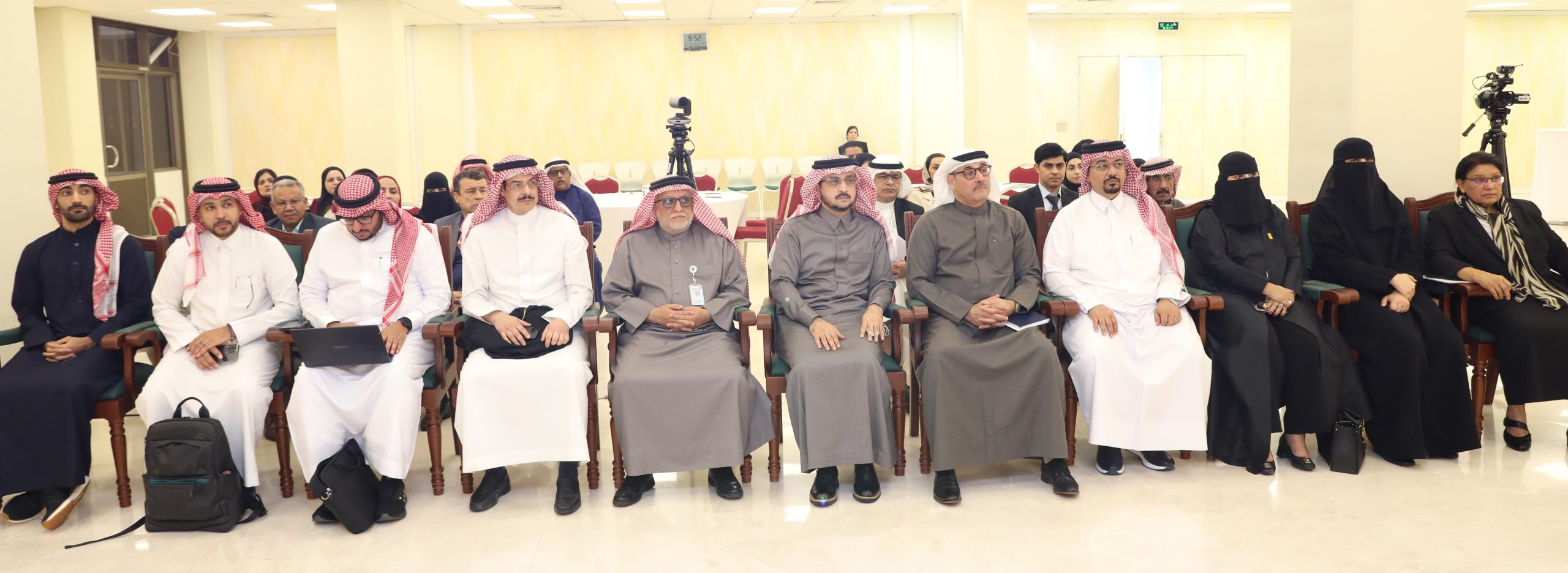
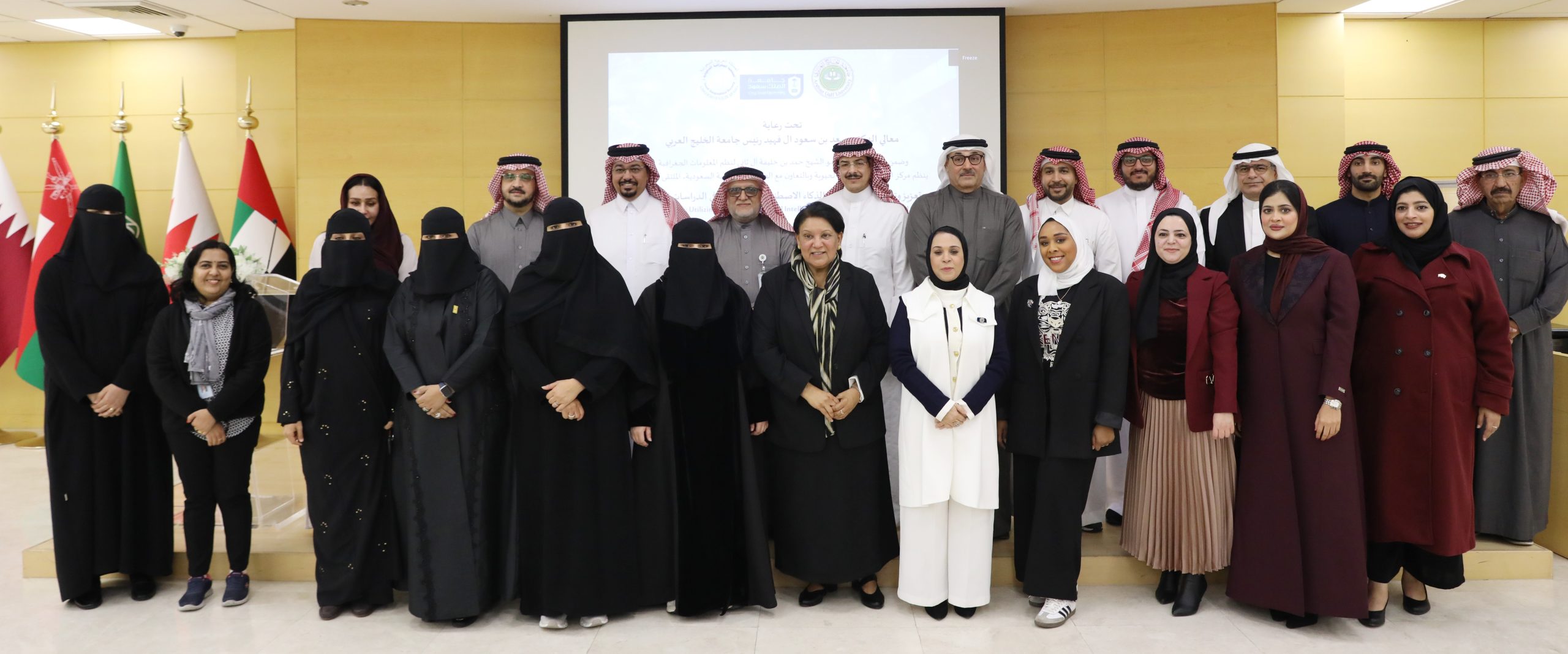
The activities of the Scientific Forum organised by the university in cooperation with the Saudi Geographical Society (SGS) and King Saud University launched yesterday at the Arabian Gulf University (AGU). The speakers discussed "Enhancing and Activating Uses of Geospatial Artificial Intelligence (GeoAI) in Environmental Studies" as part of the activities of His Highness Shaikh Hamad bin Khalifa Al Thani Chair in Geographic Information Systems (GIS), hosted by AGU since 1997.
During the opening of the forum, the Vice President for Academic Affairs and Scientific Research at AGU, Dr Ghazi bin Abdulrahman Al Otaibi, welcomed the partnership with SGS, noting that this partnership harmonises with the university's goals of enhancing Gulf capabilities to keep pace with scientific and technical developments, especially in the field of geospatial technologies.
Al Otaibi stressed that these new technologies are fundamental in analysing environmental patterns and trends, which enhances the decision-making process in various fields such as urban planning, environmental monitoring, climate change, and natural and human disaster management.
"This contributes to sustainable development. The forum represents an opportunity to exchange experiences and discuss the latest developments in using GeoAI in environmental studies," he stated.
He called for strengthening the role of Gulf universities in keeping pace with the Fourth Industrial Revolution, including these requirements in educational curricula, which realises the goals of comprehensive development in the Gulf region.
For his part, Dean of the College of Education, Administrative and Technical Sciences, Professor Waleed Zubari, explained that this scientific forum is part of a series of events organised by the university within the framework of promoting scientific research and innovation in various fields. He commended the support provided to GIS Chair of His Highness Shaikh Hamad bin Khalifa Al Thani by the State of Qatar, which reflects its interest in supporting the scientific and research process in the region.
He praised the importance of the partnership with the SGS, which cooperated with the Centre for Environmental and Biological Studies at the university in organising this forum, which enhances scientific cooperation between local and regional institutions. He also pointed out that the forum comes within the framework of the university's strategic direction in integrating modern technologies into curricula with the aim of enabling students and researchers to face future challenges, noting that GeoAI represents a powerful tool for analysing environmental data and making innovative decisions in managing natural resources, in addition to its contribution to various fields such as public health, transportation and smart city planning.
In the context of the forum's activities, the President of SGS, Dr Ali Abdullah Al Dosari, stressed the importance of enhancing scientific research and innovation in various fields, since activating partnerships between academic institutions enhances the exchange of expertise and knowledge, and contributes to innovative solutions to environmental challenges in the region. He added that GeoAI is a powerful tool for analysing environmental data and making innovative decisions in natural resource management, calling for the integration of modern technologies into curricula in order to enable students and researchers to face future challenges.
The Academic Supervisor of the GIS Chair of His Highness Shaikh Hamad bin Khalifa Al Thani, Associate Professor of GIS and Environment at the College of Education, Administrative Sciences and Technology, Dr Sabah Al Jenaid, stressed the growing importance of GeoAI in improving GIS applications, pointing to the role of this technology in enhancing scientific research and achieving innovative practical results.
She explained that the forum aims to explore the dimensions of these modern technologies and how they synergise with GIS, which improves the utilisation of GeoAI capabilities and their significant impact on applied research in this field.
She stressed the need for higher education to keep pace with global transformations in the fields of automation and technology, affirming that higher education must embrace transformations that will greatly impact the labour market in the future, especially in areas such as AI, big data, and cybersecurity, so that future generations are prepared to face these transformations.
During the forum sessions, Dr Dabiah Ahmed Alboaineen, Assistant Professor in Cloud Computing and AI at Imam Abdulrahman bin Faisal University, spoke about the opportunities and challenges in the world of GeoAI. Dr Fatima Al Shahri, AI Consultant, reviewed the role of large language processors in analysing geospatial data, while Dr Manaf Alkhuzaei, Researched of GeoAI in land and marine environments, spoke about enhancing spatial data analysis. Dr Ahmed Mohammed Fallatah, Deputy Director of the Centre of Excellence in Environment Studies at King Abdulaziz University, spoke about using GeoAI for sustainable management of historical sites. The forum concluded with a presentation on the methodology for developing GeoAI presented by Ms Haifa Ibrahim Alibrahim, AI Consultant at the Ministry of Justice in the Kingdom of Saudi Arabia.
At the conclusion of the forum, participants discussed ways to activate the sciences and applications of geospatial technologies, emphasising the importance of knowledge transfer and collaboration in order to accelerate the pace of skill acquisition for researchers and graduate students, increasing their awareness of the latest developments in the uses of GeoAI in their future studies and research.
by ashokaib | Feb 17, 2025 | Uncategorized
Dr Amina Abdulrahman Yousif, Head of the Department of Pathology, confirmed that the workshop witnessed outstanding participation from faculty members of the College of Medicine and Health Sciences, alongside several students, with a total of 45 participants. The workshop's instructors provided comprehensive awareness about the different types of microscopes, including traditional light microscopes, fluorescence microscopes, confocal microscopes, and electron microscopes, highlighting their importance in scientific research and practical applications in various fields.
Dr Rabab Ahmed Ahmed Mohammed, Associate Professor in the Department of Pathology and organiser of the workshop, stressed the importance of continuous training in the medical field. She stated, "Rapid advancements in medical technologies require professionals to continually update their skills to keep pace with these changes. Workshops like this serve as vital platforms to acquire practical and technical skills that enhance the quality of healthcare and improve physicians' ability to operate advanced medical devices." She explained that continuous training is not only about gaining new knowledge but also about enhancing the ability to apply this knowledge in the medical field. These training workshops provide significant opportunities for the exchange of experiences and knowledge between academics and students, creating an interactive and advanced learning environment.
This workshop is part of the university's ongoing efforts to enhance the scientific and practical skills of students and develop their capabilities in the fields of medicine and health sciences, underscoring the necessity of continuous education, which is the cornerstone of developing the medical sector. During the workshop, participants received intensive practical training on how to use and operate light microscopes in medical laboratories, allowing them to acquire advanced scientific skills in this area. They will also be awarded Continuing Medical Education (CME) certificates from the National Health Regulatory Authority (NHRA) in Bahrain.
The workshop was supervised by Dr Yahya Naguib, Associate Professor in the Department of Physiology and coordinator of activities related to the NHRA, Dr Amina Abdulrahman Yousif, Head of the Department of Pathology, and Dr Wael Amin, Head of the Department of Anatomy. The initiative, organisation, and coordination were led by Dr Rabab Ahmed Ahmed Mohammed, with contributions from Dr Manal Ahmed Othman, Associate Professor in the Department of Anatomy, who delivered lectures on the uses and applications of electron and confocal microscopes, drawing from her extensive research experience utilising these types of microscopes.
by ashokaib | Feb 13, 2025 | Uncategorized
As part of the activities of His Highness Shaikh Hamad bin Khalifa Al Thani Chair in Geographic Information Systems(GIS), the Scientific Forum organised by the Centre for Environmental and Biological Studies at the College of Education, Administrative and Technical Sciences at Arabian Gulf University (AGU), will launch next Sunday to discuss "Enhancing and Activating Uses of Geospatial Artificial Intelligence (GeoAI) in Environmental Studies", under the patronage of His Excellency the President of AGU, Dr Saad bin Saud Al Fuhaid.
The forum will be held in partnership with King Saud University and the Saudi Geographical Society. A number of key topics will be discussed, such as opportunities and challenges in the world of GeoAI, the usage of AI in image processing, and enhancing spatial data analysis using GeoAI.
The development of Internet of Things systems using AI technologies will also be addressed from an engineering and software perspective, in addition to the methodology for developing GeoAI within an integrated framework. The forum concludes with a discussion panel on activating GeoAI applications in geospatial sciences.
The academic supervisor of GIS Chair of His Highness Shaikh Hamad bin Khalifa Al Thani, Associate Professor of GIS and Environment at the College of Education, Administrative and Technical Sciences, Dr Sabah Al Jenaid, explained that a group of specialists from the Kingdoms of Saudi Arabia and Bahrain will review the most pioneering studies and applications in their various specialisations for AI usage.
Dr Sabah stressed that the tools of the Fourth Industrial Revolution have become a tangible reality in all societies, as they have begun to play a broad role in transforming production, management and governance systems.
Governments as well as political, economic and social institutions now seek to invest in the advantages of this revolution, the most important of which is the empowerment of human capital through continuous education and training that keeps pace with rapid developments and responds to the needs of different generations.
She pointed out that the discussions in this forum will address vital topics regarding higher education trends and its ongoing developments, besides changing concepts related to data-intensive knowledge requirements and automation, in line with the future needs of the labour market in the Gulf.
by ashokaib | Feb 13, 2025 | Uncategorized
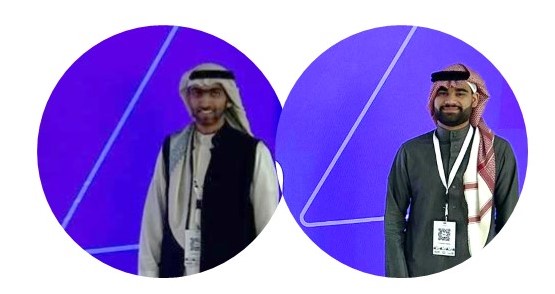
The international research conference "Jisr," hosted by King Fahd University of Petroleum and Minerals, featured remarkable participation from students of the College of Medicine at the Arabian Gulf University (AGU), who presented significant scientific research addressing health issues among women in Saudi Arabia.
Among the notable contributions, student Saad Khalid Al Saleh presented a research poster on cerebral venous sinus thrombosis (CVST) in Saudi women. The findings revealed a strong association between pregnancy and its complications with an increased risk of this condition. However, the study did not find a statistically significant relationship between the use of hormonal contraceptives or genetic factors and cerebral venous thrombosis. The study recommended a reevaluation of health protocols related to managing the risks of venous thrombosis in pregnant women to ensure more effective healthcare delivery.
In another study, student Tayyib Mohammed Abu Saud presented a research poster on the relationship between dietary patterns, nutritional knowledge, and gestational diabetes, a topic of growing importance given the rising incidence of gestational diabetes at 23.9% among women in the Kingdom, compared to the global rate of 14%. The research explored the awareness of pregnant women regarding healthy nutrition and the impact of their dietary habits on disease development, revealing that women with gestational diabetes consumed more fast food and sugary snacks. A higher percentage of cases was recorded among housewives, which may be linked to lower physical activity levels. The research also recommended enhancing nutritional awareness and improving health guidelines to reduce the prevalence of gestational diabetes.
The conference also saw the participation of second-year students Yusuf Younes Taqi and Turki Abdullah Al Thawadi, who contributed to the research discussions, reflecting AGU’s commitment to promoting student involvement in scientific research and developing their skills in the medical field.