by ashokaib | Feb 6, 2025 | Uncategorized
An online panel discussion entitled "AI Applications in the Water Sector: Towards Sustainable and Smart Management" organised jointly by the Energy Department of the General Secretariat of the Gulf Cooperation Council (GCC), the Gulf Water Sciences and Technology Association (WSTA), and Arabian Gulf University (AGU), will be launched on February 17. This panel aims to exchange expertise and discuss means of applying AI in the water sector in the Gulf.
The panel handles the experiences of GCC and Arab countries in employing AI in the water sector, besides its applications in managing water resources and enhancing water security, as well as the challenges and opportunities in applying these technologies.
The panel targets water specialists and officials in relevant ministries, academics and researchers in the water sector, specialists in emerging technologies and AI experts, alongside representatives of regional and international organisations concerned with water management, officials in national water companies, and innovative technology companies.
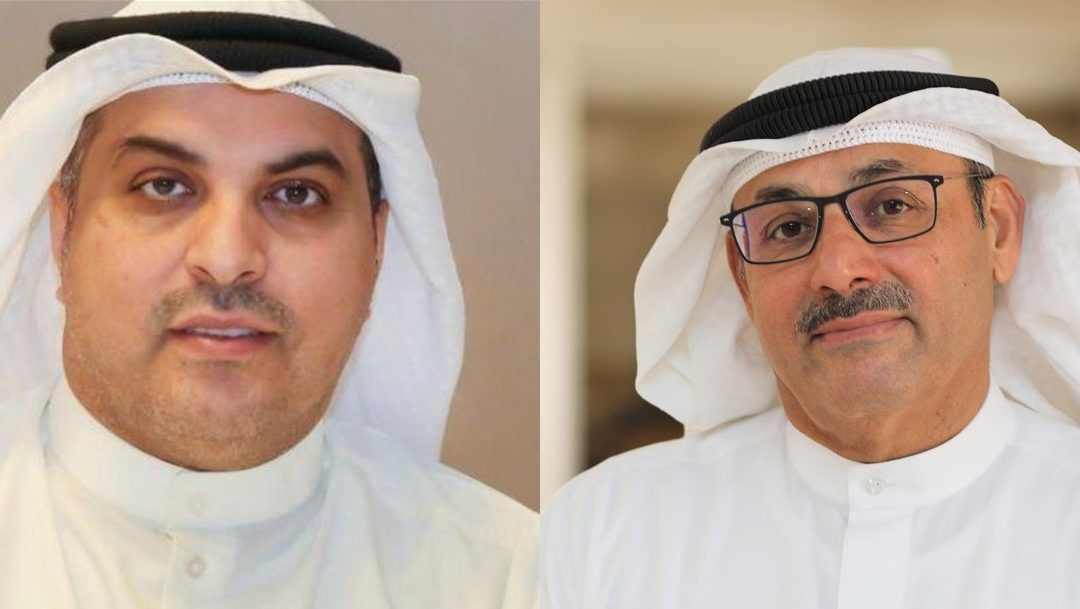
Professor of Water Resources Management at AGU, Chairman of the Scientific Committee at WSTA, Prof. Waleed Zubari, explained that water resources management is one of the most prominent strategic challenges facing Gulf countries which suffer from a significant scarcity of natural water resources while witnessing rapid population growth and economic development that increases the demand for water and the costs of providing it.
“With rapid developments in emerging technologies, AI comes with tremendous capabilities to provide innovative solutions for the efficient management of water resources,” he said. “The panel presents a significant opportunity for GCC countries to learn about the latest developments in this field, exchange expertise between specialists, and explore opportunities for local application of these technologies. The panel will also raise awareness regarding the importance of AI in addressing water challenges, and encouraging innovation and partnerships between the public and private sectors to develop smart and sustainable solutions for managing water resources in the region.”
For his part, the Director of Energy at the GCC General Secretariat Dr Mohammad Falah Al Rashidi, indicated that participants in the panel will present smart solutions to improve the efficiency of water consumption in various sectors, after reviewing the applications of AI in managing water resources and raising their efficiency. The latest technologies in the field will also be discussed with the aim of enhancing cooperation between government and research agencies and the private sector in adopting AI technologies.
Speaking at the panel will be Associate Professor and Consultant in Digital Intelligent Systems, Chair of the Institute of Electrical and Electronics Engineers Education Chapter, UK and Ireland, Dr. Zeyad Yousif Al-Shibaany, and Regional Representative of the International Water Management Institute in the Middle East and North Africa, Dr. Youssef Brouziyne, while Prof. Waleed Zubari will moderate.
by ashokaib | Feb 4, 2025 | Uncategorized
The University Medical Center of King Abdullah Medical City has renewed its Diagnostic Radiology Department by equipping it with the latest medical devices and technologies featuring artificial intelligence. This initiative is part of the center’s effort to provide high-quality healthcare and support medical innovation in delivering accurate diagnoses for patients.
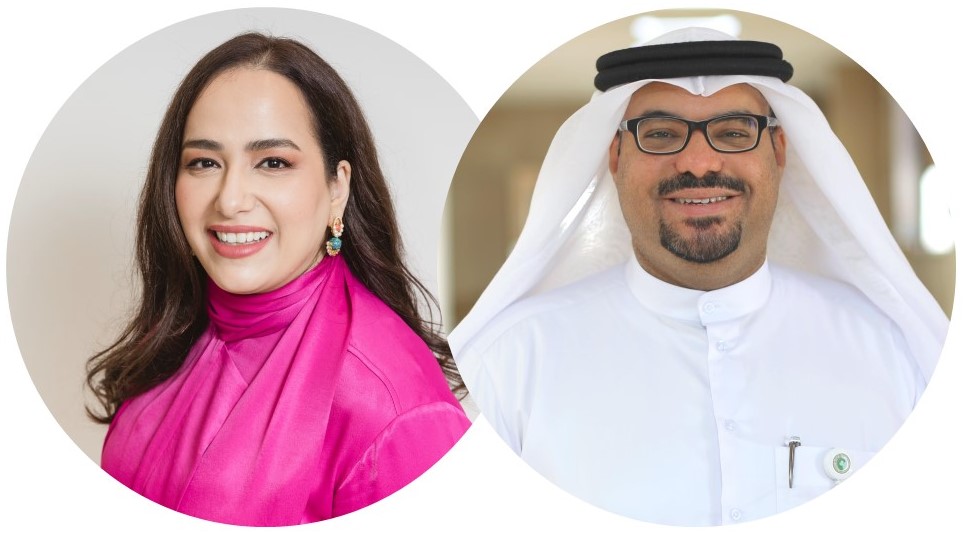
Dr Salman Hamad Al Zayani, the CEO of the University Medical Center, stated: “This step is part of the hospital's plan to modernise and expand the services provided to patients. The department, after its renovation, includes the latest AI-enabled medical devices; the first of their kind in the Middle East, which contribute to providing faster and more accurate medical diagnoses,”
He stressed that the upgrade of the Diagnostic Radiology Department reflects the hospital's ongoing commitment to providing the best healthcare services for patients, expressing pride in offering this advanced technology that will help expedite diagnosis and treatment, significantly improving treatment outcomes and patient care for those from the Kingdom of Bahrain and other Gulf Cooperation Council (GCC) countries. “This aligns with the strategic academic and health goals of the Arabian Gulf University (AGU),” he stated, extending his sincere gratitude to His Excellency Dr Saad bin Saud Al Fuhaid, President of AGU, for his commitment to providing the latest medical devices and his continuous oversight of the center's development efforts.
On her part, Dr Mai Ebrahim Mattar, Head of the Diagnostic Radiology Department and Musculoskeletal Radiology Consultant at the University Medical Center, said: “We at the University Medical Center are proud to present this advanced department, which allows us to conduct the most accurate diagnoses for a wide range of cases. The modern devices enable us to achieve greater precision, contributing to early disease diagnosis and effectively improving treatment plans.”
She added: “This development enhances our ability to provide comprehensive and integrated medical care for patients, reaffirming our ongoing commitment to offering the latest and best technologies that support our medical team in delivering top-notch healthcare services,”
She clarified that the new department includes a range of first-of-their-kind medical devices in the Middle East, equipped with artificial intelligence, such as MRI machines, CT scanners, colour imaging, and digital X-rays, which allow doctors to obtain high-resolution images that aid in accurately identifying medical conditions. The department also provides interventional radiology services that assist in treating certain diseases using guided imaging techniques, in addition to ultrasound machines.
It is noteworthy that the University Medical Center - King Abdullah Medical City offers high-standard medical services across all specialties, including genetic disorders, respiratory diseases, dermatology, cosmetic surgery, physical therapy, bariatric surgery, family medicine and nutrition, urology, neurology, pediatrics, general surgery and endoscopy, cardiology, dentistry, internal medicine and nephrology, obstetrics and gynecology, and assisted reproduction, along with emergency and ambulance services, ophthalmology, ENT, balance, radiology, laboratory, pharmacy, and short-stay unit.
by ashokaib | Feb 4, 2025 | Uncategorized
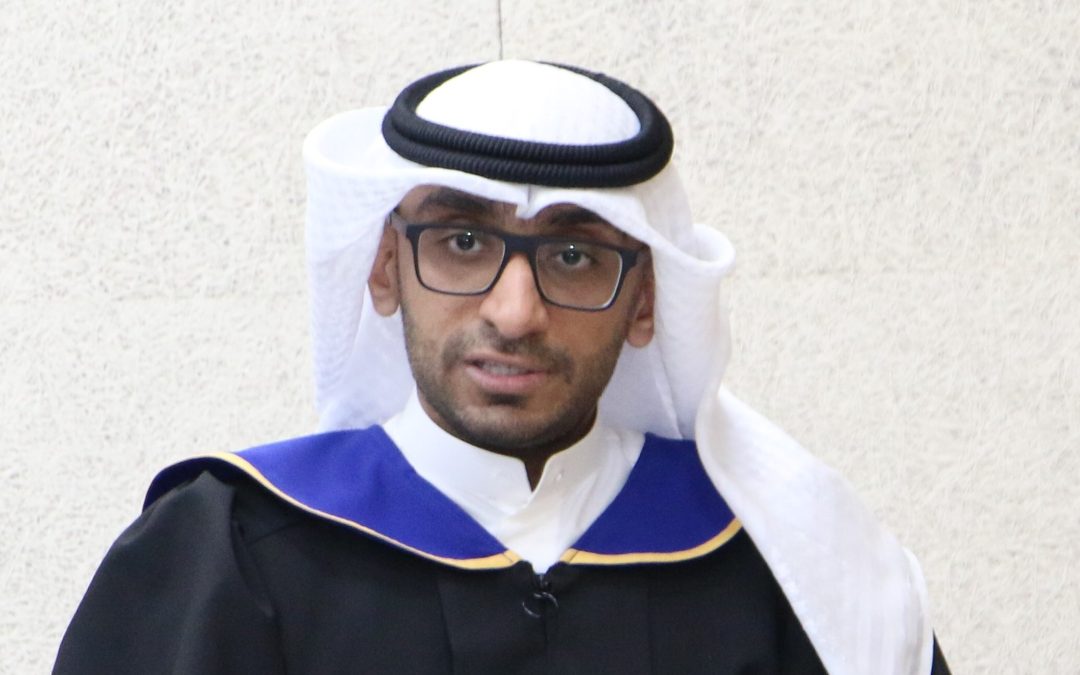
Mr. Ismail Hassan Al Kandari, a researcher in the Learning Difficulties and Developmental Disabilities programme in the Department of Special Education at the Arabian Gulf University (AGU), aimed to uncover the level of family relationships as perceived by parents of children with intellectual disabilities. His goal was to understand the correlation between the level of family relationships among families of children with intellectual disabilities and both social skills and behavioural problems related to aggression.
In his study, which he presented in fulfilment of his Master’s degree requirements, titled “Family Relationships and Their Connection to Certain Variables in Children with Intellectual Disabilities”, Mr. Al Kandari examined the differences in family relationship levels in relation to the severity of the disability and the gender of the children. He employed a descriptive methodology, with a sample comprising 148 families of children with intellectual disabilities.
The researcher utilised the Family Relationships Scale, the Social Skills Scale, and the Aggressive Behaviour Scale as research tools. The findings revealed exceptionally high levels of family cohesion and organisation, while interaction conflict and freedom of expression dimensions were high, and the independence dimension was at a moderate level.
The results indicated a statistically significant positive relationship between family relationships and social skills in children with intellectual disabilities, as well as a statistically significant negative correlation between family relationships and aggressive behaviour. Furthermore, the findings showed no statistically significant differences in the average scores of the overall Family Relationships Scale based on the interaction between gender and severity of intellectual disability, nor were there statistically significant differences based on the gender of the children with intellectual disabilities.
The researcher recommended the organisation of social training programmes in schools or through community support centres, and the development of strategies for managing aggressive behaviour in children with intellectual disabilities. This should involve identifying factors that contribute to aggression and providing a safe and supportive environment for the individual.
The study was supervised by Prof. Maryam Isa Al Sherawi, Special Education Professor, as the primary supervisor, and Dr Wid Daghustani, Special Education Professor and Coordinator of the Learning Difficulties and Developmental Disabilities Programme, as the assistant supervisor. Prof. Subhi Al Harithi, from Umm Al Qura University, served as the external examiner.
by ashokaib | Feb 3, 2025 | Uncategorized
The Arabian Gulf University (AGU), in cooperation with the Bahrain Institute for Pearls and Gemstones (DANAT), is launching a research project to study the impact of climate change on the distribution and abundance of pearl oysters and seaweed in the Kingdom of Bahrain. This comes within the framework of the proposed strategic plan for the Chair of His Highness Shaikh Hamad bin Khalifa Al Thani in Geographic Information Systems (GIS). The project aims to isolate and store these marine organisms, and research work is scheduled to officially begin this February.
His Excellency the President of AGU, Dr Saad bin Saud Al Fuhaid, pays special attention to activating scientific chairs and adopts a strategy to encourage scientific innovation within the framework of the continuous effort to enhance the university's scientific and educational status. He also supports sustainable research projects that benefit society, emphasising the importance of scientific research chairs in developing research and enhancing the role of scientists and researchers in various fields, which contribute to solving global challenges.
His Excellency Dr Al Fuhaid explained that investing in scientific research chairs is an investment in the future, as they shape new generations of researchers who will play a prominent role in the development of science and future technologies. “The GIS Chair of His Highness Shaikh Hamad bin Khalifa Al Thani represents an important step towards enhancing relevant scientific research in a manner that reflects the university’s commitment to providing a supportive environment for innovation and development,” His Excellency stated.
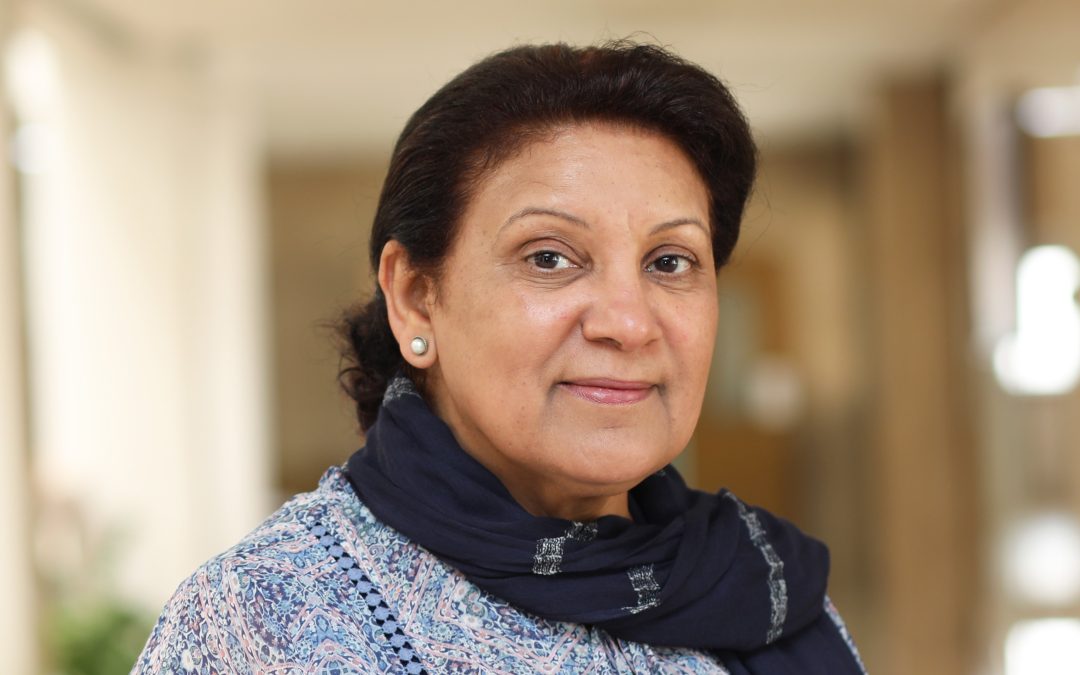
For her part, Dr Sabah Al Jenaid, Head of the Research Team and Academic Supervisor of the Chair, stressed project’s importance in highlighting the impact of climate change on the marine environment, especially in the Kingdom of Bahrain, which is famous for the presence of pearl oysters.
“The research will study the environment of pearl oysters and seaweeds in Bahrain within an integrated scientific plan which will contribute to a deeper understanding of this vital sector,” she stated.
It's worth noting that the research team consists of a group of experts specialised in various scientific fields.
Dr Al Jenaid, Associate Professor of GIS and Environment at the College of Education, Administrative and Technical Sciences, supervises the project, along with Mr Khalil Al Wadaei, Environmental Expert in Land and Marine Biology, Dr Manaf Al Khuzai, Researcher in Artificial Intelligence Applications, Modelling and Programming Languages, Ms Ghadeer Kadhem, Researcher Specialising in GIS, Remote Sensing and Databases, in addition to Bioanalysis Specialist Dr Fadia Mohamed.
The results of the project will contribute to developing strategies to protect Bahrain's marine environment and ensure the sustainability of the pearling industry, which is considered part of the cultural and economic heritage of the Kingdom.
by ashokaib | Feb 2, 2025 | Uncategorized
A delegation from the Accreditation Commission on Colleges of Medicine (ACCM), based in the Republic of Ireland, will visit the College of Medicine and Health Sciences at the Arabian Gulf University (AGU) tomorrow, Monday (February 3, 2025). The purpose of the visit is to evaluate the quality of the "Doctor of Medicine" programme and ensure the implementation of international academic and health standards. This visit is part of the college's ongoing efforts to enhance the quality of medical education and ensure it meets the highest global standards.
On the occasion, Dr Ghazi bin Abdulrahman Al Otaibi, Vice President for Academic Affairs and Scientific Research at AGU, stated: “At AGU, we are committed to having our Doctor of Medicine programme among the best medical programmes worldwide. This requires constant commitment to global standards in medical education. The visit by the ACCM is an opportunity to assess our efforts and achieve further academic excellence.”
During their visit, the delegation will meet with the college’s administration and faculty members and hold meetings with students to review the educational methods and clinical practices employed in the programme. This step is crucial for ensuring the academic sustainability of the programme and reflects the college’s commitment to providing outstanding medical education that keeps pace with the latest scientific and research advancements in the field of medicine.
Dr Al Otaibi added: “We are constantly striving to improve the quality of education and develop academic programmes, enhancing the level of training students receive through collaboration with esteemed accreditation bodies, such as the Irish Accreditation Commission. This ensures our students are equipped with the necessary knowledge and skills, supported by modern facilities and infrastructure, to keep pace with contemporary health challenges and ensure the graduation of qualified doctors capable of delivering high-quality healthcare.”
He further noted that AGU continuously seeks to renew its academic programme accreditations by adopting the best global practices, highlighting its commitment to advancing medical education in the GCC region and the Arab world.
In this regard, Prof. Abdelhalim Deifalla, Dean of the College of Medicine and Health Sciences, said: “This visit represents an important step in maintaining the medical education standards at the college, serving the youth of the GCC countries. Preserving this significant international accreditation enhances the stature of the college and the university, attracts more outstanding medical students, and maintains the college’s position in the World Federation for Medical Education’s Global Directory of Medical Schools.”
“Furthermore, it ensures a high-quality educational environment that contributes to preparing doctors capable of delivering exceptional healthcare and enables graduates to pursue further studies at prestigious global universities. It is noteworthy that the Doctor of Medicine programme received full accreditation for six years from the Accreditation Commission, and this visit comes mid-term to monitor accreditation requirements,” he added.
For his part, Mr Khabab Al Haj, Supervisor of the Quality Unit at the Quality Assurance and Strategic Planning Centre, indicated that the visit would include inspections and evaluations of the medical and educational facilities, laboratories, the anatomy museum, and the medical simulation centre available to students. Additionally, there will be field tours to inspect the practical training centres in government hospitals to observe the modern equipment used by students during their clinical training.